


Discover The Royal Botanic Garden Edinburgh Plus 9 More
Updated On: February 11, 2024 by  Eman Sameh
Edinburgh, Scotland, is renowned for its rich history, stunning architecture, and vibrant cultural scene. However, beyond the iconic landmarks and bustling streets lies another layer of beauty: its diverse and captivating botanic gardens. Their unique features, breathtaking plant displays and historical landmarks make them among Edinburgh’s most fascinating tourist destinations.
In this article, we will discover the Royal Botanic Garden Edinburgh along with 11 more botanic gardens. We’ll also provide practical information on what you can see and do there, ensuring your botanical adventure is both enjoyable and informative.
1. The Royal Botanic Garden Edinburgh
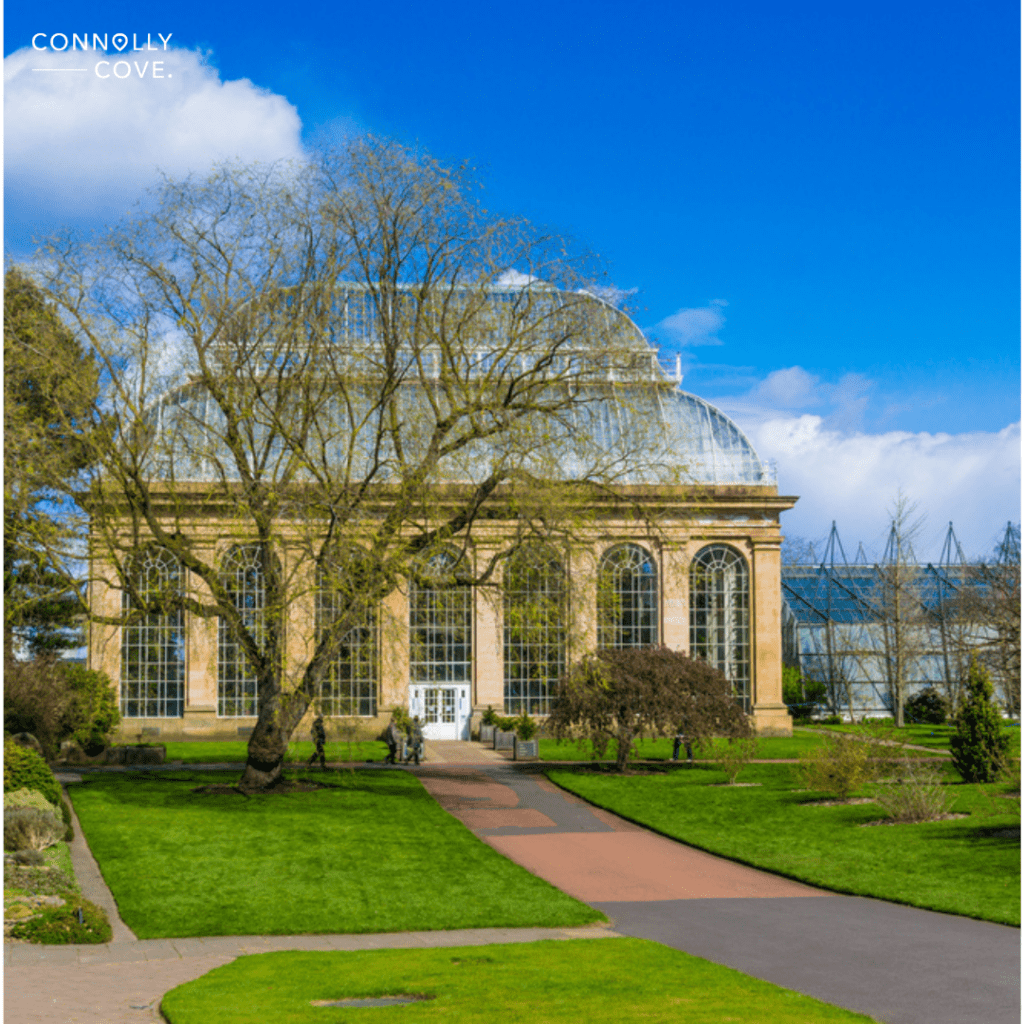
Founded in 1670 by physician and natural historian Robert Sibbald, the Royal Botanic Garden Edinburgh (RBGE) boasts a rich and fascinating history. Initially established as a Physic Garden for growing medicinal plants, it has evolved into a world-renowned plant research, conservation, and public education centre.
Spanning over 70 acres just a mile north of Edinburgh’s city centre, the RBGE is home to a breathtaking collection of over 13,500 different plant species from around the globe. Visitors can embark on a journey through diverse habitats, from the intricate glasshouses showcasing tropical wonders to the sprawling lawns adorned with vibrant seasonal blooms.
The Royal Botanic Garden Edinburgh is most famous for its historical core, designed by famed landscape architect James Sutherland. Here, meticulously sculpted borders showcase a spectrum of herbaceous plants, while mature trees provide shade and tranquillity. The iconic glasshouses, constructed between 1838 and 1879, house delicate and rare species from across the globe, offering a glimpse into exotic ecosystems.
One of the garden’s highlights is the Chinese Hillside, meticulously designed in the 1920s to represent China’s diverse flora. Visitors can wander through beautifully arranged plantings, encountering rhododendrons, magnolias, and other plants native to the region.
Beyond its historical core, the Royal Botanic Garden Edinburgh offers a range of contemporary features. The John Hope Gateway, which opened in 2012, serves as a modern visitor centre, housing exhibitions, a library, and educational facilities. The impressive Joan Cargill Millennium Gateway, completed in 2002, provides access to the Arboretum, featuring a vast collection of trees from around the world.
9 Beautiful Botanic Gardens in Edinburgh
Edinburgh is a city of charm, history, and, of course, stunning gardens. From grand historical landscapes to hidden, contemporary spaces, these verdant havens are delightful escapes amidst the urban energy. Here’s a glimpse into some of the most famous botanic gardens in Edinburgh:
1. Princes Street Gardens
Princes Street Gardens is one of the unique botanic gardens in Edinburgh owing to its elevated position, affording breathtaking views across the city skyline. From the gardens, you can marvel at the imposing Edinburgh Castle perched atop Castle Rock, admire the architectural grandeur of the New Town, and even glimpse the vast expanse of the Firth and Forth in the distance.
Throughout the year, Princes Street Gardens come alive with a dazzling array of seasonal blooms. In spring, vibrant tulips and daffodils carpet the flowerbeds, while in summer, there is a profusion of colourful roses, lilies, and hydrangeas. Autumn brings fiery hues of red, orange, and yellow foliage, and even in winter, evergreen plants lend a touch of greenery to the landscape.
Beyond the natural beauty, Princes Street Gardens offers several other points of interest. Explore the historical monuments scattered throughout the park, including the iconic Scott Monument dedicated to Sir Walter Scott and the Ross Fountain showcasing allegorical figures. You can also admire the vibrant floral clock, a famous city landmark known for its changing displays of seasonal flowers.
2. The Meadows
Stretching over 60 acres south of the city centre, The Meadows is a vibrant green space that is full of activity and relaxation. Its expansive grassy areas, crisscrossed by pathways, attract locals and visitors alike. The Meadows caters to a wide range of recreational pursuits. Joggers pound the perimeter paths, football matches unfold on designated pitches, and frisbee games spark friendly competition on the open lawns.
Throughout the year, The Meadows transforms into a hub for community events. From vibrant summer festivals filled with music and food stalls to organised fitness classes and dog shows, the park provides a platform for bringing people together and fostering a sense of community.
Beyond its recreational value, The Meadows is one of the botanic gardens that play a crucial role as a vital green lung within Edinburgh. The extensive open space is a habitat for diverse urban wildlife, contributing to the city’s ecological balance and improving air quality.
3. Dunbars Close Garden
One of the historical botanic gardens in Edinburgh is Dunbars Close Garden, which dates back to the 17th century. Brick walls, meticulously maintained, enclose the space, transporting visitors back to a bygone era. Explore the walled medieval herb garden showcasing culinary and medicinal plants used for centuries.
Discover the fascinating story of John Dunbar, the 18th-century writer who once owned the site and gave the garden its name. Admire the elegant sundial, meticulously restored to its former glory, standing as a testament to timekeeping traditions.
4. Saughton Park & Gardens
Escape the city bustle and enter a world of diverse attractions at Saughton Park & Gardens. Spanning over 34 acres, this expansive green space caters to everyone, from families seeking fun to nature enthusiasts craving tranquillity.
- Peaceful Gardens: Stroll through the beautifully manicured Rose Garden, brimming with fragrant blooms in season. Explore the Walled Garden, showcasing diverse plant collections arranged in geometric patterns. Discover the Physic Garden, where medicinal plants have been grown for centuries.
- Wooded Retreats: Wander through tranquil pathways beneath the shady canopy of mature trees. Explore the picturesque Water of Leith flowing alongside the park, fostering local wildlife like kingfishers and herons.
- Family Fun: Let the kids loose in the expansive, imaginative play area featuring climbing structures, swings, and slides. Take a paddleboat and enjoy a ride on the picturesque boating pond.
- Active Pastimes: Jog or cycle along dedicated paths, participate in a football game on the designated pitches or work out at the outdoor gym facilities.
- Restored Bandstand: Enjoy live music performances or simply admire the architectural beauty of this iconic garden.
- Wildlife Spotting: Keep an eye out for squirrels, bats, and various bird species flitting through the diverse habitats.
- Accessibility: Saughton Park & Gardens are accessible by public transportation and offer dedicated wheelchair-accessible paths.
5. The Botanics at Inverleith
This smaller, more intimate botanical garden offers a different kind of experience, perfect for those seeking a tranquil escape amidst an impressive array of plants. One of the highlights of The Botanics is its renowned rock garden. It mimics a mountainous landscape featuring a diverse collection of alpine and rock garden plants. Wander through winding paths, discover hidden nooks, and marvel at the vibrant blooms thriving in unique rocky crevices.
Beyond the rock garden, The Botanics boasts a wealth of diverse plant collections. Explore the Woodland Walk, teeming with native Scottish trees and wildflowers. Admire the vibrant Rhododendron Collection, bursting with colour during spring. Unwind in the tranquil Peace Garden, featuring soothing water features and calming vegetation.
Explore the Victorian glasshouse, showcasing delicate tropical plants. Discover the historic Temperate House, housing a diverse collection of ferns and other exotic species. Learn about the garden’s rich history at the Inverleith House, which now serves as a community space and exhibition venue.
Compared to the vastness of the Royal Botanic Garden Edinburgh, The Botanics at Inverleith offers a more intimate and serene atmosphere. Smaller crowds and winding paths create a sense of seclusion, allowing you to immerse yourself in the tranquil surroundings fully.
6. Dr Neil’s Garden
Art seamlessly blends with nature at Dr Neil’s Garden. Scattered throughout the space, contemporary sculptures add an element of surprise and reflection. More than just a beautiful space, Dr Neil’s Garden serves as a vital community hub. Volunteers from diverse backgrounds come together to nurture the garden. Educational workshops and events cater to all ages, encouraging appreciation for nature and environmental responsibility.
7. The Scottish National Gallery of Modern Art Garden

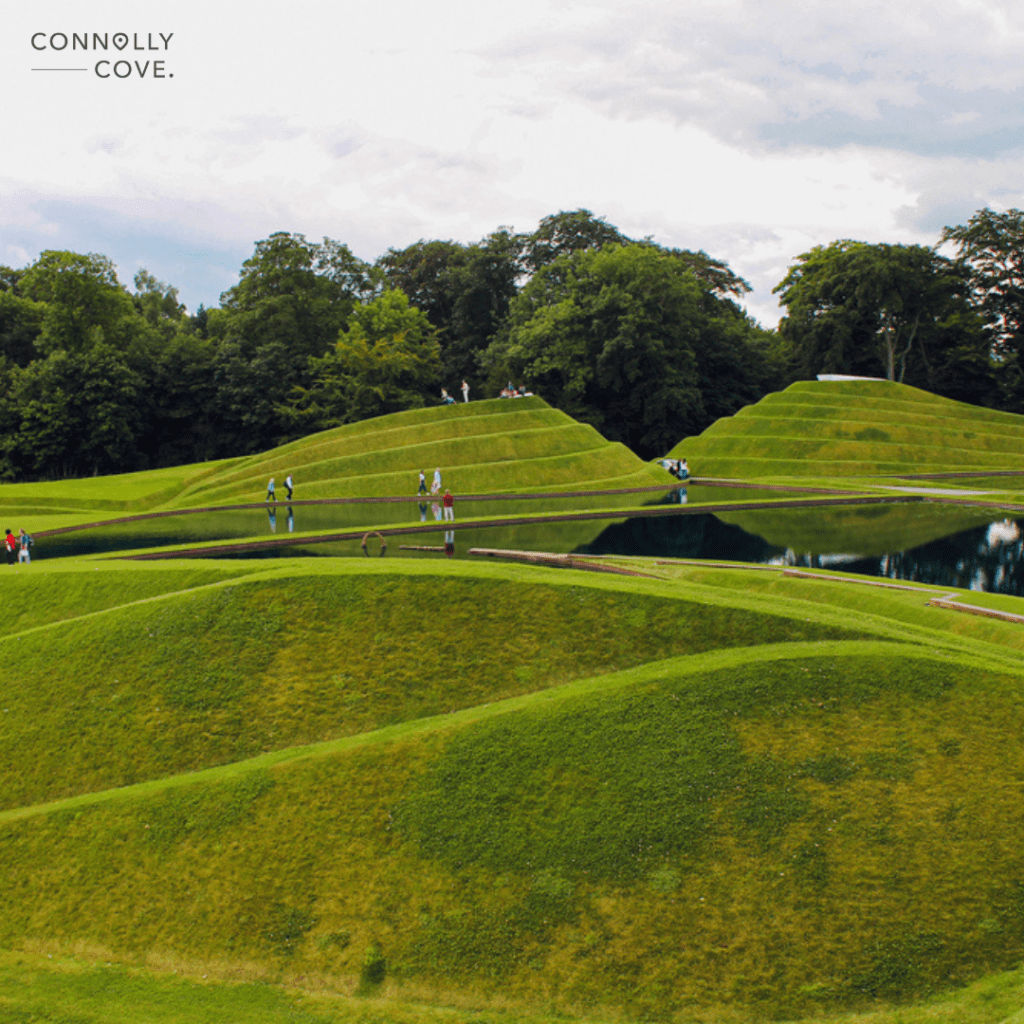
The Scottish National Gallery of Modern Art Garden’s design is a work of art. The renowned landscape architect Charles Jencks used “chaos theory” as inspiration, resulting in a dynamic layout of winding paths, terraced mounds, and crescent-shaped pools. This interplay of geometry and organic curves creates a captivating visual experience, encouraging exploration and contemplation.
The garden serves as an extension of the gallery itself, providing context and inspiration for the diverse artwork housed within. Thematically linked exhibitions might find echoes in the garden’s sculptures, while the open-air space itself hosts performances and events, making it a vibrant hub for artistic expression.
8. The Hermitage of Braid
Reaching the top, you’ll encounter the centrepiece of this hidden gem – the Hermitage itself. This curious structure, built in the 1750s, is a folly – a decorative building designed for pleasure rather than practical use. Carved into the sandstone cliff, it resembles a rustic cave with a fireplace and hidden chambers.
The Hermitage of Braid offers more than just scenic views and historical intrigue. Keep an eye out for diverse wildlife, from squirrels scampering through the trees to birds of prey soaring high above. The area also holds archaeological significance, with remnants of ancient settlements hidden within the landscape.
Renowned sculptures by international artists are meticulously placed throughout the landscape, each piece interacting harmoniously with the surrounding natural environment. From Henry Moore’s monumental reclining figures basking in the sun to Charles Jencks’ intriguing land art installations nestled amidst rolling hills, the park becomes a living, breathing gallery, inviting exploration and interpretation.
9. Jupiter Artland
The beauty of Jupiter Artland lies in the seamless fusion of art and nature. Jupiter Artland is more than just a passive viewing experience. It’s an interactive space that encourages exploration, reflection, and individual interpretation. Climb atop Danny Boyle’s “Hypnerotomachia” and gaze out at the panoramic views, or lose yourself in the immersive soundscape created by Christine & Margaret Wertheim’s “The Trembling Lattice.” Each artwork presents a unique opportunity to connect with the artist’s creative vision and contemplate the relationship between art and the natural world.
While the sculptures take centre stage, Jupiter Artland also offers a wealth of hidden delights. Explore the historic Jupiter House, once home to esteemed art collector Robert Fleming, and discover its fascinating collection of contemporary art. Delve into the park’s rich history, dating back to the 18th century, through its charming walled garden and picturesque ruins.
Don’t Miss Visiting Edinburgh Castle
- Crown Jewels: Witness the awe-inspiring Crown Jewels of Scotland, the oldest set in Britain, including the Crown of Robert the Bruce.
- Mons Meg: Marvel at Mons Meg, a massive 15th-century cannon, a testament to the castle’s defensive might.
- National War Museum: Explore the fascinating history of Scottish warfare through interactive exhibits and displays.
- St Margaret’s Chapel: Step back in time within Edinburgh’s oldest building, dedicated to Queen Margaret, wife of Malcolm III.
- Breathtaking Views: Enjoy panoramic city vistas and surrounding landscape from the castle ramparts.
The Scottish National Gallery
Renaissance & Baroque: Immerse yourself in masterpieces by renowned European artists like Titian’s Diana and Callisto (1559), Raphael’s Holy Family with a Palm Tree (1506), and El Greco’s View of Toledo (1610-14).
Impressionism & Modernism: Step into the world of light and colour with iconic works like Monet’s Haystacks (1891), Gauguin’s Vision après le Sermon (1888), and Van Gogh’s Sunflowers (1888).
18th & 19th Centuries: Discover the evolution of Scottish art through works by Allan Ramsay, Henry Raeburn, and Horatio McCulloch, capturing landscapes, portraits, and historical scenes.
20th Century & Beyond: Explore the dynamic contemporary Scottish art scene through works by Charles Rennie Mackintosh, Anne Redpath, and Peter Doig, reflecting diverse styles and perspectives.
So, be prepared for a journey through Edinburgh’s botanic gardens and let your imagination soar as you explore each park’s vast grounds, behold the grandeur of ancient sculptures, and reconnect with the beauty of the natural world.
FAQs
How much does it cost to visit Edinburgh Royal Botanic Gardens?
Entry is free all year round. You only buy tickets to visit the glasshouse, which costs £7 for adults.
How big is Princes Street Gardens?
East Princes Street Gardens runs from The Mound to Waverley Bridge and covers 8.5 acres (3.4 ha), while West Princes Street Gardens cover 29 acres (12 ha) and extend to the adjacent churches of St. John’s and St. Cuthbert’s, near Lothian Road. In total, Princes Street Gardens is over 37 acres (150,000 m²) in size.
How much are the tickets for Dr Neil’s Garden?
The entry is free of charge.
How far is Dunbars Close Garden from Edinburgh Waverly Train Station?
About 11 minutes (1.3 mi).

Discover The Mythical Valkyrie Horses: Steeds of Legend
Mythology and Folklore
28/04/2024

Exploring the Concept of Anam Cara: A Celtic Perspective on Soul Friendship
Culture Exploration
29/04/2024
Kensington Palace – London Attractions
England
29/04/2024

Harry Potter Shop at Platform 9 3/4 – London Attractions
England
29/04/2024

Exploring the Isle of Man’s Rich History and Culture
Ireland
29/04/2024