


Discover the Enchanting Shannon, Ireland: A Complete Guide
Updated On: April 29, 2024 by  Raghda Elsabbagh
Ever fancied traversing the less-explored treasures of Ireland? We’ve chanced upon Shannon, Ireland, in our quest to quench wanderlust—an absolute jewel hidden from the conventional tourist trail.
With its breathtaking landscapes and profoundly ingrained history, it offers an alluring insight into the unknown territories of Ireland. This guide highlights Shannon’s captivating charm, presenting activities spanning historic site exploration to relishing delectable Irish cuisine. Shall we embark on an irresistible Irish adventure together?
Table of Contents
Facts About Shannon, Ireland
Shannon, located in County Clare, Ireland, is a picturesque small town that blends Irish charm and natural beauty.
History and Development
Shannon town was developed due to the construction of the Shannon Airport in the 1940s. It was named after the River Shannon, the longest river in Ireland. The airport was built on a piece of land that was once a part of the Shannon Estuary, and it was initially intended to serve as a transatlantic stopover for flights between Europe and North America.
The development of the airport led to the creation of a new town, which was designed to be a model town. The Irish government planned and built the town, and it was considered one of the most modern towns of its time. The town was designed to be self-sufficient and had its own schools, shops, housing, and recreational facilities.
In the early years, the airport played a significant role in the town’s economy. It was an important hub for transatlantic flights, providing employment opportunities for locals. Over the years, the airport has grown in size and importance, and it is now one of the busiest airports in Ireland.
Today, Shannon is a vibrant town home to diverse businesses and industries. It has a population of around 9,000 people and continues to grow and develop. The town is known for its friendly people, beautiful countryside, and rich history and culture. It is a popular tourist destination and a great place to visit if you want to experience the best of Ireland.
Local Government and Politics
Shannon’s local government is overseen by the Clare County Council. The council is responsible for providing different services to the people of Shannon, including housing, road maintenance, waste management, planning, development, and maintaining Shannon’s infrastructure. The council is made up of elected officials who are responsible for making decisions on behalf of the local community.
The council is divided into three electoral areas, represented by elected councillors. These councillors are responsible for representing the interests of their constituents and ensuring that their needs are met. The council meets regularly to discuss local issues and to make decisions on matters that affect the community.
The town’s people are actively engaged in local politics and are encouraged to participate in the democratic process. Regular elections are held for the local council, and the people of Shannon are encouraged to vote and to have their voices heard.
Climate
Shannon has a temperate maritime climate characterised by mild temperatures, high humidity, and frequent rainfall. The town experiences relatively mild winters and cool summers, with temperatures rarely dropping below freezing in the winter or rising above 20°C (68°F) in the summer.
The average temperature ranges from around 4°C (39°F) in January to 19°C (66°F) in July. The town receives an average of 900 millimetres (35 inches) of rainfall annually, with the wettest months being October and November.
The town’s climate is influenced by its proximity to the Atlantic Ocean, which helps to moderate temperatures throughout the year. The prevailing winds come from the west, bringing moist air that leads to frequent rainfall in the area.
Despite the frequent rainfall, Shannon enjoys a relatively mild climate ideal for outdoor activities such as hiking, cycling, and golfing. If you’re visiting, you should be prepared for frequent rainfall and bring appropriate clothing and footwear to enjoy the stunning countryside and outdoor activities the area offers.
Twin Towns—Sister Cities
Shannon has formed several twin-town and sister-city relationships with other cities worldwide. These relationships are known as “twinning” or “sister cities” and aim to promote cultural and economic exchanges between the two cities.
One of Shannon’s twin towns is Châteaubriant, a town in western France. The relationship between both towns was established in 1982 and has been going strong ever since. The two towns have exchanged visits by school groups, musicians, and sports teams over the years.
Another twin town is Tübingen, in southwestern Germany. This relationship was established in 1987, and since then, students, musicians, and artists have exchanged visits between the two towns. The relationship between both towns has also led to increased economic ties between the two towns.
Shannon also has a sister city relationship with Grapevine, Texas, in the United States. This relationship was established in 1996, and since then, politicians, business leaders, and cultural groups have exchanged visits between the two cities. This relationship has led to increased tourism between the two cities, with many people from Shannon visiting Grapevine and vice versa.
Things to See and Do in Shannon, Ireland
There are a plenty of exciting activities and attractions that make Shannon a popular destination for tourists. Here are some of the best things to do:
- Bunratty Castle and Folk Park: This historic castle and folk park is a must-visit attraction for anyone visiting Shannon. You can tour the castle and explore the surrounding folk park, which features recreated 19th-century rural Irish life, including authentic thatched cottages, a schoolhouse, and a church.
- Cliffs of Moher: Located just a short drive from Shannon, the Cliffs of Moher are one of Ireland’s most iconic natural attractions. Visitors can walk along the cliffs and enjoy stunning views of the Atlantic Ocean.
- Shannon Estuary Way: This scenic driving route takes you through some of the most jaw-droppingly beautiful landscapes in County Clare, passing through charming towns and villages.
- Shannon Golf Club: Golf enthusiasts will love the the town’s golf club, which features an 18-hole championship course and a driving range.
- Shannon Heritage: Shannon Heritage operates several historic sites and attractions in the region, including Bunratty Castle, King John’s Castle in Limerick, and Craggaunowen, a recreated Bronze Age settlement.
- Shannon River Adventure: If you love outdoor activities, the Shannon River Adventure offers a range of water-based activities, including stand-up paddleboarding, kayaking, and boat tours. Put that swimsuit on and plunge in!
- Shannon Airport Aviation Museum: Aviation enthusiasts will enjoy a visit to this museum, which features exhibits on the aviation history in Ireland.
- Ennis Friary: This is a must-visit for anyone interested in medieval architecture and history. It’s a historic Franciscan friary in Ennis, County Clare, just a short drive from Shannon. Founded in the 13th century, the impressive stone building is home to beautifully preserved arches, intricate carvings, and stunning stained-glass windows. You can explore the grounds, marvel at the architecture, and learn about the fascinating history of the friary, including surviving the destruction of the Reformation, through guided tours and informative exhibits.
- Quin Abbey: Located in Quin, County Clare, also near Shannon, Quin Abbey is a hauntingly beautiful medieval ruin that attracts photographers and history buffs alike. Founded in the 14th century, the abbey was once a thriving centre of Catholic worship. Its ivy-covered walls and crumbling arches provide a stunning backdrop for photos. At the same time, the site’s history is sure to captivate visitors of all ages.
Other Nearby Destinations
If you’re a history, the ancient sites of Doolin Cave and Caherconnell Stone Fort offer a glimpse into Ireland’s past. If you love outdoor adventures, the Burren National Park and Connemara National Park are perfect for hiking and exploring beautiful landscapes. And don’t forget about Galway City, known for its vibrant atmosphere and traditional music scene. These nearby destinations allow you to immerse yourself further in Irish culture and natural wonders while based in Shannon.
Must-try Foods in Shannon and Where to Eat Them
No trip is complete without trying some of the delicious local foods. Here are some must-try local foods and where to eat them:
- Irish Stew: This hearty dish is a staple of Irish cuisine and is made with tender lamb or beef, potatoes, onions, and carrots. It’s hearty and comforting, perfect for filling up after a day of exploring. And when you mention Irish Stew, there’s no better place to try it than Durty Nelly’s. This iconic pub is just a short drive from the airport and has served delicious Irish Stews for over 400 years. Their menu features other classics like fish and chips and bangers and mash.
- Seafood Chowder: Head to The Wild Atlantic Way Caf for a taste of the sea. This cosy restaurant specialises in fresh seafood, including a delicious seafood chowder that will warm you up on a chilly day. They’re also known for their fresh and crusty homemade brown bread.
- Boxty: This traditional Irish potato pancake is a must-try dish, and you can find some of the best at The Creamery Bar & Restaurant, located in Bunratty, just a short drive from Shannon. This charming eatery offers a range of Irish classics, including a delicious boxty stuffed with cheese and bacon and Guinness beef stew. The restaurant is also known for its desserts, including the famous Bailey’s cheesecake.
- Black Pudding: Try a slice of black pudding at The Locke Bar to taste something genuinely Irish. This cosy pub is located in the heart of Limerick City, just a short drive from Shannon, and serves up some of the best black pudding in the region. The pub also has live music and a great atmosphere.
- Irish Breakfast: No trip to Ireland is complete without a hearty Irish breakfast, and The Poet’s Corner, located in Ennis, just a short drive from Shannon, is the perfect place to indulge. This charming restaurant offers a range of breakfast options made from fresh, locally sourced ingredients, including a full Irish breakfast with all the trimmings.
For a taste of Irish hospitality and traditional Irish cuisine, head to the Boru Lounge and savour hearty dishes like shepherd’s pie and fish and chips. If you prefer casual dining with a view, Shannon Golf Club boasts a stunning setting where you can enjoy a mouthwatering meal while soaking in panoramic views of the golf course. If you’re seeking upscale dining, Elite Motion Chauffeurs offers gourmet food tours showcasing the region’s finest restaurants. It would be best to visit local markets like Ennis Farmers’ Market and sample artisanal cheeses at Aillwee Cave Farmshop.
Whether you’re looking for traditional Irish cuisine or something a little more modern, Shannon has plenty of delicious dishes to satisfy your appetite. So, pack your appetite, sample some of these must-try foods during your visit, and, most importantly, be prepared to watch your waistline grow!
How Do You Get to Shannon, Ireland?
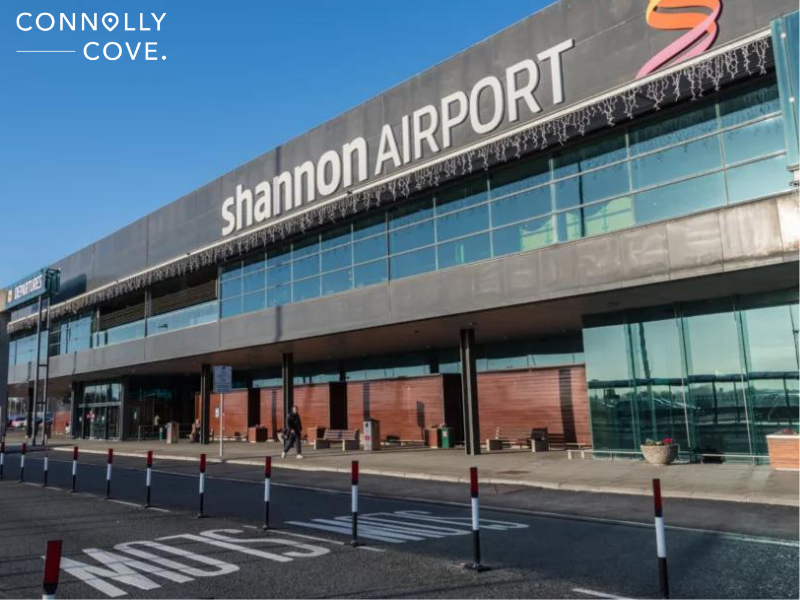
Getting to Shannon, Ireland, is easy and convenient, with various transportation options available. The easiest way to get to the town is by flying into Shannon Airport, which is served by several major airlines across Europe, North America, and the Middle East.
Alternatively, you can take a ferry from the UK to Dublin or Rosslare and then drive or take public transportation to Shannon. If you’re already in Ireland, you can also take a bus or train to Shannon from other major cities like Dublin, Limerick, and Galway. Once you arrive, you can rent a car or hop on a taxi or public transportation to your accommodation.
Getting Around in Shannon
Getting around Shannon, Ireland, is relatively easy and convenient, with various transportation options available. The town is compact and walkable, making it ideal for those who want to explore on foot. If you prefer cycling, there are bike rental services available as well.
If you prefer having your own vehicle or planning to explore the surrounding countryside, renting a car is a great option, as it gives you the freedom to go wherever you want, at your own pace. Just remember that they drive on the left side of the road in Ireland! Several car rental companies are located at the airport and in the nearby towns of Ennis and Limerick.
Alternatively, you can take public buses or trains to explore the region and the nearby destinations. Bus Éireann operates a range of services throughout the area, with frequent buses to Ennis, Limerick, and other nearby towns. Irish Rail also operates many trains from Shannon to other major cities in Ireland. Taxis are also available throughout the region, with taxi ranks at the town’s Airport.
For an authentic Irish experience, hire Pat Keogh Chauffeur Service or Elite Motion Chauffeurs to guide you through picturesque landscapes. They’ll ensure your comfort and safety throughout your trip.
Scenic Drives
One of the best ways to explore the enchanting charm of Shannon is by taking scenic drives through its breathtaking landscapes. As you cruise the winding roads, you’ll be treated to stunning views of rolling green hills, charming villages, and the majestic River Shannon.
These scenic drives are perfect for immersing yourself in Ireland’s natural beauty. From the dramatic cliffs of Loop Head Peninsula to the serene shores of Lough Derg, each route offers something unique and unforgettable. So, pack your camera and prepare for a fantastic journey through Shannon’s picturesque countryside!
Hidden Gems
Quite a few hidden gems in Shannon are worth mentioning. If you’re looking for a peaceful escape from the city’s hustle and bustle, the Burren National Park is a must-visit destination. The park features rare flora and fauna and a unique landscape of limestone pavements, cliffs, caves, and underground streams, making it an excellent spot for hiking, rock climbing, and exploring.
The Loop Head Peninsula is another must-visit. Its rugged cliffs and panoramic views of the Atlantic Ocean offer a peaceful escape from the bustling tourist spots. History buffs will be captivated by Dysert O’Dea Castle, a medieval fortress with fascinating tales to tell. Finally, luxury travellers seeking indulgence can pamper themselves at one of Shannon’s luxurious spas like Trump Doonbeg or Dromoland Castle Spa.
Accommodation Options
When visiting Shannon, there are various accommodation options to suit different types of travellers. If you’re on a budget, affordable hostels and guesthouses are available in the town.
Luxury travellers can indulge in the comfort of high-end hotels that offer excellent amenities and stunning views. Nature lovers can opt for countryside cottages, or farm stays to immerse themselves in the stunning landscapes of County Clare.
In conclusion, we invite you to experience the magic of this charming town. From its rich history and breathtaking landscapes to its hidden gems and friendly locals, Shannon offers a unique and enchanting travel experience. So, pack your bags and go explore all that this breathtaking destination has to offer!

The Life and Legacy of Robert the Bruce: Scotland’s Heroic King
Scotland
02/05/2024

Unveiling the Meaning of the Celtic Motherhood Knot
Culture Exploration
02/05/2024

The Town of Killybegs: The Amazing Gem of Donegal
County Donegal
02/05/2024

Belfast Giants: An Irish Sport Success Story
Ireland
02/05/2024

The Meaning and Power of the Irish Blessing Prayer
Culture Exploration
02/05/2024