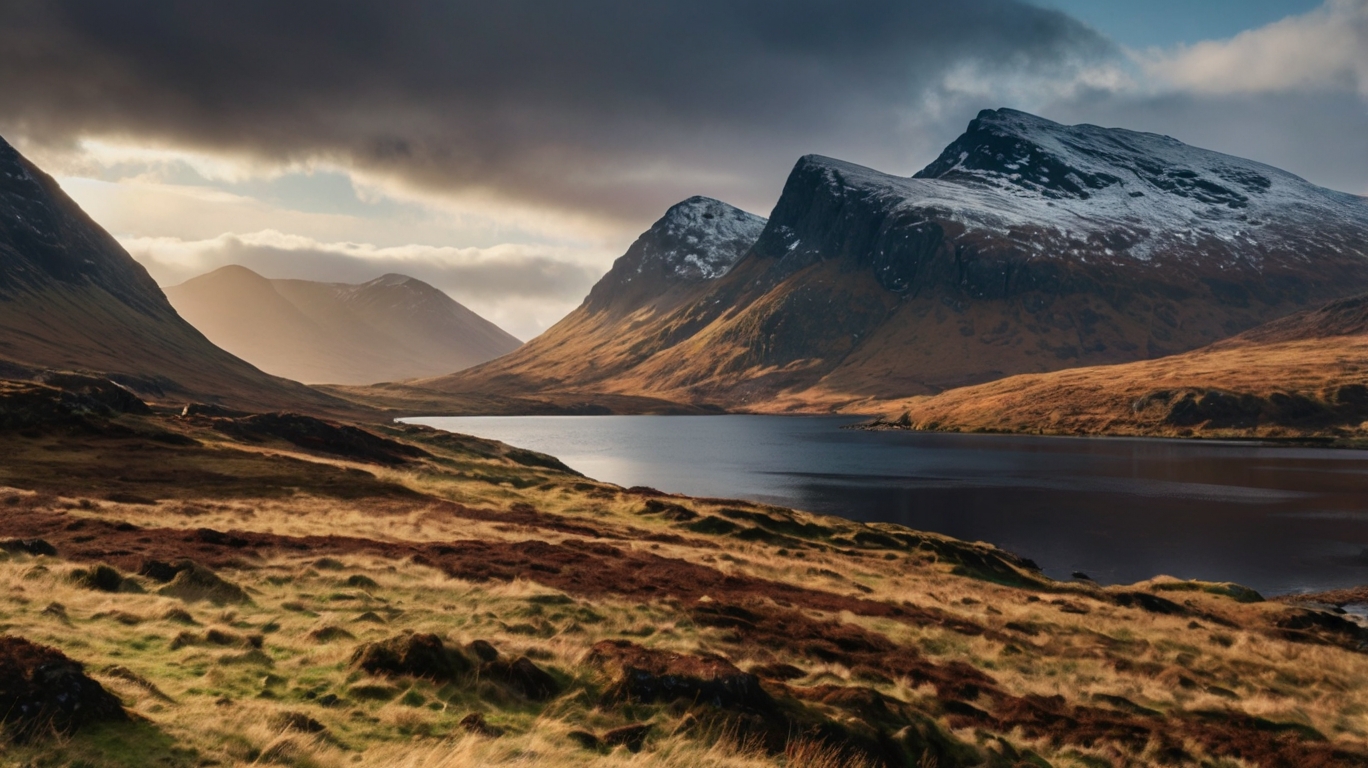

Scotland’s mountains stand as monuments to ancient geological forces, cultural heritage, and outdoor adventure. From the mighty Ben Nevis beckoning climbers to the beautifully rugged Cairngorms whispering tales of folklore, these peaks offer far more than breathtaking landscapes. They represent stories waiting to be told, experiences to be captured, and digital content opportunities that inspire global audiences.
At ConnollyCove, we’ve explored Scotland’s mountains both on foot and through our lenses, creating content that brings these landscapes to life for audiences worldwide. Whether you’re planning your own Scottish mountain adventure or seeking to understand how to showcase these destinations authentically, this guide provides the practical insights and cultural context you need.
Table of Contents
Understanding Scottish Mountains
Scotland’s mountains come with their own classification system that often puzzles first-time visitors. Understanding these categories helps you choose the right peaks for your ability level and interests.
What Are Munros, Corbetts, and Grahams?
Munros are mountains in Scotland reaching at least 3,000 feet (914.4 metres) in height. Named after Sir Hugh Munro, who first catalogued them in 1891, there are 282 Munros scattered across the Scottish Highlands. Ben Nevis, Scotland’s highest peak, sits proudly atop this list. “Munro bagging” – the challenge of climbing all listed peaks – has become a popular pursuit among hikers and mountaineers.
Corbetts measure between 2,500 and 3,000 feet (762 to 914.4 metres). These 222 mountains often provide spectacular views without the crowds that gather on more famous Munros. Many experienced hillwalkers argue that Corbetts offer some of Scotland’s finest scenery precisely because they’re less frequented.
Grahams range between 2,000 and 2,500 feet (610 to 762 metres). These peaks deliver gentler climbs whilst still rewarding visitors with excellent views across Scotland’s diverse landscapes.
Donalds represent a group of hills in the Scottish Lowlands meeting specific height criteria. Divided into Donald Deweys and Donald Tops, they offer softer landscapes for easier walks with wonderful views, mainly found in southern Scotland.
The Mountain Types That Define Scotland
Scotland’s mountains showcase remarkable geological diversity. The country features several distinct mountain types, each shaped by different geological processes over millions of years.
The Grampian Mountains dominate much of the central Highlands, housing Ben Nevis and the Cairngorms. These ancient peaks, formed from granite and metamorphic rocks, create the dramatic skylines that define Scottish mountain imagery.
The Northwest Highlands present some of Scotland’s oldest and most distinctive mountains, including quartzite peaks like Suilven that rise dramatically from relatively flat moorland. The Torridon mountains, with their distinctive red Torridonian sandstone, create otherworldly landscapes that captivate photographers and filmmakers.
The Southern Uplands, whilst lower in elevation, offer extensive hill walking opportunities across rolling landscapes that extend into the Scottish Borders.
Iconic Peaks Worth Visiting
These are the most iconic peaks worth visiting:
Ben Nevis: Scotland’s Highest Mountain
Standing at 1,345 metres (4,413 feet), Ben Nevis represents the pinnacle of British mountaineering – quite literally. Located near Fort William in the Grampian Mountain range, this giant attracts thousands of visitors annually, from experienced climbers tackling its challenging north face to hillwalkers ascending via the Mountain Track.
The mountain’s elevation and geological composition showcase the dynamic forces that shaped Scotland’s landscape over millennia. Ben Nevis experiences arctic-alpine conditions at its summit, where snow can linger year-round and weather changes rapidly. This summit plateau, shrouded in mist or bathed in sunlight, offers views across the Western Highlands when visibility permits.
The most popular route, the Mountain Track (formerly known as the Tourist Track), stretches approximately 10.5 miles return with 1,352 metres of ascent. Whilst technically straightforward, the climb demands good fitness levels and takes most people 7-9 hours to complete.
“Capturing Ben Nevis on film requires understanding how quickly conditions change,” notes Ciaran Connolly, founder of ConnollyCove. “We’ve learned to shoot in multiple weather conditions because the mountain shows different personalities throughout the day. That versatility makes it perfect for creating diverse content that resonates with different audiences.”
The Cairngorms: A Mountain Playground
The Cairngorms unfold as Britain’s largest national park, offering a vast and diverse playground for nature enthusiasts. This extensive mountain range encompasses several major peaks, ancient forests, and untamed beauty that supports Britain’s most important arctic-alpine ecosystem.
Cairn Gorm itself stands at 1,245 metres (4,085 feet), whilst Ben Macdui, Scotland’s second-highest mountain at 1,309 metres (4,295 feet), rises in the southeastern section of this range. The Cairngorms host numerous other peaks, each contributing unique character to the range’s spectacular panorama.
The area offers exceptional opportunities throughout the year. Summer brings hiking through ancient Caledonian pine forests and across high plateaux where rare alpine plants thrive. Winter transforms the landscape into premier skiing terrain at Cairngorm Mountain and The Lecht resorts.
Beyond recreational activities, the Cairngorms harbour rich biodiversity. Red deer roam the glens, mountain hares change coats with the seasons, and golden eagles soar above the summits. This ecological richness makes the region particularly valuable for wildlife filming and nature documentation.
Glencoe and the Three Sisters
Glencoe holds a haunting place in Scottish history and natural beauty. This glacial valley, surrounded by towering mountains, witnessed the tragic massacre of 1692 – a sombre echo of Scotland’s turbulent past that adds depth to the landscape’s dramatic character.
The Three Sisters stand as Glencoe’s most iconic features. These three peaks – Beinn Fhada (Long Mountain), Gearr Aonach (Short Ridge), and Aonach Dubh (Black Ridge) – form part of the Bidean nam Bian massif. Their distinctive shapes create instantly recognisable silhouettes that feature in countless photographs, films, and promotional materials.
Whilst not among Scotland’s highest peaks, the Three Sisters dominate Glencoe’s landscape through their dramatic presence. The challenging terrain attracts experienced hikers traversing the slopes and climbers navigating the ridges. The combination of geological drama, historical significance, and accessible viewing points makes Glencoe essential for anyone exploring Scottish mountains.
The A82 road through Glencoe provides spectacular views without requiring any climbing, making it accessible for visitors of all abilities. This combination of accessibility and visual drama explains why Glencoe appears so frequently in travel content and film productions.
Other Notable Scottish Mountains
- Schiehallion: This mountain in central Scotland captivates visitors with its distinctive conical shape. The symmetrical peak offers panoramic views and holds scientific significance – it was used in the 18th century to calculate the Earth’s mass. The relatively straightforward ascent makes it popular with hillwalkers seeking rewarding views.
- Buachaille Etive Mor: Standing guard at Glencoe’s entrance, this pyramid-shaped mountain creates one of Scotland’s most photographed mountain views. Its iconic profile and rugged beauty attract climbers whilst inspiring artists and photographers. The dramatic north face presents serious climbing challenges, whilst other routes offer more accessible ascents.
- Liathach: In the Torridon range, Liathach’s rugged terrain challenges experienced mountaineers. Its narrow ridge and steep slopes demand respect, offering both adventure and spectacular vistas across the Northwest Highlands.
- Ben Lomond: Overlooking Loch Lomond, this mountain provides accessible hillwalking within easy reach of Glasgow. The well-maintained path and superb views make it one of Scotland’s most popular Munros, particularly for those new to Scottish hillwalking.
- Aonach Eagach: This mountain ridge in Glencoe ranks among Scotland’s finest scrambles. The narrow, exposed ridge walk attracts experienced hikers and climbers seeking adrenaline alongside beauty.
- Stac Pollaidh: Despite modest height at 612 metres (2,008 feet), this Northwest Highlands peak stands out dramatically. Its unique, rugged profile and rocky pinnacles create compelling subjects for photography and videography.
- The Black Cuillin: Located on the Isle of Skye, these jagged mountains formed from black gabbro rock create formidable climbing terrain. Sgùrr Dearg, home to the famous Inaccessible Pinnacle, reaches 978 metres (3,209 feet). The Black Cuillin’s challenging climbs and spectacular surroundings draw mountaineers worldwide.
Mountain Activities and Experiences
Scotland’s mountains offer diverse recreational opportunities catering to casual wanderers and seasoned adventurers alike.
Hiking and Hillwalking
Hiking Scotland’s mountains immerses you in living landscapes where each trail tells stories through geology, ecology, and history. Routes meander through heather-clad slopes, beside crystal-clear lochs, and up to viewpoints offering perspective across entire regions.
Scotland provides trails for all abilities. Beginners might start with lower hills like Ben A’an near the Trossachs, whilst experienced trekkers can tackle multi-day routes connecting several Munros. The West Highland Way, Scotland’s most famous long-distance path, passes through spectacular mountain scenery over 96 miles from Milngavie to Fort William.
Proper preparation makes Scottish hillwalking safe and enjoyable. The weather changes rapidly, even in summer, so carrying waterproofs, warm layers, navigation tools, and emergency supplies remains essential regardless of the forecast.
Climbing and Mountaineering
Scotland’s mountains serve as natural climbing gyms, offering everything from introductory scrambles to serious alpine-style climbs. The variety spans gentle Grade 1 scrambles to technical winter routes demanding ice axes, crampons, and rope work.
Glencoe’s Aonach Eagach ridge provides classic scrambling that tests nerve alongside fitness. The Cuillin on Skye offers Britain’s finest ridge traverse, whilst Ben Nevis’s north face presents serious winter climbing routes that compare with alpine climbs in difficulty.
Rock climbing opportunities abound, from the granite slabs of the Cairngorms to the gabbro ridges of Skye. Many locations also offer excellent bouldering for those preferring to stay closer to ground level.
Mountain guides and climbing instructors operate throughout Scotland, offering courses for all levels. Whether learning basic scrambling techniques or developing winter mountaineering skills, professional instruction improves safety and enjoyment.
Skiing and Snowsports
Winter transforms Scotland’s mountains into snowsports destinations. Five ski resorts operate across the Highlands: Cairngorm Mountain, The Lecht, Glenshee, Nevis Range, and Glencoe Mountain.
Scottish skiing differs from Alpine resorts. Snow conditions vary more due to maritime climate influences, creating unique challenges that develop versatile skiing skills. When conditions align, however, the experience rivals anywhere in Europe, with the added bonus of remarkable mountain scenery.
Beyond resort skiing, Scotland offers excellent backcountry skiing and snowboarding opportunities. Experienced winter mountaineers can access remote corries and enjoy powder descents in spectacular settings. However, these activities demand proper skills, equipment, and avalanche awareness.
Wildlife Watching and Nature Photography
Scotland’s mountains support diverse wildlife populations. Red deer, Britain’s largest land mammal, roam the hills in herds. Mountain hares, which turn white in winter, inhabit higher slopes. Golden eagles soar on thermals, whilst ptarmigan – a bird species left from the Ice Age – camouflages amongst the rocks.
Spring and early summer bring wildflowers to mountain slopes. Rare alpine plants survive in protected locations, remnants of post-glacial flora. These botanical treasures attract naturalists and provide unique photographic subjects.
The combination of dramatic landscapes, changing weather, and wildlife creates exceptional opportunities for nature photography and videography. Understanding how light interacts with mountain terrain, particularly during golden hours, separates good mountain photography from great imagery.
Planning Your Mountain Visit
Here are some tips to plan your mountain visit:
Essential Preparation Tips
- Check Weather Forecasts: Scottish weather changes rapidly. Consult the Mountain Weather Information Service (MWIS) for mountain-specific forecasts. Conditions differ dramatically between valley and summit, with temperature dropping approximately 1°C per 100 metres of elevation gain.
- Dress in Layers: Even summer days can turn cold and wet on higher peaks. Waterproof jacket and trousers are essential, along with warm mid-layers. Choose merino wool or synthetic base layers rather than cotton, which retains moisture.
- Choose Appropriate Footwear: Sturdy, waterproof walking boots with good ankle support remain essential. Scotland’s mountain paths often cross boggy ground, loose scree, and rocky sections.
- Pack Essentials: Carry a fully charged mobile phone, first aid kit, whistle, headtorch, map, compass, GPS device, sufficient food and water. Pack more than you think you’ll need – energy bars and trail mix provide sustained energy.
- Follow Trail Etiquette: Stick to marked paths where they exist, close gates, leave no litter, and respect wildlife. Scotland’s access rights come with responsibilities.
- Let Someone Know Your Plans: Always inform a reliable person of your route and expected return time. This information proves crucial in emergencies.
- Navigation Skills: Basic map and compass skills remain essential as visibility can deteriorate quickly in mist or snow. GPS devices help but shouldn’t replace traditional navigation knowledge.
- Be Cautious with Wildlife: Red deer can be aggressive during rutting season (autumn). Ticks present more concern than adders – check for them after walks.
- Respect Nature: Follow Leave No Trace principles. Carry out all rubbish and stick to established paths where possible.
- Plan According to Fitness Level: Don’t underestimate Scottish mountains – their modest heights compared to Alpine peaks belie the challenges posed by rough terrain and unpredictable weather.
- Emergency Preparedness: Know how to contact mountain rescue (dial 999 or 112 and ask for police, then mountain rescue). The international distress signal is six blasts on a whistle or six torch flashes, repeated after a one-minute pause.
- Be Mindful of Daylight Hours: Winter days are short. Plan routes to finish with plenty of daylight remaining and always carry a reliable light source.
Best Times to Visit
Scotland’s mountains reveal different characters throughout the year.
- Spring (March-May): Days lengthen, temperatures moderate, though snow lingers on higher peaks creating dramatic contrasts. Fewer visitors than summer but changeable weather.
- Summer (June-August): Long daylight hours and warmer temperatures make summer popular, though midges – tiny biting insects – can plague exposed skin in calm conditions. Peak visitor numbers on popular routes.
- Autumn (September-November): Many consider autumn finest for Scottish mountains. Midges decline, crowds thin, and autumn colours paint spectacular landscapes. Weather becomes more unsettled as winter approaches.
- Winter (December-February): Snow transforms mountains into serious mountaineering terrain demanding additional skills and equipment. When conditions align, winter mountains offer magical experiences with clear, crisp air.
Current Seasonal Considerations
Before visiting, check current conditions through MWIS, local ranger services, and hillwalking forums. Spring and early summer see snow melting on higher peaks. Late summer and autumn generally provide the most stable conditions.
Winter conditions typically develop November through April. Most paths remain open year-round, though winter may make them inadvisable for inexperienced walkers. Some areas implement voluntary restrictions during deer stalking season (August-October) and bird nesting season (April-July).
Accommodation Options
Fort William serves as an excellent base for Ben Nevis, Aviemore for the Cairngorms, and Glencoe village for the Glencoe mountains. Each offers accommodation ranging from hostels to hotels, plus outdoor shops and visitor facilities.
Wild camping remains legal in Scotland under access rights. Bothies – basic mountain shelters maintained by the Mountain Bothies Association – provide free emergency accommodation in remote locations.
Creating Content in Scotland’s Mountains
Scotland’s mountains offer exceptional opportunities for visual storytelling, whether through photography, video production, or written content. The dramatic landscapes, changing weather, and rich cultural heritage create compelling backdrops for diverse content projects.
Understanding how light interacts with mountain terrain separates adequate mountain photography from striking imagery. Early morning and evening golden hours cast warm light across peaks, whilst moody conditions with dramatic cloud formations create atmospheric shots. Scotland’s changeable weather means being prepared to shoot in various conditions – some of the most memorable images capture mountains emerging from mist or storm, light breaking through clouds.
Video production in mountain environments demands careful planning. Weather protection for equipment, spare batteries (which drain faster in cold conditions), and backup plans for changing conditions all prove essential. Drone footage has revolutionised mountain videography, though operators must follow aviation regulations and respect wildlife and other visitors.
“We’ve found that authentic mountain content resonates most strongly with audiences,” explains Ciaran Connolly of ConnollyCove. “Rather than just showing summit shots, we try to capture the complete experience – the preparation, the challenges, the weather changes, and the personal moments. That approach creates content that connects emotionally whilst showcasing the destinations accurately.”
Mountain content serves multiple purposes for tourism organisations, outdoor brands, and cultural initiatives. Effective visual storytelling balances inspiration with practical information, showing both the beauty and the realities of mountain experiences.
Exploring Scotland’s Mountain Heritage
Scotland’s mountains carry stories beyond their geological formation. Many mountain names derive from Scottish Gaelic – “Ben” means mountain, “Stob” indicates a pointed peak, and “Sgùrr” refers to a sharp summit. Understanding these names adds depth to mountain experiences.
The Grey Man of Ben Macdui (Am Fear Liath Mòr) represents Scotland’s most famous mountain legend. Climbers have reported mysterious encounters on Scotland’s second-highest peak since the early 20th century, describing feelings of unease and mysterious footsteps.
Cultural Experiences and Historic Sites

- Eilean Donan Castle: Near the Isle of Skye, this iconic castle presents one of Scotland’s most photographed structures against mountain and loch backdrops.
- Urquhart Castle: Overlooking Loch Ness with mountain views, this fortress combines scenery with Scottish history.
- Highland Folk Museum: In Newtonmore, this living history museum showcases Highland life from the 1700s through the 1960s.
Traditional Scottish Mountain Cuisine
After mountain exertion, traditional Scottish food provides satisfying sustenance.
- Haggis with neeps and tatties: Scotland’s national dish tastes rich and peppery – perfect after cold mountain days.
- Cullen Skink: This hearty soup blends smoked haddock, potatoes, onions, and milk.
- Fresh Salmon: Whether smoked, grilled, or poached, showcases Scotland’s seafood quality.
- Cranachan: Traditional dessert mixing whipped cream, raspberries, honey, and toasted oats.
Frequently Asked Questions
What is Scotland’s highest mountain?
Ben Nevis stands as Scotland’s highest mountain at 1,345 metres (4,413 feet), making it also the highest peak in the British Isles. Located near Fort William, it attracts thousands of climbers and hillwalkers annually.
How many mountains are in Scotland?
Scotland contains 282 Munros (peaks over 3,000 feet), 222 Corbetts (between 2,500-3,000 feet), and numerous other classified peaks including Grahams and Donalds. The total number of distinct mountains depends on classification criteria but runs into thousands.
Does Scotland have mountains?
Yes, Scotland features extensive mountain ranges, particularly in the Highlands. These mountains, whilst lower than Alpine peaks, create dramatic landscapes shaped by ancient geology, glaciation, and erosion over millions of years.
Are Scottish mountains difficult to climb?
Difficulty varies enormously. Some Munros like Ben Lomond offer straightforward hillwalks suitable for fit beginners with proper preparation. Others, particularly in winter or on technical routes, demand serious mountaineering skills. Scottish mountains shouldn’t be underestimated – weather changes rapidly and terrain can be challenging.
What is a Munro in Scotland?
A Munro is any Scottish mountain with a summit elevation of at least 3,000 feet (914.4 metres). Named after Sir Hugh Munro who first catalogued them, “Munro bagging” – climbing all 282 – has become a popular challenge.
What’s the best time to visit Scotland’s mountains?
Late spring through early autumn (May-October) generally provides the best conditions for hillwalking, with longer daylight hours and milder weather. However, each season offers distinct advantages. Winter transforms mountains into serious mountaineering terrain requiring specialist skills.
Are there mountains near Edinburgh?
The Pentland Hills sit just south of Edinburgh, offering accessible hillwalking within easy reach of the capital. For higher mountains, the Trossachs and Southern Highlands lie approximately 1-2 hours’ drive north.
What should I pack for Scottish mountain walking?
Essential items include waterproof jacket and trousers, warm layers, sturdy boots, map, compass, GPS device, first aid kit, whistle, headtorch, food, water, and a fully charged phone. Weather changes rapidly, so preparation for all conditions remains crucial regardless of forecasts.
Can you climb Scottish mountains in winter?
Yes, but winter mountaineering requires additional skills, experience, and equipment including ice axe, crampons, and knowledge of avalanche assessment and winter navigation. Many people hire mountain guides for their first winter experiences.
What are the Three Sisters of Glencoe?
The Three Sisters are three distinctive peaks – Beinn Fhada, Gearr Aonach, and Aonach Dubh – that form part of the Bidean nam Bian massif in Glencoe. Their striking profiles make them among Scotland’s most photographed mountains.
Bringing Scotland’s Mountains to Life Through Digital Storytelling
Scotland’s mountains represent more than geographical features – they embody stories, adventures, and authentic experiences that connect with audiences worldwide. At ConnollyCove, we’ve spent years exploring these peaks, not just as hillwalkers but as storytellers dedicated to sharing Scotland’s natural and cultural heritage through compelling digital content.
Whether you’re planning your Scottish mountain adventure, seeking to create content that captures these landscapes authentically, or working to promote mountain destinations and experiences, understanding the complete picture – from practical logistics to cultural significance – makes all the difference.
The mountains described here offer starting points for exploration. Each peak holds unique characteristics, each season presents different faces, and each visit creates distinct stories worth sharing. By approaching Scotland’s mountains with respect for their power, appreciation for their beauty, and understanding of their cultural context, visitors and content creators alike can forge connections that resonate long after returning to lower ground.
For those documenting mountain experiences through photography, video, or written content, Scotland’s peaks provide endlessly variable backdrops. The key lies in capturing authenticity – showing not just picture-perfect summit shots but the real challenges, changing conditions, and personal moments that make mountain adventures meaningful.
From the dramatic silhouettes of the Cuillin to the accessible beauty of Ben Lomond, from the historical weight of Glencoe to the ecological richness of the Cairngorms, Scotland’s mountains continue inspiring all who encounter them. They remind us that some landscapes demand to be experienced firsthand, that authentic storytelling requires genuine engagement, and that the most compelling content emerges from real adventures in remarkable places.