Egypt, a land steeped in ancient history and natural beauty, offers every traveller a captivating blend of experiences. From the iconic Pyramids of Giza to the serene shores of the Red Sea, this fascinating country boasts a diverse range of attractions that will leave you spellbound.
With its rich cultural heritage dating back thousands of years, Egypt is a treasure trove of ancient civilisations. The pyramids, temples, and tombs that dot the landscape stand as enduring testaments to the ingenuity and artistry of the ancient Egyptians. Explore the monumental complexes of Giza and Luxor, marvel at the intricate hieroglyphics that adorn the walls of ancient temples, and delve into the fascinating stories of pharaohs, queens, and gods.
Whether you’re a history enthusiast, a beach lover, or an adventure seeker, Egypt offers something for everyone. From the iconic pyramids to the serene desert landscapes, this captivating country is a destination that will leave you with lasting memories. So pack your bags, embark on a journey through time, and discover the timeless treasures of Egypt.
Table of Contents
Egypt’s Timeless Treasures: 5 Must-Visit Egypt Popular Destinations
Egypt, a land steeped in history and natural beauty, offers every traveller a diverse range of experiences. From ancient wonders to vibrant cities and serene beaches, there’s something for everyone in this captivating country. Here are four of the most popular destinations in Egypt.
1. Pyramids of Giza
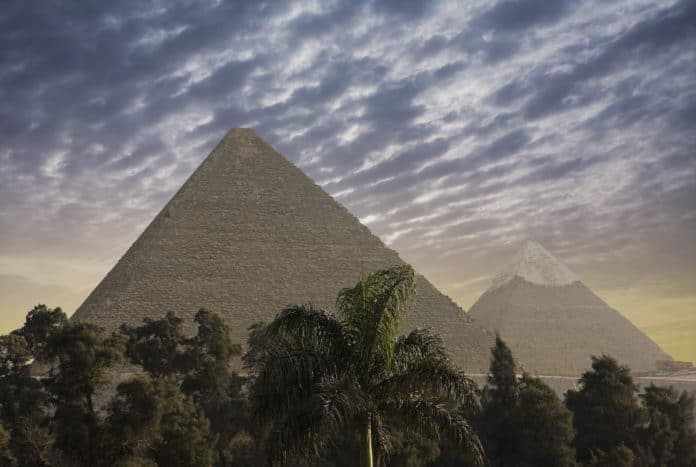
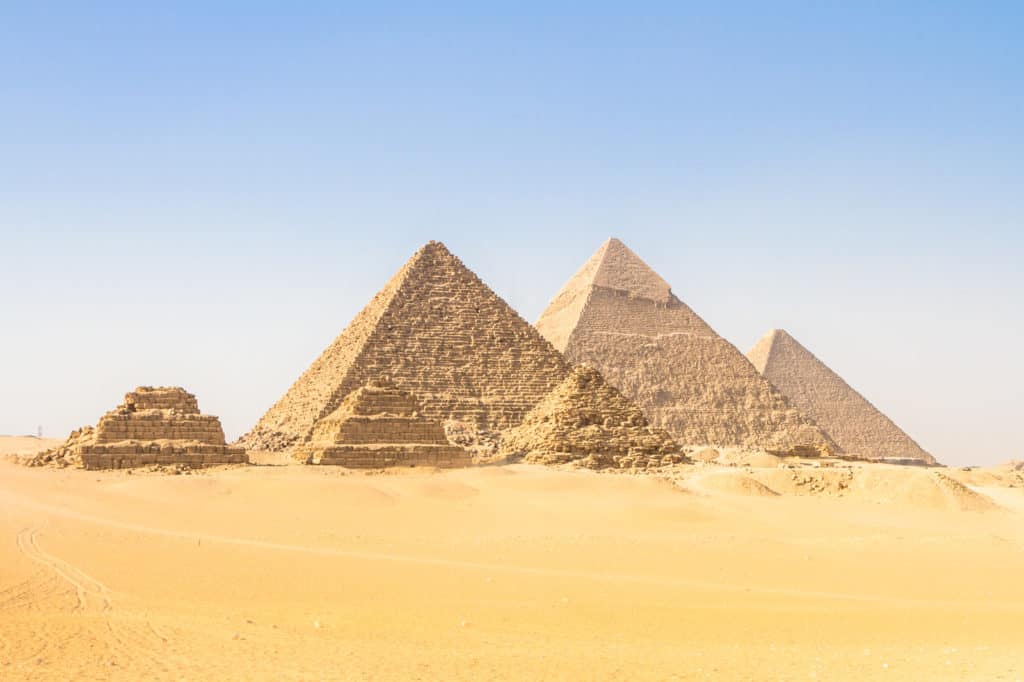
The ancient world possessed various wonders, and everyone held their breath while watching. Although the ancient world was home to many marvels, only one of the Seven Wonders of the Ancient World has survived to this day: the Pyramids of Giza.
Standing as silent sentinels for over 4,500 years, these monumental tombs have endured the ravages of time and continue to inspire awe and wonder. They remain one of the most popular tourist destinations in the world, drawing millions of visitors each year who seek to glimpse the grandeur of this ancient civilisation.
Located on the edge of the desert west of Cairo, the Pyramids of Giza are an integral part of the city’s landscape. Giza, itself a bustling metropolis, blends seamlessly into the sprawling urban fabric of Cairo, creating a vast and ever-expanding city. The pyramids are a testament to the incredible ingenuity and ambition of the ancient Egyptians, who constructed these massive structures as tombs for their pharaohs.
The most famous of the pyramids are the three large structures known as the Great Pyramid of Giza, the Pyramid of Khafre, and the Pyramid of Menkaure. These pyramids are named after the pharaohs buried within them, and they stand as testaments to the power and wealth of these ancient rulers.
Each pyramid was built with incredible precision, using millions of massive stones weighing several tonnes each. The interior chambers of the pyramids contain the pharaoh’s burial chambers, often decorated with intricate carvings and paintings, along with treasures intended to accompany the pharaoh into the afterlife.
Standing guard over the pyramids is the enigmatic Sphinx, a colossal statue with a human’s head and a lion’s body. The Sphinx is shrouded in mystery, and historians and archaeologists debate its purpose and origins. However, its imposing presence adds more intrigue to the already awe-inspiring complex.
Beyond their historical significance, the Pyramids of Giza offer many activities for visitors. They can enjoy a leisurely camel ride across the desert sands, soaking in the vastness of the landscape and the iconic silhouette of the pyramids. The Sound and Light show, held in the evening, offers an unforgettable experience, using light and sound to bring to life the story of the pyramids and their builders.
For those seeking a more luxurious experience, several nearby hotels offer stunning views of the pyramids. Visitors can enjoy the grandeur of these ancient wonders while enjoying the comfort and convenience of modern amenities.
The Pyramids of Giza are a testament to the enduring power of human ingenuity and the legacy of an ancient civilisation. They stand as a timeless symbol of human achievement, reminding us of the wonders that can be achieved through ambition, creativity, and the enduring power of the human spirit. As a UNESCO World Heritage Site, these ancient marvels are protected for future generations to marvel at and learn from, ensuring that their legacy continues for centuries to come.
2. Nuweiba

Nuweiba, a charming town on the Sinai Peninsula’s eastern coast, beckons travellers seeking a blend of adventure and relaxation. Located on the shores of the Gulf of Aqaba, where the azure waters meet the distinctive red sands, Nuweiba offers a unique experience for those wanting to explore the captivating landscape of the Sinai and dive into the vibrant Red Sea.
The town is a haven of tranquillity, with a relaxed atmosphere and a slower pace of life. The red dunes, a hallmark of the Sinai desert, stretch as far as the eye can see, offering a captivating vista. A highlight of Nuweiba is its stunning network of canyons, carved by the forces of nature over millions of years.
These natural wonders were formed when the Red Sea retreated, leaving behind layers of sandstone and limestone eroded by the wind over time. Exploring these canyons is a rewarding experience, offering breathtaking views and a chance to witness the raw beauty of the desert.
A short distance from Nuweiba lies a natural oasis known as Ain Khudra, a truly enchanting spot that offers respite from the desert heat. Visitors can reach Ain Khudra by hiking through the canyons, following a well-defined path that leads to this verdant haven. The oasis is a haven of lush greenery, with palm trees swaying gently in the breeze and small gardens providing a welcome touch of colour.
The oasis offers a variety of facilities, including simple cafés and restaurants, ensuring that visitors can enjoy a comfortable stay. Ain Khudra is an ideal location for those seeking solitude and introspection, offering a tranquil environment for meditation and contemplation.
For the more adventurous souls, Nuweiba presents a gateway to the spectacular underwater world of the Red Sea. The crystal-clear waters teem with vibrant coral reefs and diverse marine life, making it a paradise for scuba diving and snorkelling enthusiasts. The coral formations are a kaleidoscope of colour, home to many fish species, turtles, and other fascinating marine creatures. The coastline offers a variety of diving spots, catering to both beginners and experienced divers, with opportunities to explore underwater caves, wrecks, and vibrant coral gardens.
Nuweiba offers a perfect balance of adventure and relaxation. Whether you are seeking to hike through dramatic canyons, explore the vibrant underwater world, or simply unwind in the serenity of Ain Khudra, Nuweiba caters to a diverse range of interests. No wonder this little town is one of the popular destinations in Egypt.
3. Siwa Oasis

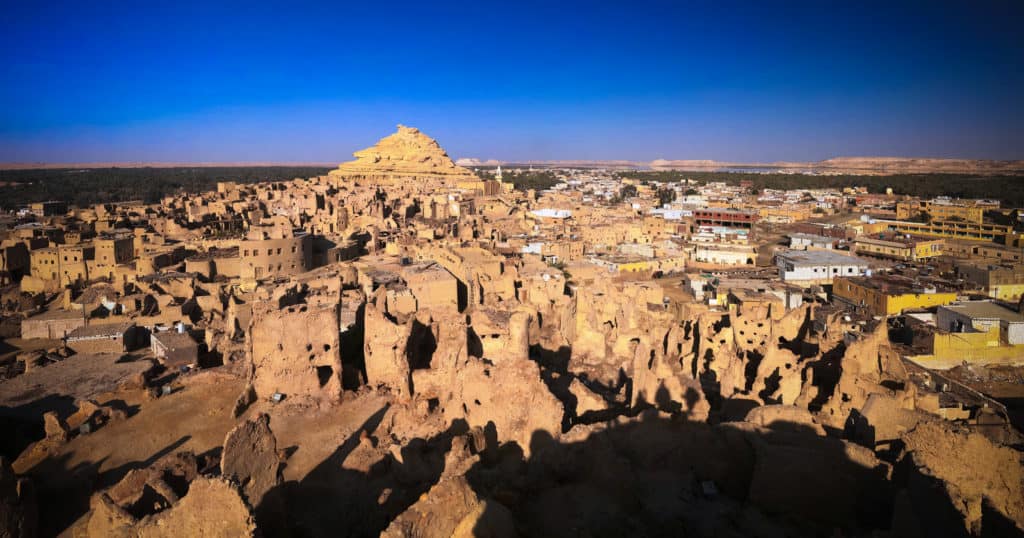
Siwa Oasis has become one of the most popular destinations in Egypt in the late 19th century. Nestled in the vast expanse of the Western Desert, far from the bustling cities of Egypt, lies Siwa Oasis, a captivating haven of ancient history, unique culture, and natural beauty. This secluded oasis, with its fertile pockets of life amidst the arid landscape, has long captivated travellers and explorers seeking a glimpse into a different world.
Siwa has been a thriving community for centuries, and its isolation has fostered a distinct culture and language that sets it apart from the rest of Egypt. The Siwan people have maintained their traditions and customs, speaking a unique dialect that bears little resemblance to standard Arabic. This distinct identity, coupled with the oasis’s rich history, makes Siwa a fascinating destination for those seeking authentic cultural experiences.
The oasis is a lush green amidst the desert, home to abundant date palms and olive trees. These provide sustenance for the local population and contribute to the beautiful landscape of the oasis. The sweet taste of Siwan dates and the flavour of its olive oil are renowned throughout Egypt, attracting visitors seeking to sample the local delicacies.
One of the most prominent landmarks in Siwa is the Fortress of Shali, a magnificent structure built from dried mud bricks that stands as a testament to the ingenuity of the Siwan people. The fortress, which has served as a centre of life in the oasis for centuries, offers a glimpse into the region’s rich history. Its crumbling walls, adorned with intricate designs, whisper tales of a time gone by.
Close to the fortress lie the remnants of various Greco-Roman temples, including the famed Oracle of Amun, a sacred site that attracted pilgrims from across the ancient world. The oracle, believed to be the voice of the god Amun, was consulted by rulers and commoners alike, seeking guidance and divine pronouncements. Alexander the Great’s visit to the oracle in the 4th century BC further solidified Siwa’s importance in the ancient world.
Siwa’s rich cultural heritage is evident in its people’s craftsmanship. The locals are renowned for their exquisite jewellery, meticulously crafted from silver and other materials. Visitors can browse the local marketplace to witness the unique artistry and cultural expression of the Siwan people and purchase traditional crafts as souvenirs.
A visit to Siwa wouldn’t be complete without experiencing the oasis’s natural wonders. The salt lakes, shimmering under the desert sun, offer a unique landscape. The natural spring pools, known as Cleopatra’s Baths, are said to have been frequented by the famed queen. These pools are believed to have healing properties, drawing visitors seeking to rejuvenate themselves in the oasis’s natural beauty.
With its blend of history, culture, and natural beauty, Siwa Oasis offers a captivating escape from the ordinary. This hidden gem in the Egyptian desert provides a unique and unforgettable experience for travellers exploring a different world.
4. The White Desert
The White Desert of Egypt, a breathtaking expanse of wind-sculpted chalk formations, offers a captivating glimpse into a surreal landscape. This protected national park, located 45 kilometres north of the El Farafra town in the Bahariya Oasis, is a testament to the transformative power of nature, where time and the elements have sculpted a unique and mesmerising environment.
The White Desert derives its name from the striking white colour that dominates the landscape. This isn’t the typical sand that one associates with a desert but rather the result of erosion that has revealed layers of chalky rock formations. These formations stand out against the golden sands, creating a dramatic contrast that is both captivating and surreal. The wind, a relentless force in this arid region, has shaped these chalk formations into whimsical forms, resembling giant mushrooms, eagles in flight, or even abstract sculptures.
The White Desert is an area of striking beauty and contrasts. Visitors are often amazed by the dramatic interplay of light and shadow on the chalky formations, particularly at sunset. The sky’s colours blend with the rock’s white, creating a breathtaking palette of hues that shift and change with the fading light. The stark beauty of the landscape is further enhanced by the presence of scattered oases, where date palms provide a welcome touch of green.
While the White Desert may lack ancient temples and tombs, the nearby Bahariya Oasis is a treasure trove of historical sites. This ancient oasis, located on the edge of the White Desert, is home to several ancient Egyptian tombs dating back to the Pharaonic era. Visitors can explore these tombs, which are decorated with intricate hieroglyphs and paintings, offering a window into the history and beliefs of ancient Egypt.
The White Desert is a popular destination for those seeking adventure and a unique experience. Camping under the stars in this remote and tranquil location is a popular activity, offering a chance to witness the Milky Way stretching across the vast desert sky. The lack of light pollution creates a perfect setting for stargazing, making the White Desert a popular destination for amateur astronomers.
Visitors can explore the White Desert by car, and four-wheel-drive vehicles are ideal for navigating the challenging terrain. Exploring the area on foot offers a chance to appreciate the rock formations’ intricate details and the desert landscape’s vastness. Guided tours are available, providing insights into the geological history and unique features of the White Desert.
The White Desert is a remarkable testament to the power of nature and the beauty that can be found in the most unexpected places. It offers a unique and unforgettable experience, captivating visitors with its surreal landscape, ancient history, and the solitude of the desert.
5. Luxor
Luxor often hailed as “the world’s greatest open-air museum,” is a captivating city steeped in ancient Egyptian history. Nestled along the banks of the Nile River, it offers a mesmerising blend of architectural wonders, historical significance, and breathtaking natural beauty.
At the heart of Luxor lies the monumental Karnak Temple complex, a sprawling ensemble of temples, courtyards, and hypostyle halls. The complex was dedicated to the god Amun-Ra, the supreme deity of ancient Egypt, and stands as a testament to the power and grandeur of the pharaohs. The Avenue of Sphinxes, a majestic procession of ram-headed sphinxes, leads to the Great Hypostyle Hall, a vast chamber filled with towering columns that create a sense of awe and reverence.
Just across the Nile River from Karnak, the Valley of the Kings is a sacred necropolis where many pharaohs and their queens were buried. This hidden valley, nestled amidst towering cliffs, is home to magnificent tombs, each adorned with intricate hieroglyphics, colourful paintings, and funerary equipment. Exploring the tombs of Tutankhamun, Amenhotep III, and other notable pharaohs is a truly unforgettable experience.
Another must-visit site in Luxor is the Temple of Hatshepsut, a unique structure carved into a cliff face. This temple, dedicated to the female pharaoh Hatshepsut, is renowned for its architectural beauty and depiction of the queen’s reign. The temple’s terraced design and intricate carvings provide a glimpse into the power and influence of this extraordinary ruler.
Beyond the ancient monuments, Luxor offers a wealth of other attractions. The Luxor Museum houses a vast collection of artefacts, including statues, jewellery, and papyri, providing a fascinating insight into ancient Egyptian culture. The Nile River, a lifeline to the city, offers leisurely cruises, felucca rides, and simply breathtaking sunset views.
Luxor’s rich history and cultural heritage are complemented by its vibrant atmosphere. The city’s bustling souks and lively streets offer a glimpse into modern Egyptian life, while the numerous cafes and restaurants serve delicious local cuisine. Whether exploring the ancient temples, relaxing on the Nile, or immersing yourself in the local culture, Luxor offers a truly unforgettable experience.
In conclusion, Egypt, a land steeped in history and natural beauty, offers every traveller a diverse range of experiences. From the iconic Pyramids of Giza to the serene shores of the Red Sea, there is something to captivate every visitor. With its rich cultural heritage, stunning landscapes, and warm hospitality, Egypt is an enchanting destination that will leave you longing to return. So pack your bags, embark on a journey through time, and discover the timeless treasures of this ancient land.