


8 Scottish Routes: Discover the Top Walking Routes in Scotland
Updated On: April 26, 2024 by  Fatma Mohamed
Forget travel guides gathering dust on your shelf – top walking routes in Scotland are calling you, and this blog is your passport to unlocking them! After many a mile wandering across our stunning country, we have managed to dig out its most rewarding walking routes.
This blog post is your guide through the top scenic trails – from captivating cityscapes to towering peaks and spellbinding coastal walkways. This is walking in Scotland, where your journey becomes an epic saga, one breathtaking panorama at a time.
So, why don’t you join us? Let’s embark on this journey together into uncovered hidden gems in Scotland!
Top Walking Routes in Scotland
Scotland is well-known for its stunning landscapes and top walking routes. From the West Highland Way to the Isle of Skye, each one offers its unique beauty. These routes are situated in incredible regions where walkers can take walks through lush forests and past serene lochs and enjoy breathtaking views of the Scottish landscape.
Walking through these fantastic routes is a breathtaking experience. The beauty surrounding you, from the lush greenery to the majestic mountains, will fill you with wonder and awe. Whether you crave invigorating hikes, gentle rambles, or epic challenges that test your spirit, Scotland has a trail waiting to write your next adventure. So, let’s start together to delve into the top walking routes in Scotland.
The Lost Valley, Glen Coe
Nestled in the heart of the Scottish Highlands, The Lost Valley in Glen Coe is a hidden gem waiting to be discovered. This breathtaking valley is shrouded in mystery and surrounded by towering peaks, making it a favourite destination for hikers and nature enthusiasts.
Walkers and hikers can explore the stunning landscape, admiring the cascading waterfalls and lush greenery that make The Lost Valley a truly unforgettable experience. Unlike the bustling tourist routes of Glen Coe, it offers a peaceful escape.
This awesome trail is almost 3.9 miles long, and you need around 2-3 hours to enjoy it fully. This walk takes you up high, about 1,100 feet! While not strenuous, the walk requires some scrambling and sure footing. The view from the top is well worth the effort.
Quiraing, Isle of Skye
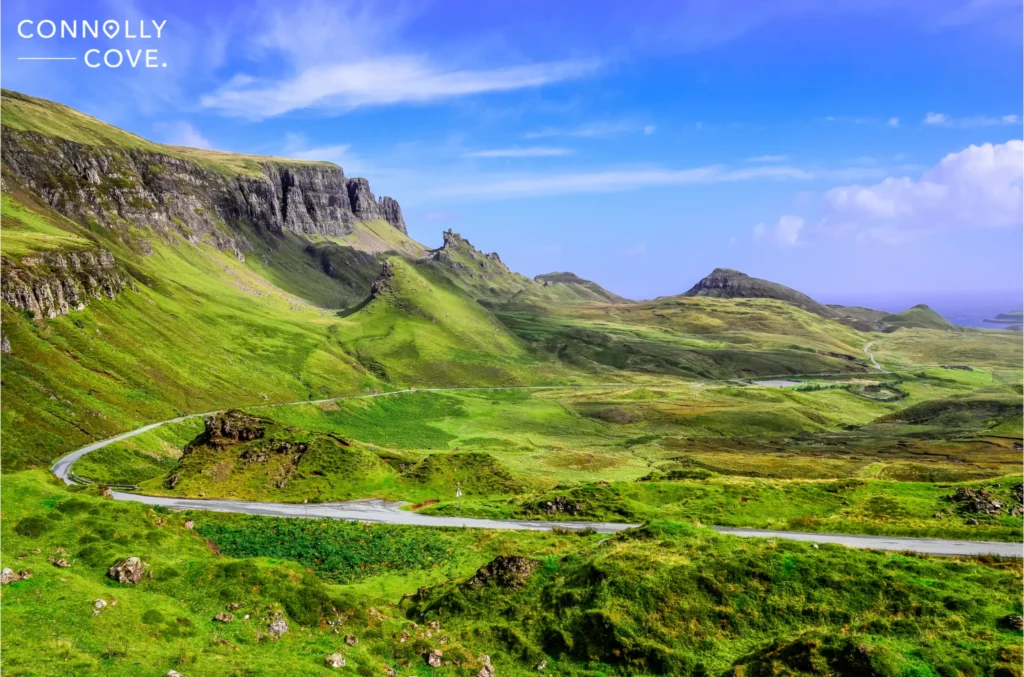
Skye’s Quiraing isn’t a stroll; it’s an adventure playground. Forget gentle paths – picture jagged rock giants, hidden valleys, and jaw-dropping panoramas carved by ancient landslides. This moderate 5-mile loop will have you scrambling rocks, conquering grassy slopes, and soaking in the windswept drama.
This unique landscape offers breathtaking views and exciting adventures. Walking through the towering mountains and hiking along the winding paths, you will be in awe of the beauty surrounding you.
Quiraing isn’t just about the rocks. Keep an eye out for grazing sheep, soaring eagles, and the occasional glimpse of the elusive red deer.
Get ready for a challenge; the terrain is uneven, so pack sturdy shoes and a sense of adventure. Wear layers – Skye’s weather can be unpredictable, even in summer.
Ben A’an, Trossachs National Park
Ben A’an is one of the most popular among Scotland’s smaller hills. It is known as the mountain in miniature and situated in the heart of the Trossachs, making it a truly remarkable viewpoint. The car park quickly becomes full on sunny weekends in summer; the nearest alternative Ben Venue car park is 450m along A821 towards Aberfoyle.
The hike is moderate, lasting around 3-4 hours round trip. Once you reach the summit, you will be amazed by the panoramic vistas of Loch Katrine and the surrounding hills. This trail is perfect for hikers who want to immerse themselves in nature or walkers seeking an adventurous challenge.
History buffs will also appreciate the rich heritage of Trossachs National Park, making it an ideal destination for those interested in Scottish history. So prepare for an unforgettable journey up Ben A’an!
Glenfinnan Viaduct Trail, Glenfinnan
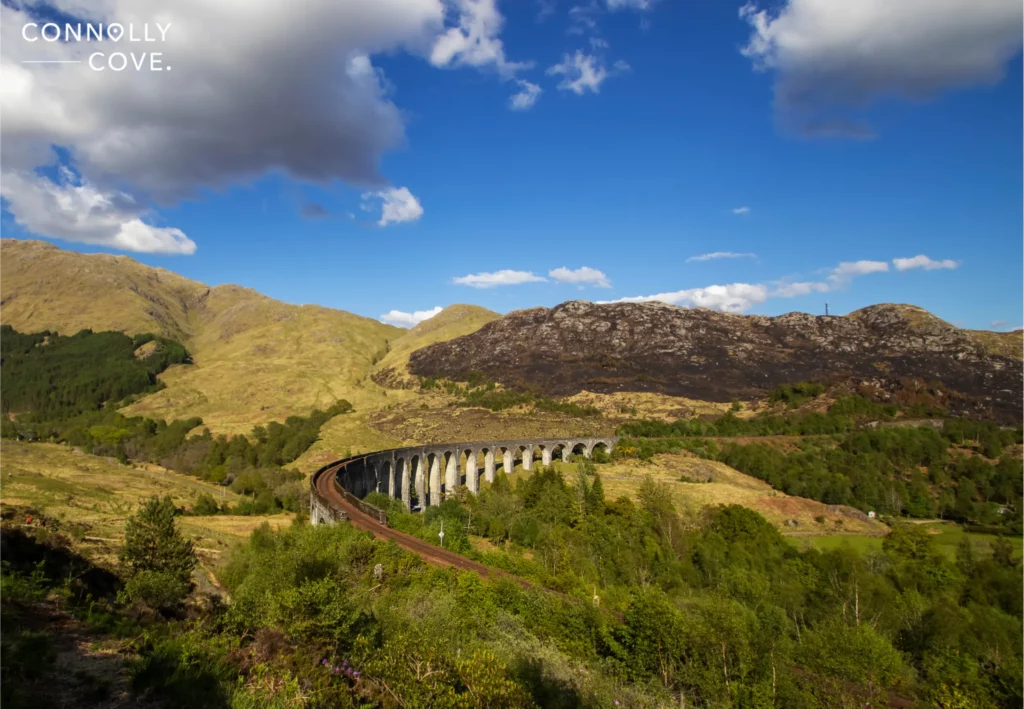
Forget ordinary tourist traps; the Glenfinnan Viaduct Trail in Scotland promises magic at every step. You can picture a gentle path hugging a loch, framed by rugged peaks, culminating in a jaw-dropping finale – the iconic Glenfinnan Viaduct, where Harry Potter’s Hogwarts Express first took flight.
Not just for trainspotters, this easy 2.4-mile loop offers something for everyone. Visitors can breathe in the crisp Highland air, admire waterfalls cascading down mossy cliffs, and soak in panoramic views. You will definitely be amazed by the view of the resident birds and spot a Highland cow grazing on the hillside.
Although, the star of the show is undoubtedly the viaduct itself. You will have the chance to watch trains snake across its majestic arc or time your visit to witness the Jacobite Steam Train (the real Hogwarts Express!) billowing plumes of smoke as it crosses the bridge. It’s a sight straight out of a fantasy movie, guaranteed to spark your inner child’s sense of wonder.
Arthur’s Seat, Edinburgh
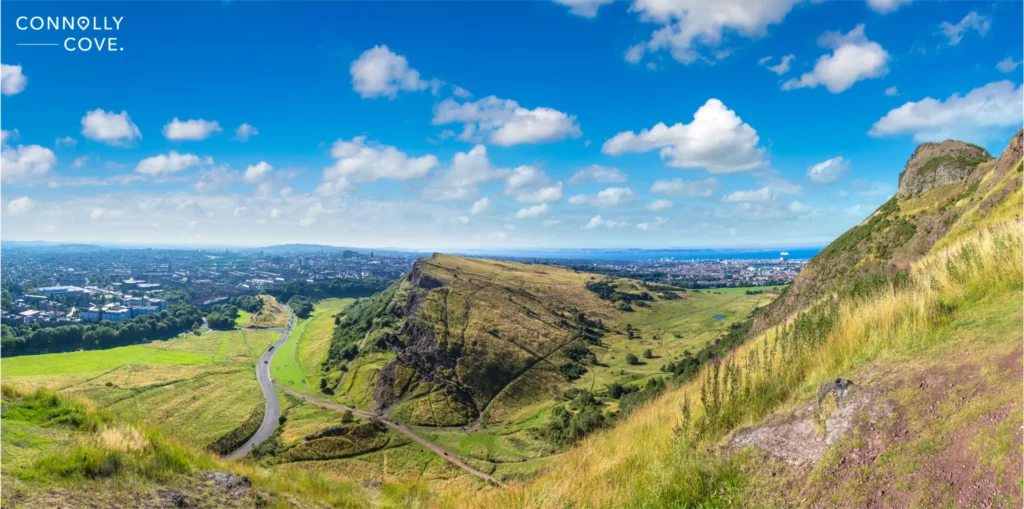
Situated in Edinburgh, Arthur’s Seat is a must-visit walking route; it presents breathtaking views of the city’s panoramas. It is a perfect destination for nature enthusiasts.
This ancient volcano sits right in the heart of Edinburgh and provides an exciting adventure for hikers of all levels. Hikers can choose from various trails that lead to the summit, varying from easy to moderate difficulty.
The hike up Arthur’s Seat is not too challenging and takes about 1-2 hours to complete. As you ascend this towering mountain, you’ll be rewarded with stunning vistas of the cityscape below.
Along the way, you’ll pass through lush greenery and charming villages that add to the beauty of the experience. Whether you’re a beginner or an experienced hiker, the unique landscape and rich history of Arthur’s Seat provide a truly unforgettable experience for all who venture to its summit.
West Highland Way, Loch Lomond & The Trossachs
Runs from Milngavie to Fort William in the Highlands, The West Highland Way is one of Scotland’s most popular walking routes. This trail stretches for 96 miles and takes you through stunning landscapes in Loch Lomond and the Trossachs National Park.
Walking along the route will amaze you with the ever-changing scenery, from tranquil lochs and rolling hills to rugged mountains. This incredible trail can take around 7-8 days to complete, but shorter sections are available for those who prefer a day hike or have limited time.
This famous, incredible route allows walkers to enjoy charming villages where they can rest and refuel before continuing their journey. The West Highland Way truly provides an unforgettable adventure amidst some of Scotland’s most majestic natural wonders.
Fife Coastal Path, Fife
Forget sun loungers and beach towels; Fife’s adventure awaits on the Coastal Path. This 117-mile tapestry of golden sands, hidden coves, and charming fishing villages promises more than just seaside strolls.
As you walk along the trail, you’ll also encounter historic castles and beautiful wildlife habitats. Whether you are a salty sea dog or a history buff, the Fife Coastal Path has a secret cove for you. Choose your adventure, from gentle beach walks to challenging cliff climbs.
Tobermory Bay to Aros Park, Isle of Mull
The amazing scenic walking route stretches from Tobermory Bay to Aros Park on the Isle of Mull. This trail offers breathtaking coastal views and is perfect for nature enthusiasts.
You can explore a symphony of natural wonders and landscape colours. Feel the spray of crashing waves, hear seabirds cry overhead, and gaze across the Sound of Mull to distant mountains shrouded in mist. Lush woodlands emerge, inviting you to delve deeper into the island’s soul.
Aros Park unfolds like a secret garden awaits to be discovered. Its towering trees whisper tales of forgotten estates while sunlight dances on a hidden loch.
Tips for Planning Your Walk in Scotland
Plan your route carefully, pack the right gear, check the weather, and respect the Scottish Outdoor Access Code for an unforgettable walking experience in Scotland. In this section, let’s discover more tips to ensure a great walk or hike.
Hike and Walk Smart: A Checklist for Success
- Pick your challenge; choose a route matching your fitness and goals.
- Map it out; get ready to research, download maps, and check facilities.
- Gear up: Wear proper shoes, pack smart, and test your equipment.
- Be weather-wise; research forecasts, pack accordingly and respect the elements.
- Hike smart and safe by sharing your plan, leaving no trace, and staying aware.
- Respecting the Scottish Outdoor Access Code is essential when exploring Scotland’s walking routes.
- Choosing accommodation that welcomes walkers and provides facilities such as drying rooms for wet gear, storage for hiking equipment, and hearty meals to fuel your journey is essential.
Here, dear reader, we reach the end of our story of the best walking routes in Scotland. From the majestic peaks to the enchanting coastal paths, there’s something for every nature lover and adventurer. So grab your walking boots, plan your route, and get ready to uncover Scotland’s hidden gems on foot!
FAQs
What are the best Scottish walks for beginners?
For beginners, some of the best Scottish walks include the woodland walks in national nature reserves, such as the trails in Glen Nevis or the paths around Ben Lomond.
What facilities are available at Fort William for hikers?
Fort William, a popular base for those exploring the Scottish Highlands, offers amenities like visitor centres, accommodation options, and access to walking trails and routes.
Are there organised walking tours available in Scotland?
There are organised walking tours available in Scotland, including guided hikes in places like the Cairngorms National Park, Ben Nevis, and other scenic areas. These tours often provide insight into the local flora, fauna, and history.
Where can I find woodland walks in Scotland?
Woodland walks can be found in several locations across Scotland, including the National Nature Reserves, areas maintained by the National Trust for Scotland, and places like the Torridon woodlands.

Famous Haunted Houses in Egypt: Spooky Stories for Halloween
Destinations
27/04/2024

St. Paul’s Cathedral – London Attractions
England
27/04/2024

Great Scotland Yard – London Attractions
England
27/04/2024

Bangor Town: The Colorful Open House Festival
Northern Ireland
27/04/2024

Must-See Casablanca
Africa
27/04/2024