


10 Surprisingly Sacred Animals Around the World Since the Ancient Times

Updated On: April 30, 2024 by  Miranne Khaled
People of the ancient world had their very set of rules and beliefs that seem bizarre nowadays. Yet, bits and pieces of those beliefs still live on to this very day, with some that we don’t seem to know their origins. Consequently, many cultures have their own set of sacred animals, where animal worshipping may be among the rituals that ancient cultures deemed imperative.
Although animals aren’t particularly always part of worshipping, some cultures used them as sacrifices to appease the gods. In other words, sacrificing animals was considered a favoured act by gods, and that’s how they could have their wishes granted, especially if it were a valuable animal.
On the other hand, some cultures honoured animals so much that they neither sacrificed nor ate them, believing they were sacred or that divine figures were impersonated in animals’ bodies.
Here’s an exciting list of sacred animals in ancient cultures and the roles they played:
1. Cows in India
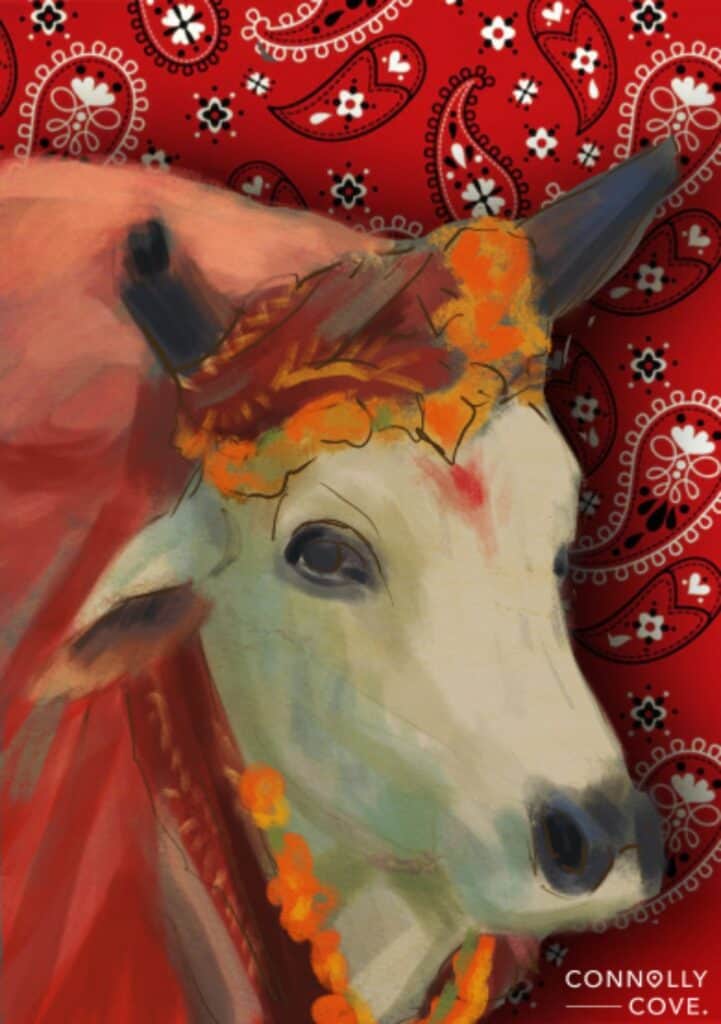
India has been deeming cows as sacred animals for centuries. It’s one of the most popular animals in the animal worshipping notion worldwide. According to Indians, cows are a great source of goodness. The milk they produce is beneficial for all creatures; thus, it’s deemed a representation of Mother Earth.
In folktales and stories of Indian mythology, Krishna was a significant deity who spent his life tending to the grazing cattle. To be more precise, the Hindus don’t specifically worship cows, and they never did. However, they protected it as a holy creature, which means they never used its meat for food as many other cultures did.
In the Hindu scriptures, Aditi, the mother of gods, was associated with the cow symbol. People around the world today still believe that Indians worship cows and pray to them when the reality is actually different. However, the holiness of cows has never changed throughout the years, and Indians still perceive them as sacred animals.
2. Cats in Ancient Egypt
The Egyptian civilisation was fond of animal worshipping rituals, believing in the holiness of more than a few sacred animals and associating them with particular deities. Zoomorphism was a considerable part of the culture of ancient Egypt, revering crocodiles, baboons, bulls, fish, birds, and, most importantly, cats.
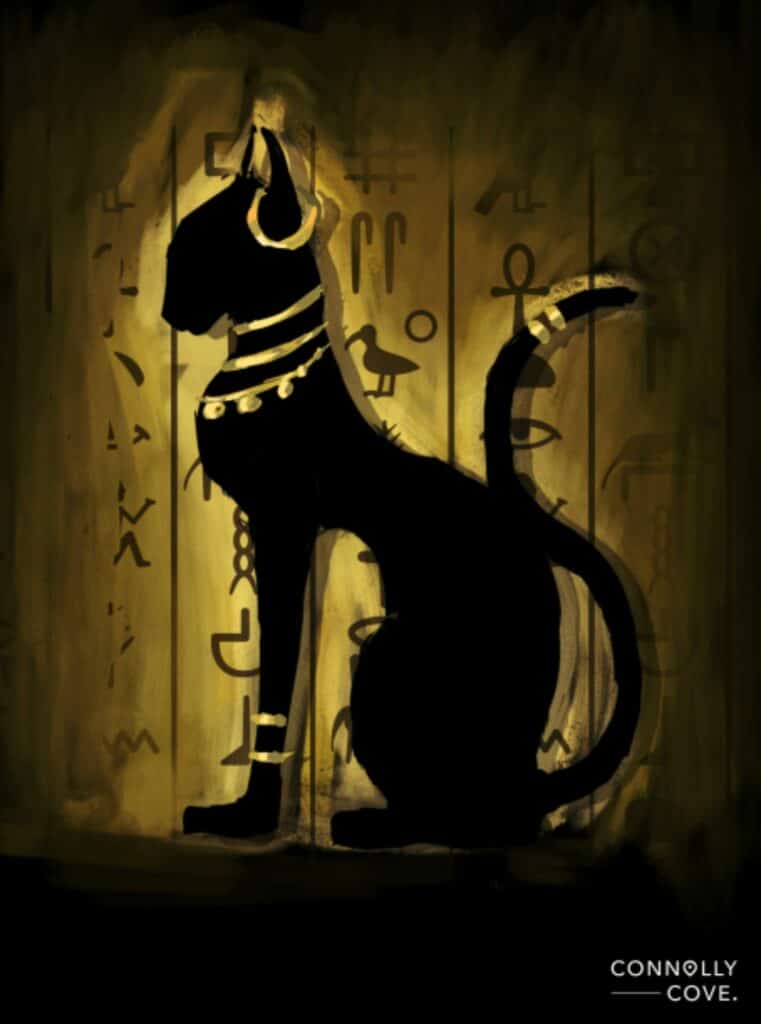
Cats were a sign of royalty in ancient Egypt, for people believed they were magical creatures and symbols of good luck. However, people didn’t specifically use cats as part of animal-worshipping rituals. People loved having cats in their houses, thinking it would bring them fortune and health. They also dressed them in lavish clothes and sometimes even jewels.
Many gods and deities in ancient Egypt had heads of cats as a sign of power and wealth. Goddess Bastet, sometimes referred to as Bast, was always associated with cats, having a woman’s body, a cat head, and wearing a single gold earring. Associating goddess Bastet with cats is one of the many reasons ancient Egyptians considered them sacred animals.
3. Dogs in Nepal and India

The Hindus consider dogs to be sacred animals—ones that protect their ancestors. Unlike cows, dogs are involved in animal worshipping rituals in Hinduism, especially in India and Nepal. Not only do they worship dogs, but they also give them a high status, celebrating them every year in their renowned Hindu festival, Tihar.
The celebration lasts five days and takes place around October or November. Their animal worshipping ritual happens on the second day, known as Kukur Tihar. They believe that Yamaraj, the God of Death, sent dogs as messengers, allowing these friendly creatures to establish special bonds with humans. Parades are made for dogs on that day, where the little furry buddies walk proudly wearing colourful collars around their necks.
4. Grey Wolf in Turkey
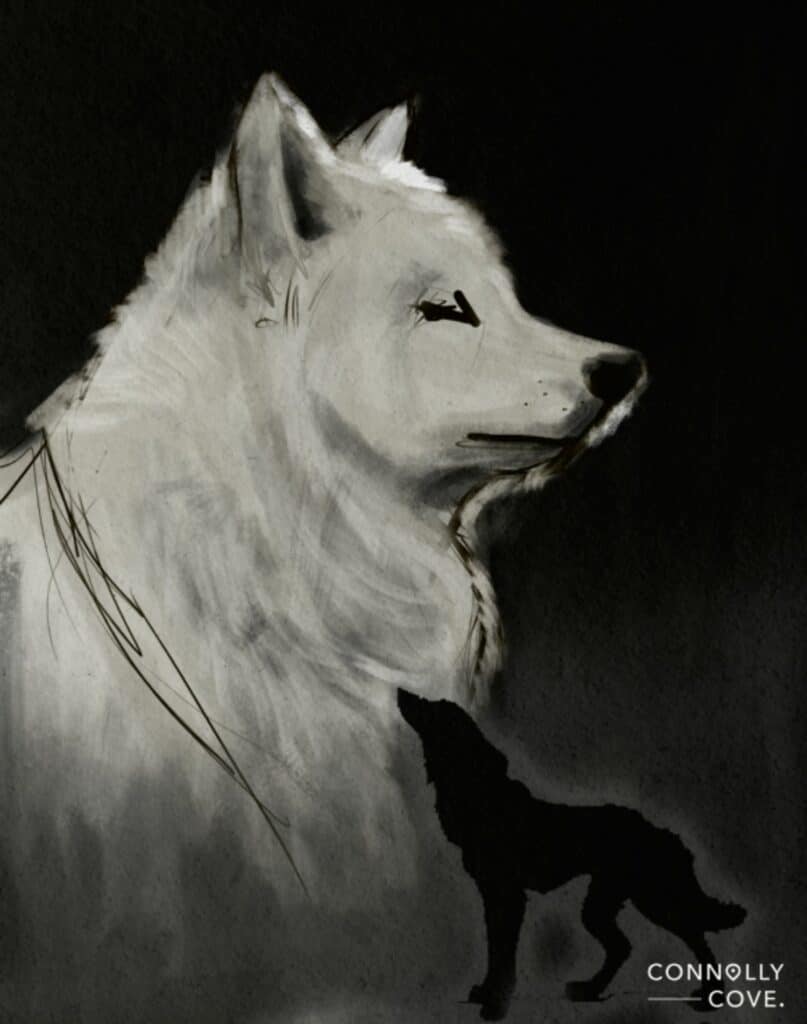
Most of the Turkish population are currently Muslims; thus, animal worshipping isn’t particularly part of their rituals. However, that didn’t stop them from putting some animals on high pedestals, thinking highly of them, and for the Turkish, it’s the grey wolf. Wolves are sacred animals in Türkiye even after the spread of Islam, and Turkish folklore is filled with stories and myths of the canine.
Grey wolves are abundant in the Asian part of Turkey. The Turks not only believed wolves to be sacred animals but also made them the national symbol of mythology. They think wolves symbolise honour and strength, which are essential qualities to them as a nation.
5. Snakes in North America

In Native American mythology, you can come across one of their significant gods, Quetzalcoatl, or the feathered serpent. It’s a prevalent deity, half bird and half rattlesnake, devouring humans in most old folktales. This was more commonly popular among the Aztecs, who were behind the ideology of honouring snakes as sacred animals.
Snakes and serpents were deemed sacred animals for their outstanding abilities. Not only did Native Americans perceive them as a symbol of fertility, but they also regarded them as a sign of rebirth, thanks to their skin-shedding abilities. Although the Aztecs were among the oldest nations to think of snakes as sacred animals, this idea had initially originated in India.
6. Wild Bulls in Greece
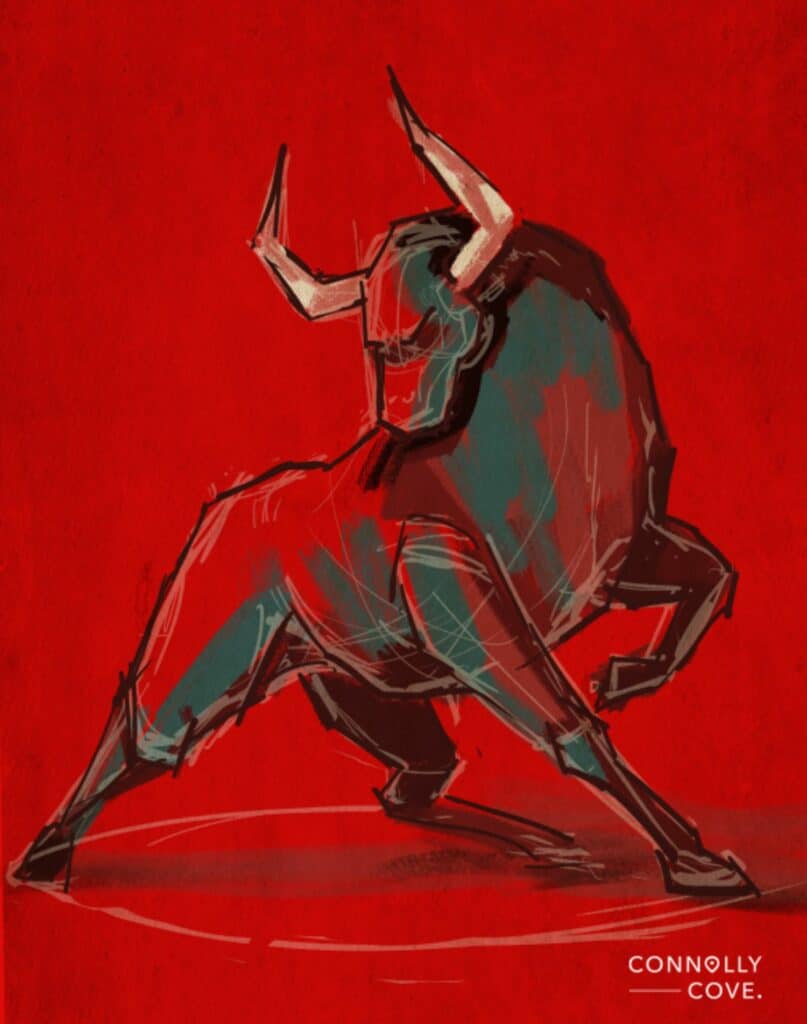
The Greek culture embraces more than a few sacred animals that were vital in shaping its history and legends. Although donkeys, goats, serpents, and lions are among the sacred animals of Greece, the wild bull remains the most prominent of them all. In ancient Greece, people worshipped the bull, believing it was a physical manifestation of the god Zeus. This animal was deemed a symbol of the god, and Zeus was transformed into a bull in several legends.
Given the bull’s strong body, people considered it a symbol of strength. In addition to that, they also thought that its blood was full of magical properties that could heal and provide power similar to that of the bull.
7. Crocodiles in Egypt

Ancient Egypt was among the cultures that believed in several sacred animals. Although cats usually dominated the scene and were a sign of royalty, crocodiles were also quite prominent. In ancient Egypt, there was a god for every significant aspect of life, and water was among the superior elements that kept the civilisation going, hence the sacredness of the Nile River.
Crocodiles used to live abundantly in the Nile; thus, Egyptians deemed them sacred animals that protected their water and symbolised the strength and power of the pharaohs. Even more, the crocodile was perceived as the god of water. Sobek was a deity in ancient Egypt that was associated with crocodiles, symbolising fertility and power. Thus, crocodiles were worshipped and protected.
8. Damascus Goats in Syria
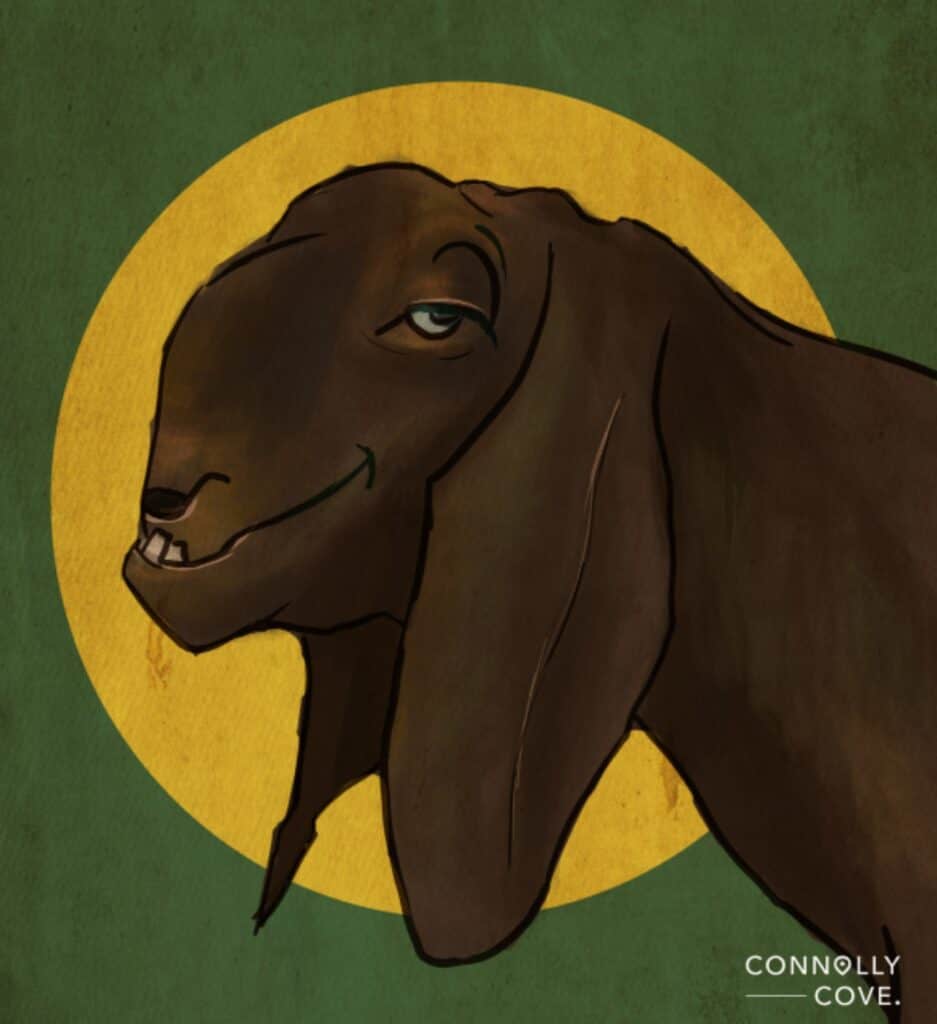
Goats are prominent animals in the Middle East. However, the Damascus goat, native to Syria, remains the most prevalent breed. This breed has even won the title of the most beautiful goat in the world. It’s also found in different regions in Saudi Arabia and Pakistan. Syrians perceive the Damascus goats as sacred animals for various reasons.
Not only does the animal possess an adorable appearance, but it’s also known for its great generosity. When these Damascus goats are well-nourished and cared for, they produce a massive quantity of milk. On the other hand, the female Damascus goats are known for giving birth to triplets and quadruplets, affirming the saying, “The more, the merrier.”
9. Tigers in Korea
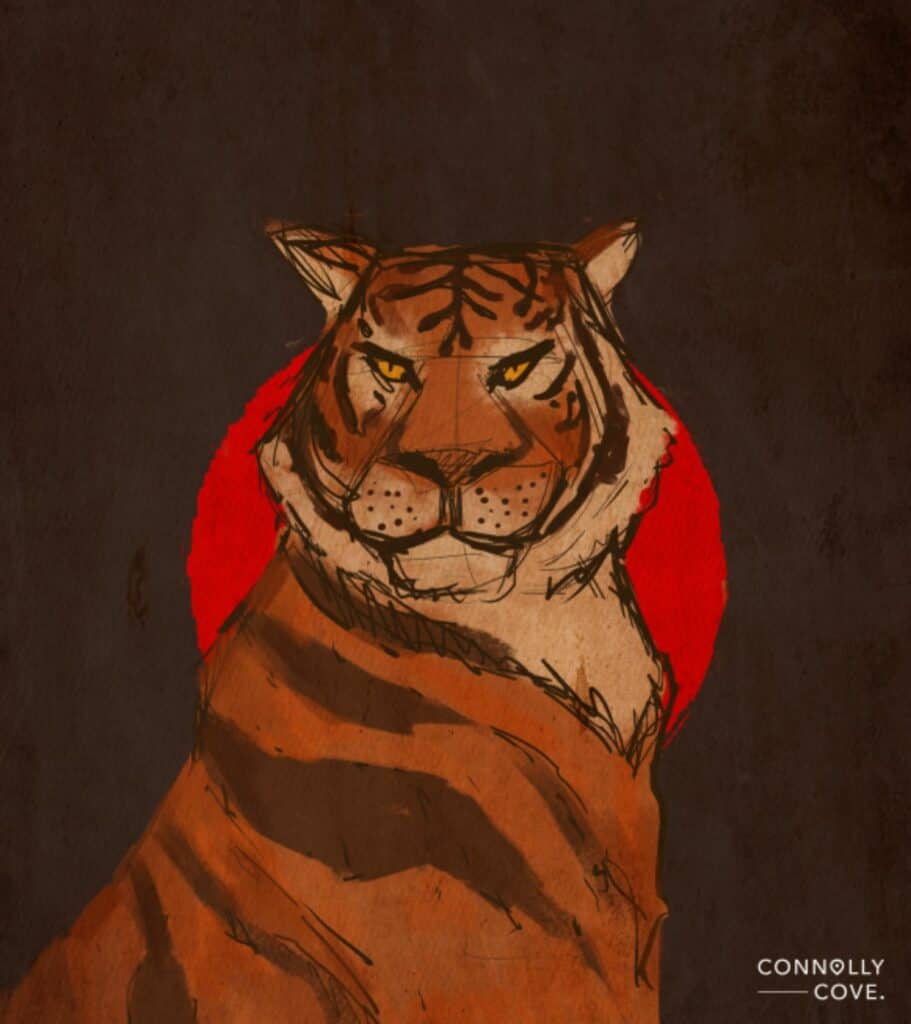
The Korean tiger is among the sacred animals in South Korea, symbolising superiority and power. This explains the depiction of the tiger as a winged beast in many folktales and old legends, playing a vital role in Korean mythology. Tigers have lived across South Korea for centuries, freely wandering around the forests.
Given their exceptional strength and sharp teeth, people feared them, attempting to avoid crossing paths with them as much as possible. Not only were tigers feared in South Korea, but they were also respected, and that’s how they became sacred animals. South Korea also believed that white tigers were capable of warding off evil spirits to protect humans.
10. Dragons in China

Dragons have somehow become associated with Chinese culture―one of their sacred animals with the highest status and respect. Although flying dragons with fire breath never existed, they stemmed from pure imagination, and giant lizards in China were behind that inspiration. They do resemble dragons, yet they neither fly nor blow fire.
Dragons are whimsical creatures in Chinese mythology that somehow managed to become the country’s national symbol. The Chinese have deemed their sacred animals superior to all other creatures and have been worshipping them since forever, from emperors of the ancient worlds to ordinary people of today’s world.
Such ideologies of animals’ sacredness stemmed from needing a more powerful divine figure to protect and provide. Although today’s cultures have developed and changed in so many ways, some still embrace many of their old sacred animals.

Winter in Ireland: A Guide to the Different Facets of the Magical Season
Ireland
08/05/2024

Tate Modern – London Attractions – London
England
08/05/2024

Glenariff Waterfalls: Exploring the Majestic of This Hidden Gem in Northern Ireland
Northern Ireland
08/05/2024

Decoding the Symbolic Significance of Huginn and Muninn: Odin’s Ravens
Mythology and Folklore
08/05/2024

The Timeless Charm of the Aran Jumper: A Symbol of Irish Knitting Tradition
Culture Exploration
07/05/2024