


Exploring Hadrian’s Villa: Emperor Hadrian Retreat at Tivoli
Updated On: January 27, 2024 by  Panseih Gharib
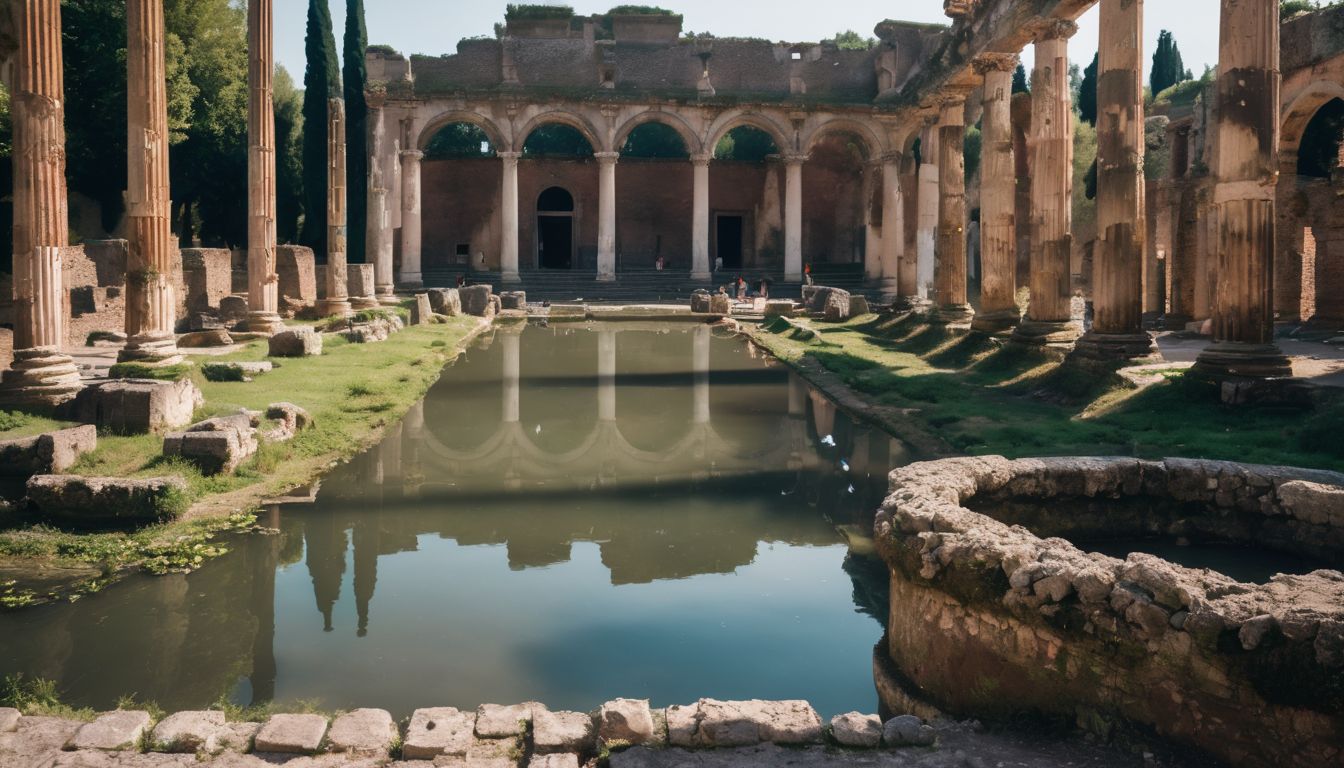
Are you harbouring plans to trace the footsteps of ancient civilisations through Italy’s historic sites? Then, you may find a true gem in Hadrian’s Villa, an extravagant Emperor Hadrian retreat crafted in the 2nd century AD, nestled near Tivoli.
It is a breathtaking UNESCO World Heritage Site sprawling over nearly 300 acres! This article will unravel the grandeur and detailed wonderment of this villa complex with its captivating ruins that hold stories from Ancient Rome close to their heart.
Key Takeaways
- Emperor’s Playground: Built by Hadrian in the 2nd century AD, Hadrian’s Villa wasn’t just a home; it was a sprawling retreat showcasing the grandeur of the Roman Empire.
- East Meets West: From Greek temples to Egyptian-inspired pools, the Villa blends architectural styles across Hadrian’s vast realm.
- Imperial Opulence: Highlights include the luxurious Imperial Palace, the temple-like Antinoeion dedicated to Hadrian’s companion, and the Maritime Theatre resembling a floating stage.
- A Social Hub: Thermae baths facilitated relaxation and socialising, while the Piazza d’Oro and Three Exedras provided spaces for gatherings and discussions.
History and Structure of Hadrian’s Villa
Emperor Hadrian built the magnificent Hadrian’s Villa in the 2nd century AD near Tivoli, a vast residential complex boasting classical buildings.
Passionate about art and architecture, Emperor Hadrian embarked on a grand project in the 2nd century AD: creating a personal sanctuary he named Villa Adriana. Situated near the charming town of Tivoli, Italy, this massive complex surpassed the concept of a simple villa, showcasing the splendour and diversity of the Roman Empire on over 296 acres. From 118 to 138 AD, the Villa served as Hadrian’s escape from the pressures of Rome, and its beauty attracted wealthy Romans seeking summer respite and an immersion in the emperor’s love for the arts.
Nestled amidst the idyllic Tiburtine Hills, Hadrian’s Villa offers a captivating window into ancient Roman life. Spanning an impressive 120 hectares, the complex boasts numerous awe-inspiring classical buildings and archaeological remains. Visitors can wander through the ruins of various structures, each revealing insights into Roman architectural prowess and the luxurious lifestyle enjoyed by the elite.
Highlights of Emperor Hadrian Retreat
- Antinoeion: Dedicated to Hadrian’s beloved companion, this temple-like structure features intricate Greek architectural elements and serene courtyards.
- Maritime Theatre: Resembling a floating stage, this unique theatre provided entertainment with performances set against a backdrop of a ship-shaped pool.
- Hospitalia: Designed to accommodate visitors, these guest quarters offer a glimpse into the hospitality practices of ancient Rome.
- Imperial Palace: Showcasing Roman opulence, the palace features elaborate mosaic floors, thermal baths, and private spaces reserved for the emperor and his court.
- Piazza d’Oro: As the central meeting point, this grand plaza facilitated gatherings and social interactions within the Villa.
- Three Exedras: These semi-circular structures offered spaces for philosophical discussions, intellectual pursuits, and public gatherings.
- Thermae: Embracing relaxation and social interaction, these ancient Roman baths featured hot and cold pools, steam rooms, and landscaped gardens.
- Canopus: Inspired by Egyptian cities, this area features a ship-shaped pool surrounded by colonnades and statues, evoking the atmosphere of the Nile River.
Must-See Features of Hadrian’s Villa
Visiting Hadrian’s Villa is not just about admiring ancient ruins; it’s about stepping into a vibrant world of the past. By exploring these must-see features, you’ll better understand Roman culture and technology.
The Antinoeion
One of the must-see features at Hadrian’s Villa is the Antinoeion. This fascinating structure was dedicated to Antinous, a young man who was Emperor Hadrian’s beloved companion. It served as a sanctuary for his memory and featured a beautiful statue of Antinous as the Greek god Dionysus.
The Antinoeion showcases ancient Rome’s artistic skills and cultural significance, making it a captivating tourist attraction. Visiting this remarkable site allows you to gain insight into Emperor Hadrian’s personal life and passions while at his retreat near Tivoli.
Sculptures and Artworks
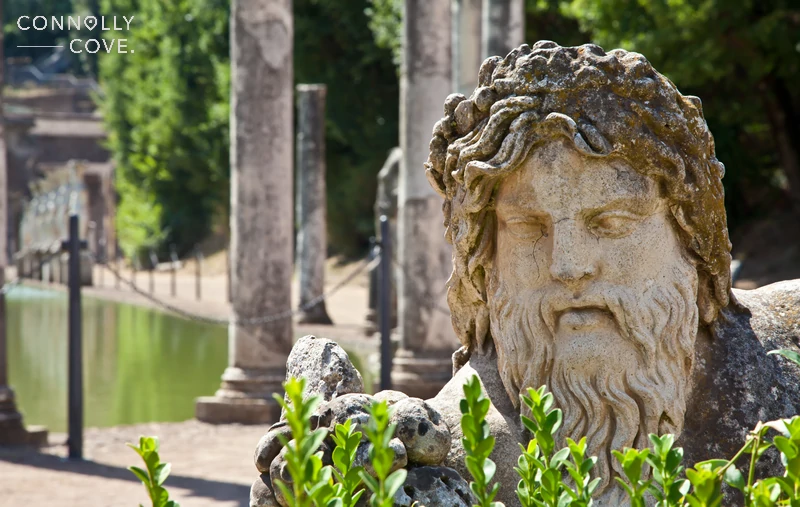
The sculptures and artworks at Hadrian’s Villa are genuinely remarkable. They provide a glimpse into the rich artistic heritage of ancient Rome. As you wander through the Villa, you’ll come across statues, reliefs, and other masterpieces that were once part of Emperor Hadrian’s grand retreat.
These exquisite pieces showcase the skill and craftsmanship of Roman artists. From majestic marble statues to intricately carved reliefs, each artwork tells its own story and adds to the allure of this historic site.
Maritime Theatre
The Maritime Theatre is one of the must-see features of Hadrian’s Villa. It is a unique structure that was built to resemble a nautical theatre. The theatre overlooks an artificial island surrounded by water, creating a stunning and picturesque setting.
Visitors can imagine themselves watching performances or enjoying the tranquil atmosphere in this beautiful space. The Maritime Theatre showcases the innovative architectural design of Emperor Hadrian and provides insight into the artistic culture of ancient Rome.
Hospitalia
Hospitalia, one of the notable features of Hadrian’s Villa, was a complex within the larger Villa that served as guest quarters for visitors. It consisted of several buildings arranged around courtyards and offered luxurious accommodations for guests.
These structures showcased exquisite Roman architecture and provided a glimpse into the lifestyle enjoyed by Emperor Hadrian and his esteemed guests. As you explore Hospitalia, you can imagine what it must have been like to stay in this grand retreat during ancient times.
The ruins of Hospital are a testament to the rich history and cultural significance of Hadrian’s Villa, making it a must-visit destination for history buffs and luxury travellers alike.
Imperial Palace
The Imperial Palace is one of the must-see features of Hadrian’s Villa. It was the primary residence of Emperor Hadrian and showcases Roman architectural grandeur. The palace is an impressive structure with beautiful columns, frescoes, and intricate designs that reflect the luxury of the Roman Empire.
As you explore this magnificent palace, you can imagine what life was like for the emperor and marvel at its historical significance. It’s a remarkable experience for history buffs who want to step back in time and delve into the world of ancient Rome.
Piazza d’Oro
Piazza d’Oro is one of the must-see features of Hadrian’s Villa, known for its grandeur and beauty. As you walk through this magnificent square, you can’t help but admire the impressive architecture surrounding you.
Piazza d’Oro was a central meeting place in the villa complex, where important events and ceremonies occurred during Emperor Hadrian’s time. With its elegant colonnades and statues, it truly reflected the opulence of Roman architecture.
It will be fascinating to imagine how this square once bustled with life as people gathered here for various occasions. Standing in Piazza d’Oro will give you a glimpse into the rich history and grand lifestyle enjoyed by Emperor Hadrian at his retreat near Tivoli.
Three Exedras
One of the must-see features of Hadrian’s Villa is the Three Exedras. These semi-circular structures with seating areas are used for gatherings and discussions. The exedras offered a place for intellectual pursuits and socialising, reflecting Emperor Hadrian’s love of culture and knowledge.
Each exedra was beautifully decorated with sculptures and artwork, providing a visually stunning experience for visitors. Exploring these exedras allows you to step back in time and imagine the fascinating conversations within their walls.
Thermae
The Thermae in Hadrian’s Villa are ancient Roman baths that were a popular destination for relaxation and socialising during the Roman Empire. These thermal baths were an essential part of Roman culture, providing a place for people to bathe, exercise, and socialise.
The Thermae in Hadrian’s Villa featured hot and cold pools, saunas, steam rooms, and various visitor amenities. Today, visitors can explore these well-preserved ruins and the luxurious bathing practices of ancient Rome.
It is fascinating to see the intricate architecture and engineering that went into creating these impressive thermal baths. Whether you’re a history buff or simply looking for relaxation on your visit to Hadrian’s Villa, the Thermae are worth exploring.
Canopus
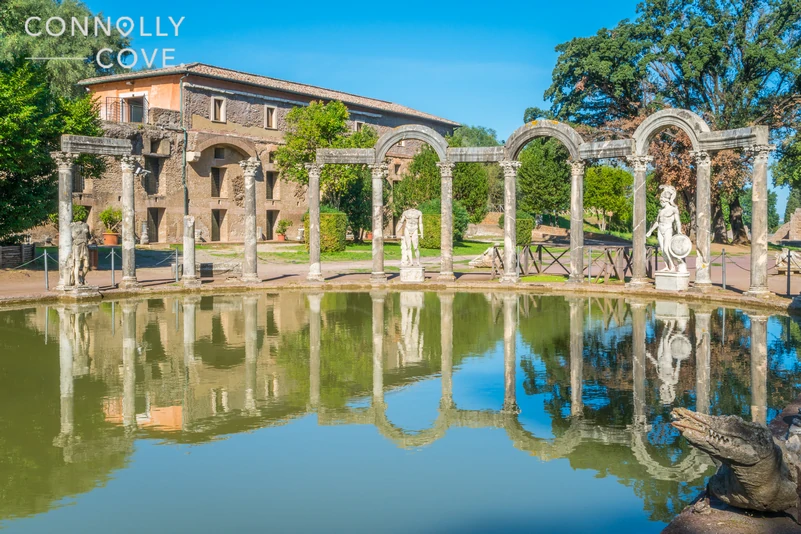
Canopus is one of the must-see features of Hadrian’s Villa. It is a large pool shaped like a ship, surrounded by columns and statues. This area was designed to resemble the city of Canopus in Egypt, with its unique architecture and atmosphere.
Visitors can stroll along the water’s edge and admire the beautiful sculptures that adorn this stunning area of the villa complex. The combination of water, columns, and statues creates a picturesque setting that captivates visitors’ imaginations.
Details for Visiting
To visit Hadrian’s Villa, start by going to Tivoli, Italy. The Villa is located near the town and can be reached by public transportation or car. Once you arrive, check the visiting rules and regulations at the entrance.
Tickets are required for entry but are reasonably priced, considering the site’s historical value.
During your visit, take advantage of the services available on-site. There are information booths to learn more about the Villa’s history and significance. Additionally, there are rest areas for you to take breaks during your exploration.
If you’re lucky enough to visit during extraordinary openings, don’t miss out! These special occasions allow visitors to see parts of the Villa that are generally inaccessible.
Location and Transportation
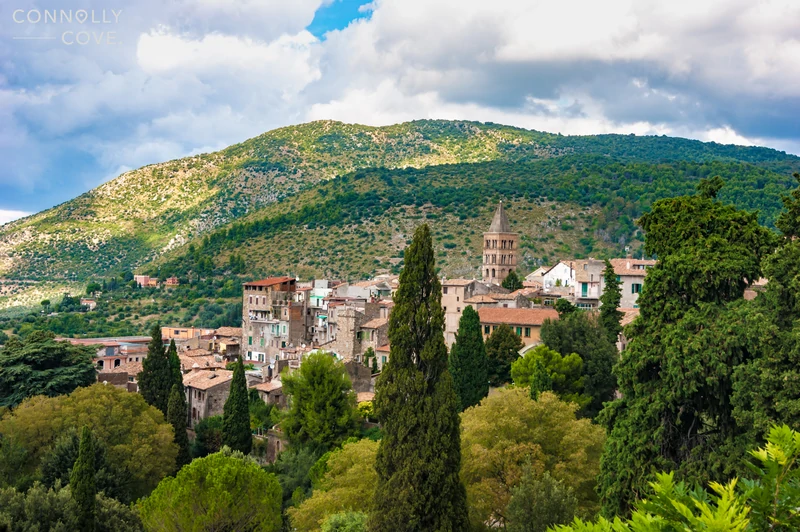
Hadrian’s Villa is near Tivoli, Italy, in the picturesque Tiburtine Hills. Getting to the Villa is relatively easy as it is just a short distance from Rome. Once in Tivoli, visitors can take a taxi or walk to the villa complex. The journey from Rome to Hadrian’s Villa takes about an hour and offers beautiful scenic views.
Visiting Rules and Tickets
When visiting Hadrian’s Villa, there are some essential things to remember. First, you’ll need to buy a ticket before entering the site. The ticket cost may vary depending on factors like age and nationality.
It’s always good to check the official website for updated information about prices and any special offers. When visiting, it’s essential to follow the rules and regulations set by the authorities. These rules are in place to protect the historical site and ensure a pleasant experience for all visitors. Some standard rules include:
- Do not touch or climb on the ruins.
- Do not litter.
- Respect any signage or barriers that indicate restricted areas.
Hadrian’s Villa is an outdoor site with uneven terrain; wearing comfortable walking shoes is highly recommended for your visit. Remember to bring water, sunscreen, and a hat since the complex might have limited shade.
Services Available
You can use various services to enhance your experience during your visit to Hadrian’s Villa. Guided tours provide in-depth information about the Villa’s history and architecture.
These tours offer insights into the life of Emperor Hadrian and his retreat near Tivoli. Additionally, there are audio guides and brochures available for self-guided exploration. The site also has restrooms, cafes, and souvenir shops where you can purchase mementoes for your visit.
Remember to check if any extraordinary openings or special events are happening during your visit so you can experience all the unique experiences at this UNESCO World Heritage site.
Conclusion
Hadrian’s Villa is a remarkable retreat near Tivoli that offers a glimpse into the luxurious lifestyle of Roman emperors. Its classical buildings, sculptures, and breathtaking landscapes make it a majestic place to explore. So pack your bags and journey back in time to this incredible UNESCO World Heritage site.
FAQs
What is Hadrian’s Villa near Tivoli?
Hadrian’s Villa, also known as Villa Adriana, is a grand Roman villa built in the second and third decades of the 2nd century AD. It was used as a country residence by the emperor.
Where can I find Hadrian’s Villa?
You can find this majestic Roman ruin near Tivoli Gardens in Italy.
Why was Hadrian’s Villa built?
The Villa was built during the 2nd century AD to serve as a country residence for Roman Emperor Hadrian, away from Rome’s hustle and bustle.
Can one explore these ruins today?
Yes, you can explore the majesty of these stunning ruins today! They are open for public visits and offer a deep dive into historical elegance.

Top Things To Do in Hamburg: A Hamburger’s Guide!
Germany
27/04/2024

Take a Look at the Astounding Scenery of County Kerry
County Kerry
27/04/2024

Famous Haunted Houses in Egypt: Spooky Stories for Halloween
Destinations
27/04/2024

St. Paul’s Cathedral – London Attractions
England
27/04/2024

Great Scotland Yard – London Attractions
England
27/04/2024