


A Comprehensive Look at Medical Tourism Statistics by Country

Updated On: April 28, 2024 by  Maha Yassin
Are you intrigued by sun-kissed beaches and a sparkling smile all in one trip? Look no further than the booming world of medical tourism, where healthcare meets vacation in a fascinating equation. Forget waiting months for an appointment or shelling out a fortune for treatment – medical tourism lets you seek top-notch healthcare in beautiful destinations, often at a fraction of the cost back home.
But which countries reign supreme in this global game of medical globetrotting? Where can you score a bargain on a hip replacement while soaking up the Caribbean sun or rejuvenating your skin under the Thai moonlight?
In this blog, we’ll embark on a data-driven journey through the hottest medical tourism hubs, delving into the statistics, cost benefits, and quality credentials that set them apart. So buckle up, medical voyagers, as we unveil the fascinating world where wellness meets wanderlust!
Demystifying Medical Tourism: A Passport to Healthcare

Imagine this: turquoise waters lapping at your feet, palm trees swaying overhead, and within reach, a state-of-the-art medical facility offering the treatment you need at a fraction of the cost back home. Medical tourism, the fascinating blend of healthcare and travel, is no longer a futuristic fantasy but a thriving reality for millions worldwide.
But navigating the intricacies of medical tourism can seem daunting amidst the allure of sunny destinations and bargain procedures. Fear not, intrepid traveller! This paragraph serves as your compass, guiding you through the essential aspects of this burgeoning phenomenon.
First, understand the why: cost reductions often top the list. Healthcare disparities worldwide mean treatments like hip replacements or dental work can be significantly cheaper in certain countries compared to your home nation. But cost isn’t everything. Access to specialised treatments, shorter wait times, and the desire for a holistic wellness experience in exotic locales also fuel the medical tourism engine.
Next, let’s address the where: Thailand, India, Mexico, Singapore, and Costa Rica are just a few of the medical tourism hotspots, each boasting accredited facilities, skilled professionals, and diverse treatment options. Researching a destination’s healthcare infrastructure, patient safety protocols, and language accessibility is crucial.
Finally, remember, medical tourism is a journey of informed choice. Due diligence is key. Research your chosen facility, doctor’s qualifications, and potential risks associated with the procedure. Seek advice from medical professionals and experienced medical tourism facilitators. By prioritising research and preparation, you can transform your medical needs into an enriching adventure, blending the best healthcare with the thrill of global exploration.
General Medical Tourism Industry Statistics
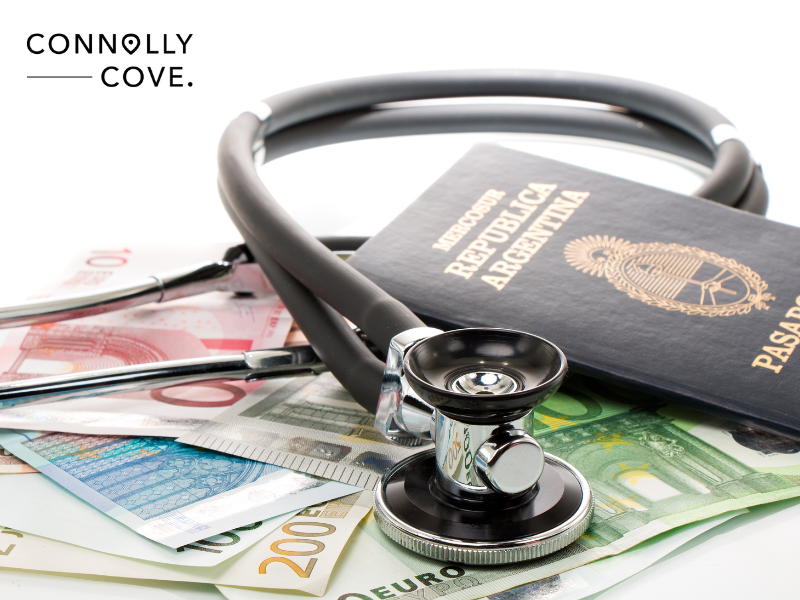
The number of medical tourists has been steadily increasing, with top countries for medical tourism including India, Thailand, the United Kingdom, Malaysia, and the United States. The industry continues to grow at a rapid speed.
Number of Medical Tourists
In 2017, 14-16 million medical tourists travelled to different countries for healthcare. This means that millions worldwide are choosing to seek medical treatment abroad instead of in their own countries.
The number of medical tourists can significantly impact the healthcare system of the source country and the local economy. It is interesting to note that approximately 14 million people worldwide travel for medical care each year, including millions of US residents who go overseas for treatment.
So, it’s clear that medical tourism is a growing industry with a substantial number of people seeking healthcare outside their home countries.
Growth in the Industry
The medical tourism industry has been experiencing great growth in recent years. According to a study in the American Journal of Medicine, there were an estimated 14-16 million medical tourists worldwide in 2017.
This indicates a growing trend of people travelling internationally for medical care. The increase in the number of medical tourists can impact the healthcare systems of source countries.
It is important to note that more than 115 countries have published data on international medical tourism, accounting for about 58% of total global statistics. With millions of people seeking healthcare abroad each year, it is clear that the industry is expanding rapidly.
Top Picks for Cost-Conscious Globetrotters: Medical Tourism Statistics by Country

Ready to trade hospital gowns for swimsuits? Let’s explore the global hotspots buzzing with medical tourism, where top-notch treatments meet budget-friendly bliss. Buckle up, bargain hunters, as we unveil the top five destinations where your bank account can bask in the sunshine with your body:
Thailand: King of Cost-Cutting with 2.5 million medical tourists
Land of shimmering smiles and bargain-basement bliss, Thailand reigns supreme. From dental wonders (think Hollywood smiles at 70% off) to orthopaedic marvels like hip replacements (65% cheaper than the West), Thailand offers an array of savings while maintaining the quality you can trust.
Mexico: Neighborly Nosh and Dental Delights (1.3 million medical tourists)
Just a hop across the border lies Mexico, where guacamole isn’t the only thing that’s easy on the wallet. Dental procedures, cosmetic tweaks, and even bariatric surgery all come at a fraction of the US price, making it a popular choice for North American globetrotters seeking affordable rejuvenation.
Malaysia: Medical Marvels and Monsoon Magic (1.2 million medical tourists)
Beyond its breathtaking rainforests, Malaysia boasts a thriving medical tourism scene. Cardiology, fertility treatments, and orthopaedic wonders like knee replacements draw hordes of patients seeking specialised care at a fraction of Western costs. Plus, the vibrant cultural mix and mouthwatering cuisine add charm to your healing journey.
Singapore: City Chic and Cutting-Edge Care (500,000 medical tourists)
For those who crave a blend of urban buzz and medical brilliance, Singapore beckons. This futuristic metropolis boasts world-class healthcare facilities and renowned specialists, attracting patients seeking top-notch cancer treatments, complex surgeries, and advanced diagnostics. Expect high-tech hospitals and impeccable service alongside the city’s dazzling skyline.
India: Ayurvedic Alchemy and Accessible Ailment Solutions (600,000 medical tourists)
Dive into the ancient wisdom of Ayurveda in India, where holistic healing meets modern medicine. Cardiac care, cancer treatments, and joint replacements are incredibly affordable, attracting those seeking a blend of Eastern wellness and Western expertise. Don’t forget to explore the vibrant culture and spiritual heritage while your body finds balance.
Costa Rica: Eco-Escape with Expert Excisions (400,000 medical tourists)
Trade hospital corridors for pristine beaches and verdant rainforests in Costa Rica. This eco-paradise offers renowned expertise in cosmetic surgery, dentistry, and vision correction procedures, all at a fraction of US prices. Immerse yourself in the natural beauty while your body transforms.
Turkey: Timeless Treasures and Timely Treatments (400,000 medical tourists)
Step back in time amidst Turkey’s ancient wonders and discover its modern medical marvels. Hair transplants, dental implants, and cosmetic procedures are offered at significantly lower costs than in Europe, attracting budget-conscious globetrotters seeking rejuvenation amidst historical grandeur.
South Korea: K-Beauty Boom Meets Medical Brilliance (300,000 medical tourists)
Embrace the K-Beauty phenomenon in South Korea, where medical aesthetics reign supreme. From non-surgical facelifts to cutting-edge cosmetic procedures, Seoul offers affordable packages and renowned expertise, transforming your look while you soak up the vibrant Korean culture.
Brazil: Samba Spirit and Surgical Savvy (300,000 medical tourists)
Feel the infectious rhythm of Brazil while getting your body back in rhythm. Cosmetic surgeries, particularly liposuction and breast lifts, are popular due to their affordability and the skilled surgeons in Rio de Janeiro and Sao Paulo. Immerse yourself in the carnival spirit while enhancing your confidence.
Poland: Historic Charm and High-Quality Healthcare (250,000 medical tourists)
Explore the rich history of Poland while experiencing its modern medical advancements. Dentistry, orthopaedic surgeries, and ophthalmic procedures are offered competitively, drawing patients from neighbouring European countries. Discover Krakow’s medieval streets and Warsaw’s modern buzz while your health flourishes.
The Most Common Medical Procedures for Medical Tourism
From cosmetic surgery to fertility treatments and orthopaedic surgeries, there’s a wide range of options available for those looking to receive high-quality healthcare abroad. These are the most common medical procedures sought by travellers seeking medical tourism.
Cosmetic Surgery
Cosmetic surgery is a popular medical procedure for those looking to enhance their appearance. People travel abroad for cosmetic surgery because it can be more affordable in certain countries and allows them to combine the treatment with a vacation.
Countries like Thailand, India, and Malaysia are top destinations for cosmetic surgeries due to their skilled surgeons and advanced facilities. In 2017 alone, millions of people worldwide travelled internationally for these procedures.
It’s important to note that before considering cosmetic surgery abroad, research on the reputation and accreditation of hospitals or clinics should be conducted to ensure safe and successful outcomes.
Dental Care
When it comes to dental care, many people are looking for affordable and high-quality options. This is where medical tourism can be a great solution. Countries like India, Thailand, and Malaysia are known for their excellent dental facilities at a fraction of the cost compared to other countries.
Whether you need routine check-ups, teeth whitening, or more complex procedures like root canals or dental implants, these destinations offer skilled dentists and state-of-the-art equipment.
So, if you’re a traveller seeking top-notch dental care while exploring new cultures and destinations abroad, consider including medical tourism.
Fertility Treatments
When it comes to medical tourism, fertility treatments are a popular choice for many travellers. People from all over the world are seeking assisted reproductive technologies in different countries.
Millions of people travel internationally each year for these procedures. The United States is one of the top destinations for fertility treatments, with many clinics offering advanced techniques and high success rates.
Other popular countries for these treatments include India, Thailand, and Malaysia. These countries provide affordable options without compromising on quality. So, if you’re considering fertility treatments abroad, there are plenty of choices available to you!
Orthopaedic Surgeries
Orthopaedic surgeries are standard medical procedures that people travel for. These surgeries fix problems with bones, joints, muscles, and ligaments. They can include procedures like joint replacements, spinal surgeries, and repairing fractures.
Orthopaedic surgery can be a good option for those looking to improve mobility and reduce pain caused by injuries or medical conditions. According to the American Journal of Medicine, millions worldwide undergo orthopaedic surgeries yearly.
So, if you’re a solo traveller, backpacker or a history buff who loves exploring new places, it’s essential to know that orthopaedic surgeries are available in many countries worldwide.
Cost Savings and International Healthcare Accreditation

Cost savings are a significant factor in medical tourism, as patients can receive treatments at a fraction of the cost compared to their home countries. International healthcare accreditation is also crucial for ensuring the quality and safety of medical procedures abroad.
Potential Cost Savings
Medical tourism offers the potential for cost savings compared to receiving medical procedures in one’s home country. Certain countries may offer lower healthcare costs due to different economic factors and exchange rates.
For example, a study estimated that in 2017 there were 14-16 million medical tourists worldwide. By seeking treatment abroad, patients can save money on various medical procedures such as cosmetic surgery, dental care, fertility treatments, and orthopaedic surgeries.
These cost savings can be particularly attractive for travellers seeking affordable options while receiving quality healthcare.
Importance of International Accreditation
International accreditation is an essential factor to consider in medical tourism. Accreditation ensures healthcare providers and facilities abroad meet specific quality standards and guidelines.
This helps patients have confidence in the services they receive during their medical travel. It also promotes safety, as accredited facilities follow proper protocols for patient care, infection control, and emergency response.
For those seeking medical treatments or procedures in a foreign country, international accreditation provides reassurance that they will receive high-quality care comparable to what they would find at home.
In conclusion, medical tourism is a rising global trend, with millions travelling yearly to other countries for medical treatment. The top countries for medical tourism include India, Thailand, the United Kingdom, Malaysia, and the United States. Cost savings and international healthcare accreditation play essential roles in this industry. As more data becomes available, tracking the growth and impact of medical tourism on both source and destination countries will be interesting.
FAQs
How much can I really save through medical tourism?
Savings vary depending on the procedure and destination, but estimates range from 30% to 80% compared to Western countries. Thailand, India, and Mexico are known for their affordability, especially for dental and orthopaedic procedures.
How can I be sure of the quality of care in another country?
Look for international accreditations like JCI (Joint Commission International) and ISO (International Organisation for Standardisation). Research the hospital’s reputation and doctor’s qualifications.
What about language barriers and communication?
Choose facilities with English-speaking staff or translators. Ask about pre-operative communication and post-operative follow-up procedures.
Is medical tourism ethical?
Concerns exist about strain on local healthcare systems and exploitation of healthcare workers. Choose destinations with responsible practices and strong regulations.

Harry Potter Shop at Platform 9 3/4 – London Attractions
England
29/04/2024

Exploring the Isle of Man’s Rich History and Culture
Ireland
29/04/2024

Exploring The Town of Carrickfergus
County Antrim
29/04/2024

Commercial Court: The Dazzling Lights of Belfast
Northern Ireland
29/04/2024

How to Make a Killy Kiss Cocktail By Killyhevlin Hotel
Northern Ireland
28/04/2024