Various villages in Scotland offer more than picturesque postcards – they’re living stories waiting to be discovered. From the dramatic Highland settlements to the charming coastal fishing harbours, these communities represent the authentic heart of Scotland. At ConnollyCove, we’ve spent years documenting these remarkable places through our travel content and video production work, bringing their stories to life for audiences worldwide.
Whether you’re planning your first Scottish adventure or seeking lesser-known destinations beyond Edinburgh and Glasgow, this guide reveals the villages that capture Scotland’s true spirit. We’ll share practical insights from our extensive travels across the country, helping you experience these communities as locals do, not just as tourists passing through.
Table of Contents
Highland Villages
Discover Scotland’s most enchanting Highland villages, where timeless charm meets breathtaking mountain scenery.
Glencoe in the Highlands
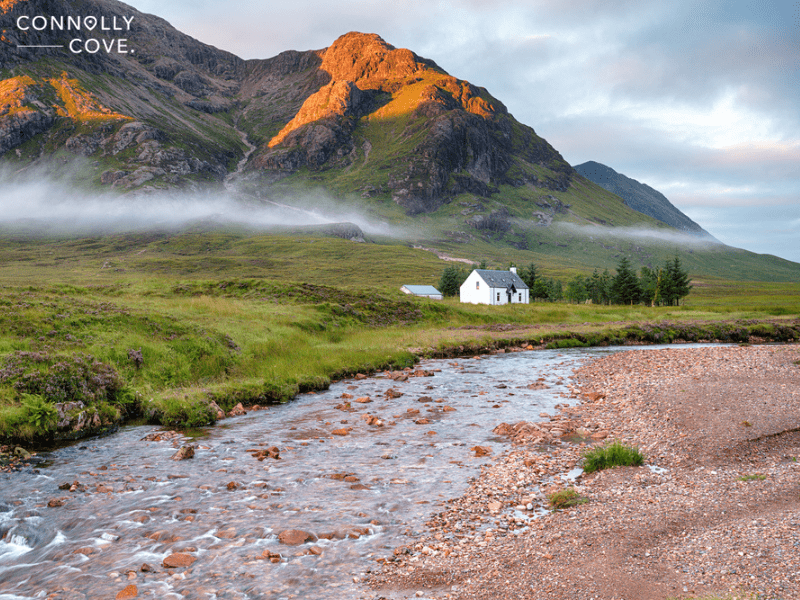
Glencoe stands as Scotland’s most dramatically positioned village, nestled in a valley carved by ancient glaciers and shadowed by towering peaks. This isn’t merely a stop on the tourist trail – it’s a place where nature’s raw power meets human resilience.
The village itself is small but perfectly formed, serving as a gateway to some of Scotland’s most breathtaking landscapes. Red deer roam the hillsides, golden eagles soar overhead, and the changing light creates an ever-shifting canvas that photographers dream about. During our video production projects here, we’ve discovered that early morning and late afternoon offer the most spectacular filming conditions, when mist clings to the valley floor and sunlight catches the mountain peaks.
Glencoe hosts traditional Highland games throughout the summer, where you can witness caber tossing and Highland dancing. The local community welcomes visitors warmly, with several family-run B&Bs offering genuine Highland hospitality. The Clachaig Inn, a climbers’ favourite since the 1600s, serves hearty Scottish fare and hosts traditional music sessions on weekends.
Practical tip: Visit in autumn (September-October) when the crowds thin out and the landscape explodes with golden and russet colours. The weather remains relatively stable, perfect for hiking and photography.
Plockton in the North Highlands
Plockton defies expectations with its palm trees – yes, palm trees in the Scottish Highlands. This enchanting village on the shores of Loch Carron benefits from the Gulf Stream’s warming influence, creating a microclimate that supports these unexpected botanical residents.
The village’s stunning coastal location has made it a favourite for filmmakers (including our own production team). Its tranquil harbour, lined with traditional whitewashed cottages, creates perfect reflections on calm days. The surrounding waters teem with seals, otters, and occasionally dolphins, making boat trips particularly rewarding.
What sets Plockton apart is its authentic working harbour – fishing boats still head out daily, bringing back langoustines, scallops, and crab that you can enjoy fresh in local restaurants. The Plockton Hotel’s seafood platter showcases the day’s catch.
Braemar in the Cairngorms
Braemar, nestled in the Cairngorms National Park, serves as the perfect base for mountain adventures. This royal village – the Queen traditionally stayed at nearby Balmoral Castle each summer – combines outdoor pursuits with rich Highland culture.
The village comes alive during the Braemar Gathering each September, one of Scotland’s most prestigious Highland Games. Athletes from across the world compete in traditional events, while pipe bands fill the air with stirring music. Book accommodation at least six months in advance if visiting during this period.
Winter transforms Braemar into a snow-sports hub. Glenshee Ski Centre, just 8 miles away, offers skiing and snowboarding from December through April. The village itself maintains several winter walking trails, perfect for snowshoeing or simply enjoying the crisp Highland air.
Braemar Castle, with its distinctive star-shaped defensive walls, tells the story of Jacobite uprisings and clan warfare. The castle’s community-led restoration project showcases how local heritage can be preserved through digital storytelling – something we’ve documented extensively in our cultural content work.
Killin in Perthshire
Killin guards the western entrance to Loch Tay, where the River Dochart crashes over the Falls of Dochart right through the village centre. This spectacular natural feature creates a constant soundtrack of rushing water that defines the village’s character.
The surrounding countryside offers exceptional walking opportunities. Ben Lawers, Scotland’s tenth highest mountain, provides challenging climbs for experienced hikers, while the Rob Roy Way offers gentler trails through glens and along lochsides. The village serves as a resupply point for long-distance walkers tackling the 79-mile route.
Finlarig Castle’s ruins, just outside the village, hide a grim history – its ‘beheading pit’ speaks to darker times when clan justice was swift and brutal. Today, the atmospheric ruins provide a fascinating glimpse into Scotland’s tumultuous past. The Breadalbane Folklore Centre in the village explores these stories alongside tales of mythical water horses and fairy folk.
Local shops sell traditional Scottish crafts, from hand-knitted wool products to locally made preserves. The Falls of Dochart Inn, perched right beside the rapids, offers the perfect spot for lunch while watching kayakers navigate the white water.
Inverie in Knoydart
Inverie holds the distinction of being Britain’s most remote mainland village – accessible only by boat or a 16-mile hike through challenging terrain. This isolation has preserved something special: a community that lives at its own pace, connected to the land and sea in ways most of us have forgotten.
The Old Forge pub, officially Britain’s most remote mainland pub, serves as the village’s social hub. Here, locals and visitors mingle over fresh seafood and locally brewed ales, while traditional music sessions spontaneously emerge on weekend evenings. The pub’s walls, covered in maritime memorabilia and hiking boots left by passing walkers, tell countless stories of adventure.
The Knoydart Peninsula, often called “Scotland’s last wilderness,” offers hiking experiences unmatched elsewhere in Britain. Mountains rise directly from the sea, creating dramatic vistas at every turn. Wildlife thrives here – red deer, pine martens, golden eagles, and sea eagles all call this peninsula home.
Coastal Treasures
Discover Scotland’s hidden gems with our guide to the best coastal villages, where traditional charm meets stunning seascapes. Explore quaint harbours, sample local seafood, and soak in the rich history and breathtaking views of Scotland’s picturesque coastline.
Pittenweem in Fife
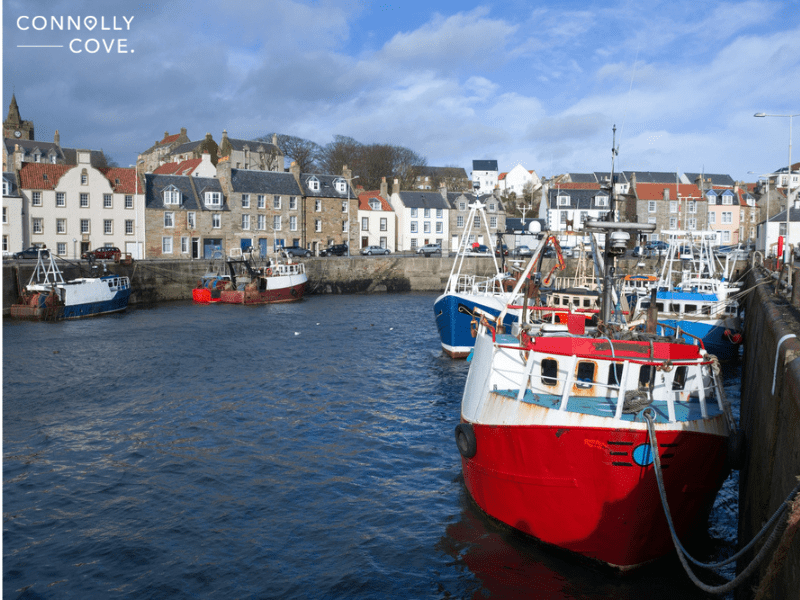
Pittenweem exemplifies the East Neuk of Fife’s fishing heritage. This working harbour remains one of Scotland’s busiest fishing ports, with the early morning fish market offering a glimpse into an industry that has sustained these communities for centuries.
The village’s artistic soul emerges during the annual Pittenweem Arts Festival each August. Houses, gardens, and even caves become galleries, showcasing work from established and emerging artists. St Fillan’s Cave, carved into the harbour cliff, transforms from a 7th-century hermit’s retreat into an atmospheric exhibition space.
The colourful houses lining the waterfront – painted in ochres, blues, and traditional white – create one of Scotland’s most photographed streetscapes. These aren’t just pretty facades; each tells a story of fishing families who’ve lived here for generations. The Cocoa Tree Cafe, housed in a former net loft, serves exceptional hot chocolate while overlooking the harbour’s constant activity.
The Fife Coastal Path passes directly through Pittenweem, connecting it to neighbouring villages like Anstruther and Crail. This 117-mile trail offers some of Britain’s finest coastal walking, with the section around Pittenweem particularly rich in geological interest and wildlife viewing opportunities.
Culross in Fife
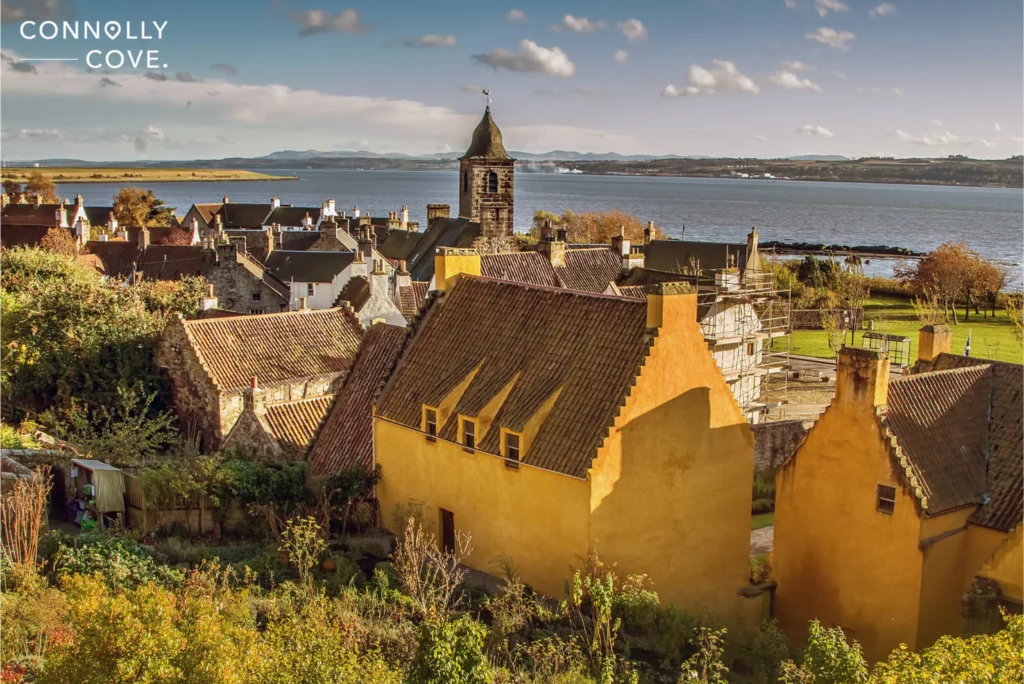
Culross presents Scotland’s most complete example of a 17th-century burgh. The National Trust for Scotland’s meticulous preservation work has created a living museum where cobbled streets, crow-stepped gables, and tiny wynds transport visitors back 400 years.
The village’s prosperity came from coal mining and salt panning – industries that seem at odds with today’s picture-perfect appearance. Sir George Bruce’s mine, extending under the Firth of Forth, represented cutting-edge technology in 1600. The reconstructed Palace, with its original painted ceilings and terraced gardens, showcases the wealth this innovation created.
Modern Culross balances preservation with contemporary life. Residents maintain their properties to exacting standards while adapting them for 21st-century living. The Town House still serves its community function, hosting events and meetings that keep village traditions alive.
Film and television producers regularly use Culross as a location – its authentic streetscapes have appeared in Outlander, Captain America, and numerous period dramas. This has brought new prosperity to the village, with careful management ensuring tourist numbers don’t overwhelm the community.
Portnahaven, Islay
Portnahaven, on Islay’s Rhinns peninsula, offers something unique among Scottish coastal villages – a harbour that faces the Atlantic’s full force. The distinctive zigzag harbour wall, built in the 1820s, creates calm waters where seals bask and fishing boats shelter from ocean swells.
This remote location makes Portnahaven perfect for wildlife watching. Grey and common seals inhabit the harbour, while offshore waters host dolphins, porpoises, and seasonal whale migrations. The RSPB reserve at nearby Loch Gruinart provides exceptional birdwatching, particularly during autumn and spring migrations.
The village maintains strong Gaelic traditions – you’ll hear the language spoken in shops and pubs. An Tigh Seinnse pub serves Islay’s famous whiskies alongside fresh seafood, creating the perfect end to days spent exploring the dramatic coastline. The annual Rhinns of Islay Music Festival brings traditional and contemporary Celtic music to this remote corner of Scotland.
Island Escapes
Embark on a journey to Scotland’s most enchanting island villages, where serene landscapes and rich cultures await. From the historic allure of Skye to the tranquil beauty of the Outer Hebrides, discover the perfect island escape to unwind and explore.
Portree on the Isle of Skye
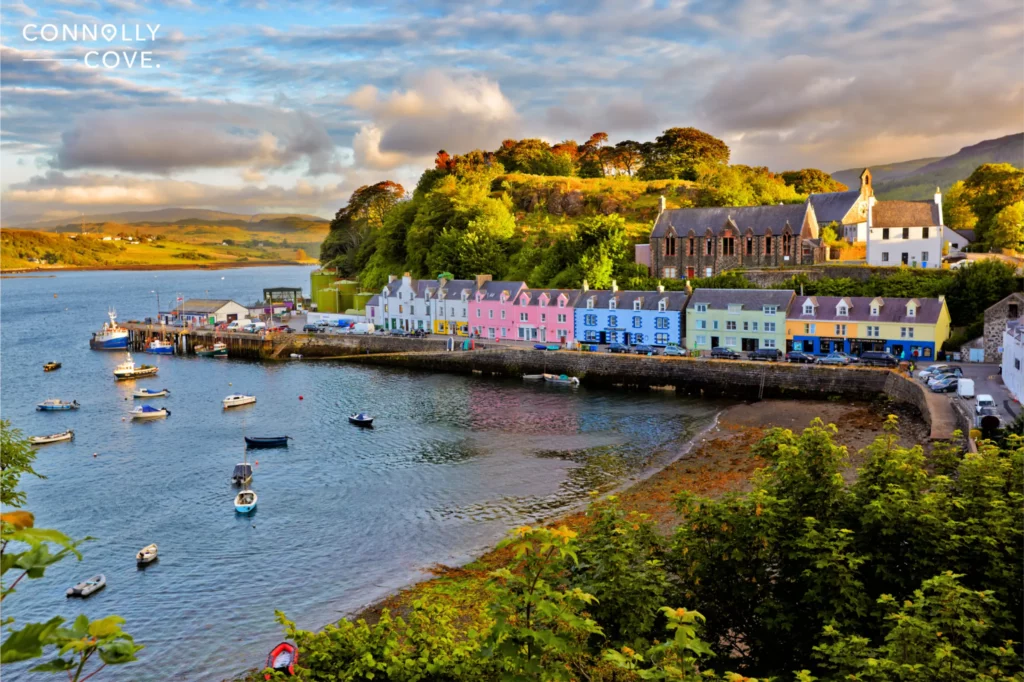
Portree, Skye’s capital, balances its role as the island’s service centre with considerable charm. The harbour, ringed by candy-coloured buildings, creates one of Scotland’s most recognisable scenes. Yet beyond this photogenic waterfront lies a working town that serves as the cultural heart of Skye.
The town’s name derives from Port Rìgh (King’s Port) in Gaelic, commemorating a visit by King James V in 1540. This royal connection continues – the town remains fiercely proud of its Gaelic heritage, with bilingual signs and a thriving Gaelic-medium school.
The Aros Centre combines visitor information with cultural exhibitions and a theatre showing films about Skye’s landscape and history. Local restaurants like Scorrybreac showcase the island’s exceptional produce – from freshly caught langoustines to foraged herbs and seaweeds. During our content creation projects here, we’ve discovered that the best dining experiences come from restaurants working directly with local fishermen and crofters.
Portree serves as an ideal base for exploring Skye’s dramatic landscapes. The Trotternish Peninsula’s geological wonders – including the Old Man of Storr and the Quiraing – lie within easy reach. The town’s location also provides access to sea eagle watching trips and boat excursions to spot dolphins and whales.
Tobermory on the Isle of Mull
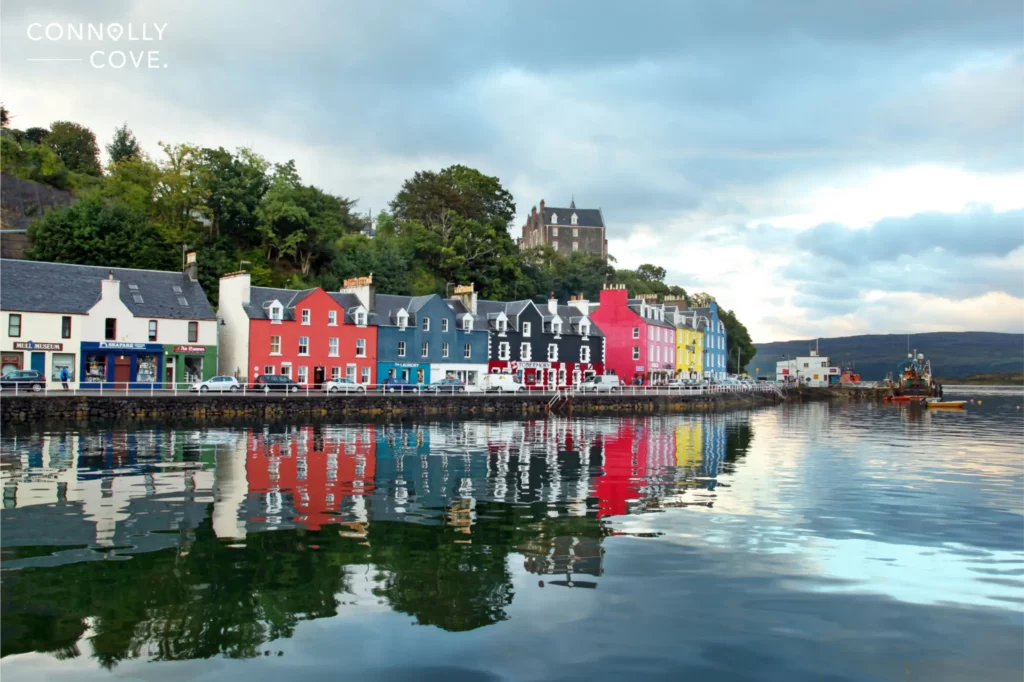
Tobermory’s rainbow-bright waterfront has achieved iconic status, yet this working port offers far more than Instagram opportunities. The harbour’s colourful buildings – originally painted so fishermen could identify their homes from sea – create a joyful welcome to Scotland’s wildlife island.
The town serves as Mull’s main settlement, with shops, restaurants, and services supporting both residents and visitors. Tobermory Distillery, established in 1798, produces distinctive single malts using water from a private loch. Their warehouse tour reveals the angel’s share evaporating through ancient stones.
Wildlife boat trips from Tobermory harbour offer encounters with minke whales, basking sharks, dolphins, and the UK’s highest density of sea eagles. The waters around Mull host one of Europe’s most diverse marine ecosystems, making every trip unique. Local operators contribute to conservation research, with passenger sightings helping track population changes.
The Mull Museum, though small, excellently chronicles island life through the centuries. From Viking raids to the Spanish Armada galleon supposedly treasure-laden in Tobermory Bay, the stories bring perspective to this seemingly peaceful harbour town.
Dunkeld in Perthshire
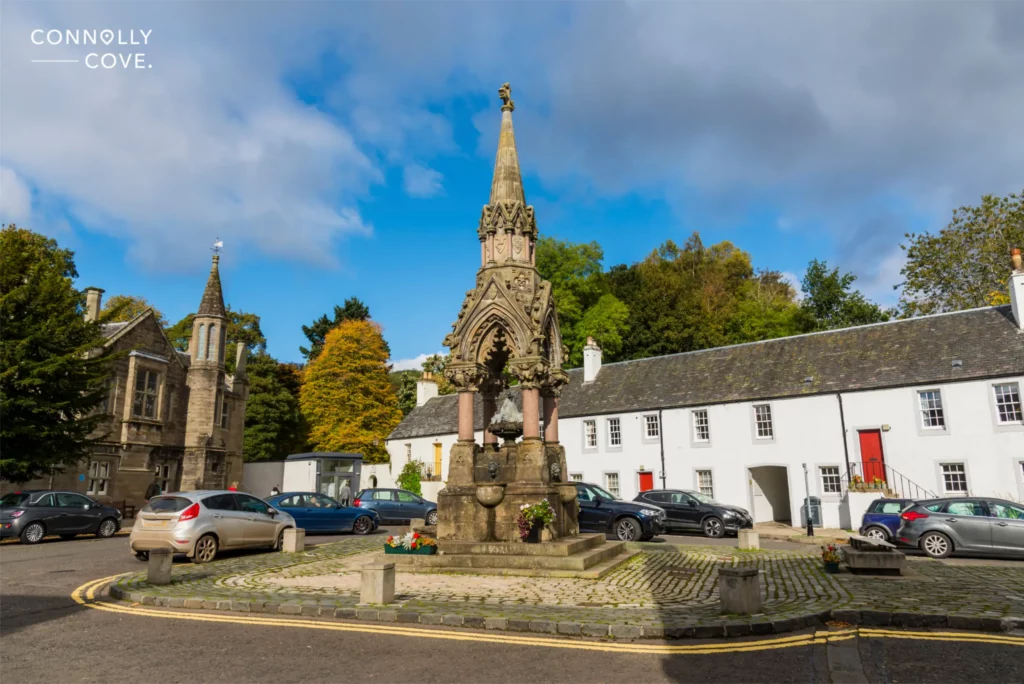
Dunkeld bridges Highland and Lowland Scotland, both geographically and culturally. The partially ruined cathedral, dating from the 12th century, stands testament to the town’s historical importance as an ecclesiastical centre. The surviving choir still serves as the parish church, creating continuity between past and present.
The River Tay, Scotland’s longest river, provides world-class salmon fishing. The famous Dunkeld House beat has produced numerous record catches, while the Tay’s pools and runs offer opportunities for anglers of all abilities. Local ghillies share knowledge passed through generations, teaching traditional Spey casting techniques.
Birnam Wood, immortalised in Shakespeare’s Macbeth, lies just across Thomas Telford’s elegant bridge. The Birnam Oak, possibly 500 years old, may have stood when the historical Macbeth ruled Scotland. Today, walking trails through the woods connect literature, history, and nature in ways that inspire both children and adults.
Historic Settlements
Step back in time as you explore Scotland’s historic villages, each brimming with ancient charm and storied pasts. Wander through cobbled streets, admire centuries-old architecture, and uncover the rich heritage that makes these settlements a must-visit for history enthusiasts.
Luss in Trossachs & Loch Lomond
Luss exemplifies the planned estate village, built by the Colquhouns of Luss in the 19th century to house estate workers. The uniform slate cottages with their cottage gardens create an almost too-perfect scene, yet this remains a living community rather than a museum piece.
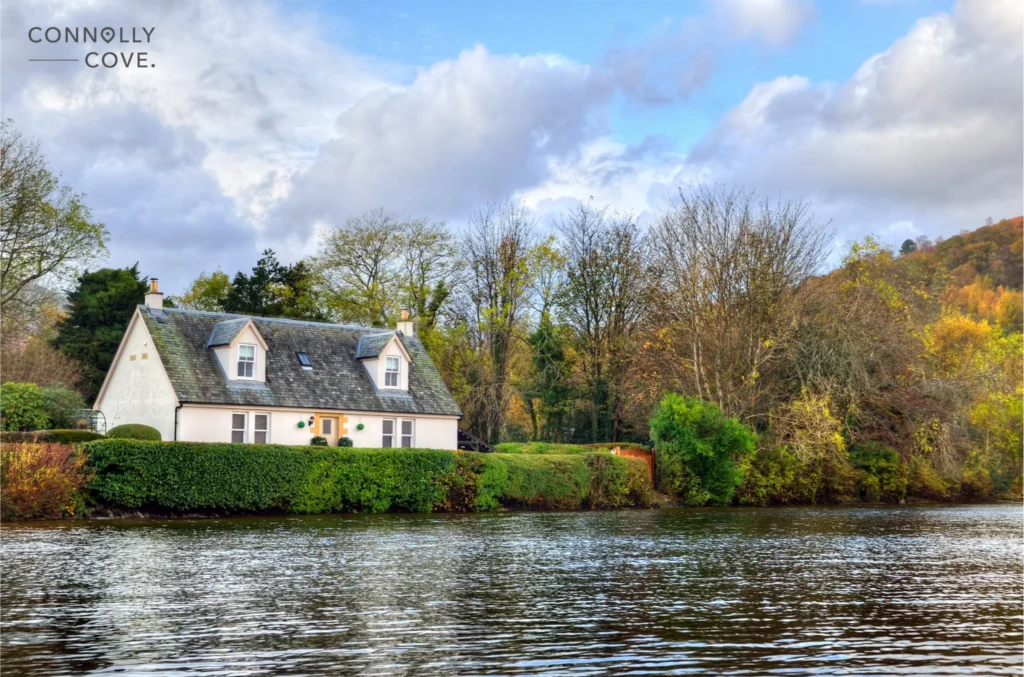
The village’s position on Loch Lomond’s western shore provides stunning views across Britain’s largest freshwater lake. The pier offers boat trips exploring the loch’s 30-plus islands, each with its own story. The more adventurous can hire kayaks to paddle to nearby Inchcailloch Island, part of Loch Lomond & The Trossachs National Park.
Luss Parish Church, dating from 1875, features beautiful stained glass windows and Viking hogback stones in its graveyard. The church maintains an active congregation, with services that welcome visitors year-round. The annual Luss Highland Games, smaller and more intimate than famous gatherings like Braemar, offer authentic Highland culture without overwhelming crowds.
Falkland, Fife
Falkland preserves Scotland’s Renaissance splendour better than anywhere else. The Royal Palace, favourite retreat of Stuart monarchs, dominates this conservation village where strict planning controls maintain architectural harmony.
The palace’s restored Renaissance tennis court – Britain’s oldest – still hosts matches using rules from 1539. The gardens, recreated using 17th-century planting lists, demonstrate how Scotland’s nobility once lived. During Mary Queen of Scots’ stays here, she would hunt in the surrounding forests and hawk on the Lomond Hills.
The village itself rewards exploration. The narrow wynds and closes hide architectural gems, from marriage lintels carved with initials and dates to fireplaces leading to upper flats. The Stag Inn, dating from 1680, serves traditional Scottish fare in rooms that have hosted travellers for over three centuries.
Local artisans maintain traditional crafts – the violin maker’s workshop continues a tradition stretching back centuries, while the village pottery creates pieces inspired by archaeological finds from the palace excavations.
Planning Your Visit to Villages in Scotland
Ensure a memorable trip to Scotland’s picturesque villages with our essential planning tips, from best travel times to local customs. Discover the charm of Scottish villages, enjoy unique local cuisine, and immerse yourself in breathtaking landscapes and vibrant cultures.
When to Visit Scotland’s Villages
Scotland’s villages reveal different characters across the seasons, each offering unique experiences:
Spring (April-May): Ideal for avoiding crowds while enjoying longer days. Wild flowers carpet the Highlands, and newborn lambs dot the fields. The weather can be changeable, but the freshness after winter creates exceptional photography conditions. Many accommodation providers offer lower shoulder-season rates.
Summer (June-August): Peak season brings guaranteed long days – in June, northern Scotland barely experiences darkness. All attractions open fully, and the Highland Games season provides cultural experiences. Book accommodation well in advance, particularly for popular villages like Portree and Tobermory.
Autumn (September-October): Perhaps Scotland’s most beautiful season. Autumn colours transform landscapes, particularly stunning in Perthshire and the Trossachs. Tourist numbers drop after school holidays, creating more intimate village experiences. The weather often remains stable, with crisp, clear days perfect for hiking.
Winter (November-March): Villages reveal their true character when tourists disappear. Cosy pubs with roaring fires welcome walkers, and clear winter days offer spectacular mountain views. Some island services are reduced, but mainland villages remain fully accessible. Northern Lights occasionally dance across Highland skies.
Getting Around Scotland’s Villages
By Car: Renting a car provides maximum flexibility for village hopping. From Edinburgh or Glasgow, most villages lie within a three-hour drive. Single-track roads in the Highlands and Islands require patience – passing places aren’t overtaking opportunities but spots to let others pass. Budget £50-70 per day for car rental, plus fuel at approximately £1.55 per litre.
Public Transport: Scotland’s public transport reaches surprisingly remote places, though journey times increase significantly. Citylink coaches connect major towns, while local buses serve villages. The West Highland Railway Line to Mallaig ranks among the world’s most scenic train journeys. Plan connections carefully – missing the day’s only bus can strand you overnight.
Walking and Cycling: Scotland’s access rights allow responsible walking almost everywhere. Long-distance routes like the West Highland Way connect multiple villages. Cycle touring grows increasingly popular, with dedicated routes and bike-friendly accommodation. Electric bike hire now available in many areas makes the Highland hills manageable.
Where to Stay
Scotland’s villages offer accommodation ranging from wild camping to luxury hotels:
B&Bs and Guest Houses: Often the best way to experience village hospitality. Expect to pay £70-120 per room per night, including Scotland’s legendary cooked breakfast. Book directly with properties when possible – you’ll often receive better rates and local insights.
Self-Catering Cottages: Ideal for longer stays or families. Weekly rates range from £400 for basic accommodation to £2000+ for luxury properties. Having a kitchen allows you to shop at village stores and cook local produce.
Hotels and Inns: Village hotels often occupy historic buildings with stories to tell. Many feature excellent restaurants showcasing local ingredients. Prices vary widely, from £80 per night in simple inns to £300+ in boutique hotels.
Hostels and Bunkhouses: Budget travellers find good options in many villages. Independent hostels offer more character than chain alternatives. Expect to pay £20-35 per night for dormitory beds, more for private rooms.
Digital Documentation Tips
Our years of creating content across Scotland’s villages have taught us valuable lessons about capturing their essence:
Photography: Golden hour transforms villages – arrive early or stay late for the best light. Include people and daily life in your shots, not just empty streetscapes. Weather creates atmosphere – mist and rain often produce more evocative images than blue skies.
Video: Capture soundscapes alongside visuals – rushing water, bird calls, and Gaelic conversations add authenticity. Use slow, steady movements that let viewers absorb scenes. Interview locals (with permission) for genuine perspectives that guide books miss.
Storytelling: Focus on specific details that reveal character – a weathered boat name, lichen patterns on ancient stones, or steam rising from a morning cup of tea. These moments connect viewers emotionally with places.
Social Media: Respect residents’ privacy – not every moment needs sharing. Tag locations thoughtfully; some fragile sites suffer from social media exposure. Share stories that celebrate communities rather than just showcasing scenic views.
At ConnollyCove, we believe that documenting these villages responsibly helps preserve their stories for future generations while supporting local economies through thoughtful tourism.
Current Seasonal Updates & Visitor Information
Stay trip-ready with current seasonal updates on weather, road conditions, ferry schedules, and village events. Check opening hours, ticketing, and local advisories to plan smoothly and support communities responsibly.
Highland Villages – Current Conditions
Glencoe (Winter 2024/25): Snow has arrived early this year, creating spectacular mountain views. The Glencoe Mountain Resort opened for skiing in late November. Ice climbing conditions are developing well on classic routes. Book winter accommodation in advance, as many B&Bs close from December to February. Check road conditions before travelling – the A82 occasionally closes during severe weather.
Plockton (Year-round): The village’s microclimate means it rarely experiences severe winter weather. Seal-watching boats operate year-round, weather permitting. The Plockton Hotel remains open throughout winter, offering special off-season rates. Spring brings spectacular displays of wild rhododendrons (May-June).
Braemar (Winter Season): The Braemar Gathering (first Saturday in September) requires accommodation bookings by March. Winter sports season runs December-April, with equipment hire available in the village. The Fife Arms hotel offers luxury year-round accommodation with world-class dining.
Coastal Villages – Seasonal Patterns
East Neuk Villages (Year-round): The Fife Coastal Path remains walkable year-round, though winter storms create dramatic conditions. Pittenweem Arts Festival (first week of August) sees all accommodation booked months ahead. Many restaurants reduce hours from November to March, but fish and chips shops stay open. St Fillan’s Cave closes November-Easter.
Island Villages (Seasonal Considerations): Ferry services to islands maintain winter timetables with reduced sailings. Book ferry travel in advance during summer (May-September). Many island restaurants and attractions close or reduce hours October-Easter. Wildlife watching peaks during different seasons – whales (April-October), eagles (year-round), puffins (April-August).
Conclusion
Scotland’s villages are living communities where tradition meets modern life, from Inverie’s isolation to Culross’s preserved charm. Beyond scenic beauty, each place adds a distinct thread to Scotland’s cultural tapestry—Highland hamlets, coastal harbours, and historic streetscapes that linger in memory.
The richest experiences come from unplanned moments: a chat in a pub, a quiet shore walk, watching the harbour at dusk. Visit with respect and curiosity, and you’ll find not just stunning scenery but stories of resilience, heritage, and sustainable living that deepen your understanding of Scotland.
Frequently Asked Questions
Find quick answers on the best time to visit, how to get around, and what to see in Scotland’s most charming villages. Learn about seasonal weather, local etiquette, accommodation tips, and must-visit coastal, island, and historic spots.
Where is the most scenic place in Scotland?
Skye and the North Coast 500 offer epic rugged scenery; for tranquil lochs, try the Trossachs or Mull. Hidden gems like Knoydart and the Summer Isles are stunning and less crowded.
What makes Scottish towns charming?
Dramatic landscapes, historic architecture, and lively community traditions. Warm hospitality and authentic character deepen the appeal beyond the postcard views.
What is unique about the traditional Scottish village?
Architecture reflects landscape and history—from Hebridean blackhouses to Lowland estate villages. Many grew around fishing, weaving, or whisky, with Gaelic culture adding a distinct heritage.
Can you visit Scottish villages without a car?
Yes, with planning. Use trains, coaches, local buses, and ferries; add cycling or walking for flexibility.
Which Scottish village is considered the most beautiful?
Portree, Plockton, Culross, and Tobermory are frequent favourites. Lesser-known villages like Shieldaig and Crovie feel extra special for their untouched charm.