


Handmade Crafts Cork Ireland: A Guide to Finding Authentic Handcrafted Treasures
Updated On: April 21, 2024 by  Ciaran Connolly
Nestled in the lush landscapes of Ireland, Cork has long been a centre of exquisite Irish craft and design. Our craftspeople, with their hands and imagination, transform natural materials into tangible cultural expressions that resonate with the story of the region. With a heritage deeply rooted in artisan skills, the county proudly upholds a tradition of producing unique, handcrafted items that range from ceramics and textiles to woodwork and jewellery.
In Cork’s vibrant villages and bustling city streets, numerous craftsmen and artists continue to preserve age-old techniques while also embracing contemporary design. This dedication to craft has not only enriched the local culture but has also positioned Cork at the heart of the Irish craft movement. As visitors explore our craft retailers and galleries, they can appreciate the meticulous workmanship that goes into each piece and potentially discover workshops and classes that offer a hands-on experience of Cork’s craft heritage.
Key Takeaways
- Cork is a hub of traditional and innovative Irish craft, with a rich heritage in arts and design.
- Local craftsmen and artisans convey deep cultural stories through their diverse, handmade creations.
- Craft-focused venues in Cork offer an immersive experience into the artistry and skill of Irish craftspeople.
History of Handmade Crafts in Cork
Handmade crafts in Cork have a storied tradition, reflecting the county’s rich heritage in Irish craft and design. We explore the evolution of this creative landscape and Cork’s pivotal role in Irish craft.
Irish Craft and Design Tradition
Cork’s handcrafted traditions encompass a broad range of skills, from lace-making to metalwork. As early as the 1880s, the Cork School of Art was instrumental in nurturing these arts, contributing significantly to Ireland’s design traditions. For instance, the provision of lace designs by the school played a key role in the development of Irish lace, which is renowned for its intricate patterns and quality. Notably, many ideals of the Arts and Crafts Movement, which sought to revive traditional handicrafts, found fertile ground in Cork, further enriching the Irish design heritage.
Influence of Cork on Irish Craft
The impact of Cork on the wider Irish craft landscape cannot be overstated. The city and county’s guilds and societies helped shape the national conversation about the importance of quality and aesthetic in craftwork. Publications from the Arts and Crafts Society of Ireland, established in Cork, were pivotal in critiquing and promoting local crafts, influencing design and techniques across Ireland. Cork’s legacy can be traced in the thriving community of artisans who continue to preserve and evolve the region’s craft heritage, ensuring that County Cork remains a central hub for Irish handmade crafts.
Exploring Cork’s Craft Villages
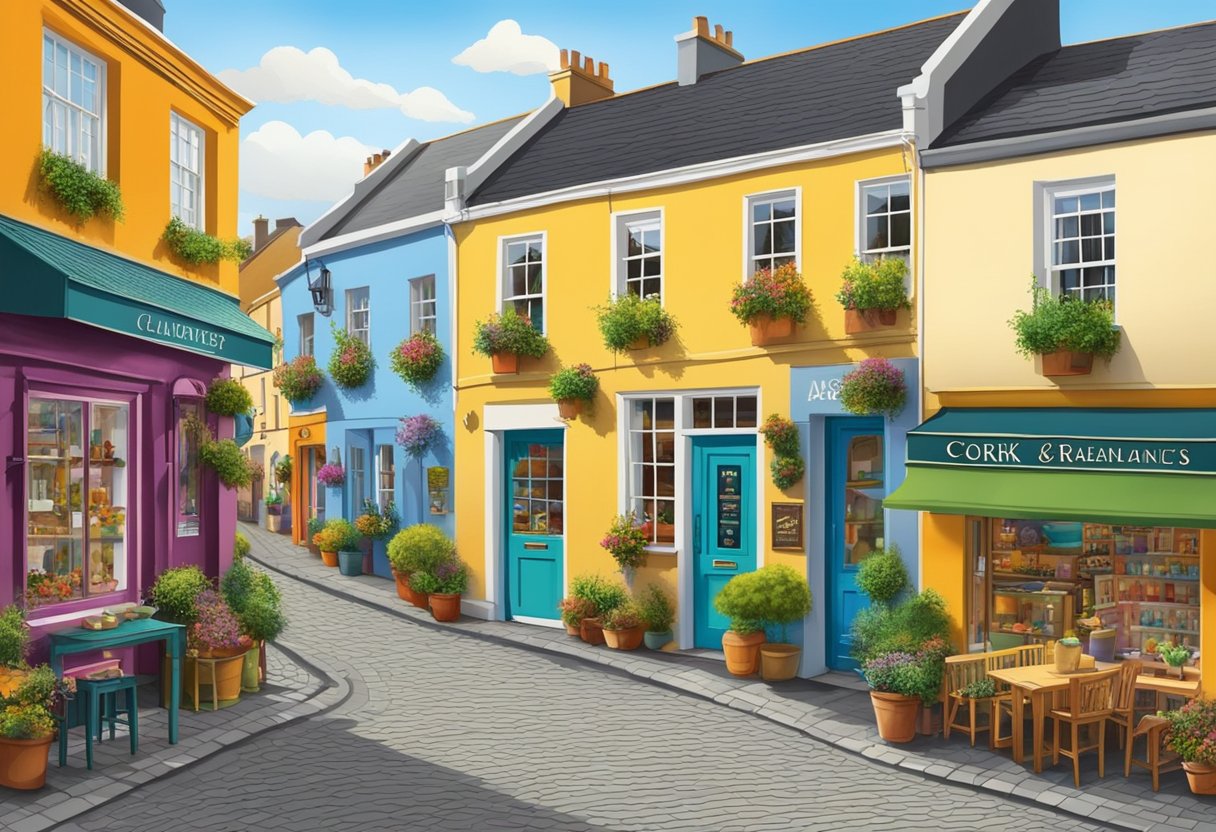
Cork is renowned for its vibrant craft scene, with each village offering a unique glimpse into the skill and creativity of local artisans.
West Cork’s Artisans
West Cork is a bastion of handmade crafts, where local artisans draw inspiration from the region’s natural beauty to create unique pieces. This area is a hub for creativity, showcasing a variety of crafts that include ceramics, textiles, and woodturning. In West Cork, you can visit studios and shops where these skilled craftspeople sell their wares, often incorporating traditional techniques with a contemporary twist.
Clonakilty’s Craft Scene
Clonakilty, recognised for its colourful streets and musical heritage, also boasts a lively craft scene. The town celebrates its artisans through workshops and stores dotted around, offering visitors the chance to witness the craftsmanship firsthand. Here, you can find a range of handcrafted goods, from jewellery to bespoke furniture, all made with a distinctive Clonakilty flourish.
Bantry’s Craft Market
In Bantry, the weekly craft market serves as a congregating spot for the finest local craftspeople. It’s a place where the community and visitors alike can browse a selection of handcrafted products ranging from ceramic pieces to hand-poured candles. The Craft Shop Bantry, one of the gems of the area, is highly regarded for its exclusive quality craftwork handmade in Ireland, representing the best of the region’s artistic output.
Prominent Cork Craftsmen and Artists
Our rich heritage in Cork, Ireland, has given rise to an array of skilled craftsmen and artists whose work is revered both at home and internationally. The craftsmanship reflects a commitment to quality and originality, with pieces often telling a unique story or capturing Ireland’s cultural essence.
Profiles of Renowned Makers
Cork is a creative haven, abounding with talented makers who have honed their crafts to magnificent levels of artistry. Paginated below is a selection of these esteemed individuals:
| Maker | Craft | Notable Work |
|---|---|---|
| Stephen Pearse | Pottery | Renowned for Stephen Pearse Pottery |
| Sara Flynn | Ceramicist | Prestigious porcelain vessels, exhibited globally |
| Lucy Hagerty | Artisan candles | Creator at La Bougie |
| Charlie Mahon | Ceramics | Awards for story-telling art in ceramics |
| Members of Cork Craft and Design | Various Crafts | Collectively exceeding 100 diverse and skilled artisans |
Each artist contributes to the flourishing craft scene, bringing art to life in their unique mediums.
Andrew Ludick’s Porcelain Vessels
Andrew Ludick specialises in the creation of distinctive porcelain vessels, each bearing his unique artistic signature. His works are characterised by their playful patterns and organic forms, which find a balance between functionality and visual pleasure.
Christine’s Sculpture Works
In the realm of sculpture, Christine stands out with her profound and emotionally resonant pieces. Her ability to mould raw materials into expressions of humanity and nature draws acclaim from art enthusiasts and collectors alike. The tactile nature of her work invites viewers to connect with the art on a deeply personal level.
Cork Craft Retailers and Galleries
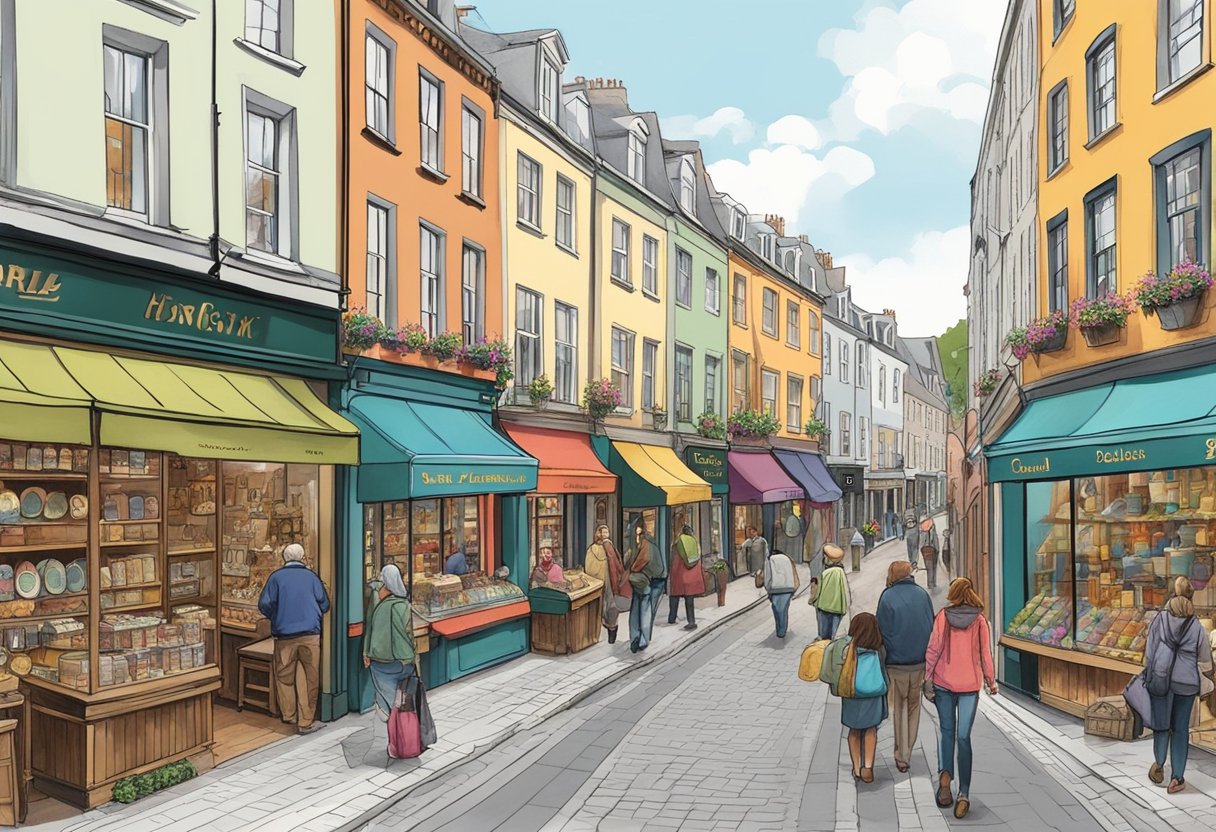
Cork’s artistic flair is showcased through its vibrant array of craft shops and galleries. These venues not only sell handmade items but also often host inspiring craft exhibitions.
Notable Cork Craft Shops
The Green Dot in Clonakilty stands as a beacon of creativity, with a craft studio that represents over 70 Irish-based Designer-Makers-Creatives. They specialise in beautiful, ethically-made Irish craft and design, offering unique pieces from a trove of local talent.
For nearly half a century, The Craft Shop Bantry has manifested as an emblem of artisanal excellence in West Cork. With brightly coloured buildings, it is known for featuring exclusive, high-quality craftwork that is handmade in Ireland.
Exhibition Spaces in County Cork
Cork Craft & Design orchestrates Interwoven, an annual showcase exhibition. Interwoven unites the pinnacle of Cork Craft and Design members’ work at the Old Mill, Kinsale Library, illustrating the dynamic craft scene between 10 August and 7 September.
Furthermore, Culture Trip extols County Cork as home to some of Ireland’s most distinguished craftspeople. The county’s craft shops often transform into galleries, exhibiting masterpieces like porcelain vessels and artisan candles that attain international acclaim.
The Role of Cork in the Irish Craft Movement
Cork has played a significant role in Ireland’s craft movement, acting as both an incubator and showcase for the creative endeavours of skilled craftspeople. This region is renowned for its rich contribution to Irish craft, displaying a vibrant legacy that cherishes locally made goods.
In Cork, we find a wealth of artisans committed to the enduring tradition of handmade crafts. Their works often harmonise modern design with classic techniques, ensuring authentic Made in Ireland products are available to those who value craftsmanship.
Moreover, the city and surrounding areas have fostered an environment where craftspeople can flourish. Workshops and collectives thrive, creating an eclectic mix of textiles, ceramics, and woodworking, among others. Giving life to unique pieces, these artisans ensure that the crafts produced are not merely products but storytelling objects imbued with cultural resonance. We see the importance of this legacy through exhibitions, lectures, and the promotion of original design, as referenced by Crawford Art Gallery.
Guilds and collectives have been central to this movement, with many operating in varied craftsmanship forms. Such collectives have been instrumental in building networks and resources for artisans. It is here that we witness the intersection of creativity and community, where both seasoned and emerging craftspeople find support and inspiration to hone their craft.
Cork exemplifies the dynamic spirit of the Irish craft movement, nurturing a contemporary artistic environment while respecting traditional methods. Each crafted piece not only conveys aesthetic beauty but also carries the story of its maker, of Cork, and of Ireland’s enduring artistic journey.
Craft Workshops and Classes in Cork
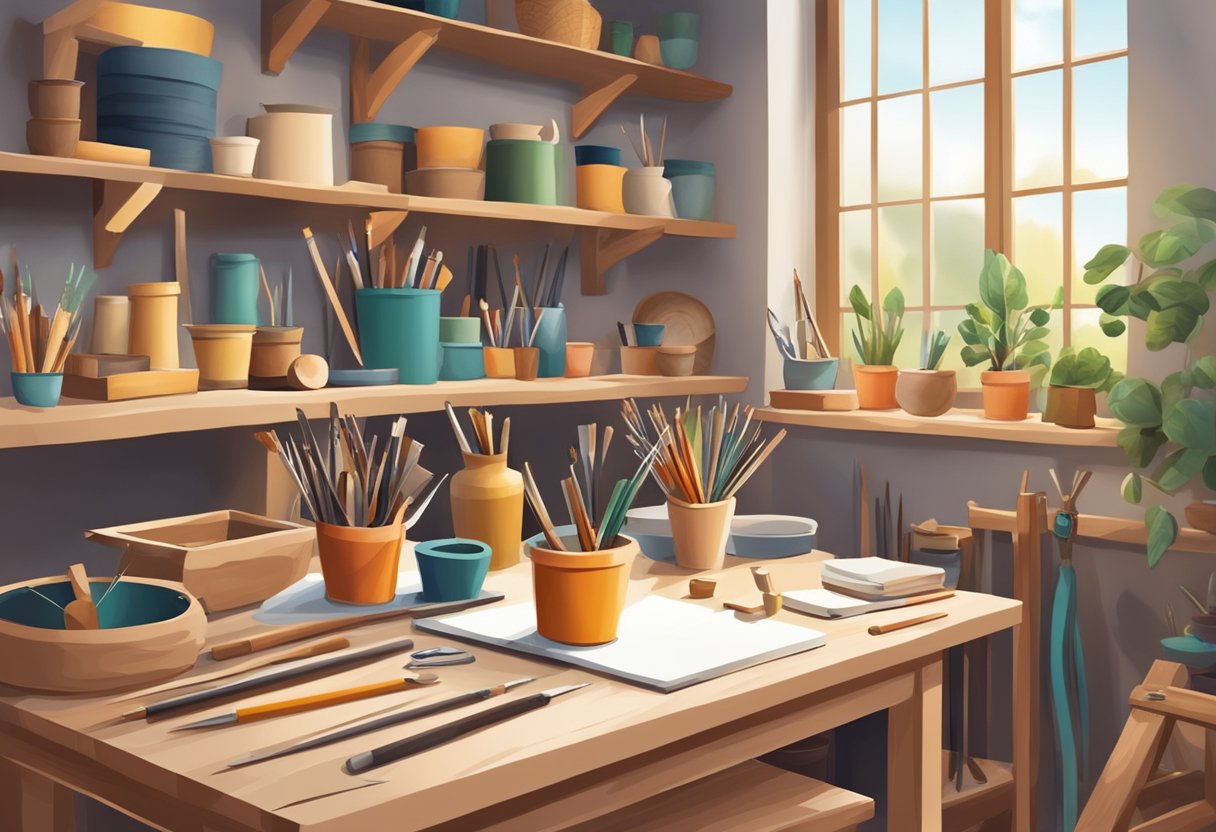
In Cork, Ireland, one can immerse themselves in the realm of traditional Irish crafts through an array of workshops and classes. These opportunities allow participants to learn from skilled craftspeople, creating handmade items that are rich in cultural heritage.
Learning Traditional Craftsmanship
We find that Cork’s craft workshops serve as a gateway to mastering age-old techniques in a modern setting. Aspiring artisans can learn the intricacies of handmade crafts that have been passed down through generations. Workshops such as Cork Craft & Design unite seasoned craftspeople with learners to explore Irish craft traditions. Through hands-on guidance, participants gain insight into the meticulous processes behind each unique piece, ensuring these traditional skills continue to thrive.
Workshop Experiences for Tourists
Tourists seeking an authentic Irish experience will find Cork’s craft workshops both enlightening and engaging. Options range from short sessions aimed at creating a memorable keepsake to more extensive courses delving into a specific craft. Some workshops, highlighted by West Cork Crafts, offer a variety of disciplines, from felt making to silk painting and jewellery crafting, perfect for those looking to immerse themselves in Irish culture while producing their own handmade souvenirs.
Handmade Craft Products from Cork
Cork, Ireland, is renowned for its rich tradition of handmade crafts. Our local artisans are celebrated for creating unique gifts, home accessories, fine art, and wearable items that reflect the charming essence of Cork.
Unique Gifts Created in Cork
We’re proud to offer a collection of unique gifts that are perfect for any occasion, all handmade in Cork. Our gifts range from handmade beeswax candles, imbued with a natural scent that captures the pure essence of Ireland, to intricately designed tote bags that blend practicality with an artistic flair.
Home Accessories and Fine Art
Our Cork artisans craft a variety of home accessories and fine art pieces. Whether you’re looking for a statement piece like an original painting that showcases the rugged beauty of the Irish landscape, or you’re in the market for luxurious, handcrafted cushions that can transform any room, our collection is second to none.
Wearable Craft Items
Our wearable craft items include one-of-a-kind scarves and accessories. Each piece is designed and made with the utmost care, ensuring that you’re investing in quality that stands the test of time. Our handwoven scarves, for instance, are a tactile delight and come in a variety of colours and patterns to suit all styles.
Events Promoting Cork Crafts
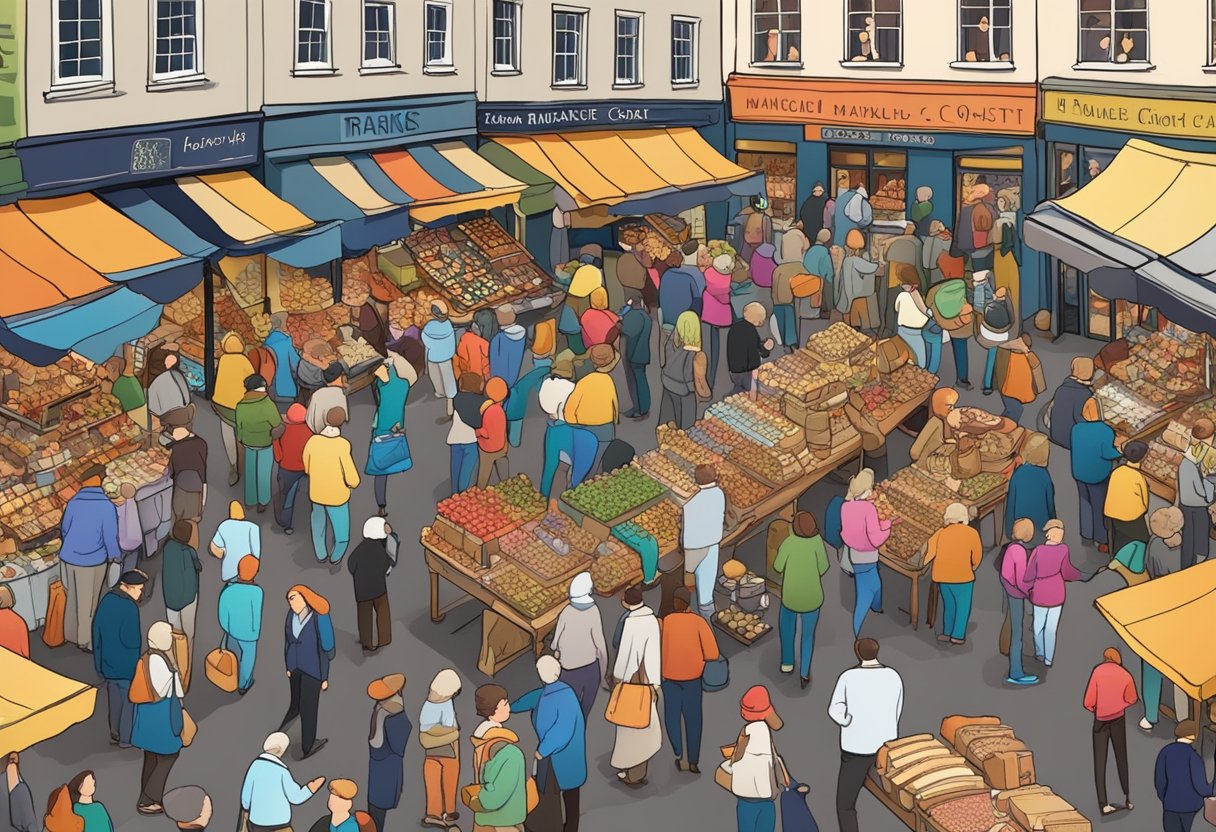
In the vibrant county of Cork, Ireland, handmade crafts are celebrated through a series of engaging events and markets that showcase and sell the intricate work of local artisans.
Local Craft Fairs and Markets
At the heart of Cork’s craft scene are the local fairs and markets where the community gathers to support Irish craft and design. We are proud to say that these events offer a unique opportunity for residents and visitors alike to purchase handmade goods directly from the makers, fostering a close connection between artist and consumer. A notable event is the Cork Craft Month which, in 2023, launched a full programme during July 29-30 at the Marina Market, highlighting the excellence of contemporary Irish craft.
Annual Craft Exhibitions
Once a year, the craft talent of Cork is further showcased in annual exhibitions that provide a platform for artisans to display and sell their work on a larger scale. These exhibitions are not only sales events but cultural experiences that allow for a deep appreciation of Irish craftsmanship. They represent the pinnacle of Cork’s craft calendar with extensive media coverage, including features in respected publications such as The Irish Times. Through these exhibitions, we witness firsthand the dynamic nature of craftwork in Cork, as well as the dedication to preserving and evolving traditional craft techniques.
Crafts Marketing and Online Sales
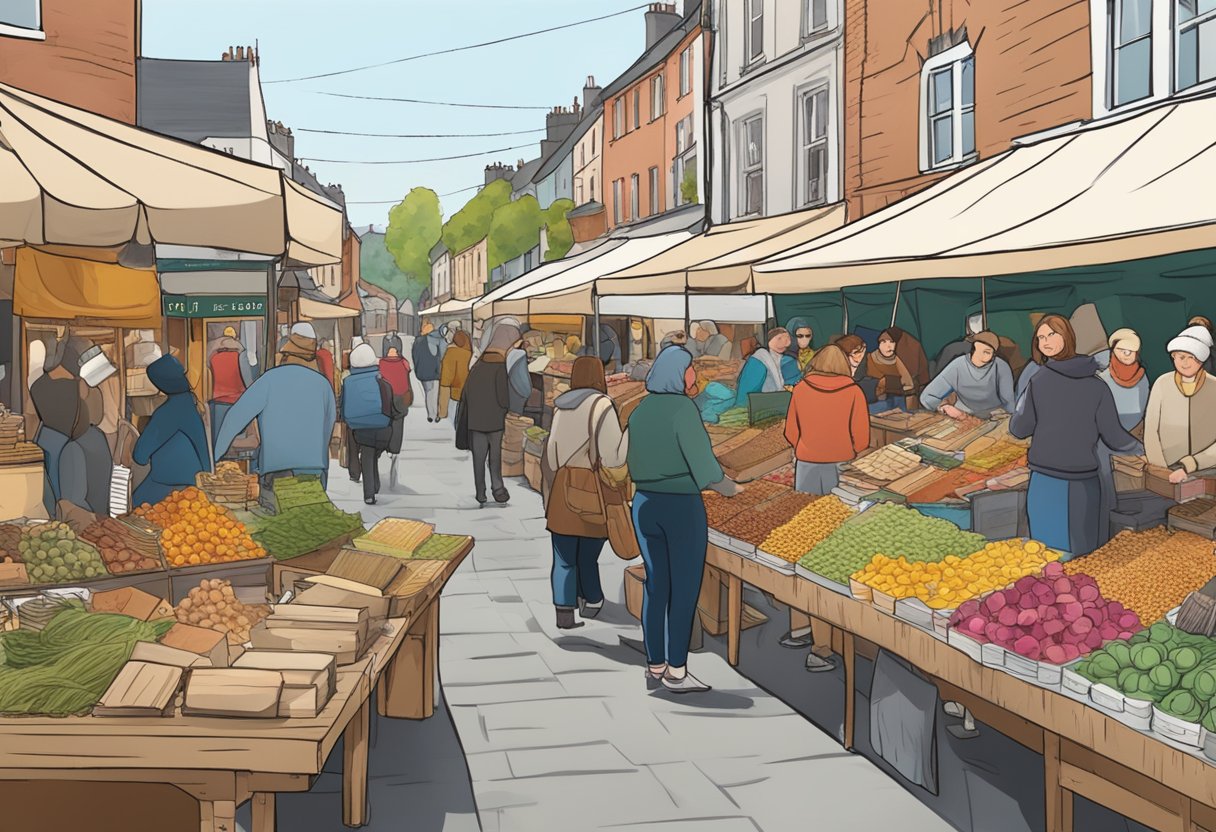
In the vibrant landscape of Cork’s craft scene, effective marketing strategies and robust online sales channels are crucial for the success of artisanal products handmade in Ireland. We understand that establishing a digital presence and utilising online platforms can significantly enhance the marketplace for locally crafted goods.
Digital Presence for Cork Craftsmen
To thrive in today’s market, Cork craftsmen must embrace a robust digital presence. This begins with a well-designed, user-friendly website showcasing the unique qualities of handcrafted items. Additionally, engaging consistently with customers through social media platforms can help artisans connect with their audience and build a loyal following. Content that tells the story of the handmade in Ireland ethos and showcases the intricate work behind each piece can foster a deeper appreciation and demand for these crafts.
Online Platforms for Handcrafted Goods
Exploring online platforms is essential for reaching global markets and increasing sales. Artisans can leverage existing e-commerce sites that specialise in handcrafted goods or consider joining Irish craft networks which provide supportive environments and access to customers seeking authentic products. It’s important to choose platforms that align with the brand and ethics of Irish craftsmen, ensuring that their products stand out to prospective buyers interested in quality and craftsmanship.
Sustainability in Cork’s Craftsmanship
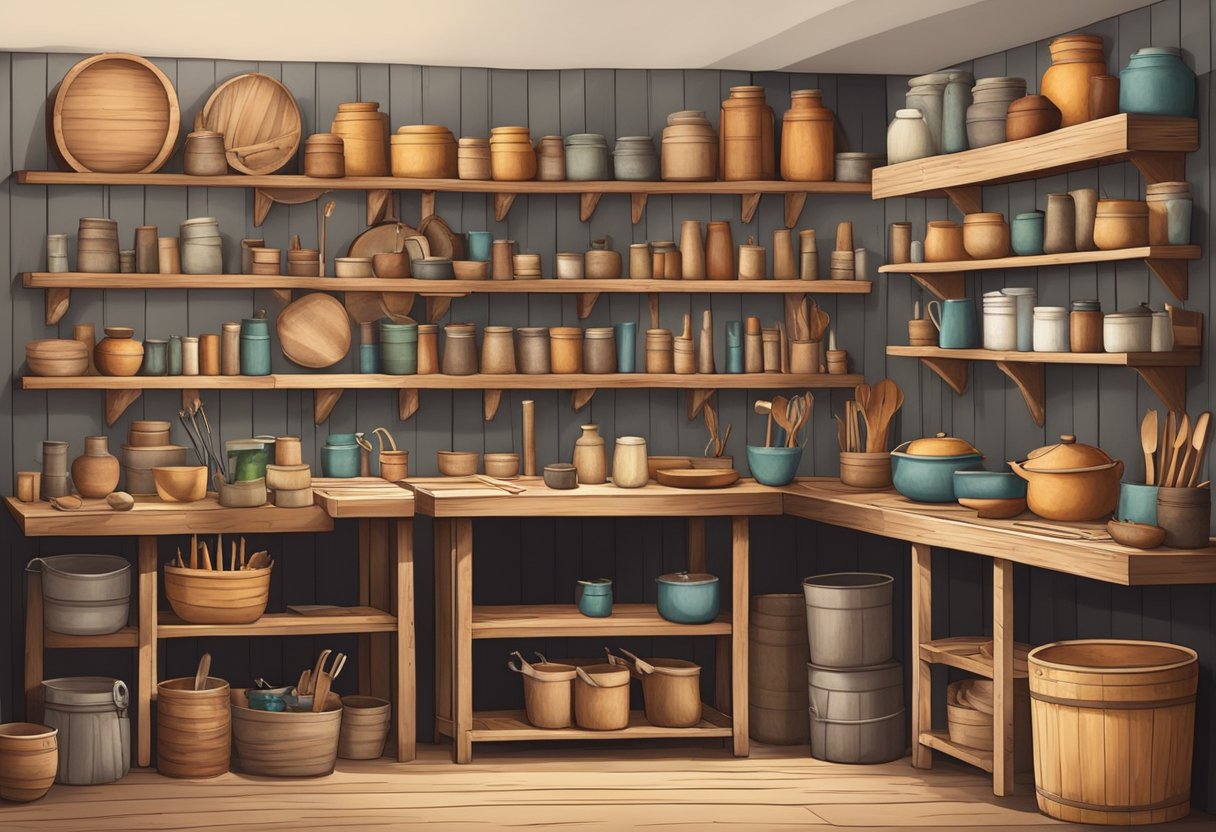
In Cork, Ireland, our creators are devoted to sustainability through their unique crafts. Our designers and craftspeople are increasingly adopting eco-friendly practices in their work, prioritising the use of renewable materials and producing items with a lower environmental impact. Let’s take a closer look at how this is achieved within various craft disciplines.
Handmade Designs: Our local artisans embrace sustainable methods, often using recycled or repurposed materials to craft new, beautiful items. This practice not only reduces waste but also ensures that each piece has a distinct story and character.
Ethical Woodturning: The woodturners among us are selective about their materials, often sourcing wood from sustainable forests or utilising offcuts that would otherwise go to waste. Such practices highlight our commitment to preserving nature while creating our products.
Eco-friendly Lamps: In the realm of lighting, our lamp designers are at the forefront, crafting items that merge functionality with eco-conscious design. Using materials like reclaimed wood and energy-efficient lighting components, we ensure that our lamps are both aesthetic and responsible.
- Craftspeople: Our community of craftspeople is also engaged in continuous learning, improving techniques to minimise their footprint. We gather to share best practices and seek out sustainable materials and processes, showing that our dedication extends beyond our individual workshops.
Incorporating sustainable practices into our craftsmanship is more than a trend – it’s a core part of our ethos. Our aim is to leave a positive mark on the world, ensuring that the art of handmade crafts in Cork not only endures but does so in a way that honours our environment.
Craft Innovation and Future Trends
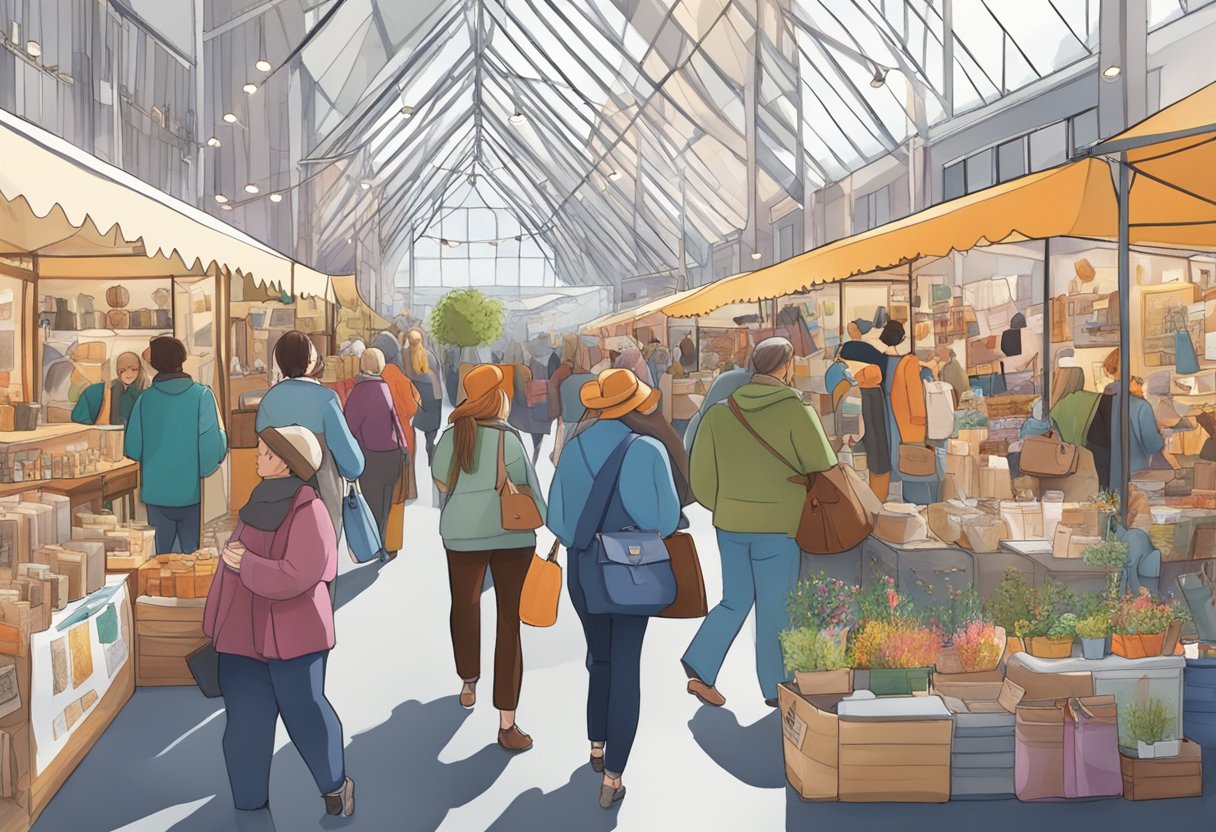
In Cork, Ireland, artisans are blending traditional skills with modern aesthetics, pioneering an exciting future for Irish-made crafts. These are the key elements driving innovation in our craft scene.
Modern Interpretations of Traditional Crafts
We have observed a renaissance as local artisans reinterpret age-old techniques with contemporary design sensibilities. Cork’s craftspeople are committed to making beautiful things that honour Ireland’s craft heritage while infusing their work with innovative and forward-thinking designs. For instance, the work of Cork Craft & Design offers a unique and excellent range of Irish craft and design that pays homage to tradition while embracing modern styles and methods.
The Future of Craftsmanship in Cork
Looking forward, we expect Cork’s makers to remain at the forefront of craft evolution. The combination of high-quality, locally-sourced materials, and the makers’ dedication to craft sustainability illustrates the potential for made in Ireland crafts to set global trends. Consider the Design & Crafts Council Ireland’s Future Makers Awards, which recognises creative talents that are essential to the ever-evolving fabric of Irish craftsmanship. This initiative heralds a promising trajectory for Cork’s artisans, ensuring the viability and dynamism of their trades for years to come.
Frequently Asked Questions
Upon exploring Cork’s vibrant handcraft scene, we’ve gathered some of the most common inquiries to assist you in discovering the finest local crafts.
Where can I find authentic Cork handcrafted items online?
For those who prefer the convenience of online shopping, authentic Cork handcrafted items are available at Handcrafts.ie. They offer a range of unique gifts for all occasions that are made in Ireland.
What are some of the best shops for handmade crafts in Cork City?
Cork City boasts several outstanding shops, such as The Craft Shop Bantry, which showcases exclusive quality craftwork by local artisans, embodying the essence of West Cork’s artistic heritage.
Which traditional Irish crafts are available for purchase in Cork?
In Cork, one can find an array of traditional Irish crafts, including ceramics, woodwork, textiles, and glass art, created by skilled craftspeople with a deep respect for age-old techniques.
How can I buy unique handmade gifts from Cork artisans?
Unique handmade gifts crafted by Cork artisans can be purchased through local craft shops, online marketplaces, and during craft fairs, where the diversity of Cork’s creative talent is evident.
What distinguishes West Cork crafts from other regions?
West Cork crafts stand out due to the area’s distinct cultural influences and natural surroundings, which inspire artisans to create works that reflect the rugged beauty of the Wild Atlantic Way, as referenced by The Craft Shop Bantry.
Are there any markets or fairs specialising in Cork handcrafts?
Indeed, Cork is home to markets and fairs such as The Fair Alternative, where one can enjoy a delightful indoor market experience dedicated to local crafts every Saturday.

Great Scotland Yard – London Attractions
England
27/04/2024

Bangor Town: The Colorful Open House Festival
Northern Ireland
27/04/2024
Must-See Casablanca
Africa
27/04/2024

The Ultimate Guide for London One Day Tours!
England
27/04/2024

Key Insights: Global Medical Tourism Statistics and Market Growth Analysis
Travel Statistics
26/04/2024