


Traditional Crafts County Clare: A Guide to Time-Honoured Artisanship
Updated On: February 18, 2024 by  Ciaran Connolly
County Clare, nestled on the west coast of Ireland, is a region steeped in tradition and rich with the legacy of crafts that have been handed down through generations. These age-old practices are more than mere pastimes; they are an intrinsic part of the county’s cultural fabric. From intricate lacework and basketry to the fine art of pottery and woodworking, these crafts are a testament to the skill and creativity of the artisans. Many of these crafts are not only preserved for their cultural significance but also for their enduring appeal, as both locals and visitors treasure the unique handcrafted items each piece a slice of Clare’s history.
The landscape of County Clare, with its rugged Atlantic coastline and the iconic Burren, has been an inspiration for many local craftspeople. The region’s natural beauty is reflected in the materials and designs of the crafts, with stone, wood, and textiles often sourced locally. This connection to the land is evident in the numerous cultural events and workshops that take place throughout Clare. These gatherings serve not only to showcase the region’s talents but also to educate and involve people in the continuation of these time-honoured traditions. From traditional music and dance to folklore and storytelling, County Clare’s cultural activities tell the story of a community shaped by its heritage and bonded by its shared love for creation and performance.
Key Takeaways
- County Clare’s traditional crafts represent a cherished connection to Irish heritage.
- Local artisans draw inspiration from the county’s landscapes, influencing their materials and designs.
- Cultural events and workshops play a crucial role in preserving and teaching these craft traditions.
History of Traditional Crafts in County Clare
We find it important to share with you the rich tapestry of traditional crafts that have been woven into the essence of County Clare. Our heritage is steeped in skilled craftsmanship that has been preserved through the ages, reflecting both our cultural heritage and the influence on modern craftsmanship.
Cultural Heritage and Legacy
In County Clare, the legacy of traditional crafts dates back to the Bronze Age, with the Celts leaving a vivid imprint on the region. Historical artefacts indicate a society highly skilled in metalwork, and our craft traditions are inextricably linked with key historical figures such as Brian Boru, the legendary High King of Ireland. The enduring heritage of these crafts is not only evident in preserved artefacts but also in the Old Traditions that survive in the modern age. Each year, the Culture and Crafts Fair in Craggaunowen presents a tableau of these skills, connecting us with our forebears through a vibrant display of Irish crafts.
Influence on Modern Craftsmanship
As we look at County Clare today, the influence of our ancestors’ skills can be seen in the contemporary craftsmanship that thrives within the community. The palpable connection to our past is embodied in the artisans who continue to uphold Old Traditions through their work. This not only maintains the deeply rooted cultural identity but also celebrates the evolution of craftsmanship, where traditional skills help shape modern designs and artistry. Our engagement in these practices not just preserves but also evolves our cultural heritage, ensuring that the essence of County Clare’s past defines its future.
Prominent Crafts and Artisans
In County Clare, a vibrant community of contemporary artists and crafters thrives, bringing with them a variety of traditional skills and a modern perspective. From intricate jewellery to bespoke timber craftwork, these artisans continue to mold their legacy with an unmistakable dedication to their craft.
Contemporary Artists and Crafters
Our local artisans demonstrate a rich tapestry of talent, particularly in the fields of jewellery making and handmade soaps. Galanta Jewellery stands out with their exquisite pieces, each one a testament to the skill and creativity inherent in our crafters. Another notable name is Wix and Wax Candles, who create an array of beautiful candles without using palm oil. This not only showcases our artistic flair but also reflects our commitment to environmental consciousness.
In the realm of textile arts, Pricella Crochet and Knitting offers an assortment of delicately woven items, proving that traditional techniques still hold a cherished place in our modern markets. These atmospheric creations do not just add to the aesthetic of our homes but also embody the enduring spirit of Clare’s craftsmanship.
Renowned Local Trades
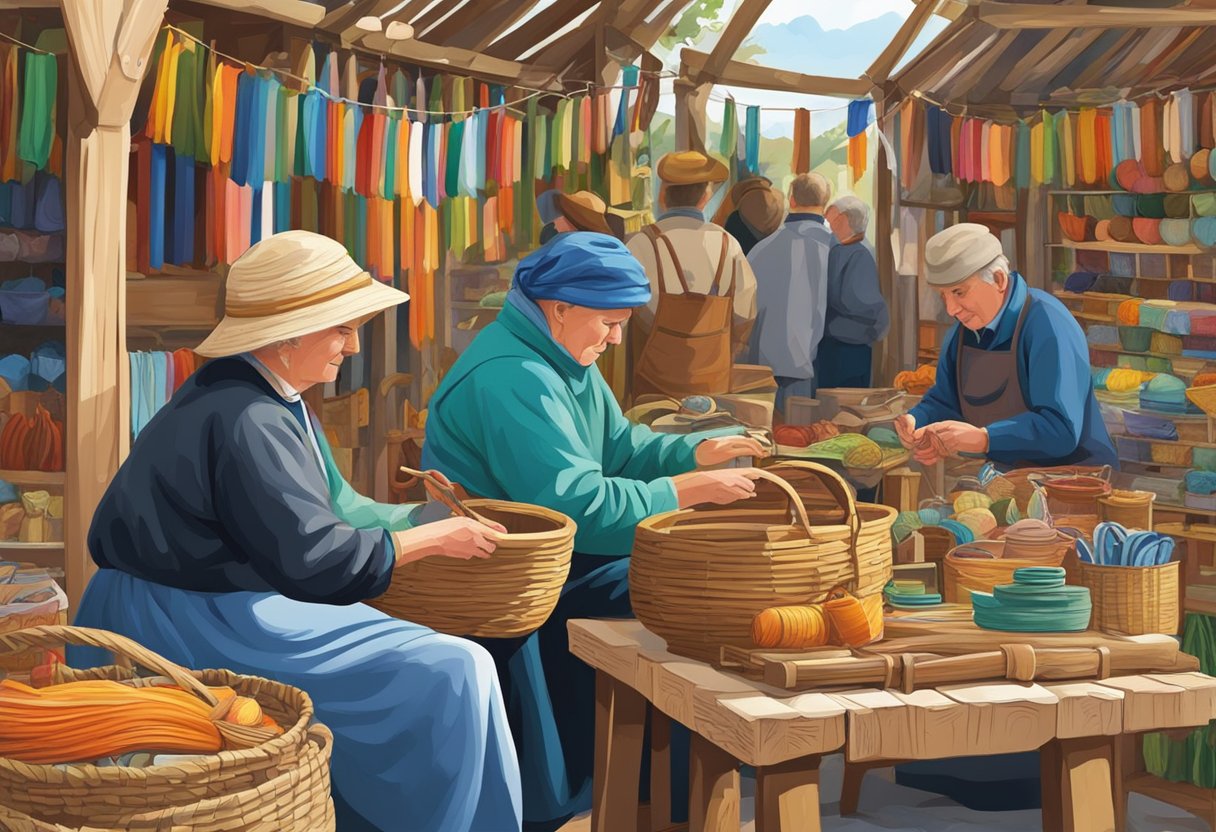
Basket making, an age-old craft, is represented strongly here with artisans employing hazel and willow to fashion practical and decorative pieces. These baskets are more than just containers; they are the culmination of generations of knowledge and sustainable practices passed down through the years.
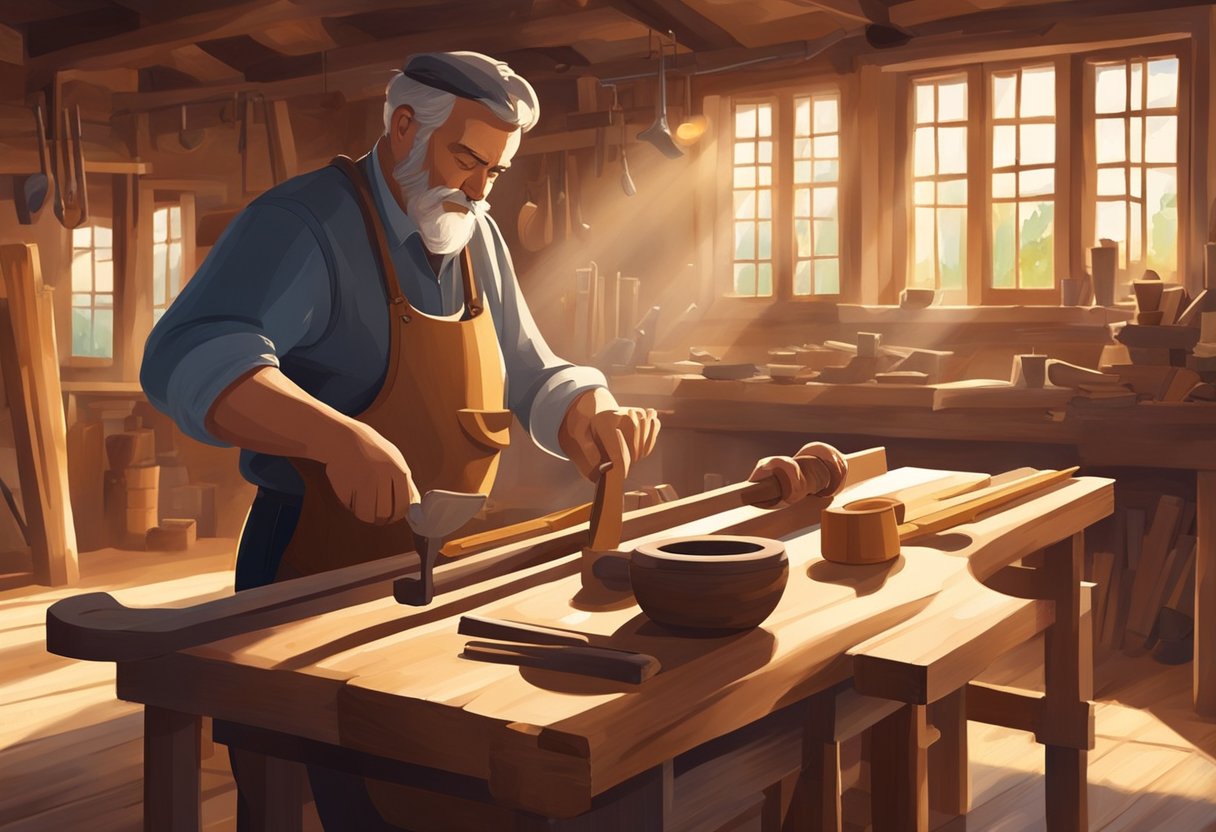
Beyond this, our skilled craftspeople in timber craftwork have cultivated a reputation for excellence. Working with the natural grains of the wood, they produce both functional items and artistic sculptures, each piece resonating with the landscape from which it came.
Each craftsperson keeps the flame of tradition alive, melding their deep understanding of County Clare’s artistic heritage with their unique vision. It is in the dedication to their skills and the quality of their artistry that the true essence of our county’s crafts is revealed.
Traditional Music and Dance
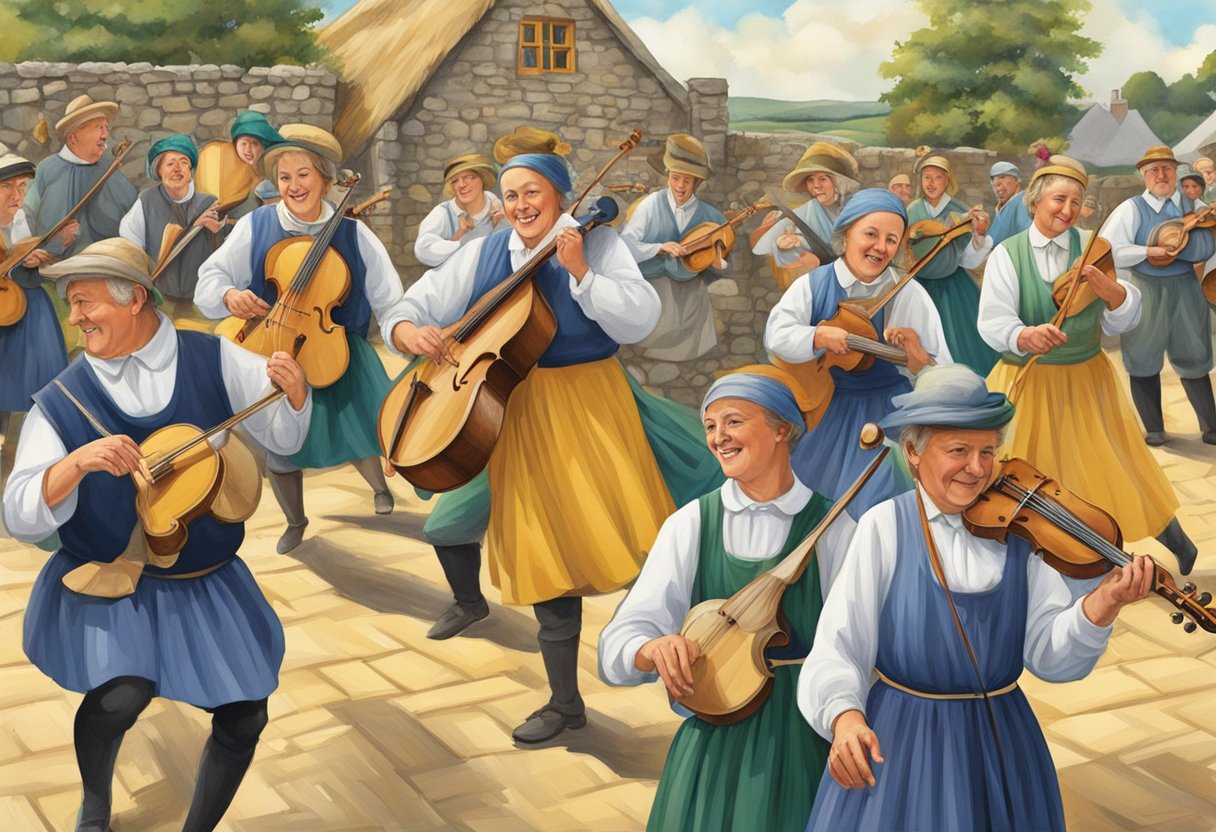
In County Clare, the entwining of music and dance has long played a critical role in the creation of traditional crafts, with musical and dance traditions providing a rhythmic blueprint for craftwork that is cherished both regionally and afar.
Influence of Music in Craftsmanship
Craftsmen in County Clare have historically drawn inspiration from the rich tapestry of local traditional music. Often, musicians themselves, craftsmen create pieces that reflect the ebbs and flows of tunes, from the fluid lines of a hand-carved whistle to the intricate patterns on a bodhrán, embodying a tangible representation of the music that resonates through the heart of Clare. This intimate connection ensures that the crafts are not just items but narrators of musical heritage.
Regional Dance Traditions
Dancing in Clare is a testament to the county’s diverse cultural expression, with each style, from the expressive Sean Nós Dancing to the synchronised footwork of set dancing, telling a different story. The East Clare Set Dancers and pupils from the Rince Brady/Mullins School of Dance serve as ambassadors of Clare’s heritage, ensuring these traditions are passed on and remain vibrant. Step dancing, evolved through competition and exhibition, continues to inspire local artisans, who craft dance-specific attire and shoes, each stitch and sole echoing the rhythm of feet upon wooden floors.
Cultural Events and Festivals
In County Clare, we celebrate our rich cultural heritage with vibrant events and festivals. These gatherings showcase traditional Irish crafts, music, and storytelling, reflecting the heart of our community spirit.
Craggaunowen Culture and Crafts Fair
At the Craggaunowen Culture and Crafts Fair, we revel in authentic Irish creativity. Visitors can expect a range of activities from interactive craft workshops to demonstrations, all set against the historic backdrop of the Craggaunowen Castle. This fair provides an immersive experience in traditional skills, ensuring they remain a living part of our culture. Online bookings are available, allowing easy access for all who wish to join in the festivities.
Annual Traditional Gatherings
Each year, County Clare becomes a hub for traditional Irish arts and activities. From the revered Burren to the charming streets of Ennis, we hold numerous gatherings that include the finest in Irish music, dancing, storytelling, and talks on various cultural aspects. The Russell Festival Weekend in Doolin and other events across the Loop Head celebrate the legacy of our musical traditions. These gatherings not only entertain but also educate attendees on the importance of preserving our unique cultural identity.
Historic and Cultural Sites
In County Clare, heritage, and tradition are encapsulated within the walls of historic structures and the remnants of ancient sites. These places not only offer a glimpse into the past but also showcase traditional Irish crafts that have been preserved over centuries.
Bunratty Castle and Folk Park
Bunratty Castle stands as a formidable example of medieval architecture and serves as the cornerstone of the Bunratty Folk Park. Together they offer a vibrant tableau of 19th-century Irish life. Visitors can explore the castle’s majestic chambers and discover traditional crafts in the Folk Park, where a recreated village street includes a school, doctor’s house, post office, and more. The park spans 26 acres and provides a vivid representation of rural and village life in historical Ireland, complete with demonstrations of period crafts and trades.
Important Archaeological Sites
County Clare is home to significant archaeological treasures that reflect millennia of history. Craggaunowen, known as the “Living Past Experience,” exhibits a range of unique historical features: from a 16th-century castle to an authentic crannog—an artificial island dwelling used during the Iron Age. This open-air museum allows us to step back into Ireland’s Bronze Age and Early Christian period, demonstrating how our ancestors lived, farmed, and mastered crafts crucial to their survival. Another pivotal site, not to be overlooked, is the Cliffs of Moher, which, while primarily renowned for their natural beauty, also border the ancient fort of O’Brien’s Tower, presenting a historical edifice amidst a breathtaking natural wonder.
Exploring these sites, we intimately connect with our Irish heritage and the traditional crafts that have been meticulously preserved to provide a living history experience for all who visit.
Craft Education and Workshops
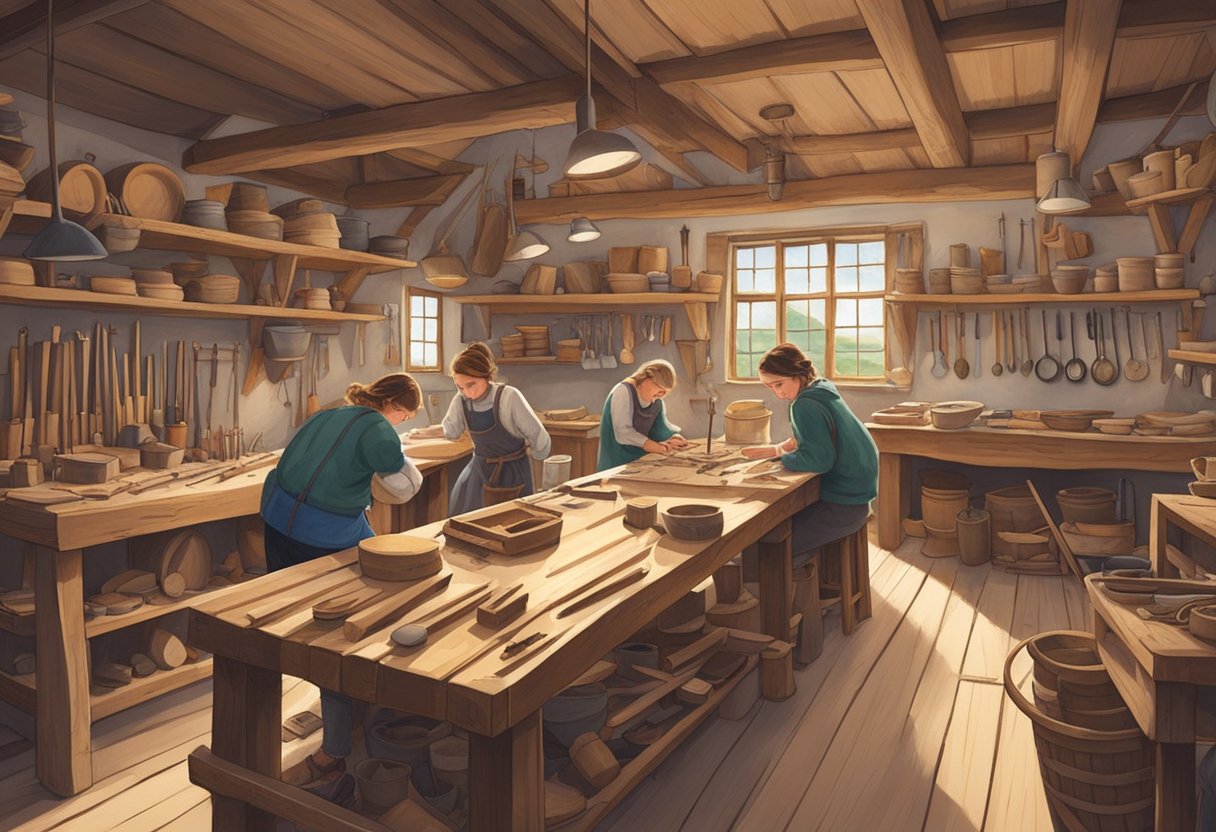
In County Clare, education in traditional crafts and trades is fostered through a variety of engaging workshops and dedicated craft centres. We’ll explore local initiatives that are vital to preserving the region’s rich heritage.
Local Craft Centres and Schools
County Clare boasts several institutions where one can immerse in the world of traditional Irish crafts. The East Clare Co-Op offers a range of courses and workshops, strengthening community skills in arts and crafts. Participants can learn anything from creative writing to cookery, all supported by the Limerick and Clare Education and Training Board. Additionally, the West Clare School of Art, as mentioned on the Clare Arts website, provides interactive sessions including painting, drawing, collage, and more, ideal for nurturing one’s artistic flair.
Tutorial Sessions and Demonstrations
For a more hands-on experience, tutorial sessions and demonstrations are organised by local artisans. These gatherings are perfect for polishing existing talents and learning new techniques directly from seasoned professionals. Clare Crafts Association, found at the heart of Ennis, regularly hosts meet-ups for artisans and enthusiasts as detailed on their website, promoting the exchange of knowledge and traditional trade skills. Events such as the Craggaunowen Culture and Crafts Fair exemplify these opportunities, showcasing live demonstrations that allow one to witness the meticulousness and expertise involved in traditional trades.
Traditional Food and Beverages
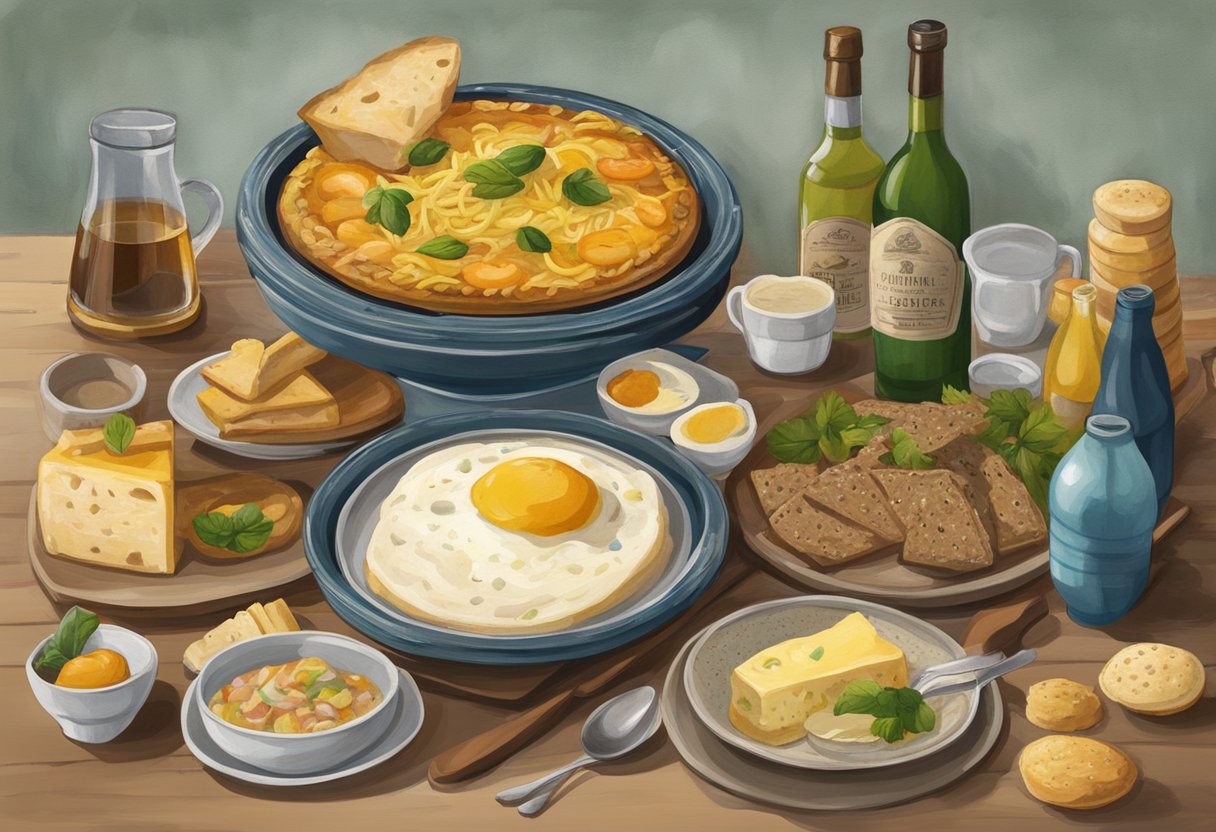
In County Clare, traditional food and beverages hold a special place, where every dish and drink tells a story of cultural heritage and local abundance.
County Clare’s Culinary Craft
Within the verdant landscapes of County Clare, we find a culinary craft rooted in rich agricultural tradition. Clare is widely celebrated for its artisanal cheeses, freshly baked bread, and succulent seafood caught off its Atlantic coast. Visitors are often delighted by the traditional stews that warm the heart, and the variety of potato dishes that pay homage to our most famed vegetable. Accompanying these are locally brewed ales and stouts that are as much a craft of Clare as food itself.
Local Food Markets and Shops
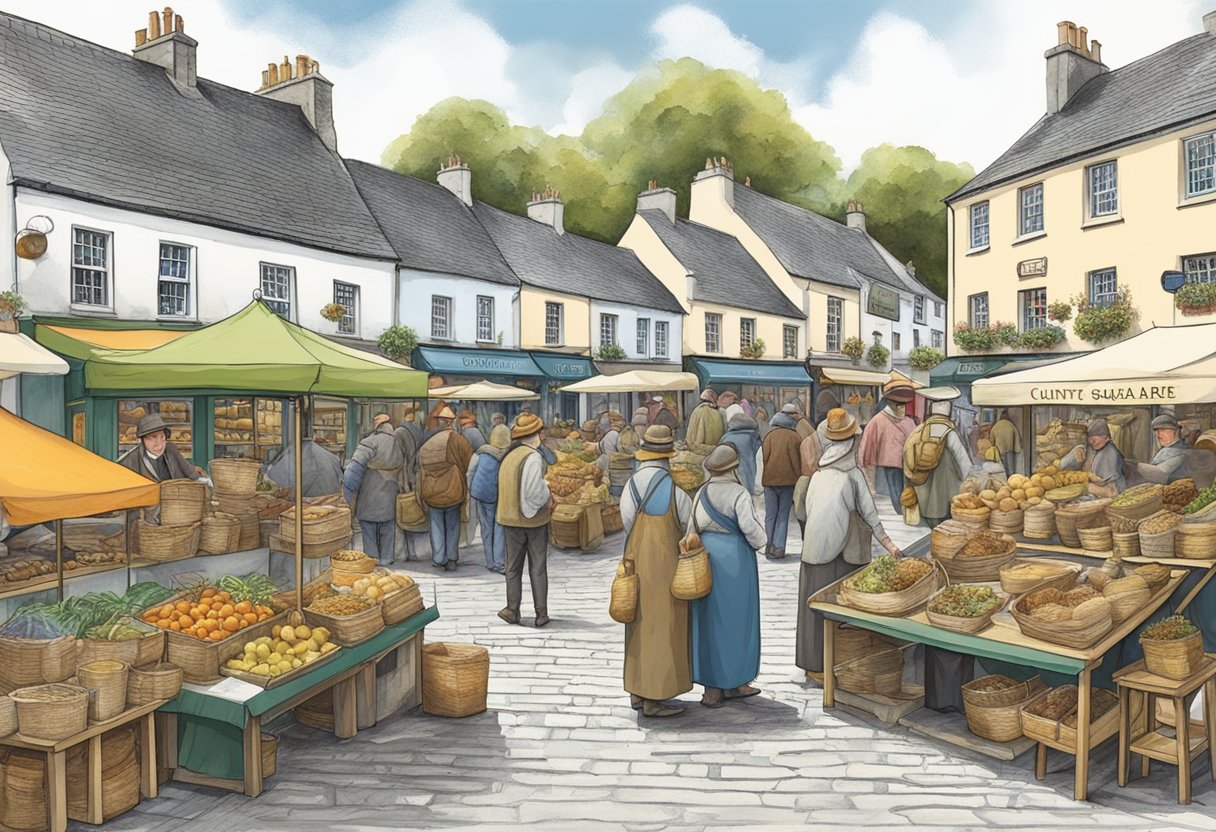
We also take pride in our local markets and shops that become a bustling hub of Clare’s gastronomic delights. Ennis Farmers Market, a weekly occurrence, showcases fresh produce, homemade breads, and exquisite artisan foods that celebrate the county’s bounty. Furthermore, in the quaint village of Doolin, one can enjoy a relaxing cuppa & cake at the various coffee shops, which often feature tax-free shopping and provide a diverse selection of both modern and traditional crafts, including woolen items perfect for the brisk Atlantic winds. Visitors to the region can indulge in a true taste of Clare at these local institutions where food and community intertwine.
Folklore and Storytelling
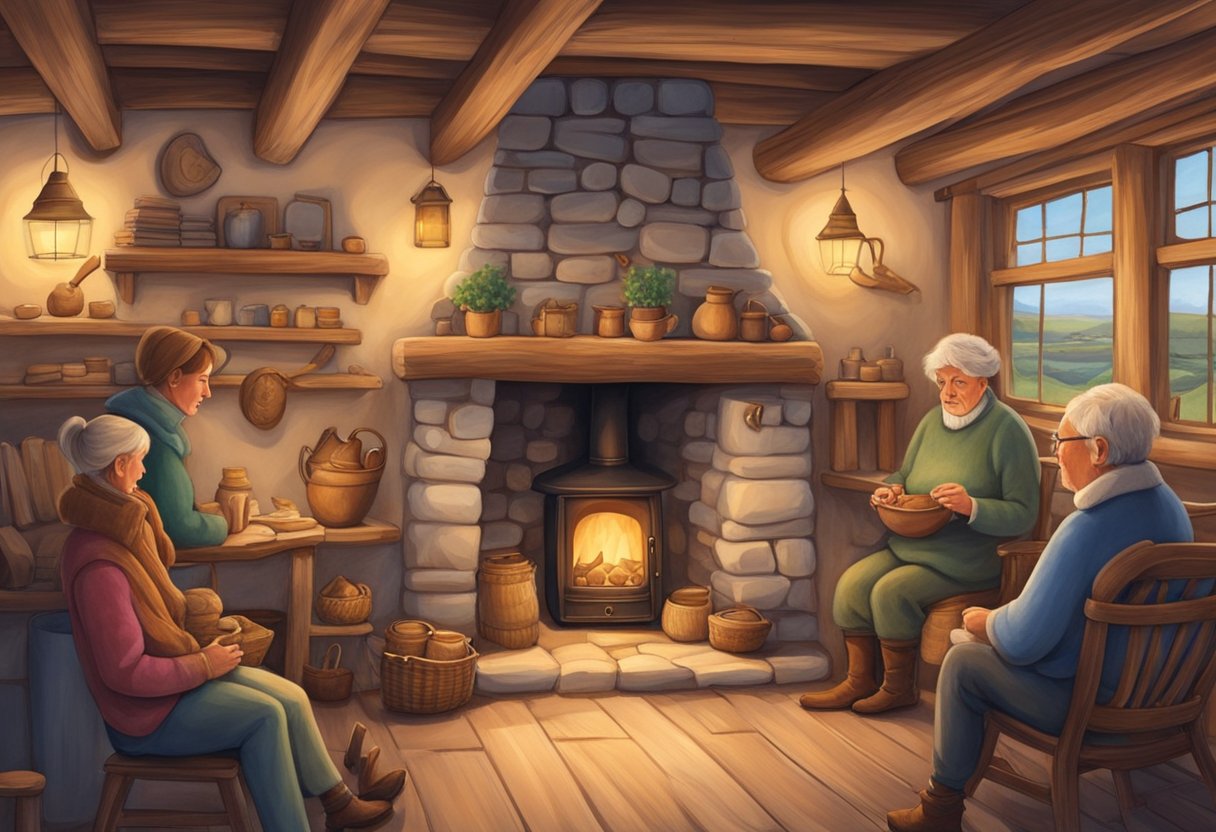
In County Clare, the tradition of folklore and storytelling is a vibrant testament to our cultural heritage. The art forms of the Seanchaí and animator have kept myths and superstitions alive through generations.
Myths and Legends of County Clare
County Clare is steeped in myths and legends that are integral to our cultural identity. The Legend of the Banshee, a harbinger of death with her mournful wail, and the fabled Cattle Raid of Cooley are intrinsic tales known to Clare locals and folk enthusiasts alike. In areas like the Burren and Cliffs of Moher, folk tales have become part of the essence of the landscape, engendering a sense of mystery and history.
The Art of Seanchaí and Animation
The Seanchaí, or traditional storyteller, holds an esteemed position in Clare’s cultural tapestry. Figures like Mike Glynn, a noted Seanchaí, have passed down tales through a magnetic blend of oration and theatrics, creating a rich oral history. Modern-day storytelling is also preserved and evolved through animation, where stories of old gain new life on screen. Animators in Clare draw from a deep well of folklore, crafting animations that resonate with the timeless themes of Irish myth, and practice a form of magic in their own right as they bring to life stories that captivate and educate.
County Clare’s Local Economy
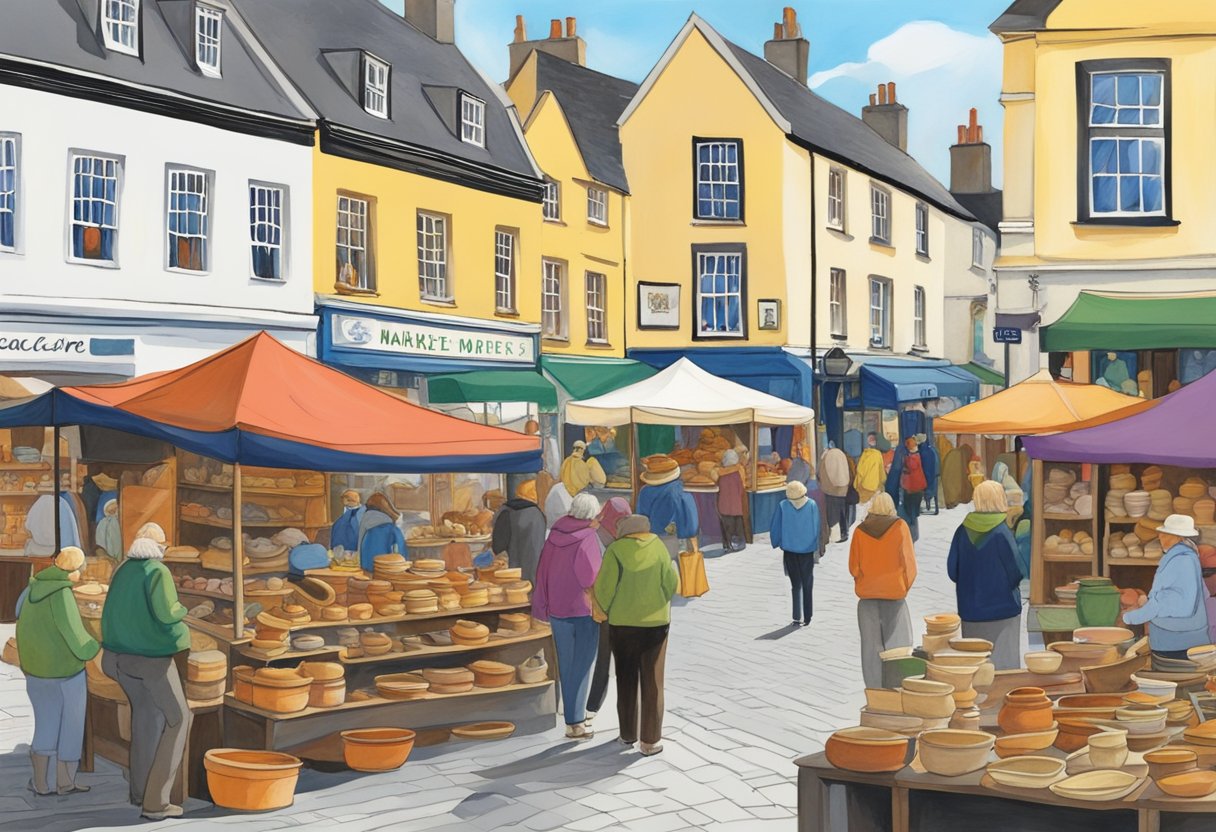
We’re focusing on the significant contributions of traditional crafts to County Clare’s local economy, highlighting the integral role of craftsmanship and tourism.
Supporting Local Craftsmen
In County Clare, we recognise the vast array of talents that local craftsmen encompass. Clare County Council continually strives to support these artisans, understanding that the crafts sector is a fundamental portion of our economy. Their intricate handiwork not only preserves the heritage of the county but also enriches the cultural fabric of our community. Initiatives are in place to welcome new craftsmen and provide a platform for them to showcase their skills.
Tourism and Craft Related Enterprises
Tourism, especially centred around our many visitor attractions, plays a pivotal role in sustaining the economy of County Clare. Craft-related enterprises, strategically located near the Cliffs of Moher and other landmarks, have become essential stops for those visiting our picturesque landscapes. The Clare-based craft shops offer a variety of locally made products, allowing travellers to take a piece of Clare with them. These shops not only sell crafts but also tell the story of our county, reinforcing the link between Clare County Council’s promotion of the county’s heritage and the economic well-being of our region.
County Clare Today
In County Clare today, an infusion of modern developments and sustainable practices is enriching our cultural heritage and industrial landscape. Clare County Council and local communities are actively embracing both innovation and tradition.
Modern Developments and Innovations
County Clare has seen a surge of innovation, particularly in towns like Ennis, where technological advances and entrepreneurial spirit are evident. Ennis, acting as a hub, continues to thrive with the support of the Clare County Council, which encourages clare-based businesses and educational initiatives. This fresh wave of progress does not overshadow the county’s deep-rooted traditions but rather complements them to create a fun-filled and educational environment that honours our history.
Sustainability in Industry
The importance of sustainability in modern industry has not gone unnoticed in our county. Manufacturers in Clare, such as those producing Palm Oil Free Soaps, are committed to environmentally friendly processes. By focusing on sustainable practices, including the sourcing of local materials, County Clare’s industries contribute to preserving our landscape—affectionately known as The Banner County—for future generations. Our site managers and business owners are tuned into the sounds of nature, ensuring that development is in harmony with our treasured environment.
Frequently Asked Questions
We’ve compiled some of the most common questions about traditional crafts in County Clare to help you explore the rich tapestry of local heritage.
What are some typical traditional crafts found in County Clare?
In County Clare, you’ll find an array of traditional crafts, including pottery, basket weaving, and hand-knitting, each preserving the unique cultural heritage of the area.
Where can one find a schedule for craft fairs in County Clare?
For a detailed schedule of craft fairs throughout County Clare, we recommend checking local tourist information centres or relevant event listings online.
Which venues host notable craft events in County Clare?
Key venues like the Lakeside Hotel and community halls throughout the county host notable craft events where artisans display their work.
How can one participate in craft fairs at the Lakeside Hotel?
To participate in craft fairs at the Lakeside Hotel, artists can usually register their interest with event organisers or the hotel management to secure a spot for showcasing their crafts.
What types of Irish crafts are exhibited at the Old Ground craft fair?
At the Old Ground craft fair, one can expect to see fine examples of Irish crafts such as linen work, ceramics, and local jewellery, all crafted by skilled artisans.
Are there any workshops available to learn traditional Clare crafts?
Yes, workshops to learn traditional Clare crafts are available, often organised by local artisans or craft collectives, and information can be found by visiting community art spaces or checking online resources dedicated to County Clare’s cultural events.
Exploring Aillwee Caves in County Clare, Ireland
County Clare
01/05/2024
Visiting Glasgow | Ultimate Travel Guide
Scotland
01/05/2024
Discovering Ireland | Explore County Tyrone
County Tyrone
01/05/2024
10 Charming Irish Towns You Must Visit
Ireland
01/05/2024

The Art of Solomon’s Knot: Complete Guide
Culture Exploration
02/05/2024