


Explore the 8 Best Small Towns in Scotland for a Charming Getaway
Updated On: April 21, 2024 by  Yasmin Elwan
Scotland, with its dramatic landscapes and storied past, is a tapestry woven with threads of history, culture, and natural beauty. As we venture beyond the bustling cities, we find the true essence of Scotland in its small towns. In this article, we shine a spotlight on the best small towns in Scotland, each with its unique charm and allure.
Join us as we traverse the cobbled streets, uncovering the stories and enchantments that make these towns the best-kept secrets of the Scottish countryside. Discover the magic within the best small towns in Scotland.
The Best Small Towns in Scotland, Where Fairytales Come Alive
Let’s explore the top 8 charming small towns in Scotland that are perfect for a delightful getaway.
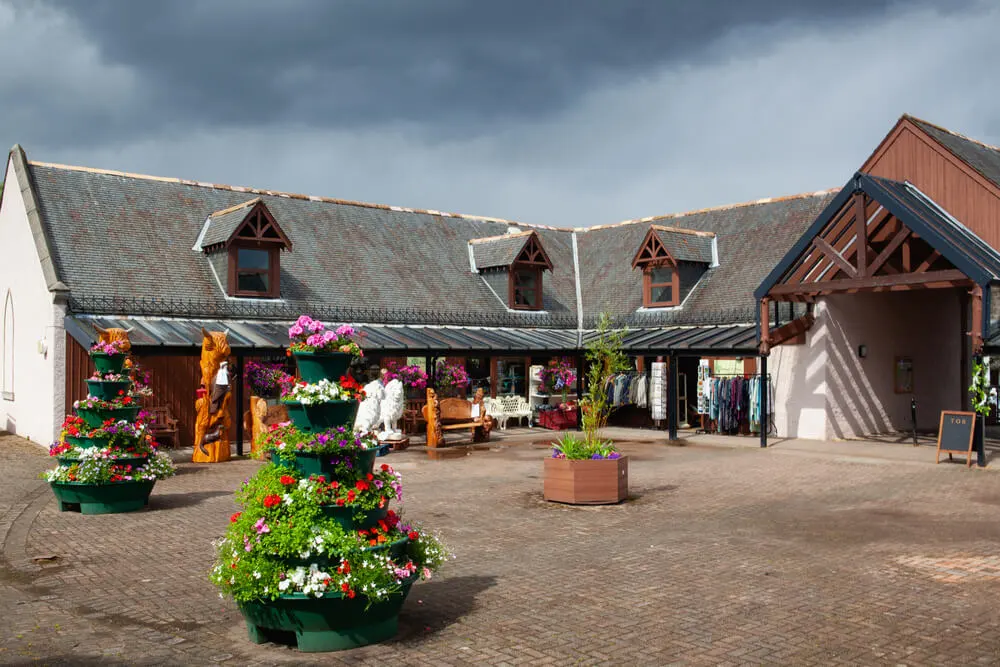
Fort Augustus, Lochaber
Tucked away in the heart of the Scottish Highlands, Fort Augustus stands as a picturesque jewel on the southern tip of Loch Ness. This quaint village, often overshadowed by its mythical neighbour, is a hidden treasure waiting to be discovered.
Historical Significance
Fort Augustus originated as a military post during the 18th century, strategically placed to control the Great Glen and maintain order in the region. The remnants of the old fort, including its locks and bridges, add a historical charm to the village, inviting visitors to step back in time.
Scenic Beauty
Set against the backdrop of the towering Ben Nevis, the highest mountain in the British Isles, Fort Augustus boasts breathtaking views and serene landscapes. The Caledonian Canal flows through the village, connecting Loch Ness to Loch Lochy, providing a picturesque setting for leisurely walks along the waterfront.
Cultural Attractions
- Fort Augustus Abbey, a former Benedictine monastery, has been repurposed into residential apartments. Its architecture and history contribute to the village’s cultural tapestry.
- Visitors can explore local museums and craft shops, immersing themselves in the rich heritage of Lochaber.
Loch Ness and Outdoor Activities
Fort Augustus serves as a gateway for Loch Ness explorations. Visitors can embark on boat cruises, hoping to catch a glimpse of the elusive Nessie, the legendary Loch Ness Monster. Outdoor enthusiasts can indulge in activities such as hiking, fishing, and cycling in the surrounding Highlands, making Fort Augustus an ideal base for adventure.
Community Vibes
Despite its small size, Fort Augustus radiates a warm and welcoming atmosphere. The locals, known for their hospitality, add a personal touch to the village experience. Traditional pubs and eateries offer a taste of local cuisine, creating an authentic Scottish experience for visitors.
As you explore the best small towns in Scotland, don’t overlook the tranquillity and charm that Fort Augustus brings to Lochaber. It’s a destination that seamlessly blends history, nature, and community, making it a must-visit on your Scottish odyssey.
Killin, Loch Tay
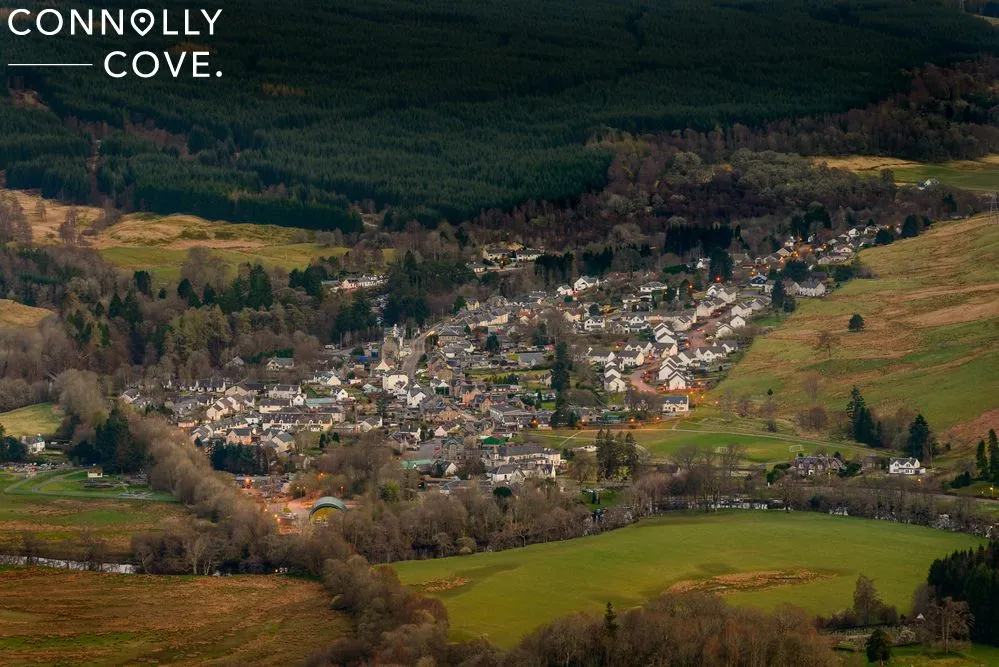
Nestled on the picturesque shores of Loch Tay, Killin emerges as a captivating small town in the heart of Scotland. With a backdrop of rugged mountains and the calming expanse of the loch, Killin seamlessly weaves together natural beauty and historical charm, creating an enchanting destination worth exploring.
Historical Marvels
Killin is home to the ancient Killin Stone Circle, a prehistoric monument that adds an air of mystery and antiquity to the town. Visit the 19th-century Killin Railway Viaduct, an engineering marvel that stands as a testament to Scotland’s industrial heritage.
Scenic Wonders
Set against the stunning backdrop of Ben Lawers, Scotland’s highest peak in the southern Highlands, Killin offers panoramic views that captivate the soul. The Falls of Dochart, cascading through the heart of the town, create a postcard-worthy scene, especially when viewed from the historic stone bridge.
Outdoor Adventures
Embrace the outdoor spirit with activities like hiking and mountain biking, with numerous trails meandering through the surrounding hills and forests. Loch Tay provides a tranquil setting for water-based activities, including fishing and kayaking, allowing visitors to immerse themselves in the beauty of the Scottish wilderness.
Cultural Gems
Explore the local museums and galleries, such as the Breadalbane Folklore Centre, to delve into the rich cultural tapestry of the region. Attend local events and festivals that celebrate the arts, music, and traditions, offering a glimpse into the vibrant community spirit of Killin.
Charming Local Hospitality
Quaint tearooms, traditional inns, and friendly local pubs dot the streets of Killin, inviting visitors to savour authentic Scottish cuisine and warm hospitality. Engage with the locals, known for their friendliness, and immerse yourself in the community vibe that makes Killin a welcoming haven.
Tobermory, Isle of Mull
Nestled on the Isle of Mull, Tobermory emerges as a vibrant coastal town that captures the hearts of all who wander its charming streets. Famous for its distinctive and colourful waterfront, Tobermory offers not only visual delights but also a tapestry of attractions and activities that showcase the essence of this picturesque island town.
Colourful Waterfront and Enchanting Main Town
Serving as the capital of the Isle of Mull, Tobermory combines historical significance with a modern and lively atmosphere. Explore the local shops and galleries, offering a diverse range of crafts, local artwork, and souvenirs.
Tobermory is renowned for its vibrant waterfront, where charming buildings painted in an array of hues reflect in the calm waters of the bay. Stroll along the harbour, indulge in photography, and absorb the lively atmosphere created by the mix of fishing boats and yachts.
Wildlife and Natural Beauty
Tobermory is a gateway to the island’s rich wildlife. Join wildlife tours to spot seals, dolphins, and sea eagles amidst the stunning coastal scenery. Mull’s diverse landscapes beckon nature enthusiasts with opportunities for hiking trails, showcasing the island’s unique flora and fauna.
Historical Sites
Dive into history by visiting the Tobermory Distillery, where you can learn about the whisky-making process and sample local spirits. The ruins of Aros Castle, just a short distance from Tobermory, offer a glimpse into the island’s medieval past.
Maritime Adventures
Embark on boat trips and explore the surrounding waters, including visits to nearby islands like Staffa, home to Fingal’s Cave, and the Treshnish Isles. Tobermory’s maritime history comes alive at the Mull Aquarium, where exhibits showcase the underwater wonders of the Hebrides.
Culinary Delights
Experience the local gastronomy with seafood fresh from the waters of the Hebrides, served in charming waterfront restaurants. Tobermory’s pubs offer a cosy atmosphere to enjoy traditional Scottish fare and locally brewed beverages.
Festivals and Events
Plan your visit during one of Tobermory’s festivals, such as the Mull Music Festival, to immerse yourself in the lively cultural scene. The Tobermory Harbour Association Regatta is a highlight, combining maritime events with a festive atmosphere.
Braemar, Aberdeenshire
Nestled within the enchanting landscapes of Aberdeenshire, Braemar stands as a quintessential Highland town, inviting visitors to immerse themselves in both natural splendour and regal history. With its majestic scenery and ties to royalty, Braemar offers a unique Scottish experience that seamlessly blends outdoor adventures with cultural richness.
Braemar serves as the gateway to the Cairngorms National Park, a vast expanse of mountains, forests, and wildlife. Outdoor enthusiasts can explore hiking trails, witness cascading waterfalls, and revel in the breathtaking views of the Cairngorms’ rugged beauty.
Royal Connections
The town has strong ties to the British royal family, particularly with Balmoral Castle, the summer residence of Queen Elizabeth II. Visit the Royal Deeside Railway, a heritage railway that showcases the area’s royal heritage and offers scenic journeys through the countryside.
Highland Games Tradition
Braemar is famous for hosting the Braemar Gathering, one of the most prestigious Highland Games in Scotland. Witness traditional Scottish sports, including caber tossing and tug-of-war, against the backdrop of the stunning Grampian Mountains.
Balmoral Castle and Estates
Explore Balmoral Castle’s stunning grounds, including the manicured gardens and the picturesque Lochnagar mountain in the distance. Discover the Queen’s Cairn, a tribute to Queen Victoria, offering panoramic views of the surrounding countryside.
Wander through the town’s streets to discover historic architecture, including traditional stone-built houses and the charming Fife Arms Hotel. The ruins of Kindrochit Castle, with its medieval charm, provide a glimpse into Braemar’s ancient past.
Local Cuisine and Hospitality
Savour local delicacies in Braemar’s pubs and restaurants, offering a taste of Scottish cuisine and Highland hospitality. Engage with the friendly locals, known for their warmth and eagerness to share tales of the town’s rich history.
Aberdeenshire is home to several whisky distilleries, and Braemar serves as an excellent base to explore these renowned spirits. Take distillery tours and tastings to experience the flavours of the region’s distinct whiskies.
Plockton, Lochalsh
Nestled on the shores of Loch Carron, Plockton unfolds as a Highland haven where the charm of coastal living harmonises with the rugged beauty of the Scottish landscape. This idyllic village, often referred to as the “Jewel of the Highlands,” captivates visitors with its picturesque setting and a unique blend of maritime allure and Highland tranquillity.
Embraced by the embrace of lush hillsides and serene waters, Plockton presents a canvas of natural beauty. The village is a tapestry of colourful buildings that mirror the calm loch, creating a scene that feels plucked from a storybook. Stroll along the shoreline and absorb the peaceful ambience, where the whispering winds carry tales of seafaring adventures and ancient traditions.
Artistic Inspirations
Plockton’s allure extends beyond its stunning aesthetics. The village is a haven for artists, drawn to the ever-changing play of light on the water, the charming cottages, and the verdant landscapes. Explore local galleries that showcase the works inspired by Plockton’s natural wonders, adding an artistic dimension to your visit.
Maritime Heritage
As a coastal village, Plockton embraces its maritime heritage with open arms. The sheltered waters of Loch Carron invite exploration, and boat trips offer a chance to witness the marine life and coastal scenery. Join a cruise to spot seals basking on the rocks or embark on a fishing expedition to experience the rich bounty of the sea.
Culinary Delights by the Loch
Local pubs and eateries, with their welcoming atmospheres, serve up freshly caught seafood, allowing visitors to indulge in the flavours of the region. Engage with the friendly locals, and you’ll discover the warmth that defines Highland hospitality.
Roslin, Midlothian
Nestled in the heart of Midlothian, Roslin unveils a tapestry of history that spans centuries. Renowned for the iconic Rosslyn Chapel, this village immerses visitors in the enigmatic allure of ancient stones. The chapel, adorned with intricate carvings and steeped in mystery, stands as a testament to craftsmanship and a repository of historical secrets.
Beyond the chapel, Roslin is a historic enclave with charming architecture that echoes tales of the past. Stroll through the village, and you’ll encounter traditional stone-built houses, each with its own story to tell. The blend of medieval and Victorian influences creates an atmosphere where time seems to stand still.
Nature’s Retreat
Surrounded by lush Midlothian countryside, Roslin offers a tranquil retreat from the urban bustle. Explore the scenic trails that meander through Roslin Glen Country Park, where the River North Esk weaves its way through woodlands, providing a haven for nature enthusiasts and hikers alike.
Culinary Delights and Cosy Taverns
Roslin’s hospitality extends to its culinary offerings. Visit local tearooms and pubs to savour traditional Scottish fare, including hearty dishes made from locally sourced ingredients. Engage with the locals in the cosy taverns, where the warmth of the atmosphere matches the friendly demeanour of the community.
Portree, Isle of Skye
Portree, the capital of the Isle of Skye, isn’t just a pretty face amidst mountains and sea. It’s a vibrant tapestry woven with ancient history, breathtaking scenery, and a contemporary pulse that keeps visitors enchanted. Nestled in a natural harbour fringed by colourful houses, Portree invites you to explore its bustling harbour, lose yourself in charming alleys, and savour the raw beauty of the surrounding island.
Step Back in Time
Stroll along the pier designed by Thomas Telford, where fishing boats mingle with tour vessels and echoes of Viking raids whisper on the breeze. Explore the Aros Centre, housed in a 19th-century mansion, where Gaelic culture and local history come alive through exhibitions and events.
Lose yourself in the maze of cobbled streets and pastel-hued houses lining the harbour. Discover independent shops with treasures both whimsical and practical, from locally crafted knitwear to island-inspired art. Don’t miss the Flora MacDonald’s House, where Bonnie Prince Charlie once sought refuge.
Embrace the Rugged Landscape
Hike through windswept meadows and climb to the foot of this iconic rock formation, a legendary guardian of the island. Marvel at the panoramic views stretching across Trotternish and feel the pulse of ancient myths whispered by the wind.
Embark on a scenic drive to the Fairy Pools, crystal-clear pools cascading through ancient rocks, inviting you to dip your toes or simply bask in their ethereal beauty. Explore the Quiraing, a dramatic landscape of pinnacles and ridges, a playground for photographers and nature lovers.
Savour the Island Flavours
Indulge in the freshest seafood at waterfront restaurants overlooking the harbour. Savour plump mussels, melt-in-your-mouth scallops, and locally caught fish, all paired with breathtaking vistas.
Cosy up in traditional pubs, soak in the warm atmosphere, and enjoy hearty stews, fish and chips, and local beers. Listen to live music and the lilt of Gaelic conversation, and let the authentic island spirit wash over you.
Beyond the Town Limits
- Journey to Dunvegan Castle: Take a boat trip to this ancient seat of Clan MacLeod, perched on a dramatic cliff. Explore its medieval halls, discover family secrets, and lose yourself in the tales of warriors and princesses.
- Seek Hidden Gems: Drive along the coast, stopping at charming villages like Staffin and Uig. Hike to hidden coves, discover ancient stone circles, and witness the raw power of the Atlantic Ocean crashing against craggy cliffs.
Kelso, Roxburghshire
Nestled along the graceful curves of the River Tweed, Kelso in Roxburghshire unfolds as a Scottish gem boasting riverside majesty. The town’s scenic setting, marked by the elegant silhouette of Kelso Bridge, invites visitors to embark on a journey where history, nature, and cultural richness converge.
Kelso’s roots as a market town echo through its cobbled streets and historic market square. The town exudes a timeless charm with well-preserved buildings, including the iconic Kelso Abbey, a magnificent testament to medieval architecture. Roam the town’s historic heart, and you’ll uncover tales of bygone eras etched into its architectural fabric.
Spanning the River Tweed, Kelso Bridge stands as an iconic landmark, offering breathtaking views of the town and its picturesque surroundings. Take a leisurely stroll across the bridge, immersing yourself in the tranquillity of the river and the panoramic vistas of the Scottish Borders.
Jewel of the Borders
Kelso is often hailed as the “Jewel of the Borders,” a title earned through its harmonious blend of natural beauty and cultural significance. The lush greenery of the surrounding countryside and the gentle flow of the Tweed create an idyllic backdrop for exploration and relaxation.
Fishing Haven
Renowned for its salmon fishing, Kelso attracts anglers seeking the thrill of casting their lines into the bountiful waters of the River Tweed. The town’s association with this noble sport adds a layer of outdoor adventure to the overall Kelso experience.
Cultural Pursuits
Kelso’s cultural scene thrives in its galleries, museums, and local events. Explore art exhibitions, delve into the town’s heritage at the museum, and immerse yourself in the vibrant atmosphere during festivals and gatherings that celebrate the richness of Borders culture.
Gastronomic Delights and Traditional Pubs
Kelso invites gastronomic indulgence with its array of eateries and traditional pubs. Sample locally sourced produce, enjoy a taste of traditional Scottish cuisine, and engage in convivial conversations in the welcoming atmosphere of the town’s establishments.
Close-Knit Community Spirit
Kelso’s welcoming spirit is embodied by its close-knit community. Friendly locals contribute to the town’s inviting ambience, making visitors feel not just like guests but integral participants in the shared tapestry of Kelso life.
Tips for Planning Your Charming Getaway to Scotland
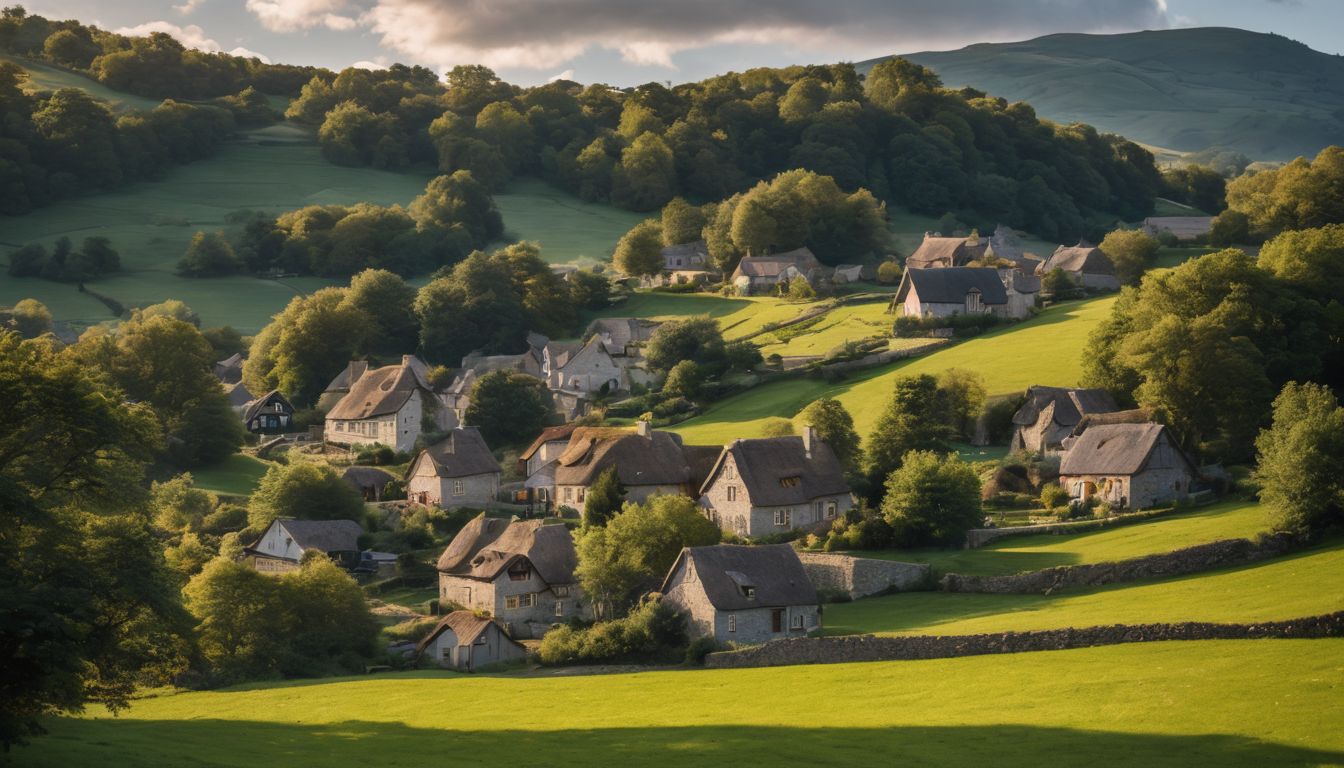
Plan your itinerary carefully to make the most of your time in Scotland’s charming small towns. Consider visiting a mix of locations, from historic villages like Roslin to idyllic countryside towns like Kelso. Don’t forget to try the local food and drinks, and share your experiences on social media for others to enjoy!
Map of Small Towns in Scotland
Scotland is home to numerous charming small towns that offer a delightful getaway experience. When planning your trip, it’s helpful to have a map of the small towns in Scotland to visualise their locations and proximity to each other. Google maps will do it!
This will assist you in creating an itinerary that allows for efficient travel between these picturesque destinations. From Fort Augustus in Lochaber to Tobermory on the Isle of Mull, there are plenty of options to explore. With a map in hand, you can easily navigate and discover the best routes, ensuring that you make the most out of your Scottish adventure.
Best Time to Visit
The best time to visit these charming small towns in Scotland depends on what you’re looking for. If you want to avoid crowds and enjoy a peaceful getaway, consider visiting during the shoulder seasons of spring (March-May) or autumn (September-November).
The weather during these times can be mild, but it’s always a good idea to pack layers as Scotland’s weather can be unpredictable. For nature lovers, summer (June-August) offers longer daylight hours and the opportunity to explore the beautiful countryside.
However, keep in mind that this is peak tourist season, so expect more crowds and higher prices. Winter (December-February) brings its own charm with cosy pubs and festive celebrations, but be prepared for colder temperatures and shorter days.
Must-Try Local Food and Drinks
Travellers enjoy exploring the local food and drinks when visiting different places, and Scotland is no exception. There are some must-try dishes and beverages that one shouldn’t miss during a charming getaway in Scotland.
Indulge in traditional Scottish cuisine like fish and chips, or haggis, a savoury dish made from sheep’s heart, liver, and lungs mixed with oatmeal and spices. Another delicious treat is Cullen Skink, a creamy soup made with smoked haddock, potatoes, onions, and milk.
For those with a sweet tooth, try the famous Scottish shortbread cookies or indulge in a slice of rich Dundee cake filled with dried fruit. And, of course, you can’t leave Scotland without trying its beloved whisky.
Accommodation Options
When it comes to accommodation options, there are plenty of cosy B&Bs, guesthouses, and boutique hotels available in these small towns. Look for places that offer a comfortable stay with easy access to local attractions.
Discover the enchantment of Scotland with a visit to its charming small towns. From the breathtaking landscapes of Lochaber and Loch Tay to the picturesque Isle of Skye and Mull, these towns offer a delightful escape from city life. Immerse yourself in history, indulge in local cuisine, and explore the scenic beauty that awaits you in Scotland’s best small towns. Plan your dream getaway today and make memories that will last a lifetime.
Harry Potter Shop at Platform 9 3/4 – London Attractions
England
29/04/2024
Exploring the Isle of Man’s Rich History and Culture
Ireland
29/04/2024
Exploring The Town of Carrickfergus
County Antrim
29/04/2024
Commercial Court: The Dazzling Lights of Belfast
Northern Ireland
29/04/2024
How to Make a Killy Kiss Cocktail By Killyhevlin Hotel
Northern Ireland
28/04/2024