


Discover the Best Souvenirs from England to Cherish Your Trip
Updated On: January 27, 2024 by  Yasmin Elwan
England, with its overflowing treasure chests of unique keepsakes, promises a souvenir scene unlike any other. From the dainty clink of porcelain teacups to the boisterous chants of football fans, every corner holds a tangible piece of the English spirit. Embark on this journey with us as we explore the diverse realms of regional crafts, cultural artefacts, and classic British memorabilia, guiding you to discover the best souvenirs from England and create lasting memories of your time in this enchanting country.
Whether you seek the timeless elegance of a royal commemorative piece or the quirky charm of a vintage postcard, England’s diverse souvenir landscape beckons. Let’s delve into the quaint villages and bustling cities, uncover hidden gems in bustling markets and antique shops, and curate a collection that reflects your unique English experience.
What Souvenirs Should I Get From England?
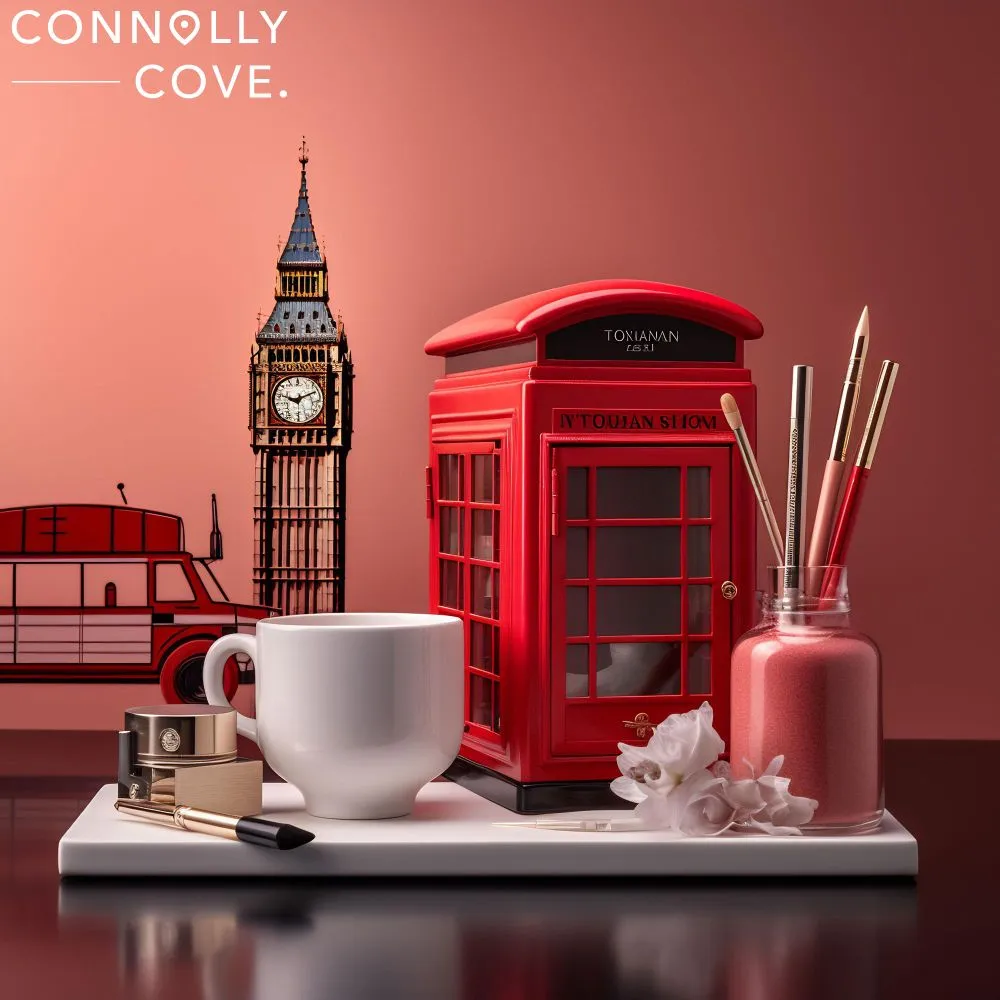
As you traverse the captivating landscapes of England, the question of what souvenirs to bring home inevitably arises. The country, steeped in history, culture, and tradition, offers a myriad of treasures waiting to be discovered. So, what souvenirs should you get from England to encapsulate the essence of your journey? Join us as we unravel a comprehensive guide to the most cherished keepsakes, ensuring your collection reflects the richness of this remarkable land.
Classic British Keepsakes
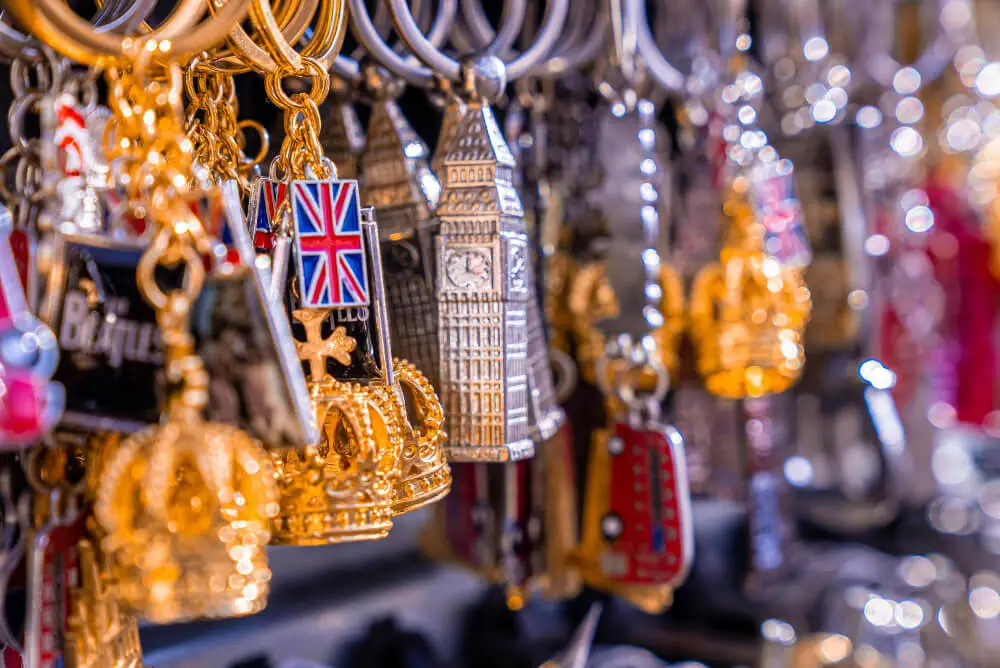
Begin your quest with quintessentially British treasures. Consider acquiring traditional tea sets and accessories, timeless symbols of English sophistication. From porcelain teacups to regal-themed memorabilia adorned with the Union Jack and royal crests, these classic keepsakes evoke the elegance that defines the English tea-drinking tradition.
Culinary Delights
Indulge your taste buds with culinary delights that showcase the rich flavours of England. A packet of high-quality English tea and teaware can transport you back to the cosy ambience of a traditional tearoom. Gourmet chocolates and candies from renowned British brands, along with speciality jams, marmalades, and biscuits, make for delightful edible souvenirs that capture the essence of English gastronomy.
Fashionable Finds
Elevate your wardrobe with fashionable finds that embody British style. Classic accessories like scarves, hats, and gloves adorned with iconic British designs offer a touch of sophistication. Explore high-quality leather goods, including gloves and handbags, crafted with the utmost attention to detail, making for timeless and elegant additions to your collection.
Literary Treasures
Celebrate England’s literary legacy with souvenirs that pay homage to renowned authors and their timeless works. Collectors’ editions of classic British literature, bookstore and museum merchandise, and literary-themed gifts such as bookmarks ensure your literary treasures capture the magic of England’s storytelling heritage.
Arts and Crafts Souvenirs
Support local artisans and delve into England’s artistic heritage with unique arts and crafts souvenirs. Pottery and ceramics with distinctive British designs, as well as handcrafted items showcasing traditional craftsmanship, provide a tangible connection to the country’s creative spirit.
Sporting Memorabilia
For sports enthusiasts, consider acquiring sporting memorabilia representing popular English sports like football and cricket. Team merchandise and collectables offer a piece of the fervour that surrounds these beloved sports, allowing you to take a slice of England’s athletic passion home.
Regional and Cultural Souvenirs
Explore souvenirs specific to different regions in England, reflecting the diversity of the country. Whether it’s cultural artefacts, items representing historical landmarks, or traditional crafts unique to specific areas, these souvenirs provide a deeper connection to the regional nuances that make England so distinctive.
Where Can I Get the Best Souvenirs From England?

Finding the best souvenirs in England depends on your specific style and interests, but here are some suggestions to get you started:
For Classic British Keepsakes
- Harrods Department Store: A quintessential London experience with iconic souvenirs like tea sets, royal memorabilia, and wool goods.
- Liberty London: Renowned for its floral prints and charming accessories, featuring scarves, handkerchiefs, and homeware.
- Windsor Castle Gift Shop: Immerse yourself in royal history with commemorative mugs, jewellery, and ornaments featuring the Queen’s Guard and royal corgis.
- Antique Fairs & Markets: Hunt for unique treasures like vintage postcards, replica phone booths, and miniature double-decker buses at Portobello Road Market in London or Bath Christmas Market.
For Culinary Delights
- Fortnum & Mason: Indulge in gourmet teas, biscuits, jams, and marmalades with exclusive blends and regional flavours.
- Tea Shops: Step into a charming English tradition with loose-leaf teas and delicate teacups, like Bettys in Yorkshire or Twinings in London.
- Borough Market: Discover artisanal chocolates, local honey, and speciality cheeses in this foodie haven in London.
- Regional Specialities: Look for clotted cream in Cornwall, Melton Mowbray pork pies in the East Midlands, or fudge from Blackpool.
For Fashionable Finds
- Savile Row: Experience bespoke tailoring for the ultimate souvenir, or browse ready-to-wear pieces on Jermyn Street in London.
- Burberry Stores: Find iconic check patterns on scarves, trench coats, and umbrellas, a symbol of British fashion.
- Barbour Jackets: Invest in a classic wax jacket, perfect for the English weather and a timeless wardrobe staple.
- Independent Boutiques: Explore local designers and vintage shops in cities like Brighton, Bath, or York for unique pieces and contemporary British aesthetics.
For Literary Treasures
- Shakespeare’s Globe: Discover commemorative items like Shakespeare-themed mugs, notebooks, and quill pens at the iconic London theatre.
- Jane Austen Centre in Bath: Immerse yourself in Regency England with replica clothing, jewellery, and books from her novels.
- University Bookshops: Explore historic bookstores like Blackwell’s in Oxford or Foyles in London for rare editions and literary memorabilia.
- Second-Hand Bookshops: Browse charming antiquarian shops across the country for one-of-a-kind editions of British classics.
For Arts and Crafts Souvenirs
- Local Craft Fairs: Find handmade pottery, ceramics, and textiles directly from artisans at fairs and markets across England.
- Studios & Galleries: Support local artists by visiting workshops and galleries, especially in regions like the Cotswolds or Cornwall, which are known for their artistic communities.
- The British Museum: Discover replicas of iconic historical artefacts like Roman busts and Viking jewellery.
- Yorkshire Sculpture Park: Wander through open-air exhibits and purchase unique contemporary art pieces in their gift shop.
For Sporting Memorabilia
- Official Club Stores: Get jerseys, scarves, and memorabilia of your favourite football teams like Manchester United or Chelsea.
- Lord’s Cricket Ground: Immerse yourself in the world of cricket at the famous London stadium, purchasing souvenirs like cricket bats and commemorative prints.
- Sports Pubs: Pick up vintage sports posters, team flags, and nostalgic memorabilia at historic pubs frequented by sports fans.
- Wimbledon Shop: Snag a tennis racket, official apparel, or commemorative mugs from the prestigious tennis tournament.
For Regional and Cultural Souvenirs
- York Viking Centre: Step back in time with Viking-inspired jewellery, clothing, and homeware.
- Hadrian’s Wall Path: Purchase historical souvenirs and local crafts from villages along the iconic Roman wall in Northern England.
- Scottish Tartans: Discover your clan tartan and invest in a traditional scarf, kilt, or bagpipe keychain.
- Bath Stone Products: Take home a piece of Bath’s architectural heritage with trinkets crafted from the city’s signature pale limestone.
These are just a few ideas to get you started. Remember, the best souvenirs are often found in unexpected places, so keep your eyes open and let your curiosity guide you!
Tips for Shopping for Souvenirs in England
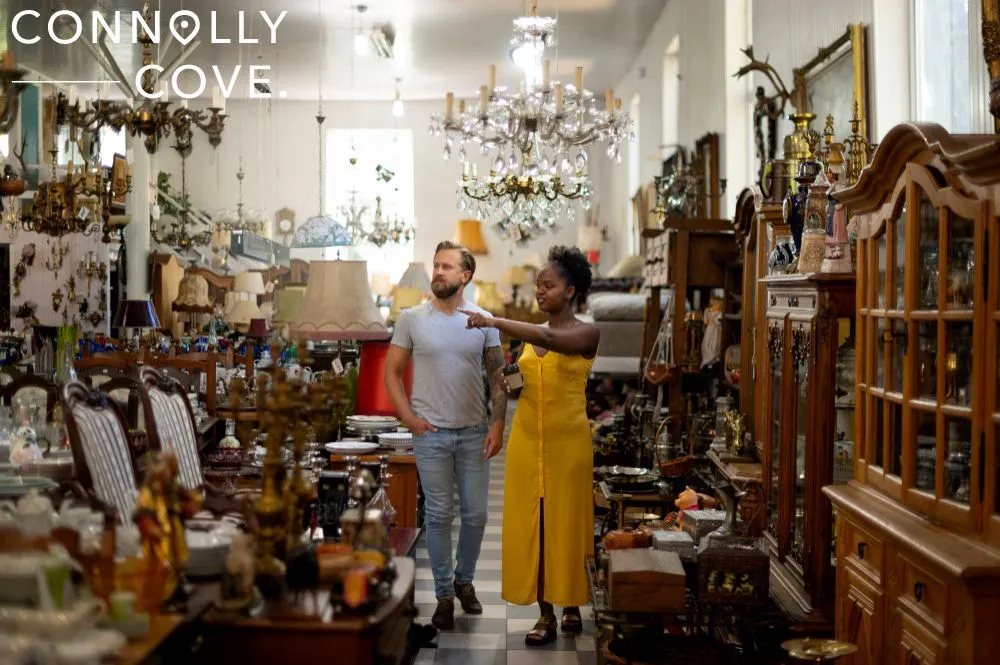
So you’ve wandered through cobblestone streets, marvelled at majestic castles, and savoured the charm of English villages. Now, it’s time to capture the essence of your adventure through the magic of souvenirs. But navigating the treasure trove of British keepsakes can be a bit daunting. Fear not, fellow traveller! Here are some tips to ensure your souvenir hunt is a triumphant one:
- Know Your Budget: From Harrods’ grandeur to charming village markets, England’s souvenir scene caters to all budgets. Decide how much you’re willing to spend and stick to it. Remember, a thoughtfully chosen, budget-friendly item can be just as cherished as a luxury purchase.
- Seek Out Authenticity: Avoid tourist traps and focus on shops with locally-made crafts, regional specialities, or unique items reflecting the character of the place. Look for stalls at local markets, independent boutiques, or artisan workshops.
- Embrace the Unexpected: Don’t be afraid to step outside your comfort zone! A quirky vintage postcard, a jar of locally-made chutney, or a hand-knitted scarf can become cherished reminders of your trip, sparking conversations and memories long after you return home.
- Think Beyond the Obvious: Teacups and double-decker buses are charming, but England offers so much more! Explore souvenirs that reflect your interests, whether it’s Shakespearean memorabilia, sports team merchandise, or handcrafted pottery from a specific region.
- Talk to the Locals: Shopkeepers and artisans are often passionate about their wares and brimming with local knowledge. Don’t hesitate to ask questions, learn about the history of an item, or seek recommendations for unique finds.
- Haggling? Not Quite: While the occasional friendly barter might be possible at markets, don’t expect aggressive haggling in most shops. Respect the price tags and focus on finding the best value for your money.
- Think About Transportation: Consider your souvenirs’ size and weight before buying. Heavy pottery or bulky wool sweaters might be best purchased at the end of your trip or shipped directly home.
- Pack Smartly: Bring a reusable bag or tote to avoid flimsy plastic bags, especially at markets. Pack some bubble wrap for fragile items, and consider leaving some space in your suitcase for spontaneous finds.
- Embrace the Paper Trail: Don’t forget to keep receipts and export documents for expensive items, especially antiques or artwork. This will ensure a smooth customs process back home.
- Most importantly, have fun! Souvenir shopping should be an enjoyable part of your travel experience. Relax, browse, and allow yourself to be swept away by the magic of England’s diverse and fascinating treasure trove.
Remember, the best souvenirs are those that hold personal meaning and evoke memories of your unique English adventure. So, happy hunting, and may your suitcase overflow with treasures!

The Impact of Scottish Warriors on History: Exploring Scotland’s Heroes and Villains
Culture Exploration
28/04/2024

Exploring the Myth of the Celtic Symbol for New Beginnings
Culture Exploration
28/04/2024

Kenya Tourism Statistics: An Increase in International Tourist Arrivals
Travel Statistics
28/04/2024

Albert Memorial – London Attractions
England
28/04/2024

Cuffs Bar and Grill: The Jewel of Crumlin Gaol
Food and Cuisine
28/04/2024