

The pickup truck rattles along the tarmac, leaving the last of Dahab’s palm-fringed coastline behind. To the right, the Red Sea glitters with an impossible turquoise light; to the left, the world transforms into a colossal theatre of rock. This is the gateway to the South Sinai, a landscape so ancient it feels like the earth’s original blueprint. Our destination is a place whispered about by seasoned travellers and climbers, a crack in the desert’s facade that holds an oasis of life and stories: Wadi Gnai.
Many come to Egypt for its renowned diving or historic pyramids, but to truly understand the Sinai Peninsula, you must turn your back on the sea and face the mountains. Wadi Gnai is more than just a day-trip destination for “gripping activities”; it is a profound immersion into a world of geological marvels, resilient nature, and the deep, living culture of the Bedouin people who call this rugged paradise home.
In this guide, we’ll take you on a journey into the soul of Wadi Gnai. We’ll walk you through its sun-drenched canyons, introduce you to its traditional guardians, and provide you with everything you need to plan your own authentic adventure. You will learn not only what to do here, but how to experience it with respect, curiosity, and a spirit of discovery that will stay with you long after the desert dust has settled.
Table of Contents
Understanding Wadi Gnai: Natural Wonders Carved by Time
Discover the awe-inspiring geological masterpiece of Wadi Gnai, where ancient granite formations, emerald palm groves, and hidden water springs tell a 500-million-year story of nature’s patient artistry in the heart of Egypt’s Sinai Peninsula.
Where is Wadi Gnai, and why is it a Sinai Gem?
To simply call Wadi Gnai a valley is to do it a disservice. Located a mere 30-minute drive south of Dahab, it is a living, breathing entity, a geological and cultural sanctuary that offers a stunning counterpoint to the coastal resorts. Here, the frantic energy of the modern world dissolves into a profound and humbling silence, broken only by the wind whistling through the canyons.
The name “Wadi Gnai” (sometimes spelt Wadi Ginai) comes from Arabic, where “wadi” refers to a valley or dry riverbed that may become a stream during rainy seasons. This particular wadi is one of the most accessible yet underdeveloped natural areas near Dahab, making it perfect for visitors seeking authentic experiences without venturing too far from amenities.
The Living Landscape: Granite Mountains, Lush Palm Groves, and Life-Giving Water
The first thing that strikes you upon entering Wadi Gnai is the scale and colour of the rock. These are not monotonous brown mountains; they are towering walls of Precambrian granite, glowing in shades of deep red, ochre, and black. For millennia, flash floods have scoured these canyons, carving smooth, sculptural forms and polishing the rock to a surprising sheen.
But this is not a sterile environment. Where water seeps from cracks in the rock, life explodes. The wadi is famed for its lush oasis, a dense grove of date palms that provides a startling shock of green against the red rock. It’s a place of cool, dappled shade and the rustle of fronds in the breeze. These are the remnants of cherished Bedouin gardens, a testament to the ability to cultivate life in the harshest of settings.
Depending on the season and recent rainfall, you may even find natural pools of water, a rare and magical sight that draws birds, dragonflies, and the elusive desert fox. These seasonal pools are vital microhabitats in an otherwise arid landscape, supporting a surprising diversity of life.
The Guardians of the Wadi: Introducing the Muzeina Bedouin Tribe
Wadi Gnai is not an empty wilderness; it is ancestral land. The area is part of the traditional territory of the Muzeina tribe, one of the largest and most influential Bedouin tribes in South Sinai. To travel here without acknowledging their presence is to see only half the picture.
The Bedouin, which translates to “desert people,” have a relationship with this land that is etched into every rock and tree. Their knowledge is encyclopaedic, passed down through generations of oral history. They know the medicinal properties of desert herbs, the patterns of the stars, and the subtle signs that predict a change in weather.
Their culture is built on a foundation of hospitality, resilience, and a complex tribal law that, for centuries, has included principles of conservation. A tribal law, for instance, can prohibit the cutting of green, living trees, with the understanding that “killing a tree is like killing a soul.” When you hire a local Bedouin guide, you are not just employing a driver or a cook; you are gaining access to this deep well of knowledge and supporting the community that is the true custodian of this incredible place. It is the most authentic and respectful way to experience the wadi.
Planning Your Wadi Gnai Adventure: A Practical Guide for UK & Irish Travellers
From navigating the best seasonal windows and securing reliable Bedouin guides to essential packing tips and UK-specific visa requirements, this tailored advice ensures British and Irish explorers can seamlessly transition from London or Dublin to the mesmerising sandstone canyons of Wadi Gnai without the common pitfalls of Egyptian desert travel.
When to Go? A Seasonal Breakdown for Activities
The Sinai Desert has distinct seasons, each offering a different experience of Wadi Gnai:
October to April (Optimal Season)
- Temperatures: 20-30°C (68-86°F) during the day, cooling to 10-15°C (50-59°F) at night
- Perfect for: Hiking, rock climbing, camping, and all outdoor activities
- Special highlights: Potential winter rains in December-February can bring temporary streams and wildflower blooms
May to September (Summer Season)
- Temperatures: 35-45°C (95-113°F) during the day, 20-25°C (68-77°F) at night
- Activities: Early morning or late afternoon hiking only, swimming in natural pools if present
- Considerations: Bring extra water, sun protection, and avoid strenuous activities in midday heat
For specific activities:
- Rock climbing: Best from November to March when rock surfaces are cooler
- Photography: Golden hour, just after sunrise and before sunset, offers dramatic lighting on the red granite
- Wildlife watching: Early morning in spring (March-April) after winter rains
- Stargazing: Any clear night, but winter offers longer nights and exceptional clarity
Getting There from Dahab: Transport Options
From Dahab town centre, you have several options to reach Wadi Gnai:
Guided Tour: The most convenient option, typically costing 300-600 EGP (£7-15/€8-17) per person for a half-day excursion. Tours usually include transport, a guide, and often a Bedouin tea or meal.
Taxi: A return taxi journey costs approximately 200-300 EGP (£5-7/€6-8). Arrange for the driver to wait or collect you at an agreed time. Your accommodation can help arrange this.
Rental Vehicle: If you’re comfortable driving in Egypt, a rental car or jeep gives you flexibility. Daily rates start at around 800 EGP (£20/€23). A 4WD vehicle isn’t essential to reach the main entrance, but it helps for exploring deeper.
Local Bus + Walking: For budget travellers, local minibuses heading south from Dahab can drop you at the road junction, but you’ll need to walk about 2km to reach the wadi entrance. Cost: approximately 10-20 EGP (£0.25-0.50/€0.30-0.60).
Essential Packing List for the Sinai Desert
For a comfortable and safe experience at Wadi Gnai, pack the following:
Essentials:
- Passport (carry a photocopy separately)
- At least 2 litres of water per person for a half-day visit (more in summer)
- Sun hat with brim and sunglasses
- High SPF sunscreen and lip protection
- Sturdy walking shoes or hiking boots with ankle support
- Light, breathable clothing with layers for temperature changes
- Basic first aid kit including plasters, antiseptic, and personal medications
Recommended additions:
- Camera with extra batteries (the desert scenery is spectacular)
- Light backpack
- Snacks (fruit, nuts, energy bars)
- A small towel if you plan to swim in natural pools
- Head torch if staying until sunset
- Mobile phone with Egyptian SIM or roaming (coverage is limited but exists)
- Toilet paper and hand sanitiser (no facilities in the wadi)
- Cash in Egyptian pounds (no card facilities)
For overnight stays, add:
- Warm sleeping bag (desert nights get cold, even in summer)
- Sleeping mat
- Extra layers for evening
- Additional water and food
Visas, Currency, and Budgeting: What UK & Irish Travellers Need to Know
Visa requirements: UK and Irish citizens can obtain a visa on arrival at Sharm el-Sheikh or other Egyptian airports for approximately $25 USD (£20/€23). The standard tourist visa is valid for 30 days. Alternatively, if you’re staying only within the Sinai Peninsula (including Dahab and Wadi Gnai), you can receive a free Sinai-only stamp upon arrival, valid for 15 days.
Currency: The Egyptian Pound (EGP) is the local currency. As of May 2025, the exchange rate is approximately:
- £1 GBP = 40 EGP
- €1 EUR = 35 EGP
ATMs are available in Dahab but not in Wadi Gnai, so withdraw cash beforehand.
Budgeting for Wadi Gnai:
- Guided half-day tour: 300-600 EGP (£7-15/€8-17) per person
- Overnight camping experience: 800-1,200 EGP (£20-30/€23-35) per person
- Private guide for a day: 600-1,000 EGP (£15-25/€17-29)
- Bedouin meal: 100-200 EGP (£2.50-5/€3-6)
- Bottled water (1.5L): 10-15 EGP (£0.25-0.38/€0.29-0.43)
Safety considerations: Always check the latest UK Foreign, Commonwealth & Development Office (FCDO) travel advice before visiting Egypt. As of May 2025, the Sinai coastal resorts, including Dahab, are generally considered safe for tourism, though some areas of North Sinai have travel advisories. Wadi Gnai falls within the typically safe zone for tourists.
Choosing Your Guide: The Importance of Supporting Local Bedouin Experts
The quality of your guide will define your Wadi Gnai experience. While Dahab has many tour operators offering trips to the wadi, we strongly recommend choosing guides from the local Muzeina Bedouin tribe. Here’s why:
- Cultural authenticity: Muzeina guides offer insights into their ancestral lands that outside guides simply cannot provide.
- Traditional knowledge: Local Bedouin guides can identify medicinal plants, animal tracks, and tell stories of the wadi that have been passed down for generations.
- Supporting the local economy: Directly employing Bedouin guides ensures tourism benefits those who have stewarded this land for centuries.
- Safety and expertise: The Bedouin know every corner of the wadi, including where to find shade, water, and the best paths during different seasons.
How to find a local guide:
- Ask your accommodation in Dahab if they can recommend a Muzeina guide
- Visit the Bedouin Camp café in Dahab, where you can often meet guides directly
- Book through agencies that explicitly work with local Bedouin communities, such as Bedouin Ways or Desert Divers
“The desert appears empty only to those who don’t know how to read it,” says Ahmed, a Muzeina guide who has led visitors through Wadi Gnai for over 15 years. “Every stone has a story, every plant has a purpose, and every path leads somewhere significant. This is not just land to us—it is our history, our pharmacy, our supermarket, and our home.”
Unforgettable Experiences: 10 Gripping Activities in Wadi Gnai
From scaling ancient granite formations and camping beneath star-strewn desert skies to immersing yourself in authentic Bedouin tea ceremonies and discovering hidden oases, these ten extraordinary activities transform a simple Sinai excursion into a soul-stirring journey through Egypt’s most captivating landscapes and living cultural traditions.
1. Immerse Yourself in the Bedouin Culture and Traditions
Since Wadi Gnai lies in the middle of the Egyptian deserts, it calls for the Bedouin tribes to settle. The Bedouins are Arabic-speaking people who come from different parts of the Arab world. Some are from Egypt, while others come from Libya, Palestine, Syria, or Morocco.
They have their very own unique culture, dialect, and traditions. Many of them reside in Dahab and other deserts around the Middle East. Nestled in the enchanting region of Wadi Gnai, a vibrant community of Bedouins proudly calls this slice of paradise their home. With an intimate knowledge of every nook and cranny, these locals hold the key to discovering the hidden gems that lie within this awe-inspiring destination.
Immerse yourself in their captivating way of life and be mesmerised as they expertly set up their traditional camps, gracefully navigate through their daily routines, and savour every moment, even during their cherished tea ceremonies. If you seek an extraordinary adventure, we wholeheartedly invite you to embrace the rich tapestry of Bedouin culture; not only will you be granted a dazzling experience, but you’ll also have a treasure trove of tales to tell back home.
2. Observe the Breathtaking Landscapes of Wadi Gnai
Wadi Gnai is known for its mesmerising landscapes that would induce feelings of serenity within your very soul. Once you venture into the heart of Wadi Gnai, you’ll be captivated by the constant flow of water, which creates a haven of lushness and verdant beauty. It’s home to an enchanting palm grove that seems like vast gardens that were once crowded and cherished by the Bedouins.
And if luck is on your side and rain graces the desert, be prepared to witness a breathtaking spectacle of vibrant desert flowers bursting into full bloom. The whole region of South Sinai boasts an alluring desert that brims with majestic mountains, colourful canyons and rippling sand dunes, and Wadi Gnai is no exception. We haven’t even mentioned the remnants of dry waterfalls that embellish the surrounding terrain as you traverse it.
3. Explore the Natural Rock Formations and Canyons
The true beauty of the coloured canyons is unparalleled. One of the best parts of Wadi Gnai is the remarkable spectrum of geological wonders you keep encountering every step of the way, ranging from magnificent sandstone formations to enchanting limestone structures. The presence of majestic granite formations further adorns the landscape while striking veins of basalt decorate the entire hiking path, creating a genuinely spellbinding sight.
There are certain places where the rocks shimmer with crystalline hues. Yet, the coloured canyons are more than just appealing shades that please the eyes; they are beckoning textures that you won’t resist. Some areas will feel too soft with a velvety feel, while others will have rougher edges. As you follow the trail, you’ll notice the river gradually dwindling, enhancing the enchanting atmosphere surrounding you.
4. Sense Tranquillity in the Peaceful Camping Spots
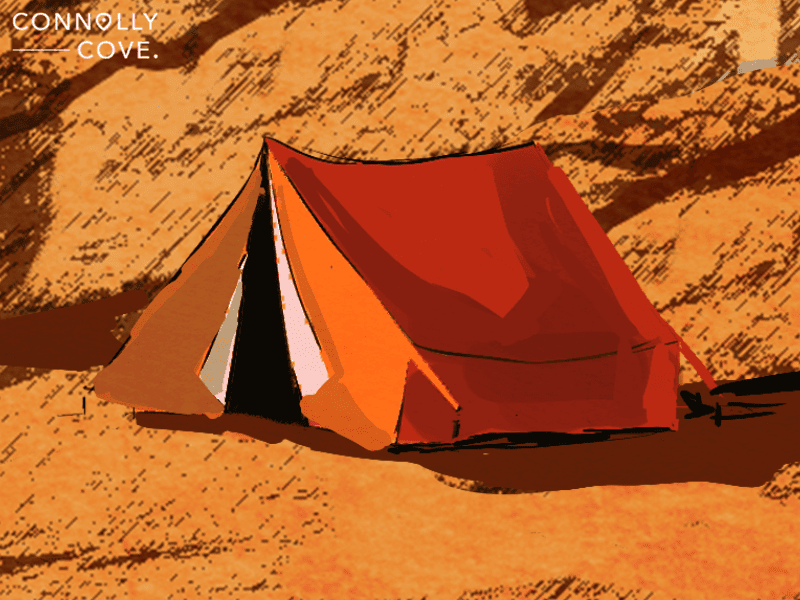
As the sun sets and the day fades away, time becomes boundless, granting us the privilege to immerse ourselves in the serene stillness of the desert’s loving embrace before returning to the comforting haven of the resort. Dahab, renowned for its plentiful camping areas, offers a truly captivating experience at Wadi Gnai.
Here, you’ll have the extraordinary opportunity to spend an enchanting night in the heart of the desert, relishing in breathtaking mountain vistas, uncovering the desert’s enigmatic allure, and forging connections with fellow adventurous souls. This experience is quite different because camping here isn’t only about huts, but you’ll also be by the beach!
Above all, this remarkable adventure promises to leave an indelible mark on your memory, one that you’ll bestow upon you captivating tales that you can eagerly regale others with for years to come.
5. Seize Wadi Gnai’s Hiking and Trekking Opportunities
Dahab is a hidden gem with endless possibilities for fun and adventure. No matter what you’re seeking, it’s safe to say that Wadi Gnai has something for everyone. Nestled amidst South Sinai’s majestic landscapes, you will discover many breathtaking mountains that have earned this region its esteemed reputation.
With its proximity to the other areas of Dahab, you can freely explore your surroundings, embracing every opportunity for exhilarating hikes and treks. Mount Sinai is an absolute must for daring souls who crave vigorous activity infused with a sense of history. As you ascend this legendary peak, you will be walking in the same footsteps as iconic figures from the past. The experience is truly unforgettable and one you will never regret undertaking.
Recommended Hiking Routes:
| Trail Name | Difficulty | Duration | Highlights |
|---|---|---|---|
| Palm Grove Loop | Easy | 1-2 hours | Shaded palm gardens, potential water pools, suitable for families |
| Canyon Rim Trail | Moderate | 3-4 hours | Panoramic views, diverse rock formations, desert vegetation |
| High Ridge Route | Challenging | 5-7 hours | Summit views, technical terrain, experience required |
6. Please Your Eyes with the Vibrant Flora and Fauna
We may have already mentioned that Wadi Gnai is a geological wonderland, but have we spoken of its ecological diversity yet? You can sense the serene realm of the desert, all while the sun casts its light over the gentle whispers of the arid land. This heavenly oasis is there to enchant you with its alluring beauty, featuring a wide array of exotic flora waiting to be explored. Amidst the vast expanse, one discovers the presence of resilient acacias, embracing their solitude in the middle of the dry land.
You won’t help but notice the enchantment of the tamarisk trees swaying gracefully, with cascading green hues of the fascinating capparis embellishing the lands. Despite the captivating beauty of nature, we should warn you of the deceptive allure of the poisonous apples. An oasis of delight that’s tucked away in this stark landscape is the desert pumpkin that graces the curious traveller with its humble presence.
7. Go Rock Climbing
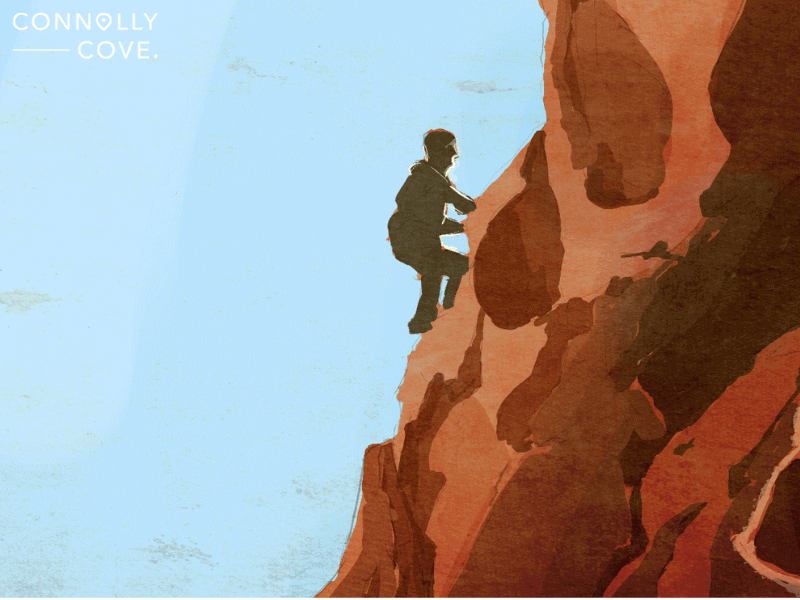
If you’re searching for an exhilarating weekend getaway filled with adventure, then look no further than Wadi Gnai. This extraordinary destination offers an unforgettable rock climbing experience that surpasses anything you’ll find at your local indoor climbing centres. Whether you’re a beginner or an experienced climber, Wadi Gnai has a variety of routes to suit all skill levels.
But the adventure doesn’t end there. Spend your morning exploring even more exhilarating climbs, pushing your limits and experiencing the excitement of conquering new heights. You’ll also have the opportunity to learn valuable information about rock climbing equipment and safety. With the guidance of a professional belayer, who ensures your safety by keeping the rope tight against you as you ascend and safely lowering you back down, you’ll have the confidence to push yourself to new limits. Even if you slip, rest assured that you’ll be securely protected from any falls.
Popular Climbing Areas:
- Camel Canyon – A range of routes from 5.6 to 5.12 (French grading system), featuring smooth granite faces with excellent friction
- The Garden Wall – Suitable for beginners with multiple 5.5-5.8 routes and shaded in afternoons
- Red Ridge – More advanced routes (5.10+) with challenging overhangs and spectacular summit views
8. Unearth the Hidden Gems
Wadi Gnai is a perfect spot to take in the breathtaking world of the Red Sea. Alongside the crystal-clear waters of the Red Sea lies a hidden treasure known as the Magic Lake. This extraordinary spot offers an unparalleled experience, resembling a natural spa. This lake treats your skin to the rejuvenating benefits of the mineral-rich mud. At the same time, tiny fish delicately nibble away at the dry, dead skin on your feet – a genuinely enchanting sensation!
However, among the myriad options, one gem that cannot be overlooked is the renowned Lagoona or Blue Lagoon. You shouldn’t miss the enchanting Blue Hole, a coastal gem cradled in the embrace of sandy beaches and rugged hills. With its sparkling azure waters and gentle saltwater breeze, this haven in Dahab beckons adventurers seeking tranquillity. Delight in the serene ambience as you take a dip, embark on a thrilling snorkelling journey, or delve into the depths with a captivating dive.
9. Practice Meditations and Self-Reflection

Nestled within the expansive desert of Dahab, Wadi Gnai beckons as a tranquil oasis, a gateway to the harmonious practice of meditation and yoga. This idyllic haven offers a break from the blaring of crowded cities, immersing you in a serene atmosphere. In the last couple of years, Dahab has become renowned for being an ideal spot for practising soothing yoga and attending well-being retreats.
Here, the rare chance to embark on a journey of self-reflection awaits, enabling you to bask in the soothing melodies of nature while effortlessly freeing yourself from the burden of negative energy that lingers within. You may not realise that your body has absorbed so much negativity until you start feeling how lighter your body has become after allowing it to rest for a while.
10. Indulge in Traditional Dishes of Bedouin Cuisine
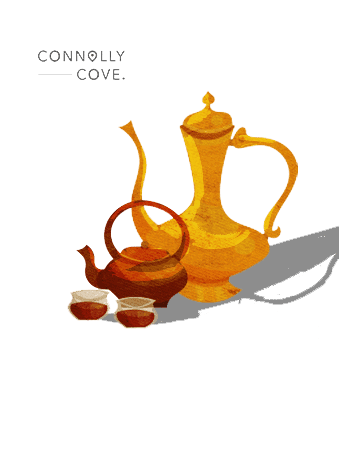
Wadi Gnai may offer you a plethora of adrenaline-fuelled activities that keep your journey enthralling and unforgettable. Yet, while you immerse yourself in the spellbinding panoramic views, you should treat yourself to a delectable dinner featuring Bedouin cuisine’s irresistible and traditional dishes.
Awaken to the soothing warmth of the sun’s rays and be greeted by the irresistible aroma of freshly baked Bedouin bread, skilfully crafted over a crackling campfire. What could actually go wrong? And when night is here, you can relish the opportunity to savour another tantalising Bedouin meal and delight your taste buds with a cup of aromatic Bedouin tea. You can also treat yourself to one of the finest seafood restaurants around.
Who doesn’t long for an exhilarating escape from the hectic routine of our daily lives? We recommend you seize the incredible opportunity to relax and recharge at the spellbinding oasis of Wadi Gnai. Allow yourself to delve into a world of exhilaration, splendour, and the undeniable rush of triumph that accompanies nature’s awe-inspiring challenges.

Digital Travel Tips: Capturing and Sharing Your Wadi Gnai Adventure
Master the art of desert photography with our expert techniques for capturing Wadi Gnai’s dramatic light and textures, essential offline apps that work without reliable signal, and creative storytelling strategies that transform your social media content from ordinary holiday snapshots into a compelling visual narrative that showcases Egypt’s hidden desert jewel to your captivated audience.
Photography and Videography Tips for Desert Landscapes
The unique light and dramatic landscapes of Wadi Gnai create perfect conditions for stunning photography and videography. As specialists in travel content creation at ConnollyCove, we recommend these techniques:
Best times for photography:
- Early morning (6-8 am): Soft, golden light with long shadows highlighting the textures of the rock formations
- Late afternoon (4-6 pm): Warm tones that bring out the red and orange hues in the granite
- Avoid midday (10 am-2 pm): Harsh overhead light creates flat images with limited shadow detail
Camera settings for desert photography:
- Use a polarising filter to enhance the blue sky against the red rock
- Slightly underexpose (by -0.3 to -0.7 stops) to preserve highlight details, especially in midday sun
- For landscapes, aim for apertures between f/8 and f/11 for maximum depth of field
- Consider HDR techniques for scenes with extreme contrast between shadows and highlights
Composition tips:
- Use the sinuous lines of the wadis and canyons as leading lines
- Include people for scale—the immensity of the landscape is hard to capture otherwise
- Look for natural frames within the rock formations
- Capture contrasts: the green palms against red rock, smooth water against rough stone
Smartphone photography:
- Use HDR mode for landscape shots
- Try panorama mode to capture the vast scale
- Download an app that allows manual control of exposure
- Consider a small tripod for low-light conditions at sunrise/sunset
Protecting your equipment:
- Bring dust-proof covers or simple plastic bags for cameras
- Keep lens changes quick and minimal
- Bring a rocket blower or soft brush for dust removal
- Consider UV filters to protect lenses from sand and scratches
Creating Your Digital Travel Story
In today’s connected world, sharing your travel experiences has become part of the journey itself. Here’s how to create a compelling digital narrative of your Wadi Gnai adventure:
Pre-trip preparation:
- Research and save offline maps of the area (Google Maps allows downloading for offline use)
- Download necessary apps before leaving Dahab, as network coverage is limited in the wadi
- Ensure devices are fully charged and bring power banks (no electricity in the wadi)
- Consider a small solar charger for overnight trips
Content collection strategies:
- Plan a “shot list” of must-capture moments before your trip
- Collect varied content: landscapes, details, people, activities
- Record short video clips as well as photos
- Capture sounds of the desert—the wind, Bedouin music, the silence
- Document the journey chronologically, from departure to return
Sharing your experience:
- Create a themed Instagram story highlighting different aspects of your trip
- Use relevant hashtags like #WadiGnai #SinaiDesert #BedouinCulture #EgyptOffTheBeatenPath
- Consider creating a short video montage combining your best clips
- Share practical tips and insights, not just pretty pictures
Digital etiquette:
- Always ask permission before photographing Bedouin people
- Respect sacred or private areas where photography might not be welcome
- Consider how your digital content represents the local culture and environment
- Share accurate information about the location to promote responsible tourism
By thoughtfully documenting your journey, you not only create lasting memories for yourself but also help others discover this remarkable destination in a respectful and informed way.
Beyond the Wadi: Extending Your Dahab Itinerary
Complement your Wadi Gnai exploration with Dahab’s extraordinary neighbouring attractions, from the ethereal underwater world of the Blue Hole—a world-class diving site where coral gardens flourish against deep azure—to the sacred summit of Mount Sinai and its ancient monastery, creating a perfectly balanced Sinai itinerary that pairs desert solitude with Red Sea splendour and biblical heritage.
The Blue Hole: From Desert Sands to Underwater Wonders
Just a short drive from Wadi Gnai lies one of the world’s most famous dive sites: the Blue Hole. This natural phenomenon offers the perfect complement to your desert adventure, allowing you to experience the remarkable contrast between Sinai’s arid landscapes and its vibrant marine ecosystem.
The Blue Hole is a submarine sinkhole that plunges to depths of over 100 metres. The upper portions are accessible to snorkelers, while divers can explore the rich coral gardens that adorn the rim. The dramatic change from desert to underwater world creates a powerful reminder of Egypt’s ecological diversity.
Mount Sinai & St. Catherine’s Monastery: A Journey of Faith and History
For those interested in history, religion, and breathtaking landscapes, a visit to Mount Sinai and St. Catherine’s Monastery creates the perfect complement to your Wadi Gnai adventure. Located about 2-3 hours drive from Dahab, this sacred site holds profound significance for Christianity, Islam, and Judaism.
The traditional climb to the summit begins in the pre-dawn hours, allowing visitors to reach the top for sunrise—a spiritual experience regardless of your religious background. The 6th-century monastery at the base houses one of the world’s oldest continuously operating libraries, with precious manuscripts second only to the Vatican’s collection.
Conclusion
Wadi Gnai offers a transformative window into the natural and cultural wonders of the Sinai Peninsula. By approaching this special place with respect, curiosity, and proper preparation, you’ll discover an Egypt far removed from the typical tourist experience—a land of ancient geology, living traditions, and profound beauty.
For those planning their own Middle Eastern adventures, we offer custom digital travel guides, social media management for travel businesses, and comprehensive content strategies that bring destinations to life online. Contact us to discover how our digital expertise can enhance your travel experiences or tourism offerings in this fascinating region.
Your Wadi Gnai Questions Answered: FAQ
Addressing the most common queries from British and Irish travellers—from solo safety considerations and essential facilities to mobile coverage challenges and authentic Bedouin tea customs—our expert FAQ demystifies the practical aspects of visiting this remarkable Sinai destination, ensuring you’ll navigate your desert adventure with the confidence of a seasoned explorer rather than the uncertainty of a first-time visitor.
Is Wadi Gnai safe for solo travellers?
Yes, Wadi Gnai is generally safe for solo travellers, though we recommend hiring a local guide rather than exploring independently. This is less about security concerns and more about navigation, cultural respect, and getting the most from your experience. Female solo travellers should dress modestly (covering shoulders and knees) out of respect for local customs.
Are there toilet facilities in the wadi?
No, there are no formal toilet facilities in Wadi Gnai. Visitors should be prepared to use nature’s facilities, bringing biodegradable toilet paper and a small trowel to bury waste at least 20cm deep and 50 metres from any water source. Always pack out all other waste.
Do I need to be an expert climber or hiker to enjoy Wadi Gnai?
Not at all. While Wadi Gnai offers challenges for experienced climbers and hikers, there are plenty of accessible areas for beginners and those with moderate fitness levels. The main palm grove area can be enjoyed with an easy walk, while more strenuous hikes can take you deeper into the canyons. Let your guide know your experience level, and they’ll tailor the route accordingly.
What is the best way to book a tour?
The best approach is to wait until you arrive in Dahab and book directly through your accommodation or a reputable local agency. This allows you to meet your guide beforehand, ask questions, and potentially negotiate a better rate than pre-booking online. Most tours can be arranged with just 24 hours’ notice, except during peak holiday periods.
What is Bedouin tea, and how is it made?
Bedouin tea (also called “Bedouin whisky” despite being non-alcoholic) is a strong, sweet black tea often infused with desert herbs like sage, mint, or thyme. It’s prepared by boiling water over an open fire, adding generous amounts of loose tea and sugar, and sometimes cardamom. The tea is typically served in small glasses and is an essential part of Bedouin hospitality. Refusing a cup can be considered impolite, though medical reasons for declining are always respected.
How reliable is mobile phone coverage in Wadi Gnai?
Mobile coverage in Wadi Gnai is patchy but exists in some areas, particularly at higher elevations. Don’t count on having consistent service. The Egyptian networks Vodafone and Orange (formerly Mobinil) typically have the best coverage in the Sinai region. Consider downloading offline maps before your visit, and let someone know your plans if you’re heading out independently.
Can I visit Wadi Gnai as a day trip from Sharm el-Sheikh?
Yes, but it makes for a very long day. The drive from Sharm el-Sheikh to Dahab takes approximately 1.5 hours, and then you’ll need another 30 minutes to reach Wadi Gnai. If you’re determined to do this as a day trip, arrange a private transfer rather than relying on public transport, and plan to leave Sharm very early in the morning.