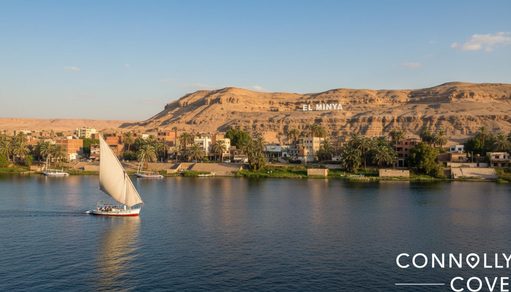

El-Minya, Egypt: Where It Is, Its History and What It Is Known For
Article Summary What this article covers: El-Minya, the city and governorate in Middle Egypt, explained through where it is on the Nile, how it got its name, the...

Article Summary What this article covers: El-Minya, the city and governorate in Middle Egypt, explained through where it is on the Nile, how it got its name, the...
Article Summary What this article covers: Lesser-known attractions in Al-Minya, the Middle Egypt governorate between Cairo and Luxor, from Hatshepsut’s rock temple at Istabl Antar to Hadrian’s city...
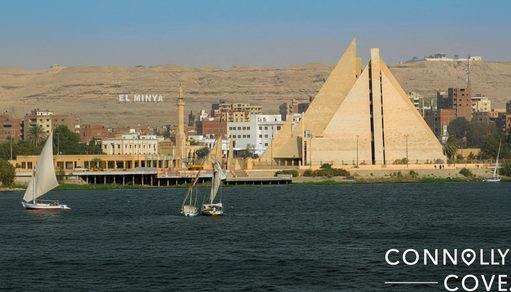
Article Summary What this article covers: Things to do in Al-Minya, the Middle Egypt governorate between Cairo and Luxor, from Akhenaten’s capital at Tell el-Amarna and the painted...

Article Summary What this article covers: Who King Tutankhamun was, how his tomb was found in 1922, what was buried with him and where his mummy, tomb and...

Article Summary What this article covers: The Pharaonic Village in Cairo, a living history museum on Jacob’s Island in the Nile, with its history, the canal boat ride,...
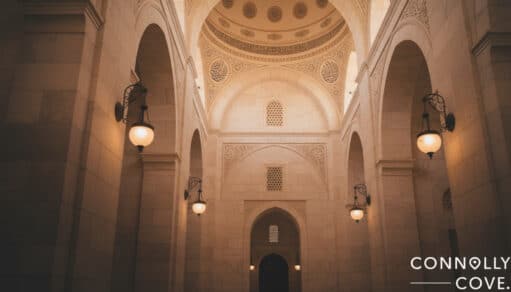
Article Summary What this article covers: The history, architecture and practical visiting details of the Muhammad Ali Mosque, the Ottoman-style Alabaster Mosque on the summit of the Citadel...

Article summary What this article covers: A practical travel guide to Port Said in Egypt, covering its main tourist attractions, its history as the Mediterranean gateway to the...

Article summary What this article covers: Why Luxor is called the world's greatest open-air museum, what to see on each bank of the Nile, how the Karnak Open...

Article Summary What this article covers: Things to do in Nuweiba, the Bedouin coastal town on the Gulf of Aqaba in Egypt's South Sinai, from reefs and beach...

Article Summary What this article covers: Things to do in Hurghada, Egypt, from the Giftun Island reefs and the resort bays to the old town of El Dahar,...

Article Summary What this article covers: Who built Karnak Temple in Egypt and when, what to see inside the complex, how to plan a visit from Luxor, and...

Article summary What this article covers: A practical guide to El Gouna, the private resort town on Egypt's Red Sea coast. It covers the town's history, neighbourhoods, gate...

Article summary What this article covers: The history of the three Pyramids of Giza and the Great Sphinx, the evidence about who built them, how they compare with...

Article Summary What This Article Covers: The history, architecture, landmarks, cafés and practical visiting details of Downtown Cairo (Wust al-Balad), the city centre laid out under Khedive Ismail...

What this article covers: A north-to-south walking guide to Al Muizz Street and Khan Al Khalili in Islamic Cairo, with the history of each main monument, advice on...

Article Summary Ramadan in Cairo, Egypt, is the subject of this guide, which covers the traditions, food and daily rhythm of the holy month and the practical changes...
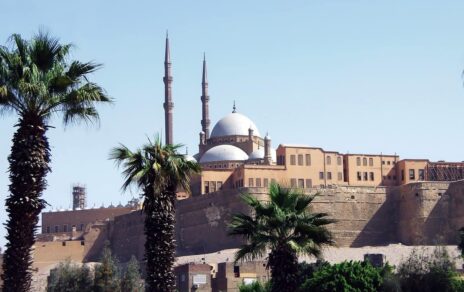
Article Summary What this article covers: The history, mosques, palaces and museums of the Cairo Citadel (the Citadel of Salah El-Din), with practical advice on tickets, getting there...

Article Summary What this article covers: How Alexandria Beach works in practice, from public and private beach categories and swimming flags to seafront landmarks, customs and transport in...
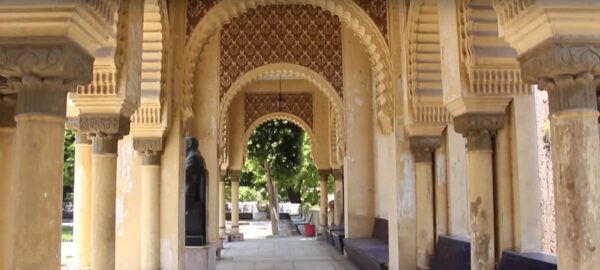
Article Summary What this article covers: El Andalus Park, the Andalusian-style heritage garden on Cairo's Gezira Island. The guide covers its history, its three sections, the Ahmed Shawqi...

Article Summary What this article covers: What you can still see at the Egyptian Museum in Cairo after the Grand Egyptian Museum and NMEC relocations, the building's history,...

Article Summary What this article covers: Bayt Al-Suhaymi, the 17th-century Ottoman house on Darb al-Asfar in Islamic Cairo. It covers the house's history, its rooms, its role as...

Article Summary What this article covers: The National Museum of Egyptian Civilization (NMEC) in Cairo, from the Royal Mummies Hall and main gallery to tickets, opening hours, getting...
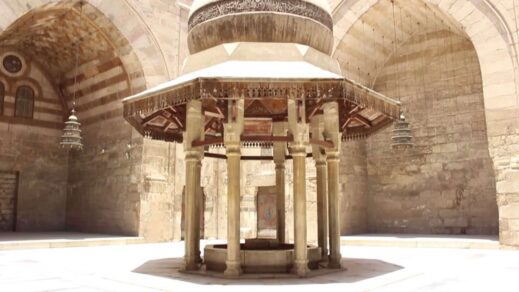
Article Summary What this article covers: The history, architecture and visiting practicalities of the mosques in El Moez Street, organised as a north-to-south walk from Bab al-Futuh to...

Article Summary What this article covers: Things to do in Kafr El-Sheikh, Egypt, arranged as a west-to-east route through the governorate's Nile Delta towns. It runs from the...

Article Summary What this article covers: The history, architecture, submerged archaeology and practical visiting details of the Qaitbay Citadel, the 15th century Mamluk sea fortress standing on the...

Article summary What this article covers: A practical and historical guide to the Alexandria Aquarium Museum in Anfoushi, covering its 1930 origins, its exhibits, ticketing and transport, and...

Article Summary What this article covers: Shubra Beloula, a Nile Delta village in Egypt's Gharbia Governorate that supplies a substantial share of the world's jasmine, and what travellers...
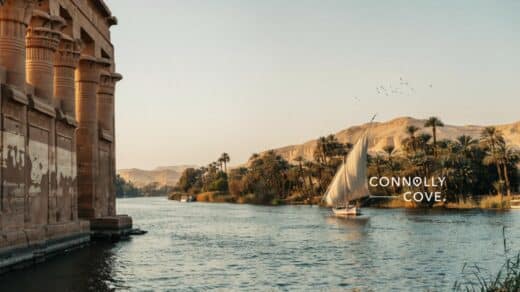
Vacation places to visit in Egypt range from the crowded plateau at Giza to quiet Nubian villages where the Nile still sets the pace of daily life. Most...
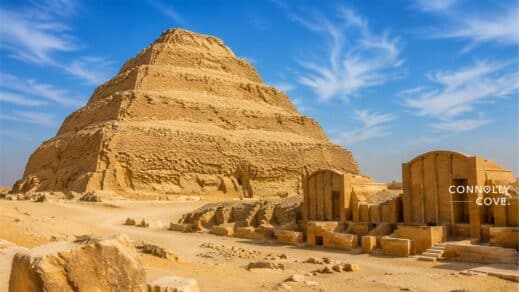
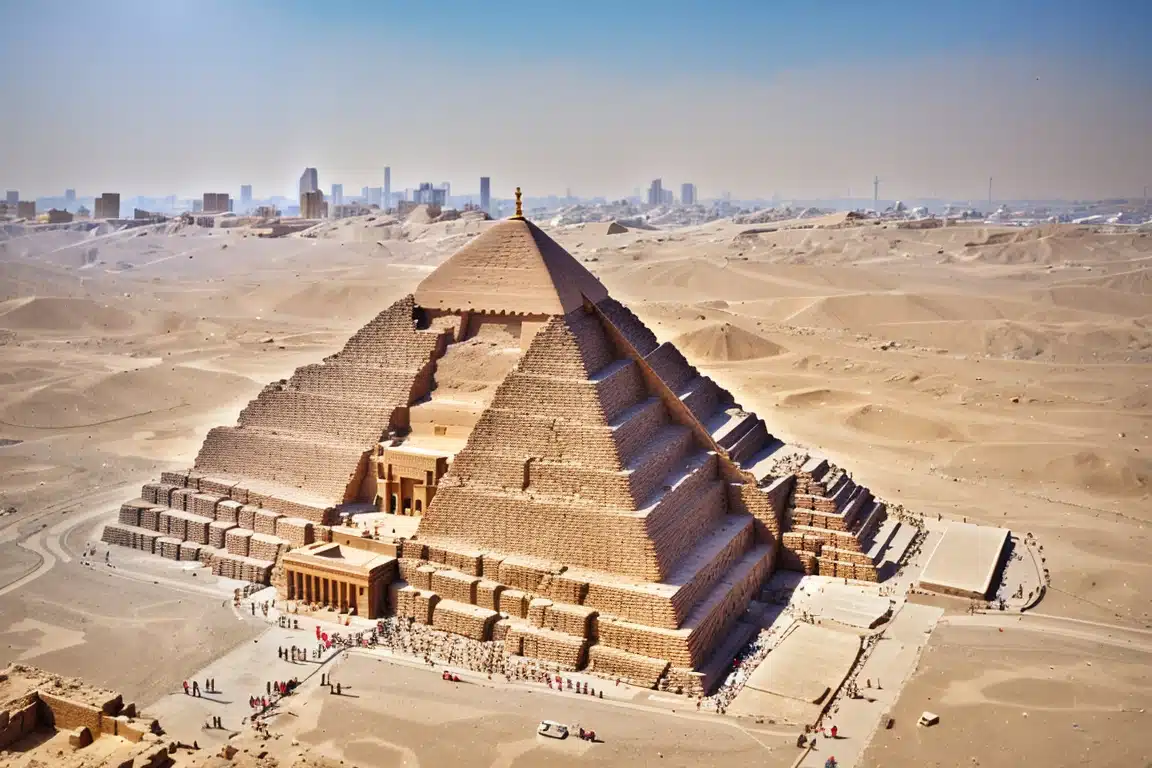
The Pyramid of Djoser at Saqqara is Egypt's oldest complete stone building and the world's first pyramid. Built for a Third Dynasty pharaoh around 2670 BC, it predates...

Status as of July 2026: Giza Zoo remains closed to the public. Egyptian state media reported in mid-2026 that reopening is expected in the last quarter of 2026,...
Egypt, often referred to as the cradle of civilisation, offers one of the most remarkable travel experiences in the world. With its awe-inspiring monuments, timeless landscapes, and rich cultural traditions, it is a country where the past and present come together in fascinating harmony. From the bustling energy of Cairo to the serene banks of the Nile, Egypt promises a journey filled with history, discovery, and unforgettable moments.
No visit to Egypt is complete without exploring its world-famous archaeological sites. The Pyramids of Giza, one of the Seven Wonders of the Ancient World, continue to captivate travellers with their scale and engineering brilliance. Standing nearby, the Sphinx remains a symbol of mystery and strength, its monumental presence guarding the desert sands for thousands of years.
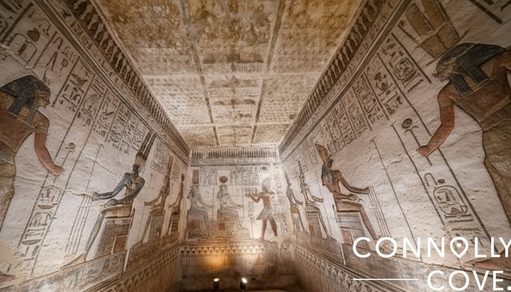
Further south, the temples of Luxor and Karnak reveal the grandeur of the ancient Egyptian civilisation. The Valley of the Kings, where pharaohs including Tutankhamun were laid to rest, offers insights into the art, rituals, and beliefs that shaped one of history’s most remarkable empires.
The Nile River, often called the lifeblood of Egypt, has sustained communities for millennia. Today, a cruise along the Nile provides a unique perspective on the country’s landscapes, linking iconic sites from Luxor to Aswan while offering glimpses of rural life along its fertile banks.
Traditional felucca boats glide across the water as the sun sets, creating scenes that feel timeless. Whether visiting bustling riverside towns or remote archaeological sites, travelling the Nile allows visitors to experience Egypt at a slower, more reflective pace.
Egypt’s capital, Cairo, is a vibrant metropolis where ancient landmarks meet modern urban energy. The Egyptian Museum houses thousands of artefacts, including treasures from Tutankhamun’s tomb, while the historic district of Islamic Cairo offers stunning mosques, madrassas, and bustling souks.
The Khan el-Khalili market, with its labyrinth of stalls selling spices, jewellery, and handicrafts, provides a sensory journey through Cairo’s cultural heart. Nearby, contemporary restaurants, cafés, and art galleries showcase the city’s modern side, blending tradition with innovation.
Beyond the well-known monuments, Egypt is home to countless temples and sacred spaces that reflect its spiritual heritage. Abu Simbel, with its colossal statues of Ramses II, was relocated in a remarkable feat of modern engineering to save it from the rising waters of Lake Nasser.
In contrast, the Temple of Philae, dedicated to the goddess Isis, exudes tranquillity with its island setting and graceful architecture. Each site tells its own story, contributing to Egypt’s reputation as a living museum of human history.
Egypt’s landscapes extend far beyond the Nile Valley. The White Desert, with its surreal chalk rock formations, offers a striking contrast to the golden sands of the Sahara. Adventure seekers can explore oases like Siwa, known for its palm groves, salt lakes, and ancient fortresses.
For divers and beach lovers, the Red Sea resorts of Sharm El Sheikh and Hurghada provide world-class snorkelling, coral reefs, and water sports, adding a coastal dimension to Egypt’s cultural attractions.
Egyptian hospitality is legendary, with visitors often welcomed like family. Traditional cuisine such as koshari, falafel, and aromatic teas reflects the country’s culinary heritage, while music, dance, and storytelling continue to play a central role in its cultural life.
Whether exploring ancient temples, navigating Cairo’s lively streets, or relaxing on the Red Sea coast, travellers will find warmth and generosity at the heart of every Egyptian experience.


