


The Best Guide to West Africa’s Coastal Charms
Updated On: April 23, 2024 by  Fatma Mohamed
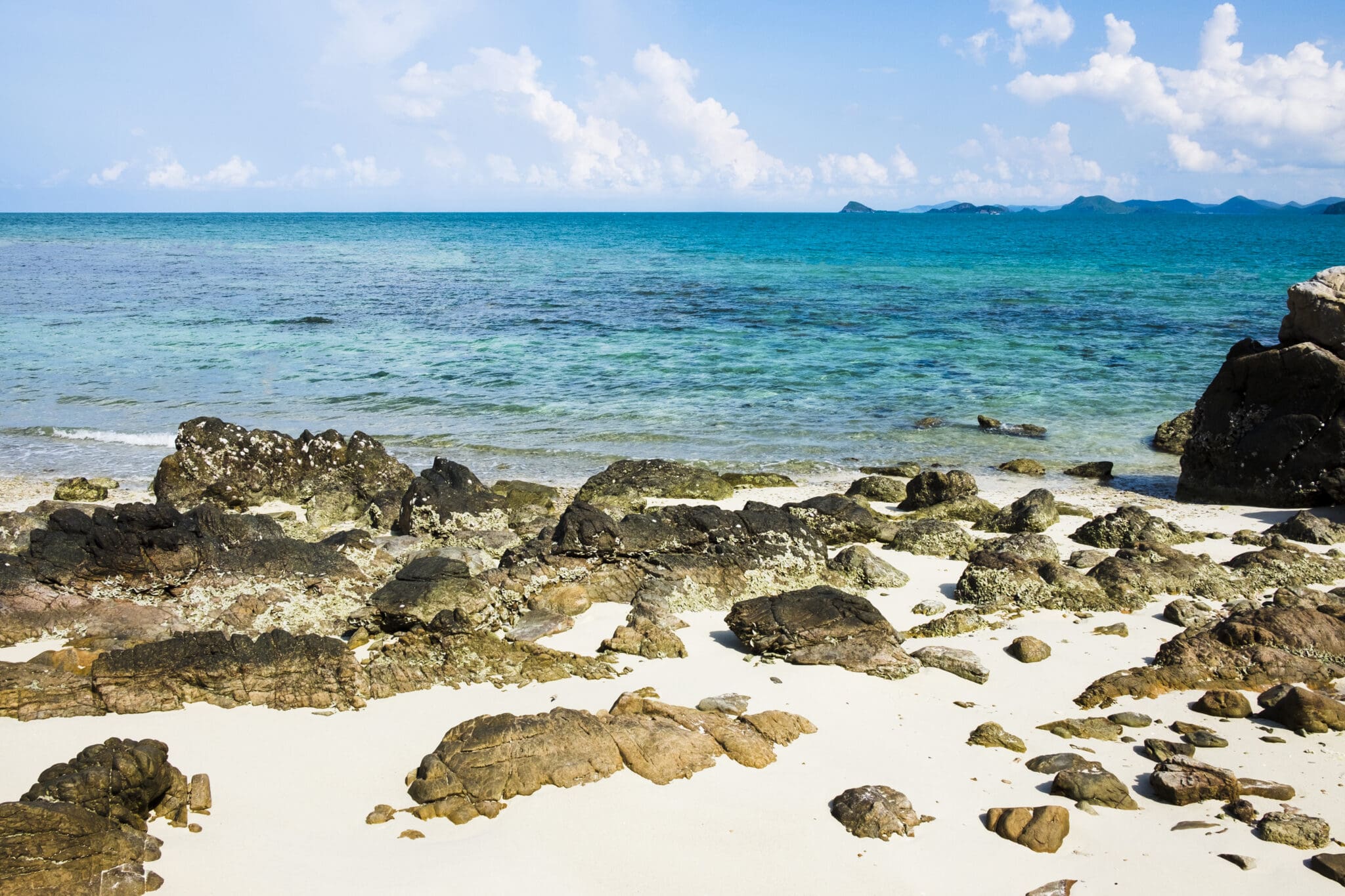
Embark on an enchanting journey along the captivating coastline of West Africa, where the allure extends far beyond the vast savannahs of safari adventures. The coastline invites a chance for relaxation and adventure, with glimmering waters set against a backdrop of luscious landscapes where traditions flourish.
Join us as we discover the hidden jewellery pieces of West Africa’s Coastal Charms, where idyllic beaches meet vibrant cultures in a harmonious dance of beauty and diversity.
Table of Contents
Exploring the Rich History and Culture of West Africa
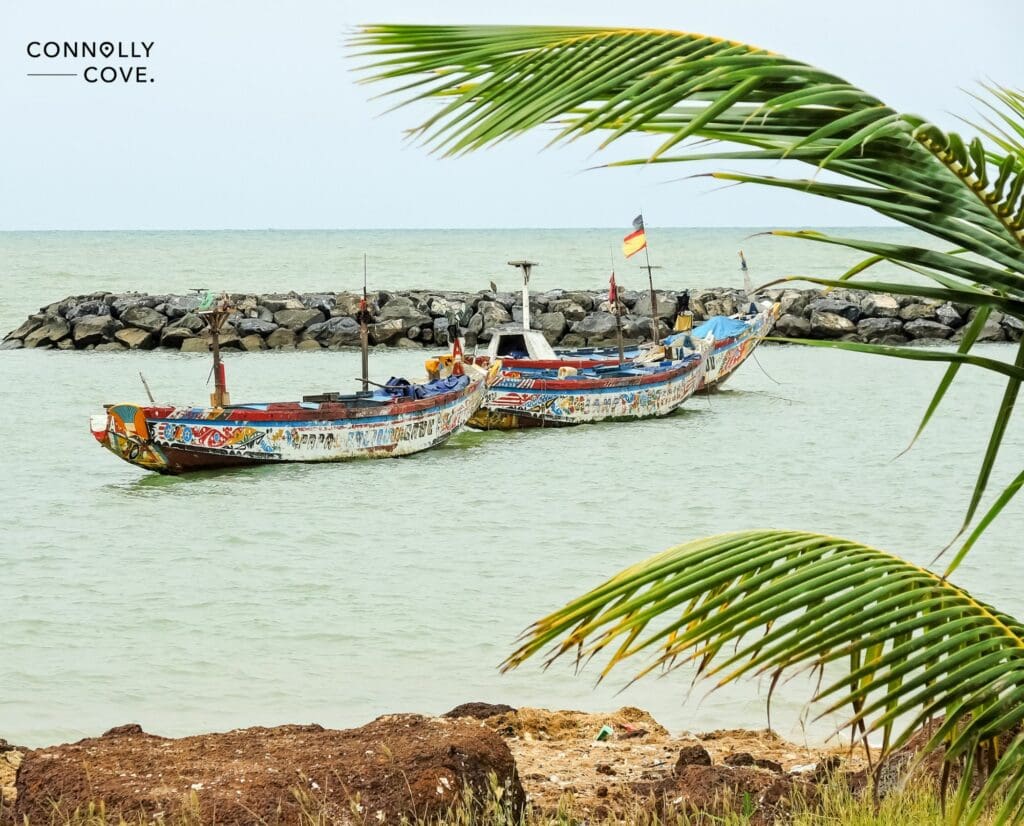
In this section, we uncover the deeply engraved histories and rich cultural tapestry of West Africa, from Ghana’s historical landmarks to the echoes of the past in Senegal’s bustling cities. So, let’s dive into it!
The Story of West Africa
West Africa’s history is a complex web of thriving empires, trade routes, and cultural exchanges. This region is where ancient traditions fuse with historical events to form the unique cultural identity that is celebrated today. We find remnants of once-powerful kingdoms and trade centres, each narrating the region’s past grandeur and significance.
Explore the echoes of the past and the pulsating heartbeat of today as we delve into the compelling and ever-evolving story that defines the essence of West Africa.
Ghana’s Historical Sites
Ghana teems with sites that are keystones in understanding West African history. Castles such as Cape Coast Castle and Elmina stand as sombre reminders of the transatlantic slave trade, serving now as essential sources of education and reflection. These monumental structures are not only historical artefacts but also points of pilgrimage for those who wish to connect with this pivotal period in history.
Senegal’s Vibrant Cities
Senegal boasts a fusion of colonial influences and indigenous heritage, which is especially evident in its vibrant cities. Dakar, the capital, is a city with a pulsating life, rich in arts and music, and deeply intertwined with the country’s culture and history. It stands as a testament to the nation’s journey from a colonial past to a dynamic present.
Immerse yourself in Saint-Louis, with its colonial architecture and lively local markets, offering a glimpse into Senegal’s past and present. From the bustling street life of Thies to the seaside charm of Mbour, Senegal’s cities unfold a tapestry of diversity and energy, inviting you to experience the heartbeat of this West African gem.
The Natural Splendours of West Africa
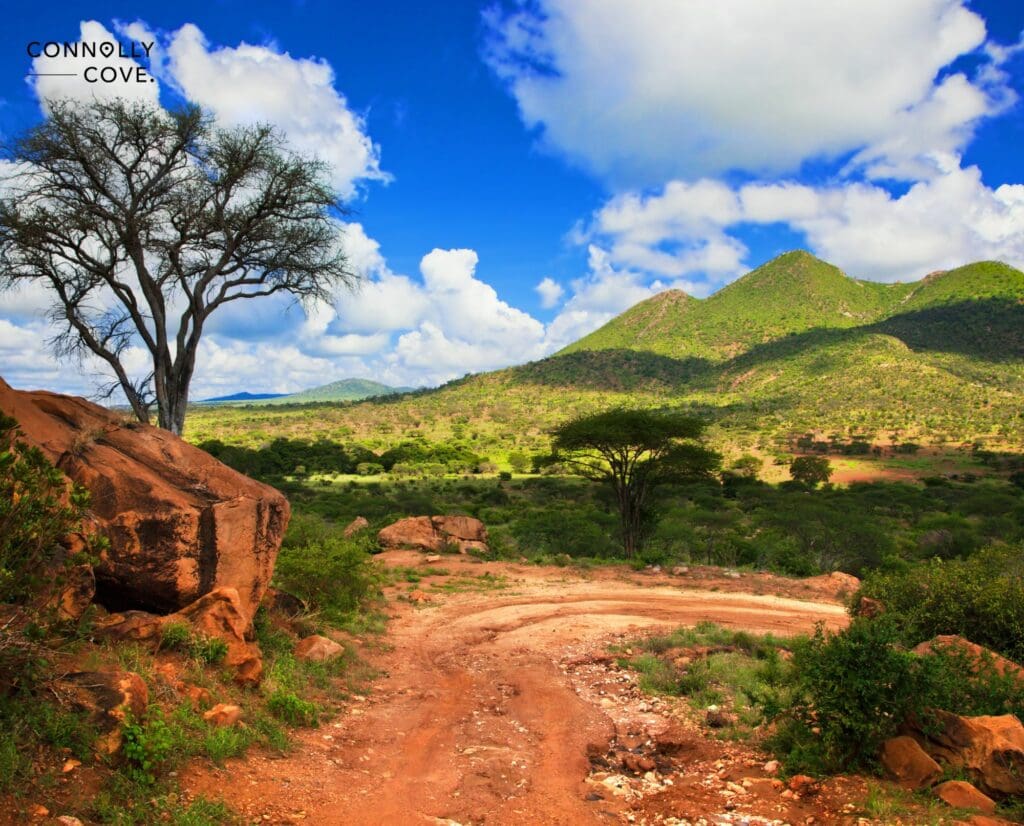
West Africa’s coasts are adorned with a range of ecosystems that offer a vivid tableau of nature’s artistry. From the sweeping savannah to dense mangroves, the region is a testament to the continent’s ecological diversity. In this section, we will provide an overview of this beauty, so let’s dive into it!
Diverse Landscapes
We discover landscapes that are a mosaic of natural wonders in West Africa. The savannah boasts a vast, grassy plain interspersed with acacias and baobabs, creating an iconic African vista. These open areas transition into dense mangroves, protecting the shoreline and providing vital nurseries for marine life.
You can also notice there are several National Parks, such as Pendjari National Park, that offer protected spaces where these diverse environments are preserved and can be experienced in their full splendour. These natural wonders and greenery spaces are such earthy paradises for nature lovers and anyone who is interested in landscape.
Wildlife and Natural Habitats
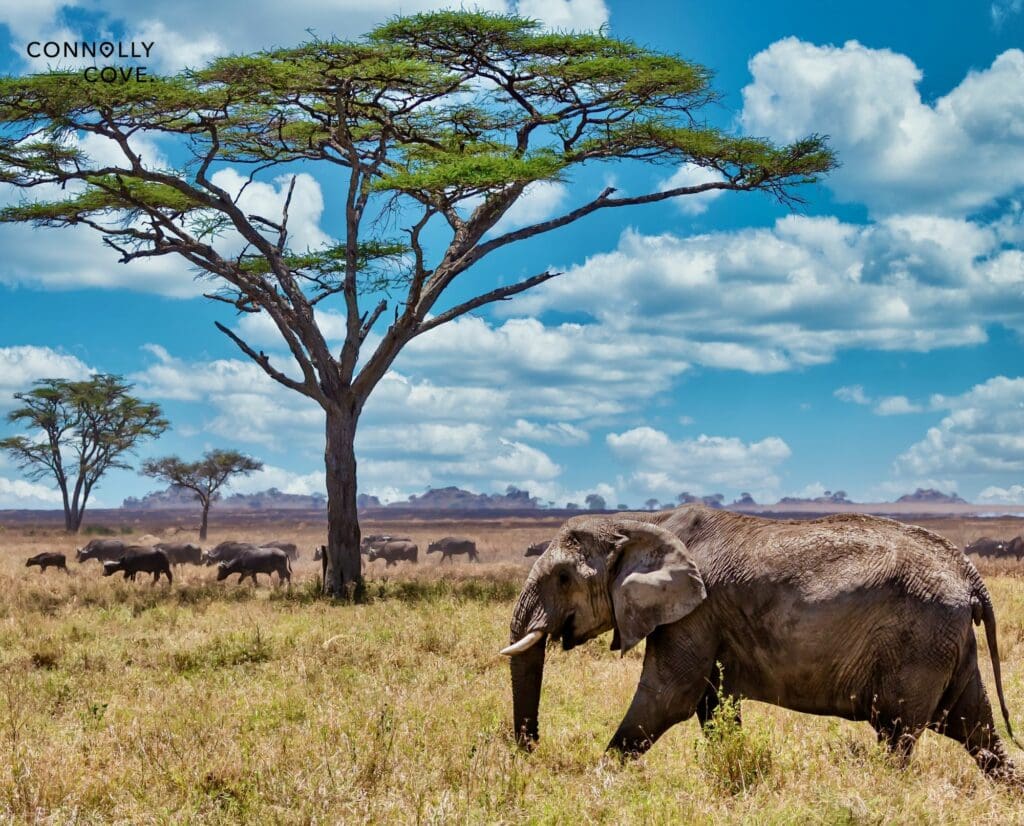
West Africa is home to an incredible array of wildlife. In areas such as Senegal’s wildlife-rich coast, one can encounter creatures ranging from sea turtles to vividly coloured birds. Natural habitats here are complex and varied, crucial for sustaining the delicate balance of life. The region also houses several marine species that rely on the intricate web of coastal ecosystems, including coral reefs. These habitats are integral to the natural heritage and draw visitors who wish to experience West Africa’s wild beauty up close.
Iconic Species of the Region
The breadth of wildlife in West Africa’s coastal areas is impressive, punctuated by significant populations of elephants that can be seen in protected areas such as Loango National Park in Gambon. Loango, a jewel in the crown of West African natural beauty, offers unique opportunities to observe not just these gentle giants but also Gorillas amongst dense rainforests and picturesque lagoons.
Birdwatching in the Gambia
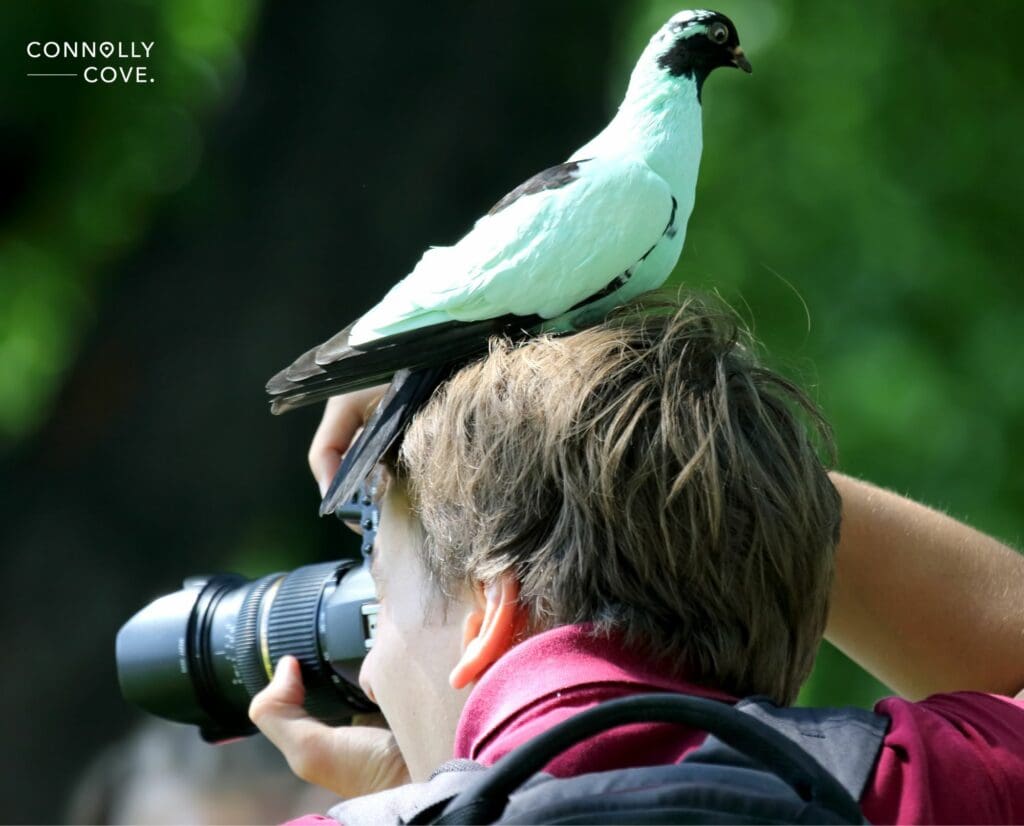
The Gambia, a haven for avid birdwatchers, unfolds a winged spectacle amid its diverse ecosystems. With over 500 avian species, this West African gem attracts bird enthusiasts from around the globe.
The region’s variety of birds, including the vividly coloured kingfishers and the stately African fish eagles, with their distinctive calls echoing through the air.
Marine Life on the Atlantic Coast
Our awe for West Africa’s wildlife continues as we venture into the aquatic realms of the Atlantic Coast. Here, marine life thrives, with vibrant coral reefs acting as bustling metropolises for countless species. Places along the coast, as mentioned in National Geographic, provide visitors with scenes of sea turtles gliding gracefully and schools of fish in a kaleidoscope of colours.
Golden Sands and Crystal Waters
We discover the alluring coastline of West Africa, a region renowned for more than its safaris and deserts. Our journey focuses on the breathtaking shores, where golden sands meet crystal waters to create a serene escape for travellers seeking sun-drenched beaches and thrilling ocean activities.
Discover West Africa’s Beaches
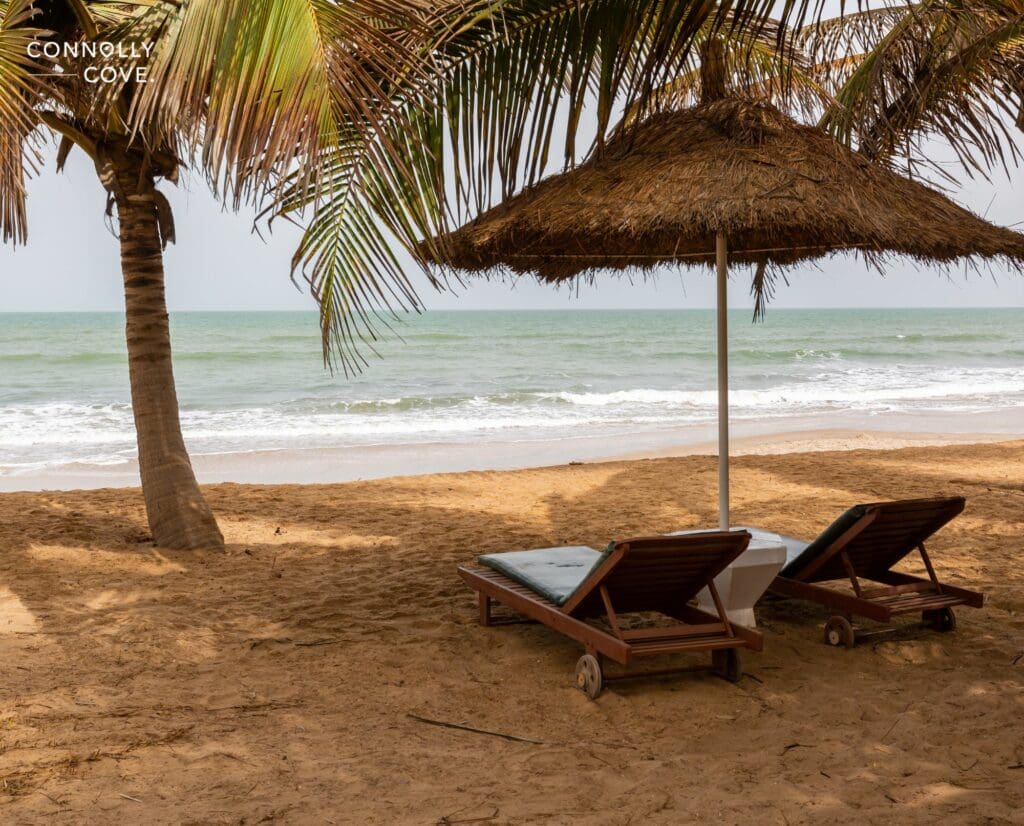
West Africa’s Atlantic coast boasts some of the most picturesque sandy beaches. From the palm-fringed beaches of Ghana to the serene shores of Senegal, each beach offers a unique slice of paradise.
Tourists can find themselves captivated by the long stretches of sandy beaches. These spots are ideal for days spent soaking up the sun or enjoying leisurely walks along the coast.
Ocean Activities and Relaxation
The captivating waters of the Atlantic Ocean are perfect for various water sports and swimming. Whether it’s indulging in the exhilaration of jet skiing or the tranquillity of paddling a canoe, the clear waters provide an idyllic backdrop for both water sports and relaxation.
The Lure of the River
We uncover the unique appeal of West Africa’s waterscapes, where the rhythm of the Gambia River ebbs and flows. These are the perfect escape from the daily crowd life.
Riverine Adventures
The Gambia River, a majestic waterway meandering through West Africa, offers more than just a picturesque setting. Our riverine adventures include fishing expeditions where enthusiasts can cast their lines for the region’s diverse fish species.
For those seeking a more dynamic experience, kayaking along the serene stretches of the river provides a perfect blend of tranquillity and physical challenge.
Cultural Immersion and Local Experiences

Beyond the beautiful landscapes, West Africa offers an incredible tapestry of cultural experiences that promise to engage your senses and enrich your understanding of this diverse region. Let us take you on a journey through vibrant festivals and sumptuous culinary traditions.
Festivals and Traditions
West Africa’s calendar brims with festivals that are a riot of colour, music, and traditional pageantry. It provides a deep dive into the region’s rich cultural mosaic.
In Ghana, you will find the Homowo Festival, a celebration by the Ga people marking the end of a difficult period in their history with dancing, drumming, and food sharing. Meanwhile, Fête du Vodoun in Benin reveals the spiritual depth of Vodun (Voodoo) with ceremonies and vibrant displays of ancestral spirits.
Dakar International Film Festival (Senegal), Cinema takes centre stage in Dakar during this prestigious film festival. From thought-provoking documentaries to captivating feature films, the event showcases the diversity of African filmmaking, fostering cultural exchange and dialogue.
Culinary Journeys
Embarking on a culinary journey through West Africa means savouring dishes that tell the stories of its people and landscape. Markets bustle with the exchange of flavours—a place where food becomes a language of its own.
Discover the bold aromas of Senegalese Thieboudienne, a rich fish and rice dish, or indulge in the spicy Jollof rice, contested by many nations as their own culinary crown jewel. Our taste for adventure guides us to these authentic flavours, where each dish narrates its own segment of West African history.
Urban Explorations: West Africa’s Cities
West Africa is home to an array of vibrant cities, each bustling with life and colour. From the rhythmic pulse of Dakar to the vivid energy of Accra, these urban centres offer a tapestry of experiences for the urban explorer.
The Bustling Life of Dakar
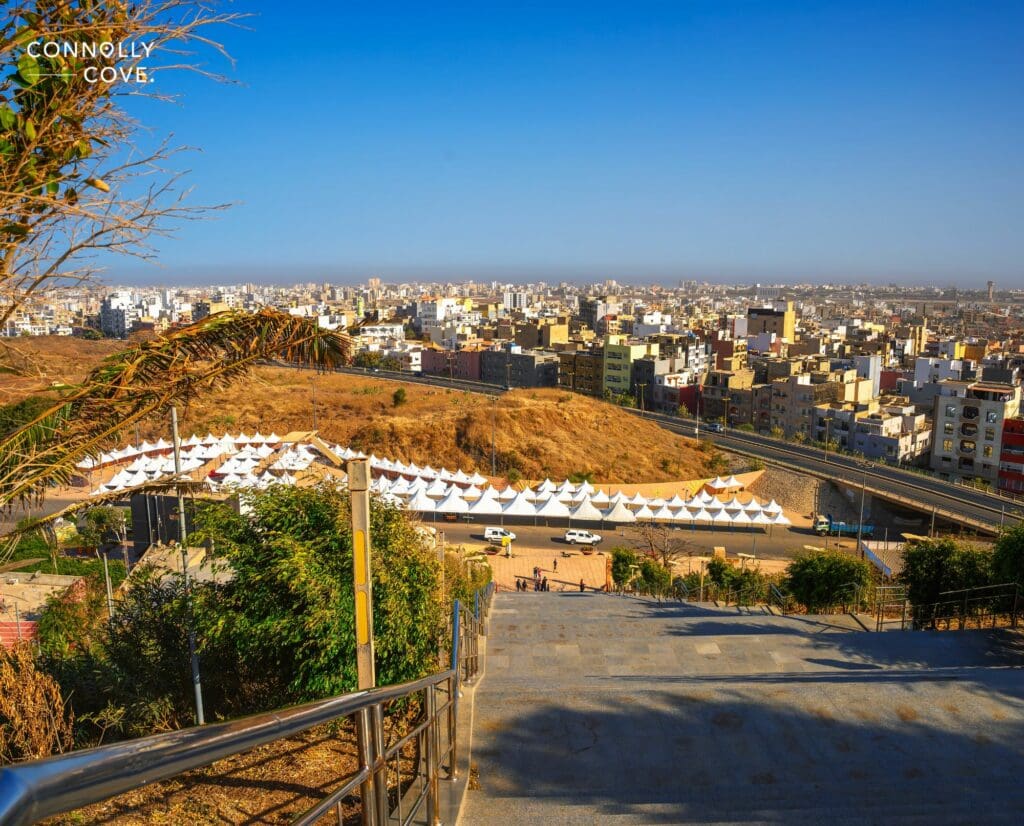
Dakar, the capital of Senegal, emerges as a city of contrasts and relentless energy. Its population keeps growing as people from all walks of life converge, creating a cultural mosaic. Marché Sandaga stands as the heart of Dakar’s commercial vibrancy, a place where the cacophony of haggling voices and the rich smells of street food testify to the city’s dynamic urban life.
Our exploration here isn’t confined to daylight; Dakar’s nightlife is equally magnetic, offering lively music scenes that resonate with the beat of the city.
Accra’s Colourful Atmosphere
In Ghana’s capital, Accra, the atmosphere is charged with history, innovation, and tradition. With significant population growth, Accra expands into a sprawling metropolis where the old meets the new. Boldly coloured fabrics cascade from the stalls of Makola Market, a testament to the city’s lively commerce and entrepreneurial spirit.
Accra’s urban life spills out onto the streets, where the aroma of traditional dishes mingles with the city’s ocean breeze. The city’s thrust towards modernisation is reflected in the skyline, yet the beats of highlife music echo its enduring heritage.
Our journey through these urban landscapes showcases the richness of West Africa’s cities—far from the safaris and deserts, they stand proud with open arms, inviting the world to discover their unique allure.
Seasonal Weather and Best Times to Visit
West Africa’s coastal regions offer a vivid tapestry of weather patterns that greatly influence the best times for a visit. We will guide you through understanding the climate and planning your travel around the rainy season.
Understanding the Climate
West Africa’s climate is predominantly tropical, characterised by distinct dry and rainy seasons. The dry season typically spans from October to March, when conditions are more arid due to the harmattan winds, creating a hazy atmosphere with cooler temperatures. This period generally promises clearer skies and is considered by many as the best time to visit, especially for wildlife viewing, as animals congregate around water sources.
Planning Around the Rainy Season
The rainy season sees most of its downpours between April and September, with the peak generally occurring from June to July. The rain can transform the landscape into a lush, green expanse, ideal for birdwatching and enjoying the verdant scenery. However, travel can be more challenging due to wet conditions and the potential for flooding in certain areas.
Travel Tips and Practical Information
Visa Requirements: Before setting off to West Africa, it’s crucial to check visa requirements for the specific countries you plan to visit. Many West African nations require visas for entry, and regulations can vary significantly.
Best Time to Visit: Climate can vary widely; however, the dry season, typically from November to April, is often considered the best time for travelling to coastal regions.
- Cultural Etiquette: Familiarise yourself with local customs. A polite understanding of cultural norms, such as greetings and dress codes, can enhance interactions with locals and show respect for the community.
- Currency: Ensure you have access to local currencies, as international credit cards may not always be accepted, especially in rural areas.
Language: While French is widely spoken across several West African countries, English and Portuguese are also common in certain regions, along with hundreds of local languages.
Safety and Health Considerations
Vaccinations: Consult with a healthcare professional at least two months prior to departure to ensure you receive all required vaccinations and health advice.
Travel Insurance: Adequate travel insurance is indispensable; make certain it covers medical evacuation and activities you plan to undertake.
- Local Health Facilities: Familiarise yourself with the locations of reputable health facilities should you require medical attention during your travels.
- Safety Precautions: Stay informed about the political situation and adhere to local advice regarding areas to avoid. Increasing safety awareness is paramount when interacting with wildlife or during activities such as swimming, where strong currents can pose risks.
Conclusion
Our journey reached its last station; we traversed the vibrant landscapes of West Africa and discovered that there is so much more to this region than the traditional safaris and arid deserts often portrayed in mainstream media. We hope this guide will be helpful in your next adventure to West Africa.
Top Things To Do in Hamburg: A Hamburger’s Guide!
Germany
27/04/2024
Take a Look at the Astounding Scenery of County Kerry
County Kerry
27/04/2024

Famous Haunted Houses in Egypt: Spooky Stories for Halloween
Destinations
27/04/2024

St. Paul’s Cathedral – London Attractions
England
27/04/2024

Great Scotland Yard – London Attractions
England
27/04/2024