

Explore the Best Time To Visit Scotland
Updated On: April 25, 2024 by  Fatma Mohamed
Discovering the enchanting landscapes and rich history of Scotland is a dream for many travellers. If you are wondering about the best time to visit Scotland weather-wise, you have come to the right place. In this guide, we will navigate through the varying seasons, unveiling the picturesque beauty that each one brings. So, whether you’re drawn to the vibrant hues of spring, the endless days of summer, the crisp air of autumn, or the cosy charm of winter, let’s explore the best time to visit Scotland and make the most of your Scottish adventure.
Table of Contents
Overview of Scotland’s Diverse Climate
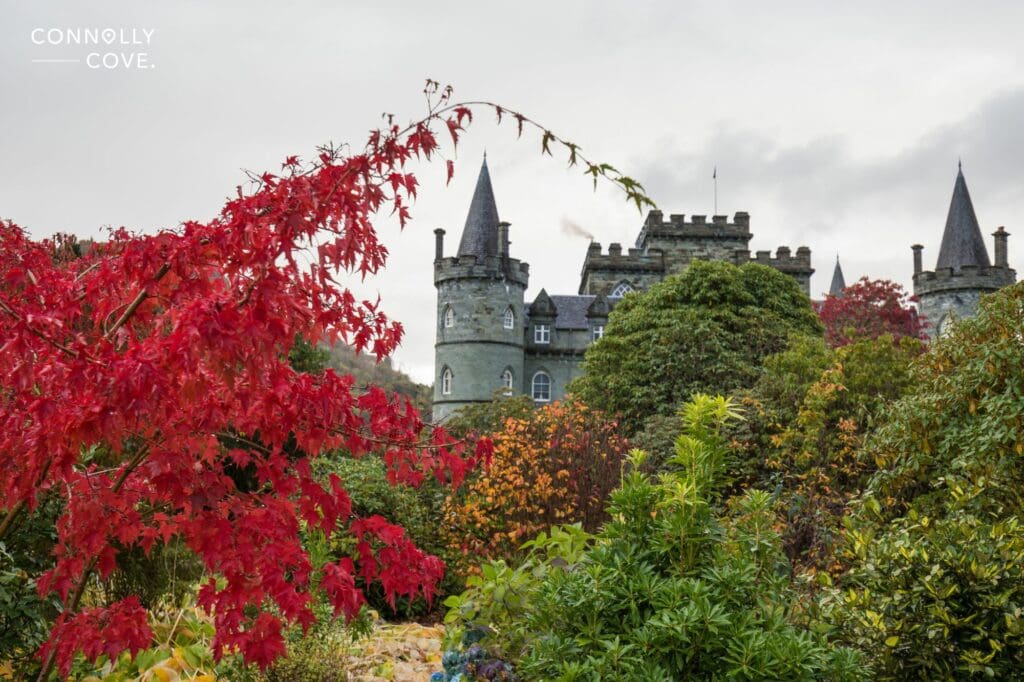
Scotland’s climate is characterised by its diversity, influenced by its northern latitude, proximity to the Atlantic Ocean, and varied topography. The climate of the country is temperate and maritime, which results in mild temperatures, moderate rainfall, and often unpredictable weather patterns. Understanding this diversity is crucial when planning a visit to make the most of Scotland’s unique atmospheric conditions.
Highlighting the Variability in Weather Across Regions
Scotland’s landscape is characterised by diverse regions, each offering a distinct climate experience. Let’s dive into some of Scotland’s regions.
- Western Coastal Areas: Enjoy relatively mild temperatures as a result of the Gulf Stream’s warming effect. Expect more consistent, but sometimes wetter, weather.
- Eastern Regions: Experience cooler temperatures and lower precipitation compared to the west. Winters may be colder, and summers may be slightly warmer, creating a subtle contrast.
- Highlands: Elevations significantly impact climate, with cooler temperatures and the possibility of snow in the winter. Summers are generally cooler compared to lowland areas.
- Islands: Each island group, such as the Inner and Outer Hebrides, has its own microclimate, influenced by its size, elevation, and proximity to the sea.
Understanding these regional variations is key to planning a trip that aligns with personal preferences and desired activities. Whether seeking the milder climes of the west, the distinct seasons of the east, or the rugged beauty of the Highlands, Scotland’s diverse climate offers something for every traveller.
Best Time to Visit Scotland for Good Weather
Scotland’s weather might paint a picture of constant drizzle, but fret not, intrepid traveller! Beneath the moody exterior lies a hidden gem: seasons bursting with sunshine and comfortable temperatures. Whether you crave outdoor adventures or city explorations, let’s unveil the secrets to finding the perfect weather window for your Scottish escape.
The best time to visit Scotland for good weather is during the months of May and September. These months offer long days, plenty of sunshine, and comfortable temperatures without the large crowds of peak tourist season in July and August.
May and September – Long Days and Sunshine Without Crowds
May and September are great times to visit Scotland. The days are long, giving you more time to enjoy the sights. You can expect a lot of daylight and not too many people around during these months.
During the spring and fall seasons, almost all tourism businesses are open. So, there is plenty for you to see and do! Many tourists come in July and August, so by picking May or September, you get more peace.
This means fewer lines at top spots like castles and sights in the Scottish Highlands. It also gives you more chances for quiet moments with nature. If good weather without crowds sounds nice, think about a trip in May or September!
July and August – Peak Season for Festivals
July and August are the peak months for festivals in Scotland. It is an exciting time to visit if you enjoy music, arts, and cultural events. These months offer a vibrant atmosphere, with numerous festivals taking place all across the country.
From Edinburgh’s famous Fringe Festival to traditional Highland games, there is something for everyone to enjoy. However, it’s important to note that during this time, tourist spots can get crowded, and prices may be higher than usual.
So, if you prefer fewer crowds and lower prices, it might be better to plan your trip during other times of the year.
October to April – Perfect for Northern Lights and Cosy Nights
During the months of October to April, Scotland offers a perfect opportunity for nature lovers and history buffs to experience the beauty of the Northern Lights and cosy nights. This time of the year is ideal for anyone who appreciates Scotland’s natural wonders.
With fewer tourists around, you can fully immerse yourself in the tranquil ambience while taking in the breathtaking spectacle of the Northern Lights dancing across the night sky. The chilly weather also provides an excellent excuse to cosy up by a warm fireplace with a cup of hot cocoa or explore Scotland’s rich history through its castles and ancient ruins.
Best Time to Visit Scotland for Lower Prices and Fewer Crowds
Late spring and early fall are perfect times to visit Scotland for lower prices and fewer crowds, allowing travellers to fully experience the beauty of the Scottish Highlands without the hustle and bustle of peak tourist season.
Winter months also offer lower prices and availability, making it a great option for those looking for a budget-friendly trip. Avoiding the crowded months of July and August ensures a more peaceful and relaxed exploration of Scotland’s stunning landscapes and attractions.
Additionally, travelling during late spring or early fall often means taking advantage of discounted rates on accommodations and activities compared to the peak tourist season in summer.
Impact of Peak Tourist Seasons on Crowds and Prices
Navigating the best time to visit Scotland involves careful consideration of crowds and pricing, as they are intricately linked to the seasonal ebb and flow of tourists. During the peak tourist seasons, typically in the summer months from June to August, Scotland experiences a flood of visitors eager to explore its landscapes and cultural attractions. This surge in demand often leads to increased crowds at popular sites, longer queues, and higher accommodation and activity prices. Planning a trip during these peak times requires a strategic approach to ensure a more enjoyable and cost-effective experience.
Cost-Saving Strategies During Off-Peak Times
For those seeking a more serene and budget-friendly Scottish adventure, venturing during the off-peak seasons presents a compelling alternative. From late autumn to early spring, Scotland experiences lower tourist numbers, resulting in reduced prices for accommodations, tours, and activities. Travelling during this period not only allows for a more intimate experience at popular sites but also allows an opportunity to immerse oneself in the authentic charm of Scotland without the hustle and bustle.
Consider the Following Cost-Saving Strategies:
- Off-Peak Accommodation Deals: Many hotels and guesthouses offer discounted rates during the quieter months. Take advantage of special packages and promotions to secure comfortable lodging at a more affordable price.
- Flexible Travel Dates: Being receptive to changing travel dates lets you capitalise on lower airfare and transportation costs. Mid-week flights and accommodations are often more budget-friendly than weekend options.
- Off-Peak Tours and Activities: Explore Scotland’s attractions with fewer crowds by opting for tours during off-peak times. Many tour operators offer discounted rates outside of the high-demand months.
- Local Dining Deals: Take advantage of seasonal menus and dining promotions offered by restaurants during quieter periods. Exploring local eateries can provide a taste of Scottish cuisine without breaking the bank.
Special Events and Festivals
Scotland’s cultural tapestry is woven with a vibrant array of events and festivals, each offering a unique glimpse into the nation’s rich heritage. Whether you are a history buff, music aficionado, or simply seeking lively celebrations, Scotland has something special to offer throughout the year. Annual highlights Include:
- Edinburgh Festival Fringe (August): The world’s largest arts festival transforms the capital into a creative hub, featuring a plethora of performances, comedy shows, and artistic exhibitions.
- Royal Edinburgh Military Tattoo (August): Held against the stunning backdrop of Edinburgh Castle, this spectacular event showcases military precision, music, and dance from around the world.
- Up Helly Aa (January): Witness the fiery spectacle of this Shetland Islands festival, where torch-wielding Vikings parade through the streets in a dramatic homage to Norse traditions.
- Glasgow Film Festival (February/March): Movie enthusiasts can revel in this cinematic extravaganza, featuring premieres, screenings, and Q&A sessions with filmmakers.
Top 5 Destinations in Scotland
Here are five popular destinations in Scotland, each with a unique appeal.
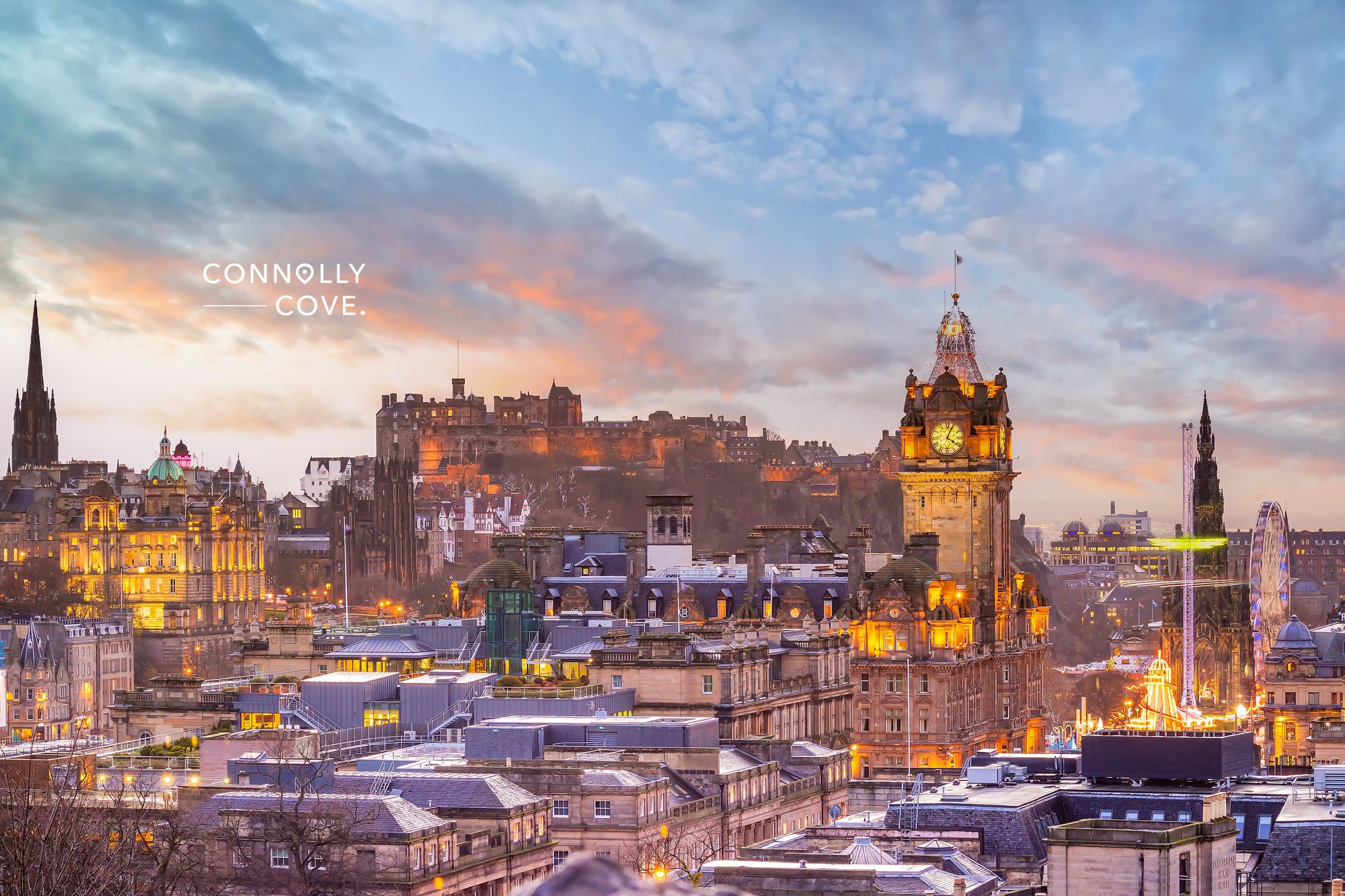
1. Edinburgh: Edinburgh, Scotland’s capital city, is a must-visit for any traveller. Its iconic castle, charming Old Town, and world-renowned festivals make it a vibrant and exciting destination.
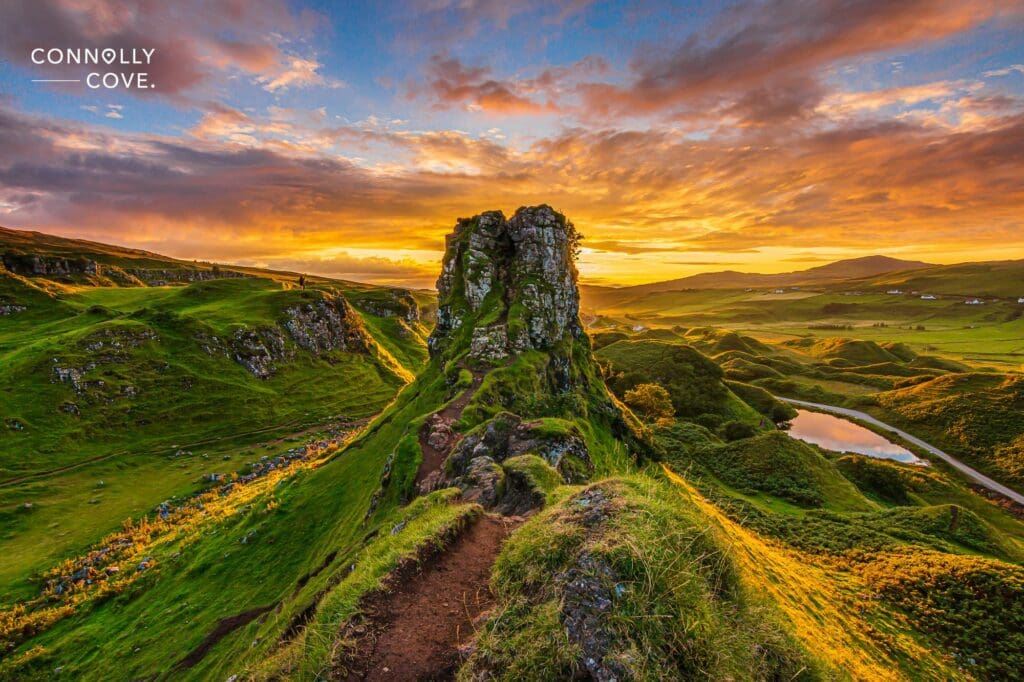
2. Isle of Skye: Nicknamed “The Misty Isle,” Skye is a stunning island with dramatic cliffs, otherworldly landscapes, and a rich cultural heritage. Hiking, exploring fairy pools, and witnessing the Old Man of Storr are just a few of the activities you can enjoy here.
3. Loch Ness: Home to the legendary Loch Ness Monster, this freshwater loch is surrounded by breathtaking scenery and charming villages. Enjoy a boat cruise on the loch, visit Urquhart Castle, or hike through the nearby Glencoe Valley.
4. St Andrews: Known as the “Home of Golf,” St Andrews is a historic town with a thrilling atmosphere. Tourists are able to wander through the cobbled streets and enjoy a round of golf on one of the world’s oldest courses.
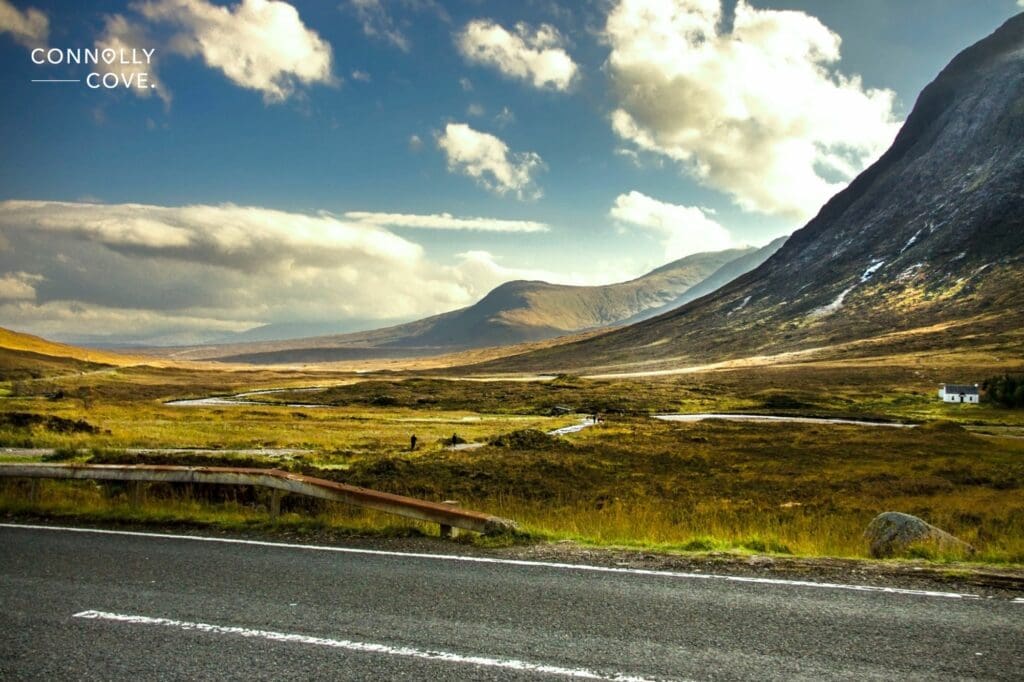
5. Glencoe Valley: This hauntingly beautiful valley is steeped in history and cinematic glory. Hike through the dramatic landscape, learn about the Glencoe Massacre, and enjoy stunning views of the surrounding mountains.
Last Words
So, dear traveller, have we dispelled the myth of Scotland’s perpetually gloomy weather? Each season unveils a unique tapestry, offering something special for every explorer. Whether you crave sunshine-filled hikes, cosy pub evenings under autumn foliage, or vibrant cultural festivals, remember Scotland is not a destination; it’s an experience waiting to be embraced. So, plan your trip now, and we are waiting for you to tell us about your Scottish adventure.
Albert Memorial – London Attractions
England
28/04/2024

Cuffs Bar and Grill: The Jewel of Crumlin Gaol
Food and Cuisine
28/04/2024

Discover the Best Scottish Golf Courses for an Unforgettable Golf Break
Scotland
28/04/2024
Irish Folklore: Mythical Monsters and Terrifying Creatures
Ireland
28/04/2024
Discover the Best Scenic Drives in Northern Ireland
Northern Ireland
28/04/2024