

Explore the Amazing Water Sports in Northern Ireland
Updated On: April 15, 2024 by  Fatma Mohamed
Dive into the exhilarating world of water sports amidst the stunning landscapes of Northern Ireland, where adventure meets the embrace of nature. In this Ultimate Guide to Water Sports, we unlock the aquatic treasures this picturesque region offers.
From the untamed waves of the North Atlantic to the tranquil lakes surrounded by lush greenery, Northern Ireland is a haven for water enthusiasts. Whether you’re a seasoned adventurer or a beginner seeking a refreshing splash into the unknown, join us as we navigate the diverse waters, unveiling the best spots, thrilling activities, and expert tips that make Northern Ireland a premier destination for water-based excitement.
Get ready to ride the waves, paddle through serenity, and explore the aquatic wonders that await in this captivating guide to water sports in Northern Ireland.
Table of Contents
Best Water Sports in Northern Ireland
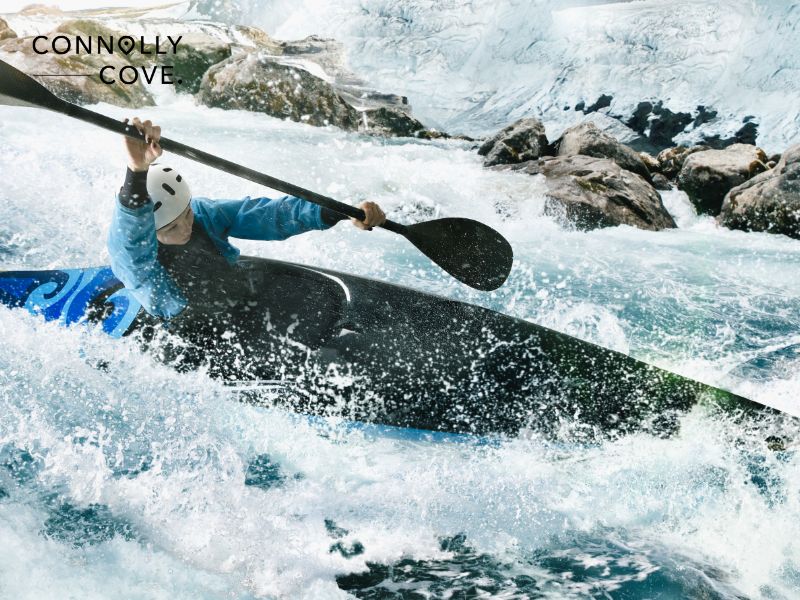
Northern Ireland offers a plethora of exciting water sports for adventure enthusiasts, including surfing, water skiing and wakeboarding, kitesurfing, canoeing and kayaking, coasteering, diving, and fishing.
Surfing
Surfing in Northern Ireland is a must-try activity during your visit to Northern Ireland. The waves here are the best in the world. No spot is too far from the coast, so you are never more than 70 miles from great surf.
For beginners or skilled surfers, there are options for everyone. So, get your surfing equipment and get ready to ride some exciting Irish waves!
Water Skiing and Wakeboarding
Northern Ireland offers thrilling water skiing and wakeboarding experiences amidst its stunning landscapes. The region’s pristine lakes and rivers provide an ideal playground for enthusiasts seeking adventure on the water.
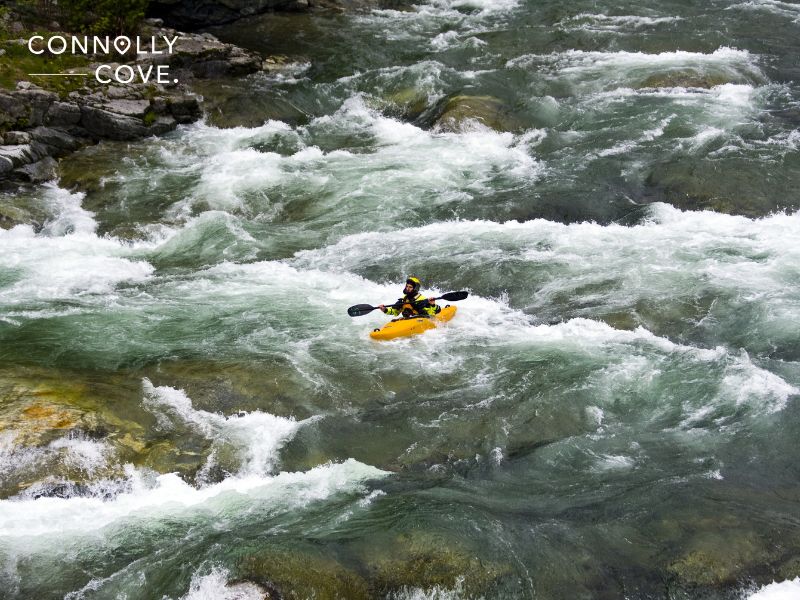
Whether you’re a seasoned pro or a beginner, Northern Ireland’s water skiing and wakeboarding scene caters to all levels of expertise. With professional instructors and top-notch facilities, you can glide across the shimmering waters, surrounded by the picturesque beauty of the Northern Irish countryside. Immerse yourself in the exhilarating world of water sports, where the perfect blend of adrenaline and natural beauty awaits.
Kitesurfing
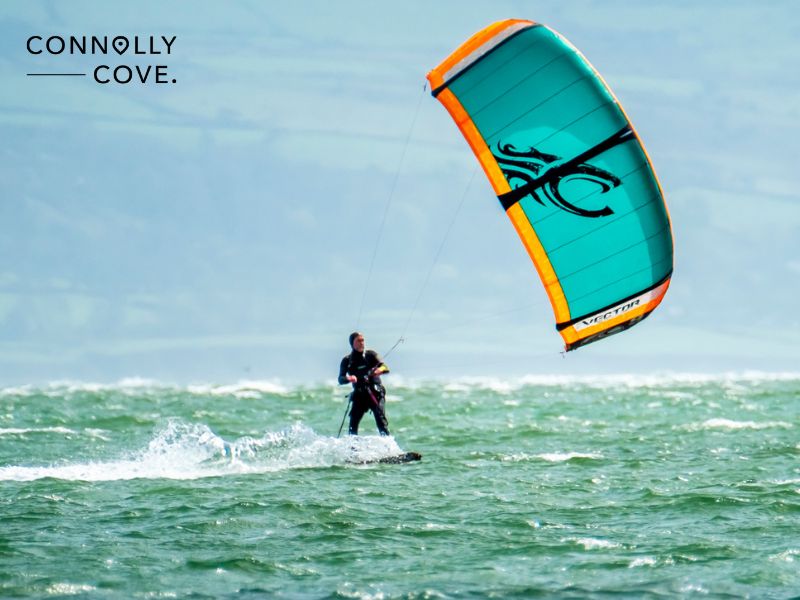
Kitesurfing is an exhilarating water sport that combines elements of surfing, wakeboarding, and kite flying. With its beautiful coastline and windy conditions, Northern Ireland offers the perfect setting for kitesurfing adventures.
Whether your experience level as a rider, there are many spots along the coast where you can catch some waves and soar through the air. One popular destination is Portrush on the Causeway Coast, known for its consistent winds and stunning scenery.
Another great spot is Ardglass in County Down, offering a mix of flat-water areas and small waves. If you are looking to learn or improve your skills, there are several kitesurfing schools and instructors available throughout Northern Ireland who can provide lessons or equipment rental.
Canoeing and Kayaking
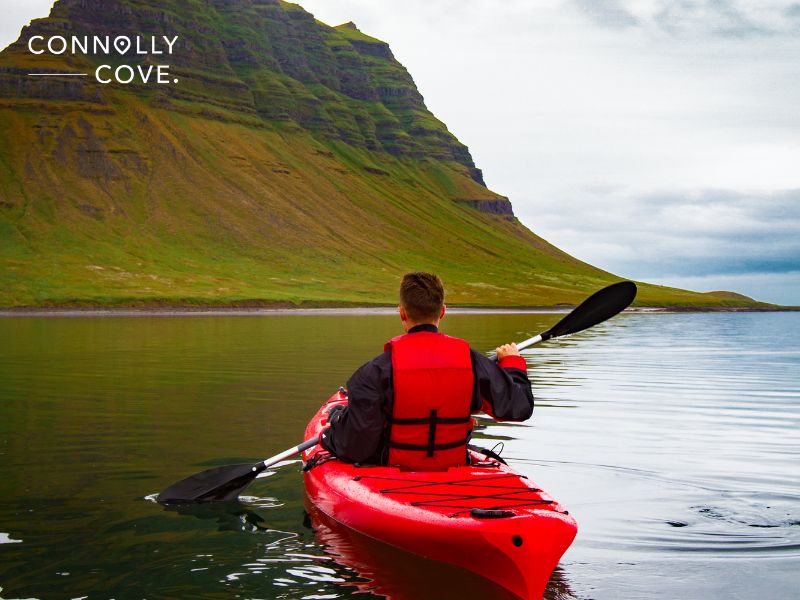
Canoeing and kayaking are fantastic ways to explore the stunning scenery of Northern Ireland, offering a unique perspective on its hidden gems and dramatic coastlines. Whether you are a seasoned paddler or a curious beginner, there’s an adventure waiting for you in the calm waters of its loughs, rivers, and coastal areas.
From peaceful rivers to challenging rapids, there are options available for all skill levels. So, grab your paddle, hop into a kayak or canoe, and get ready for an unforgettable water adventure in Northern Ireland!
Coasteering
Coasteering is a thrilling water activity that combines rock climbing, swimming, and cliff jumping along the coastline of Northern Ireland. It’s perfect for adventure travellers who are looking to explore the beauty of the coast.
As you navigate your way through caves, cliffs, and powerful waves, you will get an up-close experience with nature. The exhilaration of leaping off cliffs into the crystal-clear waters below is unmatched. So, put on your wetsuit and helmet, grab a guide from one of Northern Ireland’s adventure centres, and get ready for an unforgettable coasteering adventure!
Diving
If you are a water sports enthusiast visiting Northern Ireland, diving is an activity not to be missed. With its crystal-clear waters and the variety of marine life, Northern Ireland offers a unique diving experience.
Regardless of your diving experience level, there are plenty of dive sites to explore along the coast. From shipwrecks to vibrant underwater landscapes, each dive will bring new discoveries.
The safety of divers is also taken seriously in Northern Ireland, with professional dive centres offering guidance and a chance to rent the needed equipment. So, get ready for an unforgettable underwater adventure in Northern Ireland!
Fishing
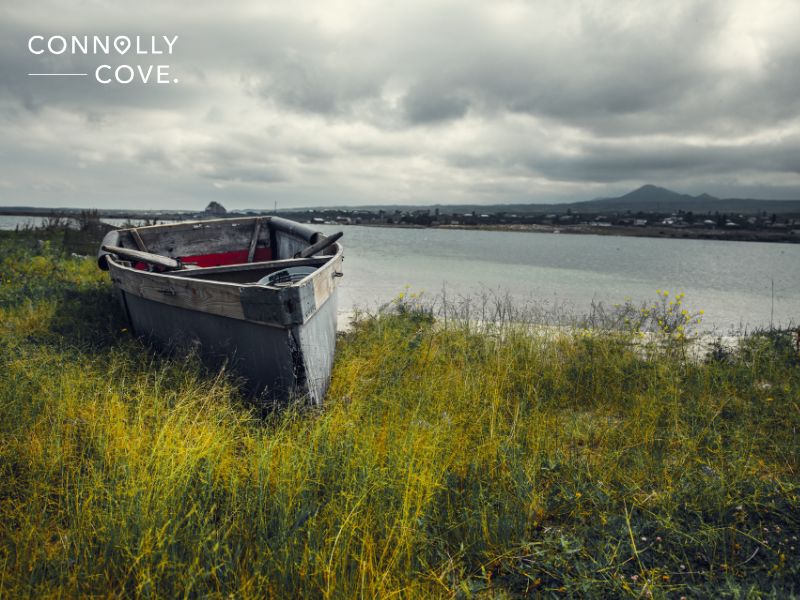
Northern Ireland boasts an angler’s paradise with its diverse and abundant fishing opportunities. From serene lakes to meandering rivers, the region offers a rich tapestry of fishing environments. Anglers can pursue a variety of prized catches, including salmon, trout, and pike.
Northern Ireland’s commitment to sustainable fishing practices ensures a thriving ecosystem, providing both a challenge and a rewarding experience for fishing enthusiasts. Whether you’re a seasoned angler or a novice, the tranquil settings and bountiful waters of Northern Ireland create an unforgettable backdrop for a day of casting lines and enjoying the art of fishing.
You can choose from guided tours or go solo, depending on your preference. Don’t miss your fishing gear and get ready for a tranquil day by the water while trying your luck at catching some fish in beautiful Northern Ireland.
Where to Experience Water Sports in Northern Ireland
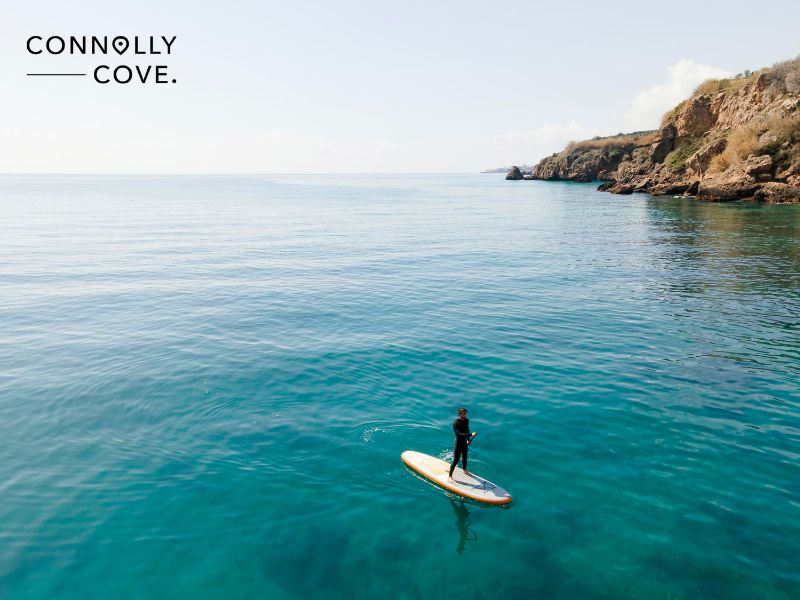
Are you thinking and wondering about the best places to experience water sports in Northern Ireland? Check out these exciting options and dive into a world of adventure!
Cranagh Activity Centre
At Cranagh Activity Centre, you can experience a wide range of exciting water sports and outdoor activities. Whatever your interests are, this centre has something for everyone.
From kayaking and canoeing to raft building and paddle boarding, there are plenty of enjoyable options to choose from. For travellers who love history, the centre also offers guided tours that explore the rich heritage of Northern Ireland’s waterways.
Tourists can enjoy the stunning scenery as they paddle along the rivers and lakes. With experienced instructors and top-notch equipment, Cranagh Activity Centre ensures a safe and enjoyable experience for all visitors.
Aquaholics
Aquaholics is a popular water sports provider in Northern Ireland. They provide visitors with several thrilling activities for all interests. Whether you are looking to try surfing, scuba diving, kayaking, or even yacht club experiences, Aquaholics has got you covered. With their informative instructors, they ensure a safe and exciting watery experience.
Aquaholics is known for its friendly staff and exceptional customer service. So, if you are seeking an unforgettable water sports experience in Northern Ireland, don’t miss out on what Aquaholics offers!
Mobile Team Adventure
Mobile Team Adventure is a great option if you’re looking for an exciting water sports experience in Northern Ireland. They present exciting activities and helpful services that are perfect for adventurous travellers.
Whether you’re interested in kayaking along the stunning coastline or trying your hand at paddle boarding on one of Northern Ireland’s beautiful lakes, Mobile Team Adventure has something for everyone. With their knowledgeable instructors and top-of-the-line equipment, you can feel safe while enjoying your water adventure. So, why not take the plunge with Mobile Team Adventure and make unforgettable memories?
Corralea Activity Centre
Discover exhilarating adventures at Corralea Activity Centre in Northern Ireland, where excitement meets the natural beauty of the landscape. Nestled in the heart of Fermanagh Lakelands, this centre offers numerous activities, from water-based thrills like canoeing and windsurfing on Lough Macnean to the adrenaline rush of mountain biking through lush forest trails.
With experienced informative instructors, state-of-the-art equipment, and a commitment to safety, Corralea ensures that every adventure is both thrilling and secure. Whether you’re into water sports, land activities, or a combination of both, Corralea Activity Centre provides an unforgettable experience in the midst of Northern Ireland’s stunning scenery. Prepare to embark on an adventure-filled journey at Corralea, where fun knows no bounds!
Castle Archdale Boat Hire and Water Sports
If you’re looking for a thrilling water sports experience in Northern Ireland, look no further than Castle Archdale Boat Hire and Water Sports. This top-notch facility provides visitors with several ways to satisfy any water sports enthusiast.
Whether you’re into kayaking, paddle-boarding, or even jet skiing, they have it all. The location is also perfect, as it’s situated on the beautiful shores of Lough Erne. With stunning views and a variety of water-based adventures to choose from, Castle Archdale Boat Hire and Water Sports is a must-visit destination for those seeking outdoor thrills.
Creggan Country Park
Creggan Country Park is a fantastic destination for water sports enthusiasts visiting Northern Ireland. Located in Derry-Londonderry, this park presents thrilling activities for all skill levels. Regardless of your experience, Creggan Country Park can meet your tastes.
One of the highlights of this park is its beautiful lake, which provides the perfect setting for kayaking and canoeing. Paddle through calm waters as you take in the stunning scenery around you.
For those who prefer to stay dry but still want to enjoy the water, Creggan Country Park also offers thrilling jet ski rides and wakeboarding experiences. Feel the rush of adrenaline as you ride across the lake’s surface, enjoying the thrill of these high-speed activities.
Bryson Lagan-Sports
Bryson Lagan-Sports is a fantastic place in Northern Ireland to experience water sports. They provide many activities, including kayaking, canoeing, and paddle boarding. Located on the banks of the River Lagan in Belfast, Bryson Lagan-Sports provides thrilling adventures for all the adventurous.
Whether you want to explore the beautiful coastline or try your hand at white water rafting, Bryson Lagan-Sports has something special that deserves to be tried. With knowledgeable instructors and top-notch equipment, they ensure that each experience is safe and enjoyable.
Strangford Lough Adventure Centre
Nestled on the shores of the breathtaking Strangford Lough in Northern Ireland, the Strangford Lough Adventure Centre beckons thrill-seekers and nature enthusiasts alike. This dynamic hub offers many exhilarating activities, from water sports like kayaking and paddle-boarding to land adventures like archery and team-building challenges.
The Adventure Centre’s expert guides ensure a safe and enjoyable experience for participants of all adventure levels. Surrounded by the stunning landscapes of Strangford Lough, this centre not only provides adrenaline-pumping escapades but also fosters a deep connection with nature. Whether you’re looking to push your limits or simply unwind in a picturesque setting, the Strangford Lough Adventure Centre promises an unforgettable blend of excitement and natural beauty.
Bangor Bay and Belfast Lough
Bangor Bay and Belfast Lough are perfect destinations for water sports in Northern Ireland. With their stunning coastal scenery and calm waters, these locations present a variety of activities for all visitors.
Whether you’re looking to go kayaking along the picturesque coastline or try your hand at sailing with one of the local yacht clubs, there’s something for everyone here. You can also enjoy paddle boarding or take a leisurely boat trip to explore the beautiful surrounding islands.
It’s worth noting that Bangor Bay and Belfast Lough are easily accessible from both Belfast city centre and other parts of Northern Ireland, making them convenient options for water adventures.
We reached the final station of our story today about the water sports in Northern Ireland. With diverse options, stunning scenery, and a welcoming atmosphere, Northern Ireland is poised to become your next water sports haven. Whether you are a seasoned adventurer or a curious beginner, there’s an aquatic experience waiting to capture your heart.

Bangor Town: The Colorful Open House Festival
Northern Ireland
27/04/2024

Must-See Casablanca
Africa
27/04/2024

The Ultimate Guide for London One Day Tours!
England
27/04/2024

Key Insights: Global Medical Tourism Statistics and Market Growth Analysis
Travel Statistics
26/04/2024

The Irish Mafia: A Closer Look at Organised Crime Syndicates
History and Heritage
26/04/2024