

Stormont Parliament sits at the top of a long, tree-lined avenue in east Belfast, and most people driving past assume the whole estate is off-limits unless you work there. It isn’t. The grounds are open to the public every day, the building itself runs free guided tours on weekdays, and the site works just as well as a family walk as it does a history lesson.
This guide covers what you’ll actually find when you visit: the difference between Parliament Buildings and Stormont Castle (a mix-up that trips up most first-time visitors), how to book a tour of the Assembly, what’s worth seeing across the wider grounds, and the practical details for getting there from Belfast city centre. If you’re building out a wider Belfast itinerary, our full guide to things to do in Belfast covers where Stormont fits alongside the city’s other landmarks.
Table of Contents
What Stormont Parliament Buildings Actually Are
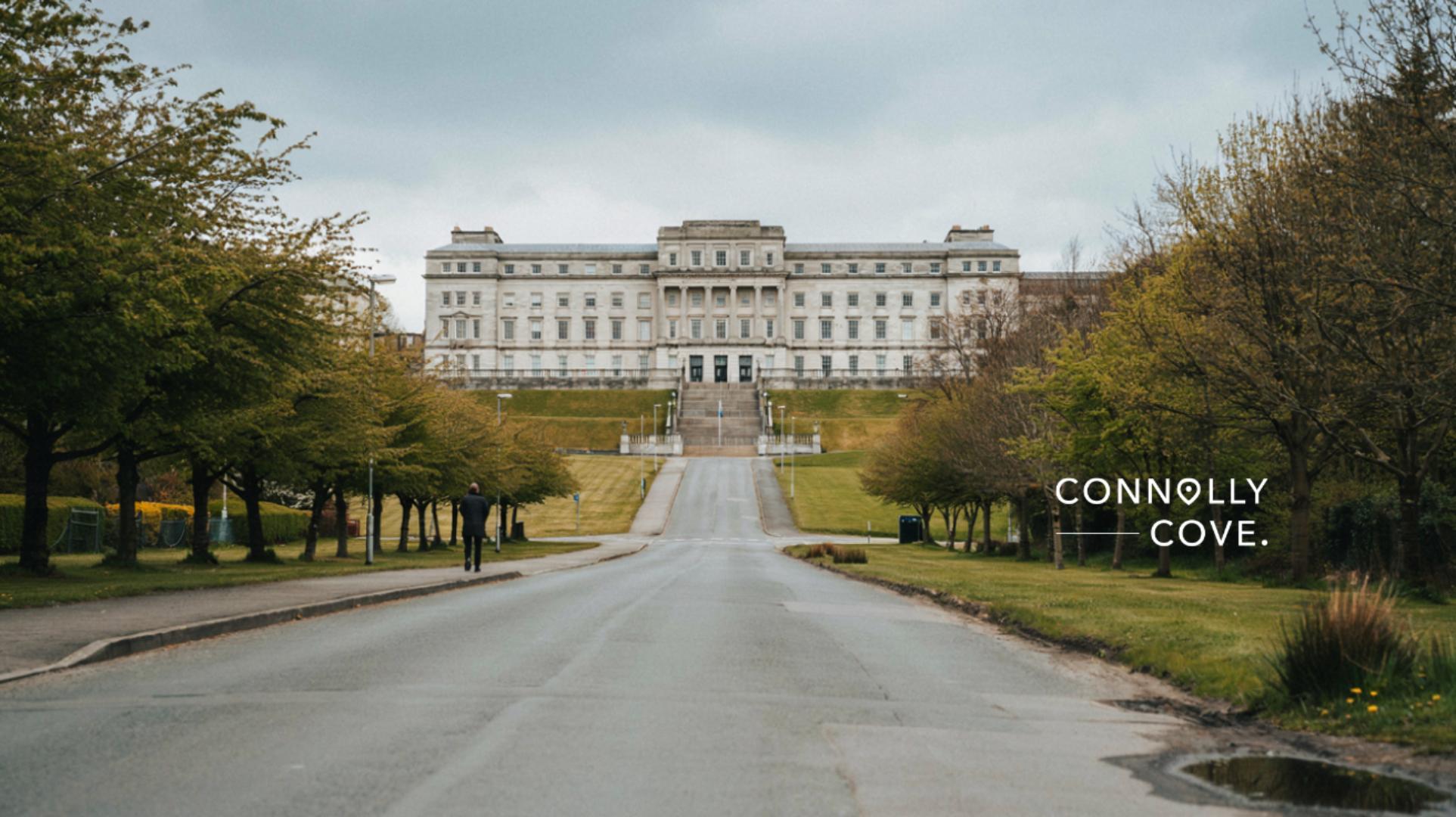
Stormont Parliament Buildings are the seat of the Northern Ireland Assembly, built as a direct result of the Government of Ireland Act 1920, which partitioned Ireland into two separate jurisdictions and gave Northern Ireland its own devolved parliament. Construction on the current building started in 1922 and wasn’t finished until 1932, a full decade, and the Prince of Wales (later King Edward VIII) formally opened it on 16 November 1932.
The scale of the project tells you something about how seriously the new government took its own image. The 224-acre estate cost around £20,000 to buy, while the building itself came in at close to £1.7 million, an enormous sum for the time. Architect Sir Arnold Thornely designed it in a Greek classical style using Portland stone, and the building is officially named “Parliament Buildings” in the plural, since the original plan called for two separate chambers rather than one.
If you’re interested in how Belfast’s civic architecture developed around the same period, our guide to Belfast City Hall covers a similarly grand Edwardian building from a few decades earlier, built when Belfast was one of the wealthiest industrial cities in the world.
Stormont Castle vs Parliament Buildings: Clearing Up the Confusion
These are two separate buildings on the same estate, and visitors regularly mix them up. Parliament Buildings, the large, columned building most people picture when they think of Stormont, houses the Northern Ireland Assembly chamber and committee rooms. Stormont Castle, a smaller Georgian building elsewhere on the grounds, serves as the official base for the Executive, meaning the First Minister, the deputy First Minister, and the Executive Office.
In practice, this means Parliament Buildings is the one you can tour and the one where debates happen, while Stormont Castle is a working government office and isn’t open to casual visitors beyond viewing it from the grounds. If your main interest is seeing inside a building, Parliament Buildings are where you’ll want to head.
Visiting the Northern Ireland Assembly
Free public tours of Parliament Buildings run on weekdays, and you don’t need a background in politics to get something out of one. The Assembly itself is made up of 90 Members (MLAs), elected by proportional representation, and it operates on a mandatory power-sharing model agreed as part of the Good Friday Agreement in 1998, which brought an end to three decades of violence known as the Troubles.
Power-sharing in practice means ministerial posts are allocated between parties using a formula (the D’Hondt method) rather than a single party forming a government alone, so that both unionist and nationalist communities are represented in the Executive. It’s a system that’s easy to explain badly and genuinely interesting to see in action, particularly if you sit in on a tour when the Assembly is sitting. If you’d like to read more about how the Good Friday Agreement reshaped Belfast, we’ve covered its wider legacy in our piece on Belfast’s murals and political history.
Tour times and booking requirements change from time to time, so check the Northern Ireland Assembly’s own visitor pages before you travel, particularly if you want to see the chamber itself rather than just the grounds.
Exploring Stormont Estate
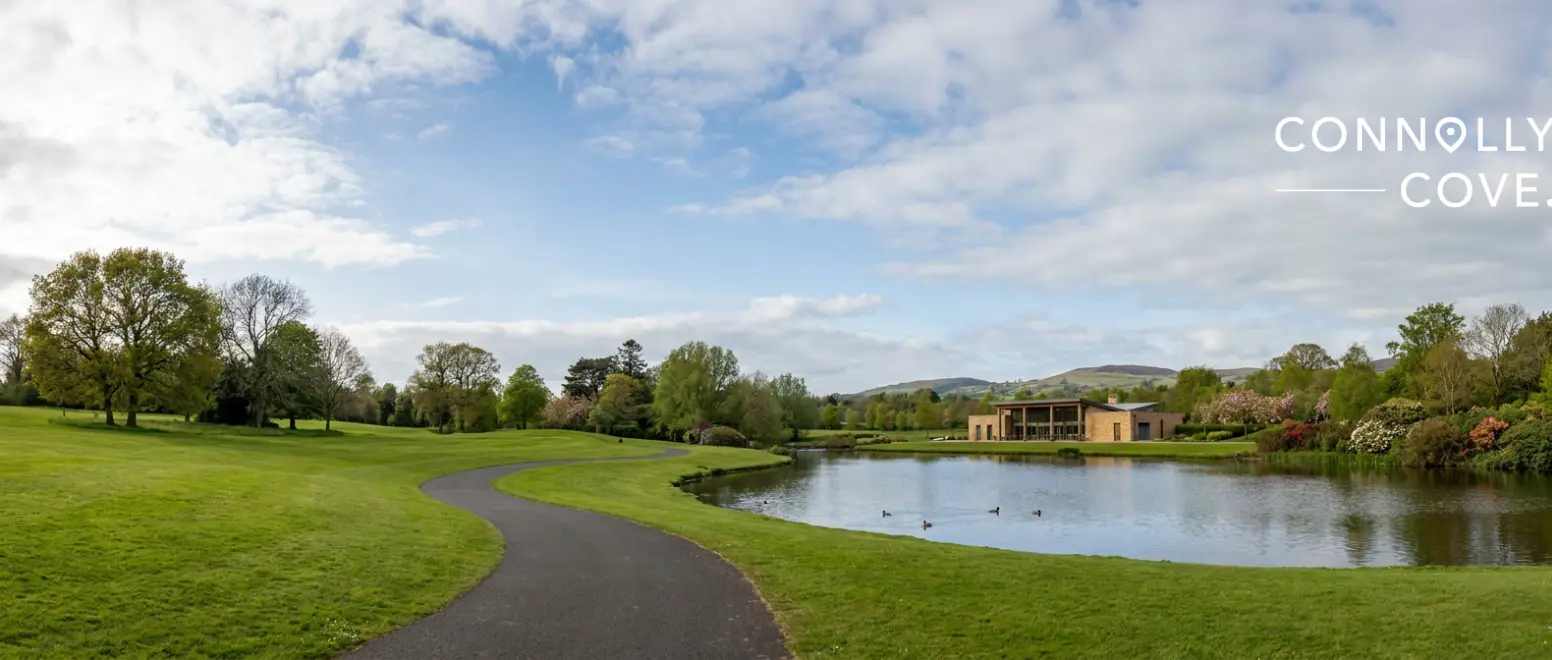
The wider estate is where most visitors, us included, end up spending the bulk of their time. Today, the grounds cover around 400 acres of parkland, gardens, and woodland, though the original purchase was 224 acres, so the estate has clearly grown through later acquisitions. The mile-long Prince of Wales Avenue, sometimes called the Royal Mile locally, runs straight from the main gates up to the building, and walking it is worth doing slowly rather than driving.
Beyond the avenue, the estate has proper trails through mixed woodland, a children’s playground (the Mo Mowlam Play Park, said to be named after the Secretary of State for Northern Ireland during the peace process, though we’d want that confirmed before quoting it as fact), a fenced dog park, picnic areas, and toilets. A statue of Edward Carson, the Unionist leader closely associated with Northern Ireland’s founding, stands prominently in front of Parliament Buildings, and it’s one of several statues and memorials scattered across the grounds worth looking out for.
“What I find genuinely moving about Stormont Estate is how ordinary it’s become. This was built as a monument to a divided political settlement, and now it’s where families walk their dogs on a Sunday. That shift says something honest about how Belfast has changed.” — Ciaran Connolly, Founder of ConnollyCove.
Based on our visits, the estate rewards a bit of wandering off the main avenue. The formal gardens near the building are the most photographed spot, but the woodland trails further back are quieter and better if you’re bringing children or a dog.
Current Conditions and Seasonal Information
Stormont Estate is open year-round and free to enter at any time of year, though what you’ll get out of a visit changes with the seasons. Spring and early summer bring the estate’s gardens into full colour and are generally the most comfortable months for walking the full length of the avenue. Autumn turns the woodland trails a proper russet colour and tends to be quieter than the summer months. Winter is perfectly walkable, but expect shorter daylight hours and Belfast’s typically damp, changeable weather regardless of the season, so bring a waterproof layer whatever month you visit.
Tours of Parliament Buildings run to their own weekday schedule, which can shift for state occasions, security reasons, or Assembly recesses, so it’s worth checking the Northern Ireland Assembly’s official visitor information before setting off, particularly if you’re travelling from outside Belfast and building your day around a specific tour time.
How to Get to Stormont from Belfast City Centre
Stormont sits around four miles east of Belfast city centre, close enough for a short taxi or bus journey but far enough that walking isn’t realistic for most visitors. Public transport options include Belfast’s Glider rapid transit service and standard Metro bus routes running out toward East Belfast; check Translink’s live route planner before you travel, since routes and stops do get adjusted. Free parking is available on site for visitors arriving by car, and the estate is well signposted from the main road once you’re in the area.
If you’re spending a full day in east Belfast, Stormont pairs naturally with a stop at Belfast Castle on the opposite side of the city, or with a slower morning at Belfast’s Botanic Gardens if you’d rather stay closer to the centre.
Other Belfast Landmarks Worth Combining With Your Visit
Stormont works well as one stop on a wider Belfast itinerary rather than a destination on its own. Travellers exploring this region often pair it with Titanic Belfast, the city’s maritime museum on the opposite side of town, or with St Anne’s Cathedral in the Cathedral Quarter, both a manageable distance away by taxi or public transport.
If you’re curious about how Belfast grew into the city it is today, our guide to the origins of Belfast covers the industrial history that shaped the city long before Stormont existed. And for visitors working with a tighter budget, our guide to affordable things to do in Belfast is worth a look, since a Stormont visit costs nothing beyond getting there.
ConnollyCove is an Ireland-based travel and culture platform covering destinations across Ireland, Belfast, and Northern Ireland, and Stormont is one of several sites we return to because it rewards a slower, more curious visit than a quick photo stop allows. If you’re planning a longer trip around the region, our guide to unforgettable Northern Ireland getaways covers how Stormont fits into a broader itinerary.
Explore More Belfast and Northern Ireland Content
ConnollyCove covers Belfast’s landmarks, history, and political story in depth to help travellers get past the surface-level tourist trail. Explore our guides to Belfast City Hall and Titanic Belfast, or check out ConnollyCove’s YouTube channel for video tours of Belfast’s landmarks.
Frequently Asked Questions
A few quick answers to the questions we hear most often about visiting Stormont.
Can you visit Stormont Parliament Buildings for free?
Yes. The estate grounds are free to enter year-round, and guided tours of the building itself are also free, though they typically need to be booked in advance through the Northern Ireland Assembly.
What’s the difference between Stormont Castle and Parliament Buildings?
Parliament Buildings house the Assembly chamber and are the largest building that most visitors come to see. Stormont Castle is a separate, smaller building nearby that serves as the base for the Executive Office.
Is Stormont Estate dog friendly?
Yes, the estate has a dedicated dog park alongside its wider walking trails. Dogs should be kept under control near the formal gardens and the building itself.
How do I get to Stormont from Belfast city centre?
Stormont is around four miles east of the centre, reachable by Glider or Metro bus, taxi, or car, with free on-site parking available. Check TransLink’s route planner before travelling, as bus routes can change.
Who designed Stormont Parliament Buildings?
The building was designed by architect Sir Arnold Thornely in a Greek classical style using Portland stone. Construction ran from 1922 to 1932, and it opened on 16 November 1932.
Is Stormont still an active government building?
Yes, Parliament Buildings remain the working seat of the Northern Ireland Assembly, and Stormont Castle houses the Executive Office. Public tours run alongside normal government business on weekdays.