


Find Your Perfect Escape: Top 5 Retreats in England
Updated On: April 23, 2024 by  Panseih Gharib
Are you longing for a moment of relaxation from the daily grind? Are you Craving a transformative experience that nourishes your mind, body, and soul? Look no further; retreats in England are diverse and enchanting, with breathtaking landscapes.
From the rugged peaks of the Peak District to the serene shores of Cornwall, England presents several possibilities. Whether you seek the invigorating challenge of an adventure retreat, the profound peace of a mindfulness retreat, or the creative spark of an art retreat, you’ll find a sanctuary tailored to your deepest desires.
Popular Destinations of Retreats in England
England’s vibrant tapestry of landscapes provides a unique backdrop for an unforgettable retreat experience. Whether you seek the serenity of rolling hills and quaint villages, the stimulating power of the coast, or the majesty of a national park, each destination offers an array of experiences to cater to your specific desires.
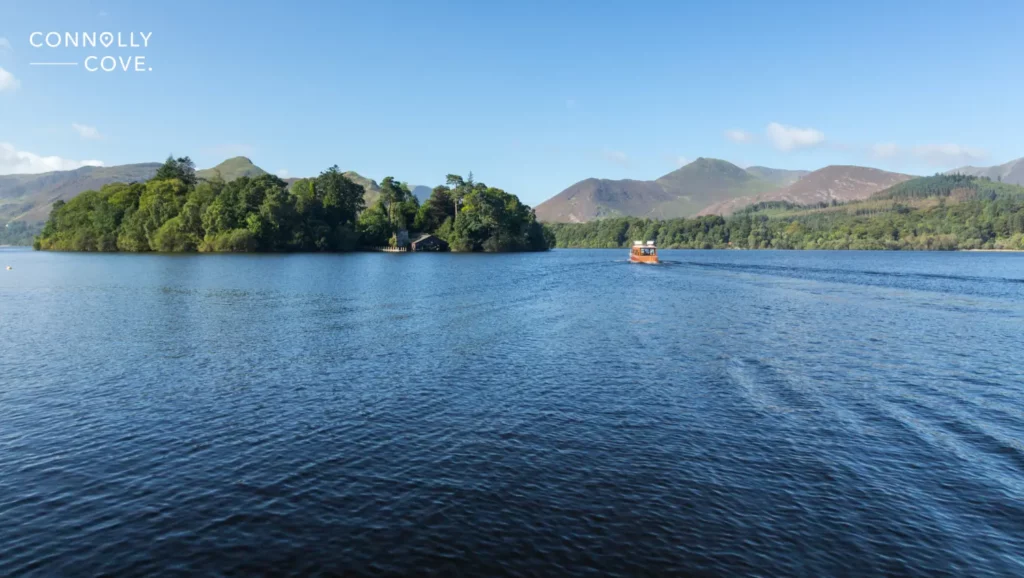
1. The Lake District: A haven for nature lovers, The Lake District boasts breathtaking scenery, with majestic mountains, sparkling lakes, and charming villages nestled amongst the landscape. Renowned for its connection to the Romantic poets, this region offers an abundance of retreats in England: hiking trails, yoga retreats, and meditation sessions amidst the captivating beauty.
2. Cornwall: This coastal paradise boasts rugged cliffs, hidden coves, and quaint seaside towns, making it an ideal destination for surfers, yogis, and digital detox enthusiasts. The refreshing ocean air and the rhythmic sounds of crashing waves provide a powerful setting for mindfulness retreats and digital detox programs.
3. Devon: For the writer within you, Devon’s rolling hills and idyllic countryside provide a tranquil and inspiring escape. Immerse yourself in the peace of a writing retreat, where you can focus on your craft amidst charming villages and picturesque landscapes.
4. Cotswolds: Step back in time and experience the quintessential English countryside in the Cotswolds. Retreat to a converted honey-coloured stone cottage and unwind amidst rolling hills and quaint villages. Explore the region’s rich history, visiting ancient castles and enchanting gardens. Relax in a luxurious spa treatment and savour the tranquillity of your surroundings.
5. Peak District: Embrace your adventurous spirit and embark on a refreshing retreat in the Peak District National Park. Hike through dramatic landscapes, conquer challenging climbs, and explore hidden caves. Enjoy the thrill of white-water rafting or try your hand at rock climbing. After a day of adventure, unwind in a cosy country pub and indulge in a hearty meal.
Types of Retreats in England
England’s diverse landscape offers breathtaking scenery and serves as a canvas for an array of transformative experiences. From holistic wellness retreats to invigorating adventure getaways, retreats in England cater to a unique set of needs and desires. Let’s delve deeper into the most sought-after ones:
Wellness Retreats
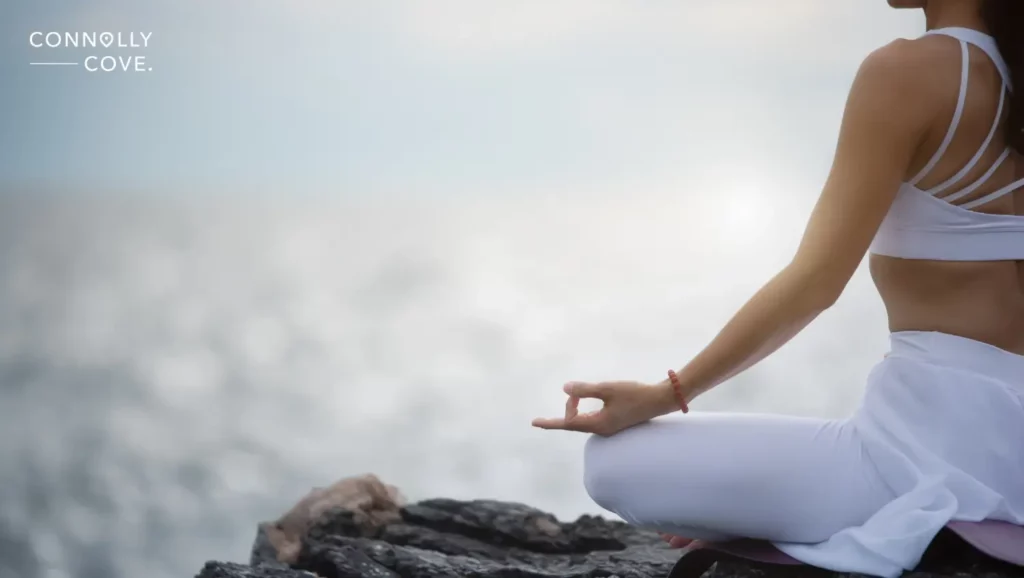
Immerse yourself in the pursuit of holistic well-being with a dedicated wellness retreat. These retreats focus on rejuvenating your body, mind, and spirit through a combination of activities like:
- Yoga and meditation: Deepen your connection to your inner self through gentle yoga and guided meditations, finding inner peace and promoting relaxation.
- Spa treatments: relax in various spa treatments, including massages, facials, and aromatherapy, allowing your body to let go of its tension and restore its natural balance.
- Healthy meals: Nourish your body with delicious and nutritious meals prepared with fresh, local ingredients, fuel your energy for activities, and promote overall well-being.
- Nature walks: Reconnect with nature through mindful walks in the countryside, breathing in fresh air and experiencing the calming effects of the natural world.
Wellness retreats in England often incorporate additional activities like wellness workshops, consultations with specialists, and time for reflection, creating a holistic approach to rejuvenation and personal growth.
Mindfulness & Meditation Retreats
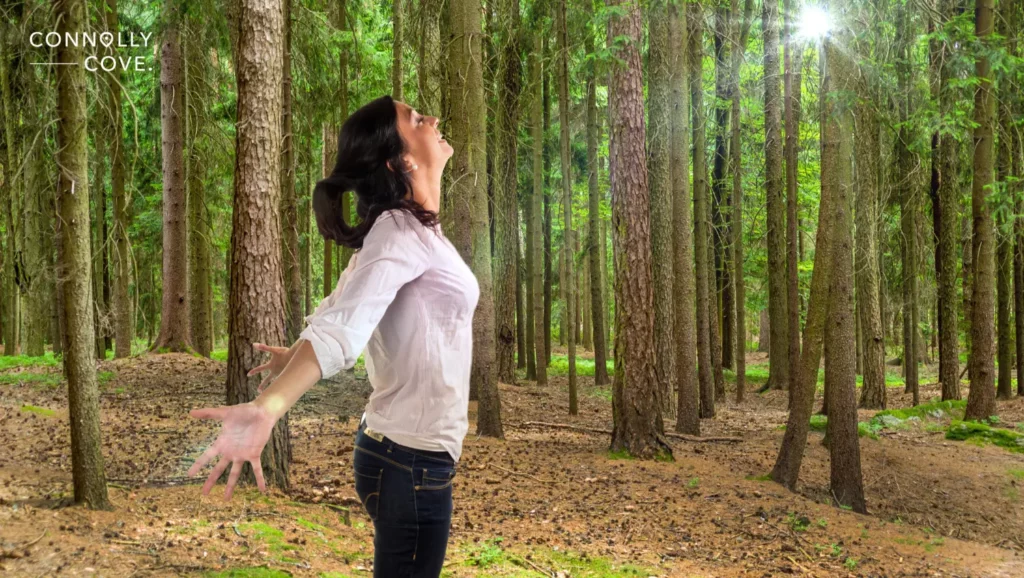
Mindfulness and meditation retreats offer a sanctuary for those seeking inner peace and a deeper understanding of the present moment. Immerse yourself in a tranquil environment dedicated to cultivating awareness and fostering inner calm through:
- Mindfulness exercises: Develop your ability to be fully present in the moment through guided mindfulness exercises, enhancing your focus, reducing stress, and promoting emotional balance.
- Meditation sessions: Learn and practice various meditation techniques, such as mindfulness and transcendental meditation, to cultivate inner peace, clarity, and self-awareness.
- Silent walks: Embark on mindful walks in nature, observing your surroundings with heightened awareness, fostering a deeper connection with the present moment.
- Introspective practices: Reflect on your experiences and explore your inner world through journaling, group discussions, and individual sessions, gaining insights and promoting self-discovery.
Mindfulness and meditation retreats in England provide a unique opportunity to disconnect from the outside world and reconnect with your inner self, finding inner peace and cultivating a more mindful approach to life.
Creativity Retreats

These retreats are designed to ignite your creative spark and nurture your artistic expression. Whether you’re a writer, painter, musician, or simply someone looking to explore your hidden talents, creativity retreats offer:
- Art workshops: Participate in workshops led by professional artists and learn new skills in various mediums like painting, pottery, writing, or music composition.
- Creative sessions: Dedicate time to your chosen art form in a supportive and inspiring environment, receiving feedback from instructors and fellow participants.
- Time for reflection: Reflect on your creative journey and explore your artistic vision through journaling, discussions, and individual sessions, gaining insights and setting goals for your future artistic endeavours.
- Nature walks and excursions: Find inspiration in the beauty of the English countryside and discover hidden gems through guided walks and tours, allowing your creativity to flourish.
Creativity retreats in England provide a space to unlock your potential, explore new avenues of expression, and connect with your inner artist.
Adventure Retreats

Challenge yourself and experience the thrill of adventure with a dedicated retreat. These retreats offer a range of activities, catering to different levels of experience and interests:
- Hiking and climbing: Explore the breathtaking landscapes of England through guided hikes and challenging climbs, pushing your physical limits and experiencing the exhilaration of conquering new heights.
- Surfing and kayaking: Embrace the power of the ocean with exhilarating surfing lessons or explore hidden waterways with guided kayaking tours, connecting with the natural world and challenging yourself physically.
- White-water rafting and mountain biking: Embark on adrenaline-pumping adventures with white-water rafting or mountain biking excursions, experiencing the thrill of speed and navigating challenging terrain.
- Team-building activities: Develop your communication and collaboration skills through engaging team-building exercises, fostering bonding and creating lasting memories with fellow participants.
Adventure retreats in England offer an opportunity to step outside your comfort zone, challenge yourself physically and mentally, and create unforgettable memories amidst the beauty of England’s natural landscape.
What to Expect on Your Retreat in England
As you embark on your transformative retreat in England, anticipation builds regarding the experiences that await. Each day will unfold with a unique rhythm, guiding you towards inner peace and personal growth. Let’s delve into what you can expect on your retreat, allowing you to prepare and maximise your experience:
“The greatest adventure is the journey to find yourself.”
FROST

1. A Daily Schedule of Activities and Workshops: Each day will be structured with activities and workshops tailored to your chosen retreat type. Whether it’s yoga and meditation sessions, mindfulness exercises, writing workshops, or outdoor adventures, you’ll have ample opportunity to immerse yourself in the retreat’s theme and deepen your practice.
2. Delicious and Healthy Meals: Nourish your body and mind with delicious and nutritious meals prepared using fresh, local ingredients. Many retreats cater to specific dietary needs, ensuring access to healthy meals throughout your stay.
3. Opportunities for Relaxation and Self-Care: Beyond scheduled activities, ample time is dedicated to relaxation and self-care. Immerse yourself in spa treatments, enjoy leisurely walks in nature, or unwind in your comfortable room. This time for self-reflection and rejuvenation is crucial for integrating the retreat’s benefits and promoting personal growth.
4. A Supportive and Welcoming Atmosphere: One of the defining characteristics of retreats in England is the supportive and welcoming atmosphere. You’ll be surrounded by fellow participants seeking similar goals and experiences, fostering community and camaraderie. The retreat leaders and staff are also dedicated to ensuring your comfort throughout your stay.
5. An Opportunity for Transformation and Growth: Your retreat in England will offer an invaluable personal transformation and growth opportunity through dedicated practice, self-reflection, and connection with nature.
Choosing the Perfect Retreat in England
With many retreat options in England, choosing the perfect one can feel overwhelming. Fear not! Here’s a curated list of retreats in each previously mentioned destination, along with reviews to help you make your decision:
Reconnect with nature in Devon at Broughton Sanctuary
Broughton Sanctuary in Devon is a haven for nature lovers. It offers the peace you need to feel refreshed and alive again. Here, you can walk among trees, breathe fresh air and listen to bird songs.
You can watch the stars at night and wake up to morning dew on leaves. HIIT sessions, yoga classes and meditation are also part of what they offer here. They want you to leave feeling full of energy yet calm. Broughton Sanctuary mixes fun times with quiet moments so that every guest feels at their best when they go back home.
Stretch out in Suffolk at Women + Waves
In Suffolk, you can stretch out and relax at the Women + Waves retreat. You can immerse yourself in the beauty of the Suffolk countryside while participating in yoga sessions tailored to your needs. You can also enjoy surfing lessons or stroll along the picturesque coastline.
Treat yourself in North Yorkshire at Sharpham Trust
At Sharpham Trust in North Yorkshire, you can treat yourself to a rejuvenating experience surrounded by stunning natural beauty. You’ll have the opportunity to explore the picturesque countryside and historic sites while immersing yourself in activities that promote mindfulness and well-being. Whether you’re interested in yoga sessions overlooking serene landscapes or enjoying delicious farm-to-table meals made with local ingredients, Sharpham Trust has something for everyone.
Relax in Grayshott Health Spa in Surrey
This luxurious spa offers a variety of wellness programs, including detox retreats and weight-loss retreats. Reviews highlight the exceptional facilities, personalised treatments, and the opportunity to achieve holistic well-being.
Recharge and Remotivate in Kent at Wandering Wild
At Wandering Wild in Kent, you can recharge and remotivate yourself surrounded by stunning natural beauty. You’ll be able to indulge in wellness activities like yoga and meditation sessions that will help rejuvenate your mind, body, and soul. Take advantage of their luxurious spa facilities to pamper yourself, or go on nature walks to immerse yourself in the tranquil surroundings.
Reconnect with Yourself in Gloucestershire at Birch
At Birch in Gloucestershire, you can reconnect with yourself and find inner peace. You can explore their beautiful grounds on nature walks, unwind with yoga and meditation sessions, or indulge in delicious food from their farm-to-table restaurant.
Arvon Creative Writing Retreats
Immerse yourself in the beauty of Northamptonshire and boost your immunity at Arvon Creative Writing Retreats. You can unleash your creativity while nurturing your mind and body through engaging writing workshops and inspiring surroundings. Take advantage of the peaceful countryside to relax and rejuvenate, surrounded by like-minded individuals passionate about storytelling.
Planning Your Retreat in England
As you decide to embark on a transformative retreat in England, logistical considerations come into play. Planning your journey ensures a smooth and enjoyable experience, allowing you to focus on your retreat goals entirely. Let’s delve into the essential aspects you need to consider:

Choose the Perfect Timing
- Season: Choose the season that best aligns with your retreat goals and personal preferences. Spring and summer offer warm weather, and longer days are ideal for outdoor activities and exploring the countryside. Autumn boasts vibrant foliage and a sense of serenity, while winter provides a cosy and reflective atmosphere.
- Weekdays vs. Weekends: Consider if you prefer a midweek escape or a more extended weekend retreat. Midweek retreats often offer greater peace and tranquillity, while weekends can be more lively and social.
- Length: Retreats in England range from short weekend getaways to week-long immersive experiences. Choose a duration that is suitable for you and provides sufficient time to achieve your desired outcomes.
Carefully Plan Your Budget
- Retreat costs: Retreats vary considerably, depending on factors like location, duration, program type, and accommodation. Research and compare different options to find one that fits your budget.
- Additional expenses: Factors in other costs such as transportation, travel insurance, meals not included in the retreat package, and personal spending.
- Financial assistance: Check if the retreat centre offers discounts or scholarships or if you’re eligible for them.
Booking and Logistics Tips
- Confirmation: Once you’ve chosen your retreat, confirm your booking and enquire about any specific requirements or documentation needed.
- Travel arrangements: Book transportation and accommodation well in advance, especially during peak season. Consider using public transportation for an environmentally conscious approach.
- Packing: Pack clothing appropriate for the season and planned activities. Remember to bring essentials like toiletries, comfortable footwear, and any personal items.

Preparation and Mindset
- Set your intentions: Before your retreat, set clear intentions for what you hope to achieve. This will help you focus your energy and maximise your experience.
- Disconnect from technology: Plan to disconnect from technology as much as possible during your retreat. This will allow you to be fully present in the moment and benefit from the immersive experience.
- Open your mind to new experiences, challenges, and possibilities. Embrace the opportunity for knowledge and growth personally and spiritually.
Don’t wait any longer to embark on your transformative journey. Book your retreat in England today and unlock the riches that await you. Discover the peace of the countryside, the invigorating energy of nature, and the supportive community of fellow travellers. With each step, you’ll move closer to your true self, returning home renewed, refreshed, and empowered to create a life you love.
FAQs
What are the types of available accommodations that retreats in England offer?
Retreats in England offer shared dormitories, private rooms, bungalows, and even camping/glamping options.
Can Retreats in England cater to different dietary restrictions?
Yes, most Retreats in England cater to various dietary needs like vegetarian, vegan, gluten-free, and dairy-free. Just inform them beforehand.
Do I need experience to book a retreat in England?
No, many retreats in England offer beginner-friendly programs and workshops.
What are the expected benefits of joining a retreat in England?
Retreats in England offer reduced stress, improved well-being, new skills, connections, and self-discovery. They help you reconnect with yourself and create a more fulfilling life.
How far in advance should I book my retreat in England?
Booking 2-3 months in advance is recommended, especially for popular retreats in England during peak season.

Famous Haunted Houses in Egypt: Spooky Stories for Halloween
Destinations
27/04/2024

St. Paul’s Cathedral – London Attractions
England
27/04/2024

Great Scotland Yard – London Attractions
England
27/04/2024

Bangor Town: The Colorful Open House Festival
Northern Ireland
27/04/2024

Must-See Casablanca
Africa
27/04/2024