
Skip to content
Updated on: by Avatar image of authorYasmin Elwan Review By: Nouran Ashraf

Italy captivates travellers worldwide, and whilst Rome and Venice dominate the headlines, Perugia offers something genuinely special for those seeking authentic cultural immersion. This enchanting Umbrian capital, perched dramatically atop rolling hills in central Italy, presents a perfect blend of ancient history, vibrant university life, and culinary excellence that rewards curious explorers.

Based on our visits to Perugia over several years, we’ve discovered that this remarkable city stands apart from typical tourist destinations through its dual identity: a medieval fortress town with Etruscan roots and a cosmopolitan university centre that attracts international students from around the globe. This fascinating juxtaposition creates an atmosphere you’ll find nowhere else in Italy – think of it as Edinburgh’s historic charm meeting Cambridge’s academic energy, but with exceptional Italian cuisine and two millennia more history.

What makes Perugia particularly compelling for UK and Irish travellers is how it offers genuine Italian experiences without the overwhelming crowds or inflated prices of Florence or Rome. The ancient cobblestone streets buzz with contemporary café culture, whilst centuries-old palazzos house cutting-edge galleries and innovative restaurants. For those accustomed to Britain’s rich historical layers, Perugia provides a fascinating parallel – a city where you can literally walk through 2,500 years of continuous habitation.

Before You Go: Essential Perugia Planning for UK/Irish Travellers

A little preparation transforms a good trip into an unforgettable cultural immersion. For our ConnollyCove community, especially those journeying from the UK and Ireland, here’s the essential know-how to start your Perugian adventure smoothly.

Getting to Perugia from the UK & Ireland

Direct Flights: Ryanair operates direct flights from London Stansted to Perugia’s San Francesco d’Assisi Airport (PEG) typically costing £70-£150 return when booked in advance. Flight time is approximately 2.5 hours, making it one of the most convenient routes to central Italy for UK travellers.

From Ireland, you’ll typically connect through London or a major European hub like Amsterdam or Paris. Budget around €120-€250 for return flights from Dublin, depending on your connection and booking timing.

Alternative Airports: Rome Fiumicino offers more flight options from UK/Irish airports, with direct services from London Heathrow, Gatwick, Manchester, Edinburgh, and Dublin. From Rome, it’s a scenic 2-hour drive or 2.5-hour train journey to Perugia. Florence Airport provides another option, particularly if you’re planning a broader Tuscan/Umbrian itinerary.

Train Connections: From Rome Termini, direct trains to Perugia take 2-3 hours and cost €12-€25, depending on service type. The journey through the Umbrian countryside is spectacular, offering your first taste of the region’s rolling hills and medieval hilltop towns.

When to Visit Perugia: A Seasonal Guide

Spring (April-May): Perfect for UK/Irish travellers escaping unpredictable weather at home. Temperatures range from 15-22°C – ideal for exploring Perugia’s hilly streets without summer heat. Hotel prices remain reasonable (€60-€120 per night for mid-range accommodation), and you’ll encounter fewer crowds whilst still enjoying most attractions and restaurants at full operation.

Summer (June-August): Peak season brings warm days (25-32°C) and the world-famous Umbria Jazz Festival in July. Expect to pay premium prices (€100-€200+ per night for hotels) and book well in advance. For UK travellers, this coincides with school holidays, making it popular but crowded.

Autumn (September-October): Many consider this Perugia’s finest season. Comfortable temperatures (18-25°C), fewer crowds, and harvest season create perfect conditions. October’s Eurochocolate festival adds extra appeal. Hotel prices drop to €70-€140 per night, offering excellent value.

Winter (November-March): The quietest season offers intimate cultural experiences. While cooler (8-15°C), it’s often milder than UK/Irish winter weather. Many restaurants close on Mondays or for January holidays, but reduced hotel rates (€45-€90 per night) and crowd-free attractions compensate.

Budgeting Your Perugian Adventure: UK/Irish Traveller Costs

Sample Daily Budget (Per Person):

CategoryBudgetMid-RangeLuxury
Accommodation£25-35 (€30-40)£50-80 (€60-95)£120+ (€140+)
Meals£20-30 (€25-35)£35-50 (€40-60)£60+ (€70+)
Activities/Attractions£8-15 (€10-18)£15-25 (€18-30)£30+ (€35+)
Local Transport£3-8 (€4-10)£8-12 (€10-14)£15+ (€18+)
Daily Total£56-88£108-167£225+

Money-Saving Tips for UK/Irish Visitors:

  • Many attractions offer EU student discounts if you have a valid student card
  • Aperitivo culture (6-8 pm) often includes substantial free snacks with drinks
  • Markets and alimentari offer fresh ingredients for picnics with spectacular hilltop views
  • Walking is free and provides the best way to discover Perugia’s hidden corners

Navigating Perugia Like a Local

The MiniMetro Experience: Perugia’s unique MiniMetro system provides a thrilling introduction to the city. This automated cable car system climbs from the lower town parking areas to the historic centre, offering spectacular views whilst solving the practical challenge of reaching Perugia’s hilltop location. A single journey costs €1.50, or €2.30 for a 90-minute ticket covering all local transport.

Walking the Medieval Streets: Unlike many Italian cities, Perugia’s historic centre remains largely pedestrianised. The medieval street layout can initially confuse visitors accustomed to grid systems, but this maze-like quality adds to the discovery experience. Comfortable walking shoes are essential – Perugia’s cobblestones and steep inclines demand proper footwear.

Parking Wisdom: The historic centre operates a ZTL (Zona Traffico Limitato) that restricts vehicle access. Several car parks at the city’s base connect to the centre via escalators and the MiniMetro. Parking costs approximately €1-1.50 per hour, with daily rates around €12-15.

Essential Italian & Perugian Phrases

EnglishItalianPronunciationWhen to Use
Good morningBuongiornobwon-JOR-noUntil early afternoon
Good eveningBuonaserabwo-na-SE-raAfter 2pm
Thank youGrazieGRAH-tsee-ehAlways appreciated
Excuse meScusiSKOO-zeeGetting attention politely
The bill, pleaseIl conto, per favoreeel KON-to per fa-VO-rehEssential in restaurants
Where is…?Dove si trova…?DO-veh see TRO-vaFor directions
I don’t speak ItalianNon parlo italianonon PAR-lo ee-tal-ee-AH-noHonest and often helpful

Cultural Heritage Sites

Perugia’s cultural heritage sites offer more than typical sightseeing – they provide a three-dimensional journey through European history where each layer of civilisation builds upon the last. From bustling medieval squares that still serve as the city’s social heart to underground archaeological wonders hidden beneath modern streets, Perugia’s monuments tell interconnected stories of power, artistry, and survival. The following sites represent the essential cultural experiences that reveal why this Umbrian capital has captivated visitors for centuries, each offering unique insights into the forces that shaped not just Perugia, but Italian civilisation itself.

The Historic Centre: Where Ancient History Lives

Perugia’s historic centre represents one of Europe’s most remarkable examples of continuous urban evolution, where Etruscan foundations support Roman walls, medieval palaces, and Renaissance churches in perfect harmony. For visitors familiar with cities like Bath or York, Perugia offers a similar experience of walking through living history, but with the added dimension of Mediterranean light and Italian lifestyle.

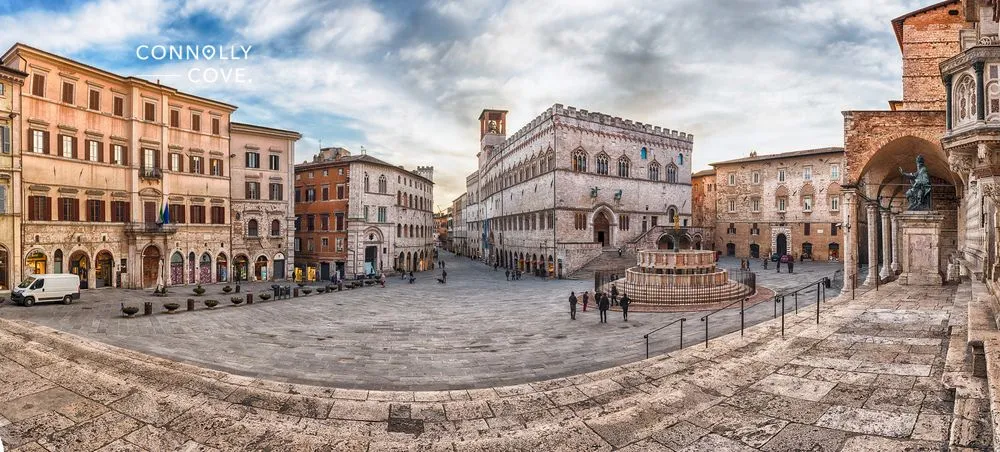
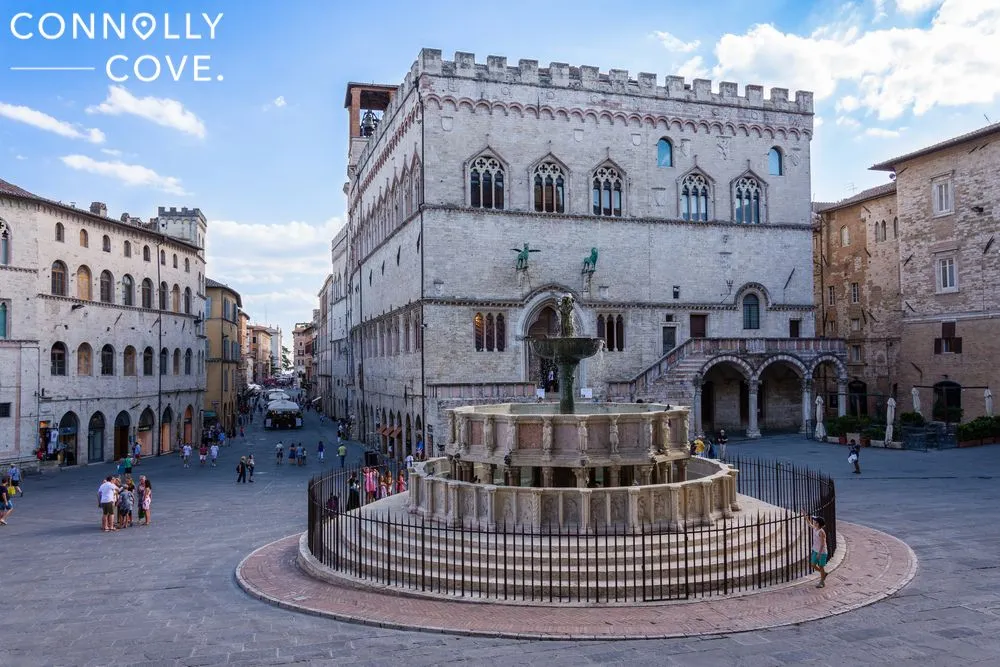
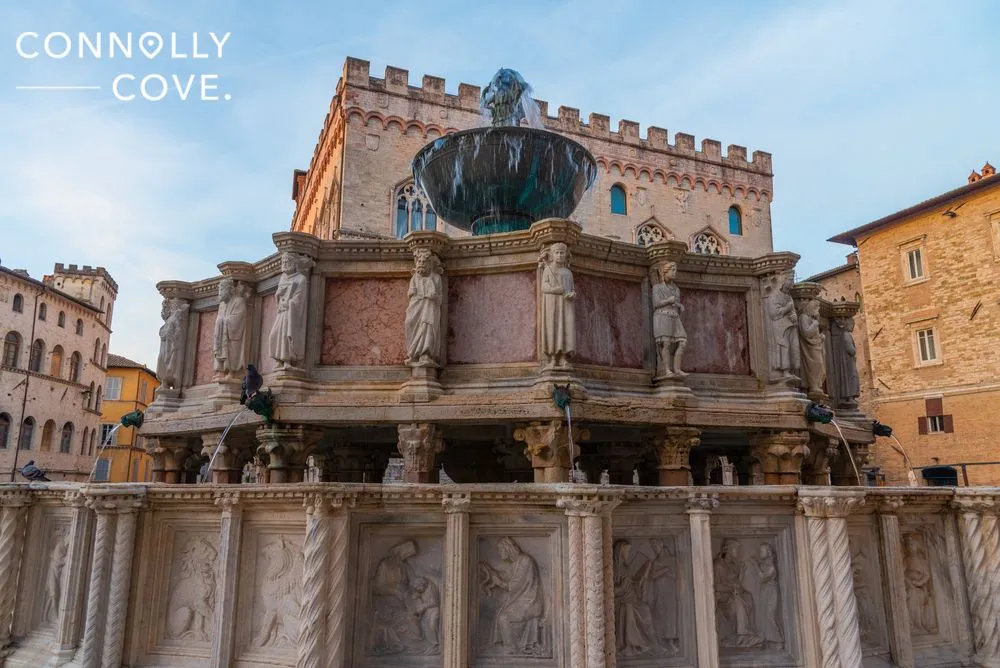
Piazza IV Novembre serves as Perugia’s beating heart, comparable to Bath’s Royal Crescent or Edinburgh’s Royal Mile in its architectural significance. This magnificent square showcases three distinct historical periods within a single, harmonious space. The Fontana Maggiore, completed in 1278, represents one of Europe’s finest examples of medieval public sculpture. Each of its carved panels tells part of Perugia’s story – biblical scenes, zodiac signs, seasonal activities, and local legends creating a stone encyclopedia of 13th-century life.

“Walking into Piazza IV Novembre for the first time, you realise that this isn’t just a tourist sight – it’s still the city’s living room where locals meet for coffee, students gather between classes, and families stroll in the evening. That continuity of use gives these ancient stones a warmth you don’t find in museum pieces,” notes Ciaran Connolly, ConnollyCove founder.

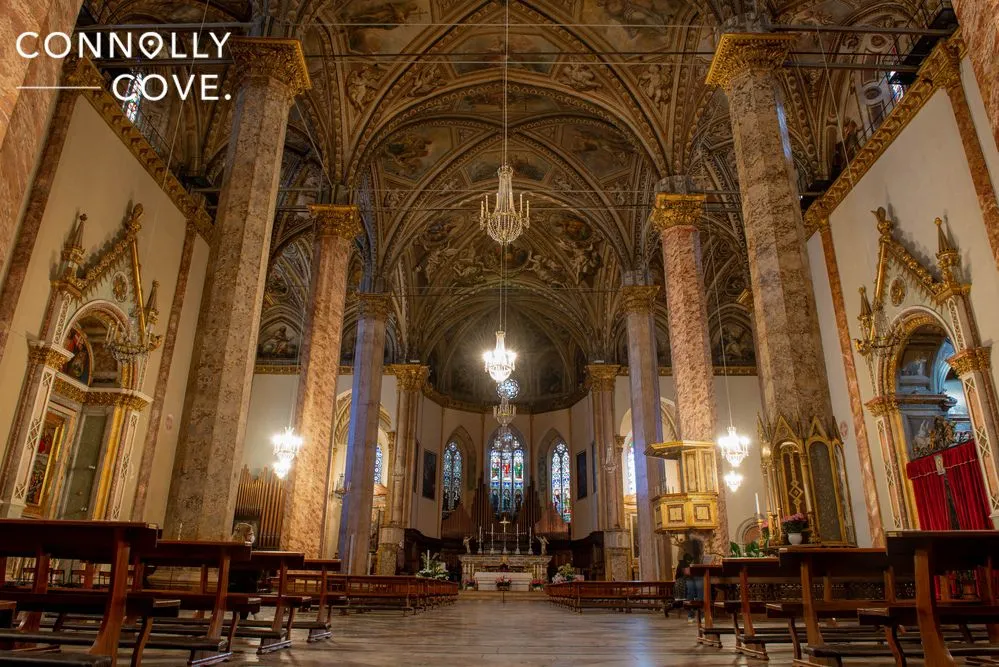
The Cathedral of San Lorenzo presents architectural puzzles that reflect Perugia’s complex political history. Unlike most Italian cathedrals that face east toward Jerusalem, San Lorenzo faces the main square – a deliberate choice emphasising civic over religious authority. Inside, the chapel housing the wedding ring of the Virgin Mary creates one of Christianity’s most intimate pilgrimage experiences, drawing believers from across Europe to this small Umbrian city.

Palazzo dei Priori houses both the Galleria Nazionale dell’Umbria and active municipal offices, perfectly embodying Perugia’s approach to heritage preservation. Rather than creating static museums, the city maintains living, breathing historical spaces. The gallery’s collection includes masterpieces by Perugino (whose name derives from Perugia) and Pinturicchio, offering visitors the chance to see Renaissance art in the very region where it was created.

Rocca Paolina: Underground Medieval City

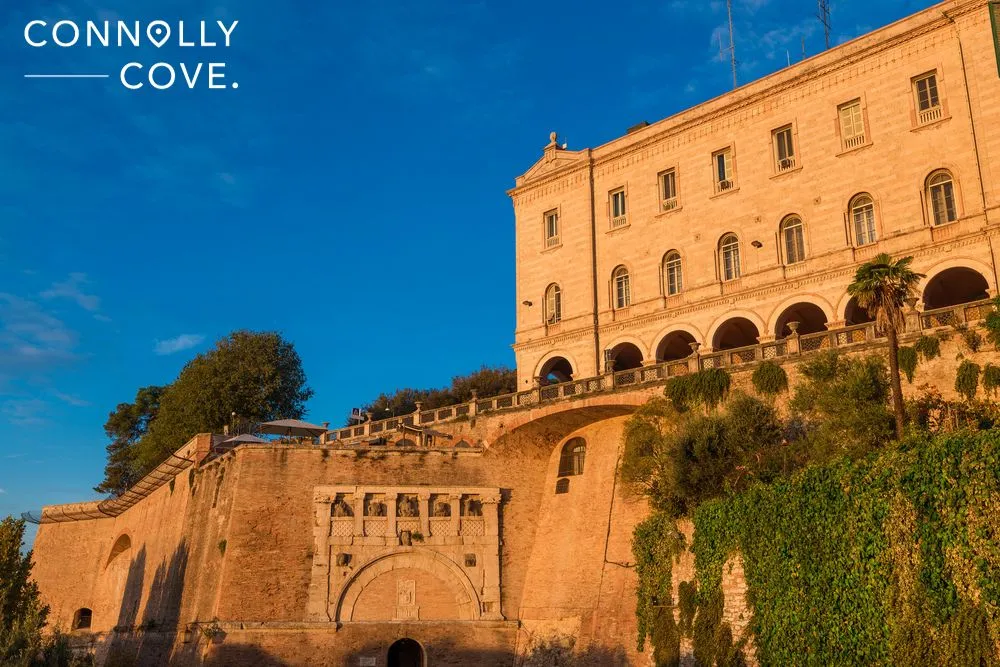
Perhaps no single attraction captures Perugia’s dramatic history quite like Rocca Paolina, a unique archaeological and architectural site that has no real parallel in Britain or Ireland. This underground fortress city, built by Pope Paul III in 1540, literally sits atop the demolished medieval neighbourhood of the powerful Baglioni family, creating a three-dimensional historical palimpsest.

Walking through Rocca Paolina’s subterranean passages provides an extraordinary experience—you’re simultaneously exploring a 16th-century papal fortress and perfectly preserved medieval streets, houses, and squares that lie beneath it. Ancient doorways lead to rooms that once housed medieval families, while original street layouts remain clearly visible under vaulted papal architecture.

The site’s historical significance extends beyond architecture to represent the brutal realities of Renaissance politics. When Pope Paul III decided to demonstrate papal authority over rebellious Perugia, he didn’t simply build a fortress – he deliberately constructed it atop the demolished homes of his enemies, creating a permanent reminder of the consequences of resistance to Church authority.

For UK visitors familiar with sites like the Roman Baths or Canterbury Cathedral’s crypt, Rocca Paolina offers a similar sense of touching history directly, but with the added drama of political conquest made physically manifest through urban planning.

Etruscan Perugia: Ancient Foundations

The Arco Etrusco (Etruscan Arch) is one of Perugia’s most remarkable ancient monuments. It dates to the 3rd century BCE and predates Rome’s imperial expansion. This massive stone gateway, originally part of the Etruscan city walls, bears inscriptions in both Etruscan script and later Roman additions, creating a stone chronicle of ancient civilisational change.

What makes the arch particularly fascinating for modern visitors is its continued function – you still pass through this same gateway that Etruscan merchants, Roman legions, medieval pilgrims, and Renaissance artists have used for over two millennia. The inscription “Augusta Perusia” added by Roman emperors demonstrates how conquering powers adapted rather than destroyed existing Etruscan infrastructure.

The Etruscan Well (Pozzo Etrusco) provides another extraordinary glimpse into pre-Roman engineering sophistication. This 37-metre-deep well, carved directly into bedrock beneath the city, features a remarkable double-helix staircase system allowing multiple people to collect water simultaneously without interfering with each other. The engineering demonstrates that the Etruscan civilisation possessed sophisticated urban planning capabilities centuries before Roman expansion.

Descending into the well creates an almost mystical experience as the temperature drops and acoustic properties create echoing effects that connect visitors directly with Perugia’s ancient inhabitants. For those interested in archaeological sites, this represents one of Italy’s most accessible examples of Etruscan engineering still in its original location.

Food & Culinary Experiences

Perugia’s culinary landscape tells the story of Umbria through flavour, where ancient agricultural traditions meet contemporary Italian innovation in ways that delight both adventurous food lovers and those seeking comfort in familiar tastes. From street food that has sustained locals for centuries to chocolate-making traditions that put this hilltop city on the global confectionery map, Perugia’s food scene offers UK and Irish visitors a perfect introduction to authentic Italian cuisine without the tourist-focused modifications found in larger cities. The following culinary experiences showcase how geography, history, and local pride combine to create a food culture that remains genuinely rooted in place whilst welcoming curious visitors to share in traditions passed down through generations.

Umbrian Culinary Traditions: The Heart of Italian Cuisine

A photograph of a rustic wooden table laden with "traditional Umbrian ingredients" arranged in a still life composition. A coil of hand-rolled umbricelli pasta rests beside a wheel of aged pecorino cheese, with slices of locally cured prosciutto di Norcia delicately draped across it. A small glass bottle of golden olive oil sits next to a stone testo griddle holding a warm torta al testo flatbread and a scattering of fresh black truffles and wild herbs; soft natural light illuminates the textures and rich colors, casting gentle shadows across the terracotta pottery and linen cloth. The scene evokes a sense of authentic Umbrian terroir, emphasizing the artisanal quality of these regional delicacies.

Perugia’s culinary scene reflects Umbria’s position as Italy’s “green heart,” where agricultural traditions dating back millennia continue to shape contemporary cuisine. Unlike coastal Italian regions that rely heavily on seafood, Umbria’s landlocked position fostered a culinary culture based on preserved meats, aged cheeses, exceptional olive oil, and the prized black truffles that grow in the surrounding hills.

For UK and Irish visitors, Umbrian cuisine offers familiar comfort in unfamiliar forms – hearty, substantial dishes that reflect agricultural traditions not unlike those found in rural Britain and Ireland, but with Mediterranean ingredients and techniques that transform simple materials into extraordinary experiences.

Torta al Testo represents Perugia’s most iconic street food and provides an excellent introduction to Umbrian cuisine for first-time visitors. This flatbread, cooked on a traditional stone griddle called a “testo,” serves as the foundation for combinations that showcase regional specialities. The best versions feature prosciutto di Norcia (considered among Italy’s finest cured hams), local pecorino cheese, and wild greens that grow throughout Umbria’s hills.

Trattoria di Via Appia maintains traditional preparation methods, cooking each torta fresh on its centuries-old testo stone. The family-run establishment, operating since 1952, provides authentic experiences without tourist-focused modifications. Expect to pay €8-12 for a complete torta al testo with quality ingredients—exceptional value compared to similar artisanal food in London or Dublin.

Umbricelli pasta showcases the region’s artisanal approach to simple ingredients that creates complex flavours. These thick, hand-rolled noodles, made from just flour and water, provide the perfect vehicle for Umbria’s celebrated truffle sauces. The pasta’s irregular, rustic texture – achieved through hand-rolling techniques passed down through generations – holds sauce beautifully whilst maintaining a satisfying bite.

At Trattoria Bruno, the chef still demonstrates traditional umbricelli preparation, showing how proper technique creates pasta with character impossible to achieve through industrial methods. A plate of umbricelli al tartufo (with truffle sauce) costs €18-25, reflecting the precious nature of Umbrian truffles whilst remaining reasonable compared to similar dishes in major European cities.

Perugia’s Chocolate Heritage: Beyond Industrial Production

Perugia’s relationship with chocolate extends far beyond the famous Baci pralines that introduced many international visitors to the city. The chocolate-making tradition began in the early 19th century when Luigi Buitoni established one of Italy’s first chocolate manufactories, evolving into a sophisticated confectionery industry that balances industrial efficiency with artisanal quality.

Perugina Casa del Cioccolato offers visitors comprehensive insight into traditional chocolate-making processes whilst demonstrating innovations that made Perugina an international brand. The interactive museum experience includes tastings that showcase different aspects of Italian chocolate-making, from single-origin bars to seasonal specialities reflecting contemporary Italian culinary creativity.

However, Perugia’s chocolate scene extends beyond the famous factory to include numerous artisan chocolatiers throughout the historic centre who create handcrafted pralines using traditional techniques and locally sourced ingredients. These smaller producers often incorporate distinctly Umbrian specialities like chestnut honey, local hazelnuts, and even subtle truffle essence into their creations.

Chocolate costs: Factory-made Baci cost €3-5 per small box, whilst artisan chocolates range from €2-4 per piece, reflecting handcrafted quality and unique ingredients not available elsewhere.

Traditional Restaurants: Authentic Umbrian Experiences

A photograph of a warmly lit corner within an authentic Umbrian trattoria, focusing on a table laden with traditional Italian dishes. On the table sits a steaming plate of "pappardelle al cinghiale" with a rich wild boar ragù, alongside a platter of sliced "porchetta" with crispy crackling and two glasses of ruby-red local wine, all presented on rustic ceramic plates. The background reveals exposed stone walls, dark wooden beams, and copper pots hanging from above, while soft candlelight casts long shadows and illuminates the inviting scene. A blurred glimpse of smiling Italian families and couples adds to the intimate atmosphere of genuine Italian dining culture.

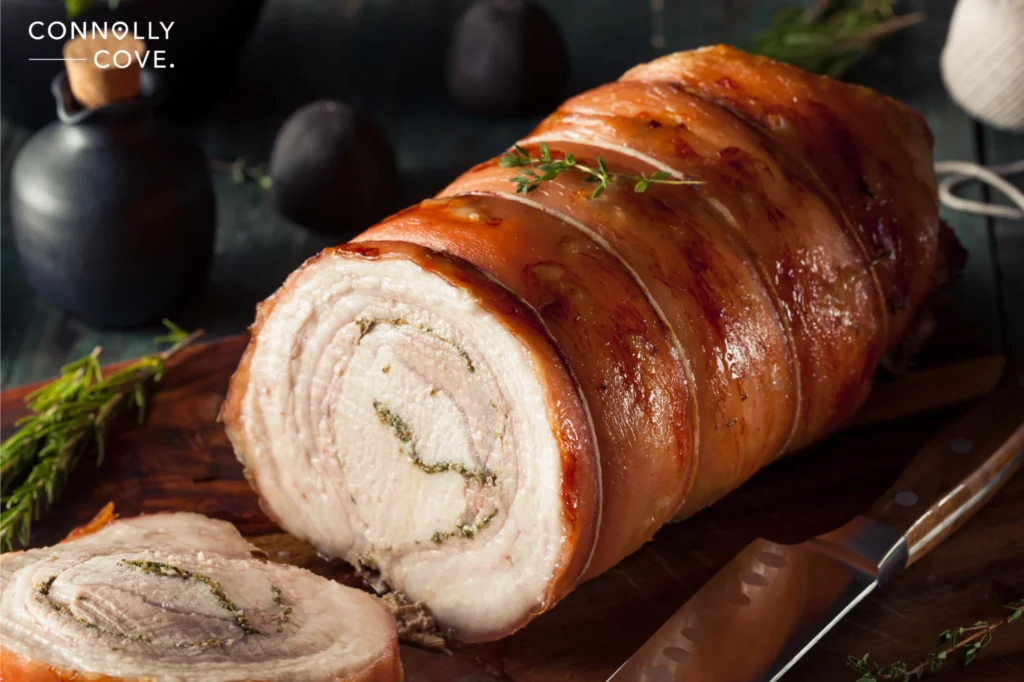
Porchetta represents one of Umbria’s greatest contributions to Italian cuisine, requiring skills and traditions passed down through generations of family producers. This slow-roasted, herb-stuffed pork preparation involves complex seasoning, precise temperature control, and timing that creates succulent, flavourful meat with crispy skin and aromatic interior.

Antica Salumeria Gombitelli has perfected their porchetta recipe over six decades, creating products that locals queue for daily whilst maintaining reasonable prices for visitors. A generous portion served in crusty bread costs €6-8, providing substantial, authentic meal that represents exceptional value compared to equivalent artisanal food in UK cities.

The salumeria also offers tastings of regional cured meats, aged cheeses, and specialty products like truffle-based condiments that make excellent gifts for food-loving friends back home. Staff provide knowledgeable guidance about regional products and proper serving suggestions.

Pappardelle al Cinghiale showcases Umbria’s game cooking traditions, where wild boar roaming freely throughout the region’s forests becomes the foundation for rich, complex ragù sauces reflecting centuries of culinary evolution. This dish represents the intersection of hunting traditions, agricultural practices, and sophisticated cooking techniques that define Umbrian cuisine.

Osteria a Priori prepares this signature dish using traditional hunting-season recipes that emphasise the meat’s natural flavours through slow cooking and minimal additives. The restaurant sources wild boar from local hunters, ensuring both authenticity and traceability. Expect to pay €16-20 for a generous portion that provides a genuinely local experience.

Vin Santo, Umbria’s traditional dessert wine, represents ancient winemaking traditions that predate modern industrial production. This sweet wine, made from grapes dried in ventilated rooms for months, undergoes complex fermentation and ageing processes that can take several years, creating intensely flavoured, amber-coloured wine perfect for concluding substantial Umbrian meals.

Enoteca Properzio stocks exceptional examples from local producers who maintain traditional production methods, offering tastings that educate visitors about regional winemaking whilst providing opportunities to purchase bottles unavailable outside Italy. Vin Santo costs €3-6 per glass, with bottles ranging from €15-40 depending on producer and age.

Shopping & Local Markets

Perugia’s shopping culture reflects the Italian art of living well through quality rather than quantity. Local markets buzz with the same social energy they’ve maintained for centuries, and artisan workshops continue crafting goods using techniques perfected over generations. Whether you’re seeking authentic regional products to recreate Umbrian flavours at home or handcrafted items that represent genuine Italian artistry, Perugia’s shopping experiences offer UK and Irish visitors the chance to discover treasures that tell stories far beyond their practical function.

Artisan Crafts and Regional Specialities

A photograph captures a bustling scene within Perugia's Mercato Coperto, centering on a weathered wooden stall laden with wheels of aged pecorino cheese. A friendly vendor with a warm smile and a flour-dusted apron proudly displays the cheese alongside hanging strings of prosciutto and vibrant jars of truffle products, with sunlight casting a golden hue on the rich textures.  Behind the stall, a glimpse of other vendors and customers creates a lively atmosphere, while woven baskets and traditional scales add to the authenticity of the Italian market. Soft, diffused lighting highlights the vibrant colors and emphasizes the palpable sense of community and culinary tradition.

Perugia’s shopping scene offers UK and Irish visitors access to authentic Italian craftsmanship that represents generations of artistic tradition whilst providing genuine alternatives to mass-produced souvenirs. The historic centre’s medieval streets house boutiques specialising in handcrafted leather goods, ceramics, textiles, and jewellery that reflect regional heritage and contemporary Italian design sensibilities.

Mercato Coperto provides the quintessential Italian market experience, where local vendors maintain personal relationships with customers built over years of interaction. Here, Umbrian farmers sell fresh produce, regional cheese makers offer tastings of aged pecorino, and speciality producers showcase truffle-based condiments, locally produced olive oil, and cured meats perfect for creating memorable meals or bringing authentic flavours home.

Market prices reflect the genuine local economy rather than tourist inflation—fresh mozzarella costs €3-4 per portion, excellent local olive oil ranges from €8-15 per bottle, and truffle products start around €12-18 for small jars that provide multiple uses.

The monthly Antiques Market transforms various historic centre locations into treasure-hunting grounds where collectors and curious browsers discover unique pieces from Perugia’s layered past. Items range from vintage jewellery and antique furniture to historical books, maps, and medieval artefacts that provide tangible connections to the city’s complex history.

For UK visitors familiar with antiques markets in Bath, York, or Edinburgh, Perugia’s market offers similar excitement of discovery with distinctly Italian character and often more reasonable prices reflecting local rather than international tourist economies.

Traditional Craftsmanship: Leather and Textiles

A photograph of a skilled artisan's hands meticulously crafting a classic leather handbag within a traditional Italian workshop. The artisan’s weathered hands, adorned with a few silver rings, carefully stitch the rich, dark brown leather, guided by a vintage leather-working awl. Around the workbench are partially finished belts, gloves, and other leather goods in varying shades of tan and brown, resting on aged wooden surfaces beside antique measuring tools. Warm, diffused light from a nearby window illuminates the scene, highlighting the textures of the leather and the authentic atmosphere of Perugia’s historic centre.

Perugia maintains centuries-old leather craftsmanship traditions that produce some of Italy’s finest handmade leather goods through techniques and family workshops passed down through generations. Local artisans still employ traditional methods to create bags, belts, gloves, and accessories that combine functional design with artistic expression unavailable through mass production.

Quality handcrafted leather bags cost €80-200, while belts and smaller accessories cost €30-80. This represents excellent value for genuine Italian craftsmanship compared to similar quality products in London or Dublin boutiques.

Bottega del Tintoretto, housed within beautifully preserved 16th-century walls, specialises in art supplies and handcrafted paper products that cater to artists whilst providing unique gifts for creative friends. This exceptional shop stocks authentic Italian watercolour pigments, handmade sketchbooks, traditional drawing materials, and speciality papers that reflect Italy’s ongoing artistic traditions.

The shop’s historical setting adds depth to the shopping experience. Customers browse contemporary art supplies within medieval walls that once housed Renaissance artists and craftsmen, creating tangible connections between past and present creative traditions.

Festivals & Events

Perugia’s festival calendar reflects the city’s dual identity as both a historical centre and a vibrant university town. It offers visitors authentic experiences of Italian cultural traditions while showcasing contemporary artistic innovation that attracts international participation.

Annual Cultural Celebrations

Each July, the Umbria Jazz Festival transforms Perugia into one of Europe’s premier jazz destinations. International artists perform in venues ranging from the main piazzas to intimate medieval courtyards, creating an extraordinary atmosphere where world-class music and ancient architecture complement each other perfectly, offering experiences unavailable elsewhere in Europe.

Festival programming typically balances established jazz legends with emerging artists, reflecting Perugia’s cosmopolitan character while maintaining high artistic standards. Concert tickets range from €25 to €80, depending on venue and artist, and many free outdoor performances create accessible cultural experiences throughout the historic centre.

For UK jazz enthusiasts, the festival provides exceptional value compared to similar events in London or Edinburgh. Between performances, you can explore one of Italy’s most beautiful historic cities.

Eurochocolate, held annually in October, celebrates Perugia’s chocolate heritage through events extending far beyond simple tasting. Master chocolatiers demonstrate traditional techniques whilst innovative chefs create chocolate-based dishes that push culinary boundaries, providing educational experiences alongside indulgent pleasures.

The festival attracts chocolate enthusiasts from throughout Europe, creating a temporary chocolate wonderland throughout the historic centre with stands, demonstrations, workshops, and tastings that showcase both traditional methods and contemporary innovations. Most events remain free or very reasonably priced (€3-8 for workshops), making it an accessible cultural celebration.

Festa dei Ceri in May represents one of Perugia’s most ancient traditions, dating back to medieval times when teams race through the city’s steep streets carrying enormous wooden “candles” (ceri) in honour of patron saints. This extraordinary spectacle combines athletic competition with religious devotion, creating event that encapsulates Perugia’s community spirit whilst providing thrilling entertainment for visitors.

The race requires no admission fees and creates a citywide celebration atmosphere, where locals welcome visitors to participate in an ancient tradition still meaningful to contemporary Perugian identity.

Seasonal Cultural Programming

Perugia 1416 recreates medieval life throughout the historic centre with costumed performers, traditional craftsmen, and authentic medieval cuisine that transforms the entire city into living history museum. This comprehensive festival allows visitors to experience Perugia as it existed during the Renaissance, complete with period music, dancing, theatrical performances, and traditional craft demonstrations.

For visitors interested in historical recreation, this festival provides immersive experiences comparable to major UK heritage events but within an authentic medieval setting still used for daily life rather than preserved as a museum space.

Corpus Domini Infiorata creates temporary street art using flower petals, seeds, and natural materials arranged in intricate patterns throughout the city centre. Local artists and volunteers collaborate to create ephemeral masterpieces that exist only for the duration of a religious celebration before being swept away by foot traffic and weather.

This festival demonstrates the Italian approach to temporary art and community participation, where artistic creation becomes a shared cultural experience rather than an individual expression.

Current Conditions & Seasonal Travel Notes

A split-season photograph showcasing Perugia's historic center divided into two distinct seasonal scenes. The left side depicts a sun-drenched Piazza IV Novembre in spring, with tourists enjoying "gelato" at outdoor café tables surrounded by vibrant blooming flowers, while people in light clothing stroll through the square. The right side captures a quieter autumn atmosphere with locals in warm coats walking along cobblestone streets, accented by golden leaves and the inviting glow of light spilling from restaurant windows, all framed by a misty view of the Umbrian hills. The composition uses soft, diffused lighting to emphasize the timeless beauty of Perugia's medieval architecture across all seasons, creating a harmonious visual contrast.

Planning a successful trip to Perugia requires understanding not just what to see and do, but when and how to experience it most authentically. The city’s seasonal rhythms, festival calendar, and practical considerations can significantly impact your visit, particularly for UK and Irish travellers coordinating with different holiday periods and weather patterns. The following updates and seasonal insights will help you time your visit perfectly and navigate any current changes that might affect your Perugian adventure.

2025 Travel Updates

Transportation: Ryanair has expanded Perugia airport services with additional London Stansted flights during peak season (May-October). Book early for the best prices, particularly for July travel during the Umbria Jazz Festival.

Accommodation: Post-pandemic recovery has seen increased demand for authentic experiences, making advance booking essential for characterful properties in the historic centre. Budget travellers should consider staying in nearby towns like Assisi (30 minutes by bus) during peak periods.

Cultural Sites: Most attractions have returned to full operating schedules with extended summer hours. The Galleria Nazionale dell’Umbria now offers audio guides in English, whilst Rocca Paolina has improved lighting systems for better underground exploration experiences.

Seasonal Highlights for 2025

Spring Planning: Book accommodation early for May visits, coinciding with Festa dei Ceri. This remains one of Perugia’s most authentic cultural experiences, but it creates temporary accommodation shortages.

Summer Considerations: The Umbria Jazz Festival 2025 runs July 11-20 and requires advance booking for tickets and accommodation. During the festival period, many restaurants extend their hours and create special menus.

Autumn Opportunities: October’s Eurochocolate typically occurs mid-month, creating ideal timing for comfortable weather and cultural celebration. Harvest season also means exceptional local cuisine with seasonal specialities.

Winter Cultural Access: Many restaurants close Mondays, November-March, and some take extended January holidays. However, reduced crowds create intimate experiences at major cultural sites, and hotel rates drop significantly.

Perugia rewards travellers who approach it with curiosity and cultural sensitivity. Unlike destinations that reveal themselves immediately, this remarkable Umbrian capital unfolds gradually, offering new discoveries to those willing to explore beyond surface attractions. For UK and Irish visitors, it provides authentic Italian experiences without overwhelming crowds or inflated prices, creating perfect conditions for genuine cultural immersion.

The city’s greatest strength lies in its authenticity—it remains a living, breathing Italian city where tourists participate in daily life rather than observe from a distance. University students from around the world create international energy, while local traditions maintain ancient rhythms, producing a unique atmosphere that celebrates both heritage and contemporary vitality.

Your Next Steps:

  1. Check current flight schedules and book early for peak season travel
  2. Research cultural sites’ current opening hours and exhibition programmes
  3. Make restaurant reservations for authentic local establishments, especially for weekend visits
  4. Consider timing visits to coincide with festivals that interest you
  5. Pack comfortable walking shoes for cobblestone exploration and steep medieval streets

Perugia offers the Italy that many seek but few find – where ancient history enhances rather than overwhelms contemporary life, where local traditions welcome respectful visitors, and where every meal, sunset, and cultural discovery becomes part of your personal Italian story.

Leave a comment

Your email address will not be published. Required fields are marked *