
Least-Known European Capital Cities: A List of 8 Hidden Gems in Europe
Updated On: April 30, 2024 by  Marise
Almost every citizen of the world dreams of visiting Europe. We grow up dreaming of sipping coffee in Paris, experiencing the London Eye, strolling through the tulip fields of Amsterdam, and eating pasta in Rome. But for those looking for the authenticity of the experience, the least-known European capital cities should be their next destination.
We will accompany you on a tour to some of Europe’s hidden gems – these capitals may not be as popular or widely trending, but they are true treasures waiting to be explored.
Least-Known European Capital Cities
Everyone thinks of Paris, Rome, and London when European capitals are mentioned. In contrast, few can appreciate the beauty of Podgorica’s streets, Tallinn’s architecture and the delicious food of Vilnius.
Let’s dive into these metropolises and explore their beauty and why they should be your next destination.
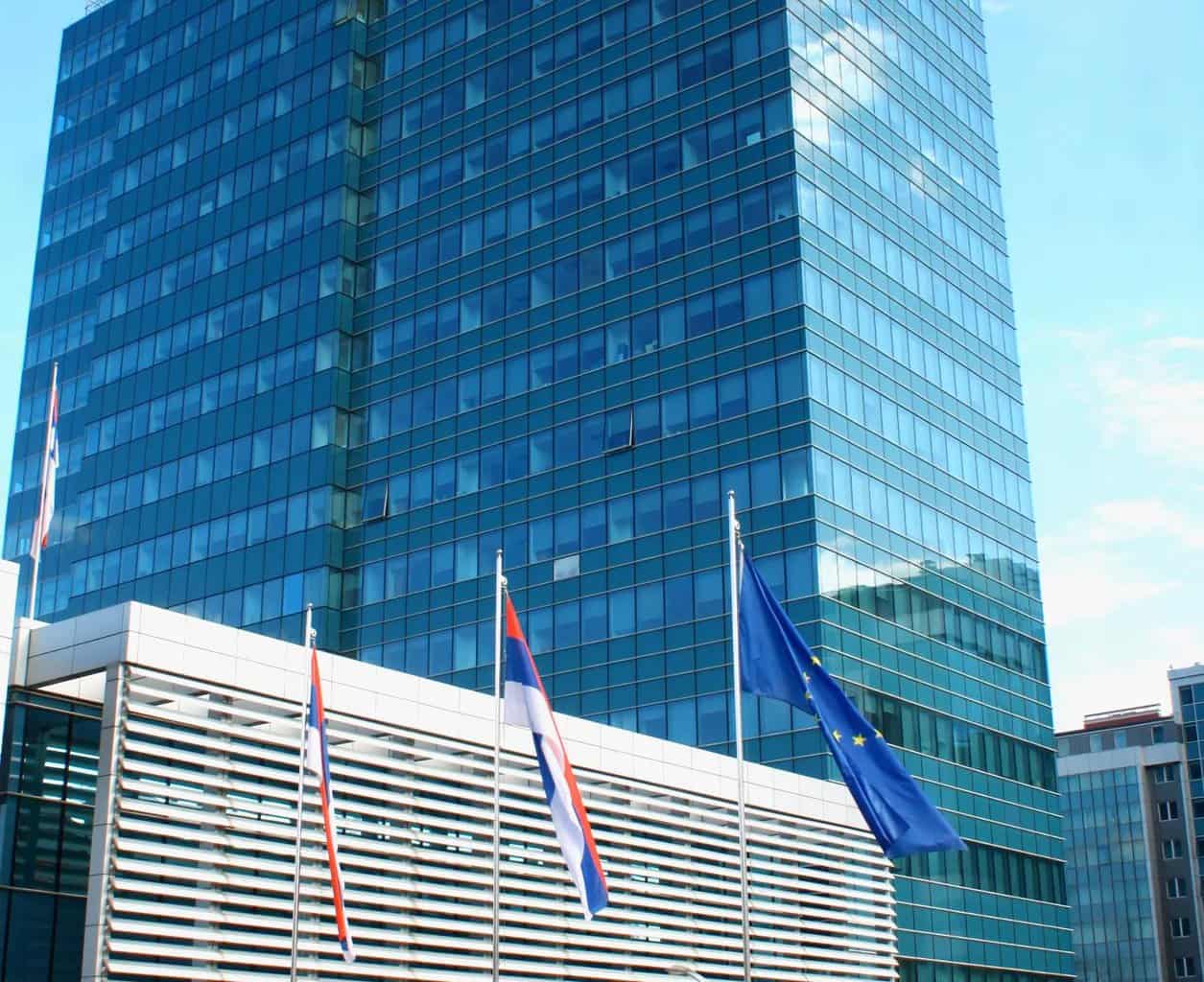
Banja Luka, Republika Srpska
When you search for the least-known European capital, most results immediately point to Banja Luka. This city offers its visitors and explorers a unique blend of outdoor adventure, cultural diversity and flavourful food, making it a perfect destination for those looking for an unforgettable experience at an affordable price. For nature lovers, Banja Luka offers stunning landscapes ideal for outdoor activities, yoga and meditation, or just enjoying sunrises and sunsets.
If you are a history lover, the city has a wealthy cultural and historical heritage dating way back to the Roman and other empires. In Banja Luka, you will find the Kastel fortress, Ferhadija mosque and the Cathedral of Christ the Saviour.
The food is a big plus. The local cuisine is a mixture of influences between Eastern and Western Europe, resulting in unique and delicious dishes in which minced meat and spices are essential ingredients. Banja Luka is known for its warm and welcoming locals who are always glad to share their traditions and culture with their visitors.
Podgorica, Montenegro
Podgorica, the capital of Montenegro, is one of the most beautiful European destinations for anyone looking for natural beauty, history and culture and seeking a memorable trip.
Podgorica offers visitors many aspects to explore, like its natural beauty and diverse architectural style. Thanks to its 44-metre elevation above sea level, this city enjoys mild weather and stunning landscapes. It also has vast spaces for outdoor activities, including hiking in the mountains, cycling, walking, and rare bird watching.
Aside from its natural beauty, the streets of Podgorica are like an open-air museum thanks to the rich architecture, from the Roman era Diocletian’s Palace to the Ottoman clock tower Sahat Kula and the modern Millennium Bridge.
The food and the people in this city definitely stand out among all the other elements it has to offer. Locals are incredibly welcoming and friendly, and the food is a real highlight – with a delicious fusion of Mediterranean, Balkan, and Turkish cuisine, all with a unique local twist that’s sure to leave your taste buds singing. Also, English is widely spoken in this city, which facilitates communication.
Skopje, North Macedonia
Skopje, the capital of North Macedonia, is a vibrant and lively city that offers visitors a range of diverse experiences in one place, from cultural and architectural heritage and natural beauty to nightlife and partying.
Skopje is a city rich in history and culture and an ideal destination for history lovers and architectural geeks. It has many distinctive attractions, such as the old Skopje Castle, the Old Bazaar, the Daut Pasha Bath, and the famous Skopje Stone Bridge. At the same time, lovers of nature and relaxation can enjoy a date with breathtaking landscapes surrounding them. For adventure lovers, there are different destinations for hiking, climbing, water sports and cycling, such as Matka Canyon, Vodno Mountain and Lake Matka.
On the other hand, nightlife fans will find many bars, clubs and vibrant music venues that cater to all tastes to keep them up all night dancing. Also, for shopping enthusiasts, Skopje is a great destination with various modern malls, markets, bazaars and boutiques.
Another advantage is that Skopje is an easily accessible city, with various transportation to other major cities and its international airport. Also, English is widely spoken in Skopje, especially in tourist areas and among the younger generations, which makes communication easier and more efficient.
Vaduz, Liechtenstein
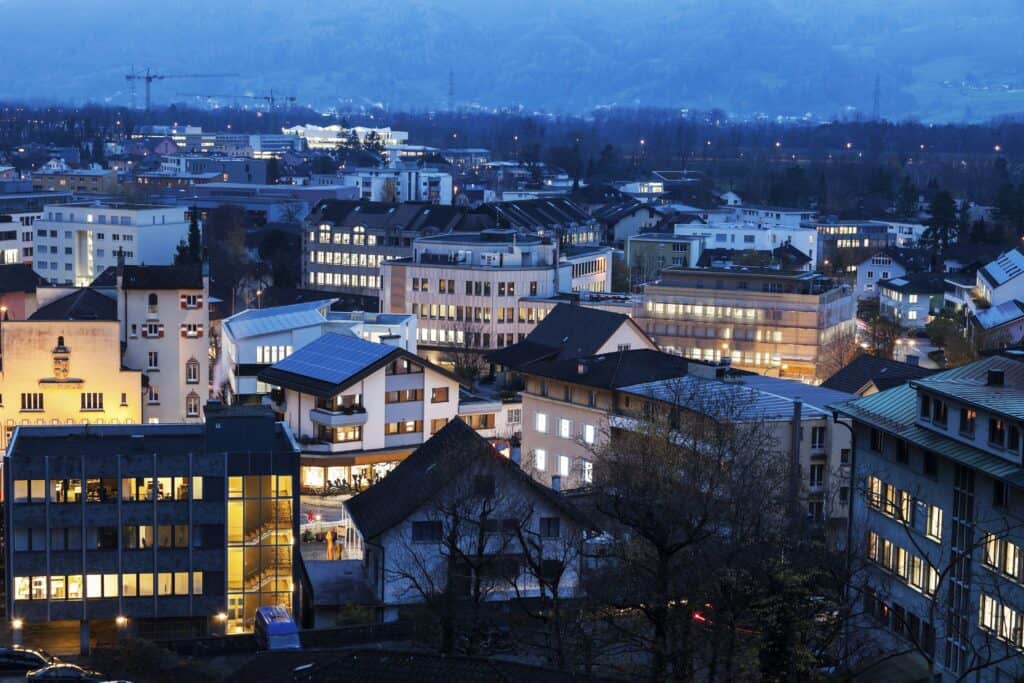
Even though Vaduz might be one of the tiniest cities in Europe, it’s definitely not short on beauty, with its charming surprises, fun activities, and stunning views that will take your breath away. Starting with the landscape, Vaduz is situated in the heart of spectacular mountain ranges and meanders by the Rhine. The city, which lies in a valley and offers stunning views from every angle, is a city for all seasons. In winter, tourists can enjoy skiing, and in summer, they can relax after cycling and long walks in the surrounding forests and mountains.
In Vaduz, visitors can explore many attractions and a rich history. They can move from admiring the 12th-century Vaduz Castle’s distinctive architectural design to the Liechtenstein National Museum, which explains the culture and history of that country.
The culinary scene in Vaduz also offers visitors a unique, delicious and flavourful experience, with traditional dishes, international cuisine and local wines produced from the vineyards surrounding the city, along with many Michelin-starred restaurants, cafes and bakeries with attractive aromatic charm.
As an added advantage, visitors should not worry about communication in Vaduz, where English is widely spoken and understood, as it is one of the official languages in Liechtenstein.
Tallinn, Estonia
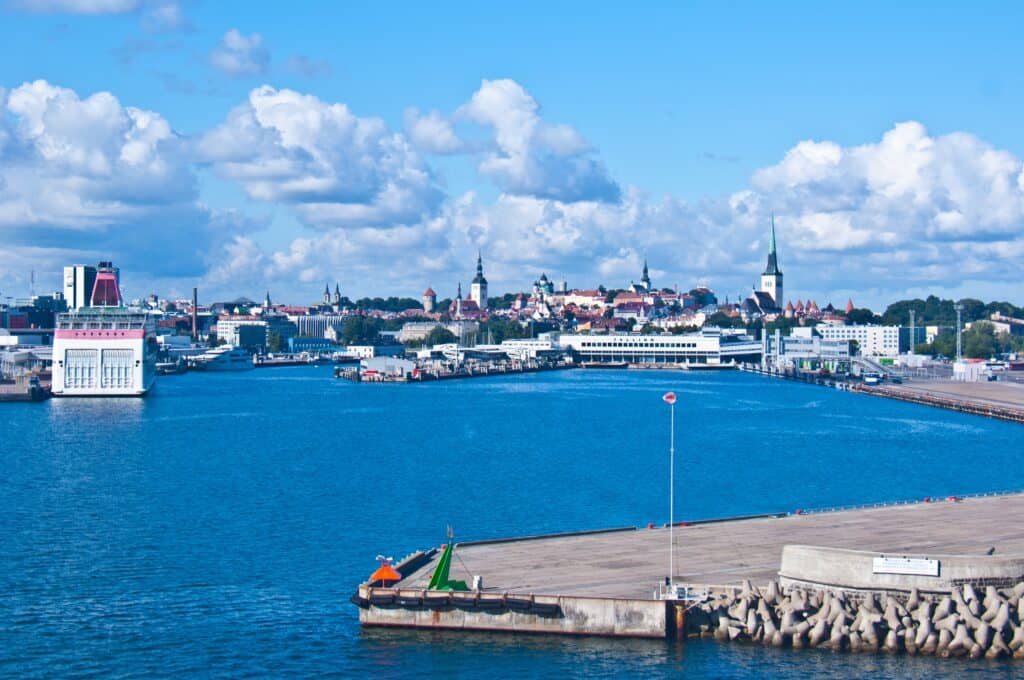
Tallinn, the capital of Estonia, is a city full of history, culture and stunning landscapes blended with modernity and sophistication. The Old Town of Tallinn is an open-air museum and a UNESCO World Heritage Site where visitors can stroll through its cobbled streets, admiring the Gothic architecture of churches, towers and halls, or sail on the Baltic Sea and enjoy the breathtaking surroundings. Tallinn is among the best-preserved mediaeval cities in Europe, with many museums and galleries, such as the Kumu Art Museum, the Estonian Open-Air Museum and the Estonian Maritime Museum.
For food enthusiasts, Estonian cuisine offers a variety of dishes full of flavours, including black bread, sprat sandwiches and cabbage soup. Tallinn has many international and local restaurants that offer visitors an unforgettable experience. Tallinn is not only a city of history but also a centre of technology and innovation, with many startups and tech companies.
Despite Tallinn’s harsh winters, May and September are good times to plan a trip, especially for those who prefer lower prices and fewer crowds. While the best time to visit Tallinn is between June and August, as the weather in summer is warm and inviting for exploration.
For tourists and visitors, communication in Estonia won’t be an issue because English is widely spoken and is the country’s second official language.
Andorra la Vella, Andorra
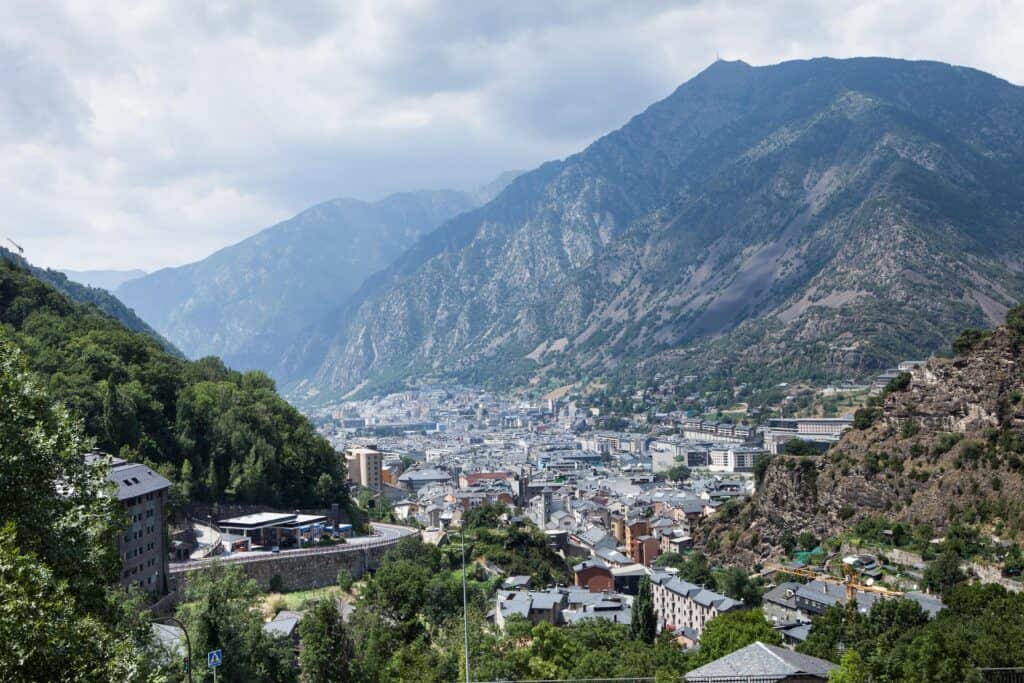
Between France and Albania in the Pyrenees lies the small, landlocked country of Andorra, whose capital is Andorra la Vella. Although Andorra la Vella is tiny, it is big on charm and is considered one of Europe’s most beautiful hidden gems. Andorra la Vella offers a unique experience from every aspect. This small town is just perfect for skiing, hiking, mountain biking, and enjoying untouched nature. It is also home to Grandvalira, one of Europe’s largest winter sports resorts.
Andorra la Vella has a rich cultural heritage and historical landmarks worth exploring, such as Casa de la Vall, Sant Esteve Church, Església de Sant Andreu, and Plaça del Poble. And for those passionate about shopping, Andorra la Vella is the right destination, thanks to tax-free shopping and international stores where you can find all you want. Visitors should not miss the opportunity to dine in Andorra la Vella because Andorran cuisine is a distinct mixture of French and Catalan cuisines.
Vilnius, Lithuania
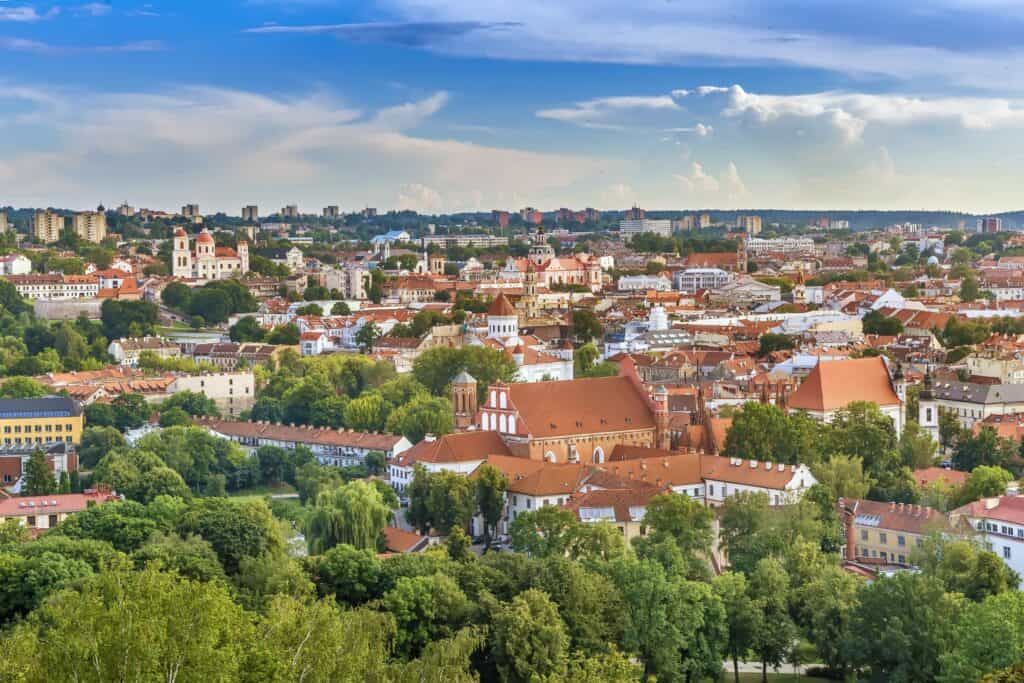
Vilnius, the capital of Lithuania, promises explorers and visitors an unparalleled experience filled with all they dream of. Vilnius has a rich history and culture, especially the Old Town, which is among the largest mediaeval old towns in Europe. This European city also offers activities for all tastes. Those looking for outdoor activities can visit the Aukštaitija National Park, which includes more than 30 lakes and picturesque forests, ideal for walking and cycling. And for those who are into nightlife, there are many bars and nightclubs to keep them up all night.
The city also has many shopping destinations, restaurants and cafes that guarantee an unforgettable experience. Also, Lithuanian cuisine is full of wonderful flavours that revive the taste buds.
The best time to visit Vilnius depends on personal preferences. In summer, the weather is warm and pleasant from June to August, and it is excellent for day hikes. The weather is cooler in autumn and spring, specifically from April to May and September to October, with lower rates than in summer. On the other hand, if you’re someone who’s crazy about the holiday season and doesn’t mind a bit of chilly weather, then you’ll love it there, especially between November and March, when you can enjoy the snow and all the winter wonderland vibes.
Reykjavik, Iceland
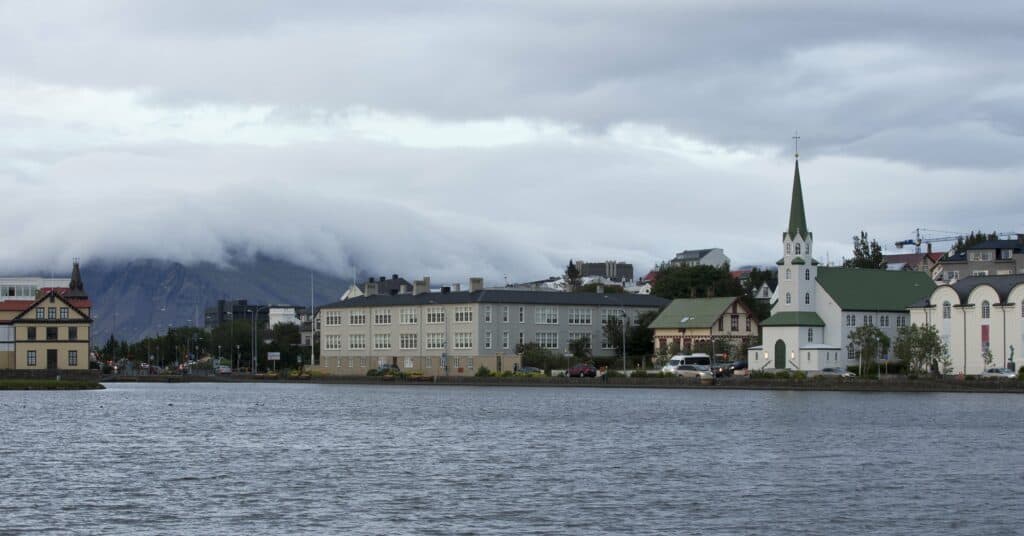
Reykjavik, the capital of Iceland, is underrated among tourists despite being well-recognised for its icy arctic climate. Although this city can be considered one of the most beautiful European capitals, it still needs more publicity to attract more tourists. However, Reykjavik’s stunning views, from the blue lagoon to the Northern Lights, blow tourists away.
Despite its small size, Reykjavík has a vibrant cultural scene and distinct international and local cuisine, serving various dishes from smoked lamb to Icelandic seafood. The locals are amiable and love to share their traditions and culture with the visitors.
Before coming to Reykjavik, you must decide on the suitable season for what you seek to experience, as the optimal time to visit the city depends on individual preferences.
Summer is the tourist season, with mild weather from June to August. The best time to watch the Northern Lights is between December and February, but one should be prepared for the bitter cold. As for spring from March to May and fall from September to November, the weather can be unpredictable.
That’s All!
We must emphasise that the least-known European capitals promise their visitors many advantages while avoiding the problems of major cities such as crowds, pollution and noise. Often, these beautiful cities provide a more authentic and affordable tourist experience.
Capitals like Podgorica, Skopje, Vilnius, Andorra la Vella and Banja Luka may not be as famous as Paris, Rome and Amsterdam, but they are definitely worth a visit even once in a lifetime. Whether you are a nature contemplator, a history buff or a foodie who wants to go on a tour, the aforementioned European capitals will not disappoint you. Prepare for your next trip right away.
Discovering Ireland | Explore County Tyrone
County Tyrone
01/05/2024
10 Charming Irish Towns You Must Visit
Ireland
01/05/2024

The Art of Solomon’s Knot: Complete Guide
Culture Exploration
01/05/2024
Best Places to Stay in Dublin
County Dublin- Dublin
01/05/2024
Vikings Filming Locations in Ireland – Ultimate Guide to the Top 8 Spots to Visit
TV and Film Locations
01/05/2024