


Oases of Egypt: 5 Places of Hidden Beauty in the Heart of the Desert
Updated On: April 16, 2024 by  Ciaran Connolly
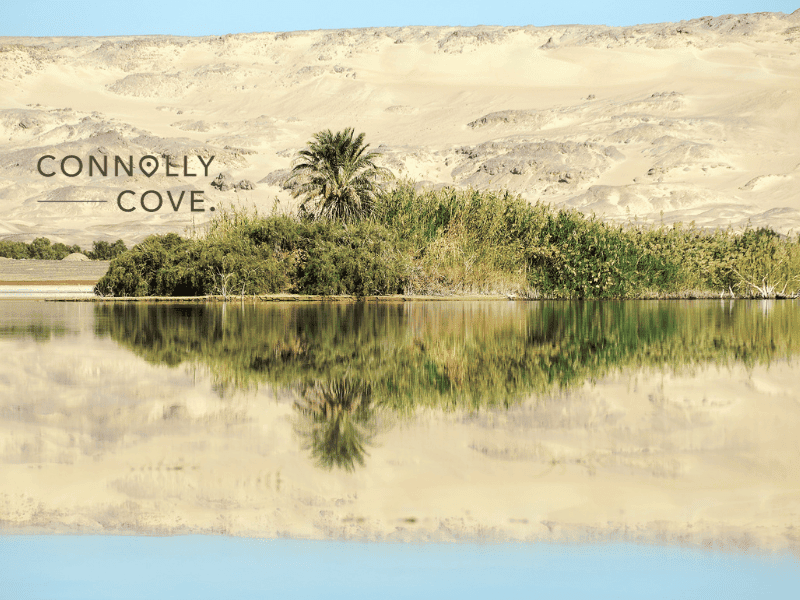
Do you know that Egypt is more than just an ancient history, a great civilisation, and a bustling, vibrant capital? The Egyptian experience is full of hidden gems, such as the amazing oases of Egypt. They are treasures of tranquillity and life nestled amidst the vast expanse of Egypt’s arid deserts. That vast area, which extends over more than one million square kilometres, is full of places waiting to be explored, from the stunning beaches of the Mediterranean and the breathtaking depths of the Red Sea to the lush green oases of the desert.
Table of Contents
Random Facts About the Oases of Egypt
There are many sayings that refer to Egypt’s numerous oases. There are also significant tiny oases in addition to the five well-known larger ones. Here are some general, interesting facts about them:
- There is proof of human habitation in Egypt’s oases extending back thousands of years to prehistoric periods.
- Natural springs in the oases provide reliable sources of water in the arid desert.
- A surprising variety of plant and animal species, including numerous endemic and rare species, are found in Egypt’s oases.
- Many different civilisations and cultures have left their mark at the oases, including ancient Egyptian, Roman, and Islamic civilisations.
- The date palm, which has been grown in the oases for thousands of years, is their most famous crop.
- Traditional communities in each oasis engage in farming, pottery making, crafting, and other traditional arts and crafts.
- Egypt’s oases are now well-liked locations for ecotourism.
- The oases hold a number of colourful festivals that highlight their rich cultural heritage and traditions.
A Tour in the Oases of Egypt
Let’s embark on a journey around Egypt’s wonderful oases, taking in their amazing beauty, learning about their fascinating past, and discovering the special experiences they have to offer. We warmly invite you to explore the hidden treasures of Egypt’s oases and lose yourself in their breathtaking splendour, from the captivating legends of Siwa to the timeless allure of Bahariya. Get out of the busy cities and start an oasis adventure—a journey to the heart of Egypt’s endless tranquillity.
Siwa Oasis
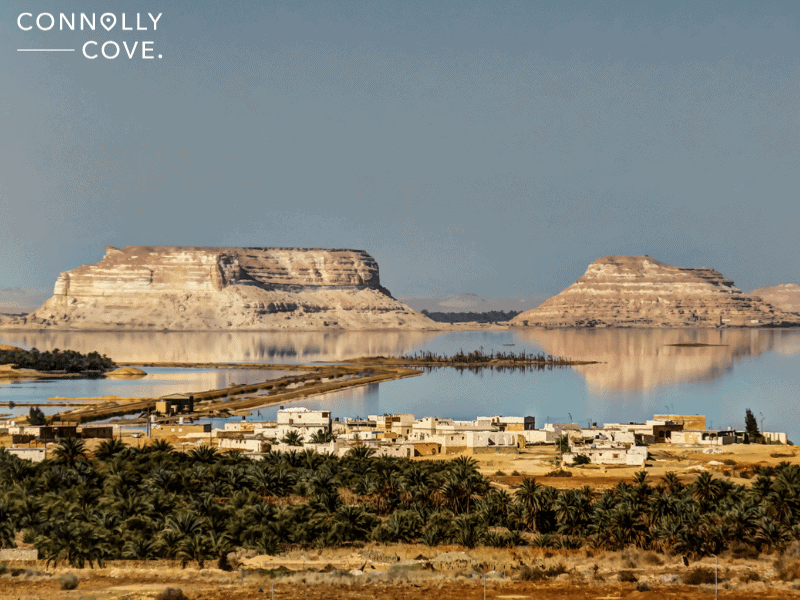
Siwa Oasis is a hidden gem in the Egyptian Western Desert, surrounded by a sense of magic and mystery. Siwa Oasis attracts adventurers and dreamers who want to lose themselves in its timeless beauty and appreciate its rich history. The Siwa Oasis is located not far from the Libyan border. Due to its solitude, its traditional way of life and ancient charm have been maintained, giving tourists a glimpse into a world untouched by the accelerating speed of technology.
What to See and Do in Siwa Oasis
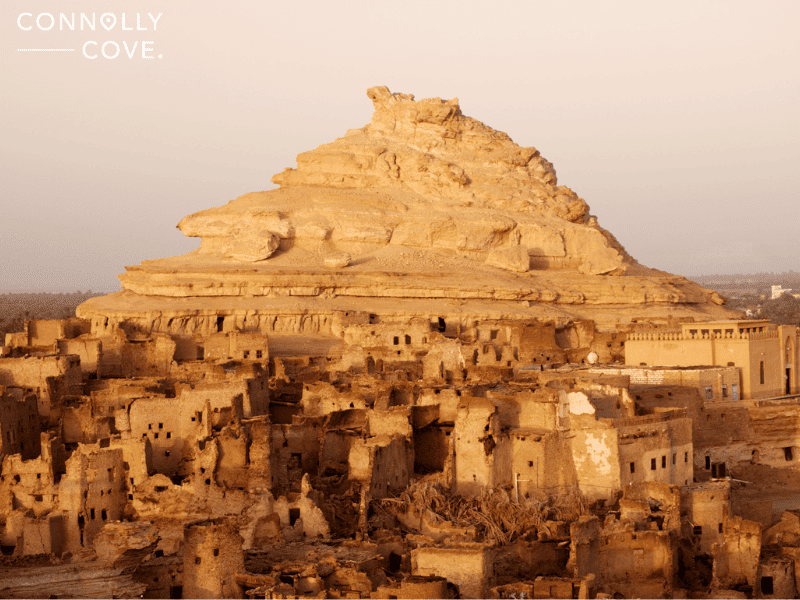
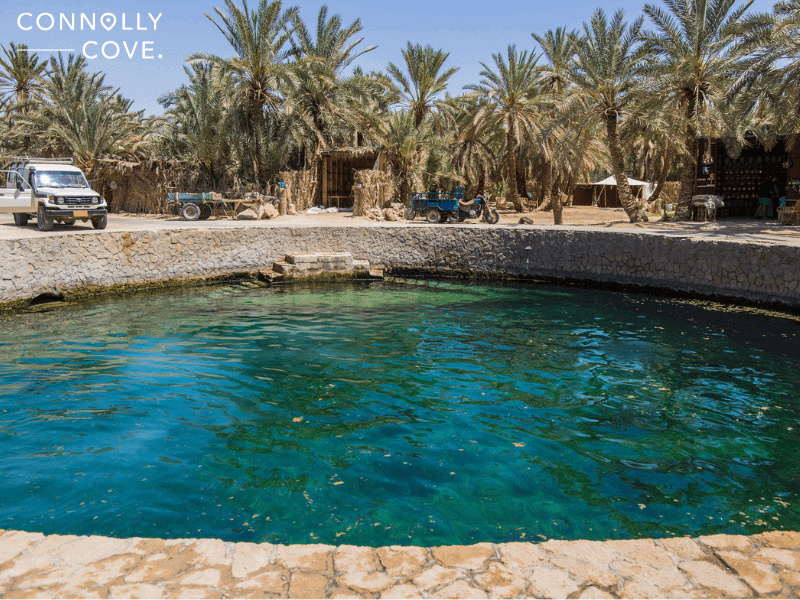
Entering Siwa Oasis is like travelling through time. You will be amazed by the freshwater springs that are emerald green and the towering date palms gently dancing in the breeze. Also, the Great Sand Sea’s golden dunes stand in stunning contrast to the serenity of the surroundings and the vibrant colours of nature. Siwa’s attractiveness goes beyond its beautiful surroundings, as the history and folklore of the oasis are rich. Alexander the Great is known to have visited this location for guidance from Amun before starting his conquests. The ruins of Amun’s Temple still exist today, demonstrating the ancient Egyptians’ architectural skill.
At the same time, Siwa Oasis is characterised by the existence of Berber culture. For many years, the locals, known as Siwans, have maintained their ancient way of life. They proudly show their Berber background in their dialect, attire, music, and long-standing traditions. Pottery and needlework are also examples of traditional crafts that are passed down from one generation to the next and offer a look into the rich cultural heritage of the Siwa.
Siwa provides adventurous tourists with a wide range of experiences, with its drifting lanes, historic buildings, and crystal-clear salt lakes offering a unique opportunity for rest and rejuvenation. If you are searching for an experience that leaves a mark on the soul, witnessing the sunrise or sunset from White Mountain must be part of your plans. Adventurers can embark on a journey to the incredibly stunning Mountain of the Dead (Jebel Al-Mawta). The magnificent panorama of the oasis and the surrounding desert is provided by this towering limestone mountain.
Not only that, you can visit the Cleopatra Bath, a natural spring believed to have been visited by the ancient Egyptian queen herself, which is another must-see attraction. It is an oasis within the oasis, inviting visitors to relax and take in the tranquillity with its refreshing waters and wonderful vibes.
Bahariya Oasis
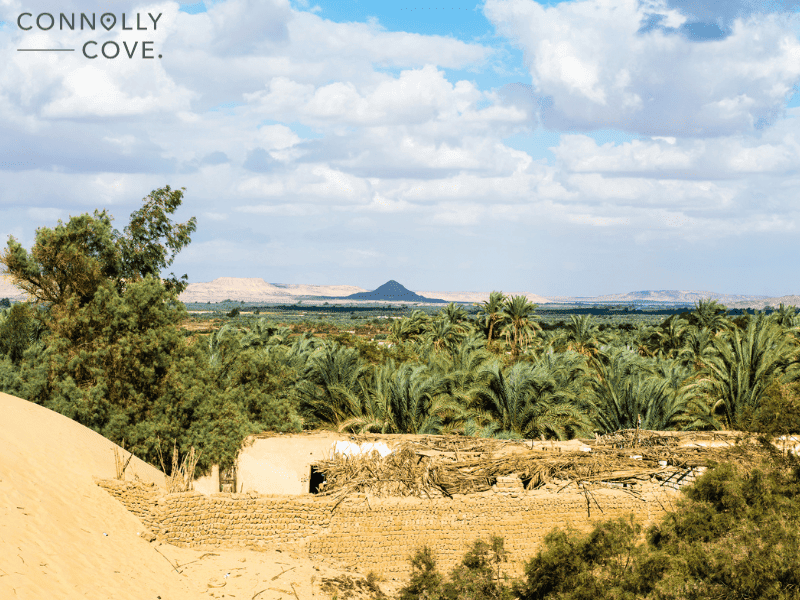
Located approximately 365 kilometres southwest of Giza, Bahariya Oasis is a haven of tranquillity and natural splendour. As travellers traverse the desert on their way to Bahariya, they can experience the stunning desert landscapes and towering sand dunes. Visitors are welcomed by this magnificent oasis, which stands out vividly in contrast to the arid areas nearby. These surrounding areas are covered in lush fields of olives, crops, and fragrant citrus fruit trees, all nourished by the oasis’s many underground water sources.
What to See and Do in Bahariya Oasis
In addition to being a feast for beholders, Bahariya Oasis is a gateway to ancient history. With signs of human presence dating back to prehistoric times, it has been a thriving settlement for thousands of years. During the Pharaonic era, the oasis flourished and played a vital role in caravan routes through the desert. The Valley of the Golden Mummies is one of Bahariya Oasis’ most amazing attractions. This ancient necropolis, which was accidentally discovered in the 20th century, is home to a number of preserved mummies with jewels and gold-plated masks. It is like travelling back in time to explore the tombs, which provide insight into ancient Egyptian burial customs and beliefs.
For those seeking outdoor adventures, the Black Desert, near Bahariya Oasis, provides beautiful scenery and distinctive geological formations. The dark volcanic rocks that give the Black Desert its name stand in dramatic contrast to the surrounding golden dunes. Bahariya Oasis also offers opportunities for relaxation and rejuvenation. The area is famous for its natural hot springs, with more than 400 springs of warm and cold mineral and sulphur water. Visitors can enjoy the healing waters and relax in the serene desert surroundings.
Dakhla Oasis
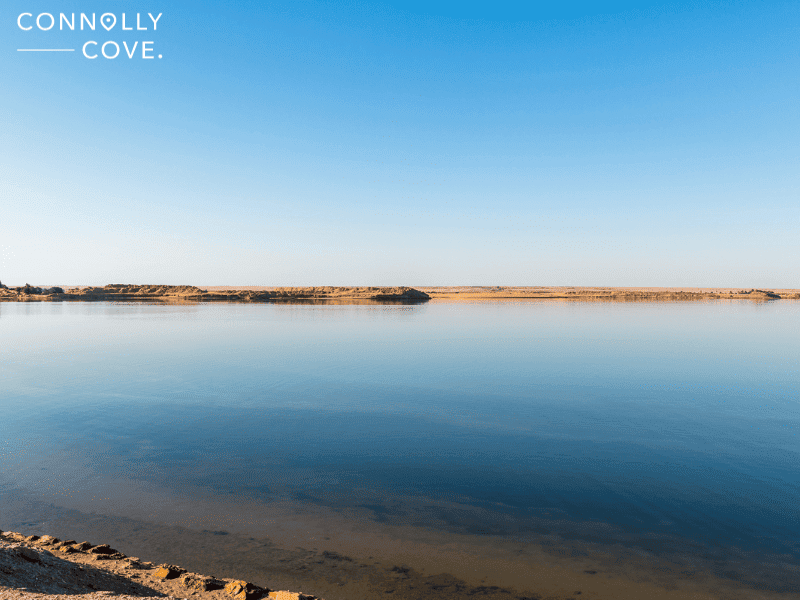
Dakhla Oasis, around 350 miles southwest of Cairo, is captivating due to its serene surroundings and extensive cultural history. Dakhla is one of Egypt’s most beautiful oases; it is backed by verdant farms, gorgeous palm trees, and refreshing hot springs.
When you set foot in Dakhla Oasis, you feel the scent of history. The Dakhla Oasis’s major town, Mut, is rich in both history and culture. Its vintage homes and narrow alleyways transport tourists to a bygone time and a feeling of nostalgia. One can find hidden gems like small craft shops, bustling markets, and authentic little cafes serving delightful local cuisine by strolling through the maze-like alleys.
What to See and Do in Dakhla Oasis
Visitors can also find hidden gems like the El-Qasr village, which was built on the remains of a Roman palace, by exploring the town’s historic centre.
Meanwhile, Dakhla Oasis is a natural paradise that will not let down those in search of beauty. The oasis is blessed with many hot springs known for their healing qualities. The most popular of them is Bir Tarfawi, where tourists may relax in the tranquil, mineral-rich water and let their worries drift away. The magnificent atmosphere is enhanced by the surrounding palm-fringed pools, which create a peaceful hideaway in the middle of the desert oasis.
Additionally, Dakhla Oasis provides the opportunity for thrilling experiences. Visitors are able to participate in exciting car safaris or camel rides that take them deep into the stunning sand dunes as they explore the nearby desert. They will be captivated by nature’s glorious spectacle at sunset as the sky is painted with gold, orange, and pink shades. Above all, guests to Dakhla feel welcomed by the warmth and kindness of the locals. Talking to the hospitable locals provides a window into their rich cultural heritage and their traditional crafts, including weaving, pottery, and basketry.
Farafra Oasis
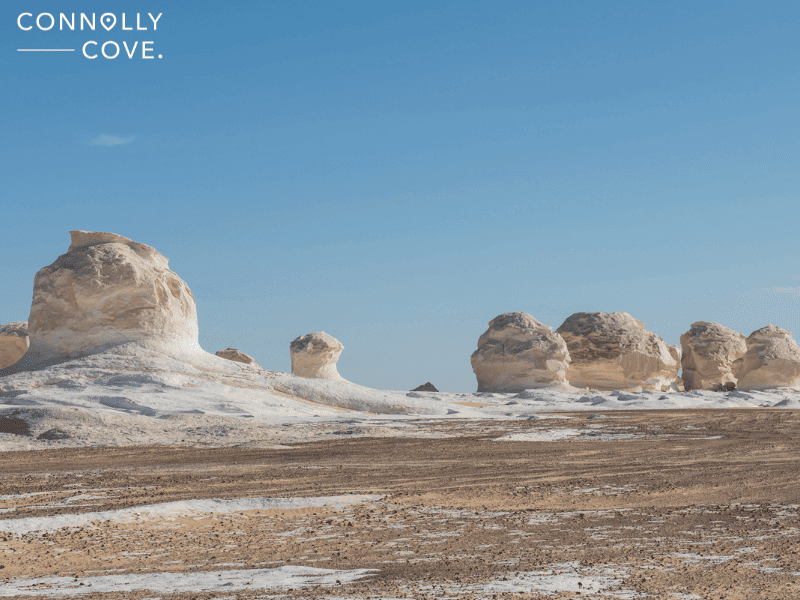
Adventurers are invited to explore Farafra Oasis, a hidden treasure in Egypt’s Western Desert, and take in the charm of an untouched paradise. Farafra Oasis, which is located about 576 km southwest of Cairo, provides a tranquil haven amidst the vastness of the desert, where time seems to stand still, and nature takes centre stage. Along with its special charm, Farafra Oasis has therapeutic hot springs, which provide a revitalising escape from the desert heat. Soaking in Bir Sitta‘s mineral-rich waters while being surrounded by the quiet desert scenery is an experience that calms the body and soul.
What to See and Do in Farafra Oasis
Because Farafra is isolated from the bustle of the city, it has a serene ambience that attracts tourists right away. At the same time, a tiny group of locals live in the oasis and have long embraced their traditional way of life. They offer a warm welcome to guests and share details about their traditions, folklore, and genuine hospitality. Around Farafra, the Great Sand Sea provides a variety of exciting activities for adventure enthusiasts. Visitors can fully experience the wild beauty of the desert by going on an adrenaline desert safari or dune-bashing adventure. Moments of absolute astonishment and inspiration are the magnificent sunrises and sunsets when the sky changes into a painting of vibrant colours.
On the other hand, guests will enjoy visiting the Badr Museum, which provides a window into the oasis’s rich past and cultural heritage. It includes artefacts from the prehistoric era, items from ancient Egypt, and African masks and sculptures. It also helps to understand the residents’ everyday lives and artistic pursuits.
Overall, Farafra Oasis serves as a starting point for further exploration of the Western Desert’s beauties. The unbelievable sight of the White Desert, with its rock formations carved by nature, entices visitors to explore its ethereal terrain. The Santa Acacia Tree, a wonderful natural wonder, also features in this gorgeous environment for its ability to persevere in the face of difficulty.
Kharga Oasis
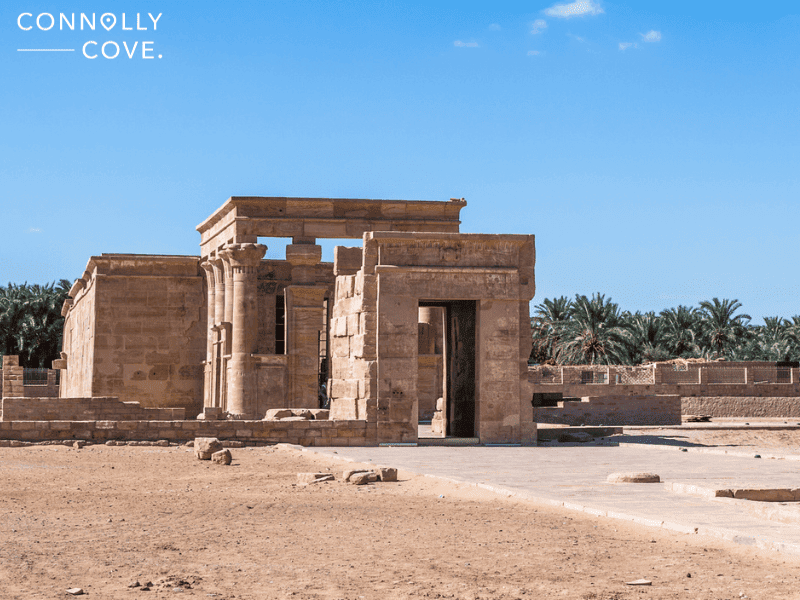
Kharga Oasis, a magical desert oasis located deep within Egypt’s Western Desert, attracts adventurous travellers to explore it for more of its hidden secrets. Kharga Oasis, which lies about 200 kilometres west of the Nile and is the biggest and most populated oasis in the Western Desert, offers a special fusion of scenic beauty, cultural treasures, and welcoming hospitality. Reaching Kharga Oasis, visitors are met by a stunning scene of golden sand dunes and lush palm trees. It provides a shelter for life to flourish in the dry environment and an escape from the arid surroundings.
What to See and Do in Kharga Oasis
For history buffs, the Kharga Oasis has an extended, glorious past. It was a crucial crossroads that connected Egypt with other African civilisations. The oasis is, therefore, dotted with artefacts from its rich past, providing a window into the various civilisations and influences that have shaped the area. Visitors can also take a tour of the Temple of Hibis, an ancient Egyptian temple devoted to the god Amun, which is one of the must-see sights in Kharga Oasis. This well-preserved temple, which dates to the 664–404 BCE period, features stunning reliefs and inscriptions that provide visitors with a sense of the splendour and symbolism of ancient Egyptian religious practices.
Aside from that, the Kharga Museum has an extensive collection of items and exhibits that provide insight into the history of the oasis, from ancient pottery and jewellery to mummified remains. The museum offers a fascinating journey through the ages, revealing the stories of the civilisations that thrived in this isolated desert oasis.
As for nature lovers, the magnificent scenery that surrounds Kharga Oasis will comfort them. They can also appreciate the grandeur and tranquillity of the Western Desert by participating in activities like camel trekking, jeep safaris, and star-gazing camping. Visitors are welcomed by the locals in Kharga Oasis with open arms. They can learn about the locals’ traditions, folklore, and artistic practices by engaging with them.
All in all, the Egyptian oases provide a getaway from busy cities and popular tourist destinations, allowing tourists to take in the serene splendour of nature and discover the vibrant cultural legacy that exists within these desert jewels. Each oasis offers a distinctive mosaic of experiences that leave a lasting impact, whether it is the peaceful Siwa Oasis, the historical wonders of Bahariya Oasis, the timeless allure of Dakhla Oasis, the mystical charm of Farafra Oasis, or the cultural glories of Kharga Oasis.
Whether you are looking for relaxation, cultural immersion, historical exploration, or adrenaline-fueled adventures, the oases of Egypt offer countless experiences that capture the soul and create memories that will last a lifetime. Go beyond the main road, embrace the allure of the desert, and let the oasis of Egypt perform its magic!

The Impact of Scottish Warriors on History: Exploring Scotland’s Heroes and Villains
Culture Exploration
28/04/2024
Exploring the Myth of the Celtic Symbol for New Beginnings
Culture Exploration
28/04/2024
Kenya Tourism Statistics: An Increase in International Tourist Arrivals
Travel Statistics
28/04/2024

Albert Memorial – London Attractions
England
28/04/2024
Cuffs Bar and Grill: The Jewel of Crumlin Gaol
Food and Cuisine
28/04/2024