
Montana, USA: Amazing Things to Do in The Treasure State

Updated On: April 20, 2024 by  Courtney Augello
Montana, often referred to as “Big Sky Country,” is a vast and untamed wilderness that draws tourists from around the world. This majestic state, located in the heart of the American West, offers numerous tourist attractions and activities that celebrate the rugged landscapes, rich cultural heritage, and spirit of exploration that defines Montana.
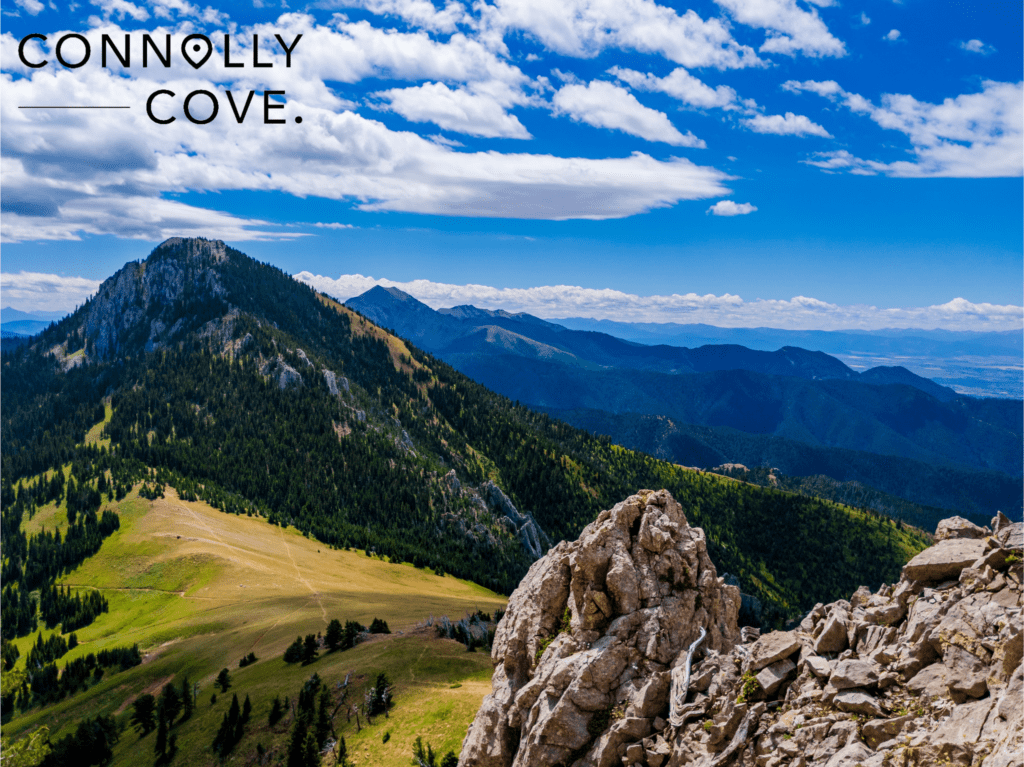
From mountain peaks to tiny towns, Montana has a surprise hidden around every corner. To help you plan the best trip to The Treasure State, we’ve delved into the natural wonders, historic attractions, and outdoor activities that make Montana a popular US destination.
Table of Contents

Natural Wonders and Scenic Beauty
Glacier National Park
Glacier National Park is a pristine wilderness area in the northwestern corner of Montana renowned for its breathtaking landscapes, rich history, and abundant wildlife. This national park spans over a million acres along the Canadian border.
Glacier National Park, established in 1910, is often referred to as the “Crown of the Continent” due to its towering mountain peaks, pristine lakes, and extensive glaciers. It forms part of the Waterton-Glacier International Peace Park, a UNESCO World Heritage Site that extends into Canada’s Waterton Lakes National Park.
The park is defined by the rugged terrain of the Rocky Mountains, with over 700 miles of hiking trails winding through alpine meadows, dense forests, and mountain passes.
Outdoor Activities
Glacier National Park is a haven for outdoor enthusiasts and offers a plethora of activities. Hiking is a popular pastime, with trails catering to all skill levels. The park features shorter hikes suitable for families and beginners and wheelchair-accessible boardwalks.
For experienced hikers, challenging routes like the Highline Trail and Grinnell Glacier Trail allow them to immerse themselves in the park’s rugged beauty and witness its glaciers up close.

In addition to hiking, the park offers camping, fishing, and boating opportunities. Visitors can take a boat tour on the pristine waters of Lake McDonald, go on guided horseback rides, and explore the backcountry.
The park is also great for observing diverse animal species in their natural habitat. The park is home to an array of wildlife, including grizzly bears, black bears, mountain goats, bighorn sheep, elk, moose, and numerous bird species. The lush meadows and dense forests provide ideal grazing and shelter for these animals, making wildlife encounters common.
Yellowstone National Park
Yellowstone National Park is located predominantly in Wyoming but has a significant portion that extends into Montana. It is celebrated for its vast and diverse collection of geothermal features, making it one of the world’s most popular destinations.
Yellowstone is famously known for its geysers, with Old Faithful being the most iconic. Old Faithful erupts on a regular schedule, sending a column of scalding water and steam high into the air.
Besides Old Faithful, Yellowstone boasts over 10,000 hydrothermal features, including hot springs, mud pots, and fumaroles. The Grand Prismatic Spring is another must-see attraction, showcasing a vibrant rainbow of colours.

The park’s wonders are a result of the underlying supervolcano, which powers the geological features. Visitors can explore boardwalks and trails that lead them through geyser basins, offering a close encounter with the bubbling features that make Yellowstone unique.
Outdoor Adventures
Whitewater Rafting on Gallatin River
The Gallatin River in Montana is renowned for offering thrilling whitewater rafting experiences amidst the picturesque backdrop of the Rocky Mountains. Rafting enthusiasts from around the world flock to this river for the adrenaline-pumping rapids and breathtaking natural beauty.
The river is divided into different sections, each offering a unique rafting experience suitable for various skill levels. The most popular section for whitewater rafting is the Gallatin Canyon. Here, the river winds through a rugged and narrow gorge, creating a series of exciting rapids.
The rush of navigating through these rapids, such as the Mad Mile and Screaming Left, is a heart-pounding adventure that keeps both beginners and experienced rafters coming back for more.

Guided tours are available for those looking to make the most of their Gallatin River rafting experience. Experienced guides make the adventure accessible to all tourists, including first-time rafters, by offering instructions on paddling techniques and navigation through the river’s twists and turns.
Winter Activities in Big Sky
Big Sky, Montana, is a winter sports enthusiast’s paradise known for its world-class ski resorts and a wide range of winter activities and amenities. With its stunning alpine landscapes and abundant snowfall, Big Sky has earned its reputation as a premier destination for skiing and snowboarding in the United States.
Big Sky is home to two renowned ski resorts: Big Sky Resort and Moonlight Basin. Big Sky Resort, one of the largest ski resorts in North America, spans over 5,800 acres and has a vertical drop of 4,350 feet. The resort boasts diverse terrain, from gentle slopes for beginners to challenging steeps for the more experienced.
Moonlight Basin, connected to Big Sky Resort, further enhances the winter sports experience in the area. This resort offers additional terrain, a variety of trails, and a welcoming atmosphere for families. The interconnected resorts create a massive playground for winter sports enthusiasts, ensuring there’s always a new trail to explore.
Beyond the exceptional skiing and snowboarding, Big Sky offers a plethora of winter activities and amenities to cater to all interests. Miles of scenic trails winding through forests and meadows are perfect for Snowshoeing, cross-country skiing, and snowmobiling tours.

Accommodation
After a day on the slopes or engaging in winter adventures, visitors can unwind in the vibrant mountain village of Big Sky. The area boasts an array of restaurants and cafes where skiers and snowboarders can enjoy a delicious meal and socialise. Additionally, wellness centres and spas offer relaxation and rejuvenation, ensuring guests can fully unwind after an active day.
Accommodation options in Big Sky range from cosy lodges to luxurious resorts, with many offering ski-in/ski-out access for added convenience. Whether you’re seeking a rustic cabin experience or a luxe mountainside retreat, Big Sky caters to various preferences and budgets.
Fly Fishing in Montana’s Rivers
Montana, often referred to as the “Last Best Place” for fly fishing, offers a dreamlike setting for anglers to explore. With crystal-clear rivers, abundant trout populations, and stunning landscapes, the state is a well-known fly fishing destination that draws visitors from all over the world.
Montana’s rivers and streams are full of native and wild trout, making it a prime location for fly fishing. Some of the state’s most popular fishing waters include the Madison, Yellowstone, and Gallatin Rivers.
Guided trips are a great option for tourists unfamiliar with Montana’s rivers or who have never been fly fishing. Guided fishing trips provide knowledgeable guides to help locate prime fishing sports, offer tips on techniques, and give insights about the area and wildlife.

Cultural Experiences
Montana’s Native American heritage
Montana’s Native American heritage is integral to the state’s cultural identity. The state allows visitors to connect with the indigenous communities by visiting reservations and cultural centres and exploring native art and traditions.
The Blackfeet Nation in Browning, the Crow Nation in Crow Agency, and the Northern Cheyenne Reservation in Lame Deer are among the reservations welcoming tourists. Here, guests can participate in cultural events, listen to traditional stories, and gain insights into the history and contemporary lives of Native American communities.
Cultural centres, such as the Museum of the Plains Indian in Browning and the Apsáalooke Cultural Museum in Crow Agency, offer a deeper understanding of the native cultures through exhibits, artefacts, and interactive displays.
These centres are invaluable resources for learning about the unique traditions, languages, and art forms of Montana’s indigenous peoples.

Art and Traditions
Montana’s Native American communities have rich artistic traditions, including intricate beadwork, distinctive clothing, and vibrant paintings. Beadwork, in particular, is a celebrated craft with patterns and designs that hold cultural significance.
The craftsmanship and storytelling abilities of native artists are showcased in every piece, making these artworks valuable connections to the state’s indigenous heritage.
Powwows and traditional ceremonies are essential components of Native American culture, and Montana frequently hosts these events. Powwows are vibrant celebrations of music, dance, and community. Visitors can witness and even participate in these age-old traditions, admiring the colourful regalia worn by dancers and taking in the event’s cultural significance.
Native American Markets and Vendors
Montana’s native communities often host markets and vendors selling a wide range of traditional goods, from handmade jewellery and pottery to clothing and dreamcatchers. These markets, such as the Northern Cheyenne Art Market and the Crow Fair in Crow Agency, allow visitors to interact directly with native artisans, learn about their crafts, and purchase authentic souvenirs.
Furthermore, purchasing items directly from native vendors contributes to the economic well-being of these communities and supports the preservation of their cultural traditions. Visitors can also enjoy indigenous cuisine at local restaurants and eateries on or near reservations and get a delicious taste of Native American culture.

Western History and Cowboy Culture
Montana’s cowboy legacy dates back to the late 19th century when cattle ranching and open-range cattle drives were integral to the state’s economy. Cowboys played a pivotal role in herding cattle across the expansive plains and rugged terrain, facing the challenges of the untamed wilderness and unpredictable weather.
The spirit of independence, self-reliance, and a deep connection to the land that characterised cowboys and ranching still resonates in Montana today. Numerous working ranches continue to raise cattle and preserve the traditions of the Old West.
Visitors to these ranches can gain a firsthand understanding of cowboy life by participating in cattle drives, watching rodeo demonstrations, and enjoying cowboy-style cookouts.
Rodeos and Festivals
Montana proudly embraces its cowboy culture with a calendar full of rodeos and yearly cowboy festivals. Rodeo is a beloved sport in the state, offering thrilling events such as bull riding, barrel racing, steer wrestling, and calf roping.

Montana’s cowboy festivals are an opportunity for locals and visitors to immerse themselves in the cowboy way of life. The Livingston Roundup Rodeo, the Miles City Bucking Horse Sale, and the Red Ants Pants Music Festival are just a few examples of annual gatherings that celebrate cowboy culture.
These festivals feature live music, western art, parades, and rodeo competitions, providing a vibrant and entertaining experience that reflects Montana’s enduring love for its Western heritage.
Art Galleries and Museums
Montana’s art scene is as diverse as its landscapes, encompassing contemporary and traditional expressions of creativity. With a wealth of art galleries and museums, the state offers visitors a multifaceted experience that delves into its artistic culture and rich historical heritage.
In cities like Bozeman, Missoula, and Billings, contemporary art galleries thrive, featuring works from local and national artists. These galleries showcase a wide range of modern art, including painting, sculpture, photography, and mixed media.
Traditional art is also deeply ingrained in Montana’s culture, especially within the state’s Native American communities. Visitors can explore galleries and markets showcasing these traditional works, gaining insight into the artistic traditions passed down through generations.

History Museums
Montana’s museums not only showcase its rich history but also highlight the diverse cultural heritage that has shaped the state. The Montana Historical Society Museum in Helena is a comprehensive collection of the state’s past, featuring exhibits on indigenous peoples, the Lewis and Clark expedition, and the Gold Rush era.
Similarly, the Museum of the Rockies in Bozeman explores Montana’s natural history and palaeontology. It houses an impressive collection of dinosaur fossils, including the world-famous Tyrannosaurus rex specimen, “Big Mike.”
Small Town Charm
Whitefish
Whitefish, located in the picturesque Flathead Valley of Montana, is a charming town that draws visitors with its blend of small-town warmth, stunning natural beauty, and a variety of activities.
Downtown Whitefish exudes a classic Western charm with its historic architecture, vibrant arts scene, and welcoming community spirit. Central Avenue, the town’s main street, is lined with unique boutiques, art galleries, and shops.

One of Whitefish’s signature landmarks is the historic Whitefish Depot, a beautifully restored train station that now houses a visitor centre and the Stumptown Historical Society Museum. The museum provides fascinating insights into the town’s past, including its railroad heritage and early pioneer history.
Outdoor Recreation
Surrounded by the natural wonders of northwest Montana, Whitefish features outdoor activities year-round. In the summer months, Whitefish Lake provides a pristine setting for water sports and fishing.
Whitefish Mountain Resort, just minutes from downtown, offers mountain biking, hiking, and zip-lining. The resort’s ski slopes transform into thrilling downhill trails in the summer, making it a hub for outdoor enthusiasts.
Winter brings a blanket of snow to the area, transforming Whitefish into a winter wonderland. Whitefish Mountain Resort becomes a skiing and snowboarding paradise with well-groomed runs and deep snow. Cross-country skiing, snowshoeing, and snowmobiling are also popular in the surrounding wilderness areas.
Red Lodge
Built in the heart of the Beartooth Mountains, Red Lodge, Montana, exudes a timeless charm that beckons tourists to the small town. With a rich history and natural beauty at its doorstep, Red Lodge is a captivating US destination for those seeking heritage and adventure.

Red Lodge’s historic district is a testament to the town’s Wild West heritage. Lined with well-preserved buildings from the late 19th and early 20th centuries, the downtown area offers a delightful stroll through history.
Visitors can explore unique shops, art galleries, and restaurants while immersing themselves in the town’s distinctive ambience. The historic Pollard Hotel, an iconic establishment dating back to 1893, adds to the charm with its period architecture and inviting accommodations.
Red Lodge Mountain
Red Lodge Mountain is a year-round playground for outdoor enthusiasts. In the winter, it transforms into a great skiing destination, with over 1,600 acres of skiable terrain, ranging from gentle slopes for beginners to challenging runs for experts.
When the snow melts, Red Lodge Mountain unveils a different kind of beauty. Hikers and mountain bikers flock to the trails, exploring the rugged landscape, pristine alpine lakes, and lush forests.
The mountain offers scenic chairlift rides, providing a leisurely way to soak in panoramic vistas. As the gateway to the Beartooth Mountains, Red Lodge is the perfect base camp for those embarking on backcountry adventures, hikes, backpacking, or camping in the pristine wilderness.

Philipsburg
Philipsburg is a charming town in the picturesque Flint Creek Valley of Montana. With its rich mining heritage and unique attractions, Philipsburg has carved a special place in the hearts of those seeking a taste of Montana’s treasures.
Philipsburg is renowned for its sapphires, and gem enthusiasts from all over the world flock to this town in pursuit of the brilliant Montana sapphire. The Sapphire Gallery and Gem Mountain Sapphire Mine are popular destinations for gem hunting.
Visitors can engage in hands-on experiences, sifting through gravel and dirt in search of these stunning blue and colourful gemstones. The thrill of discovering a sparkling sapphire, whether large or small, creates a memorable and authentic Montana experience.
Historic Buildings
Philipsburg is home to a treasure trove of well-preserved historic buildings reflecting its rich mining past. Along the town’s streets, visitors encounter elegant brick storefronts and historic facades that hearken back to the late 19th century.
The Sayrs Building is a prominent structure dating back to 1888 and stands as a testament to the town’s enduring architectural heritage. The Philipsburg Brewing Company, housed in a renovated mercantile building, is another charming establishment where you can enjoy locally brewed craft beers within a historic setting.

In the heart of Philipsburg, the Sweet Palace is an ornate Victorian-era building. The building houses a candy emporium full of vibrant and colourful confectionery and offers a dazzling array of candies, chocolates, fudge, and other sweet treats.
Unforgettable Road Trips
The Going-to-the-Sun Road
The Going-to-the-Sun Road, a crown jewel of the National Park Service, is an iconic and breathtakingly beautiful road trip through Glacier National Park in Montana. Spanning approximately 50 miles, The Going-to-the-Sun Road is a winding, high-altitude road connecting the park’s east and west sides.
Driving along this road is like entering a visual dream. It offers an ever-changing landscape with dense forests, cascading waterfalls, glacially carved valleys, and rugged mountain peaks that seem to touch the sky.
One of the most captivating aspects of the Going-to-the-Sun Road is its elevation gain, as it winds its way up to Logan Pass at an elevation of over 6,600 feet. The sheer grandeur of the scenery makes this drive an unforgettable experience.
For those interested in capturing the magic of the night sky, the Going-to-the-Sun Road offers unparalleled stargazing opportunities. Montana’s Big Sky Country lives up to its name as the road takes you away from city lights, providing clear, expansive views of the starry skies.

The Beartooth Highway
The Beartooth Highway, a high-altitude byway in Montana, USA, is renowned for its breathtaking vistas, dramatic alpine landscapes, and thrilling crossing of the Beartooth Pass. This iconic road trip offers travellers a scenic route through some of the most pristine and rugged terrain in the Rocky Mountains.
At an elevation of over 10,900 feet, the Beartooth Pass is the crown jewel of this highway. As you ascend, the landscape transforms, and tourists become surrounded by towering peaks, including Granite Peak, the highest point in Montana.
The Beartooth Highway isn’t just about reaching the pass; it’s also about the journey. One of the highlights is the Rock Creek Vista Point, which provides an expansive view of the rugged canyon and numerous glacial lakes.
As the highway descends into the Absaroka-Beartooth Wilderness, travellers will encounter the appropriately named Top of the World Store, a quirky roadside establishment with a reputation for its cinnamon rolls.
Lewis and Clark Trail
Lewis and Clark were American explorers who led the Corps of Discovery Expedition in the early 19th century. President Thomas Jefferson commissioned this historic expedition to explore the newly acquired Louisiana Territory, a vast wilderness that extended westward from the Mississippi River to the Rocky Mountains.

A significant portion of Lewis and Clark’s journey took place in Montana, and the state played a pivotal role in the expedition. The Lewis and Clark Trail allows modern-day travellers to follow in their footsteps and gain a deeper understanding of the challenges and discoveries they encountered.
Historical Significance
Montana’s section of the Lewis and Clark Trail is steeped in historical significance and dotted with landmarks that tell the story of their expedition. Pompeys Pillar, a sandstone butte along the Yellowstone River, features Captain William Clark’s signature and is one of the few physical artefacts remaining from their journey.
The Sacajawea Interpretive, Cultural, and Educational Center in Salmon, located near the expedition’s route, provides insights into the Shoshone woman Sacagawea, who played a crucial role as an interpreter and guide for Lewis and Clark.
Which Other States Does the Trail Lead Into?
The Lewis and Clark Trail stretches across multiple states, providing a comprehensive view of the expedition’s route. Beginning in Illinois, the trail crosses through Missouri, Kansas, Iowa, Nebraska, South Dakota, North Dakota, Montana, Idaho, and Washington before finally reaching the Pacific Ocean in Oregon.
Each state along the trail offers its unique landmarks and historical sites associated with the expedition, providing a diverse and captivating journey for history enthusiasts and adventurers alike. It is a fantastic nationwide journey across the United States.

Montana is a Beautiful and Fascinating State to Explore
Montana is a treasure trove of natural wonders, cultural heritage, and unforgettable experiences in the heart of the American West. From the scenic mountain tops to the state’s underground mining history, Montana is a destination that will leave every visitor in awe.
Montana is a destination that defies expectations and surprises all who travel within its borders. Whether you’re drawn to its natural wonders, cultural heritage, or outdoor adventures, Montana offers a captivating and unforgettable experience that celebrates the spirit of the Western Frontier and the American Dream.
If you’re planning a trip to the Western United States, check out our blog on Things to do in California: 19 Great Things to See & Do.

Glendalough: Unlocking the Enchanting Secrets of Ireland’s Monastic Marvel
Uncategorized
07/05/2024

Malahide Castle: Rich History Cradled Within Stunning Gardens
Ireland
08/05/2024
The Amazing Giant’s Causeway: A Trip to Remember
County Antrim
07/05/2024
Waterford Ireland’s Oldest City
County Waterford
07/05/2024
Discover Carrickfergus Castle: The Strongman
Northern Ireland
07/05/2024