

Natural Wonders of the World
Updated On: November 09, 2023 by  Dina Essawy
The Natural Wonders of the World are all incredible sights to behold in many parts of the world. All these places attract many tourists throughout the year. A global poll was made by the Seven Natural Wonders organization in 1997 and contained seven natural wonders, which are the Northern Lights, the Grand Canyon, Paricutin, Mount Everest, Harbor of Rio de Janeiro, Victoria Falls, and the Great Barrier Reef and there are much more but these are the most famous and the most admired across the globe.
The Seven Wonders of the World:
1. Mount Everest:
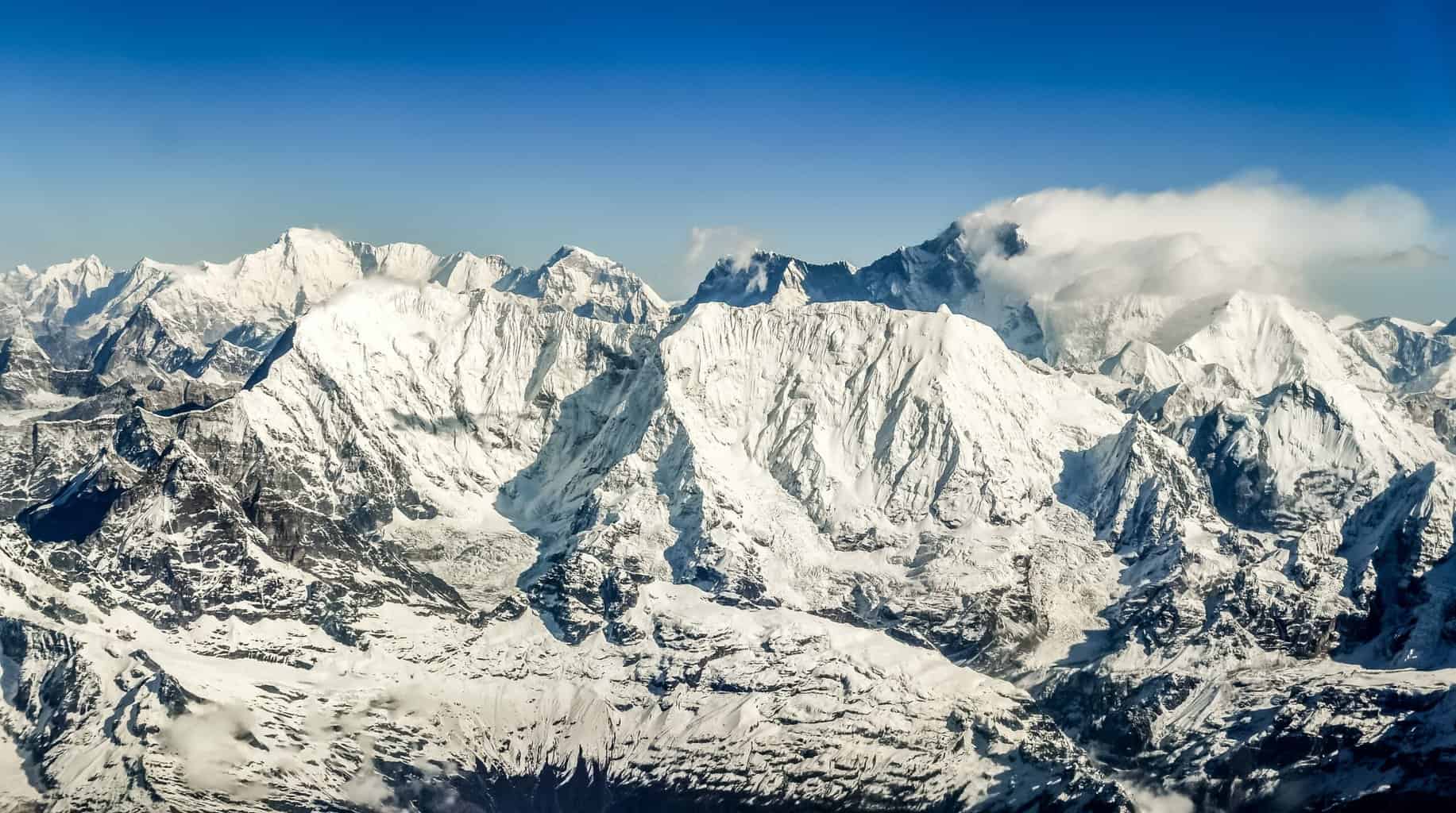
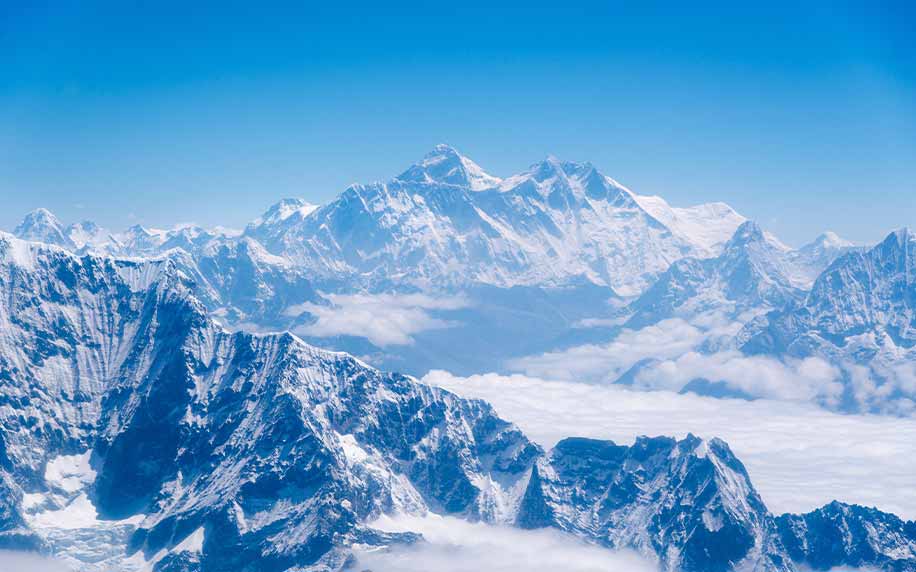
It is well-known as the highest spot on earth at 8,848 meters above sea level. It is located within the Himalayan mountain range on the border between Nepal and Tibet, China and it was given its name by the Royal Geographical Society in 1865 after Sir George Everest. The top of Mount Everest is covered with rock-hard snow surmounted by a layer of softer snow that tosses every year by 1.5 to 6 meters. The snow level is highest in September, and lowest in May. The shortage of oxygen, high-level wind, and the cold temperature stop any development of any plant or animal life there.
Mount Everest is composed of many layers of rocks folded back on themselves, wherein the lower part of Everest consists of metamorphic schists and gneisses, above the lower part there are igneous granites and in the higher part there are sedimentary rocks of marine origin.
We need not mention how much it has become a destination for mountain climbers, but if you don’t wish to climb Mount Everest you can hire a helicopter to take a tour to see the entire view from the sky. If you are willing to climb there, the trip to the main camp is 12 days long and might be expensive, and it takes a couple of days to apply for the visa and permits to enter Tibet and climb the mountain. After that, you need to stay about 3 days in Lhasa and Shigatse to adapt to the altitude before going to the main base.
There are 17 routes to reach the top of Mount Everest but there are two famous routes that climbers use to climb to the top and they are the Southeast Ridge, the line created by Tenzing Norgay and Edmund Hillary, the first people to reach the summit of Mount Everest, in 1953 that is from Nepal and Tibet, and there is the North Ridge, where George Mallory disappeared in 1924 long before a Chinese team finally completed the climb in 1960.
The best time to visit Mount Everest is from October till November when the dry season starts, also in February till April at the end of the dry season, and at any other time of the year, Mount Everest is safely locked away by stormy snow. To reach Mount Everest you can take a plane to Beijing or Shanghai then take another flight or train to Lhasa.
The first climber to reach the top of Mount Everest was Edmund Hillary, a mountaineer from New Zealand, and his Tibetan guide Tenzing Norgay in 1953. Although climbing Everest is a great expedition for mountain climbers, it is also full of danger because it requires a lot of experience, good health, sound equipment, and you have to travel with a trained Nepalese guide. The snow also sometimes can cause deadly risks like avalanches, and most climbers aren’t used to the huge height of the mountain that’s why they can develop altitude sickness and several more issues may arise. However, climbing Mount Everest remains one of the achievements done by few, but admired by many as it’s considered a great achievement of strength, will, and teamwork.
2. Aurora Borealis (The Northern Lights):
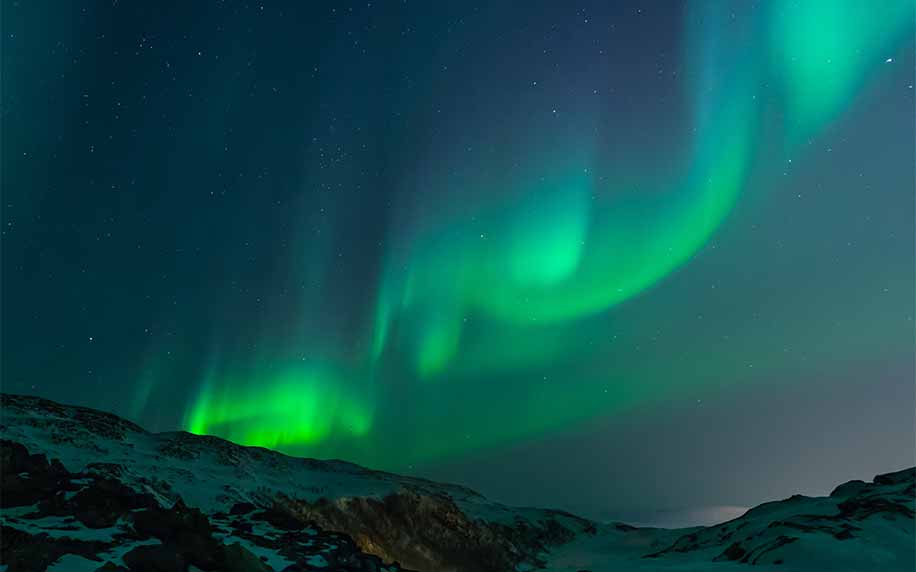
Called Polar Auroras or the Northern Lights, it is such an interesting and magnificent natural phenomenon that consists of mystifying displays of light across the sky. Many legends were told about the cause of these lights since the days of Ancient Greece, Norse Mythology, and Medieval times, and for thousands of years, the lights have been the source of speculation, superstition, and panic, perhaps because some legends said that the lights were predictions of war or destruction. Additionally, cave paintings were discovered in France, illustrating this amazing natural phenomenon that are thought to date back 30,000 years.
But as science advances, it was discovered that the lights are caused by charged cosmic particles appearing as different colored lights as they enter Earth’s atmosphere. The colors of the lights changed based on the elements they interact with. If they appear as yellow and green, then they collides with oxygen, while red, violet, and blue colors are produced when they interact with nitrogen.
If you want to see this beautiful natural wonder for yourself, then the best time to is between August and April in Iceland, but if you are in Norway, then the best time is between September and March and it is also known that the lights are clearer and more visible the winter, due to lower levels of light pollution and the clear, crisp air. Unfortunately, the Northern Lights appear only randomly, so if you are having a short trip there you might not have the chance to see it. There are other places that you can see the Northern Lights like Alaska in the US, as well as Sweden, and Finland. In 1791, the lights were seen by European settlers in New England, they were also seen before that in May 1719, and in England, they were seen twice only three years before this date.
3. Harbor of Rio de Janeiro:
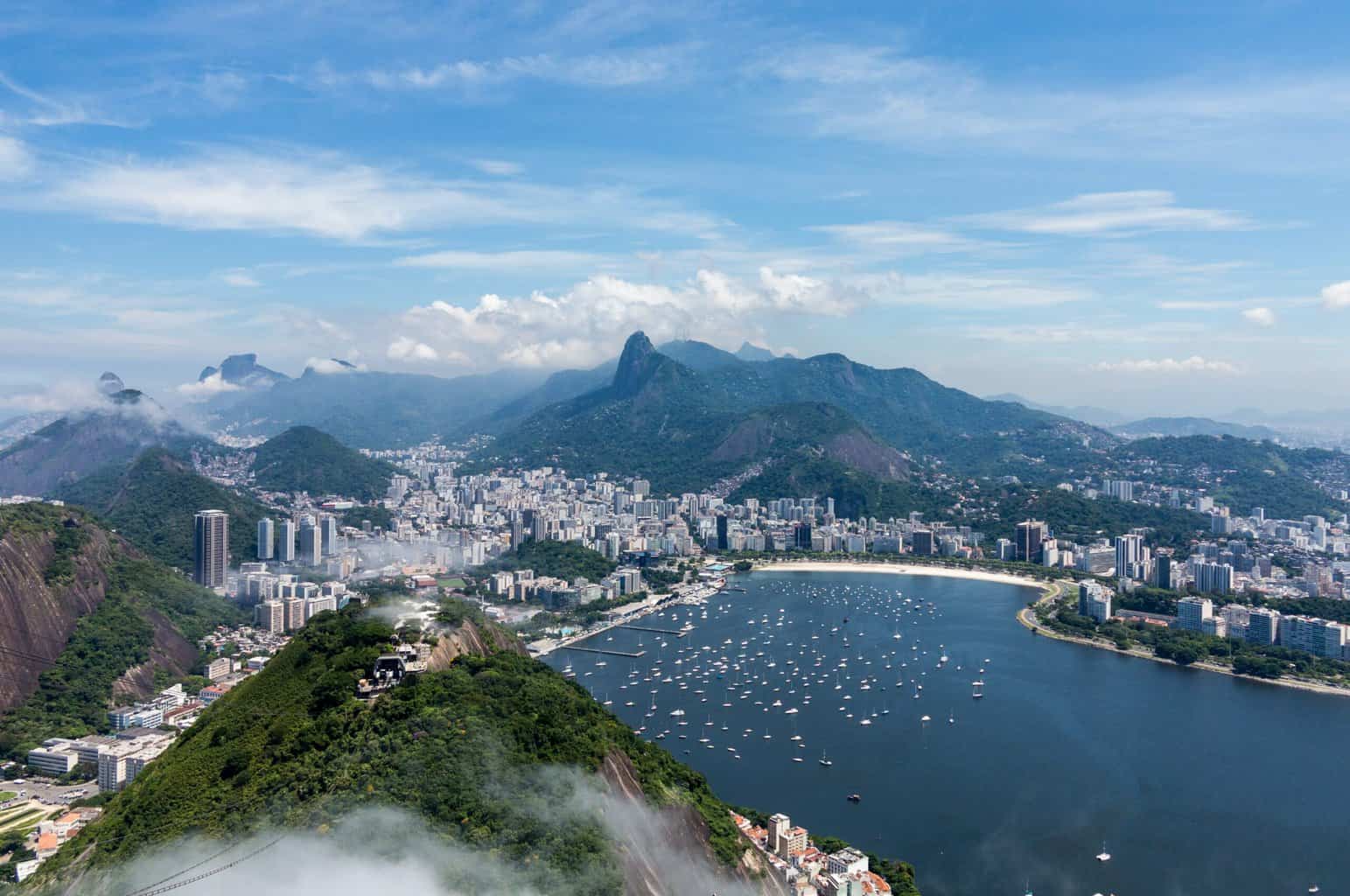
Located in Brazil, the Harbor of Rio de Janeiro is the world’s largest natural bay, and it contains more water than any other bay in the world. It is surrounded by granite mountains and peaks like Sugar Loaf Mountain, Corcovada Peak, the Tijuca hills that were formed by the corrosion from the Atlantic Ocean and it is home to over 130 islands and some of the world’s most famous beaches and the most famous one is the Copacabana beach. There, you will find the famous stone statue of Christ the Redeemer, facing the sea with his arms outstretched at the top of Corcovado Mountain in Guanabara Bay. Don’t miss seeing the wonderful harbor and surrounding locations from the top of Sugar Loaf Mountain and you can go there by cable car or helicopter. There are many islands to see in the bay like Governor’s Island, Fundao, and Snakes Island. This beautiful harbor and the city of Rio de Janeiro attract tourists from all over the world. The best time to visit the harbor is in September and October when the weather is really nice and it won’t be crowded as during the summertime.
4. Victoria Falls:
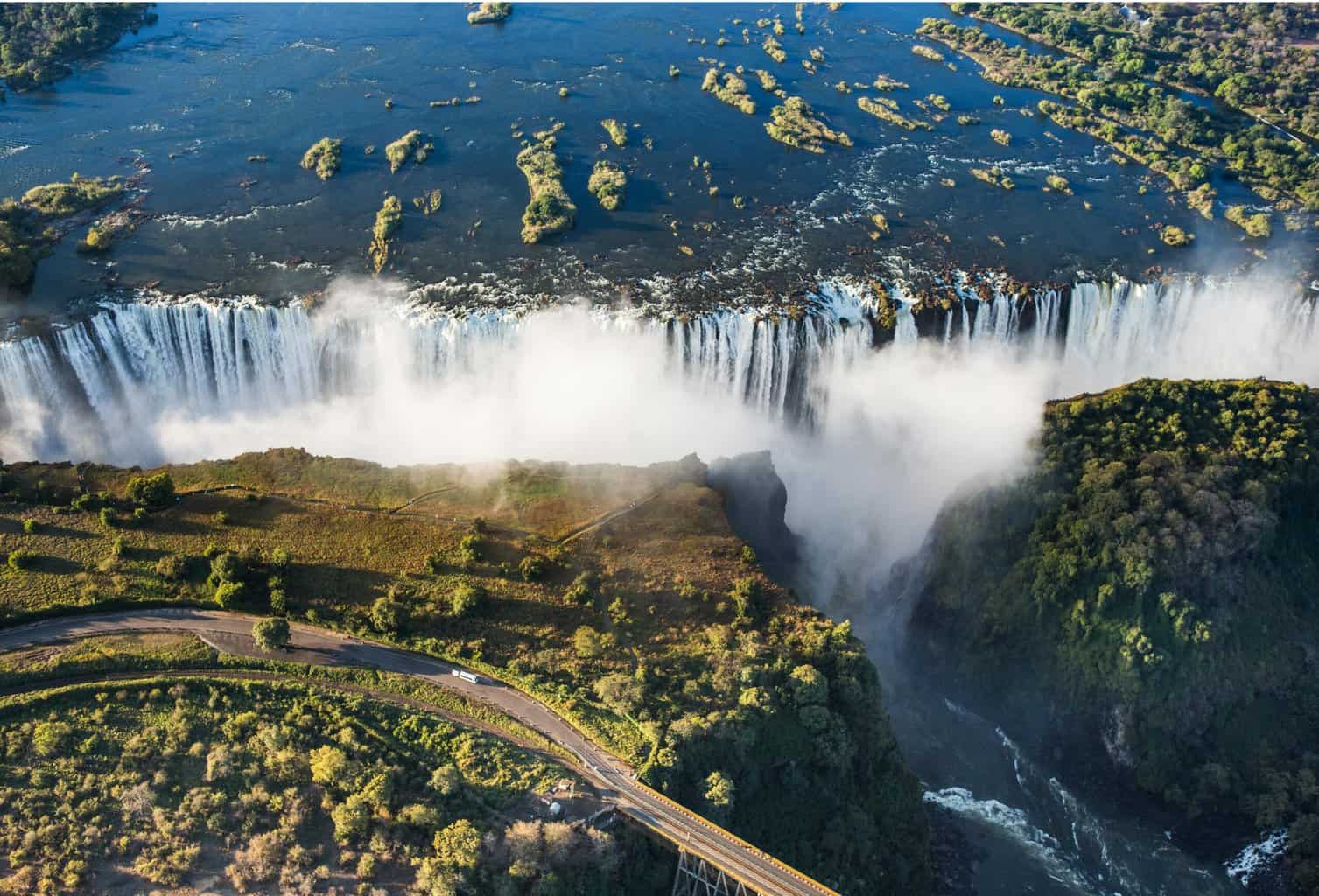
Victoria Falls is located in Africa, between the borders of Zambia and Zimbabwe and it all starts from the Zambezi River. It dives about 108 meters down in a beautiful waterfall that is 1.7km wide. Victoria Falls is also called Mosi-oa-Tunya which means Smoke that Thunders in the Kalolo-Lozi tribe’s dialect.
Victoria Falls wasn’t open to visitors until 1905. It became well-known after a railway was constructed in this location. After Zambia got its independence in 1964, most of the geographic names were changed back to African names except Victoria Falls and Livingstone kept their names and this is due to the deep respect the Zambian people had for Scottish missionary David Livingstone.
Victoria Falls is three times the height of Niagara Falls and twice the width of Horseshoe Falls. If you go there, you will fall in love with the place at first sight. You can have a helicopter tour or a boat cruise to see all the lovely nature around you. If you are in a helicopter, you will be able to see elephants or the other wildlife of the national park and it is better to visit Victoria Falls in June and July.
Victoria Falls is a UNESCO World Heritage Site. On the crest of the fall, many islands divide the main flow into several branches and when floods happen, the water flow capacity reaches half a million liters of water per minute. The water level varies throughout the year, and it reaches the top in April and it is at its lowest level in October and November. The interesting thing is that you can see a rainbow across the falls during any part of the day and during the full moon. You can also see the moonbow in the spray instead of the usual daylight rainbow and that is a nice backdrop to take some wonderful pictures.
5. Great Barrier Reef:
The Great Barrier Reef is located in the Coral Sea in northeast Australia, and it is the largest coral reef in the world as it extends over 2,600 km. In the year 1770, there was a European exploration of the reef, when the British explorer Captain James Cook was the first one to explore this part of the world and he worked on charting channels and passages through the maze of reefs and it continued until the 19th century.
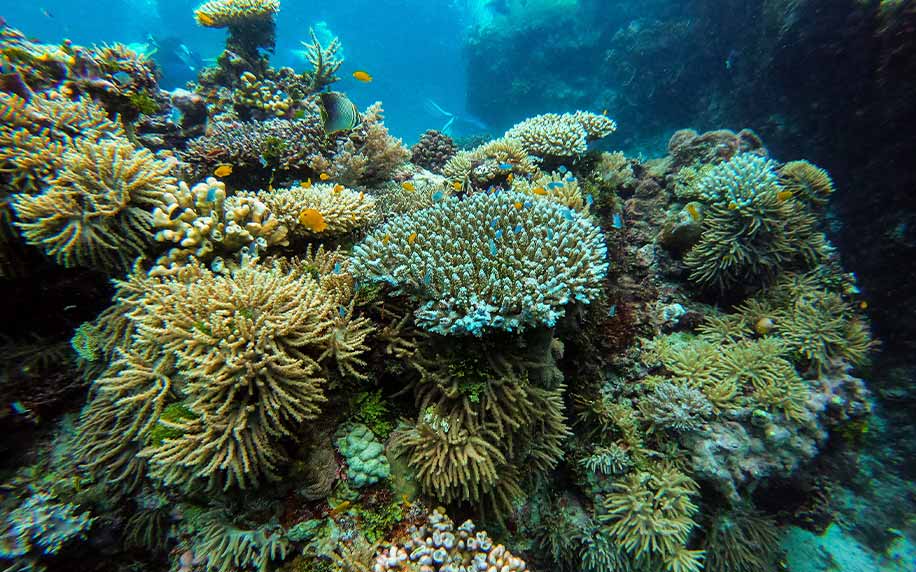
It includes more than nine hundred islands and is made up of more than 2,900 individual reefs constructed by billions of minuscule coral polyps. You can enjoy exploring the wonderful nature in the sea by taking a glass-bottomed boat or a helicopter tour, which will allow you to see everything from the air when the sun hits the reef. There are more than 300 species of hard coral, as well as anemones, sponges, worms, gastropods, lobsters, crayfish, prawns, crabs, and a great variety of fish and birds.
Environmental pressures to the reef, climate-changing through years accompanied by mass coral bleaching, and cyclic outbreaks of the crown-of-thorns starfish. Mass coral bleaching is due to the rosining in temperature that happened in the ocean in the summers of 1998, 2002, and 2006. The Great Barrier Reef Marine Park protected a huge part of the reef from overfishing and tourism and the place was listed as a World Heritage Area. The interesting thing is that the astronauts and satellites have taken photos of the Great Barrier Reef from space. To go to the Great Barrier Reef you can fly to Cairns, Port Douglas, Airlie Beach, the Whitsunday Islands, or Townsville in Queensland in Australia.
6. Grand Canyon:
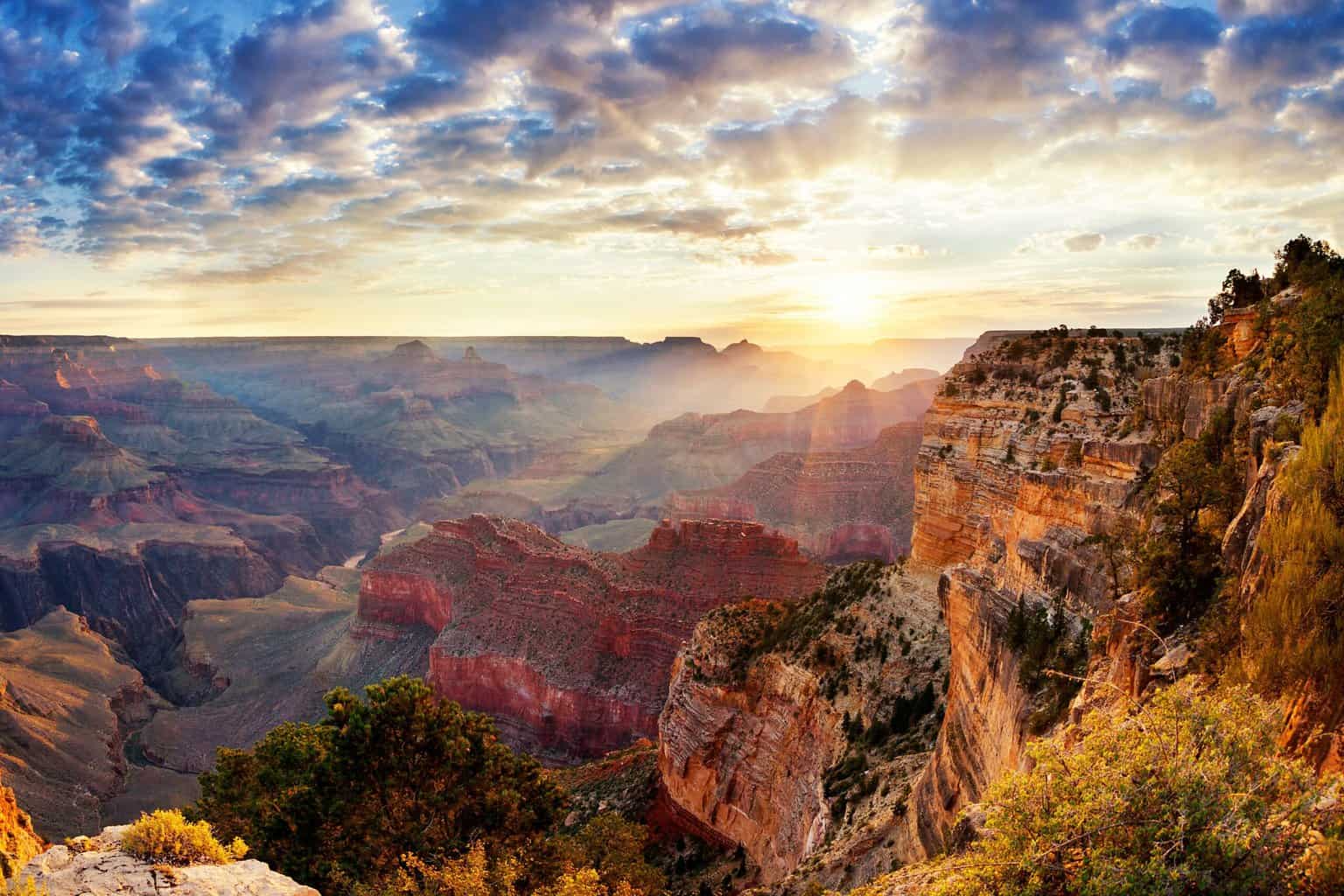
Located in Arizona, United States of America, the Grand Canyon is a majestic and colorful landscape that offers you a wonderful view that you might not see in any other place in the world. The Canyon is 277 miles long, and its width is about 18 miles and most of it is located inside the Grand Canyon National Park. The Grand Canyon was created by the corrosion of the Colorado River. It has become one of the natural wonders of the world due to its overall scale, size, and its magnificent colorful landscape. In the 20th century, the area started to develop and a tourist ranch was established, then the first hotel opened on the south shore at Grandview Point, and then a railway was constructed in order to transport visitors to the park.
While you are there, you can explore it on foot or by overnight camping or hiking. You can go to the South Rim and spend the whole day there looking at the beautiful landscape that stretches along the top of the canyon. If you want to explore more places in the Canyon you can go to one of the numerous hiking trails, but if you to explore it in another way, there is a helicopter tour for a great experience and lovely views from the top. Also, there is a Geological Museum if you want to learn about the formation and geology of the Canyon.
During the winter, visiting the Grand Canyon is hard because the North Rim roads are closed and you won’t be able to see very well. In the summer, temperatures are warmer and allow for a more pleasant experience. Over 5 million tourists visit the Grand Canyon every year.
When people first started visiting the Grand Canyon, the government decided in 1919 to classify the area as a national park. If you want to go there, take a flight to Las Vegas, Phoenix, Flagstaff, or Los Angeles, and make your way to the town of Williams, and there is also a steam locomotive on the Grand Canyon Railway to Grand Canyon Village. In the Grand Canyon Park, you will find a diversity of ecosystems, although there were fires and deforestation that caused the northern forests to shrink, you can see more than 350 species of birds, about 100 mammals, 50 reptiles, 15 kinds of fish, and thousands of species of invertebrates all over the park.
7. Parícutin Volcano:
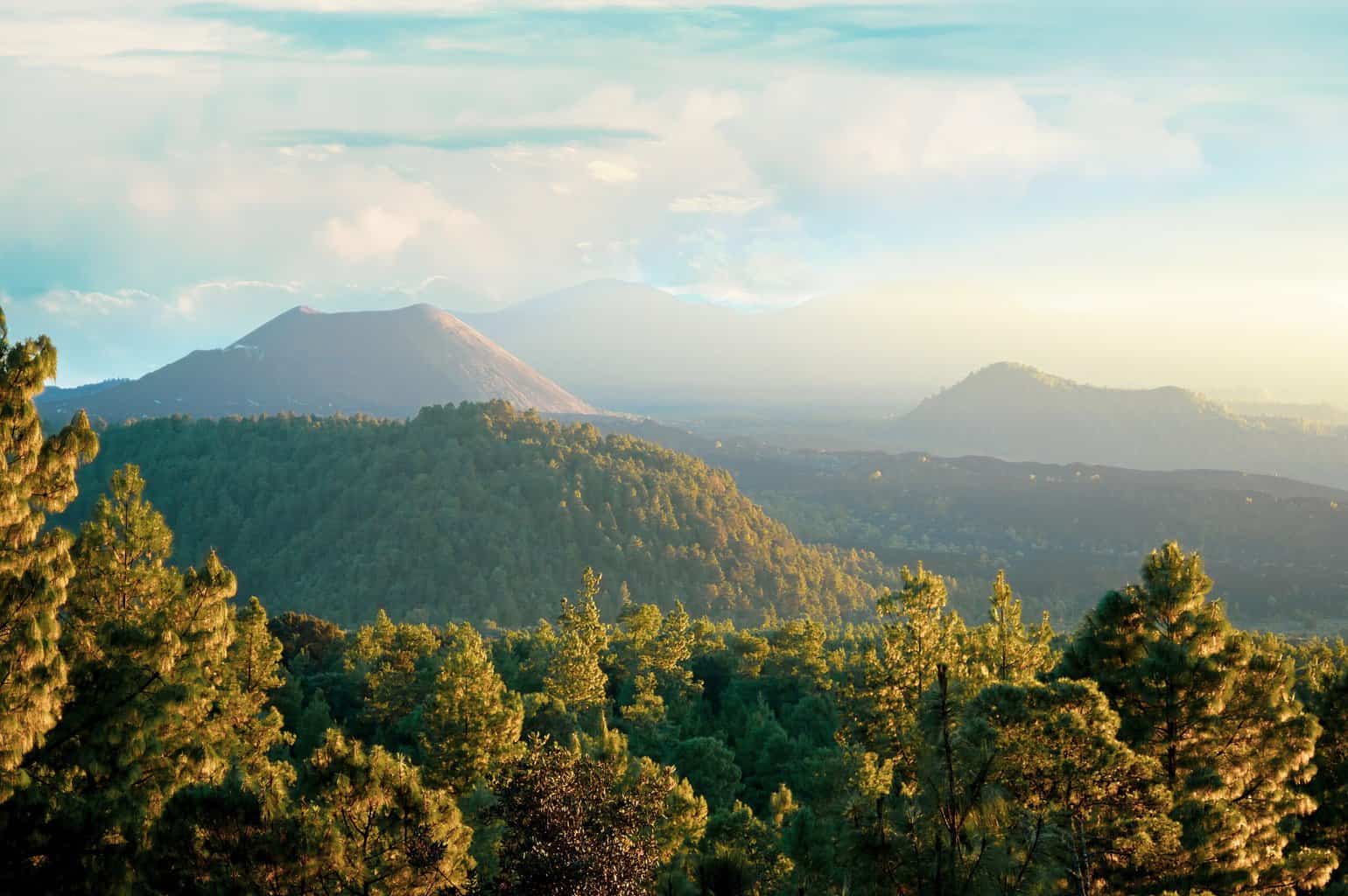
Paricutin Volcano is located in Michoacán, Mexico. It is a cinder cone volcano. It is located in the Mexican Volcanic Belt in North America and the volcano erupted for 19 years until it stopped in 1952. Its first eruption was in 1943, the fire, lava, and ashes destroyed and buried two villages and hundreds of homes, as the cone of the volcano had risen 450 meters. You can find the church of San Juan Parangaricutiro which is buried partly in the village of Paricutín and is a famous tourist attraction there.
If you want to go to the top of the volcano, you can hike by taking one of the 19 km round-trips, but it might not be an easy hike, so you should try to go to the top of the volcano on horseback. While you are on your way to the top, you will see sandy banks, lava fields, a buried village, and a church. The best time for you to visit the Paricutin Volcano is from October till April and to go there, you can arrive in Mexico City and travel to Anguhuan.
Natural Wonders You Cannot Miss
These were the 7 Natural Wonders of the World which are fantastic to visit and to take in their magnificence and truly see for yourselves why they are considered so unique. There are some similarly well-known natural wonders as well, and are equally interesting, such as:
1. Salar de Uyuni:
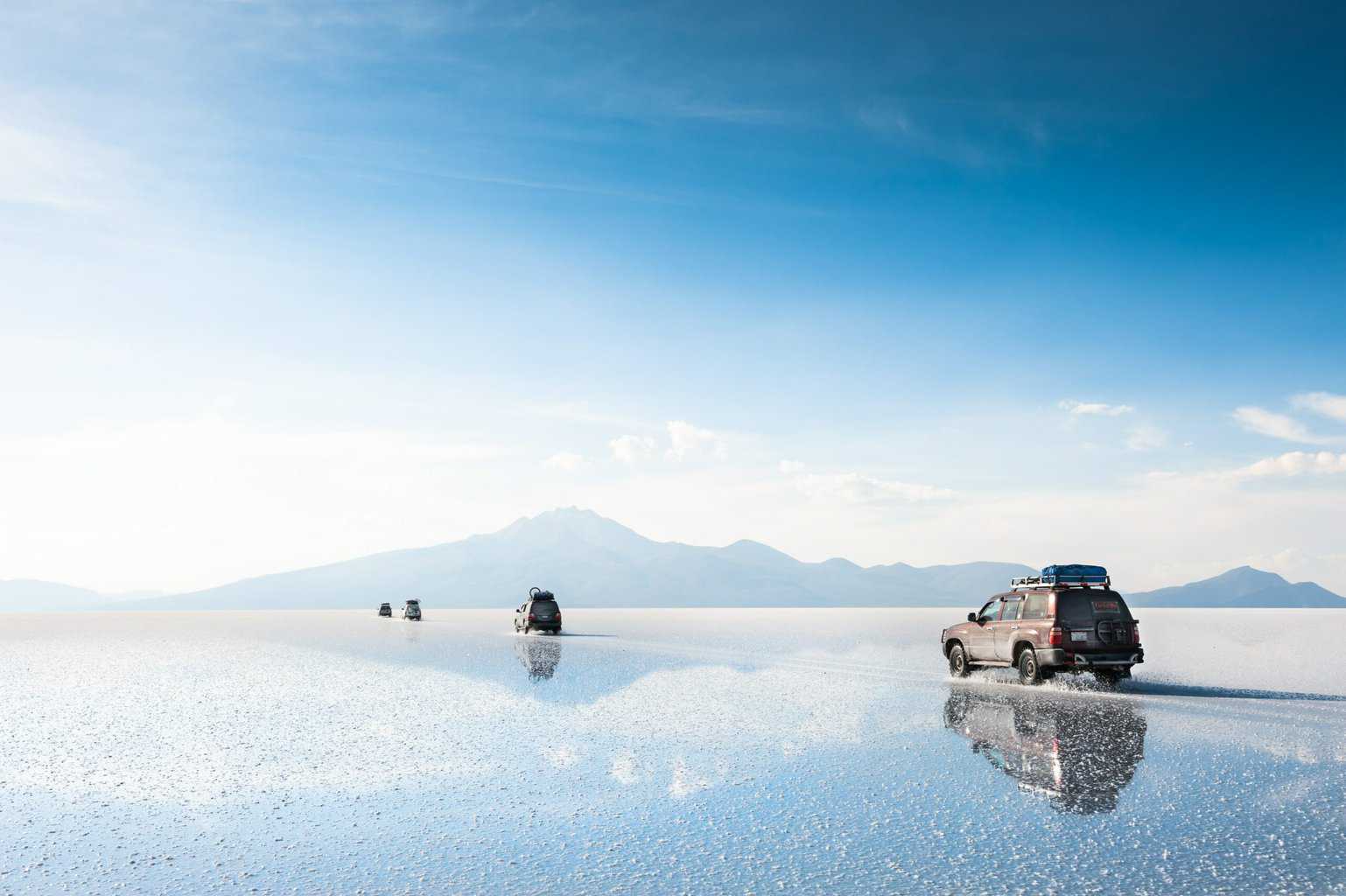
The largest salt flat on the planet at 4086 square miles of salt-crusted earth, it is located in the southwest of Bolivia. It was created as a consequence of transformations between several prehistoric lakes. The lovely thing is that when the lakes around it overflow, the surrounding areas transform into a stunning reflective pool and that makes it a famous attraction to visit.
2. Ha Long Bay:
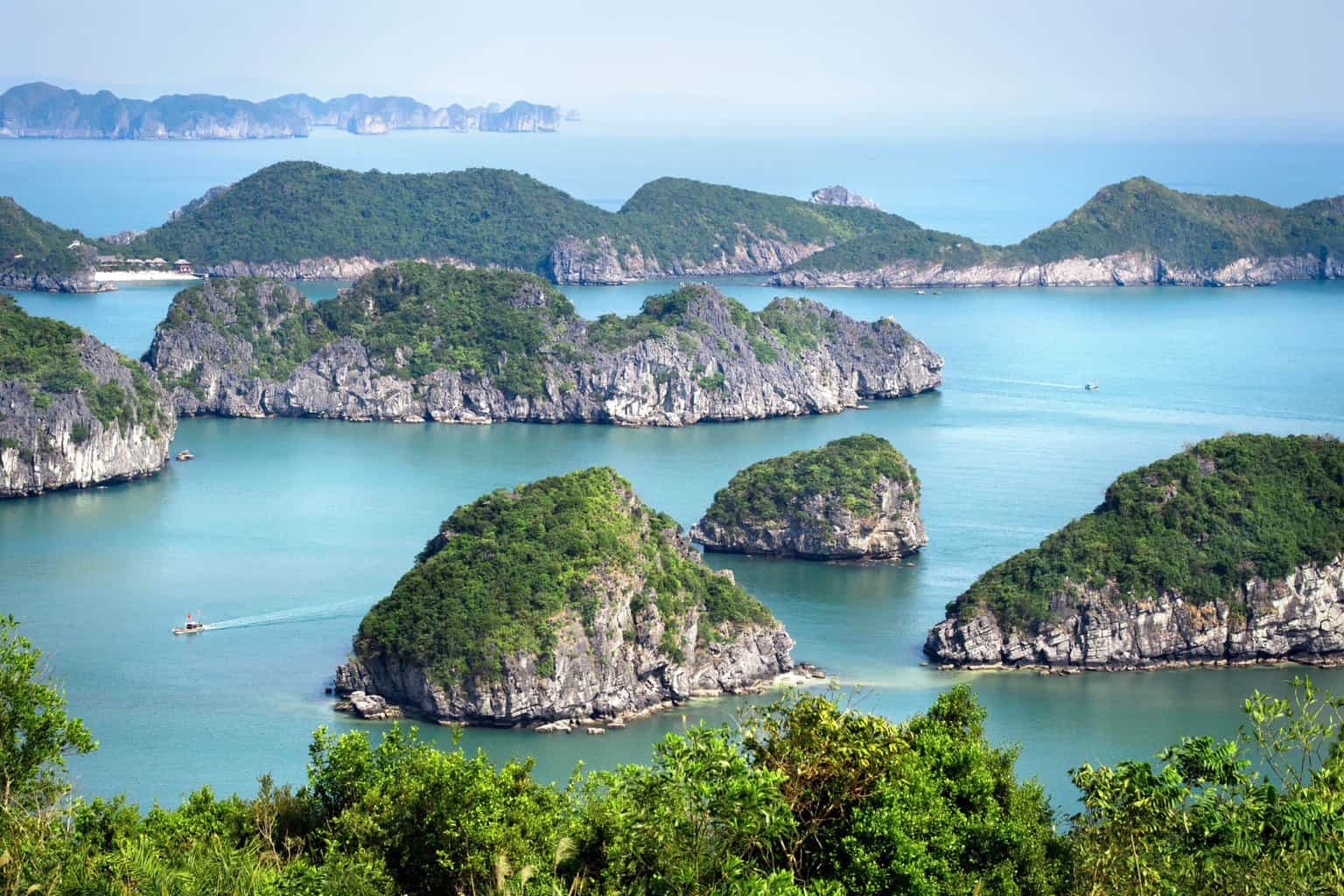
Ha Long Bay includes more than 1,500 islands and islets covered in greenery. They are different in shape and size and are located in the northeast of Vietnam‘s Gulf of Tonkin. It is a great place for hiking and scuba diving and this is another well-known attraction that is well worth a visit to explore the beauty of nature.
3. Niagara Falls:
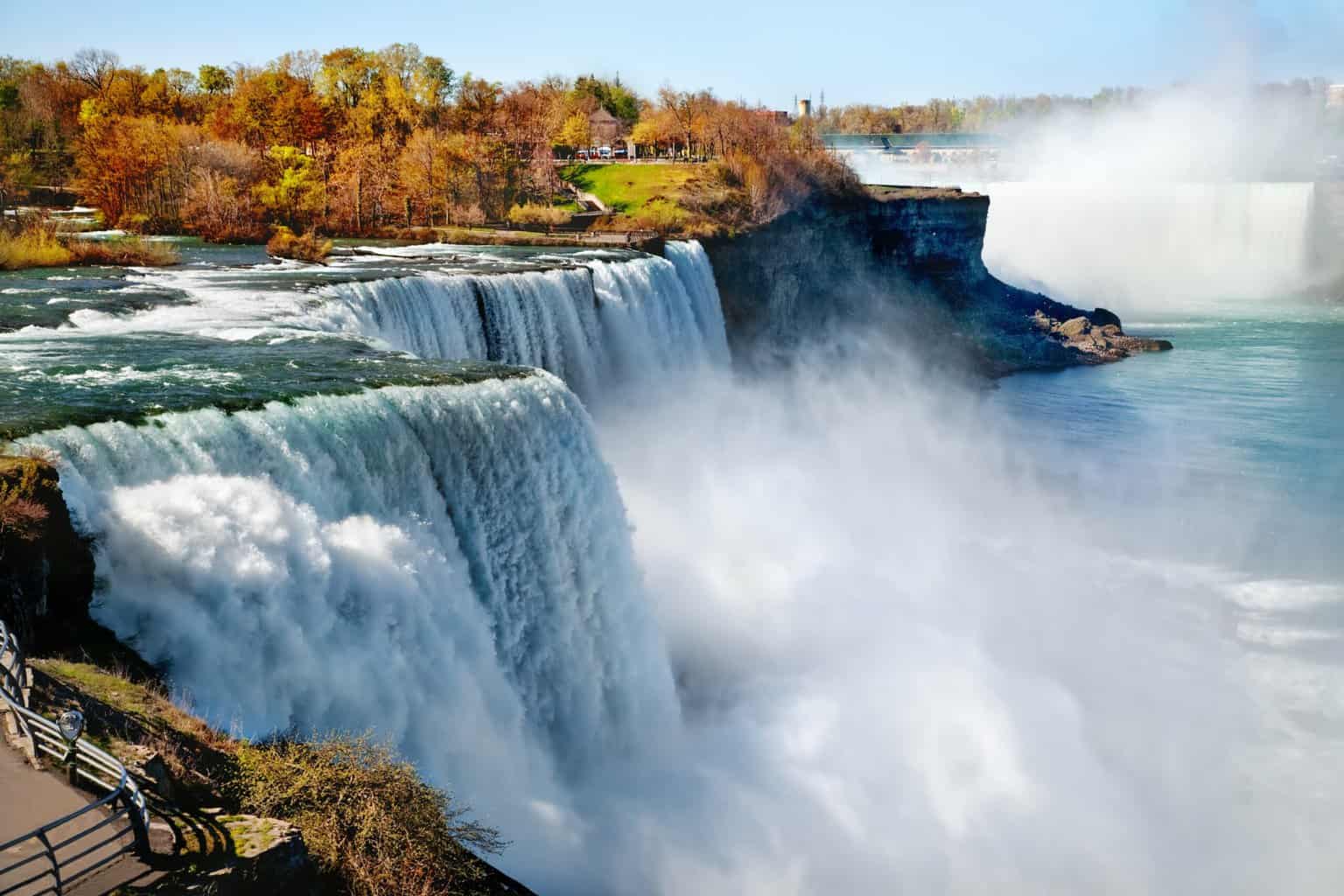
The most famous waterfall on the earth, it is located between the district of Ontario in Canada and the state of New York in the United States. It consists of three waterfalls which are Horseshoe Falls, Bridal Veil Falls, and the American Falls. Niagara Falls is 27 km in the United States and 121 km in the southeast of Toronto. If you visit Niagra Falls, you can venture beneath the falls by boat on Maid of the Mist tours.
4. Giant’s Causeway:
It is located in County Antrim on the north coast of Northern Ireland, and the Giant’s Causeway was created by volcanic activity from about 50 million years ago and is made up of a set of tens of thousands of black cylindrical basalt rocks stretching out into the sea. It was announced as a World Heritage Site by UNESCO in 1986. With an interesting history and tour, take the time to visit if you are in Northern Ireland.
5. The Maldives:
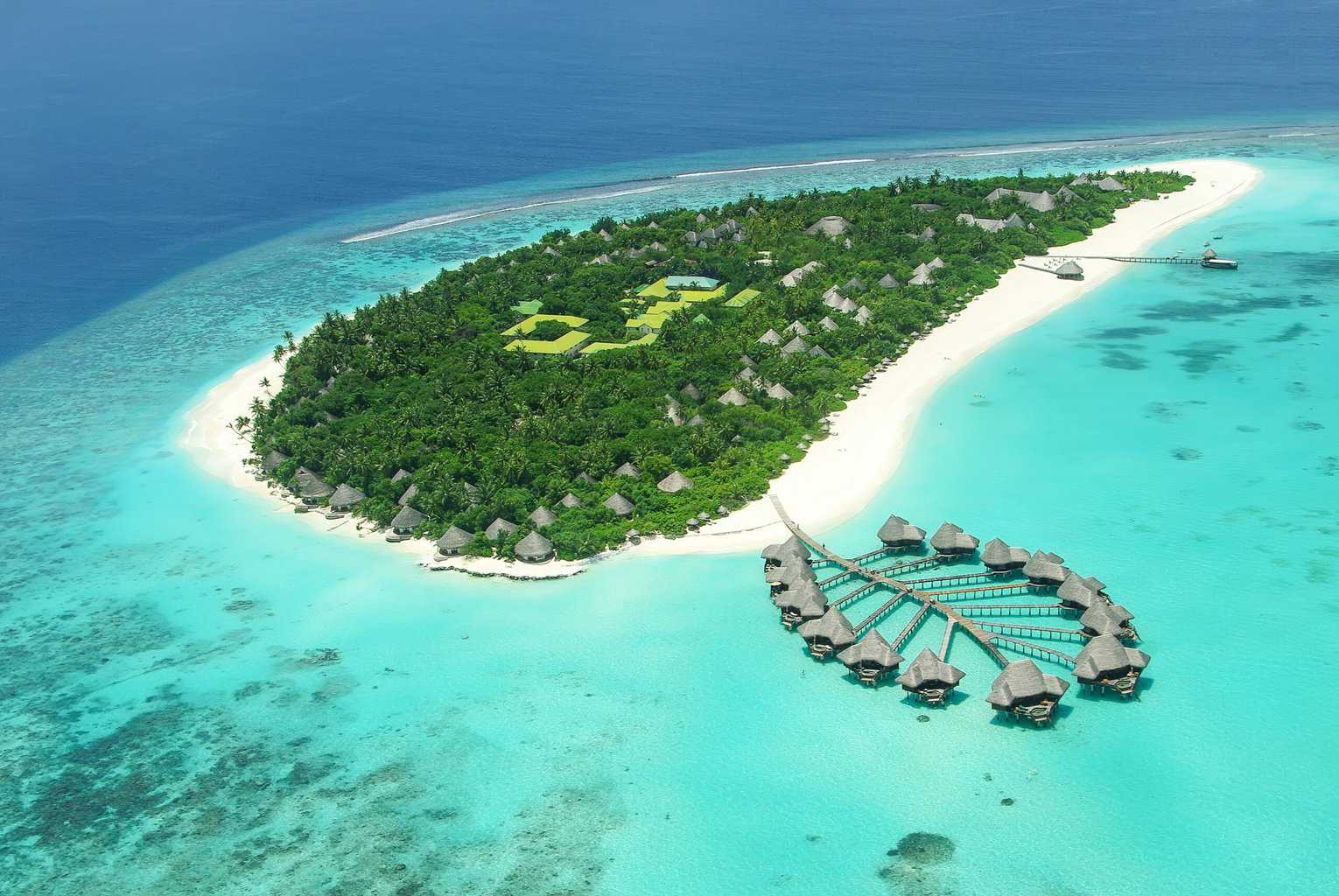
It is one of the famous and best tourist attractions in the world, where it is consists of 26 atolls, coral-based islands and it is located in South Asia. Tourists go there to see its coral reefs, beautiful beaches, and especially to go diving because of the lovely and colorful coral reefs and the sea life there.
6. Zhangjiajie:
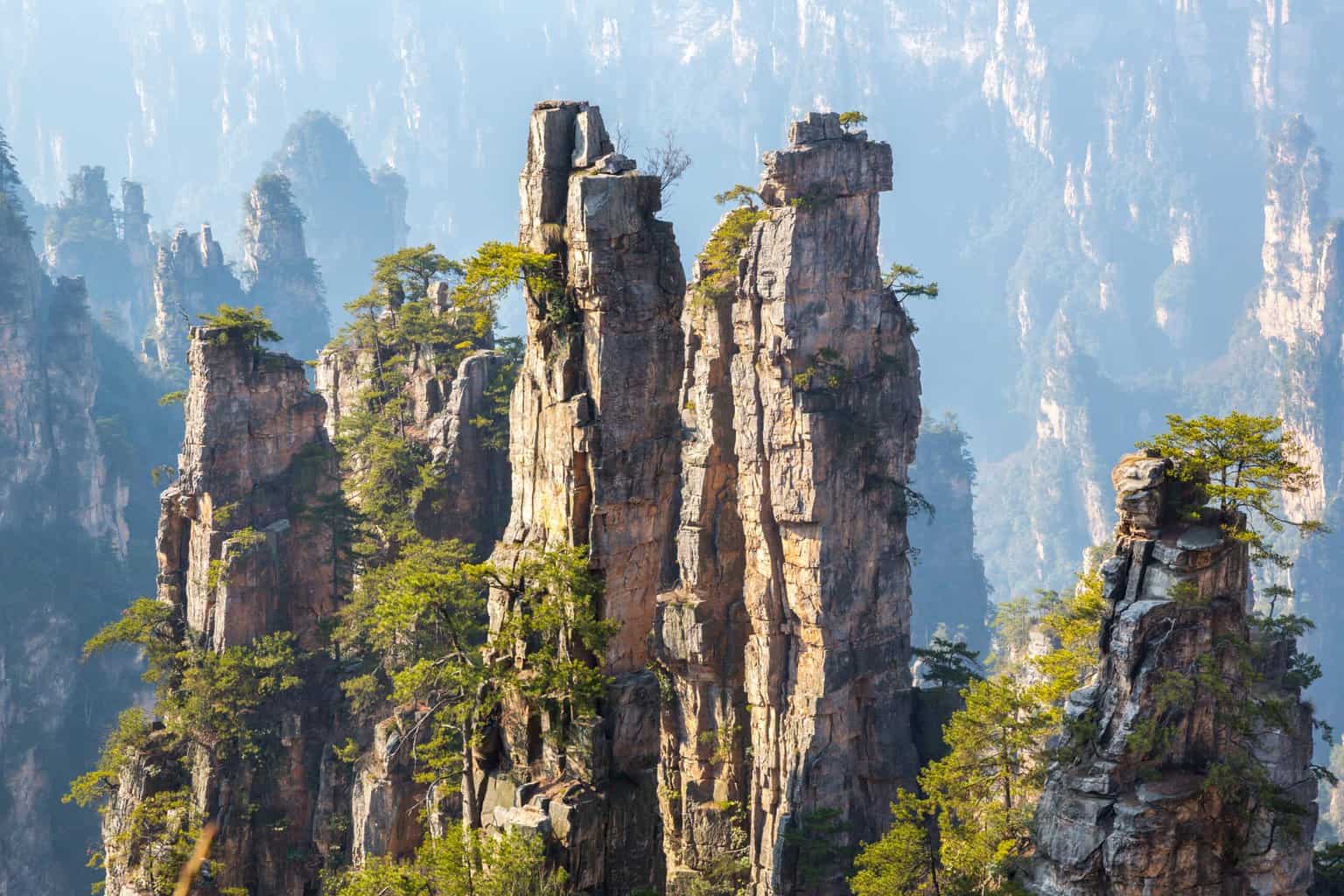
It is located in the northwestern part of China, and it includes the Zhangjiajie National Forest Park. It is well-known for its hulking peaks, shaky bridges, and deep caves. Zhangjiajie became a UNESCO World Heritage Site in 1992 and it is the place where the famous movie Avatar was shot. It is an inspiring place to visit, explore and spend a fascinating time there.
7. Lake Hillier:
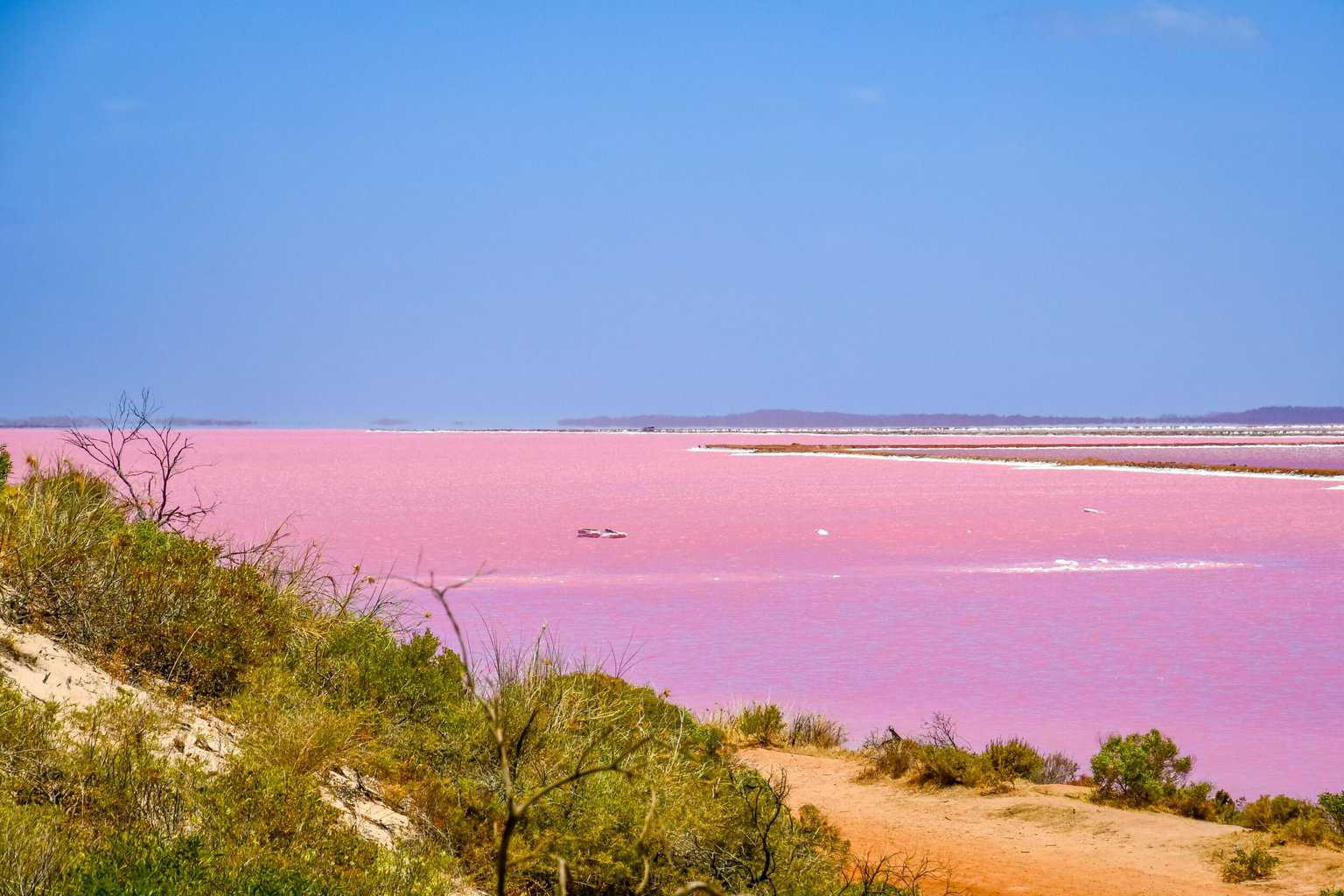
The lake is 600 meters in length. It is surrounded by a rim of sand and dense woodland of paperbark and eucalyptus trees, and what distinguishes the lake is its pink color. Lake Hillier got its pink color from the red pigments secreted by bacteria that live in the water and it is located on the south coast of Western Australia.
8. Cliffs of Moher:
It is another famous tourist attraction which is located in County Clare, Ireland. The Cliffs of Moher are about 14 km and overlook the Atlantic Ocean. While you are on the cliffs, you can see other attractions insight like Aran Islands in Galway Bay and Twelve Pins mountains.
9. Pamukkale:
It is located in the southwest of Turkey, in the Turkish language it means the Cotton Castle and it contains waterfalls, mineral forests, and travertine terraces filled with thermal waters.
10. El Yunque National Forest:
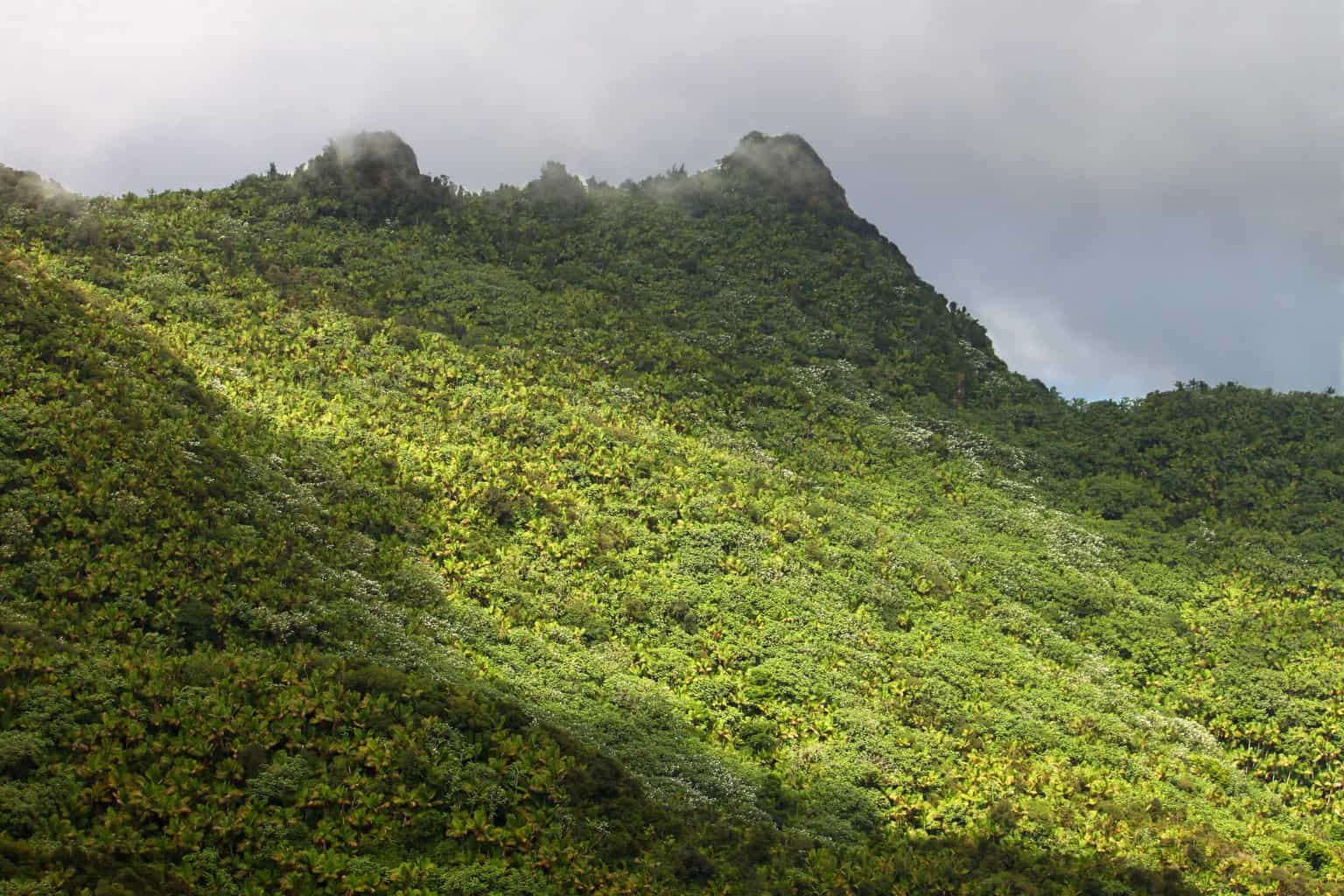
The forest is considered as one of the ecologically diverse forests. It contains many animals, reptiles, and birds that you will see around you while you explore the forest. The forest is located in the northeast of Puerto Rico.
These were some of the Natural places around the world that we recommended that you visit. So, pack your bags and travel around the world and start exploring all these magnificent places to experience the true beauty and magnificence of nature.
A Walk in Ireland Guide: Best Trails, Routes, and Tips
Ireland
26/04/2024

An Ultimate Guide to 6 of the Finest Castle Tours in England
England
26/04/2024
Unveiling the Most Terrifying Haunted Tours in Scotland
Scotland
25/04/2024

7 Top Amusement Parks in England for an Unforgettable Adventure
England
25/04/2024

Miami Tourism Statistics: A Comprehensive Overview of Visitor Numbers and Revenue
Travel Statistics
25/04/2024