


Interesting North America Facts: 11 Things You Didn’t Know

Updated On: November 09, 2023 by  Courtney Augello
North America, the third-largest continent in the world, is a land of remarkable diversity and captivating wonders. From the frigid Arctic landscapes of Canada to the sun-drenched beaches of Mexico, this vast continent is a treasure trove of fascinating North America facts.
Whether it’s delving into its rich historical past, marvelling at its breathtaking natural wonders, or uncovering its cultural tapestry, North America never fails to intrigue and amaze.

To learn more about the continent, we journeyed through some of the most intriguing and lesser-known North America facts. We’ve uncovered hidden gems and shed light on the remarkable aspects that make North America truly unique.
Table of Contents
Historical North America Facts
The World’s Oldest Known Meteor Impact was in North America
One of the most unknown North America facts is that the continent is where the largest-known meteor to impact Earth landed.
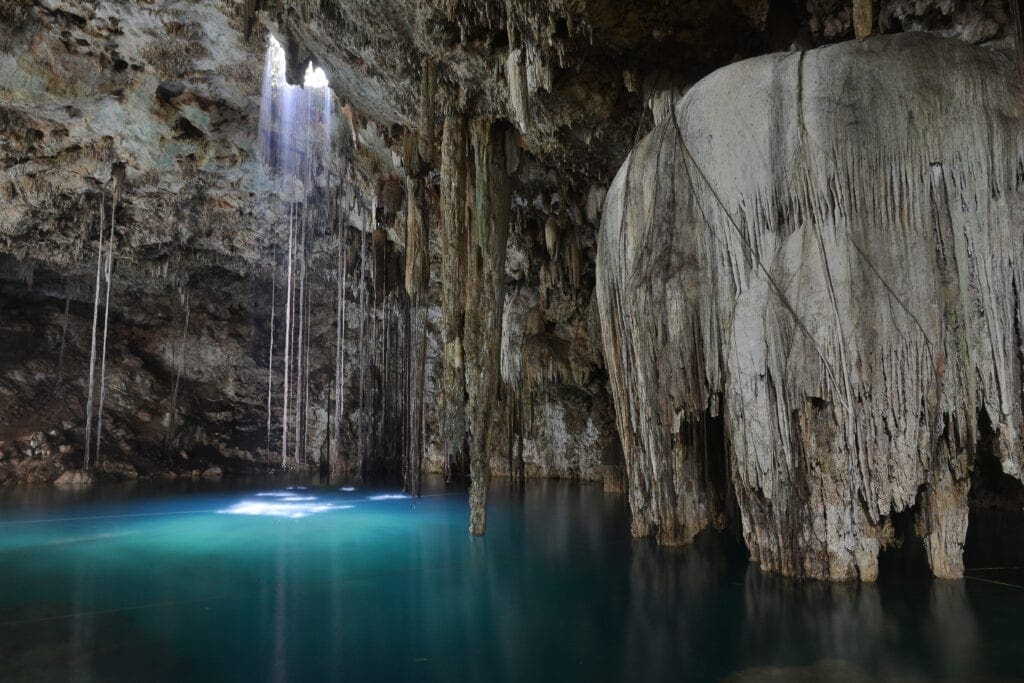
The Chicxulub crater, located in the Yucatán Peninsula, Mexico, is the site of the impact that is widely believed to have caused the extinction of dinosaurs around 65 million years ago. It is one of the largest known impact structures on Earth.
The asteroid or comet that struck the Earth is estimated to have been around 6 to 9 miles in diameter. The impact released an enormous amount of energy, equivalent to billions of nuclear bombs, causing massive devastation and widespread fires.
The Chicxulub crater itself measures about 93 miles in diameter, making it one of the largest known impact craters on Earth. However, much of the original crater has been eroded or buried over millions of years.
Today, the crater is mostly submerged beneath the Gulf of Mexico, with only a small portion exposed on the Yucatán Peninsula.
The Most Iconic Gold Rush Took Place in North America
One of the best historic North America facts is that over 300,000 people from all over the world flocked to North America during the Gold Rush. The California Gold Rush was a significant event in the history of the United States and one of the most famous gold rushes in the world.
It attracted people from across the globe seeking fortune and a new life. The discovery of gold in California sparked a massive migration, transforming the region and contributing to the rapid development of cities like San Francisco.
Thousands of prospectors, known as “forty-niners” (referring to the year 1849), flocked to California in search of gold. People from different backgrounds, including Americans, Europeans, Latin Americans, Chinese, and Australians, embarked on the journey.
North America has an Extensive Road Network
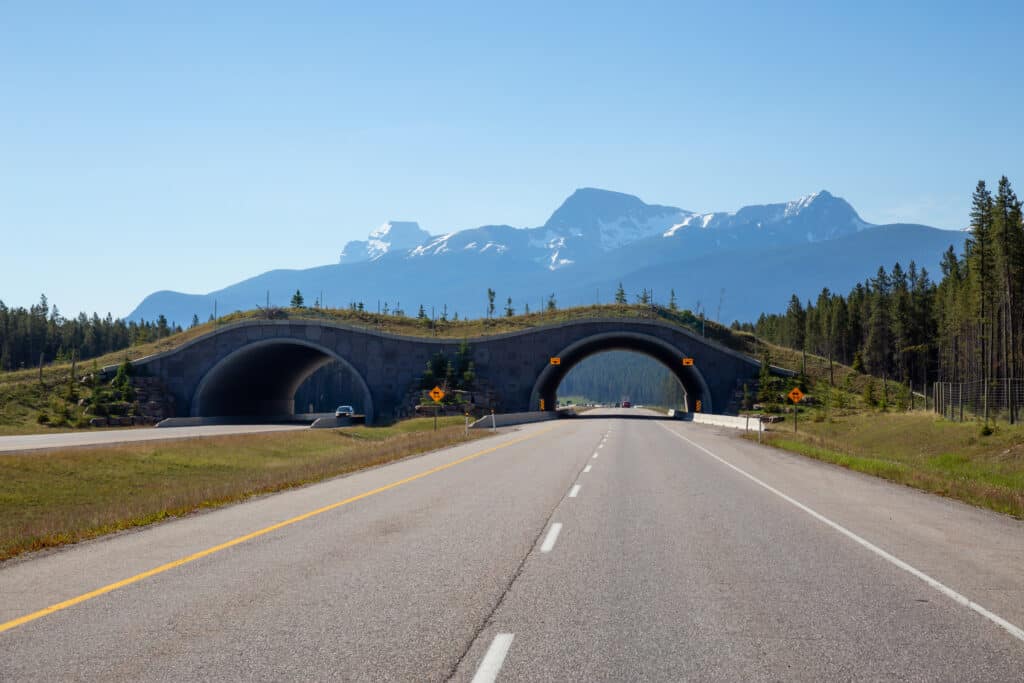
Easily one of the most interesting North America facts is that the continent features an expansive roadway system.
The United States has a vast network of highways, with the most prominent being the Interstate Highway System. Established in 1956, this system consists of over 47,000 miles of highways that crisscross the country.
The Interstate Highway System connects major cities, facilitates regional and cross-country travel, and supports the movement of goods. One of the most notable routes is Route 66, a historic highway that spans through several states.
Canada is traversed by the Trans-Canada Highway, the world’s second-longest national highway. Stretching approximately 4,860 miles (7,821 kilometres) from the Atlantic Ocean in the east to the Pacific Ocean in the west, it offers breathtaking views of Canada’s diverse landscapes and connects various provinces and territories.
North America shares international borders, and roadways play a crucial role in facilitating cross-border travel and trade. The Canada-United States border is one of the longest international land borders globally, and numerous border crossings connect the two countries.
North America was the Birthplace of Many Important Inventions
One of the most interesting North America facts is that the continent has been a hub for technological advancements throughout history. It is the birthplace of numerous groundbreaking inventions and technological advancements that have shaped our daily lives.

The telephone, a device that revolutionised communication, was invented by Alexander Graham Bell in 1876 in Boston, Massachusetts. Bell’s invention paved the way for long-distance communication and the development of the telecommunications industry.
Thomas Edison, an American inventor, is credited with inventing a practical and commercially viable incandescent light bulb in the late 19th century. Edison’s light bulb transformed the way we illuminate our world, bringing light into homes and businesses.
The Wright brothers, Orville and Wilbur Wright, successfully achieved the first controlled, sustained flight of a powered aircraft in 1903. Their invention in Kitty Hawk, North Carolina, laid the foundation for modern aviation.
While the concept of automobiles dates back further, Henry Ford’s introduction of the assembly line and mass production techniques revolutionised the automobile industry. Ford’s Model T, introduced in 1908, made cars more affordable and accessible to the general population.
The precursor to the modern internet, ARPANET, was developed by a team of American researchers funded by the U.S. Department of Defense’s Advanced Research Projects Agency. ARPANET laid the foundation for the internet as we know it today, connecting computers and enabling the exchange of information globally.

North America Facts about Nature
North America is Home to the Largest Cave System in the World
Of all the North America facts, this one is great for anyone who loves adventure. The Mammoth Cave system, located in Kentucky, United States, is one of the most remarkable natural wonders and the longest-known cave system in the world, with over 400 miles of explored passageways.
Recognising its exceptional geological significance, the Mammoth Cave National Park, which encompasses the cave system, was designated as a UNESCO World Heritage Site in 1981. It is known globally for its geological, ecological, and historical importance.
Today, the Mammoth Cave National Park offers guided tours for visitors to explore the cave system. Different tours are available, ranging from easy, accessible routes to more strenuous and adventurous options for experienced spelunkers.
Millions of Butterflies Migrate Across North America
One of the best North America facts is that every year, millions of monarch butterflies undertake a remarkable journey from Canada and the United States to Mexico, covering thousands of miles. They gather in large clusters in the forests of central Mexico to hibernate.
The migration is a multi-generational journey, with several generations of monarch butterflies involved. The journey begins with the “super generation” of monarch butterflies that emerge in late summer. These individuals are born with an extended lifespan and remarkable endurance, allowing them to undertake the long flight.

Once the monarch butterflies reach their wintering sites, they gather in dense clusters on trees and shrubs. These clusters provide protection from extreme temperatures and predators. The sight of the butterflies covering the trees is a breathtaking spectacle.
Monarch butterflies are considered an iconic and symbolic species of conservation. They have become a flagship species, drawing attention to broader efforts to conserve pollinators and their critical role in maintaining biodiversity.
Their migration showcases the resilience and beauty of these delicate creatures. It serves as a reminder of the importance of conservation efforts to protect their habitats and ensure their survival for future generations.
Cultural North America Facts
North America is Full of Cultural Diversity
Another one of the most interesting North America facts is that the country is known for its melting pot culture. The culture was shaped by centuries of immigration and the blending of various ethnic, cultural, and religious backgrounds.
North America’s melting pot culture refers to the blending and integration of diverse cultural traditions into a unique North American identity. Over time, different cultural elements have mixed, leading to the creation of hybrid cultural practices, fusion cuisine, and the development of new art forms, literature, and music.

North America embraces multiculturalism, recognising and celebrating the diverse cultural heritages within its societies. Official policies and initiatives support cultural diversity and promote the inclusion and appreciation of various backgrounds and perspectives.
North America’s cultural diversity is further enriched by global influences. The continent is a hub for international business, education, and cultural exchange, attracting individuals from all corners of the world and contributing to a vibrant and dynamic cultural landscape.
North America is Home to Many Different Languages
One of the most intriguing North America facts is that the continent is known for its linguistic diversity. English and Spanish are the most commonly spoken languages, but there are also significant populations speaking French, indigenous languages, and other immigrant languages.
English is the most widely spoken language in North America, primarily due to the historical influence of British colonisation. Spanish is the second most commonly spoken language in North America, particularly in Mexico, which has the largest Spanish-speaking population on the continent.
North America has a diverse range of indigenous languages, with hundreds of distinct languages spoken by indigenous communities. These languages, such as Navajo, Cherokee, Ojibwe, Cree, and many others, have deep cultural and historical significance.

French is widely spoken in Canada, particularly in the province of Quebec, where it is the official language. French is also prevalent in other Canadian provinces and territories, such as New Brunswick and parts of Ontario.
The multilingualism of North America reflects the continent’s rich cultural and historical tapestry. The linguistic diversity encompasses major global languages, indigenous languages with deep roots, and languages brought by immigrants from around the world.
North America is the Birthplace of Multiple Music Genres
One of the most interesting North America facts is that the continent has been a breeding ground for a wide array of music genres that reflect its cultural diversity and historical developments.
Blues music originated from African-American communities in the southern United States in the late 19th century. It became a foundation for other genres like jazz, rock ‘n’ roll, and R&B.
Born in New Orleans in the early 20th century, jazz is considered one of America’s greatest contributions to music. It blends elements of African and European musical traditions and encompasses various subgenres, including Dixieland, swing, bebop, and fusion.

Evolving from a combination of rhythm and blues, country, and gospel, rock ‘n’ roll emerged in the 1950s. Pioneered by artists like Elvis Presley, Chuck Berry, and Little Richard, it revolutionised popular music worldwide.
Originating from the southern United States, country music encompasses various subgenres like traditional country, bluegrass, honky-tonk, and outlaw country. It has a rich history and continues to thrive with artists such as Johnny Cash, Dolly Parton, and Garth Brooks.
Born in the 1970s in New York City, hip-hop has become a global cultural phenomenon. It combines elements of rap, DJing, breakdancing, and graffiti art. Hip-hop has since diversified into numerous subgenres and has had a significant impact on music and culture worldwide.
Deriving from blues and gospel, R&B emerged in the 1940s and 1950s with genre-blending soulful vocals and energetic rhythms. It has influenced a wide range of music styles, including rock, pop, and hip-hop.
Originating in the 1970s, punk rock is characterised by its fast-paced, aggressive sound and rebellious attitude. Similarly, garage bands in Seattle, Washington, sparked the formation of the grunge genre.

North America Facts about Entertainment
North America is the Theme Park Capital of the World
One of the most exciting North America facts for tourists is that North America has an abundance of renowned amusement parks. These exhilarating parks make it stand out from the rest of the world.
In the USA, parks such as Walt Disney World Resort in Florida, Disneyland Resort in California, and Universal Studios in various locations offer large varieties of thrilling and immersive theme park experiences.
Canada’s Wonderland in Ontario and Calaway Park in Alberta are 2 of the country’s best amusement parks. They offer a wide range of rides, including roller coasters, water slides, and attractions suitable for all ages.
In Mexico, Six Flags Mexico in Mexico City and Selva Mágica in Guadalajara feature rides and attractions for the whole family. From rollercoasters to go-karts, these parks are great to visit on holiday.

North America is Famous for its Road Trips
Another one of the most exciting North America facts for tourists is that the expansive roadways allow you to travel all across the continent.
Road trips in North America offer travellers breathtaking views and diverse landscapes. Some iconic routes include the Pacific Coast Highway in California, Route 66 spanning several states, and the Cabot Trail in Nova Scotia, Canada.
In the USA, road trips have become an iconic symbol of freedom and the pursuit of the American dream, embodying the vastness and diversity of the country. They allow travellers to experience the rich tapestry of landscapes, from the rugged coastlines of California to the scenic byways of the Rocky Mountains.
In Mexico, road trips offer a chance to explore the country’s cultural heritage, ancient ruins, and stunning coastal vistas. They provide a means to discover hidden gems off the beaten path and immerse oneself in the warmth and vibrancy of Mexican culture.
In Canada, road trips showcase the country’s breathtaking natural beauty, from the Rocky Mountains to the Atlantic coastline. Tourists can connect with nature, visit remote wilderness areas, and experience the country’s unique blend of indigenous, French, and British influences.
Road trip culture in North America is deeply ingrained in the continent’s identity and has become an iconic way of exploring vast and diverse landscapes. These road trips provide opportunities to explore stunning coastal stretches, majestic mountains, and charming towns along the way.
There are Endless North America Facts to Discover
North America facts are intriguing tidbits of information that highlight the continents’ rich history, diverse landscapes, and vibrant cultures. From its ancient geological wonders like the Chicxulub Crater and Mammoth Cave system to its theme parks, North America facts never fail to fascinate.
The continent’s tourism offerings, including its renowned parks and natural attractions, beckon travellers from around the globe. Moreover, its cultural diversity, melting pot culture, and multilingualism create a tapestry of traditions, languages, and music genres.
Whether it’s embarking on a road trip across its scenic routes or marvelling at the wonders of its butterfly migrations, North America offers a treasure trove of discoveries. It is a continent that embodies adventure, innovation, and the indomitable spirit of exploration.

Natural History Museum – London Attractions
England
30/04/2024

Cinderella Mocktails at Killyhevlin Hotel, Enniskillen
Northern Ireland
29/04/2024

Aunt Sandra’s Delicious Candy Factory, Belfast
Northern Ireland
29/04/2024

A Guide to the Best Belfast Hotels
Travel & Hospitality Careers
29/04/2024

The Dying Gaul: Unraveling the Meaning and History of an Ancient Roman Masterpiece
History and Heritage
29/04/2024