


The Biggest Castles in England: An Ultimate Adventurer’s Guide
Updated On: April 21, 2024 by  Maha Yassin
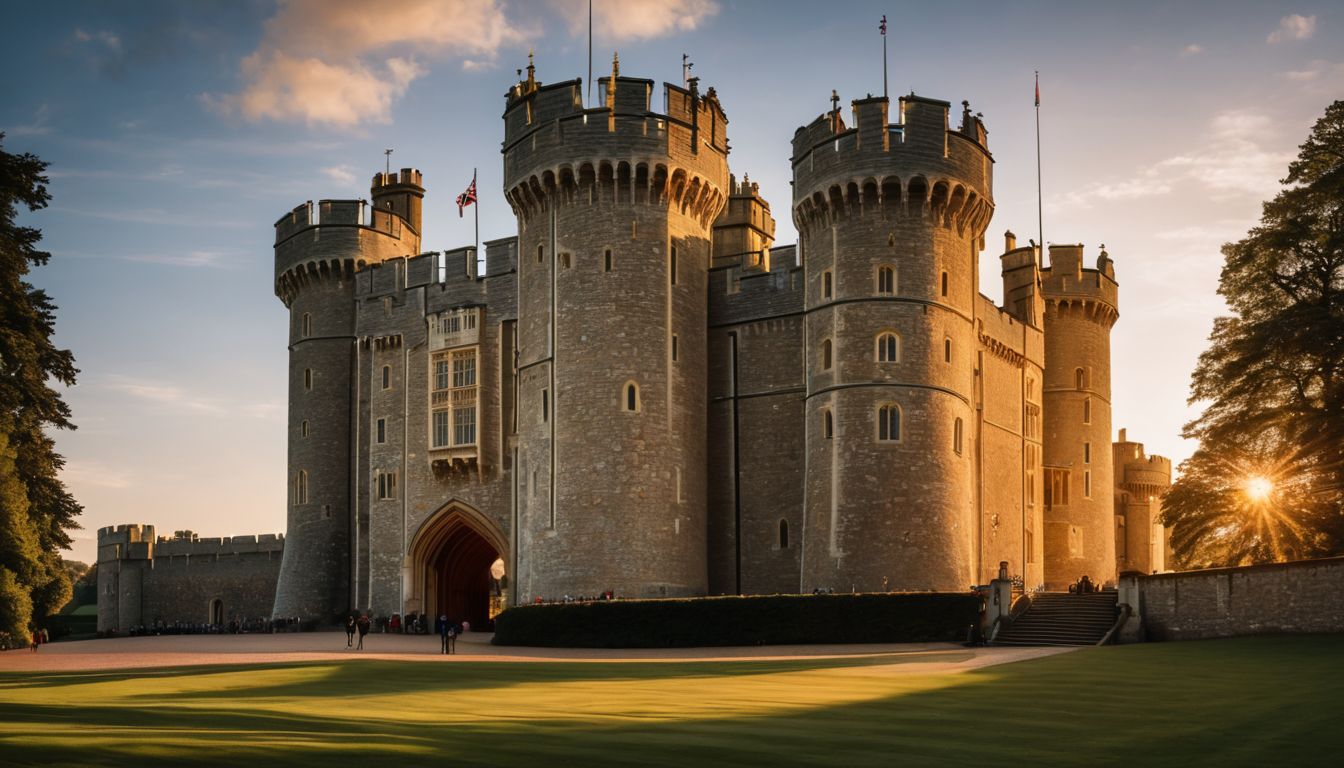
Imagine, if you will, a land shrouded in mist, where towering stone giants pierce the sky. These are no mere fortresses; they are England’s castles, whispering tales of chivalry and conquest, love and loss.
But which among these behemoths reigns supreme? The answer, like the ghosts that stalk their corridors, is elusive. Size, like beauty, lies in the beholder’s eye. Is it the sheer sprawl of Dover Castle, its ramparts clinging to the white cliffs like a crown of stone? Or the storied majesty of Windsor, where monarchs have held court for centuries, its towers echoing with the footsteps of history?
So join us, dear reader, as we embark on a journey through time and stone, a quest to discover not just the biggest castles but the very essence of England itself. This is no mere travelogue; it is an invitation to step into the grand, echoing halls of time, where England’s castles stand guard, waiting to unveil their secrets.
How Do You Determine the Biggest Castles in England?
Determining England’s “biggest” castles isn’t as straightforward as measuring square footage. Some, like Windsor Castle, boast the grandest living quarters and sprawling grounds, having served as the seat of the monarchy for centuries. Its 15 acres encompass the majestic St George’s Chapel, the imposing Round Tower, and the Queen’s private apartments, each whispering tales of royal intrigue and historical significance.
Then there’s Dover Castle, a behemoth perched atop the iconic white cliffs, claiming the largest land area at 53 acres. Its strategic location overlooking the English Channel made it a crucial defence point for millennia, bearing witness to Roman forts, medieval battles, and World War II secret tunnels. Its sheer scale and stoic presence embody England’s resilience and its long history as a maritime power.
But “biggest” can also refer to impact. The Tower of London, though not technically a castle, looms large in the national consciousness. Its grim history as a royal palace, prison, and execution site for figures like Anne Boleyn and Guy Fawkes has cemented its place as a chilling symbol of power and the darker chapters of English history. Its imposing architecture, from the Bloody Tower to the Crown Jewels exhibition, continues to draw visitors eager to confront the ghosts of the past.
These giants of stone and mortar are more than just tourist attractions; they’re living testaments to England’s rich tapestry of history, power, and cultural identity. They offer glimpses into the lives of kings and queens, the strategies of war, and the evolution of architecture and society. So, while their size may be debatable, their importance as cornerstones of English heritage is undeniable.
So, while you’re here, let’s take a trip to some of England’s biggest and most significant castles and taste their majesty!
Unveiling the Magic of the Biggest Castles in England
Stepping into the biggest castles in England isn’t just about marvelling at their size and scale; it’s about embarking on a captivating journey through history, legend, and human drama. Each one pulsates with a unique energy, whispering tales of monarchs and battles, knights and ghosts, and offering a glimpse into the very soul of this storied nation. So, buckle up, fellow adventurers, as we delve deeper into the realms of these magnificent fortresses:
Windsor Castle: A Regal Tapestry of History
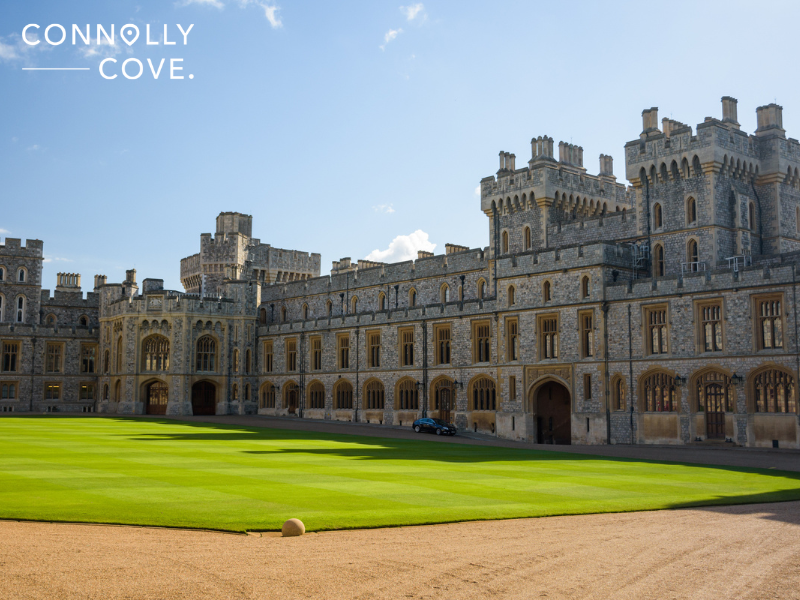
Imagine strolling through the elegant State Apartments, their walls adorned with priceless paintings and tapestries that echo the footsteps of 40 monarchs. Picture sunlight streaming through the stained-glass windows of St. George’s Chapel, where kings and queens have been crowned amidst breathtaking Gothic grandeur. Climb the imposing Round Tower, its walls whispering tales of medieval intrigue and offering 360-degree vistas that stretch across the rolling English countryside.
Beyond the grandeur, Windsor, one of the biggest castles in England, hides secret courtyards where ghosts of knights might still clink their armour and secluded gardens where royal whispers once danced on the breeze. Every stone here murmurs a story, from the grand banquets in the Great Hall to the private chambers where the royal family still spends weekends. Windsor Castle is not just a building; it’s a living, breathing testament to England’s enduring monarchy, a regal tapestry woven through centuries of history.
Dover Castle: Sentinel of the Seas
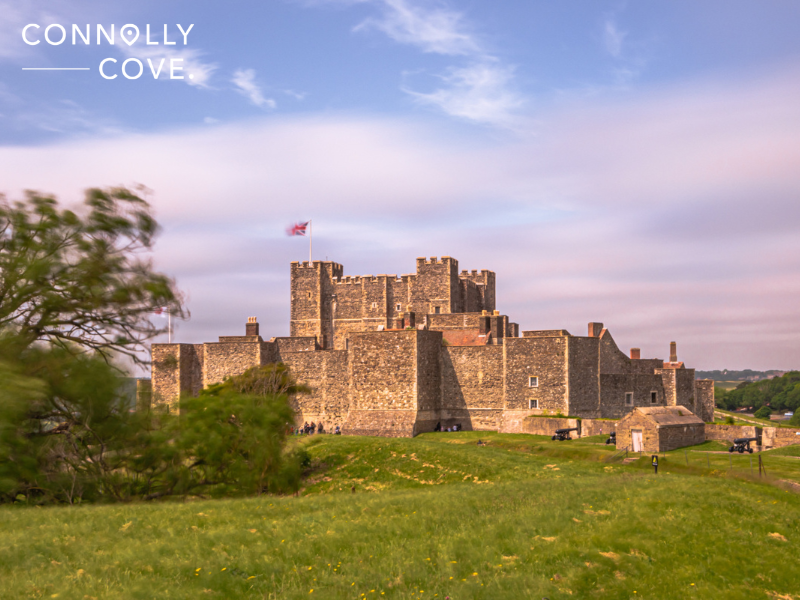
Perched atop the iconic white cliffs, Dover Castle isn’t just one of the most giant castles in England; it’s colossal. Its 53 acres sprawl towards the horizon like a stone dragon guarding the gateway to England. Explore the labyrinthine tunnels used by secret agents during World War II, where whispers of wartime plots still linger in the damp air. Stand on the dizzying heights of the Drop Redoubt, its guns once aimed at invading fleets, and feel the wind whip your hair as you gaze across the Channel, imagining the sails of Viking longships and Armada ships cutting through the waves.
Dover’s walls hold echoes of Roman legions, medieval sieges, and the thunderous battles of WWII, making it a living testament to England’s unwavering vigilance as a maritime power. Climb the medieval Great Tower, keep a stoic reminder of a bygone era and lose yourself in the secret wartime tunnels, where history whispers from every brick. Dover Castle is more than just a fortress; it’s a chronicle of human resilience, a place where the ghosts of battles past stand guard against the ever-shifting tides of history.
Warwick Castle: A Fairytale Fortress
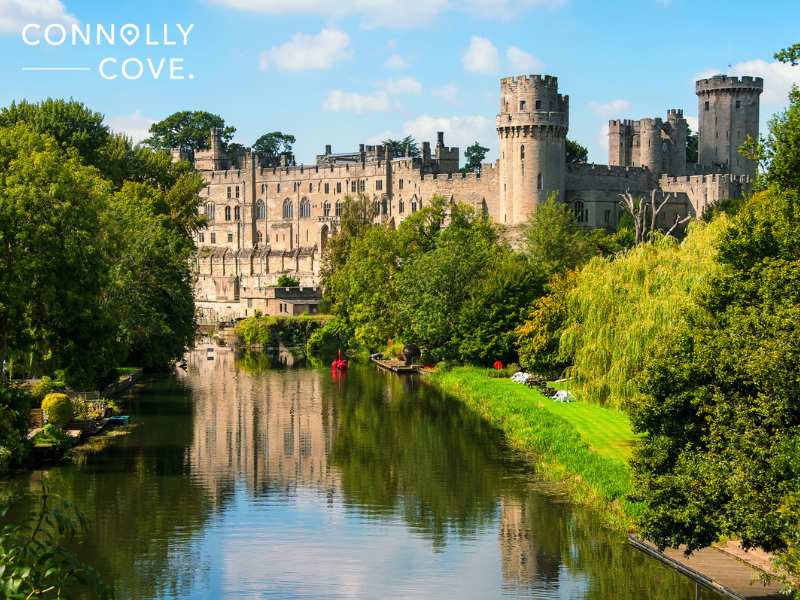
Step into a fairytale and lose yourself in the enchanting realm of Warwick Castle. Picture soaring turrets casting dramatic shadows against the setting sun, a moat shimmering like liquid silver, and costumed actors bringing medieval life to vivid reality. Within its walls, the Great Hall resounds with the clang of armour and the raucous laughter of feasts while the grim dungeons whisper tales of prisoners and torture.
Witness the spectacular jousting tournaments, where knights clash in thunderous pageantry, their horses thunder across the arena as lances splinter, and flags billow in the wind. Explore the intricate beauty of the Peacock Gardens, a horticultural wonderland where vibrant blooms evoke the spirit of courtly love and hidden corners might still hold secrets whispered by long-dead ladies. Warwick Castle isn’t just one of the giant castles in England; it’s a portal to a romanticised past, a place where imagination takes flight and chivalry reigns supreme.
The Tower of London: Where History’s Ghosts Reside
The Tower of London casts a long, chilling shadow over the Thames. Its forbidding walls have witnessed the rise and fall of kings, the whispered plots of courtiers, and the final moments of figures like Anne Boleyn and Guy Fawkes. Explore the Bloody Tower, where legends claim footsteps of headless ghosts still echo, and ascend the White Tower, its ancient stones steeped in centuries of power and intrigue. Marvel at the dazzling opulence of the Crown Jewels, a glittering testament to royal wealth and a stark reminder of the power struggles that have shaped England’s past.
The Tower is not just a castle; it’s a monument to human ambition and its darker consequences. Every corner here murmurs a story, from the executions on Tower Green to the chilling cries of tortured prisoners held within its grim dungeons. The Tower of London is where history whispers on the wind, a stark reminder of the lessons learned and the ghosts that still linger in the shadows.
Beyond the Big Five: Unveiling England’s Hidden Gems
These four giants are merely the tip of the iceberg. Alnwick Castle, with its cascading fountains and poison garden, offers a glimpse into the eccentricities of the Percy family and Arundel Castle, a majestic phoenix rising from the ashes of civil war, boasts a collection of priceless art and opulent interiors. So many hidden castle gems in England are worth your time!
Alnwick Castle
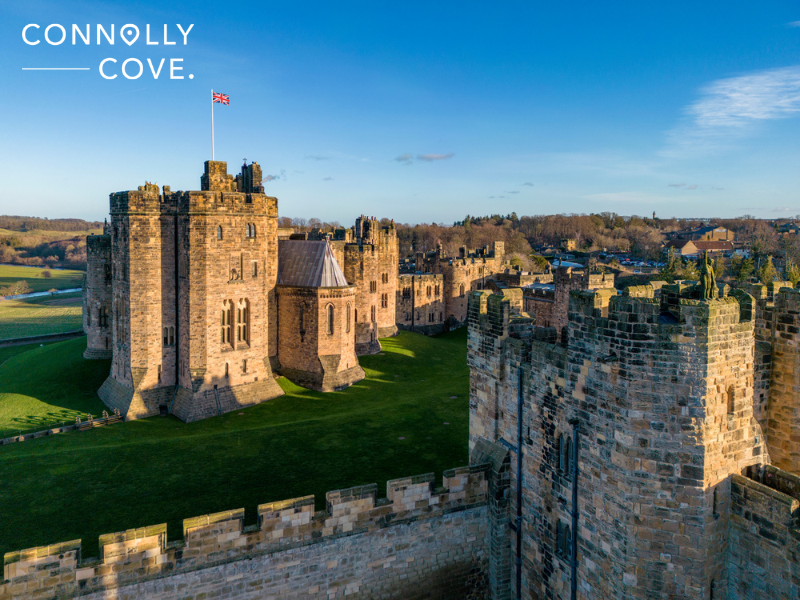
Nestled in the rolling hills of Northumberland, Alnwick Castle wears its title as the second-largest inhabited castle in England with majestic grace. The Percy family has called it home for over 700 years, filling its halls with tales of medieval feasts and modern-day eccentricity. Explore the Poison Garden, where deadly delights like belladonna and monkshood bloom under watchful eyes, or lose yourself in the cascading fountains and serene Italian Garden. Alnwick is not just a castle; it’s a whimsical playground for the senses, where history mingles with the fantastical.
Arundel Castle
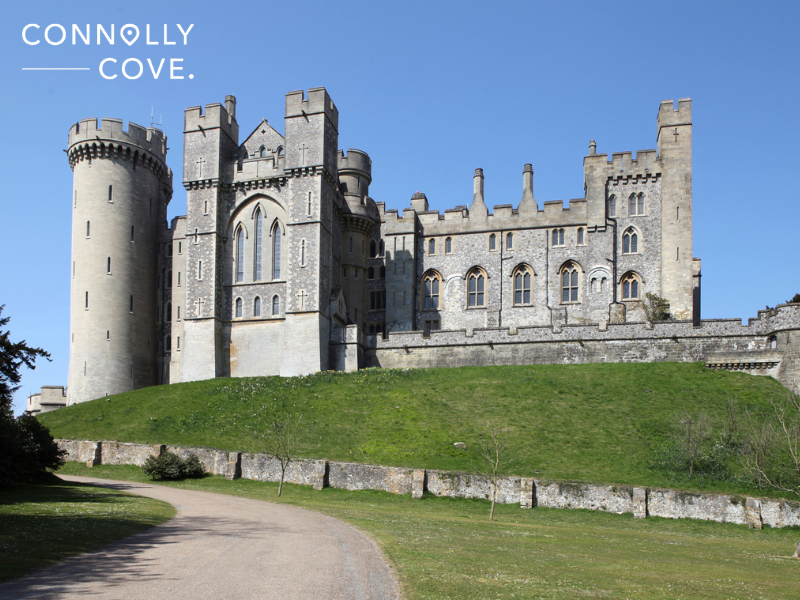
Arundel Castle embodies resilience and grandeur, rising like a phoenix from the ashes of civil war. Its elegant interiors, adorned with priceless art and antique furniture, exude the refined taste of the Dukes of Norfolk. Climb the spiral staircase to the rooftop and gaze upon the rolling Sussex countryside, imagining the thunder of cannons during the English Civil War that once shook these walls. Arundel Castle is a testament to the enduring power of the aristocracy, a place where whispers of past battles mingle with the clinking of teacups in opulent drawing-rooms.
Bamburgh Castle
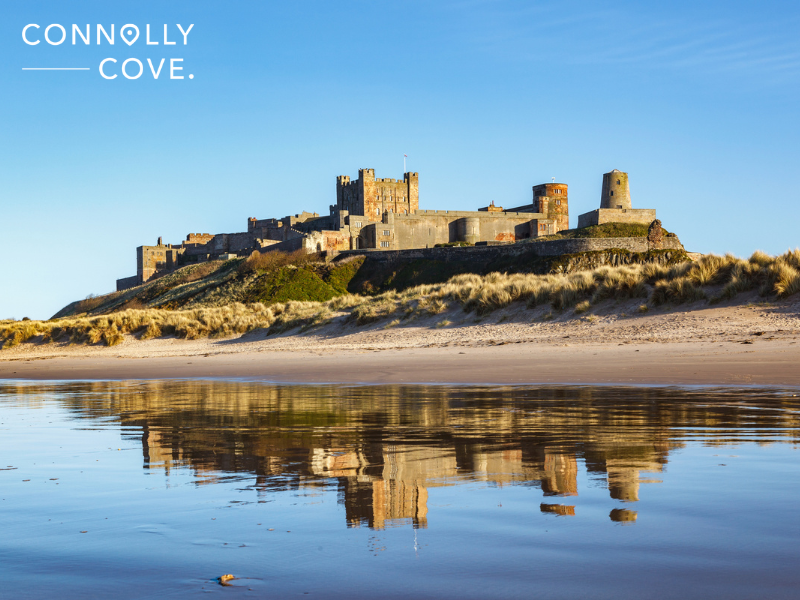
Perched on a windswept Northumbrian headland, Bamburgh Castle is a rugged sentinel watching over the turbulent North Sea. Viking raids and Scottish skirmishes have weathered its stones, etching tales of battle and conquest into its very fabric. Climb the spiral staircase of the King’s Tower, its ramparts echoing with the ghosts of medieval monarchs, and let the breathtaking panoramas of the coast wash away the cares of the modern world. Bamburgh Castle is a raw, elemental gem, whispering of a time when the borderlands were a crucible of conflict and survival.
Kenilworth Castle
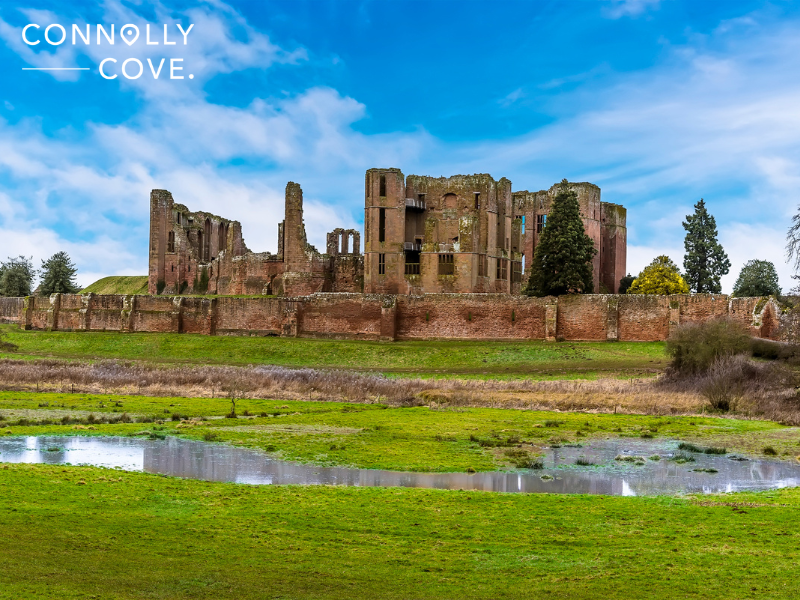
Once a playground for Elizabethan royalty, Kenilworth Castle is now a romantic ruin steeped in tales of love and betrayal. Explore the crumbling Great Hall, where Queen Elizabeth I was entertained by the lavish Earl of Leicester, and picture the glittering court balls and theatrical performances that once brought its walls to life. But beneath the merriment, whispers of betrayal and political intrigue simmer. Delve into the secrets of Robert Dudley and Amy Robsart, their doomed love story forever etched in the stones of this once-majestic fortress. Kenilworth Castle is a reminder that even amidst grandeur, human passions can lead to devastating consequences.
The Best Time to Enjoy Visiting the Castles in England
Ah, the perfect timing! Determining the ideal time to visit England’s castle giants depends on your preferences and priorities. Here’s a breakdown for each kind of adventurer:
Sun Seekers
- May – September: Embrace the sun-drenched days and balmy evenings. Enjoy open-air displays, jousting tournaments, and exploring castle grounds without shivering. Consider the crowds and slightly higher prices during peak season.
- September – October: Shoulder season offers a sweet spot – milder temperatures, manageable crowds, and vibrant autumn foliage painting the castle landscapes in fiery hues.
History Hunters
- March – April: Early spring promises fewer crowds and a quieter atmosphere to soak in history. Witness blooming gardens and vibrant countryside views without the summer buzz. Be prepared for unpredictable weather and potentially chilly evenings.
- October – November: Immerse yourself in the spooky side of history as Halloween approaches. Many castles host special events, ghost tours, and eerie candlelit experiences. Pack layers for potentially brisk weather.
Budget-Conscious Voyagers
- November – February: Embrace the off-season for the most budget-friendly deals on travel and accommodation. Enjoy the solitude of exploring vast castle grounds with minimal crowds. However, some areas might have reduced opening hours or closed sections.
- March – April: Before the official tourist season, you might find deals on flights and hotels. Pack an umbrella to prepare for possible rain showers.
Special Events
- Christmas Season: Witness wintery castles adorned with festive lights and decorations: experience carol concerts, historical re-enactments, and special holiday menus within some castle walls. Book well in advance as these events get popular.
- Jousting Tournaments: Plan your trip around events like the Warwick Castle jousting tournaments or the Battle of Hastings re-enactment for a truly immersive experience. Be aware of potentially higher prices and larger crowds during these special occasions.
Remember, every season offers its unique charm. Whether you seek sunshine and revelry or an introspective journey through history, there’s a perfect time to visit England’s magnificent castles. Pack your sense of adventure and prepare to be awed by these timeless giants!
Bonus Tip: Research individual castle opening hours and special events before your trip for a tailor-made experience. Some castles offer early-bird openings or twilight tours for a different perspective.
So, cast your calendar aside, dear seeker, and let the stories of England’s castles guide your adventure. There’s a perfect season for every dream, waiting to be discovered within their weathered walls.
From the sun-drenched ramparts of Windsor to the windswept heights of Bamburgh, England’s castles stand as living testaments to a nation’s past. They offer not just size and spectacle but journeys through time, whispers of forgotten battles, and echoes of royal intrigue. They are canvases painted with kings’ blood and jesters’ laughter, testaments to human resilience and the fleeting nature of power.
So, dear adventurer, embark on your quest. Let these giants ignite your imagination, transport you to bygone eras, and fill your heart with the wonder that only history’s grandest chapters can hold. England’s castles await, their doors flung wide, whispering tales that beg to be unravelled. Now, go forth and explore, for within their walls, the greatest treasures of England lie waiting to be discovered.
FAQs
Are the castles open to the public?
Yes! Most of England’s biggest castles are open to the public, offering guided tours, self-guided exploration, and special events. Check individual castle websites for opening hours, ticket prices, and specific information.
What’s the best way to travel to these castles?
Each castle has its own access options. Many are accessible by train, bus, or car, with some offering parking facilities. Consider researching public transport connections or booking tours that include transportation for a hassle-free experience.
Are there any family-friendly activities at the castles?
Absolutely! Many castles host family-oriented events, like jousting tournaments, bird-of-prey demonstrations, and interactive exhibits. Some even offer children’s trails and activities to keep young minds engaged.
What’s the best time of year to visit the castles?
It depends on your preferences! Summer offers sunshine and open-air events, while spring and autumn boast mild temperatures and vibrant scenery. Off-season (November-February) provides budget-friendly deals and solitude, although some areas might have reduced hours or closed sections. Consider special events like Christmas markets or historical re-enactments when planning your trip.
The Life and Legacy of Robert the Bruce: Scotland’s Heroic King
Scotland
02/05/2024

Unveiling the Meaning of the Celtic Motherhood Knot
Culture Exploration
02/05/2024

The Town of Killybegs: The Amazing Gem of Donegal
County Donegal
02/05/2024

Belfast Giants: An Irish Sport Success Story
Ireland
02/05/2024

The Meaning and Power of the Irish Blessing Prayer
Culture Exploration
02/05/2024