

Exploring The Best 7 City Breaks in Nepal: Mount Everest Land
Updated On: December 11, 2023 by  Raghda Elsabbagh
Hey there, fellow travellers! So, you’ve got your backpack ready, a map that’s seen better days, and a thirst for adventure that would make Indiana Jones jealous. You’re planning your next adventure somewhere in South Asia. Nepal is on your list for its diverse landscapes, ancient cultures, and vibrant traditions. You want to breathe in the crisp Himalayan Mountain air as you stand in awe of ancient temples.
Now, you wonder, “Which city perfectly sums up Nepal’s cultural richness? Or perhaps, which city provides the most immersive Himalayan experience?” Well, buckle up because we’re about to uncover the best city breaks in Nepal, unlock the secrets they hold and answer the call of adventure!
Table of Contents
Facts About Nepal
These exciting facts only scratch the surface of what this Himalayan nation offers:
- Mount Everest, the Roof of the World: Nepal is home to Mount Everest, the world’s highest peak, standing at an awe-inspiring 29,032 feet (8,848 metres) above sea level. Every year, adventurers from around the globe flock to Nepal to attempt the challenging climb to its summit.
- Birthplace of Lord Buddha: Lumbini, located in the Rupandehi District of Nepal, is the birthplace of Siddhartha Gautama, who later became Buddha. Lumbini, a UNESCO World Heritage Site, is a sacred pilgrimage destination for Buddhists worldwide.
- Diverse Ethnicities and Languages: Despite its small size, Nepal is incredibly diverse in terms of ethnicity and languages. There are over 120 different ethnic groups and more than 120 languages spoken.
- World Heritage Sites Galore: Nepal boasts seven UNESCO World Heritage Sites, including not only natural wonders like Sagarmatha National Park (home to Everest) but also cultural marvels like the Kathmandu Valley, Lumbini, and Chitwan National Park.
- Sagarmatha, Not Just Everest: While Mount Everest is the most famous, Sagarmatha National Park, where Everest is located, is also home to several other towering peaks, deep valleys, and high-altitude glaciers, making it a haven for trekkers and nature enthusiasts.
- Yeti Legends and Mysteries: The mythical creature known as the Yeti or the Abominable Snowman has been a part of Nepalese folklore for centuries. Legends and sightings of this mysterious creature persist, adding an element of intrigue to the Himalayan region.
- Unique Calendar System: Nepal follows its own calendar system called the Bikram Sambat (B.S.). The Nepali New Year, celebrated in April, marks the beginning of this lunar calendar and is observed with various cultural festivities and rituals.
Kathmandu: Nepal’s Capital
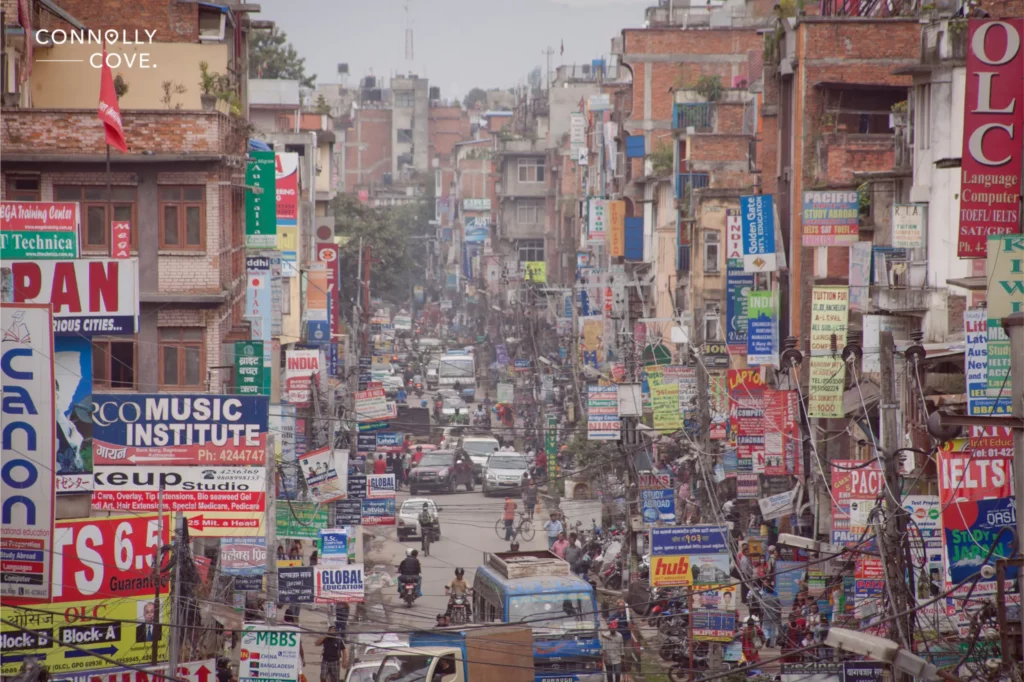
Let’s kick things off with Kathmandu, Nepal’s capital and bustling heartbeat. Kathmandu is a city that weaves together the threads of ancient history, cultural luxury, and modern vibrancy, making it one of the best cities in Nepal.
Start at Kathmandu’s Durbar Square, a living witness to the city’s rich history. Cobbled pathways wind through intricately carved palaces, courtyards, and temples. Their intricate architecture is jaw-dropping, and if only those walls could talk, they’d probably gossip with stories of centuries past.
Temple bells create a melody that resonates through the bustling streets. Those ancient temples stand rubbing shoulders with hipster coffee shops. Let us tell you, the cultural clash is so beautifully chaotic; it’s like a Bollywood dance sequence in motion. Swayambhunath, affectionately known as the Monkey Temple, perches atop a hill, overlooking the city with its all-seeing eyes offering panoramic views of Kathmandu. This UNESCO World Heritage Site, with its old stupa and surrounding shrines, is also a spiritual haven.
The city is a melting pot of religious diversity, with Hinduism and Buddhism coexisting harmoniously. Temples like Pashupatinath, a sacred Hindu site, and the Boudhanath Stupa, an imposing Buddhist structure, exemplify Kathmandu’s religious harmony. If you wish to explore Nepal’s spiritual soul, these cultural gems make Kathmandu a captivating destination.
Beyond the ancient wonders, Kathmandu pulsates with modern energy. Art galleries, cultural events and museums, like the National Museum and the Patan Museum, dot the cityscape. Stop by Thamel, a vibrant district and the beating heart of the city’s nightlife and shopping scene.
But let’s not forget about the infamous traffic—it’s a masterpiece, or we shall say a risky little game. Picture this: a symphony of honks, a dance of rickshaws, and a game of chicken between pedestrians and motorbikes. Crossing the road here is like playing the Russian roulette. It’s the live representation of “survival of the fittest!”
Kathmandu is the perfect blend of tradition and contemporary; that’s why it consistently tops the list of the best city breaks in Nepal.
Pokhara: The City of Lakes Amidst the Peaks
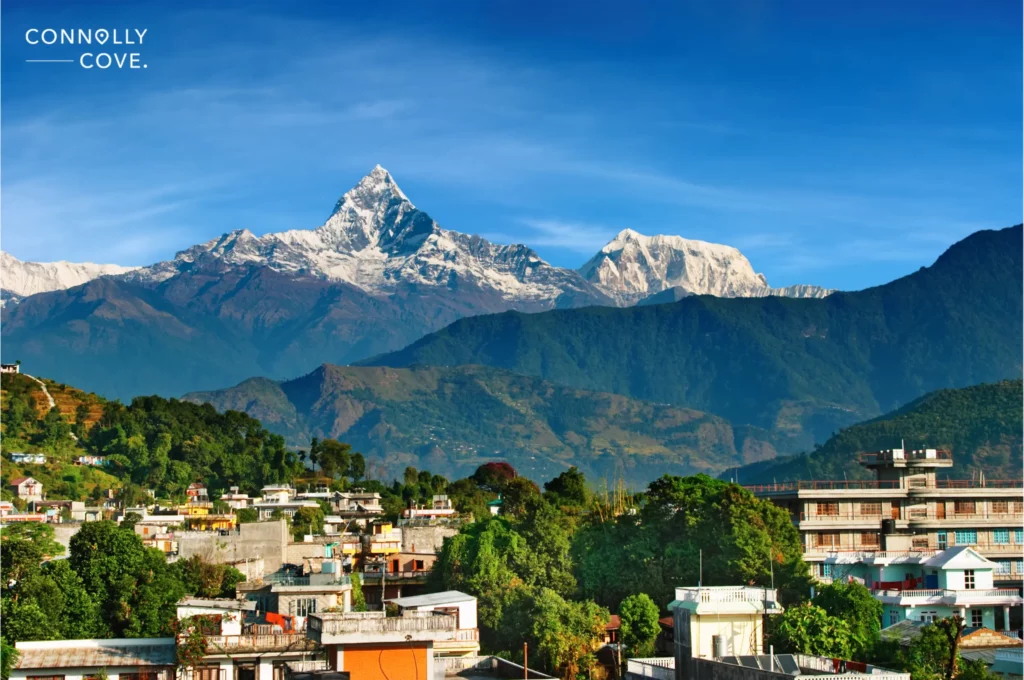
Now, let’s wander over to Pokhara, the city nestled in the Annapurna Range’s lap. Pokhara is rightfully dubbed the City of Lakes, and it is a haven for those seeking serenity amidst breathtaking natural beauty.
The Annapurna Range provides a stunning backdrop to the serene Phewa Lake, creating a postcard-worthy scene. When you stare at those snow-capped peaks, you suddenly understand why poets become bumbling fools and write odes to mountains.
Boating on Phewa Lake’s calm waters, with the reflection of the mountains dancing on the surface, is an experience that will soothe your soul. Add a touch of leisure to the tranquillity and pass by the cafes and shops lining the lakeside promenade.
For adventurous souls, Pokhara is a playground that goes beyond the serene lakes. Paraglide over the city to gain a bird’s-eye view of Pokhara’s idyllic beauty, an experience that elevates Pokhara to the top tier of the best city breaks in Nepal.
With its trekking trails, the Annapurna region beckons both beginner and seasoned trekkers. The Annapurna Base Camp trek, in particular, is a journey through rhododendron forests, terraced fields, and traditional Gurung villages, making Pokhara a gateway to Himalayan adventures. It’s no wonder Pokhara stands tall among the best cities in Nepal, inviting you to immerse yourself in the magic of its natural wonders.
Bhaktapur: A Glimpse into Nepal’s Medieval Heritage
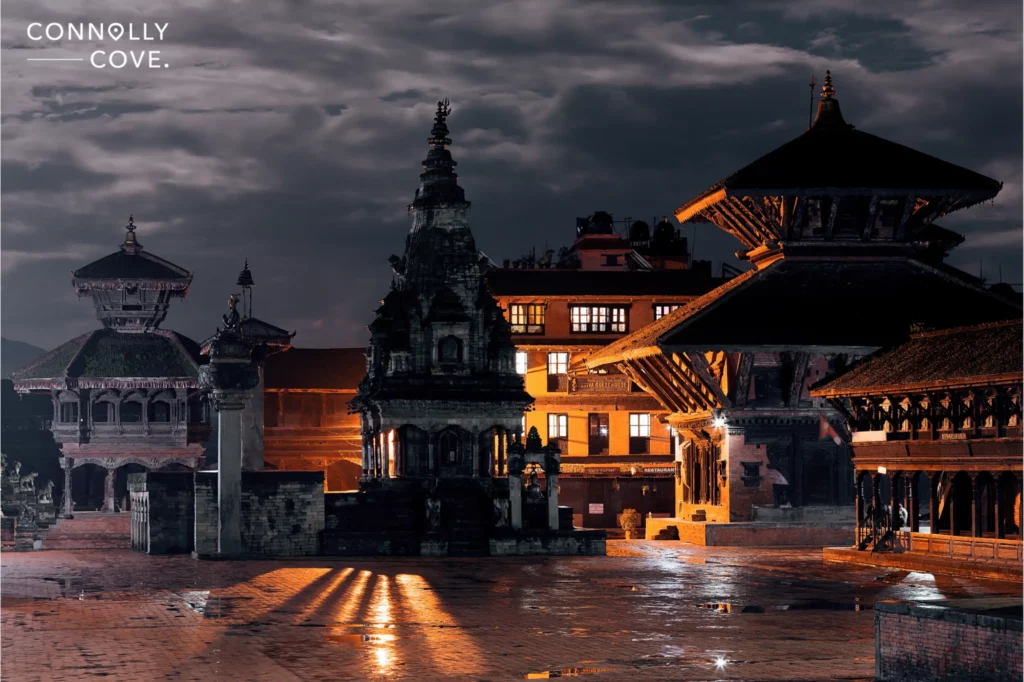
Let’s step onto the cobbled streets of Bhaktapur, a city so ancient that it makes history books look modern next to it. This UNESCO World Heritage Site boasts preserved medieval architecture, earning its reputation as one of the best city breaks in Nepal.
Stroll through time in Durbar Square, a labyrinth of ancient palaces, intricately carved windows, and majestic temples. Walk through its time-worn paths, narrow alleys, and hidden courtyards.
Bhaktapur is committed to preserving its artistic heritage. You’ll find woodcarving, pottery, and intricate metalwork adorning every nook and cranny. The Peacock Window, also known as the ‘Mona Lisa of Nepal’, is an iconic example of how they take woodcarving seriously in their traditional art heritage. The city’s pottery square is a bustling hub of creativity. Here, artisans mould clay into intricate shapes, creating pottery that’s a work of art.
The locals here are as warm as a cup of chai on a chilly morning. They’ll invite you in, feed you until you shuffle out, and tell you stories that will make you laugh.
You might be able to join one of Bhaktapur’s cultural festivals. Indra Jatra, the chariot festival, is a spectacle of traditional dances, masked deities, and vibrant processions. Dashain, the longest and the most significant Hindu festival turns the city into a show of lights and festivities.
Patan: Unveiling the Masterpieces—The City of Fine Arts
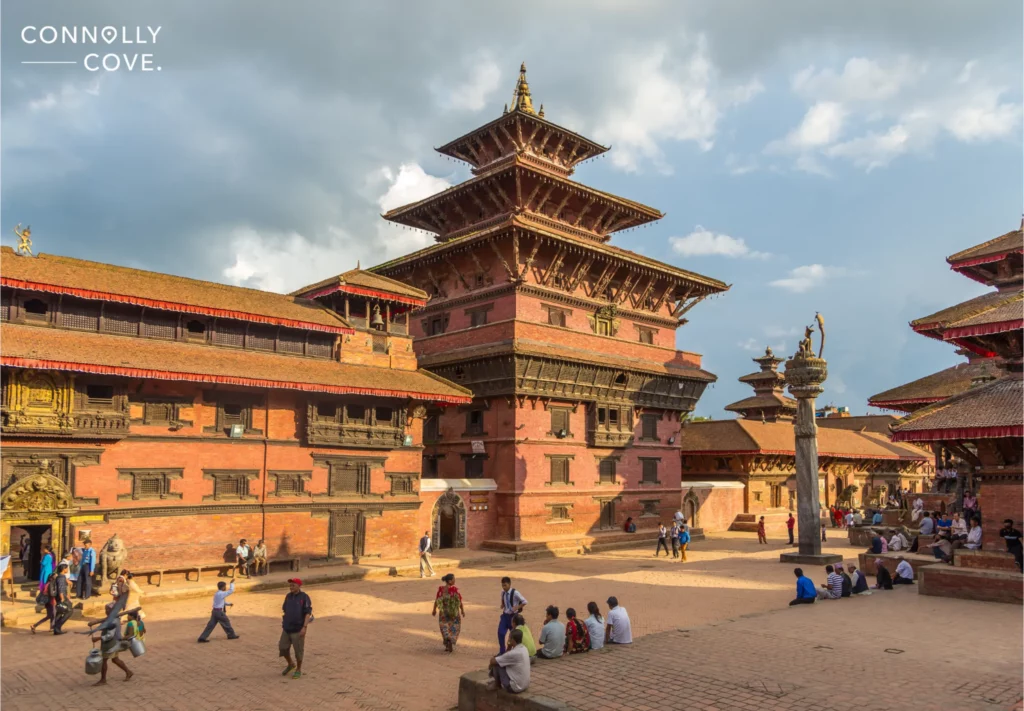
Step into Patan, a living canvas where every corner is a stroke of artistic brilliance. Patan is where tradition meets craftsmanship, and the result is that strolling through Patan is like walking through timeless elegance.
Durbar Square is the headliner here. It is an open-air gallery and a UNESCO World Heritage Site where intricately carved palaces, courtyards, centuries-old temples, and Newar architecture pose like Instagram influencers. The intricate woodwork and metal craft are so detailed that even the pigeons look impressed.
Patan’s allure resonates through its temples, museums, and vibrant street life. If you want a comprehensive view of Nepal’s cultural, art, and historical heritage, stop by the Patan Museum, nestled within the Durbar Square. The Royal Palace and the Hiranya Varna Mahavihar, also known as the Golden Temple, add a touch of regality to the city’s skyline. For architectural marvels, check out the Krishna Mandir, dedicated to Lord Krishna, and the Mahabouddha Temple, adorned with thousands of terracotta tiles.
Patan is a hub where artistic traditions come to life. Woodcarving, metalwork, and stone carving flourish in the city’s workshops. You can visit craft workshops in places like the Patan Industrial Estate to see the meticulous craftsmanship behind the city’s artistry. The artisans, carrying forward centuries-old traditions, infuse life into every creation. Make sure to stock on some souvenirs from their exquisite thangka paintings, metal sculptures, and wood carvings. Patan provides a glimpse into the soul of the country’s creative spirit, making it a must on the list of the best city breaks in Nepal.
Bandipur: Nepal’s Hidden Gem—A Quaint Hilltop Retreat
Bandipur is next on our map, a charming hilltop town that’ll cradle you in the arms of nature, making it stand out as one of the best cities in Nepal. It’s a hidden gem waiting to be uncovered. The panoramic views of the Himalayas create a mesmerising backdrop for this quaint town. Bandipur’s charm is amplified by its elevated vantage point, making every sunrise and sunset an enchanting spectacle.
The city’s narrow cobblestone streets are so charming that they should come with a cuteness warning. It’s like stepping into a time machine that takes you back to when life was simpler, and the only stress was choosing between two tea flavours.
Bandipur is a living museum of cultural and architectural heritage. Pass by the Bandipur Bazaar, surrounded by traditional Newari houses, and see for yourself the old-world charm it exudes. Visit the Bandipur Library and the Khadga Devi Temple for some historical architecture.
Beyond its visual allure, Bandipur beckons adventure enthusiasts with its network of hiking trails. You can hike through the largest cave in Nepal, the Siddha Cave Hike. You can also participate in the Bandipur to Ramkot Village walk, which offers breathtaking views along the way and authentic cultural experiences.
On your way, you’ll encounter rural life and witness traditional farming practices as you navigate these picturesque trails. Participate in traditional dance performances, savour local cuisine, and share stories around a bonfire. Bandipur promises an intimate connection with Nepal’s cultural roots.
Tansen: Colonial Charm in the Himalayan Foothills
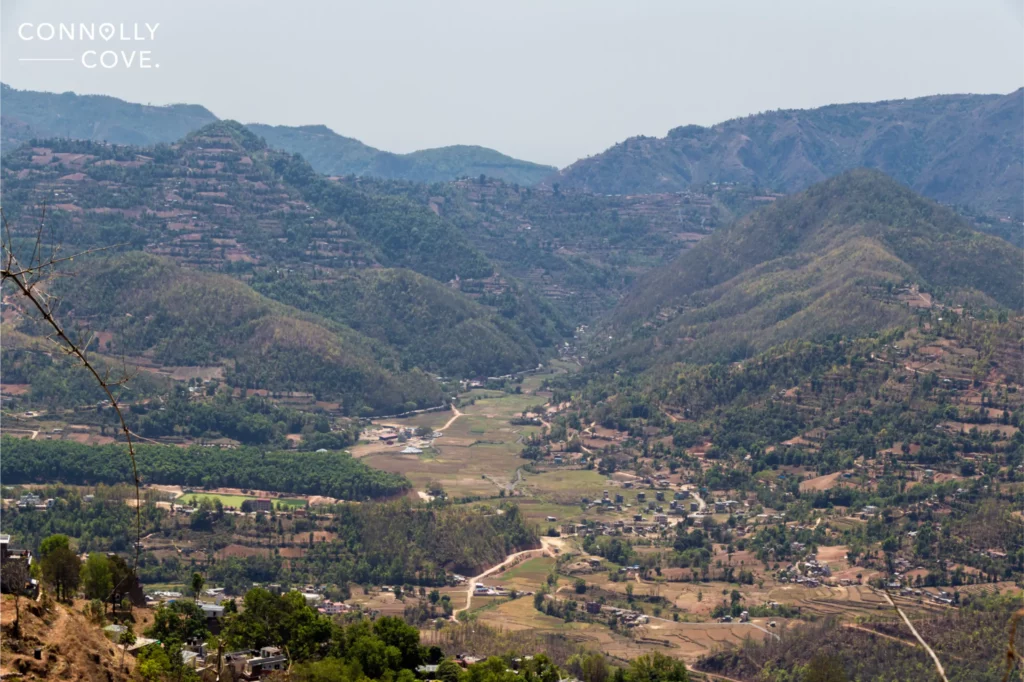
Perched on the Himalayan foothills of western Nepal, Tansen whispers stories of yesteryears while offering vistas that touch the sky. Walk through Tansen’s cobbled streets with more twists and turns than a mystery novel.
Those pathways meet the charm of colonial-era architecture, reminiscent of the Rana era. You’ll encounter buildings adorned with wooden windows and intricately carved facades, adding to the town’s allure.
Tansen’s elevation on Srinagar Hill ensures that every glance is met with panoramic views that reach the Himalayan horizons. You’ll wake up every day to sunrises that paint the mountains in hues of gold and orange. As the mist clears, the peaks of the Annapurna Range, Dhaulagiri, and Machapuchare reveal themselves. It’s a visual symphony that makes Tansen a must-visit for those seeking the embrace of Himalayan vistas.
Tansen Durbar, an ancient palace complex, is a silent witness to Tansen’s historical significance. Once the seat of the Palpa kingdom, the durbar reflects the architectural grandeur of its time. Its importance in the Unification of Nepal adds layers to Tansen’s narrative. While now in partial ruin, it continues to exude a regal aura, beckoning visitors to explore its timeless corridors.
Dharan: The Gateway to the Eastern Hills—A Symphony of Greenery and Culture
Dharan, often overlooked, is the gateway to the eastern Himalayas, offering a different flavour of Nepal. Dharan unfolds like a green oasis, with its surroundings painted in vibrant hues. The city is cocooned by lush green hills and serene landscapes, creating an atmosphere that feels like a breath of fresh air. Like the beautiful Dharan Ghopa, the city’s parks offer a retreat into nature’s embrace. If you’re seeking a break from the urban hustle, Dharan, hands down, makes it one of the best cities in Nepal to reconnect with nature.
Dharan has a diverse mix of cultures and an infectious, laid-back vibe. Its local festivals, such as the Chaite Dashain and Tihar, provide a unique insight into the lesser-explored facets of Nepalese life.
For adventure seekers, Dharan opens doors to exciting outdoor activities. The city caters to diverse interests, from trekking and bird-watching to river rafting in the nearby Saptakoshi River. The surrounding hills offer hiking trails that lead to panoramic viewpoints. If you’re a nature enthusiast, the Makalu-Barun National Park, with its diverse flora and fauna, invites you to explore its pristine beauty.
Nepal’s Cuisine
And how can we forget about the food? Nepalese cuisine is a delightful fusion of flavours influenced by Tibetan, Indian, and regional indigenous traditions. One of the undisputed stars you should start with is “Dal Bhat,” a hearty combination of lentil soup served with rice and an assortment of side dishes that may include pickles, curries, and vegetables. Then, try the Momo, bite-sized dumplings filled with spiced meat or vegetables and often accompanied by tangy dipping sauces. It’s a dish that Nepali hearts and stomachs swear by.
If you’re seeking a fiery kick, “Gundruk” and “Dhido” offer a distinctive experience. Gundruk, fermented leafy greens, adds a tangy zing. At the same time, Dhido, a traditional millet-based staple, pairs perfectly with various side dishes. Concluding any Nepali culinary adventure, “Sel Roti” stands out — a crispy, doughnut-shaped rice-based delicacy, sweetening the gastronomic journey through Nepal.
Have Fun in the Best City Breaks in Nepal!
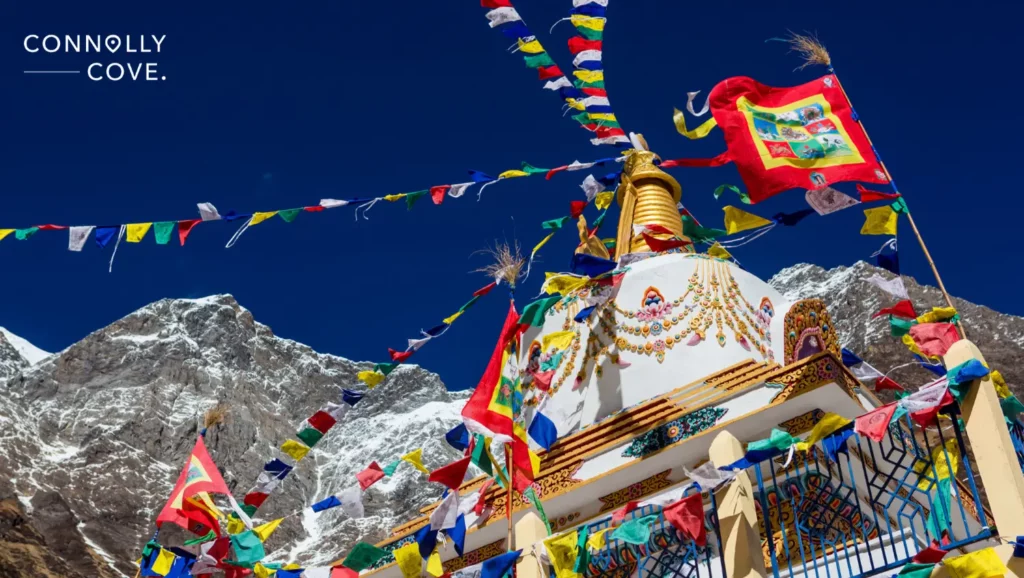
We think exploring Nepal’s cities is like binge-watching your favourite sitcom—it leaves you craving for more! From the chaotic charm of Kathmandu to the tranquil beauty of Pokhara and the ancient allure of Bhaktapur, each city is a unique chapter in Nepal’s epic story. So, pack your sturdy pair of walking shoes, camera, and adventurous spirit and get ready for a trip that will leave you with memories as colourful as a Himalayan sunset.
How many days are enough for Nepal?
For a well-rounded experience, plan for at least 7 to 10 days. If you intend to include trekking or specific activities, consider extending your stay to accommodate those pursuits.
Which are the best months to visit Nepal?
The best time to explore Nepal is during the spring (March to May) and autumn (September to November) seasons. The weather in these periods is generally ideal for trekking, sightseeing, and outdoor activities. Spring offers blooming rhododendrons, while autumn provides clear views of the Himalayas.
Do I need a visa for Nepal?
Yes, tourists visiting Nepal require a Tourist Visa, which is obtained upon arrival at international airports, land borders, and specific entry points.
Can I go to Nepal alone?
Certainly! Nepal is a fantastic destination for solo travellers. Exercise basic travel precautions; you’ll likely find Nepal a welcoming and hospitable destination for solo exploration.
Exploring the Isle of Man’s Rich History and Culture
Ireland
29/04/2024
Exploring The Town of Carrickfergus
County Antrim
29/04/2024
Commercial Court: The Dazzling Lights of Belfast
Northern Ireland
29/04/2024

How to Make a Killy Kiss Cocktail By Killyhevlin Hotel
Northern Ireland
28/04/2024

Middle East Travel Statistics from 2019 to Now
Middle East
28/04/2024