


The Ultimate Guide to Climbing Snowdon Mountain
Updated On: April 15, 2024 by  Maha Yassin
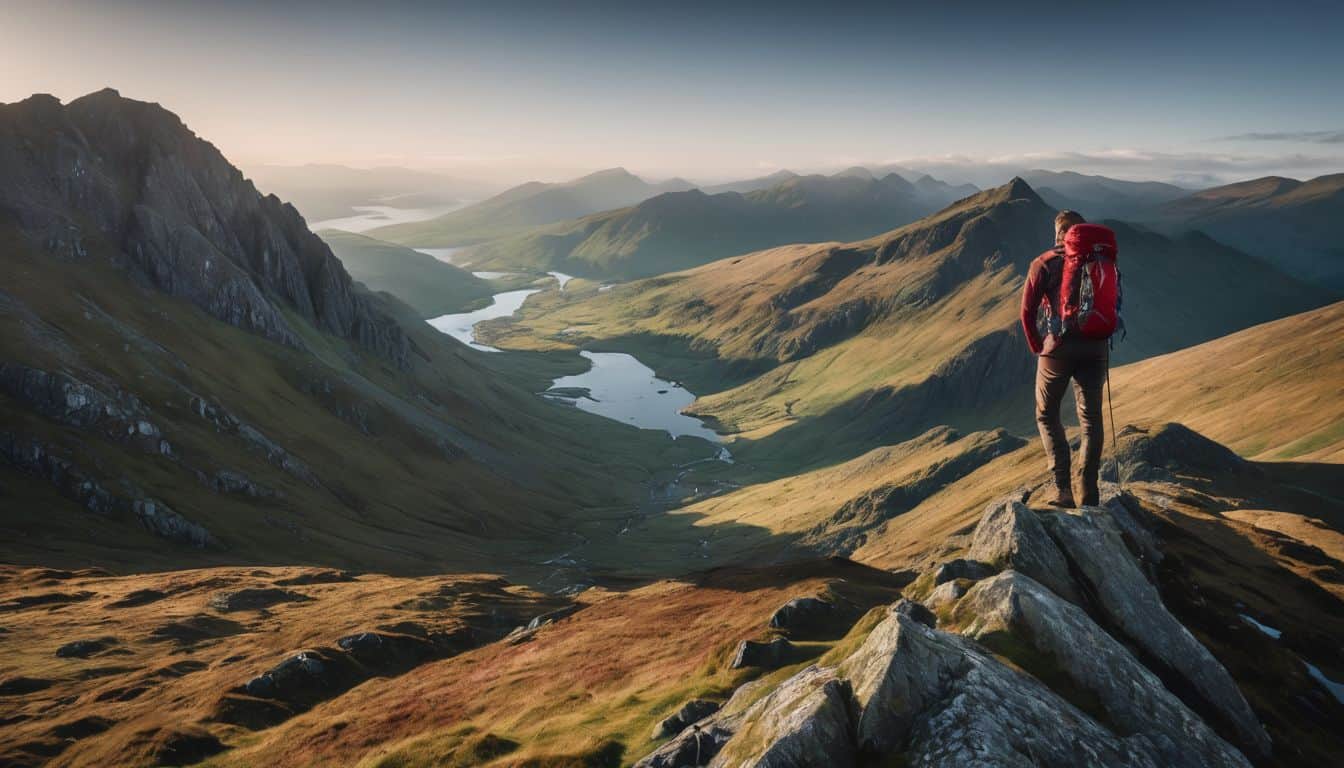
Embarking on the grand adventure to conquer Snowdon Mountain in Wales can set hearts aflutter – it’s thrilling yet quite intimidating, right? The lofty heights and unpredictable weather make for an experience far removed from your average stroll in the park.
But fret not; we’ve meticulously assembled this extensive guide brimful with insider knowledge – everything from safety measures to lip-smacking local nosh! These gems of wisdom are directly scooped from personal escapades, ensuring you’re amply equipped for a truly memorable trip to the zenith of Wales.
Key Takeaways
- Snowdon, the tallest mountain in Wales, offers a breathtaking experience with stunning scenery and diverse wildlife.
- Snowdonia National Park, where Snowdon Mountain is located, boasts majestic mountains and picturesque landscapes that will leave you in awe.
- The climate of Snowdon Mountain can be unpredictable due to its elevation and exposure to winds from the Atlantic Ocean. It’s important to come prepared with appropriate clothing and gear suitable for changing weather conditions.
Snowdon: The Tallest Mountain in Wales
Snowdon Mountain, known as Yr Wyddfa in Welsh, is the tallest mountain in Wales and offers a breathtaking experience with its stunning scenery and diverse wildlife.
The name Snowdon comes from Old English. It means ‘Snow Hill’. In Welsh, people call it “Yr Wyddfa”. This word means ‘the tomb’. Some say a giant is buried under the mountain. That’s why it got this name. These two names tell us a lot about how people saw this big mountain in the past.
Snowdon is a stunning mountain and home to a diverse and captivating environment. Surrounded by the breathtaking Welsh countryside, it offers nature lovers an unforgettable experience.
Snowdonia National Park, where Snowdon Mountain is located, boasts majestic mountains and picturesque landscapes that will leave you in awe. The mountain itself is rich in flora and fauna, with unique species inhabiting its slopes. From lush green meadows to rocky terrains, the environment of Snowdon offers a paradise for those who appreciate natural beauty.
The climate of Snowdon Mountain can be unpredictable due to its elevation and exposure to winds from the Atlantic Ocean. It’s important for travellers to come prepared with appropriate clothing and gear suitable for changing weather conditions.
Wildlife enthusiasts will be thrilled by the opportunity to spot various animal species during their journey up Snowdon. Keep your eyes peeled for rare birds, such as peregrine falcons and ring ouzels, which are known to inhabit the area. If you’re lucky, you might even catch a glimpse of wild goats or ponies that roam freely on some parts of the mountain.
As you make your way through this enchanting landscape, take time to appreciate the serenity of Snowdon’s surroundings – from cascading waterfalls to serene lakes nestled between rolling hills.
The Fascinating Geography of Snowdon
Snowdon is located in the Snowdonia Mountains in northern Wales. It is the highest point in England and Wales, standing at a height of 1,085 meters (3,560 feet). The mountain is situated within Snowdonia National Park, which is known for its majestic mountains and stunning natural landscapes.
Climbing Snowdon Mountain offers travellers the opportunity to experience the scenic views of the Welsh countryside. With its rugged terrain and diverse geology, Snowdon provides an outdoor adventure like no other. From rocky paths to lush valleys and glacial lakes, this enchanting mountain showcases both beauty and geological wonders.
The Unpredictable Climate in Snowdon
Snowdon Mountain’s climate can be unpredictable and changeable, so it’s important to come prepared for all types of weather. The mountain experiences high winds and low temperatures, even in summer.
It is common to encounter fog, mist, and rain during your ascent. It’s essential to dress in layers and bring waterproof clothing to protect yourself from the elements. Additionally, make sure to check the weather forecast before you start your journey and be aware of any potential hazards, such as ice or snow on higher parts of the mountain.
Safety should always be a priority when climbing Snowdon Mountain, so plan accordingly and listen to any advice or warnings given by local authorities or experienced guides.
Flora and Fauna in Snowdon National Park
The flora and fauna found in Snowdonia National Park are truly remarkable. The diverse landscape supports a rich variety of plant and animal species, making it a haven for nature lovers.
As you hike up Snowdon, you’ll encounter lush meadows filled with colourful wildflowers such as heather, bluebells, and primroses. Keep an eye out for the mountain hare, red foxes, and even elusive pine martens that call this area home.
If you’re lucky, you might spot soaring birds of prey like peregrine falcons or majestic golden eagles in the skies above! The park is also home to rare species like the Snowdon lily and the Carneddau pony.
The Lakes of Snowdon National Park
Snowdonia National Park is not just home to the magnificent Snowdon Mountain, but it also boasts a number of beautiful lakes that add to the charm and allure of the area. These lakes are surrounded by breathtaking scenery, making them popular destinations for nature lovers and photographers alike.
One such lake is Llyn Padarn, located near the village of Llanberis at the foot of Snowdon Mountain. This stunning lake stretches over 2 miles long and offers tranquil waters that reflect the surrounding mountains, creating a picturesque view. It is a great spot for leisurely walks along its shores or even kayaking if you’re feeling adventurous.
Another notable lake in Snowdonia National Park is Llyn Idwal, which lies within Cwm Idwal – a glacial valley famous for its dramatic beauty. Llyn Idwal is small but packs a punch when it comes to natural splendour. Surrounded by towering cliffs and rugged peaks, this lake provides a peaceful setting for picnics or simply taking in the awe-inspiring surroundings.
The Activities and Attractions in Snowdon
When visiting Snowdon, there are plenty of activities to enjoy. All visitors can find something that suits their interests.
From hiking the various paths to rock climbing on the mountain’s rugged terrain, there is an outdoor adventure for everyone. The Snowdon Mountain Railway offers a unique way to reach the summit and provides stunning views along the way.
For those interested in Welsh literature or art, Snowdon holds cultural significance and has been featured in popular works. However you choose to spend your time at Snowdon, you’ll be surrounded by the enchanting natural beauty of Wales and create unforgettable memories.
Rock Climbing in Snowdon
Rock climbing in Snowdonia is an exhilarating outdoor adventure that attracts adrenaline chasers from all over the world. With its rugged cliffs and challenging routes, Snowdon offers a thrilling experience for climbers of all skill levels.
Whether you’re a beginner or an experienced climber, plenty of options suit your abilities. The diverse rock formations and breathtaking views make it a popular destination for those seeking both adrenaline-pumping climbs and stunning natural beauty.
Climbing in Snowdonia National Park is about conquering the peaks and immersing yourself in the enchanting splendour of Wales’ highest mountain.
The Different Paths To Take
You can take several paths to climb Snowdon, each offering a different experience. The Llanberis Path is the most popular and easiest route, perfect for beginners or those who prefer a more leisurely hike.
The Pyg Track and Miners’ Track offers stunning views and interesting historical features along the way. Experienced hikers can try the Snowdon Ranger or Watkin Path for a more challenging ascent.
Whichever path you choose, be sure to check weather conditions beforehand, wear appropriate footwear, and bring plenty of water and snacks. It’s important to stay safe while enjoying the beauty of Snowdon’s majestic trails.
Snowdon Mountain Railway
The Snowdon Mountain Railway is a popular attraction for those who want to experience the beauty of Snowdon without the physical exertion of climbing. The railway is a narrow gauge rack and pinion railway that takes visitors from Llanberis to the summit of Snowdon. It offers breathtaking views of the surrounding countryside as it winds its way up the mountain.
As you ascend on the train, you’ll pass through beautiful landscapes and view Snowdonia National Park‘s panoramic views. The journey lasts about an hour each way, giving you plenty of time to appreciate the stunning scenery.
Reaching the Summit of Snowdon
At the summit of Snowdon, you will be rewarded with breathtaking panoramic views. Standing at a height of 1,085 meters (3,560 feet), it is the highest point in England and Wales. From this vantage point, you can admire the stunning Welsh countryside and marvel at the natural beauty that surrounds you.
The summit is within Snowdonia National Park, offering a magnificent outdoor adventure experience. Whether you’re a solo traveller seeking solitude or a history buff fascinated by the mountain’s rich heritage, reaching Snowdon’s summit will leave an unforgettable impression on your journey through Wales.
Experiencing Welsh Literature
Welsh literature is a rich and vibrant part of Wales’ cultural heritage. It has a long history dating back to the sixth century and includes legends, poetry, and storytelling that celebrate the Welsh language and identity.
Many famous writers like Dylan Thomas and Roald Dahl have emerged from Wales. The landscapes of Snowdonia have also inspired numerous works of literature, capturing the beauty and mystique of the region. Whether you’re a lover of books or simply appreciate the power of words, exploring Welsh literature can provide a deeper understanding of Snowdon’s enchanting splendour.
How Safe Are Snowdon Mountains?
Safety is always a top priority when venturing into the great outdoors and climbing Snowdon is no exception. While it offers breathtaking views and exhilarating experiences, there have been unfortunate incidents on the mountain.
It’s important to be aware of the risks involved and take necessary precautions. Over the years, there have been injuries and even deaths due to accidents, falls, and exposure to harsh weather conditions.
It’s crucial to be well-prepared with proper hiking gear, clothing suitable for changing weather conditions, sufficient food and water supplies, as well as knowledge of the route you’ll be taking.
Use of ‘Yr Wyddfa’ in English
When it comes to the English name for Snowdon, the highest mountain in Wales, you might be surprised to learn that it is sometimes referred to as ‘Yr Wyddfa.’ This Welsh name translates to ‘The Tomb’ or ‘The Burial Place,’ and has become a more commonly used term in recent years.
It reflects the mountain’s significance and mystique within Welsh culture and history. While most people still refer to it as Snowdon, knowing about its alternative name adds an extra layer of depth and intrigue when exploring this majestic peak.
Experiencing the Splendor of Snowdon
Discover unique places to visit along The Cambrian Way, prepare for your journey with safety tips, and experience the thrill of joining the Welsh Three Peaks Challenge. Explore the captivating beauty of Snowdon and immerse yourself in unforgettable adventures.
Unique Places To Visit on the Cambrian Way
If you’re looking for unique places to visit on The Cambrian Way, you’re in for a treat! This scenic route takes you through the heart of Wales, offering breathtaking views and plenty of interesting stops along the way.
As a traveller, you can explore historic castles like Caernarfon Castle and Conwy Castle, immersing yourself in the region’s rich history. For luxury travellers, picturesque towns like Betws-y-Coed and Llandudno offer upscale accommodations and charming boutiques.
You can also delight in sampling traditional Welsh cuisine at local pubs and restaurants along the route. History buffs can learn about Wales’ industrial past at sites like Blaenavon World Heritage Site.
Nature lovers will be amazed by the stunning landscapes of Snowdonia National Park and Brecon Beacons National Park, with countless opportunities for hiking, wildlife spotting, and photography.
Joining the Welsh Three Peaks Challenge
The Welsh Three Peaks Challenge is a 43 km circular hiking route in Wales that takes in the three highest peaks in the country: Snowdon (3,560 ft), Cadair Idris (2,990 ft), and Pen y Fan (2,903 ft). It is usually completed in less than 24 hours, making it a tough but rewarding challenge for experienced hikers.
The challenge starts at the village of Llanberis, near Snowdon. From there, hikers ascend Snowdon via the Llanberis Path, a 7.2 km route with an elevation gain of 3,000 ft. Once they reach the summit, they can enjoy stunning views of Snowdonia National Park and the surrounding countryside.
After descending Snowdon, hikers make their way to Cadair Idris, which is located about 32 km away. The hike to Cadair Idris is 11 km long and involves a 2,500-ft elevation gain. The views from the summit of Cadair Idris are just as impressive as those from Snowdon, and on a clear day, you can see all the way to the Irish coast.
The final leg of the challenge is a 10 km hike from Cadair Idris to Pen y Fan. This section is relatively easy, with only a 1,000-ft elevation gain. Once they reach the summit of Pen y Fan, hikers can be proud of themselves for completing the Welsh Three Peaks Challenge.
The Welsh Three Peaks Challenge is a tough but rewarding experience that is sure to appeal to anyone who enjoys a good challenge. If you want to test your limits and see some of Wales’s most beautiful scenery, this is the challenge for you.
Planning Your Journey to Snowdon
If you’re planning a journey to Snowdon, the biggest mountain in Wales, there are a few things to consider. First, decide on your accommodation. Plenty of options are available, from cosy bed and breakfasts to luxury hotels.
Next, make sure to try some local cuisine while you’re there. Wales is known for its delicious dishes like Welsh rarebit and bara brith. Additionally, don’t forget to pack appropriately for your trip.
The weather can change quickly in the mountains, so bring layers and waterproof gear. Lastly, take advantage of the opportunity to explore the surrounding area. Snowdonia National Park offers stunning scenery and many other outdoor activities for nature lovers.
But remember: climbing Snowdon can be challenging, so being prepared is important. Ensure you have sturdy footwear and plenty of water during your hike or trek. It’s also recommended that you check the weather forecast beforehand, as conditions on the mountain can be unpredictable.
Where To Stay?
There are various accommodation options available for travellers visiting Snowdon. From cosy cottages to luxury hotels, there is something for everyone’s taste and budget. If you’re a solo traveller or backpacker looking for affordable accommodations, you can find hostels and bunkhouses near the mountain.
Luxury travellers can stay in elegant hotels with stunning views of the Welsh countryside. Foodies can explore local bed-and-breakfast establishments that serve traditional Welsh cuisine.
History buffs may prefer staying in historic inns or guesthouses that offer a glimpse into the region’s rich heritage. Nature lovers can opt for campsites nestled amidst the beautiful landscapes of Snowdonia National Park.
Where To Eat?
When exploring the enchanting splendour of Wales and embarking on an unforgettable journey to Snowdon, the biggest mountain in the country, you’ll be delighted to discover the delicious local cuisine.
As a solo traveller, backpacker, luxury traveller, foodie, history buff or nature lover, you’ll have a variety of culinary options to indulge in. Try traditional Welsh dishes like cawl (a hearty soup), lamb cawl (made with tender Welsh lamb), bara brith (a fruit loaf), or Welsh rarebit (a cheese toast).
For seafood lovers, sample freshly caught fish and shellfish from coastal towns like Conwy and Aberystwyth. Don’t forget to savour some famous Welsh cheeses such as Caerphilly or Y Fenni.
Additional Tips and Recommendations
If you’re planning to visit Snowdon, here are some additional tips and recommendations for a memorable experience. Firstly, make sure to check the weather conditions before you go, as they can change quickly in the mountains.
It’s also important to wear appropriate clothing and footwear for hiking or climbing. Bring plenty of water and snacks to keep yourself hydrated and energized during your journey. Consider hiring a local guide who can provide valuable insights about the area and ensure your safety.
Lastly, don’t forget to take breaks and admire the stunning scenery along the way – it’s part of what makes Snowdon such an enchanting destination!
Discover the enchanting splendour of Wales on an unforgettable journey to Snowdon, the country’s biggest mountain. From its towering summit and breathtaking views to its rich history and outdoor adventures, Snowdon offers something for every traveller. Whether you’re a nature lover, adventure seeker, or history buff, this majestic mountain will leave you in awe of Wales’ natural beauty. So, lace up your boots and explore Snowdonia National Park for an experience you’ll never forget!
FAQs
How high is Snowdon from sea level?
Snowdon Mountain is the highest mountain in Wales, with an elevation of 1,085 m above sea level! It is also the highest point in the British Isles outside the Scottish Highlands.
Is my trip to Snowdon just about seeing mountains?
Absolutely not! There is so much to experience while visiting Snowdon, from the area’s history to trying wonderful Welsh cuisine. You won’t be bored for a second or run out of activities!
How does Snowdon compare to Scotland’s mountains?
Scotland and Wales both have impressive sights, but an adventure up Snowdon offers unique views you can’t find anywhere else on the British Isles.
Is Snowdon Mountain hard to climb?
There are many climbing and hiking paths in Snowdon for all skill levels. But in general, the mountain is considered to be strenuous and hard because it takes around 6 to 8 hours to get to the top and back.

The Town of Killybegs: The Amazing Gem of Donegal
County Donegal
02/05/2024

Belfast Giants: An Irish Sport Success Story
Ireland
02/05/2024
The Meaning and Power of the Irish Blessing Prayer
Culture Exploration
02/05/2024
Famous Irish Lighthouses and Where to Find Them
Ireland
02/05/2024

Belfast International Arts Festival
Northern Ireland
02/05/2024