When visiting Doha, Qatar, you’ll discover a captivating blend of tradition and modernity that comes alive after sunset. The city transforms as dusk falls, offering visitors an unforgettable journey through Arabian hospitality, cultural immersion, and sophisticated entertainment. From the atmospheric alleyways of ancient souqs to the glittering skyline views from rooftop lounges, Doha’s evening scene presents diverse experiences for every type of traveller.
As experts in global travel experiences, ConnollyCove has explored the many facets of Doha’s nightlife to bring you this comprehensive guide. We believe in showcasing the authentic heart of each destination we cover, going beyond typical tourist attractions to reveal the cultural depth and unique character that make each place special.
Table of Contents
Exploring Doha After Dark
The Qatari capital presents a fascinating contrast between its deep-rooted cultural heritage and ambitious vision for the future. This duality is perhaps most evident when exploring the city’s evening offerings, where traditional Arabian experiences harmoniously coexist with contemporary entertainment options.
As night falls, Doha’s spectacular skyline illuminates the Arabian Gulf, creating a breathtaking backdrop for your evening adventures. The city’s commitment to preserving traditional values while embracing modernity means that nightlife here offers something distinctly different from many other global destinations.
Discovering Doha’s Skyline
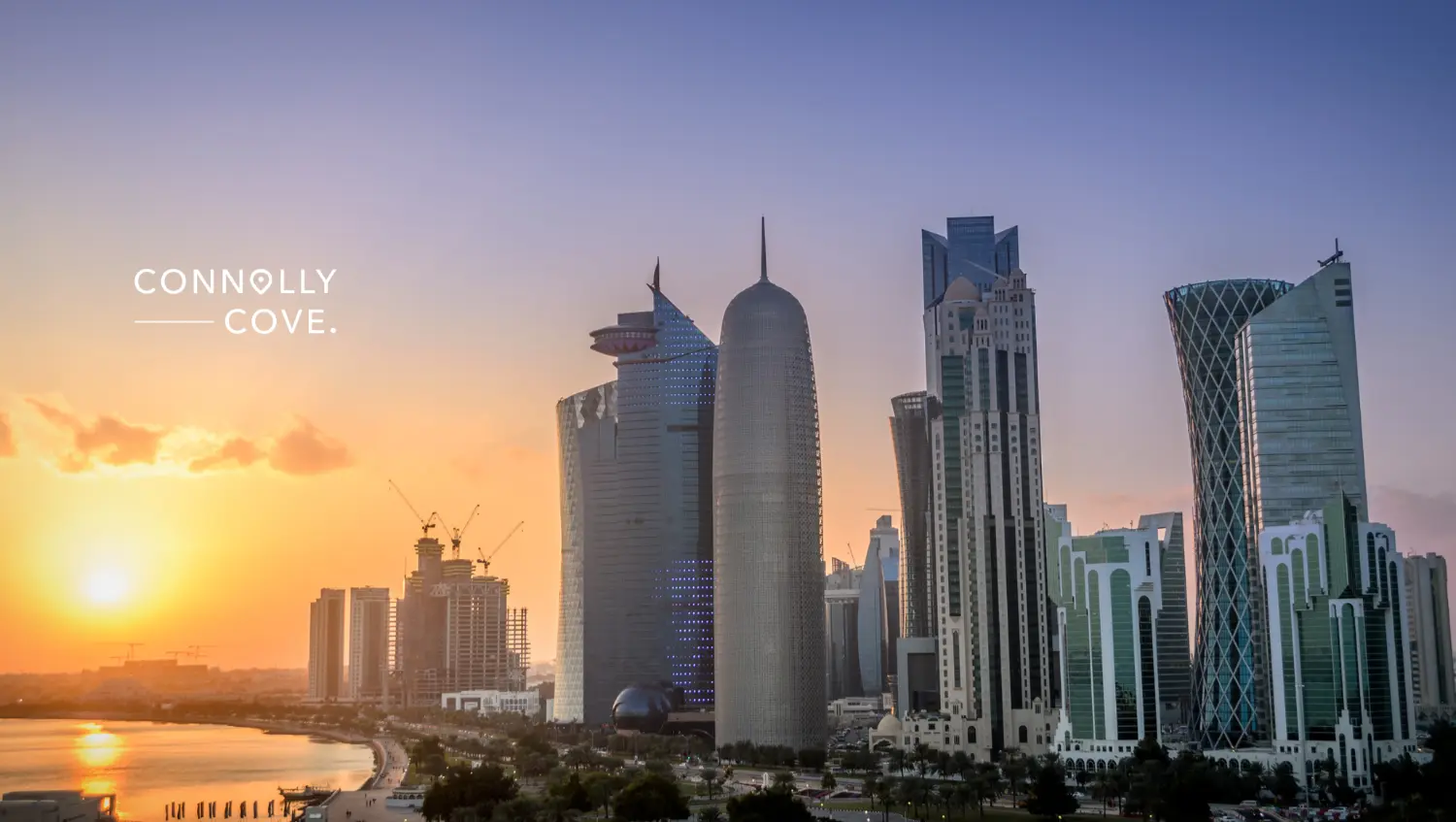
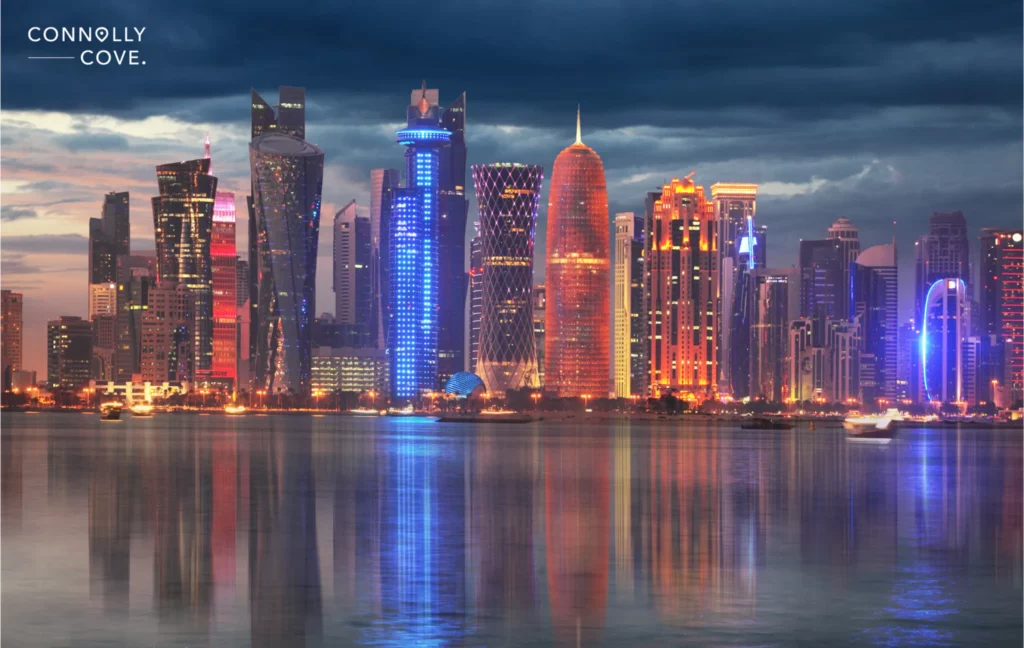
One of the most captivating aspects of Doha after dark is its mesmerising skyline. The futuristic architecture of West Bay creates a stunning visual spectacle when illuminated at night, with buildings showcasing innovative lighting designs that transform the cityscape into an artistic canvas.
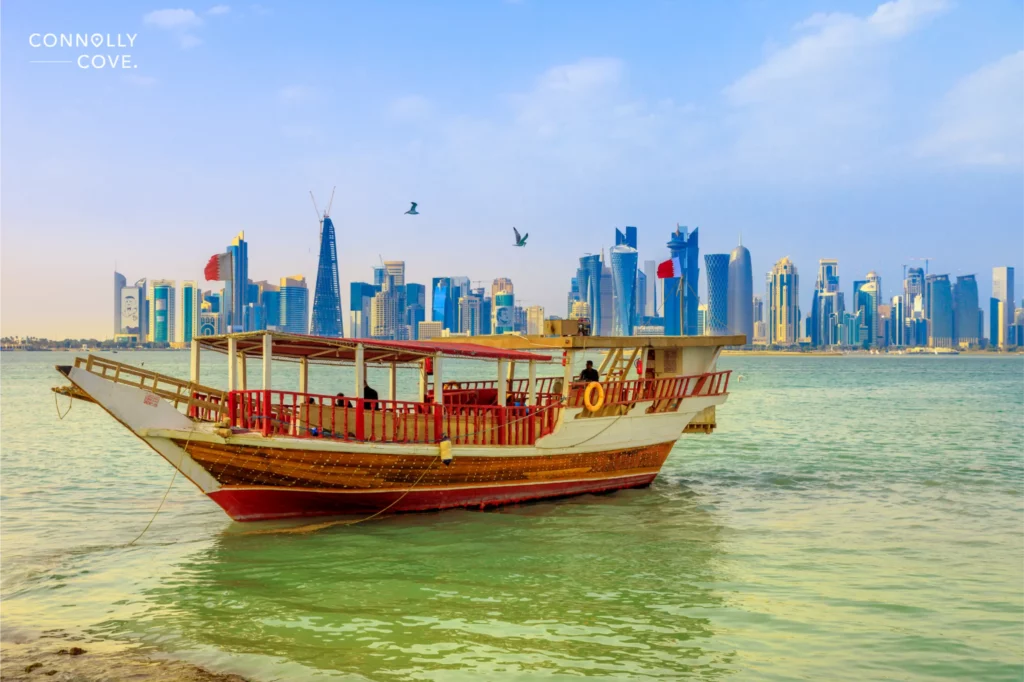
The Corniche, Doha’s 7km waterfront promenade, offers the perfect vantage point for admiring this architectural symphony. An evening stroll along this curved walkway presents ever-changing perspectives of the illuminated towers reflecting in the calm waters of the bay. Photographers will find endless inspiration as the modern skyline creates a striking contrast against the traditional wooden dhow boats moored in the harbour.
For an elevated perspective, head to one of the city’s rooftop lounges or observation decks. The view from the 300-metre-high Torch Doha hotel is particularly impressive, offering a 360-degree panorama that stretches across the entire city. As you gaze out at the glittering metropolis, you’ll gain a true appreciation for Qatar’s remarkable transformation from a pearl-fishing village to a global hub of culture, commerce and innovation.
Exploring Souq Waqif
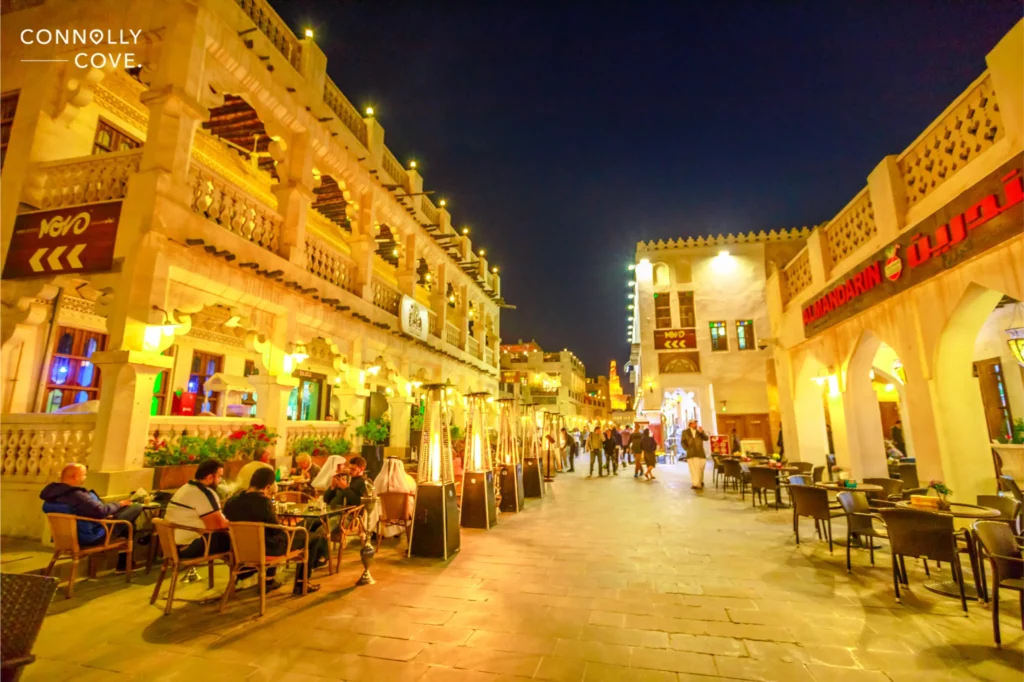
An evening stroll through Souq Waqif, one of Doha’s oldest marketplaces, is essential for any visitor seeking authentic Qatari culture. This restored 19th-century market comes alive after sunset when locals and tourists alike gather to shop, dine, and socialise in its atmospheric alleyways.
The souq’s name translates to “standing market,” a reference to the traditional Bedouin traders who would sell their goods while standing. Today, it maintains much of its historical character while offering modern amenities. The labyrinthine passages are filled with shops selling everything from exotic spices and perfumes to handcrafted jewellery, traditional garments, and distinctive souvenirs.
Beyond shopping, Souq Waqif offers a sensory journey through Qatari culture. The air is filled with the aromatic blend of oud incense, shisha smoke, and sizzling street food. Traditional music often fills the main square, where you might catch impromptu performances by local musicians. The souq is also home to the Falcon Souq, where you can observe these majestic birds that hold special significance in Qatari heritage.
For UK and Irish travellers, the souq provides a cultural immersion unlike anything in Western Europe. The vibrant atmosphere, with families gathering for evening meals and friends meeting over cups of fragrant karak tea, offers genuine insight into local Qatari social life. We recommend setting aside at least two hours to fully experience this cultural treasure, allowing time to wander, shop, and eventually settle at one of the many outdoor cafés to people-watch as you enjoy traditional Arabian hospitality.
Exploring the Pearl-Qatar
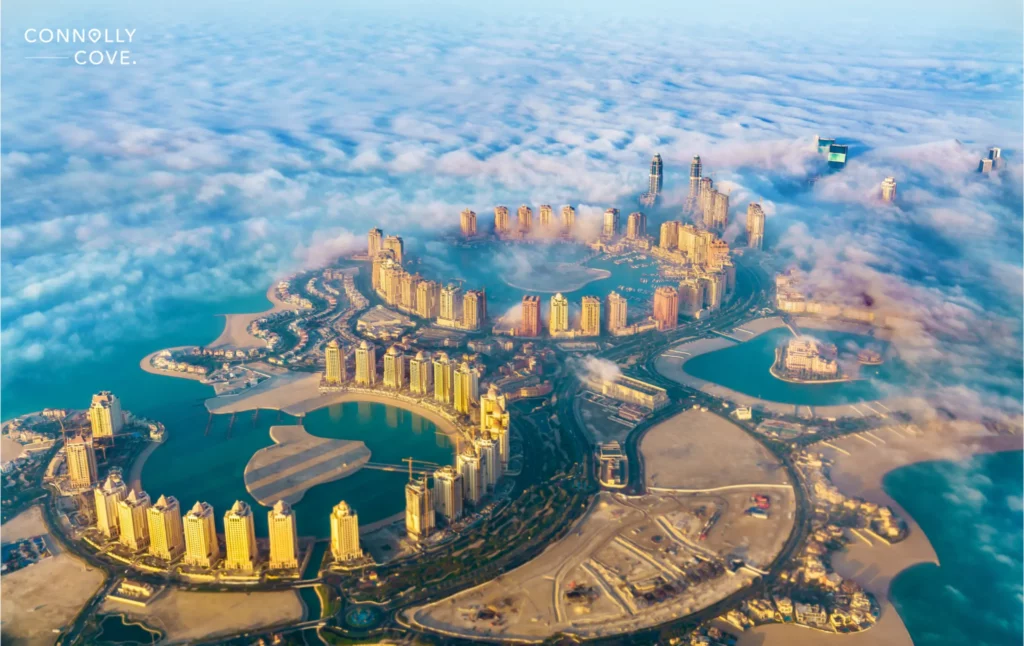
For a more contemporary evening experience, The Pearl-Qatar offers a sophisticated alternative to the traditional charm of Souq Waqif. This artificial island spans nearly 4 million square metres and represents Qatar’s ambitious vision for luxurious urban development.
Named after Qatar’s historic pearl diving industry, this man-made marvel features Mediterranean-inspired architecture with elegant marinas, upscale residences, and a wealth of dining and entertainment options. The Porto Arabia boardwalk, lined with palm trees and illuminated by tasteful lighting, provides a glamorous setting for an evening promenade.
As you stroll along the waterfront, you’ll pass rows of luxury yachts moored in the marina and an impressive selection of international restaurants with outdoor terraces overlooking the water. The atmosphere here is distinctly cosmopolitan, attracting a diverse mix of expatriates and locals. The island’s architecture, with its pastel-coloured façades and European-inspired details, creates an ambience reminiscent of Rivieras along the Mediterranean coast.
The Qanat Quartier area, with its Venetian-inspired canals and bridges, is particularly enchanting after dark. The colourful buildings reflected in the still waters create perfect photo opportunities, while the pedestrian-friendly layout encourages leisurely exploration. For shopping enthusiasts, the island hosts numerous luxury boutiques and designer stores that remain open into the evening.
Despite its modern character, The Pearl-Qatar maintains connections to Qatar’s cultural heritage through thoughtful design elements and regular cultural events. The contrast between this contemporary development and the traditional Souq Waqif demonstrates Doha’s successful integration of heritage and innovation in its urban landscape.
Cultural Experiences
Doha’s cultural scene flourishes after sunset, offering visitors unique opportunities to engage with both traditional Qatari heritage and contemporary artistic expressions. The city has invested substantially in cultural venues and programmes that showcase its rich history while fostering creative innovation.
Evening Museum Visits
Many of Doha’s world-class museums extend their opening hours into the evening, creating perfect opportunities for cultural enrichment after the day’s heat subsides. The Museum of Islamic Art, designed by renowned architect I.M. Pei, is particularly magnificent at night when its geometric architecture is dramatically illuminated against the dark sky.
Inside, the museum houses one of the world’s most comprehensive collections of Islamic art spanning three continents and 1,400 years of history. The evening ambience adds a special dimension to the experience, with the museum’s massive windows framing spectacular views of the illuminated skyline across the bay.
The National Museum of Qatar, with its distinctive desert rose-inspired architecture by Jean Nouvel, also offers extended hours on certain days. The building itself is a masterpiece of contemporary design, with its interlocking disc formation creating fascinating patterns of light and shadow after dark. The museum’s immersive exhibits tell the story of Qatar’s evolution from prehistoric times through its pearl diving era to the present day.
For art enthusiasts, Katara Cultural Village frequently hosts evening exhibitions and events showcasing both Qatari and international contemporary art. The Fire Station Artist in Residence spaces often remain open late, offering visitors the chance to view works by emerging artists in an intimate setting.
These evening cultural visits provide thoughtful insights into Qatar’s heritage and its artistic vision for the future. For travellers seeking more than entertainment, these institutions offer intellectual engagement and cultural context that enhances the overall Doha experience.
Traditional Performances
Experiencing traditional Qatari performances adds a rich cultural dimension to any evening in Doha. Throughout the year, various venues host authentic displays of local music, dance, and theatrical traditions that have been passed down through generations.
At Katara Cultural Village, the open-air amphitheatre regularly features performances of traditional Qatari music, with musicians playing instruments such as the oud (a stringed instrument similar to a lute), the rebaba (a bowed string instrument), and various percussion instruments. The haunting melodies and rhythmic complexity of this music offer fascinating insights into the region’s cultural heritage.
During cooler months, the grounds of Souq Waqif often come alive with impromptu performances of ardha, the traditional sword dance of Qatar. This powerful ceremonial dance, performed by men carrying swords and moving to the beat of drums, was historically performed before tribal battles but is now a celebration of Qatari identity and national pride.
For a more structured cultural experience, the Qatar National Theatre occasionally stages performances that combine traditional storytelling with contemporary theatrical techniques. These productions often explore themes from Bedouin culture and Qatar’s pearl diving history, providing entertaining yet educational insights into local traditions.
The Cultural Village Foundation frequently organises evening folklore shows that present various aspects of Qatari heritage, from traditional wedding ceremonies to seasonal celebrations. These performances typically include explanatory commentary in multiple languages, making them accessible to international visitors.
These cultural performances not only entertain but also preserve and celebrate Qatar’s rich heritage. For visitors seeking authentic cultural experiences, attending such performances offers a window into traditions that have shaped Qatari identity for centuries.
Katara Cultural Village at Night
Katara Cultural Village transforms into a vibrant hub of activity as evening falls, offering visitors a blend of cultural experiences, entertainment, and dining options in a thoughtfully designed setting. This sprawling complex, named after the historical term for Qatar, serves as the nation’s cultural heart.
The village’s architectural style draws inspiration from traditional Qatari design while incorporating modern elements. As darkness descends, the thoughtful lighting accentuates the graceful arches, winding alleyways, and distinctive pigeon towers that characterise the complex. The central promenade leads visitors past galleries, performance spaces, and workshops where artisans often demonstrate traditional crafts into the evening hours.
The Katara Amphitheatre, an impressive Greek-style open-air venue that seats over 5,000 people, frequently hosts evening concerts ranging from classical orchestras to contemporary performers. The acoustics of this dramatic space, combined with its stunning setting overlooking the Arabian Gulf, create memorable cultural experiences for attendees.
Art enthusiasts will appreciate the numerous galleries that often remain open after sunset, showcasing both Qatari and international works. The Katara Art Centre regularly organises evening exhibition openings and artist talks, providing opportunities to engage directly with the creative community. The Katara Opera House offers a more formal cultural setting, with regular evening performances of opera, ballet, and classical music.
For those seeking more relaxed entertainment, the beachfront area comes alive at night with families enjoying the cooling sea breeze. The Beach 16 café extends onto the sand, allowing visitors to savour refreshments while watching the gentle waves. During the winter months, the Katara Esplanade hosts festivals and events that often continue until late, featuring food stalls, craft demonstrations, and family entertainment.
Katara’s diverse dining options, ranging from casual cafés to fine restaurants, make it an excellent destination for dinner followed by cultural exploration. The village’s elevated position provides splendid views of West Bay’s glittering skyline, creating a magical backdrop for an evening of cultural immersion.
Dining & Cruises
Culinary experiences form an essential part of Doha’s evening attractions, with options ranging from traditional Qatari cuisine to international fine dining. As the temperature drops after sunset, the city’s gastronomic scene comes alive, offering memorable meals in settings that showcase Qatar’s hospitality and architectural splendour.
Enjoying a Dinner Cruise
One of the most enchanting ways to experience Doha after dark is aboard a traditional wooden dhow boat for an evening dinner cruise. These vessels, historically used for pearl diving and trading, have been thoughtfully converted into floating restaurants while maintaining their authentic character.
As you glide along Doha’s coastline, you’ll be treated to unparalleled views of the illuminated skyline from the water—a perspective that reveals the full grandeur of the city’s architectural achievements. The gentle movement of the boat and the soft lapping of waves create a soothing soundtrack for your dining experience.
Most dinner cruises depart from the Corniche near the Museum of Islamic Art and sail along the bay, passing landmarks such as the spectacular high-rises of West Bay, the traditional beauty of Souq Waqif, and the cultural splendour of Katara Village. The journey typically lasts between two and three hours, allowing ample time to savour both the views and the cuisine.
The dining experience usually features a buffet of Arabian and international dishes, with options to suit various dietary preferences. You might sample traditional mezze platters, freshly grilled seafood, aromatic rice dishes, and sweet pastries for dessert. Some cruises include entertainment such as traditional music or brief cultural performances, enhancing the authentic Arabian atmosphere.
For photography enthusiasts, a dinner cruise offers exceptional opportunities to capture Doha’s skyline reflected in the calm waters of the bay. The changing perspectives as the boat moves along the coastline reveal new angles and compositions with each passing minute.
Booking in advance is recommended, especially during peak tourist seasons from October to April. Prices typically range from 200-400 QAR (£40-80) per person, depending on the level of service and inclusions. For a more exclusive experience, private charters are available for special occasions or groups seeking a personalised journey.
Rooftop Dining Experiences
Doha boasts an impressive selection of rooftop restaurants and lounges that combine exquisite cuisine with breathtaking aerial views of the city. These elevated dining venues offer a sophisticated evening experience where visitors can appreciate Doha’s architectural splendour while enjoying gourmet meals under the stars.
Many of the city’s luxury hotels house rooftop establishments that have been designed to maximise the visual impact of their lofty positions. Floor-to-ceiling windows, open-air terraces, and strategic seating arrangements ensure diners can fully appreciate the panoramic vistas while enjoying their meals. As darkness falls and the city lights begin to twinkle, these spaces transform into enchanting environments where culinary excellence meets architectural spectacle.
Nobu Doha, located at the Four Seasons Hotel, claims the title of the world’s largest Nobu restaurant and features a rooftop lounge with 360-degree views of the Arabian Gulf and Doha’s skyline. The tri-level structure, designed to resemble a seashell, creates a stunning architectural backdrop for enjoying signature Japanese-Peruvian fusion cuisine.
For a more Arabian-inspired setting, the Walima restaurant at Mondrian Doha offers a beautiful rooftop terrace where you can sample authentic local dishes with contemporary presentations. The distinctively patterned furnishings and thoughtful lighting create an atmosphere that blends traditional Qatari influences with modern design sensibilities.
At the Shangri-La Hotel, Shanghai Club presents Chinese cuisine from the 43rd floor, providing spectacular views across the city and towards The Pearl-Qatar. The elegant interior, with its rich materials and sophisticated lighting, complements the dramatic vistas visible through the expansive windows.
Many of these establishments offer sunset sessions that begin in early evening, allowing diners to witness the magical transformation of the city from daylight to dusk and finally to its fully illuminated nighttime splendour. Reservations are essential for these premium dining experiences, with prices reflecting both the exclusivity of the settings and the quality of the cuisine served.
Traditional Qatari Evening Dining
For travellers seeking authentic culinary experiences, exploring traditional Qatari evening dining customs offers delicious flavours and cultural insights. Qatari cuisine reflects the country’s Bedouin heritage, seafaring history, and regional influences, resulting in dishes that are both familiar and uniquely local.
Souq Waqif houses several restaurants specialising in authentic Qatari cuisine, where diners can sample national dishes in settings that echo traditional Arabian hospitality. At establishments like Al Matbakh and Al Shurfa, meals typically begin with a selection of mezze—small dishes including hummus, moutabel (smoky aubergine dip), and fresh salads—accompanied by warm, freshly baked khubz (flatbread).
Main courses often feature machbous, Qatar’s national dish, consisting of fragrant rice with meat or seafood, seasoned with distinctive spice blends that may include cardamom, cinnamon, dried lemon, and saffron. Harees, a hearty wheat and meat porridge, represents another traditional option that reflects the country’s Bedouin roots. For seafood enthusiasts, hamour (grouper) and local prawns are prepared using time-honoured recipes that highlight the fresh catch from Qatar’s waters.
The dining experience itself follows traditional customs, with generous hospitality being a hallmark of Qatari culture. Meals are often served in abundant portions meant for sharing, encouraging conversation and communal enjoyment. In more traditional settings, diners may be seated on cushions around low tables, though most establishments now offer conventional seating while maintaining decorative elements that reflect Qatari heritage.
No traditional meal is complete without ending with Arabic coffee (qahwa) served from distinctive long-spouted coffee pots into small handleless cups. This cardamom-infused coffee is typically accompanied by sweet dates or traditional desserts like luqaimat (sweet dumplings) or umm ali (bread pudding with nuts and raisins).
For an immersive cultural experience, some restaurants offer evening cultural programmes alongside dinner, featuring traditional music or brief explanations of Qatari customs. These dining experiences provide not just nourishment but also valuable insights into the country’s culinary heritage and social traditions.
Evening Adventures
Beyond cultural venues and dining experiences, Doha offers a variety of evening adventures that showcase different aspects of Qatar’s natural landscape and entertainment options. As temperatures cool after sunset, outdoor activities become particularly appealing, allowing visitors to experience Qatar’s unique environment in comfortable conditions.
Experiencing the Night Desert Safari
Venturing into the desert for an evening safari ranks among Doha’s most memorable experiences, offering visitors a chance to connect with Qatar’s natural landscape and Bedouin heritage. Just a short drive from the ultramodern city centre, the desert presents a striking contrast with its timeless, untamed beauty.
Evening desert safaris typically begin in late afternoon when experienced drivers collect guests from their hotels in 4×4 vehicles. The journey to the desert itself serves as an introduction to Qatar’s changing landscape, as urban developments gradually give way to increasingly barren terrain. Upon reaching the desert proper, the adventure begins with dune bashing—an exhilarating ride over the sand dunes as skilled drivers navigate the undulating terrain with expert precision.
As the sun begins to set, the desert transforms. The harsh daytime glare softens into a palette of oranges, pinks, and purples that illuminate the rippling dunes in an otherworldly glow. This magical moment, when the desert is bathed in the day’s final light, offers photographers spectacular opportunities to capture Qatar’s natural beauty. The silence and vastness create a profound sense of tranquillity that contrasts sharply with the urban energy of Doha.
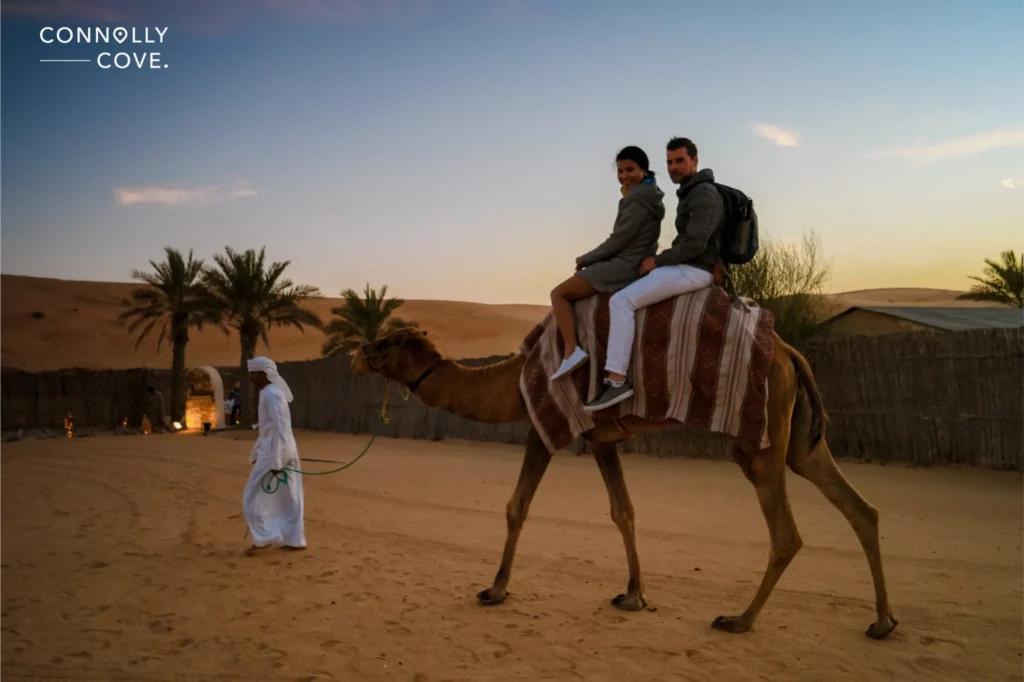
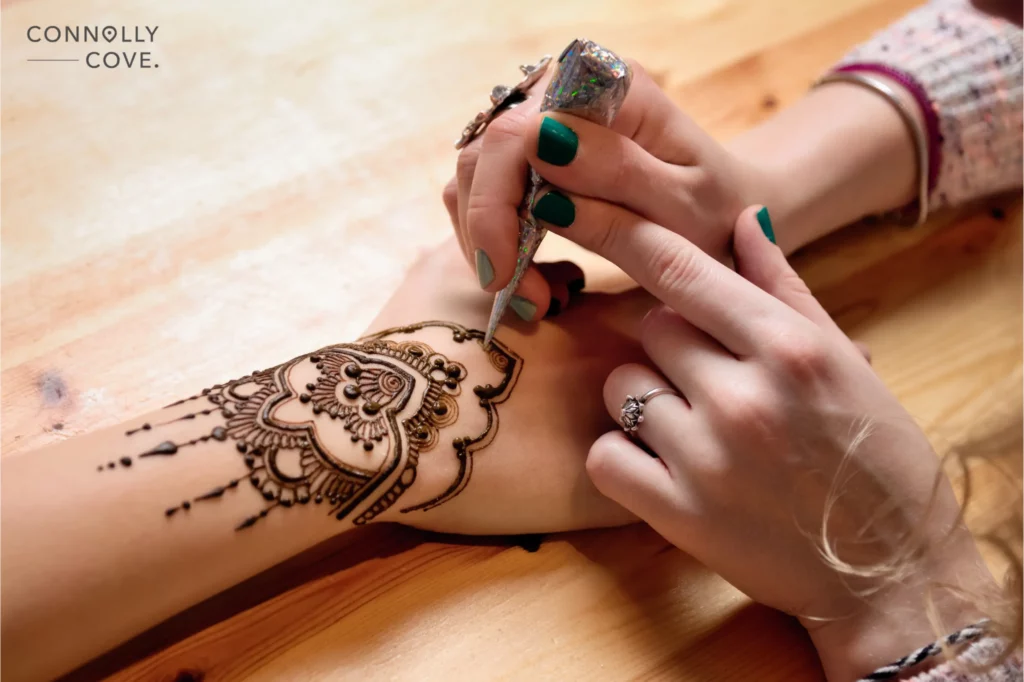
After sunset, many tours proceed to a traditional Bedouin-style camp where various activities await. Guests can ride camels—the traditional “ships of the desert” that have been vital to regional transportation for centuries. Sandboarding provides an adrenaline rush as participants slide down steep dunes on boards similar to snowboards. For a more relaxed experience, henna artists often offer traditional temporary body art, applying intricate patterns using natural dyes.
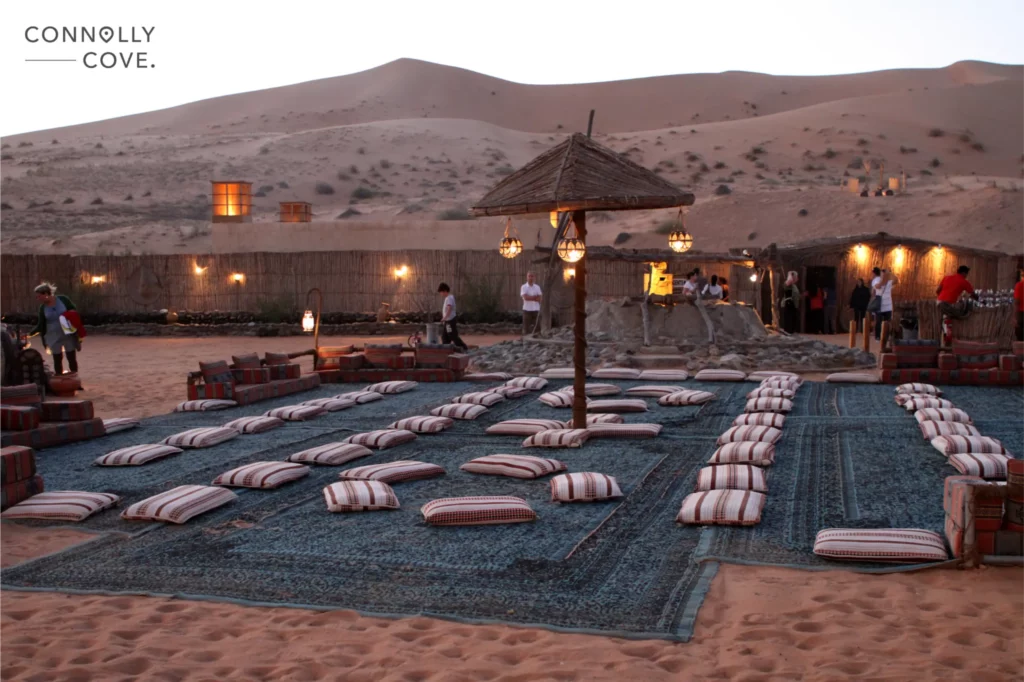
The evening typically culminates with a traditional Arabian dinner served under the stars. Seated on cushions around low tables or on carpets spread directly on the sand, guests enjoy classic dishes that might include grilled meats, aromatic rice, fresh salads, and sweet desserts. The meal is often accompanied by entertainment such as tanoura dancers who spin in colourful costumes, creating mesmerising visual displays.
Perhaps the most magical aspect of the night desert experience comes after dinner, when artificial lights are dimmed, allowing visitors to appreciate the canopy of stars above. Away from city light pollution, the desert night sky reveals countless stars in breathtaking clarity. Some tours include basic astronomy guides who point out constellations and planets, adding an educational dimension to the natural spectacle.
Desert safaris can be booked through numerous tour operators in Doha, with prices typically ranging from 250-500 QAR (£50-100) per person, depending on inclusions. The experience usually lasts 5-6 hours in total, returning guests to their hotels by late evening. For those seeking a more exclusive experience, private tours can be arranged, offering a personalised itinerary and dedicated guides.
Evening Entertainment Venues
Doha’s evening entertainment scene has evolved significantly in recent years, offering visitors diverse options that respect local cultural values while providing world-class experiences. From theatrical performances to live music venues, the city caters to various tastes and interests after dark.
The Qatar National Theatre regularly hosts evening performances ranging from traditional Arabic plays to international productions. The theatre’s distinctive architecture, featuring geometric patterns inspired by Islamic design, creates an impressive setting for cultural events. Performances typically begin around 7:30 PM, with programmes changing monthly to feature both local talent and touring companies.
For music enthusiasts, the state-of-the-art Katara Opera House presents regular evening concerts showcasing classical performances, Arab orchestras, and occasional jazz or world music events. The Opera House’s exceptional acoustics and elegant design make it a premier destination for appreciating live music in sophisticated surroundings.
The Doha Fire Station, a converted civil defence building now serving as an art hub, hosts evening events including film screenings, artistic performances, and cultural talks. Its contemporary gallery spaces and outdoor courtyard create versatile venues for creative expression that often continue into the evening hours.
Several luxury hotels feature entertainment lounges with live music, particularly on weekend evenings. The St. Regis Doha’s Jazz Club presents international performers in an intimate setting reminiscent of classic jazz venues, while the Intercontinental Doha’s Belgian Café offers live bands playing popular music in a more casual atmosphere.
For a uniquely Qatari experience, the Al Thuraya Planetarium at Katara Cultural Village presents evening shows that combine astronomy education with entertainment. The dome projections showcase both the night sky and cultural presentations about Qatar’s historical relationship with celestial navigation.
Cinema enthusiasts can enjoy films at several upscale multiplexes, including Novo Cinemas and VOX Cinemas, which feature the latest international releases alongside occasional Arab films. For a premium experience, Novo’s Seven Star service at The Pearl-Qatar offers reclining seats and butler service during screenings.
Family-friendly evening entertainment can be found at Virtuocity in Doha Festival City, where gaming tournaments and e-sports events often continue into the evening. Similarly, Angry Birds World at Doha Festival City provides indoor entertainment options suitable for families seeking activities after dinner.
Most entertainment venues in Qatar maintain a dress code that reflects local cultural values, typically requiring modest attire that covers shoulders and knees. Advance booking is recommended for theatrical performances and concerts, while more casual entertainment options usually accommodate walk-in visitors.
Planning Your Visit
Thoughtful planning ensures a smooth and enjoyable experience of Doha’s evening attractions. From practical considerations about local customs to logistical details about transportation, being well-prepared allows visitors to fully immerse themselves in the city’s nocturnal offerings without unnecessary complications.
Understanding Local Customs and Etiquette
Qatar maintains a strong cultural identity rooted in Islamic traditions, which influences social norms and expectations, particularly in public spaces. Understanding and respecting these customs enhances the visitor experience while showing appreciation for local culture.
Dress codes are an important consideration when planning evening activities in Doha. While Qatar is more cosmopolitan than some neighbouring countries, modest attire is still expected and appreciated. For most public areas, including malls, restaurants, and cultural sites, clothing should cover shoulders and knees for both men and women. Higher-end establishments and cultural venues may enforce more formal dress requirements, often specifying “smart casual” attire that excludes shorts, flip-flops, and athletic wear.
Public behaviour should reflect awareness of local sensibilities. Displays of affection between couples should be minimal in public spaces, limited to holding hands rather than more demonstrative gestures. Loud or boisterous behaviour might be perceived as disrespectful, particularly in more traditional settings like Souq Waqif or religious sites that permit evening visits.
Photography etiquette requires special attention. While capturing Doha’s spectacular architecture and landscapes is encouraged, photographing local residents, particularly women, without explicit permission is considered inappropriate and should be avoided. Some government buildings and religious sites restrict photography altogether, so visitors should look for signage or inquire before taking pictures.
During the holy month of Ramadan, evening activities take on special significance as locals break their daily fast and socialise after sunset. Visitors during this period will find restaurants particularly busy after sundown for Iftar (breaking of the fast) meals. Non-Muslims should refrain from eating, drinking, or smoking in public during daylight hours out of respect for those fasting.
Alcohol consumption in Qatar follows specific regulations that visitors should understand. Alcoholic beverages are available only at licensed establishments within international hotels and selected standalone restaurants that have obtained special permits. Public consumption of alcohol is prohibited, and appearing intoxicated in public spaces can result in legal consequences.
Business cards are frequently exchanged in professional settings, and it’s considered respectful to use both hands when offering or receiving cards. When greeting Qataris, men typically shake hands with other men, but should wait for women to extend their hand first. Some traditional women may prefer not to shake hands with men outside their family.
Familiarising yourself with basic Arabic greetings demonstrates cultural sensitivity. Simple phrases like “As-salaam alaikum” (peace be upon you) for greetings and “Shukran” (thank you) are appreciated by locals, even if the remainder of the conversation continues in English, which is widely spoken in tourist areas.
Understanding these cultural considerations helps visitors navigate Doha’s evening scene with confidence while showing respect for the customs that shape Qatar’s unique social environment.
Transportation Options at Night
Navigating Doha after dark is straightforward thanks to the city’s well-developed transportation infrastructure. Various options cater to different preferences, budgets, and itineraries, allowing visitors to explore evening attractions with ease.
The Doha Metro, opened in 2019, represents the most modern transportation option, with three lines connecting major destinations across the city. The system operates until midnight on weekdays and until 1 AM on Thursdays and Fridays (Qatar’s weekend). The sleek, driverless trains offer Gold Class (premium) carriages and separate family sections. Major stations serve popular evening destinations, including Souq Waqif (Msheireb Station), Katara Cultural Village (Katara Station), and numerous hotel districts. At just 2-3 QAR (less than £1) for standard tickets, the Metro provides exceptional value and efficiency for evening travel.
Taxis remain a popular and convenient option for evening transportation. The turquoise Karwa taxis, operated by Mowasalat, use meters with regulated fares starting at 10 QAR (approximately £2) and charge 1.20 QAR per kilometre. After 9 PM, a small night surcharge applies. Taxis can be hailed on main roads, found at designated taxi stands, or ordered through the Karwa app. Most drivers speak English, though having your destination written in Arabic can be helpful for less familiar locations.
Ride-hailing services, including Uber and Careem, operate extensively in Doha, offering a convenient alternative to traditional taxis. The apps allow visitors to input exact destinations, track arrival times, and pay electronically, eliminating language barriers or negotiation. These services are particularly useful when returning from evening venues, as you can request pickup from your exact location rather than searching for a taxi stand.
For groups or families, private car services with drivers can be arranged through hotels or travel agencies for evenings out. While more expensive than other options, these services offer convenience, comfort, and flexibility, particularly for visiting multiple destinations in one evening.
When planning evening transportation, consider that traffic congestion can be significant during rush hours, which typically extend until about 7 PM on weekdays. Allow extra travel time during these periods or consider using the Metro to avoid delays. For popular evening destinations like Souq Waqif, parking can be challenging, making public transportation or taxis preferable options.
Most major hotels offer complimentary shuttle services to popular destinations for their guests. These scheduled services often include evening runs to shopping malls, cultural attractions, or the Corniche. Check with your accommodation for availability and schedule details.
For visitors staying near the Corniche, the traditional wooden dhow boat taxis provide a scenic alternative for travelling to waterfront destinations. These short trips offer beautiful views of the illuminated skyline and create memorable transitions between evening activities.
During major cultural events or festivals, authorities often arrange special transportation services with extended hours. Check the event websites or inquire at your hotel about these options when attending evening programmes at venues like Katara Cultural Village or Qatar National Convention Centre.
Best Time to Visit for Nightlife
Timing your visit to Doha for optimal evening experiences requires consideration of climate, cultural calendar, and seasonal variations in activities and crowds. With thoughtful planning, you can maximise the enjoyment of the city’s nocturnal offerings while avoiding potential challenges.
Qatar’s climate significantly impacts evening activities throughout the year. From June through August, daytime temperatures regularly exceed 40°C, with high humidity adding to the discomfort. While evenings bring some relief, outdoor activities remain challenging even after sunset during these months. Conversely, December through February offers ideal conditions for evening explorations, with pleasant temperatures between 15-25°C that create perfect conditions for outdoor dining, desert excursions, and promenade strolls.
The optimal months for experiencing Doha’s nightlife are October through April, when balanced temperatures allow comfortable enjoyment of both indoor and outdoor evening venues. During this period, outdoor seating areas at restaurants and cafés fill with patrons, desert camps operate at full capacity, and the Corniche buzzes with activity well into the evening hours.
Qatar’s cultural calendar influences the vibrancy and variety of evening offerings throughout the year. The winter season (October-March) typically features the richest programme of cultural events, outdoor festivals, and special exhibitions, many with extended evening hours. The Qatar International Food Festival, usually held in March, offers evening food stalls and entertainment in atmospheric settings. Similarly, the Doha Film Institute’s annual Qumra and Ajyal film festivals present evening screenings and cultural events.
Ramadan, which rotates through the Gregorian calendar, transforms evening activities in Doha. During this holy month, restaurants remain closed during daylight but come alive after sunset when the fast breaks. Evening markets (particularly Souq Waqif) become especially vibrant, often remaining active until the early morning hours. While alcohol service is further restricted during this period, the unique cultural atmosphere and special Ramadan events offer visitors distinctive experiences.
Qatar’s weekend falls on Friday and Saturday, with Thursday evening effectively serving as the equivalent of a “Friday night” in Western countries. Consequently, Thursday and Friday evenings see the busiest restaurants, fullest shisha lounges, and most active entertainment venues. Visitors seeking a more relaxed experience might prefer Sunday through Wednesday evenings when reservations are easier to secure and popular venues are less crowded.
Major international events hosted in Doha, such as sporting competitions or conferences, can significantly impact accommodation availability and prices. While these events often bring additional entertainment options and vibrant energy to the city, they also increase demand for evening venues and transportation. Checking Qatar’s event calendar before planning your visit allows you to either participate in or avoid these periods, depending on your preferences.
For visitors specifically interested in desert experiences, the winter months (November-March) offer the most comfortable evening conditions for outdoor adventures. During summer, many desert camps reduce operations or close entirely due to extreme temperatures, even after sunset.
The typical rhythm of evening activities in Doha sees dining beginning later than in many Western countries, with restaurants busiest between 8 and 10 PM. Entertainment venues, particularly on weekends, remain active until midnight or later, with some shisha lounges and cafés in areas like Souq Waqif continuing service until the early morning hours.
Top Hotels for Nightlife in Doha
Selecting accommodation strategically enhances access to Doha’s evening attractions, with certain properties offering superior locations, in-house entertainment, or special amenities for nighttime enjoyment. These carefully chosen hotels provide excellent bases for exploring Doha after dark.
The Four Seasons Hotel Doha, situated along the waterfront promenade, places guests within easy reach of numerous evening venues. Recently renovated, this five-star property houses multiple dining establishments, including the world-renowned Nobu restaurant with its dramatic rooftop lounge offering panoramic bay views. The hotel’s Library & Cigar Lounge presents a sophisticated evening retreat with live piano music, while its beachfront location allows for moonlit walks along private shorelines. The property’s proximity to The Pearl-Qatar means additional nightlife options are just a short drive away.
For travellers seeking immersion in traditional Qatari culture, Souq Waqif Boutique Hotels by Tivoli comprises nine distinctive properties nestled within the historic market district. These boutique accommodations place guests steps from the souq’s evening bustle, traditional restaurants, and cultural performances. The atmospheric location allows visitors to experience authentic Doha nightlife without transportation concerns, as you can simply wander from your hotel into the lively market streets and return easily when your evening concludes.
The W Doha Hotel & Residences in the West Bay district has established itself as a nightlife destination in its own right. The property’s Crystal Lounge features international DJs on weekends, while its Wahm lounge presents a stylish poolside setting for evening cocktails. The hotel’s Market by Jean-Georges restaurant remains lively well into the evening, attracting a cosmopolitan crowd. The property’s contemporary design and energetic atmosphere appeal particularly to younger travellers seeking vibrant evening experiences.
Mondrian Doha, designed by Marcel Wanders, offers distinctive architectural spaces that transform beautifully from day to night. The hotel’s rooftop pool area becomes an elegant evening venue with city views, while its Walima restaurant presents authentic Middle Eastern cuisine in a dramatic setting. The property’s location near Lagoona Mall provides additional dining options within walking distance, and its striking interiors create memorable settings for evening relaxation after exploring the city.
La Cigale Hotel, situated in the heart of Doha, has long been associated with sophisticated nightlife through its Sky View rooftop lounge offering panoramic city vistas. The hotel’s Glow Spa remains open until 11 PM, providing relaxing evening treatments after a day of exploration. Its central location near Suhaim Bin Hamad Street gives guests easy access to local restaurants and entertainment venues, while the property’s elegant design creates a refined atmosphere for evening returns.
The Ritz-Carlton Doha, located on its own island in the West Bay Lagoon, offers serene evening environments away from urban bustle. The hotel’s Flamingos nightclub presents stylish entertainment, while its Lagoon restaurant features evening seafood buffets with waterfront views. The property’s extensive gardens, illuminated at night, provide peaceful settings for evening strolls, and its isolated position creates excellent vantage points for appreciating Doha’s skyline across the water.
For travellers with an interest in cultural activities, the Marsa Malaz Kempinski on The Pearl-Qatar positions guests amid multiple evening dining and entertainment options. The hotel’s private beach offers evening relaxation, while its Bohemia rooftop lounge presents sophisticated nighttime entertainment with exceptional views. The property’s location within The Pearl development means guests can walk to numerous restaurants, cafés, and boutiques that remain open into the evening.
These carefully selected properties not only offer premium accommodation but also enhance the overall evening experience in Doha through thoughtful locations, in-house offerings, or special access to nighttime attractions.
Frequently Asked Questions
Exploring Doha after dark brings many questions from first-time visitors about local customs, transportation options, and seasonal considerations. Our comprehensive answers below address the most common queries to help you confidently navigate Qatar’s captivating capital during evening hours.
What is the dress code for nightlife venues in Doha?
Smart casual attire is expected at most venues – collared shirts and trousers for men, modest clothing covering shoulders and knees for women. Premium venues may have stricter requirements.
Is alcohol served at nightlife venues in Qatar?
Alcoholic beverages are only available at licensed establishments within international hotels and select restaurants with permits. Non-hotel venues typically serve mocktails and traditional beverages instead.
What are the typical operating hours for nightlife in Doha?
Most restaurants serve until 11 PM, with lounges open until 1 AM or later on weekends (Thursday-Friday). Hours extend during Ramadan, with venues opening after sunset.
Is Doha safe for evening activities?
Yes, Doha ranks among the world’s safest cities with well-lit streets and visible security. Standard precautions regarding personal belongings remain advisable.
What is the best way to get around Doha at night?
The Metro operates until midnight (1 AM weekends), while taxis and ride-hailing services offer convenient alternatives. Many hotels provide shuttles to popular evening venues.
When is the best time of year to experience Doha’s nightlife?
October through April offers pleasant temperatures for both outdoor and indoor venues. December-February is ideal for desert excursions and waterfront activities.
Are there family-friendly evening activities in Doha?
Yes – mall entertainment centres, cultural performances at Katara Village, dinner cruises, and evening museum visits all welcome families with children.
Do I need to book evening activities in advance?
Reservations are recommended for popular restaurants, desert safaris, and dinner cruises, especially during peak season (October-April) and weekend evenings.