Skip to content
Updated on: by Avatar image of authorCove Team Review By: Raghda Elsabbagh

Nestled along Spain’s spectacular Costa Blanca, Alicante presents a captivating blend of ancient history and vibrant Mediterranean life that has enchanted visitors for centuries. This comprehensive guide explores what to do in Alicante, from the commanding heights of Santa Bárbara Castle to the authentic flavours of local markets, offering both classic attractions and hidden gems that showcase the city’s true character.

At ConnollyCove, we believe travel is about more than ticking off tourist sites—it’s about connecting with local culture and discovering authentic experiences. Having explored Alicante’s winding streets, sampled its culinary treasures, and witnessed its seasonal celebrations, we’ll share insights that go beyond typical guidebooks to help you experience this Mediterranean jewel like a seasoned explorer.

Whether you’re planning a weekend getaway from the UK, seeking cultural immersion, or looking for that perfect blend of history and coastal relaxation, Alicante delivers experiences that resonate long after you’ve returned home. From ancient Iberian settlements to modern Spanish life, this city tells stories that span millennia whilst maintaining a welcoming, laid-back charm that makes every visitor feel at home.

Historic Alicante Attractions

Alicante’s rich history unfolds through its remarkable collection of monuments, museums, and archaeological sites. These historic attractions offer glimpses into the city’s fascinating past whilst providing some of the most spectacular views along the entire Costa Blanca.

Castillo de Santa Bárbara: Alicante’s Crown Jewel

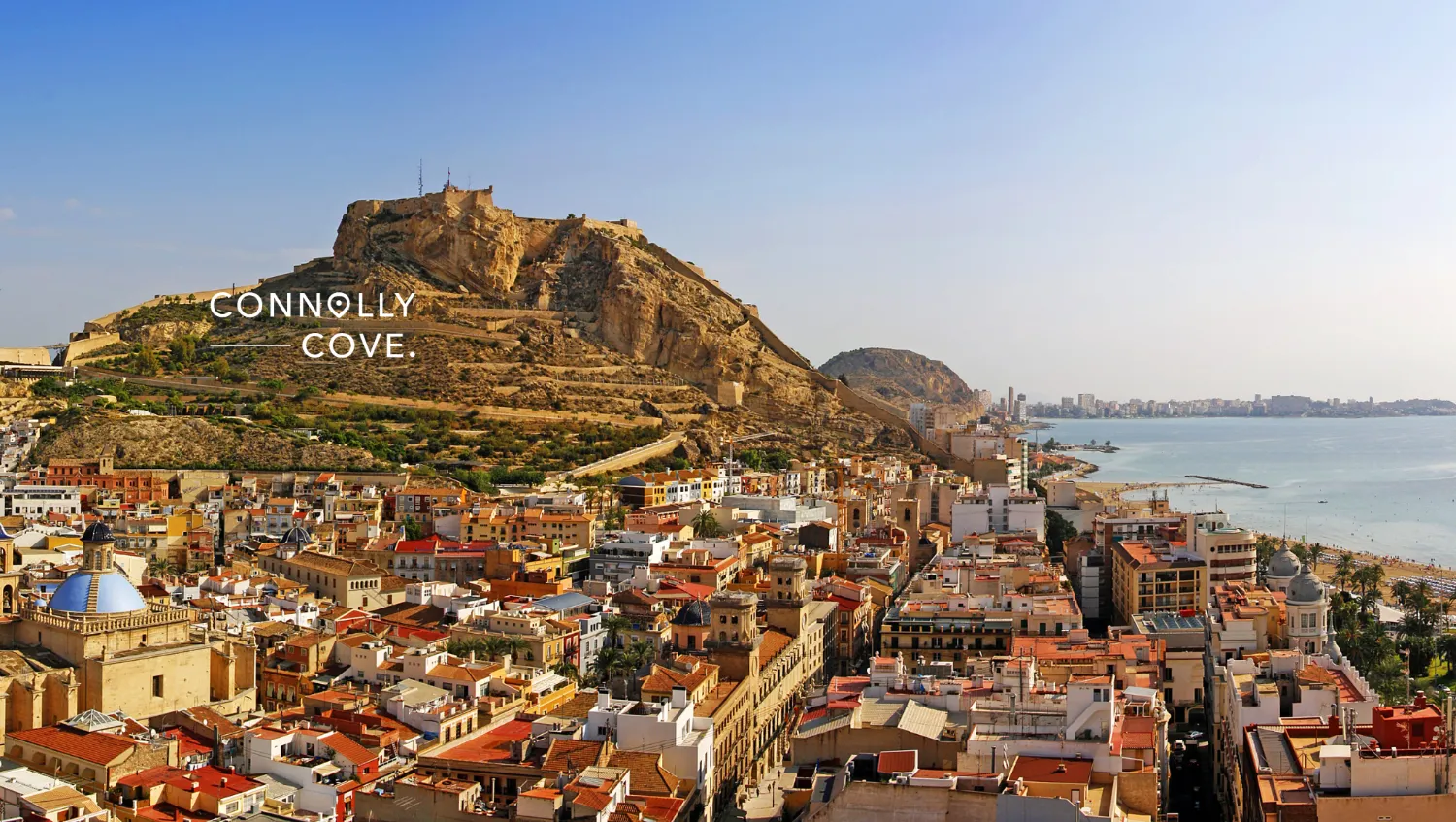
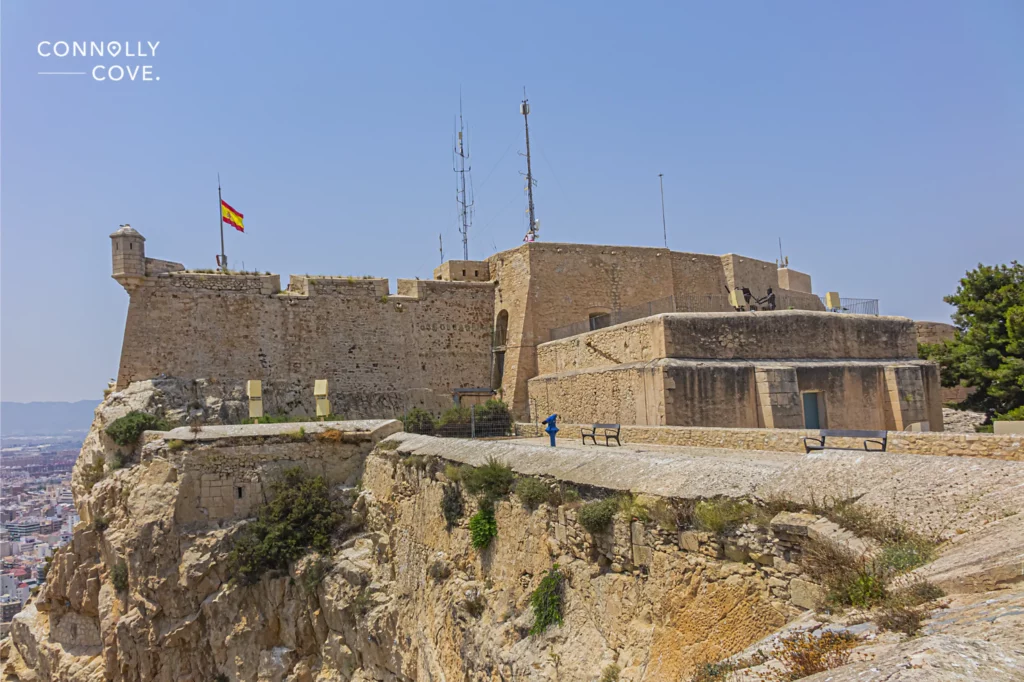
Standing majestically atop Mount Benacantil, this ancient fortress invites you on an extraordinary journey through time. As you wander its historic walls and corridors, you’ll enjoy breathtaking panoramas of the azure Mediterranean Sea and the vibrant city sprawling below. This imposing fortress, with origins dating back to the 9th century, offers far more than stone walls and battlements.

The castle’s strategic position has made it witness to countless historical moments. From Moorish reigns to Spanish reconquests, each chamber and corridor whispers tales of ancient battles and political intrigue. The fortress comprises three distinct levels: La Torreta (the highest point with the oldest remains), the intermediate areas with Felipe II’s halls, and the lower Revellín del Bon Repós, each representing different historical periods.

Practical Information:

  • Access: Lift from Postiguet Beach (€2.70 return) or scenic walking paths
  • Opening Hours: Daily 10:00-20:00 (summer), 10:00-18:00 (winter)
  • Entry: Free to castle grounds
  • Best Time: Early morning or late afternoon for optimal lighting and fewer crowds

The panoramic views from the castle ramparts are simply unparalleled. Looking east, the Mediterranean stretches endlessly toward the horizon, whilst to the west, the city’s terracotta rooftops create a mosaic of urban life. On clear days, you can spot the island of Tabarca and the distant mountains that frame the Costa Blanca.

Basilica of Santa Maria: Alicante’s Spiritual Heart

In the heart of Alicante’s old quarter stands the Basilica of Santa Maria, a beacon of the city’s rich religious legacy. As the oldest active church in the city, its imposing Gothic architecture holds centuries of devotion and history within its walls. The intricate stone façades and soaring interiors speak of an era long past, yet its essence remains vibrant and alive.

Built between the 14th and 16th centuries on the site of a former mosque, the basilica represents the cultural transformation that occurred during the Christian reconquest. The baroque main altar, dating from the 18th century, features stunning rococo details that demonstrate the artistic sophistication of the period. The church’s bells have marked significant moments in Alicante’s history, from celebrations to times of sorrow.

Casa Carbonell: Architectural Elegance by the Sea

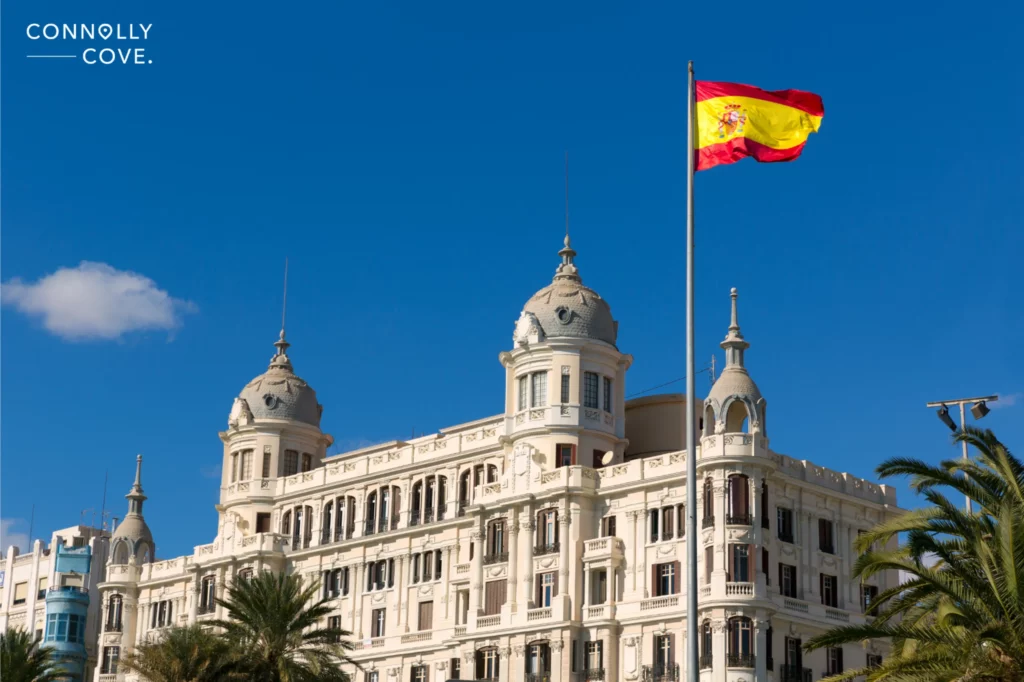
Standing proudly along Alicante’s seafront promenade, Casa Carbonell serves as a testament to early 20th-century elegance and architectural ambition. Its intricate façades and grand balconies capture the city’s evolution during a period of economic prosperity and artistic flourishing.

This modernist building, completed in 1925, was designed by architect Juan Vidal Ramos and represents one of the finest examples of the architectural movement that swept through Spain during the early 1900s. The building’s distinctive cupola and ornate stonework create a visual feast that changes character throughout the day as sunlight plays across its detailed surfaces.

Coastal Experiences & Beaches

Alicante’s coastline offers some of the Mediterranean’s most beautiful and accessible beaches, each with its own character and appeal. From urban beaches perfect for a quick dip to pristine islands ideal for day-long adventures, the coastal experiences here cater to every type of traveller.

Postiguet Beach: Urban Oasis in the City Centre

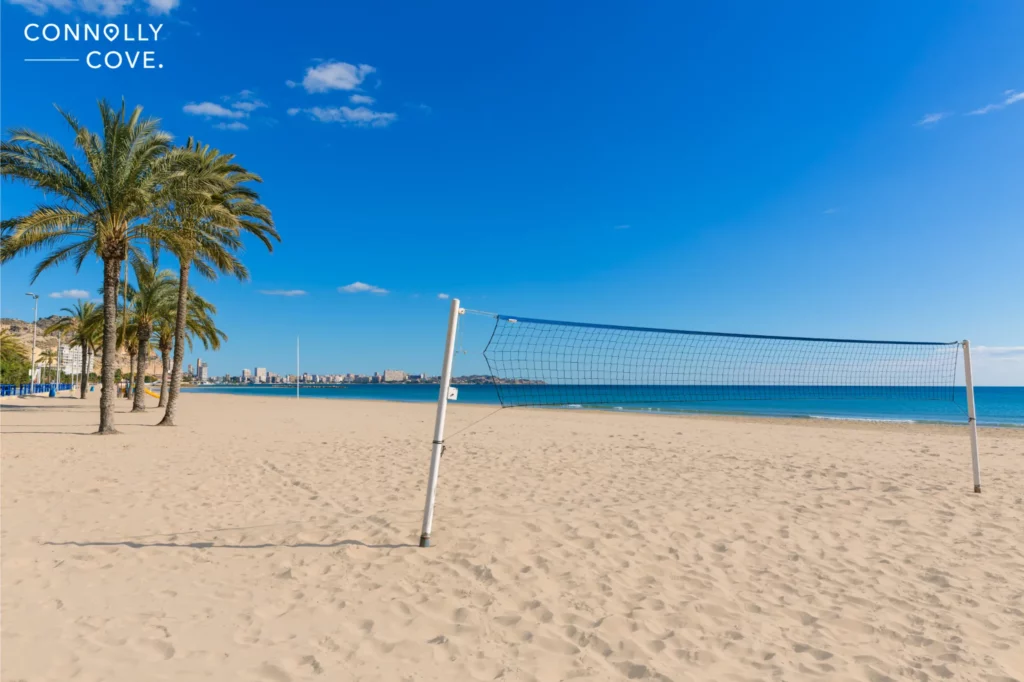
Located right at the heart of the city, Postiguet Beach embodies Alicante’s laid-back charm and coastal allure. With its soft golden sands caressed by gentle Mediterranean waves, it serves as the perfect haven for both relaxation and recreation. The beach’s proximity to the city centre makes it incredibly convenient for visitors staying in the old town or near the port area.

The beach stretches for approximately 900 metres and boasts Blue Flag status, indicating excellent water quality and environmental standards. Palm trees line the promenade, providing natural shade during the hottest parts of the day. The beach’s orientation offers protection from strong winds, making it suitable for swimming throughout most of the year.

During summer months, the beach comes alive with volleyball courts, water sports equipment rentals, and beach bars serving refreshing drinks and light meals. The promenade buzzes with activity as locals and visitors alike enjoy the Spanish tradition of the evening stroll, or “paseo.

Island of Tabarca: A Marine Paradise

what to do in Alicante

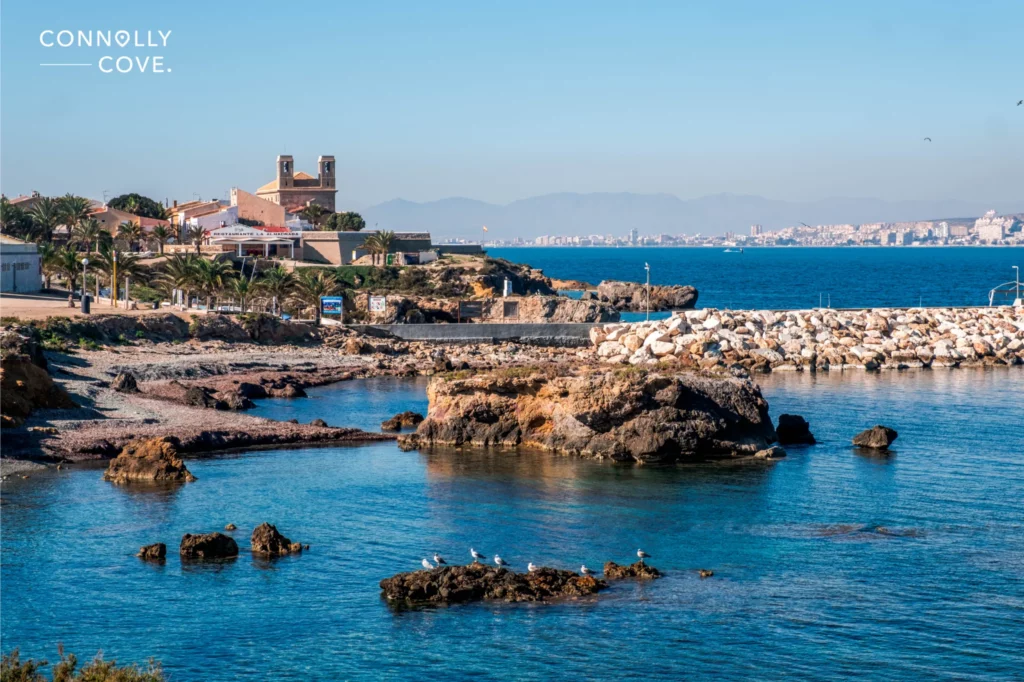
Just a short boat trip away from Alicante lies the enchanting Island of Tabarca, a haven for those seeking a blend of aquatic adventures and culinary delights. This small island, measuring just 1,800 metres long and 400 metres wide, offers an escape from urban life whilst remaining easily accessible for day trips.

Tabarca holds the distinction of being Spain’s smallest inhabited island and the first Spanish marine reserve. The crystal-clear waters surrounding the island create perfect conditions for snorkelling and diving, with rich marine life including grouper, sea bream, and octopus. The underwater visibility often exceeds 20 metres, making it a paradise for underwater photography.

The island’s fascinating history includes periods as a pirate refuge, a prison, and a settlement for Genoese families rescued from Tunisian slavery in the 18th century. The small walled town, built in the 1760s, remains largely intact and offers visitors a glimpse into 18th-century urban planning.

Ferry Information:

  • Departure Points: Port of Alicante and Santa Pola
  • Journey Time: 30 minutes from Alicante, 20 minutes from Santa Pola
  • Frequency: Multiple daily services (seasonal variations apply)
  • Cost: Approximately €20-25 return from Alicante

The island’s restaurants specialise in fresh seafood, particularly the local caldero—a traditional rice dish cooked with fish stock that rivals paella in flavour and cultural significance.

Explanada de España: The Mosaic Promenade

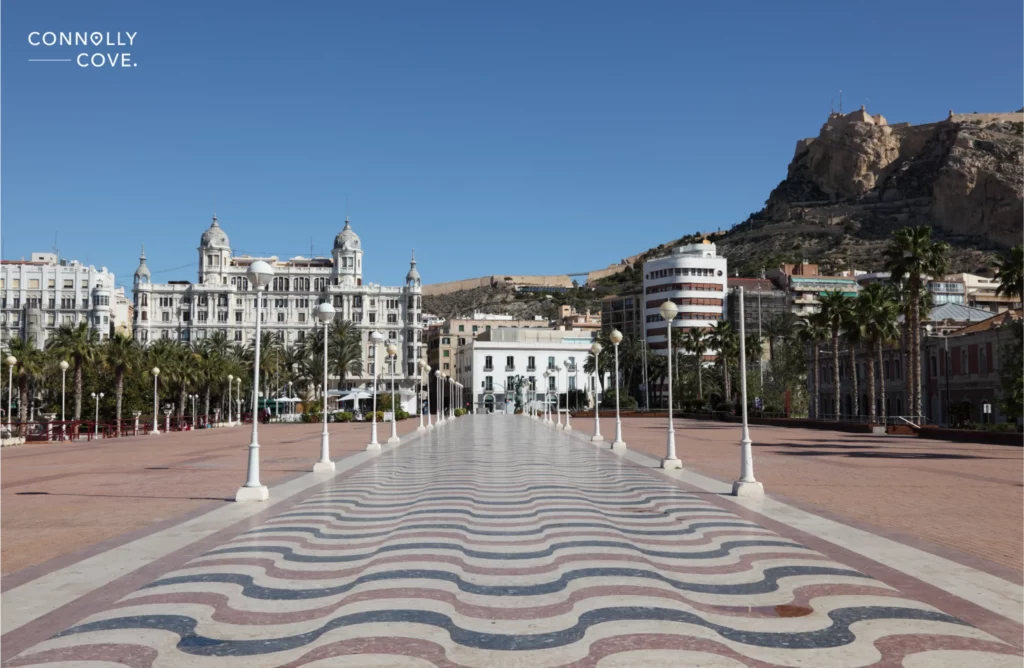
The Explanada de España represents one of Alicante’s most distinctive and beloved spaces. This prominent promenade, lined with swaying palm trees, creates a tropical atmosphere that defines the city’s character. The famous mosaic pavement, composed of over 6 million marble tiles in red, blue, and cream forming wave patterns, has become an icon of Alicante.

Stretching for half a kilometre along the port area, the Explanada serves as the city’s main social gathering space. During the evening hours, locals gather here for their traditional paseo, whilst street performers and artists add entertainment and cultural vibrancy. The numerous cafés and bars offer perfect vantage points for people-watching whilst enjoying local specialities.

The promenade’s design dates back to the 1950s, though it has undergone several renovations to maintain its pristine condition. The palm trees, mostly Phoenix canariensis (Canary Island Date Palms), were carefully selected for their ability to withstand coastal conditions whilst providing elegant vertical elements that complement the horizontal flow of the mosaic.

Cultural Immersion Guide

Alicante’s cultural richness extends far beyond its monuments and museums. The city’s living culture—expressed through festivals, traditions, local customs, and daily rhythms—offers visitors authentic experiences that connect them with the soul of this Mediterranean community.

Understanding Alicante’s Festival Culture

Alicante comes alive during its numerous festivals, with the most spectacular being Las Hogueras de San Juan in late June. This UNESCO-recognised celebration transforms the entire city into a stage for artistic expression, community participation, and joyous celebration. The festival centres around enormous sculptural displays called “hogueras” (bonfires), which are meticulously crafted throughout the year before being ceremonially burned on the night of June 24th.

The festival’s origins blend pagan summer solstice traditions with Christian celebrations of Saint John the Baptist. Communities throughout the city work together to create these temporary masterpieces, often featuring satirical commentary on current events and local personalities. The level of artistry and community involvement rivals that of Valencia’s famous Fallas festival.

During the week-long celebration, the city resonates with traditional music, street parades, firework displays, and the aromas of traditional foods prepared in neighbourhood gatherings. Visitors who time their trip to coincide with Las Hogueras witness Alicante at its most authentic and celebratory.

Santa Cruz Neighbourhood: Living History

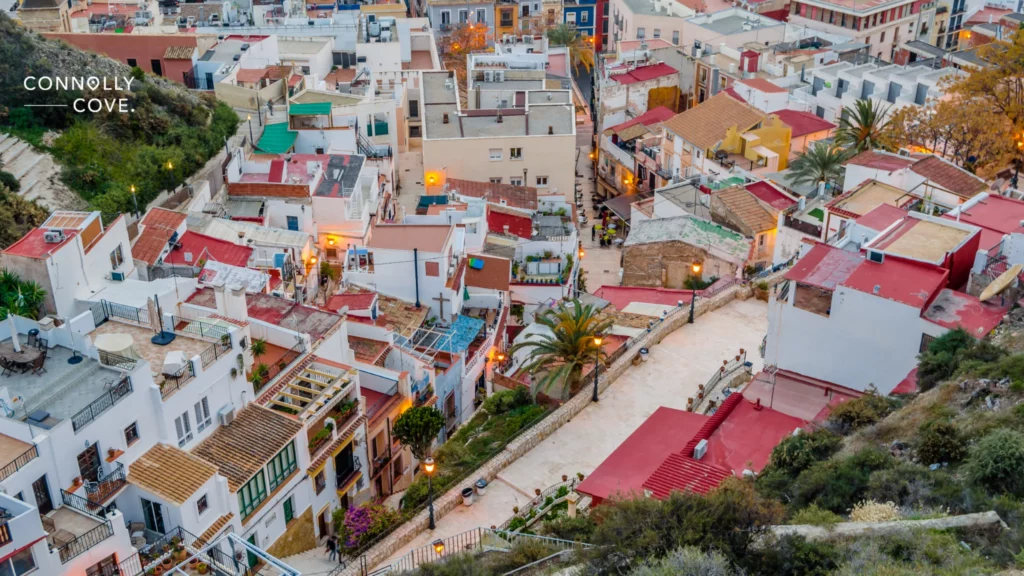
Venture into the heart of authentic Alicante by exploring the charming lanes of the Santa Cruz neighbourhood. This historic barrio, cascading down the slopes beneath Santa Bárbara Castle, represents one of the best-preserved examples of traditional Mediterranean urban architecture in the region.

The neighbourhood’s narrow, cobblestone streets wind between whitewashed houses adorned with colourful flower pots and traditional ceramic tiles. Many homes feature classic Spanish architectural elements, including wrought-iron balconies, wooden shutters, and internal courtyards that provide cooling relief during hot summer months.

Santa Cruz maintains a strong sense of community, with residents who have lived here for generations alongside newcomers drawn by the neighbourhood’s authentic charm. Small family-run businesses, traditional bakeries, and neighbourhood bars create a living environment rather than a tourist attraction. Visitors are welcome, but it’s important to explore respectfully, remembering that this is first and foremost a residential community.

The neighbourhood offers spectacular views across the city and coastline, particularly from the small plazas that open up between the narrow streets. These viewpoints provide different perspectives on Alicante’s geography and urban development, showing how the city has grown from its historic core.

MARQ Archaeological Museum: Unveiling Ancient Stories

The MARQ (Museo Arqueológico de Alicante) stands as one of Spain’s most innovative archaeological museums, using cutting-edge display techniques to bring ancient civilizations to life. The museum’s collections span from Palaeolithic times through the Islamic period, providing comprehensive insights into the diverse cultures that have shaped this region.

What sets MARQ apart is its immersive approach to presenting archaeological findings. Rather than simply displaying artefacts in cases, the museum creates contextual environments that help visitors understand how these objects were used in daily life. The Iberian section is particularly remarkable, showcasing sophisticated metalwork, ceramics, and sculptures that reveal the high level of civilisation achieved by pre-Roman inhabitants.

The museum’s location in the former Provincial Hospital building adds architectural interest, with modern exhibition spaces seamlessly integrated into the historic structure. Interactive displays allow visitors to virtually explore archaeological sites, handle replica artefacts, and understand excavation techniques.

“When we first explored MARQ’s Iberian collections, we were amazed by the sophistication of pre-Roman cultures in this region. These weren’t primitive societies—they were accomplished metalworkers, artists, and traders who connected the Mediterranean world long before Roman expansion.” — Ciaran Connolly, Founder of ConnollyCove

Local Food & Market Scene

Alicante’s culinary scene reflects its position as a Mediterranean port city with strong agricultural connections to the fertile interior regions. The local cuisine blends fresh seafood with rice dishes, vegetables, and fruits that thrive in the region’s climate, creating flavours that are distinctly Alicantino whilst remaining accessible to international palates.

Mercado Central: Heart of Local Flavours

Immerse yourself in the bustling atmosphere of Mercado Central, where Alicante’s culinary traditions come alive through the passionate vendors and exceptional produce. This vibrant market occupies a beautiful modernist building dating from 1921, with soaring ceilings and natural light that create an inspiring environment for food exploration.

The market operates as a true community hub where local families shop for daily ingredients alongside restaurants sourcing the freshest products. The fish section displays the day’s catch from local waters—red prawns from nearby Dénia, fresh anchovy from the Mediterranean, and seasonal varieties that change throughout the year. Knowledgeable fishmongers offer cooking advice and preparation tips for unfamiliar species.

The produce sections showcase the agricultural abundance of the Alicante province. Depending on the season, you’ll find extraordinary fruits like the famous Elche dates, sweet Vinalopó grapes, or the region’s celebrated almonds. Vegetable stalls feature ingredients essential to local cooking: quality tomatoes for gazpacho, peppers for traditional stews, and the bomba rice that makes authentic paella possible.

Market Visit Tips:

  • Best Hours: 8:00-14:00 for the freshest selection
  • Language: Basic Spanish helpful, though many vendors understand simple English
  • Etiquette: Ask before photographing vendors or their displays
  • Shopping: Bring a bag and exact change for smaller purchases

The market’s prepared food stalls offer excellent opportunities to sample local specialities. Look for olleta alicantina (a traditional chickpea and vegetable stew), locally made sobrasada, and artisanal cheeses from the mountainous interior regions.

Authentic Alicante Cuisine Beyond Paella

While paella remains famous throughout Spain, Alicante’s culinary identity extends far beyond this single dish. The city’s cuisine reflects its maritime heritage and agricultural abundance, creating unique flavours that distinguish it from other Spanish regions.

Arroz a banda represents perhaps the most authentically Alicantino rice dish. This preparation involves cooking rice in fish stock so rich and flavourful that the rice itself becomes the star, served alongside the fish used to create the stock. The technique requires considerable skill to achieve the proper texture and depth of flavour.

Caldero, particularly associated with Tabarca Island, demonstrates another approach to rice cookery. This dish combines rice with various fish and seafood in a way that creates distinct layers of flavour whilst maintaining the integrity of each ingredient. The tradition involves cooking the dish in special wide, shallow pans that allow for even heat distribution.

The region’s connection to North African cuisine appears in dishes like llampuga amb ceba (pompano with onions) and various preparations featuring almonds, saffron, and aromatic spices. These influences reflect centuries of cultural exchange across the Mediterranean.

Practical Tips on What to Do in Alicante

Successfully navigating Alicante requires understanding both practical logistics and cultural nuances that can significantly enhance your experience. These insights, gathered through extensive exploration of the city, address common challenges whilst highlighting opportunities that many visitors miss.

Getting Around Alicante Efficiently

Alicante’s compact size makes it highly walkable, with most historic attractions within easy walking distance of each other. The city centre’s pedestrian-friendly streets and relatively flat terrain make exploration on foot both pleasant and practical. However, understanding the city’s transport options can help you maximize your time and reach destinations beyond the immediate centre.

The TRAM (Metropolitan Tram of Alicante) provides excellent connectivity between the city centre, airport, and nearby coastal towns. Line 9 connects the airport directly to the city centre in approximately 20 minutes, making it an economical alternative to taxis. The same system extends to Benidorm and other Costa Blanca destinations, opening up easy day-trip possibilities.

City buses cover areas not served by the tram, including some residential neighbourhoods and inland destinations. The EMT Alicante bus system uses modern, air-conditioned vehicles and provides good coverage during peak hours. Single journey tickets cost €1.45, whilst day passes offer better value for multiple trips.

Transport Cost Guide:

  • Tram single journey: €1.45 (city centre)
  • Tram day pass: €4.75
  • Airport tram: €3.85 single, €5.70 return
  • Taxi airport to centre: €20-25
  • Bus single journey: €1.45

For longer stays or groups, consider renting bicycles through the city’s bike-sharing system or private rental companies. Dedicated cycling lanes along the coastal areas provide safe, scenic routes for recreational cycling.

Seasonal Considerations and Best Times to Visit

Alicante’s Mediterranean climate provides year-round appeal, though each season offers distinct advantages and considerations. Understanding seasonal patterns helps you align your visit with your priorities and interests.

Spring (March-May) brings mild temperatures perfect for walking and outdoor exploration. This period sees fewer crowds than summer whilst maintaining comfortable weather for all activities. Easter celebrations add cultural interest, though accommodation prices may increase during Holy Week.

Summer (June-August) offers peak beach weather and vibrant nightlife, but also brings crowds and higher temperatures. July and August can see temperatures exceeding 30°C (86°F), making morning and evening activities more comfortable than midday exploration. The Las Hogueras festival in late June represents the cultural highlight of the year.

Autumn (September-November) provides perhaps the ideal balance of pleasant weather, manageable crowds, and cultural activities. Sea temperatures remain warm through October, extending the swimming season whilst reducing the intensity of summer heat.

Winter (December-February) offers the most economical travel period with mild temperatures that remain suitable for outdoor activities. While some beach clubs and seasonal restaurants may close, the city’s cultural attractions and year-round establishments continue normal operations.

Current Seasonal Conditions & Visitor Information

Spring 2025 Status: Spring in Alicante typically brings mild temperatures ranging from 15-22°C (59-72°F), with occasional rainfall that keeps the surrounding countryside green and blooming. The city’s parks and coastal areas display spring flowers, while archaeological sites and museums maintain regular opening hours without summer crowds.

Key Considerations for Current Visit Planning:

  • Santa Bárbara Castle lift operates daily, though opening hours vary by season
  • Beach facilities and water sports rentals typically begin full operations in April
  • Restaurant terraces reopen for outdoor dining as temperatures stabilise
  • Ferry services to Tabarca Island resume regular schedules, weather permitting

Booking Requirements: Most attractions do not require advance booking, though special exhibitions at MARQ may benefit from online ticket purchase. Restaurant reservations become advisable during weekends and Spanish holiday periods.

Weather Considerations: Spring weather can be variable, so pack layers including a light jacket for evenings and potential rain showers. The Mediterranean moderates temperature swings, but conditions can change quickly during transitional seasons.

Frequently Asked Questions

what to do in Alicante

Is Alicante very touristy?

Alicante maintains an authentic Spanish character despite its popularity with visitors. While areas like Postiguet Beach and the Explanada see tourist activity, much of the city functions as a normal Spanish community. The Santa Cruz neighbourhood, local markets, and residential areas offer genuine cultural experiences away from tourist concentrations.

How many days do I need in Alicante?

A minimum of 2-3 days allows you to see major attractions and sample the local culture. However, 4-5 days provides time for day trips to Tabarca Island or nearby towns whilst allowing a more relaxed exploration pace. Week-long stays enable deeper cultural immersion and exploration of the broader Costa Blanca region.

Is Alicante good for families?

Alicante offers excellent family appeal with safe beaches, pedestrian-friendly historic areas, and cultural attractions suitable for various ages. The city’s compact size reduces transportation challenges, whilst the Mediterranean pace of life creates a relaxed environment for family travel.

Can I get by with English in Alicante?

While Spanish remains the primary language, English is increasingly understood in tourist areas, hotels, and restaurants. Learning basic Spanish phrases enhances interactions and shows respect for local culture. Younger Alicantinos often speak some English, particularly in service industries.

What’s the best way to experience authentic local culture?

Visit during local festivals, shop at neighbourhood markets rather than tourist-focused establishments, explore residential areas like Santa Cruz, and eat where locals eat rather than in obviously tourist-oriented restaurants. Engage respectfully with local customs and show genuine interest in Alicante’s history and traditions.

Alicante rewards visitors who approach it with curiosity and respect for its rich cultural heritage. From the commanding presence of Santa Bárbara Castle to the intimate charm of neighbourhood tapas bars, this Mediterranean city offers experiences that satisfy both casual tourists and serious cultural explorers. The blend of historical significance, coastal beauty, and authentic Spanish life creates memories that extend far beyond typical vacation experiences.

Whether you’re drawn by the prospect of exploring ancient fortifications, relaxing on pristine sun-kissed beaches, savouring distinctive local cuisine, or immersing yourself in vibrant festival traditions, Alicante provides the perfect setting for cultural discovery. Each visit reveals new layers of this fascinating city, ensuring that what to do in Alicante becomes not just a question answered, but an ongoing exploration that deepens with each return.

Leave a comment

Your email address will not be published. Required fields are marked *