


Top 10 Reasons to Visit Spain at Least Once in A Lifetime
Updated On: November 08, 2023 by  Marwa Alaa
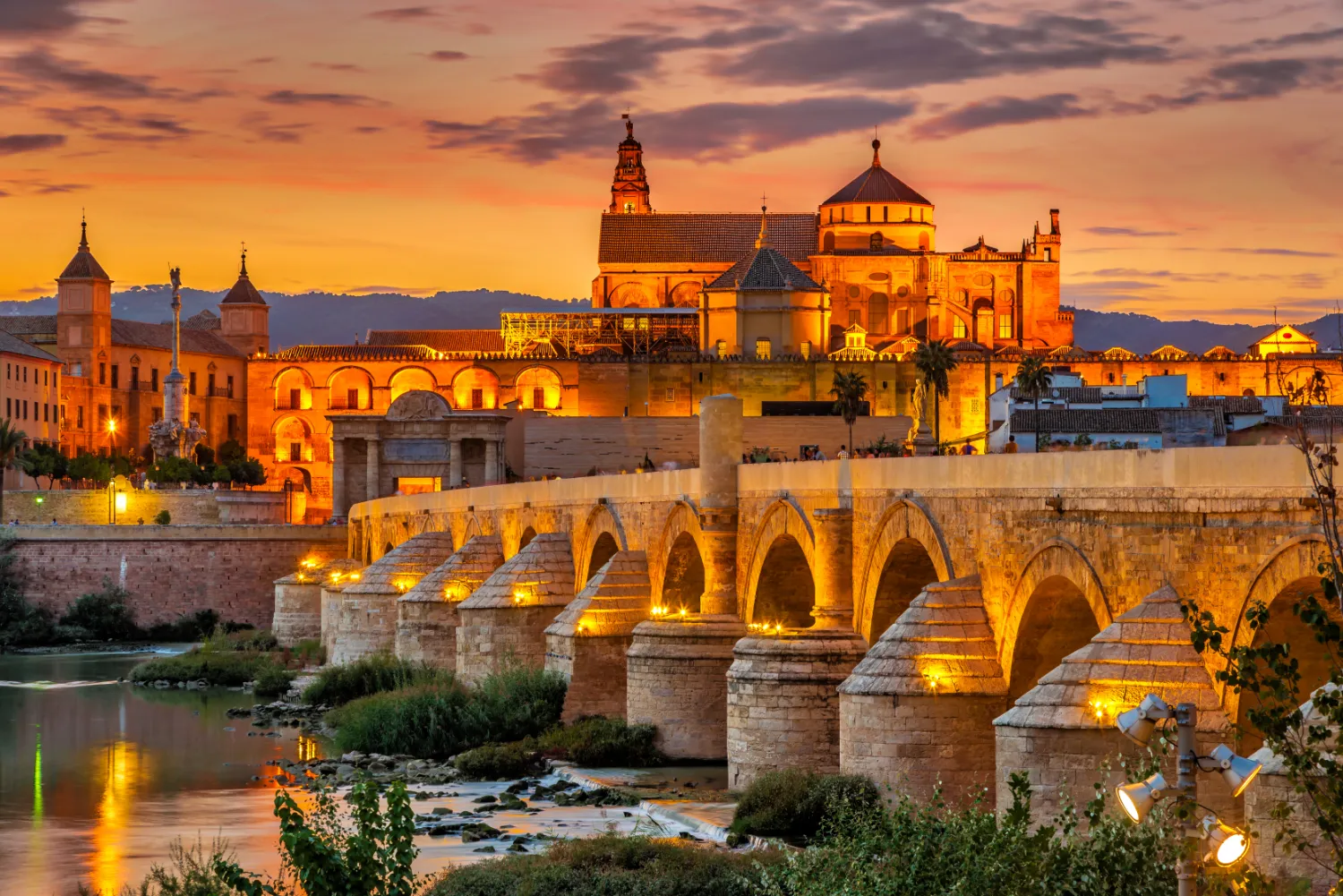
Spain is the second most-visited country worldwide. Many international tourists visit it as it offers a lot to each one. With diverse cultures and civilisations, it has many UNESCO World Heritage Sites, including historical landmarks and castles. It also has a joyful, relaxed lifestyle. On top of that, it offers countless outdoor activities and adventures. ConnollyCove provides the top 10 reasons to visit Spain at least once in a lifetime.
10 Reasons to Visit Spain!
Spain is the fourth-largest country in Europe by area. It is located mainly on the Iberian Peninsula and shares borders with the Arab-African country Morocco. It also straddles the Atlantic Ocean from the northwest and the southwest. Keep reading! Here is a list of the top reasons to visit Spain.
1. Aesthetic Natural Beauty
If you are a nature enthusiast, Spain has endless natural settings where you lose track of time. You will do nothing but enjoy the heavenly views of nature. There are mountains, mines, lakes, natural arches, caves, islands, and more! This beautiful nature entices you to participate in enjoyable physical activities, like country strolling, hiking, mountain climbing, and bird watching. Do not miss out on taking many photos and snapping fabulous selfies.
2. Dazzling Mediterranean Beaches
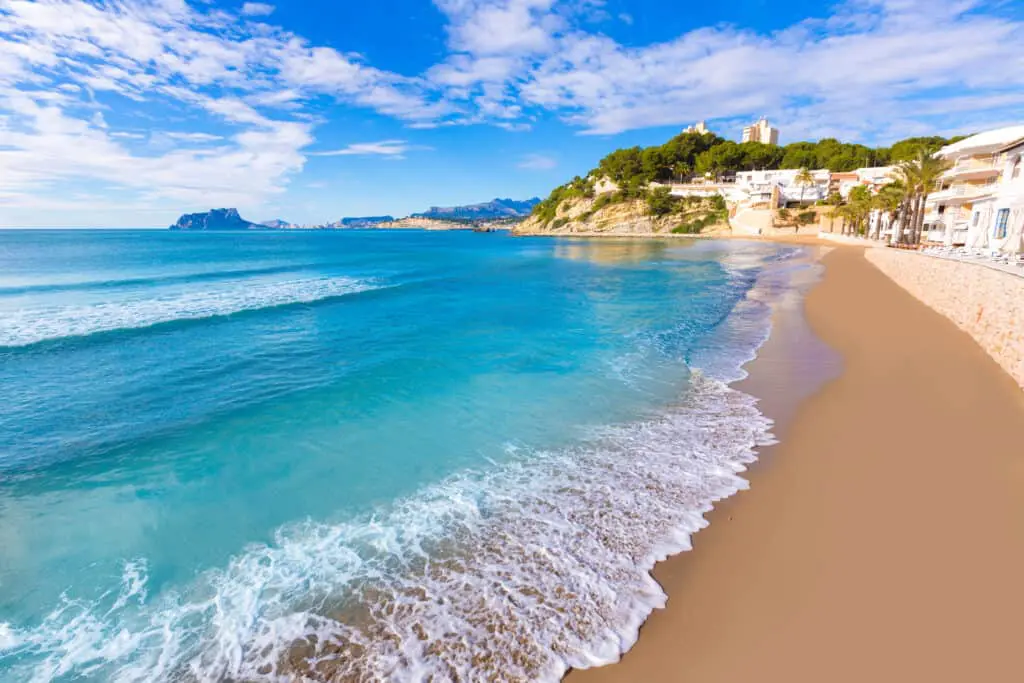
Home to over 3000 beaches, Spain is the most preferred country for sun, sea, and sand. It has the highest number of blue flag beaches in the world, with 621 flags in 2022. A blue flag means the beach is clean and safe. You can bask in the sunshine on the white sand while enjoying the glamorous blue and green crystal-clear water landscape. You can also swim and enjoy numerous exciting water sports, like kayaking and rafting.
3. Favourable Climate
The good climate is also one of the top reasons to visit Spain. You can have a lovely holiday in Spain in summer or winter because the country has several climatic zones. The climate is moderately continental in the central plateau, with hot summers and cold winters. However, it has an oceanic climate in the northern coastal region with cool summers and winters. The southern coastal region has a Mediterranean climate with warm summers and mild winters.
4. Sustainability and Eco-Friendly Travel
Eco-tourism and sustainability are among the top reasons to visit Spain because Spain encourages them. It has over 70 million acres of protected land, nearly 33% of the country’s territory. The country is also very rich in art and history. San Sebastiàn is the best sustainable destination in Spain, where you will enjoy hiking while appreciating the beauty of nature. Immersing yourself in the history of this city is also alluring.
5. Culturally Rich Cities and Carefully-Preserved Historical Landmarks
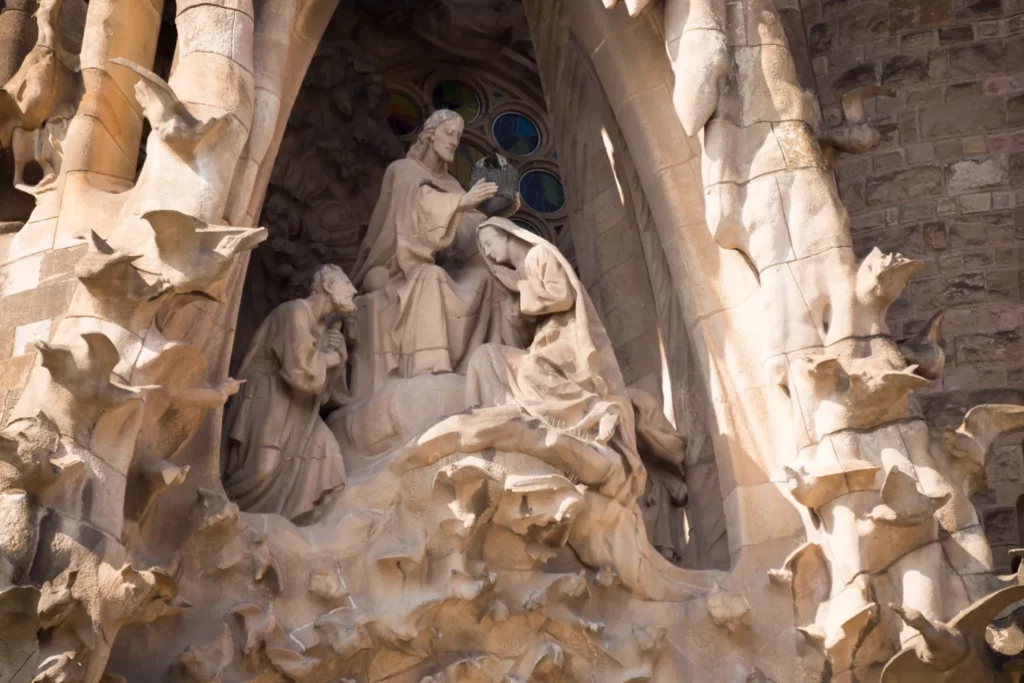
Spain has welcomed many cultures for hundreds of years. In every inch, you will come across carefully-preserved historical landmarks dating back to the Phoenicians, Romans, Visigoths, or Andalusian Umayyads. It is also known for cultural diversity nowadays. Since it is a port country, you can make friends from different nationalities and get to explore their lifestyles.
Spain has several museums of history, ancient and contemporary art, and sports. Alhambra will marvel you with its Gothic and Islamic styles. You will also be impressed by La Sagrada Familia, the unfinished Roman-Catholic church that combines Gothic and curvilinear Nouveau Art styles. For cultural tourism, Bilbao is the most popular Spanish destination at present.
6. Adventurous Sport-Related Trips
Are you a Madridista? Or a Barcelona fan? Of course, Barcelona and Real Madrid are the best and richest Spanish clubs with worldwide fans. As we know, Spaniards are football-crazy. They are famous for their Die-hard football fans. You can join them while they sing, shout, or celebrate if you visit Spain during the Champions League or Copa Del Rey matches. It would be best to visit Camp Nou Stadium, the largest stadium in Europe. You will enjoy exploring its majestic structure and delving into the great history of FC Barcelona.
7. Medical Tourism Hub
Medical tourism is also growing annually by 20% in Spain. It attracts tourists from around the world because its nation is one of the healthiest worldwide. It also has affordable treatments; you can expect to save from 30% to 70% in medical expenses. Besides, it has advanced medical services, world-class medical facilities, and highly-qualified healthcare staff. Additionally, most hospitals and clinics are located in perfect ambient locations. That is why these surrounding scenic spots help you recover better and faster.
8. Quality Life at Affordable Prices
Offering a comfortable and high-quality life, Spain is relatively affordable compared to other European countries. Its monthly average cost of living is between €850 and €1100 per person. In 2022, it was 19% cheaper than the UK—Source: Eurostat.
9. Distinctive Regional Cuisine
Among the significant reasons to visit Spain is its regional cuisine. World-famous chefs are known to be from Spain. So, indulging in the Spanish distinctive regional cuisine would be a great idea. You should try the Tapa, a delicious snack with various types, including calamari, cheese, and olives. Made with eggs and potatoes, Tortilla España (Spanish tortilla) differs from the Mexican one and is served as a tapa. Gazpacho is another famous Spanish cold soup made from puréed tomatoes and other seasonal vegetables. It would also be best if you experienced Paella, a classic rice dish cooked with chicken, seafood, vegetables, and saffron.
10. Dynamic Flamenco
Tourists also travel to Spain to watch the dynamic Flamenco. It is a popular art form that emerged in southern Spain. It is made up of various folkloric music (toque), a song (cante), and a dance (baile). Flamenco involves hand clapping and dancing in heels, and the used musical instrument is mostly guitar. Spaniards skillfully combine all these elements to make an elegant Flamenco performance. In November 2010, UNESCO declared Flamenco a World Intangible Cultural Heritage.
The Best Time to Visit Spain
As we mentioned before, you can enjoy all four seasons in Spain. However, the best time to visit it is in late Spring, from April to May, to enjoy the outdoor activities and national celebrations. Visiting Spain in early Autumn, from September to October, is also enjoyable.
If you would like to travel to Spain in the cheapest period, you should travel around January and February in the off-season. However, keep in mind that these months witness bitter cold in the interior and rainy weather on the coast. So, take heavy coats and pullovers with you during these months.
Tips to Visit Spain on a Budget
Spain is relatively cheap compared to other countries in Europe. However, you can still bring the expenses of visiting and travelling to Spain way down. From sightseeing, shopping, and eating to accommodation and transportation, we will share our tips on how to expand your trip to Spain on a budget.
Flight
- Book your flight six to eight months in advance.
- It is better to book an open-jaw flight that arrives in one city and departs from another. It saves money and time because you do not have to travel back to where you arrived. Additionally, open-jaw tickets are cheaper than regular round-trip ones.
- Stopover in a hub city on your way for a day or two. You will reduce expenses and give yourself a chance to explore a new place.
- Pack carry-on luggage only to avoid paying extra charges.
Transportation
- Book your airport transfer through a licenced company in advance.
- During your trip, only use licenced taxis or vehicles of reputable transportation companies. Booking in advance is required in some Spanish cities.
- Take the bus as it is the cheapest way to get around.
- For longer journeys, avoid taxis, and take the underground instead. The bus is time-consuming.
- Book your ticket online to reserve a place on the high-speed AVE train.
- The slow train is cheaper and will allow you to see the countryside; however, it takes a lot of time.
- The most inexpensive way to travel between Spanish cities is the budget airline.
- If you drive, book a car with free cancellation, and it is best to pick it up at the airport.
Accommodation
- Stay in smaller or off-the-beaten-track towns and villages that do not have train stations or airports. These destinations have lower accommodation prices.
- Book your accommodation as early as possible for the best bargain.
- Lodging without a view save you a few euros.
- Stay in a hostel, pension, or Airbnb to reduce expenses.
- If you love pets, you can find free accommodation by pet sitting.
- If you need private accommodation, rent an apartment with laundry and cooking facilities.
Food
- Have your main meal at lunchtime because dinner is high-priced in Spain. Many restaurants offer the menu del día, or lunch menu, with special prices. Available from 12 to 1 pm or 3 to 4 pm, the menu includes an appetiser, a main dish, a drink, and dessert.
- Avoid eating at main tourist squares because their food is pricey.
- Leaving a tip of a euro or two is appreciated; however, overtipping is not expected.
- Explore local markets and grocery stores. Their local dishes and delights are cheaper than restaurants. You can check out La Boqueria, Barcelona’s most famous market worldwide.
- Bring a water bottle and refill it whenever possible.
Sightseeing
- Go to tourist information booths for tips and free maps.
- Many museums, botanical gardens, and historical monuments are free on specific days or at particular times of the day.
- If there is an attraction or activity that you can’t miss, book it in advance to avoid waiting in line and allow yourself lots of free time.
- Make two trips in one day. Just check bus routes and decide the places you can visit in one day.
Shopping
- Winter sales begin in late December or early January. However, summer sales begin in late June and end in August.
- Use credit cards that offer no extra fees on international transactions. Check with your bank before you travel.
Staying in Touch
- Use free Wi-Fi in reliable areas and avoid free connections in public spaces to stay safe from cybercrime and hacking.
- Negotiate international roaming terms with your SIM card provider before you travel. Alternatively, you can buy a pay-as-you-go Spanish SIM card to save money.
Spain Travel Facts
Before you travel, you can learn about Spain through facts and statistics. They can introduce you to the most visited cities and attractions in Spain. Additionally, you can plan your itinerary perfectly before travelling by discovering Spain’s traditions, customs, and languages. Here are some interesting facts about Spain.
- Spain’s most common language is Spanish, followed by Catalan, Galician, and Basque.
- Spain has two time zones: Central European Time (CET) and Central European Summer Time (CEST). The standard time is UTC +1:00, and it switches to UTC +2 during summer.
- Spain’s current currency is the Euro €. One pound sterling equals approximately 1.15 euros, and one US dollar equals approximately 0.92 euros.
- 220V is the standard voltage in Spain, and 50 Hz is the frequency. If your electrical appliance works on 110V, you should use a transformer (converter).
- Spain’s electrical sockets and plugs are Types C “or Euro Plug” and F. Type C has two round parallel pins, while Type F has two round pins with two earthing clips on its sides.
- Before travelling, get appropriate travel insurance and make sure it provides sufficient coverage.
- You cannot take meat, milk, or products made of one of them while travelling to Spain or any other EU country.
- Spaniards love to let their hands do the talking. They have many gestures, each corresponding to a word or a way of expressing thoughts.
- Barcelona is the most-visited city in Spain, followed by Madrid and Palma de Mallorca.
- To drive a vehicle, you should obtain an International Driving Permit (IDP), a translation of your national driving licence. It would be best to always carry it around along with your valid national licence.
- Since Spain encourages sustainable tourism, it restricts vehicle access and imposes speed limits in some cities.
- Drivers always sit on the right-hand side of the road.
- Driving shirtless or while wearing flip-flops can be liable to fines.
- Be aware of street crime. Working in teams of two or more, thieves use distraction techniques to steal your passport, money, and other valuable belongings. So, do not put all your valuables in one place, and keep a copy of your passport in a safe place.
- When you plan a walk or a hike, check local weather reports for any warnings because the temperature changes very quickly in some parts of the country.
- Do not miss out on dining in the world’s oldest continuously-operated restaurant, Restaurante Botín. It has remained open since 1725.
- Spain is the leading olive oil producer, contributing 44% of the world’s total. The main region that produces the most olive oil in Spain is Andalusia. You should try it!
Spanish Travel Terms
If you have decided to visit Spain this year, why not try to learn some commonly used Spanish words and phrases for travellers? This handy Spanish guide will help you get around, greet people, ask basic questions, look for accommodation, and get the best experience if you go shopping.
| Spanish Term | English Meaning |
| ¡Hola! | Hello! |
| ¡Buenos días! | Good morning! |
| ¡Buenas tardes! | Good afternoon! |
| ¡Buenas noches! | Good night! |
| Por favor! | Please! |
| Gracias! | Thank you! |
| ¿Cómo está? | Formal: How are you? |
| ¿Cómo estás? | Informal: How are you? |
| Bien, gracias. | Fine, thank you! |
| Mucho gusto. | Nice to meet you! |
| ¿Cómo se llama? | What is your name? |
| ¿Habla ingles? | Do you speak English? |
| No hablo español. | I do not speak Spanish. |
| Yo no entiendo. | I do not understand. |
| Yo entiendo. | I understand. |
| No sé. | I do not know. |
| ¿Qué hora es? | What time is it? |
| Busco un hotel. | I am looking for a hotel. |
| Yo necesito un cuarto (con baño). | I need a room (with a bathroom). |
| ¿Dónde está la parada de autobús? | Where is the bus stop? |
| ¿Dónde está la estación de ferrocarril? | Where is the railway station? |
| Yo quiero un taxi. | I want a taxi. |
| Necesito un mapa. | I need a map. |
| Yo quiero un menu. | I want a menu. |
| La cuenta, por favor. | The cheque, please. |
| Soy vegetariano/a. | I am a vegetarian. |
| Agua | Water |
| ¿Dónde hay un cajero automático? | Where is the ATM? |
| ¿Cuánto cuesta? | How much does it cost? |
| Necesito un recibo. | I need a receipt. |
| Dinero | Money |
| Tarjeta de crédito | Credit Card |
There are many reasons to visit Spain. What are you waiting for? Spain awaits you! You can also consider visiting Vigo, Ibiza, and Seville when you are there.
How to Find the Best Scotland Travel Guide: An Ultimate Guide
Scotland
24/04/2024

The Ultimate Guide to the Best Shopping Areas in London
England
24/04/2024

The Absolute Guide to the Best Restaurants in Bath, England: Unveiling the Culinary Gems of Bath!
Food and Cuisine
24/04/2024

Planning a Trip to Scotland: Your All-Inclusive Guide to Exploring the Great Highlands
Travel Guides
23/04/2024

Your Ultimate Guide to Explore the Top Castles in Kent, England
England
23/04/2024