

Skip to content
Updated on: by Avatar image of authorFatma Mohamed Review By: Raghda Elsabbagh

Parks are windows into a nation’s soul. They reveal how communities connect with nature, preserve their heritage, and create spaces for reflection amidst the chaos of modern life. From the meticulously manicured gardens of European estates to the raw wilderness of Patagonian peaks, the most beautiful parks in the world offer far more than scenic beauty—they tell stories of cultural identity, environmental stewardship, and human ingenuity.

At ConnollyCove, we’ve spent years exploring these remarkable spaces, documenting not just their visual splendour but the cultural contexts that make them truly special. This comprehensive guide takes you beyond the typical tourist snapshots to discover the authentic heart of the world’s most extraordinary parks, complete with insider knowledge for travellers seeking genuine cultural connections.

Natural Wonders: Raw Beauty Untamed

The world’s great national parks represent humanity’s commitment to preserving our planet’s most spectacular landscapes. These protected spaces showcase nature in its purest form whilst telling stories of geological wonder, ecological importance, and conservation triumph.

Fiordland National Park, New Zealand

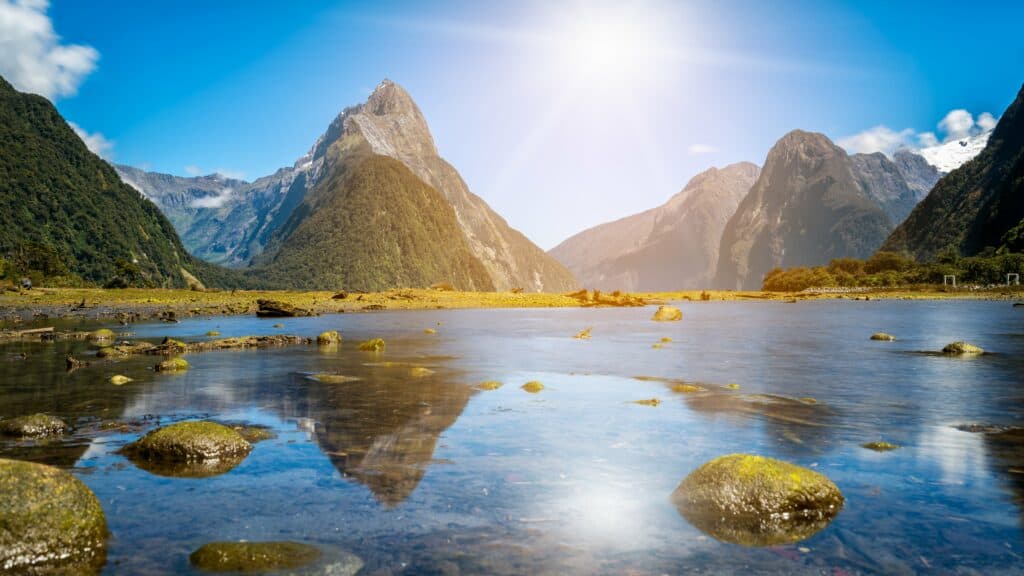
Fiordland stands as one of the world’s last great wilderness areas, where dramatic fjords carved by ancient glaciers create a landscape that seems almost otherworldly. This UNESCO World Heritage Sites encompasses 14 spectacular fjords, with Milford Sound serving as the crown jewel that once prompted Rudyard Kipling to call it the “Eighth Wonder of the World.”

The park’s towering peaks and cascading waterfalls create a dramatic backdrop that changes throughout the day. Doubtful Sound, the deepest of New Zealand’s fjords, offers a more remote experience accessible only by boat, where visitors can encounter dolphins, fur seals, and penguins in their natural habitats. The non-aquatic areas feature moss-covered valleys and ancient beech forests that have remained largely unchanged for millions of years.

For travellers from the UK and Ireland, Fiordland offers a perfect introduction to New Zealand’s natural heritage. The park’s well-maintained walking tracks range from easy strolls to challenging multi-day hikes, with options suitable for every fitness level.

Torres del Paine National Park, Chile

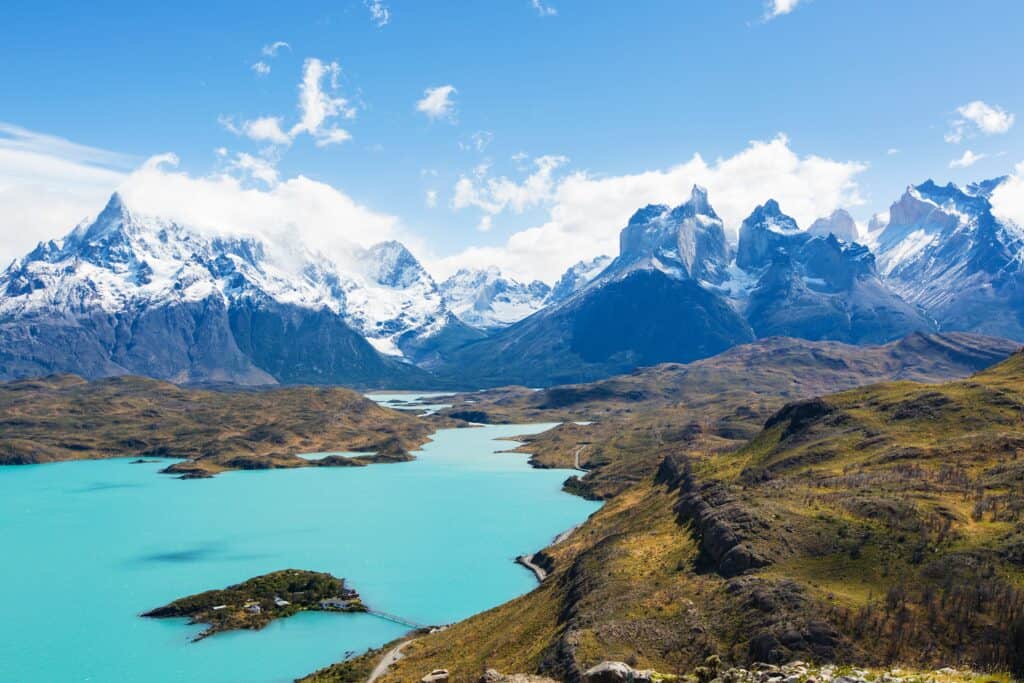
Nothing quite prepares you for the first glimpse of Torres del Paine’s iconic granite towers piercing the Patagonian sky. Established in 1959, this Chilean national park represents one of South America’s most breathtaking wilderness areas, where mountains, glaciers, lakes, and rivers create a landscape of extraordinary diversity.

The park’s three distinctive granite peaks, known as Las Torres, are particularly striking at sunrise when they glow with an intense orange light that photographers travel thousands of miles to capture. Beyond the famous towers, the park encompasses diverse ecosystems ranging from Magellanic subpolar forests to Patagonian steppes, supporting an incredible array of wildlife including guanacos, pumas, and over 100 bird species.

The park welcomes visitors from around the world, offering trekking experiences that range from day hikes to the challenging multi-day W Trek and Circuit Trek. The well-established infrastructure makes it accessible to adventurous travellers whilst maintaining its wild character.

Serengeti National Park, Tanzania

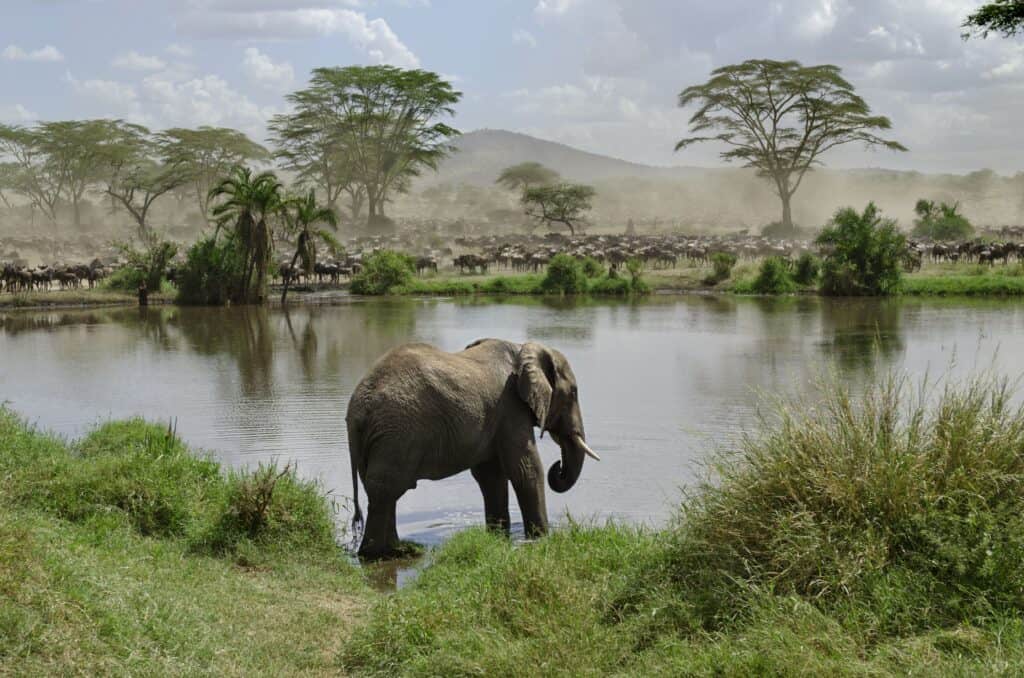
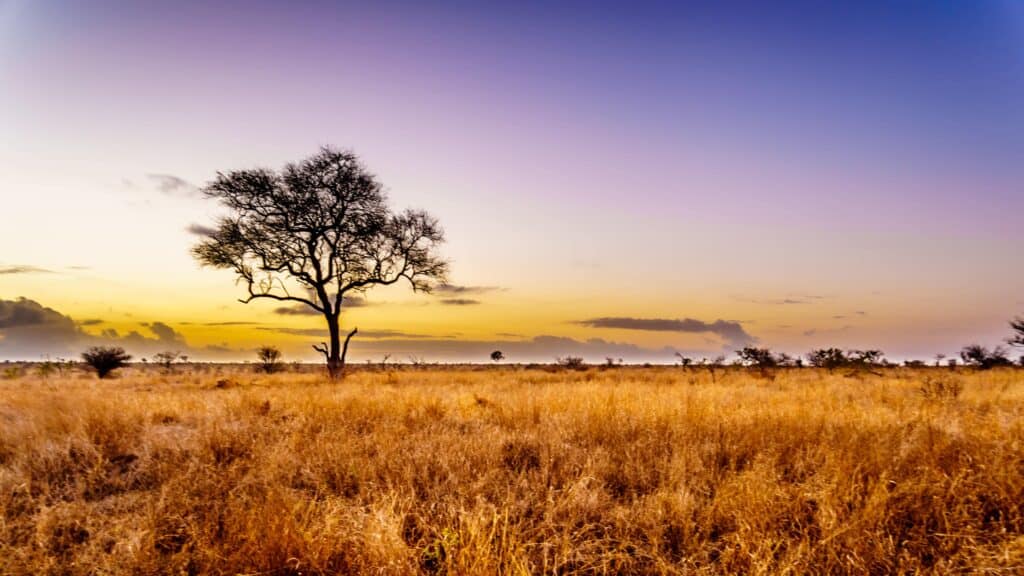
The Serengeti embodies the Africa of our collective imagination—endless plains stretching to the horizon, punctuated by acacia trees and teeming with wildlife. Established in 1940 as Tanzania’s first national park, this 14,763-square-kilometre wilderness area hosts the world’s most spectacular wildlife migration, where over 1.5 million wildebeest and 250,000 zebras follow ancient routes in search of fresh grazing.

This UNESCO World Heritage Site represents one of the oldest ecosystems on Earth, where the annual cycle of life and death plays out on a massive scale. The park supports Africa’s largest lion population alongside leopards, cheetahs, elephants, and countless other species that have roamed these plains for millennia.

The Serengeti offers visitors an unparalleled wildlife experience, with game drives revealing the intricate relationships between predators and prey that define this remarkable ecosystem. However, the park faces ongoing challenges from deforestation, population growth, and climate change, making conservation efforts increasingly critical.

Komodo National Park, Indonesia

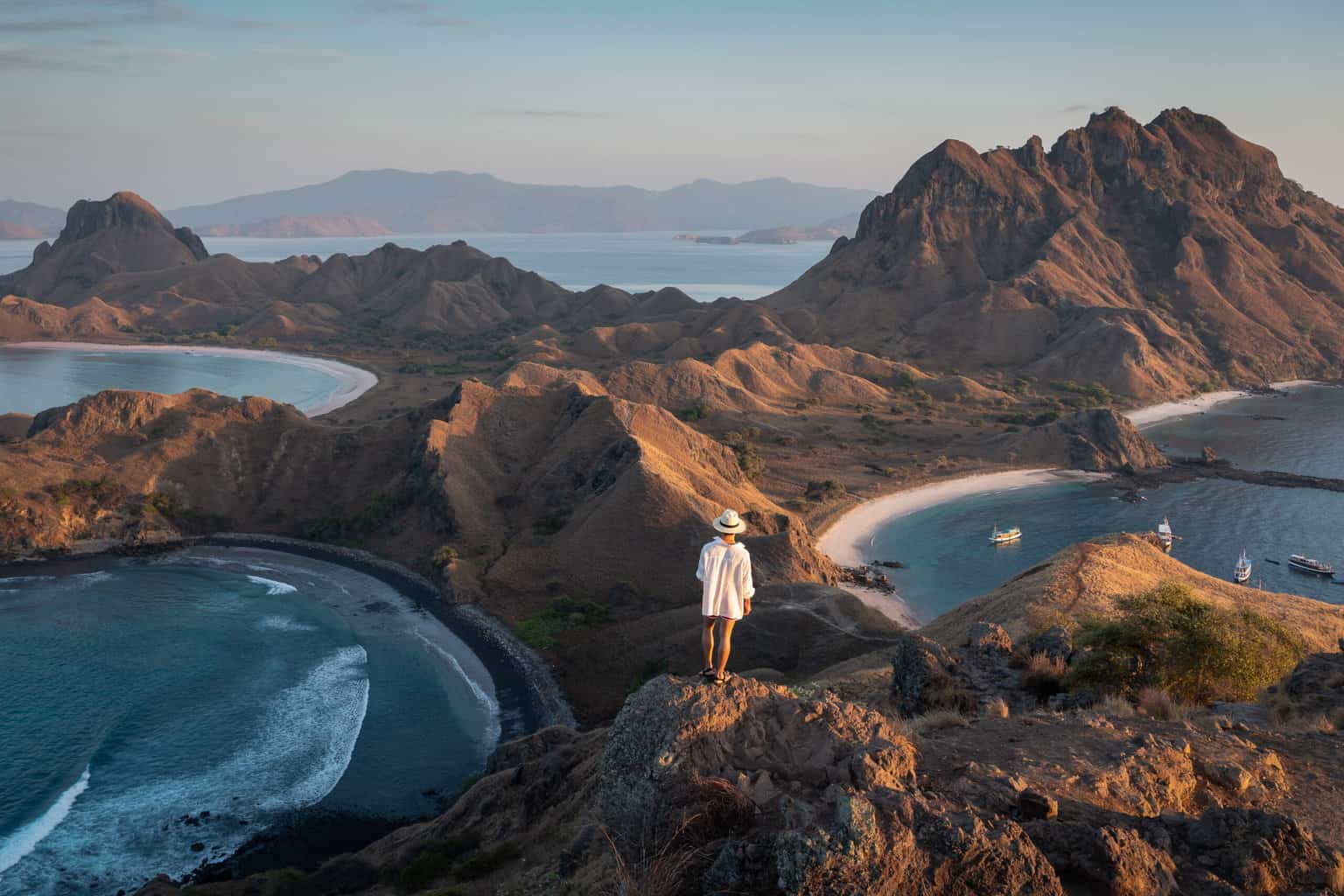
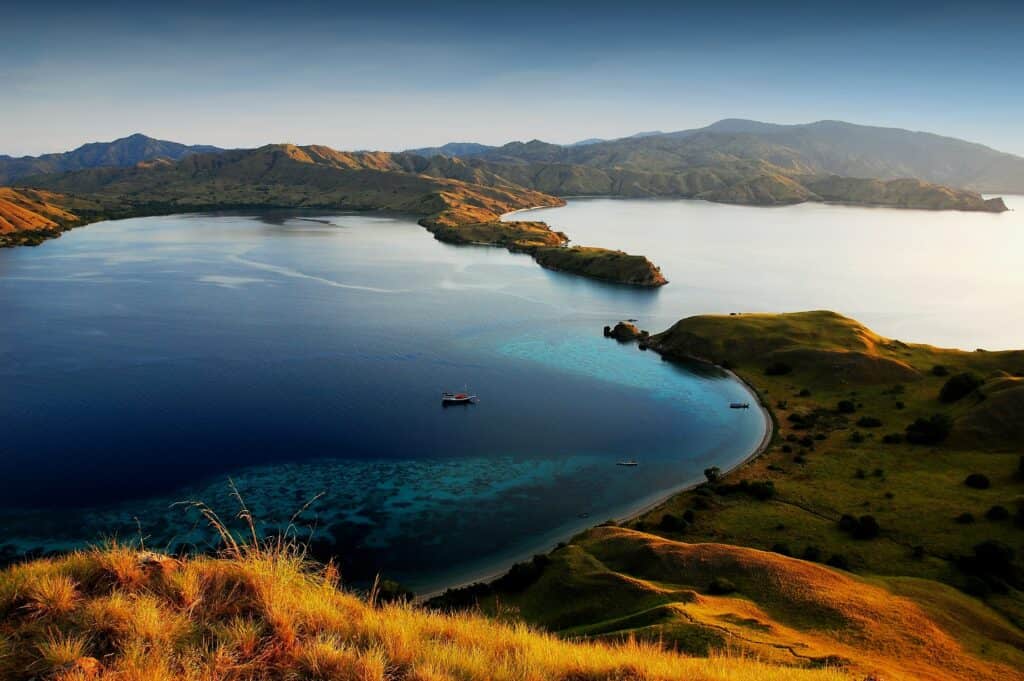
Komodo National Park protects one of the planet’s most extraordinary creatures—the Komodo dragon, Earth’s largest living lizard. Spread across three volcanic islands (Komodo, Rinca, and Padar) plus several smaller islets, this UNESCO World Heritage Site was established in 1980 specifically to protect these ancient reptiles and their unique habitat.

The park’s appeal extends far beyond its famous dragons. The turquoise waters surrounding the islands teem with marine life, including dolphins, sea turtles, manta rays, and over 1,000 species of fish. The terrestrial landscapes feature rolling hills covered in savanna grassland, with beaches that range from pristine white sand to dramatic black volcanic sand, and even the rare pink sand beach at Komodo Island.

Selected as one of the New Seven Wonders of Nature, Komodo National Park offers visitors a chance to witness evolution in action whilst experiencing some of Indonesia’s most stunning natural beauty.

Urban Sanctuaries: Green Hearts of Cities

Urban parks serve as vital lungs for our cities, providing respite from concrete and steel whilst reflecting the cultural values and design philosophies of their communities. These green sanctuaries offer unique insights into how different societies balance urban development with environmental preservation.

Central Park, New York City, USA

Central Park stands as perhaps the world’s most famous urban park, a 843-acre green oasis in the heart of Manhattan that has influenced park design globally. Created in the 1850s by Frederick Law Olmsted and Calvert Vaux, the park represents a masterpiece of landscape architecture that appears natural but is entirely artificial—every hill, lake, and meadow was carefully designed and constructed.

The park’s creation involved significant social costs, including the displacement of Seneca Village, a thriving African-American community. Today, Central Park serves as a democratic space where New Yorkers from all walks of life come together to jog, picnic, play sports, and escape urban stress.

Beyond the famous Bethesda Fountain and Bow Bridge, the park contains hidden gems like the Conservatory Garden, the North Woods, and the Shakespeare Garden. Each season brings different experiences, from spring blooms to summer concerts, autumn foliage, and winter ice skating.

Hyde Park and Kensington Gardens, London, UK

Hyde Park and the adjacent Kensington Gardens form London’s largest royal park, covering 625 acres of prime real estate in the heart of the capital. Originally a hunting ground for Henry VIII, these connected green spaces have evolved into beloved public amenities that reflect Britain’s complex relationship with monarchy, democracy, and public space.

Hyde Park’s Speaker’s Corner has served as a symbol of free speech since the 1870s, where anyone can address the public on any topic. The park’s Serpentine Lake provides a habitat for waterfowl whilst offering recreational opportunities including swimming, boating, and pedal boats.

Kensington Gardens houses some of London’s most important cultural institutions, including Kensington Palace, the Albert Memorial, and the Diana, Princess of Wales Memorial Playground. The gardens’ formal design contrasts beautifully with Hyde Park’s more naturalistic landscaping, creating varied experiences within a single visit.

Phoenix Park, Dublin, Ireland

Phoenix Park claims the distinction of being Europe’s largest enclosed park, covering 1,752 acres of rolling grassland, woodlands, and lakes just minutes from Dublin’s city centre. Established in 1662, the park serves as both a recreational space and home to the Irish President’s residence, Áras an Uachtaráin.

The park’s famous herd of wild fallow deer has grazed these lands for over 350 years, creating a unique urban wildlife experience. The Dublin Zoo, located within the park, has operated since 1831 and pioneered many modern zoo practices focused on conservation and education.

Phoenix Park offers numerous walking and cycling trails, historic monuments including the Phoenix Monument and the Papal Cross, and vast open spaces perfect for picnics and outdoor activities. The park’s size means visitors can easily find quiet corners away from crowds, making it a true urban sanctuary.

Ueno Park, Tokyo, Japan

Ueno Park serves as Tokyo’s cultural heart, combining natural beauty with some of Japan’s most important museums and cultural institutions. Established in 1873 as Japan’s first public park, Ueno Park reflects the country’s approach to integrating nature, culture, and urban life.

The park is famous throughout Japan for its cherry blossom displays, attracting millions of visitors each spring for hanami (flower viewing) parties. Beyond the seasonal spectacle, the park houses the Tokyo National Museum, National Museum of Western Art, National Science Museum, and Ueno Zoo, making it a centre of learning and cultural exchange.

The park’s Shinobazu Pond, covered with lotus flowers in summer, provides a peaceful retreat, whilst Bentendo Temple offers spiritual reflection. The combination of natural beauty, cultural institutions, and historical significance makes Ueno Park a microcosm of Japanese values and aesthetics.

Historic Gardens: Living Cultural Heritage

Historic gardens represent the pinnacle of landscape design, where artistry, horticulture, and cultural expression converge to create spaces of extraordinary beauty and meaning. These carefully crafted environments tell stories of power, philosophy, and aesthetic vision across centuries.

Keukenhof Gardens, Lisse, Netherlands

Keukenhof Gardens transforms the Dutch countryside into a living canvas of colour each spring, when millions of tulips, daffodils, and hyacinths create spectacular displays across 79 acres of meticulously planned landscapes. Open for just eight weeks annually, the gardens showcase the Netherlands’ centuries-old tradition of flower cultivation and bulb production.

The gardens’ design changes each year, with landscape architects creating new patterns and colour combinations using over seven million bulbs. Themed gardens explore different styles and approaches, from formal Dutch designs to English landscape gardens and Japanese-inspired arrangements.

Beyond the flower displays, Keukenhof features historic windmills, sculpture exhibitions, and educational displays about Dutch horticulture. The gardens serve as both a celebration of natural beauty and a showcase of Dutch innovation in agriculture and design.

Powerscourt Gardens, County Wicklow, Ireland

Powerscourt Gardens rank among Europe’s finest, combining dramatic natural setting with masterful landscape design across 47 acres of terraced gardens, ornamental lakes, and woodland walks. Created in the 1740s and extensively redesigned in the 19th century, the gardens showcase the evolution of landscape design through different historical periods.

The Italian Garden, with its elaborate terraces and ornate stonework, provides stunning views across the Wicklow Mountains, earning the estate its reputation as the “Garden of Ireland.” The Japanese Garden, created in the early 20th century, demonstrates how Irish designers adapted Eastern aesthetic principles to the local climate and landscape.

The gardens feature over 200 varieties of trees and shrubs, creating year-round interest through seasonal changes. The recently restored walled garden produces vegetables and herbs using traditional methods, whilst the pet cemetery reflects the Victorian era’s sentimental approach to beloved animals.

Generalife Gardens, Granada, Spain

The Generalife Gardens, part of the Alhambra complex in Granada, represent the pinnacle of Islamic garden design in Europe. Created in the 13th and 14th centuries as a summer palace for Nasrid rulers, these gardens embody the Islamic concept of paradise through geometric design, flowing water, and carefully orchestrated sensory experiences.

The gardens’ design reflects Islamic principles of harmony between architecture, water, and vegetation. Narrow water channels, decorative fountains, and reflecting pools create cooling effects whilst providing the sound of flowing water that masks urban noise. The careful use of shade and enclosed spaces creates microclimates perfect for contemplation and relaxation.

Aromatic plants, including jasmine, orange blossom, and myrtle, create a fragrant atmosphere that changes throughout the day and seasons. The gardens’ influence on Spanish and European garden design cannot be overstated, with their principles visible in parks and gardens across the continent.

Versailles Gardens, France

The Gardens of Versailles represent the apotheosis of French formal garden design, where nature is completely subordinated to human will and artistic vision. Created by André Le Nôtre in the 17th century, these gardens served as both royal playground and powerful symbol of absolute monarchy’s control over the natural world.

The gardens’ geometric precision, with perfectly aligned pathways, symmetrical plantings, and carefully calculated perspectives, reflects the Enlightenment belief in reason and order. The Grand Canal, stretching for 1.7 kilometres, demonstrates the massive scale of royal ambition, whilst numerous fountains and water features showcase hydraulic engineering mastery.

The gardens contain multiple themed areas, including the Grand Trianon’s more intimate gardens and Marie Antoinette’s English-style garden at the Petit Trianon, showing the evolution of garden design and royal tastes over time. Today, the gardens continue to operate as designed, with seasonal fountain displays recreating the spectacles that once amazed European royalty.

Cultural Landscapes: Where Tradition Meets Nature

Cultural landscapes represent the dynamic relationship between human communities and their natural environment, where traditional practices have shaped the land over generations whilst creating spaces of extraordinary beauty and ecological importance.

Plitvice Lakes National Park, Croatia
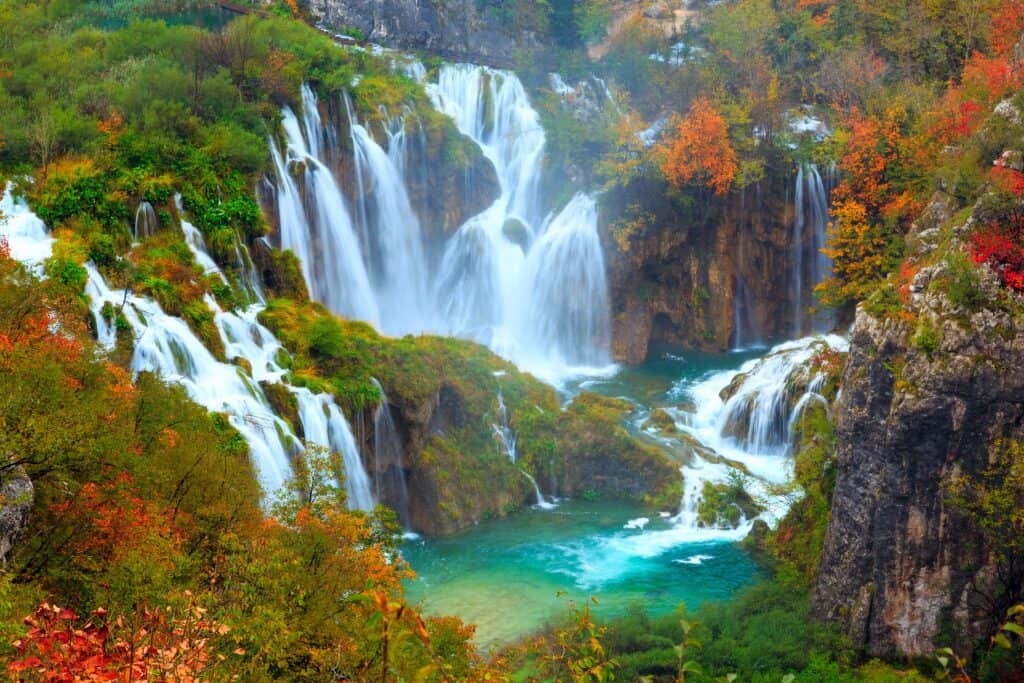
Plitvice Lakes National Park showcases one of nature’s most spectacular water features, where 16 terraced lakes connected by cascading waterfalls create a landscape that seems almost fantastical. Established in 1949 as Croatia’s first national park, this UNESCO World Heritage Site demonstrates the power of water to shape limestone landscapes over thousands of years.

The lakes’ crystal-clear waters range in colour from azure to green to grey, depending on mineral content and light conditions. The surrounding dense forests support bears, wolves, lynx, and over 160 bird species, making it one of Europe’s most important wildlife refuges.

Wooden walkways and paths allow visitors to explore the park without disturbing the delicate ecosystem, whilst electric boats provide access to the larger lakes. The park’s popularity has grown dramatically, now welcoming over one million visitors annually, requiring careful management to balance access with conservation.

Yellowstone National Park, USA

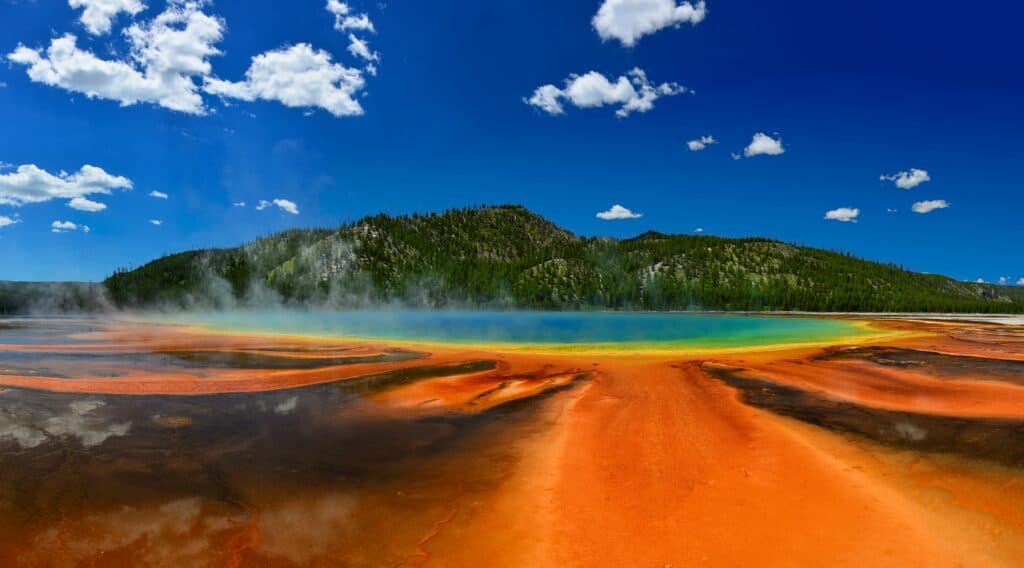
Yellowstone holds the distinction of being the world’s first national park, established in 1872 to preserve its extraordinary geothermal features and wildlife populations. Covering 8,983 square kilometres across Wyoming, Montana, and Idaho, the park sits atop an active supervolcano that powers over half the world’s geysers and thousands of hot springs.

Old Faithful, the park’s most famous geyser, erupts approximately every 90 minutes, shooting water up to 180 feet high in a display that has captivated visitors for over 150 years. The park’s diverse ecosystems support the largest concentration of large mammals in the lower 48 United States, including grizzly bears, wolves, bison, and elk.

The park’s establishment marked a turning point in conservation thinking, establishing the principle that certain natural areas should be preserved for all humanity rather than exploited for commercial gain. This philosophy has influenced conservation efforts worldwide, making Yellowstone a model for national park systems globally.

Canaima National Park, Venezuela

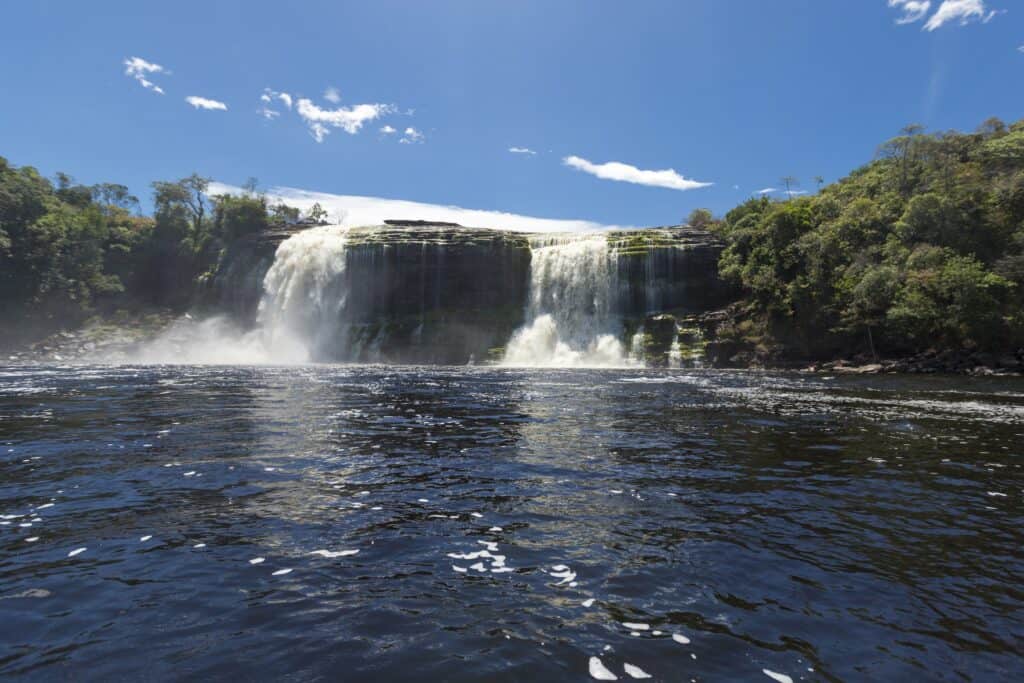
Canaima National Park protects one of Earth’s most ancient landscapes, where massive table mountains called tepuis rise from the jungle like lost worlds. Covering 30,000 square kilometres, the park contains Angel Falls, the world’s highest waterfall at 979 metres, cascading from the summit of Auyán-tepui in an unbroken drop that creates mist visible from kilometres away.

The tepuis, composed of sandstone formations dating back two billion years, support unique ecosystems that evolved in isolation on their summits. These “islands in the sky” contain numerous endemic species found nowhere else on Earth, making them invaluable for understanding evolution and biogeography.

Mount Roraima, the park’s most accessible tepui, inspired Sir Arthur Conan Doyle’s novel “The Lost World” and continues to attract adventurous travellers willing to undertake the challenging multi-day trek to its summit. The park’s indigenous Pemon people maintain traditional connections to the landscape, considering the tepuis sacred and serving as guardians of this extraordinary wilderness.

Kakadu National Park, Australia

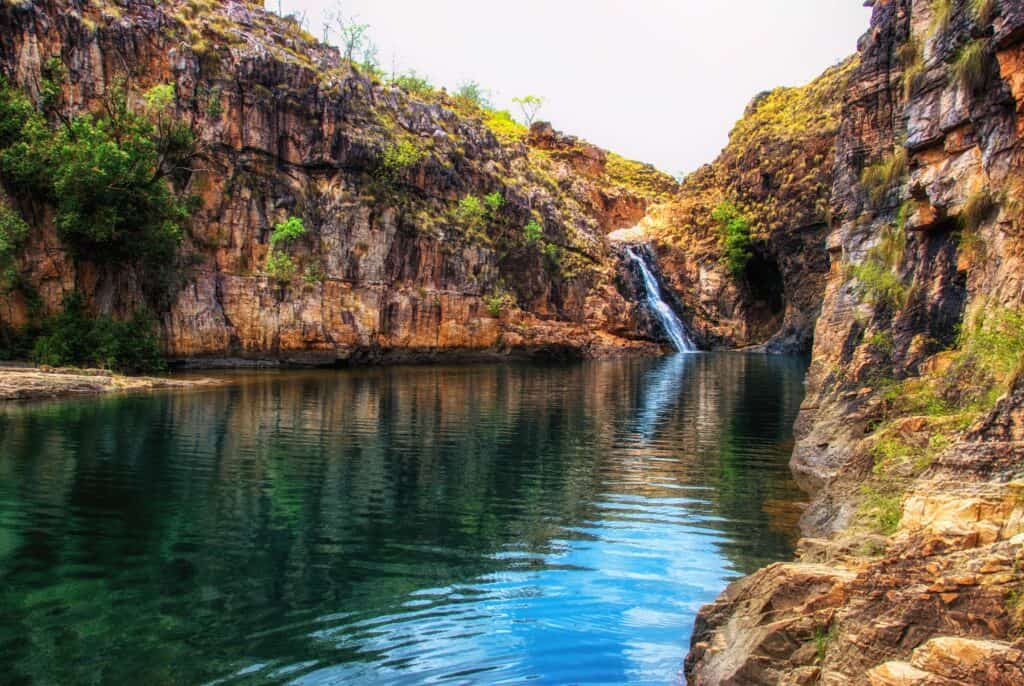
Kakadu National Park preserves one of the world’s oldest continuous cultural landscapes, where Aboriginal people have lived for over 50,000 years. Covering nearly 20,000 square kilometres—roughly half the size of Switzerland—this dual World Heritage site protects both exceptional natural values and the world’s oldest living culture.

The park contains over 5,000 Aboriginal art sites, including rock paintings that date back thousands of years and provide insights into one of humanity’s longest artistic traditions. These galleries showcase changing artistic styles and subjects, from ancient animal depictions to contact-period paintings showing European ships and missionaries.

Kakadu’s diverse ecosystems support saltwater crocodiles, over 280 bird species, and thousands of plant species, many of which have been used by Aboriginal people for food, medicine, and tools for millennia. The park’s management combines Western scientific methods with traditional ecological knowledge, creating innovative approaches to conservation that respect both cultural values and environmental protection.

Planning Your Adventures to the Best Parks in the World

Exploring the world’s most beautiful parks requires thoughtful planning to maximise both cultural understanding and practical enjoyment. Different parks offer optimal experiences at various times of year, and understanding these patterns can transform a good visit into an extraordinary one.

Seasonal Considerations and Current Conditions

top parks in the world

A scenic valley with a river, pine trees, rocky cliffs, and distant snow-capped mountains under a partly cloudy sky highlights the beauty of natural green spaces. "Connolly Cove" is written in the lower right corner.

Spring (March-May) brings spectacular displays at Keukenhof Gardens and cherry blossom season at Ueno Park, though these popular times require advance booking and patience with crowds. Many European historic gardens reach their peak during late spring when temperatures are mild and plants are in full growth.

Summer (June-August) offers ideal conditions for exploring high-altitude parks like Torres del Paine and accessing remote areas of Yellowstone and Kakadu. However, popular urban parks may be crowded, and some desert locations become uncomfortably hot.

Autumn (September-November) provides excellent conditions for most parks, with comfortable temperatures, fewer crowds, and spectacular foliage in temperate regions. This season is particularly rewarding for visiting New Zealand’s Fiordland and many North American national parks.

Winter (December-February) offers unique experiences in places like Yellowstone’s geothermal features against snow-covered landscapes, whilst Southern Hemisphere destinations like Torres del Paine and Kakadu enjoy their summer season.

Budgeting and Practical Considerations

top parks in the world

A curved stone path winds through a well-maintained park with lush green lawns, trees, benches, and flowerbeds under a clear blue sky—showcasing the beauty of nature. "Connolly Cove" is written in the lower right corner.

Entry fees vary dramatically between destinations. Many historic European gardens charge £15-25 (€18-30) for admission, whilst national parks typically range from £20-50 (€25-60) for multi-day passes. Urban parks like Central Park and Hyde Park remain free, though attractions within them may charge separately.

Accommodation near popular parks commands premium prices, particularly during peak seasons. Budget-conscious travellers should consider staying in nearby towns rather than park lodges, using public transportation where available, and visiting during shoulder seasons for better rates.

Many parks offer annual passes that provide value for visitors planning multiple visits or extended stays. The America the Beautiful Pass covers all US national parks for $80 (£65), whilst similar schemes exist in other countries.

Responsible Tourism and Cultural Sensitivity

The popularity of the world’s most beautiful parks creates both opportunities and challenges for conservation. Visitors should research park-specific guidelines before arrival, as rules vary significantly between destinations. Many parks now require advance reservations, particularly for accommodation and guided tours.

Photography restrictions exist at many cultural sites, particularly those with religious significance or containing ancient art. Always check current policies and respect local customs regarding appropriate behaviour and dress codes.

Support for local communities should be a priority when visiting international destinations. Choosing local guides, staying in locally-owned accommodation, and purchasing authentic crafts directly from artisans helps ensure tourism benefits reach the communities that protect these special places.

Climate change is affecting many parks through altered precipitation patterns, temperature changes, and increased extreme weather events. Travellers can minimise their impact by choosing direct flights where possible, using public transport within destinations, and supporting parks through entrance fees and donations to conservation programmes.

As ConnollyCove founder Ciaran Connolly notes: “The world’s great parks aren’t just places to visit—they’re teachers. Each one shows us something different about how humans can relate to the natural world, whether through careful cultivation or respectful preservation. The key is approaching them with curiosity and humility, ready to learn from both the landscape and the cultures that have shaped it.”

The world’s most beautiful parks offer far more than scenic beauty—they provide windows into different cultures, approaches to conservation, and relationships between humans and nature. From the formal precision of Versailles to the wild majesty of the Serengeti, these spaces inspire, educate, and remind us of our responsibility to preserve the natural and cultural heritage they represent. Whether you’re drawn to ancient cultural landscapes or pristine wilderness, planning your visits thoughtfully ensures these remarkable places continue to inspire future generations of explorers and conservationists.

Leave a comment

Your email address will not be published. Required fields are marked *