
The Best 14 Things to Do & See in Chile
Updated On: November 09, 2023 by  Ahmed Samir
Chile is located on the western coast of the continent of South America and extends along the coast of the Pacific Ocean. It is bordered on the west and south by the Pacific Ocean, on the east by Argentina, and on the north by Peru and Bolivia. The country enjoys geographical diversity. Santiago is the capital of Chile, and the most important cities in the country are:
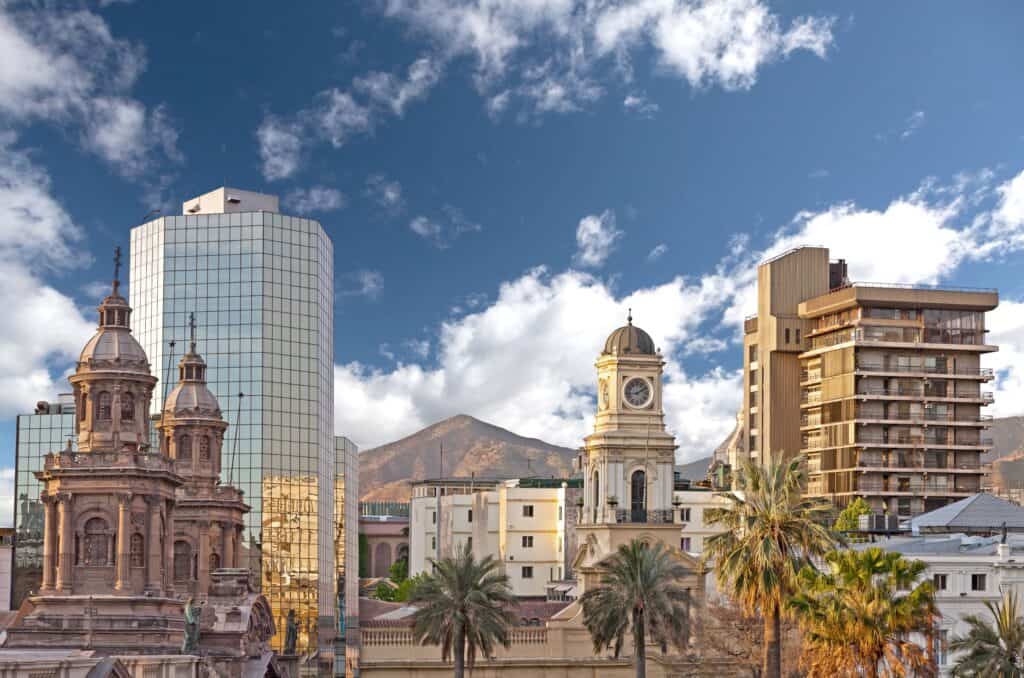
- Santiago: It is located on the Mapocho River and was founded by the Spanish conquistador Pedro de Valdivia in 1541. It overlooks the Andes Mountains, and the city is the main industrial centre of Chile.
- Valparaiso: It is one of the most important seaports in the South American Continent and is the legislative capital of Chile.
- Concepcion: The city is located near the Biobio River. It is the third-largest city in Chile and is a commercial and industrial centre in the country.
The Inca people are the first to live in Chile and are the original Indians of America. However, after being discovered by the Spaniards, Chile’s inhabitants have been speaking Spanish to this day.
Chile is also characterised by the presence of many terrains, including mountains, plains, lakes, volcanoes, and many small islands, bays, etc. For example, there are:
- Andes Mountains: This is one of the most famous mountain ranges in South America and the world. They are also considered a natural border that separate Chile from the rest of the surrounding countries, such as Argentina and Bolivia, and their height is about 5490 metres above sea level.
- Atacama Desert: One of the most prominent tourist destinations in Chile. It can be reached from Antofagasta, one of the largest cities in the north of Chile. The desert is characterised by a very dry climate, and natural monuments can be seen in it, and there are also ancient historical fortresses such as Kuwitour Fort.
History of Chile
Since ancient times, Chile has been divided into two parts, the northern one was ruled by the Incas, and the southern part was ruled by the Orocanos.
The Spaniards were the first European peoples to visit Chile in search of gold and silver, but these goals changed to launching a war against Chile in 1540 by Pedro de Valdivia, and this made it easier for the Spaniards to establish many activities like agriculture after that. Finally, Chile gained its independence in 1818.
Culture in Chile
The homogeneity between Chilean citizens and immigrants has led to the flourishing of many cultures. Chilean culture developed through the fusion between the native Chilean culture and European culture, especially the Spanish.
The Quica is the national dance of Chile, which emerged in the seventies and eighties. It symbolises the cultural pride in the country and is also famous for the popular Tunada music.
Weather in Chile
Chile is characterised by a diverse climate, as it extends along the coastline, where summer begins in December and ends in February, and winter starts from June to August.
Sometimes it is difficult to predict the temperatures in Chile, where the temperature in the dry Atacama Desert can reach between -2 and 32 C°. In the centre of the country, the climate is generally cold from May to August. In the south, the temperature is usually high, and the extreme south of the country has a high rate of precipitation.
The Best Time to Visit Chile
If you are a beach lover, the best time to go to Chile is in the period from January to March. When you get there, make sure to head to the northern beaches, such as Arica, La Serena, Coquimbo, and others. While in the south, there is Pucon Beach, which also attracts many tourists due to its geographical location near the beaches of Santiago, the capital of Chile.
And if you love snow and skiing, the best months for this are between June and August, and it is preferable to avoid the southern regions of the country during winter due to the fluctuations of the climate there that include strong winds and icy waterways.
Where to Go in Chile
Chile is a famous tourist destination in South America, and part of it is located on the continent of Antarctica, and it is considered an adventure once you travel to it, because of its diverse climate.
Among the most important areas that attract tourists are the Cocamo River, the Yatagonia plateau, and many islands such as Robinson Crusoe Island, in addition to lakes, waterfalls, and parks.
The capital, Santiago, is one of the main destinations for tourists, as it contains a central market, an underground cultural centre, La Munyada Palace, and the city of Valparaiso, which is considered a UNESCO World Heritage Site.
Santiago
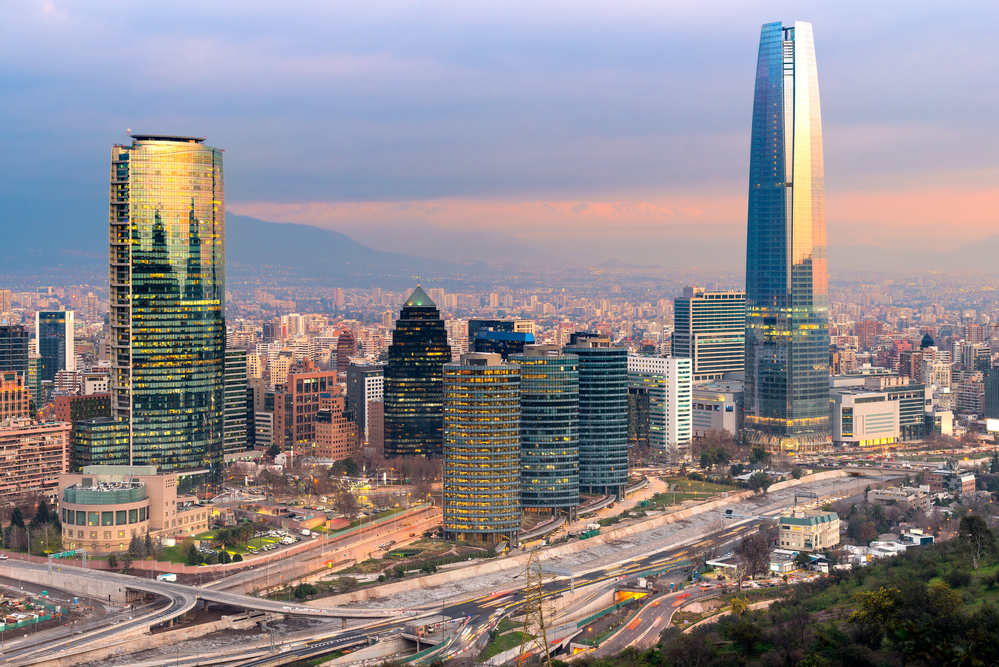
Santiago is one of the most popular cities in Chile besides being the capital city. It is known as the financial, cultural, and entertainment capital city, and it includes many top attractions that you can visit, like shopping centres, museums, and galleries.
The city of Santiago was built in 1541, it is where tourist starts their journey in Chile before going to other places, and among the attractions that you can visit is La Moneda Palace Cultural Centre, which is a state-of-the-art cultural centre occupying a part of the beautiful La Moneda Palace.
Another place that you can go to in Santiago is the Museum of Pre-Columbian Art. It includes many collections that are related to the country’s native people. Also, the Chilean National Museum of Fine Arts was built in the 1880s, and it displays many Chilean artists’ works, like many collections of paintings and sculptures.
There is also the Santiago Metropolitan Park; it is a large green space that you will love visiting, where you will find Chilean National Zoo, a botanical garden, and a funicular railway. The San Cristobal Hill is a famous spot in Santiago that gives you a great view from the top of the area beside the hill including a 22-metre tall statue of the Virgin Mary.
Valparaiso
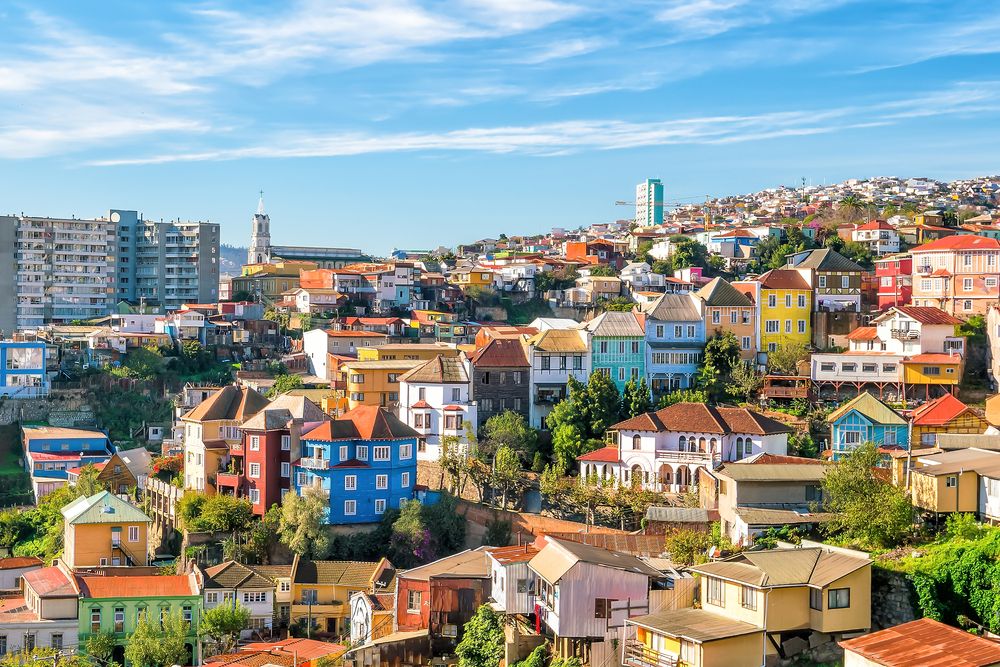
Valparaiso is considered the third-largest city in Chile. It is located about 112 km northwest away from Santiago, and the city is well-known for its beautiful beaches, architecture, and many old cobbled streets.
There are many attractions to visit in this beautiful city, such as the Naval Maritime Museum, which contains collections from the War of the Pacific of 1879 between Chile and allied Bolivia and Peru.
The Lord Cochrane’s Museum is another attraction that you can visit. It is located in an old colonial home that was built in 1842.
Easter Island and Rapa Nui National Park
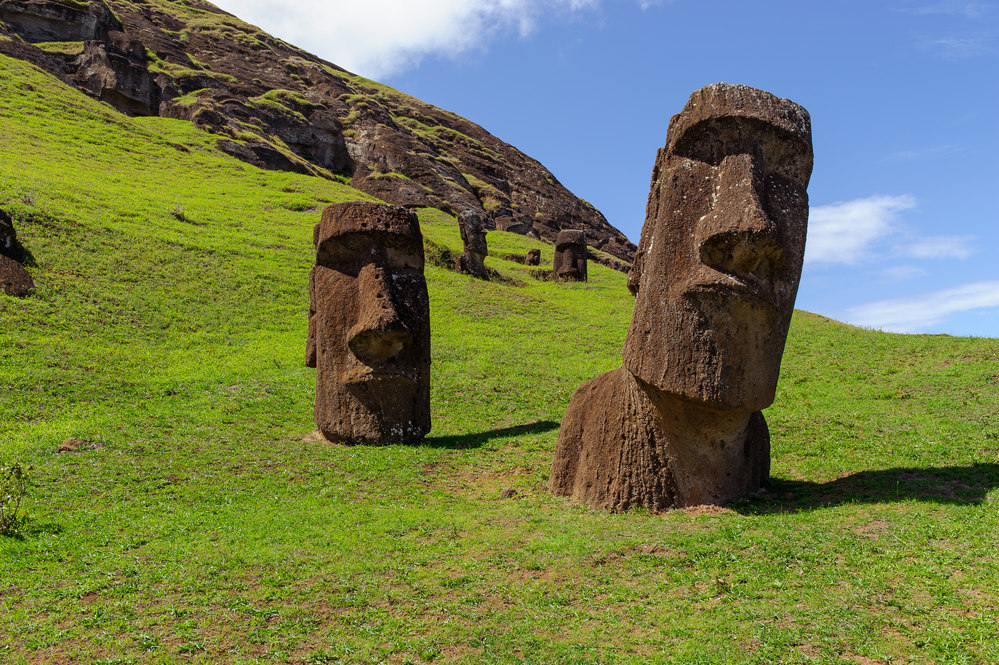
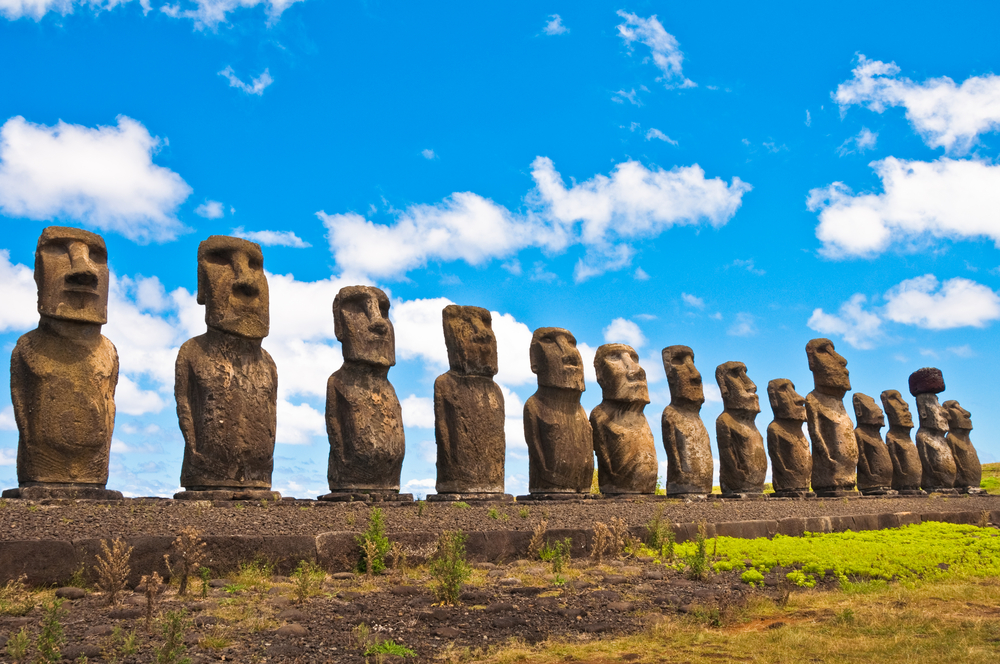
Easter Island was first visited in 1722 by the Europeans. It was named by the first European Dutch Explorer who first set his eyes on it, and the island was inhabited for many years by Polynesians. On this island, you can find 887 statues known as Moai that were built by the island’s early Rapa Nui population, and they are now protected by Rapa Nui National Park.
It is located about 3,500 km away from Chile, which didn’t thwart it from being one of the top attractions to visit in the country. Also, you can find collections at Ahu Tongariki, where 15 of them have been re-erected on the island’s largest Moai platform.
When you are in Rapa Nui, you will find the best beach in the country, which is Anakena, with white coral sand that is perfect for hiking.
Torres Del Paine National Park
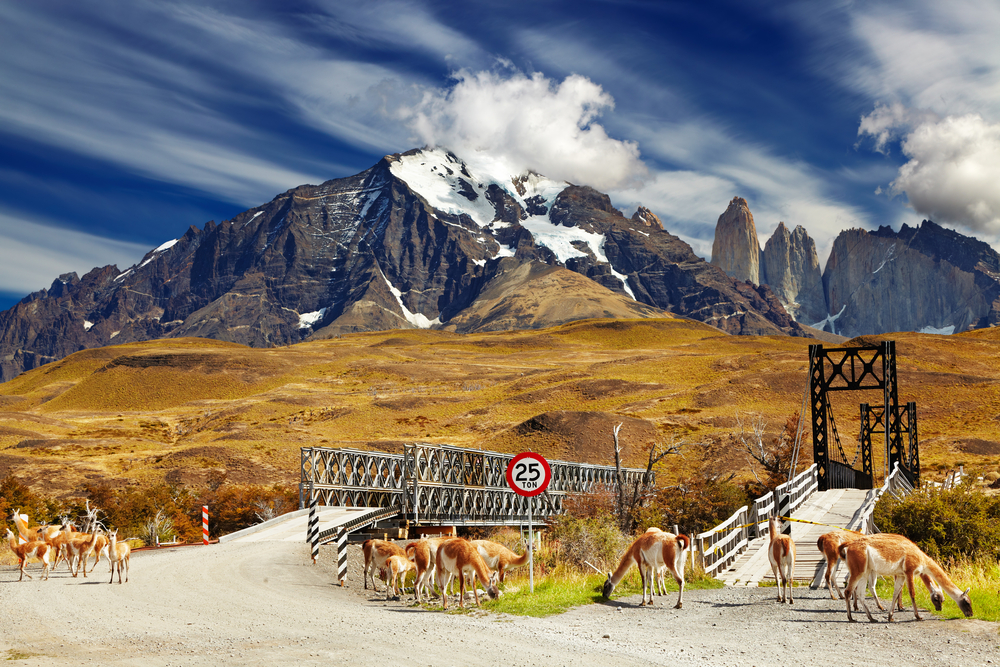
It is one of the most famous and important natural places in Chile. It is located about 100 km north of the city of Puerto Natales in southern Patagonia, and it includes many natural landmarks, like rivers, mountains, and lakes.
One of the activities that you can try there is hiking on many marked trails, and also you will find shelters if you want to stay for the night to continue this long trip later, and there are also guides if you need them for this trip.
The most important part of the park is the Cordillera del Paine, an area that marks the transmission from the steppe to the forests of the north. You will be able to see a beautiful view in the park of the three 2850 metres tall peaks of the Paine Massif.
Lauca National Park
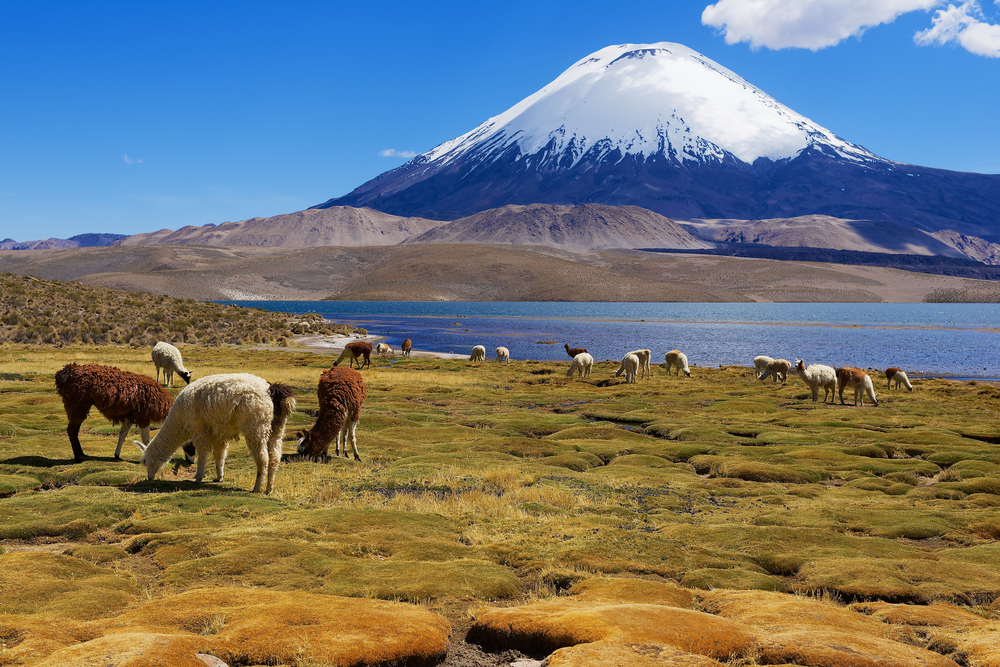
Lauca National Park is another famous park in Chile. It is located north of the country, about 140 km away from the city of Arica. The park covers an area of 1,300 km2 of high plains, mountains, and large volcanoes.
When you visit the park, you can go hiking and explore many archaeological sites, and also old colonial churches and buildings that were left by European settlers. It is also a perfect place for bird lovers, where you can find 140 species, such as crested ducks, Chilean flamingos, and much more.
Pumalin Park
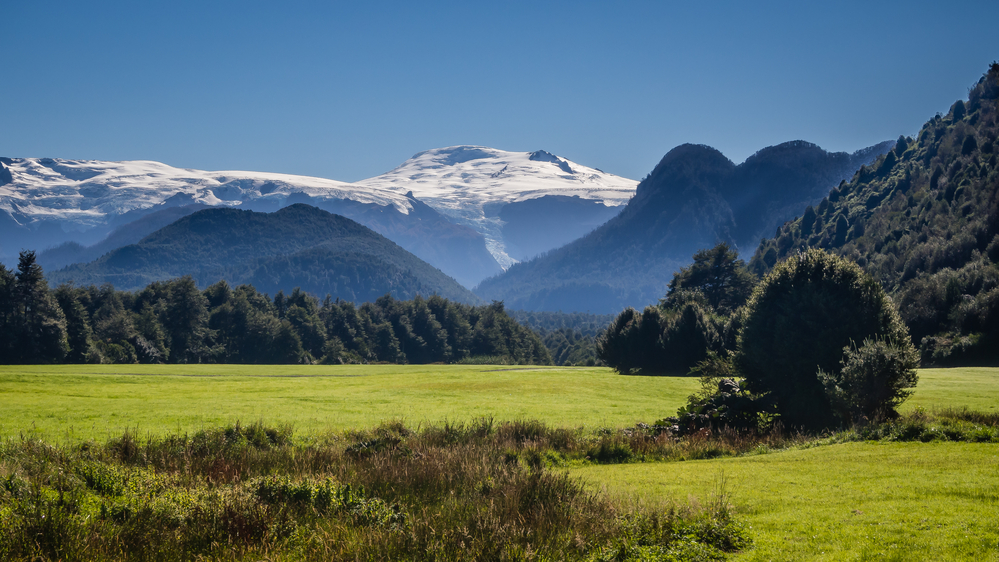
Pumalin Park is one of the most important preservation areas in Chile. It is located on an area of 988,000 acres spread from the Andes to the Pacific. The park includes the most beautiful forests in the country, and it is untouched by humans at all.
The park contains the oldest tree species, and it provides visitors with a wilderness experience. The park is owned by the US-based Conservation Land Trust. Pumalin Park is a beautiful place to discover with its trails, facilities, and much more, and there are cabins to stay in that overlook beautiful views that you will love.
Vicente Perez Rosales National Park
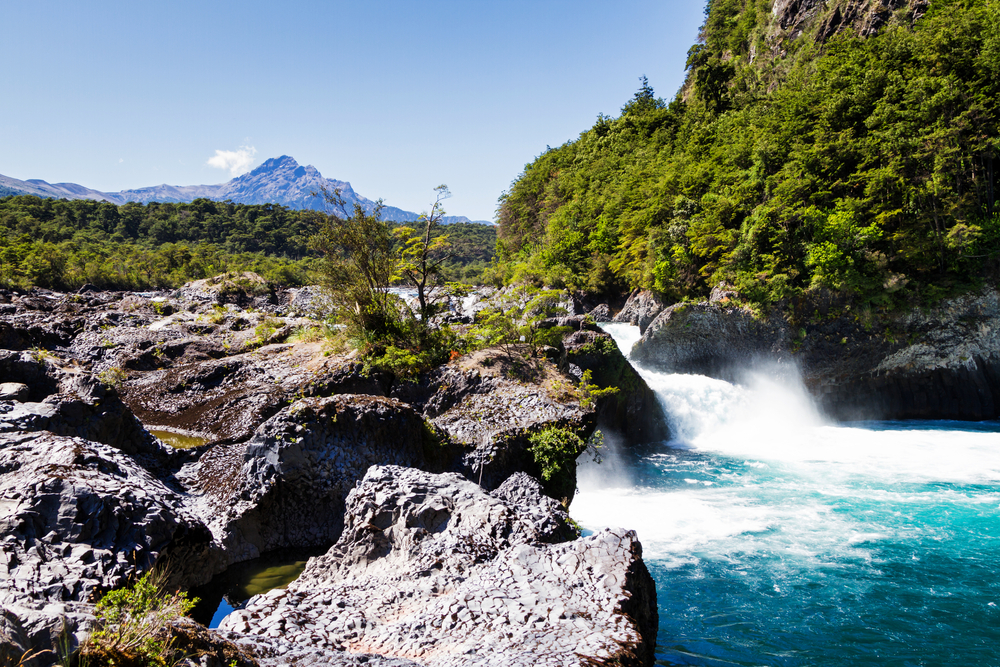
Vicente Perez Rosales National Park is the first known national park in Chile. It is located in the middle of the Chilean Lake District, and you can reach it from the city of Puerto Montt.
One of the lovely attractions located in the park is Petrohue Falls, where the water settles into a crystal lake from which you can watch birds and fish.
The Chilean Lake District
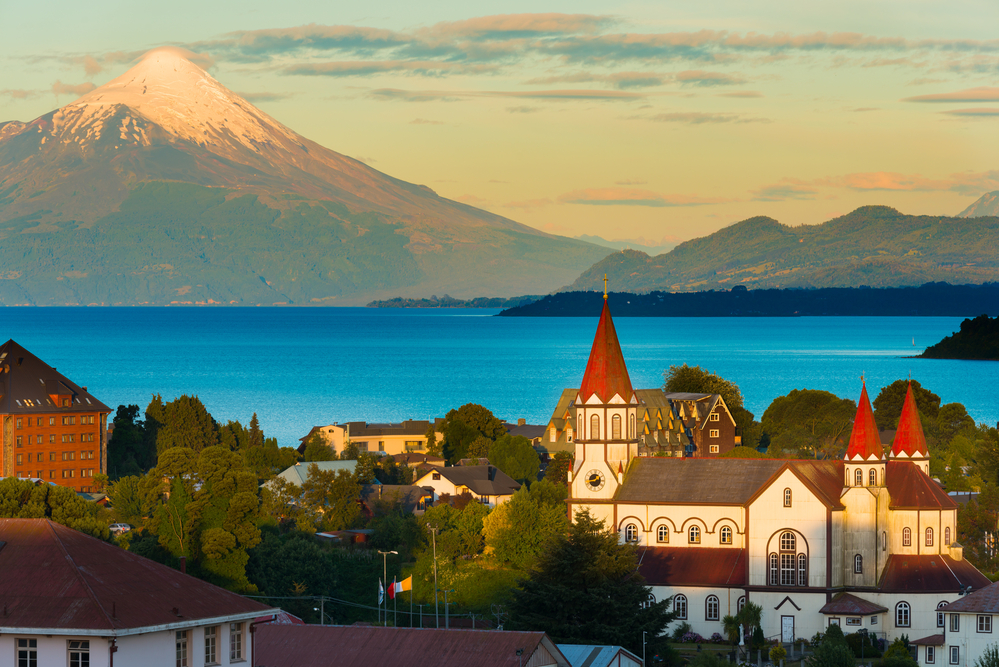
The Chilean Lake District is spread over an area of 330 km from Temuco to Puerto Montt, and it is similar to the alpine region of Europe. It is a beautiful place to discover with its farmland, snow-capped volcanoes, forests, and deep lakes.
Many activities can be done in the place, like hiking, biking, volcano climbing, kayaking, horse riding, and skiing. The place was connected with the Europeans when farmers arrived from Switzerland, Austria, and Germany, and they brought their culture from there, which can be seen in the architecture of many towns, such as Osorno and Valdivia.
Valle Nevado (Snowy Valley)
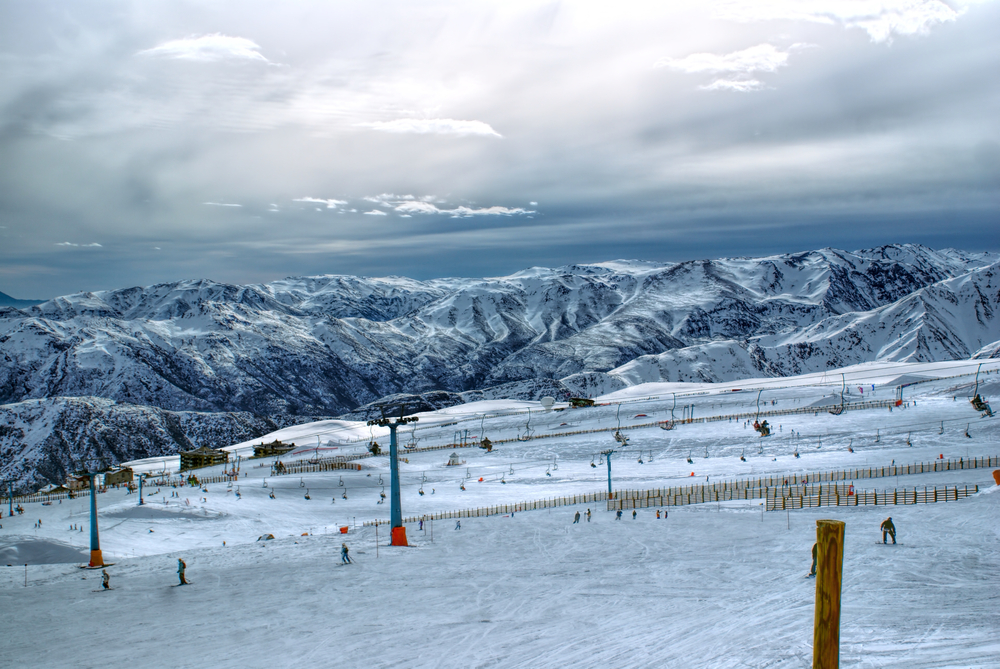
Many people don’t know that Chile is one of the best places for skiing in South America. Valle Nevado is located in the El Plomo foothills of the Andes, and there is transportation from Santiago, the capital city of Chile, to the valley.
The valley is 3,000 metres above sea level, and it is a great spot for skiers. in fact, many tourists come to the valley from every part of the world. It features 37 trails and 11 lifts. Also, it includes hotels, eight restaurants, a ski shop, and a snow school.
Los Pinguinos Natural Monument
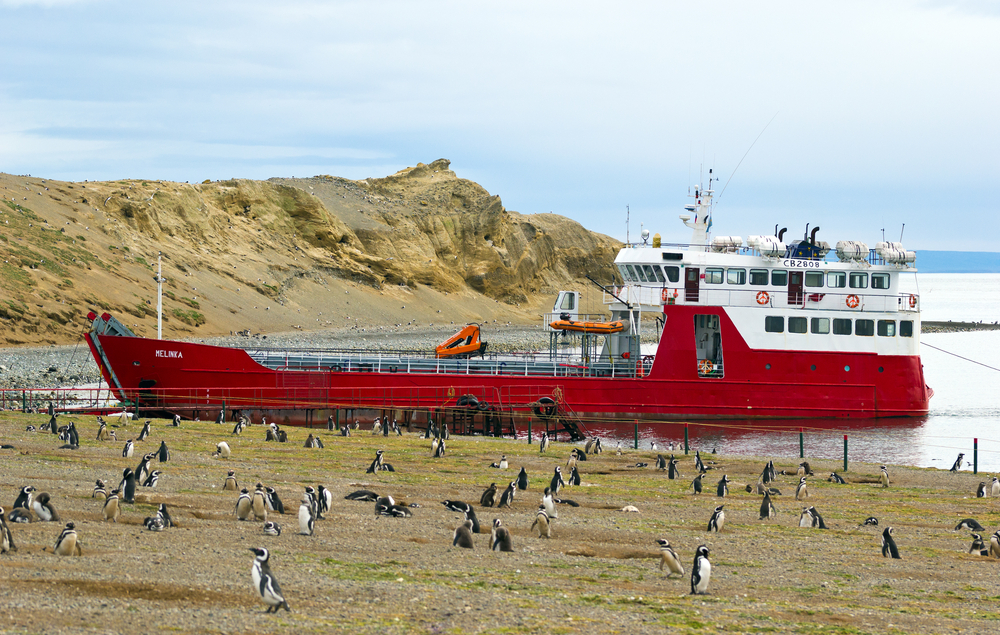
Another famous natural monument located in Chile is Los Pinguinos. It is located 35 km northeast of Punta Arenas city and combines the Magdalena and Marta Islands. Pinguinos means penguins in Spanish. The place is a large home for penguin colonies, with about 60,000 penguins found there, and besides that, it is also home to sea lions and seals.
Cape Horn
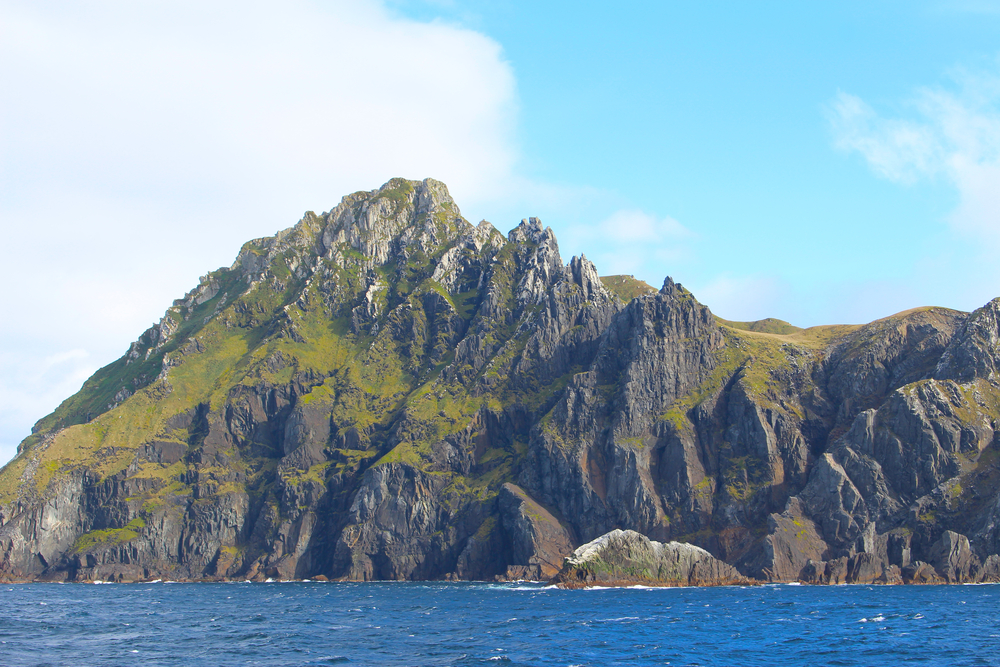
Cape Horn is known as the last place before reaching the Antarctica continent; its coastline is not safe, and it was an important trade route in the old ages, but now, after the establishment of the Panama Canal, it is less important than before.
You can go to Cape Horn by helicopter from the town of Puerto Toro; it might be expensive but worth it, and also another way to go there is by sailboat, but it is sometimes rough. The best way to reach there might be the cruise ships that pass by Cape Horn while going to Antarctica, and you can stop there for an hour.
Valle de la Luna and the Atacama Dessert
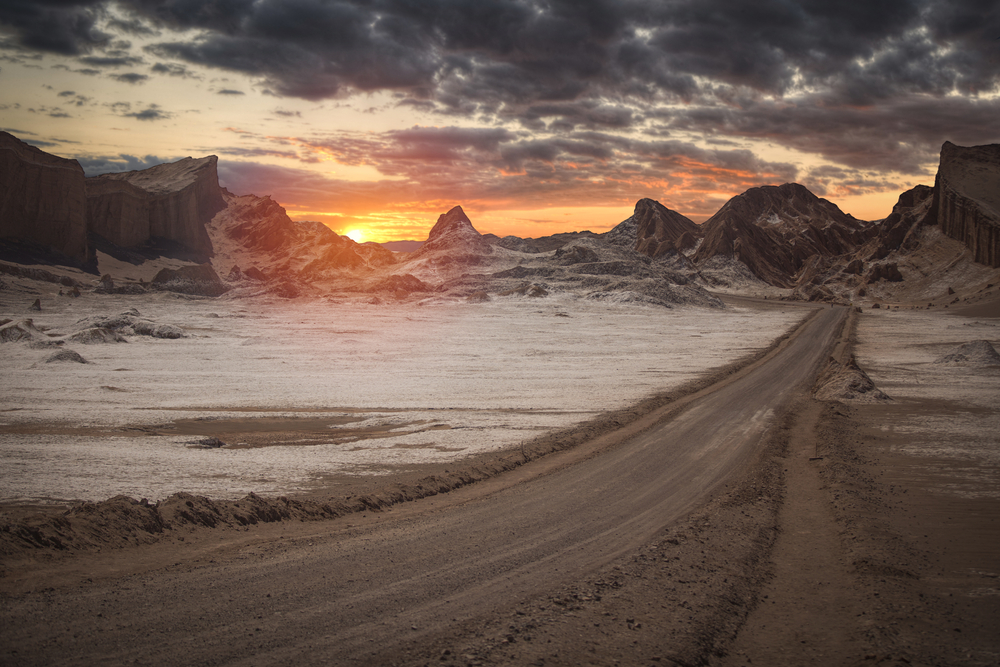
The Valle de la Luna, also called the Valley of the Moon, is located in the northern part of Chile and is 13 km away from San Pedro de Atacama and near the border of Bolivia. There you can find bike trails and bus tours available and drive the car too, and it is one of the most famous attractions in Chile.
It is characterised by its dry lake, and it is considered one of the driest places on earth. Furthermore, it is the place where the world’s oldest mummies were discovered.
Cochamo Valley
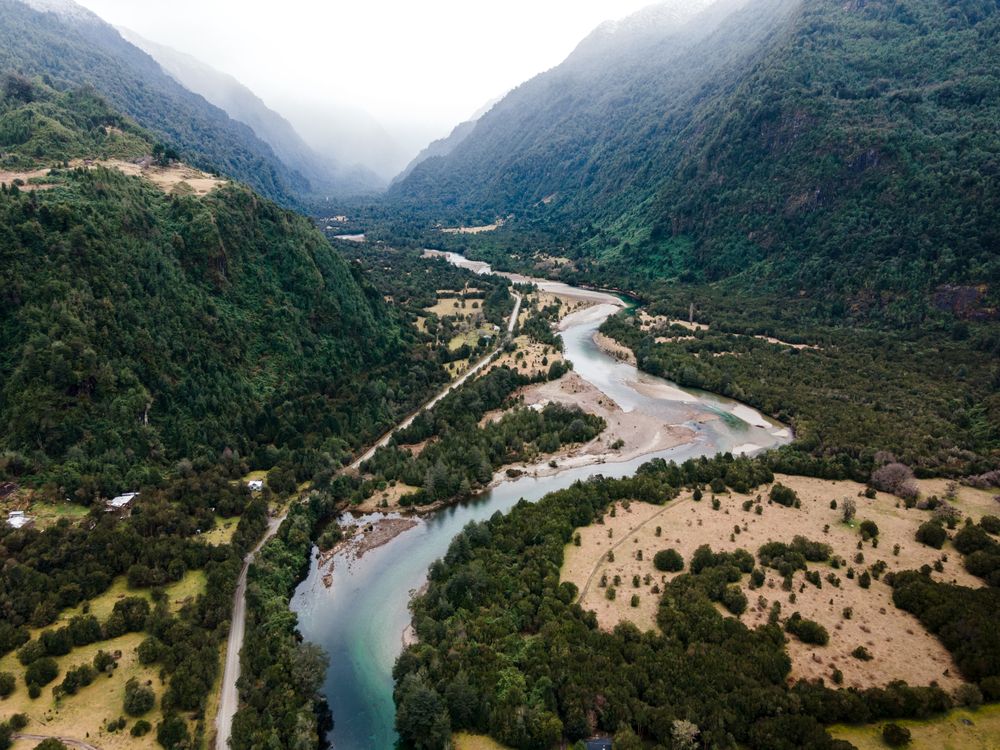
Cochamo Valley is such a beautiful place to discover; it is located in the Los Lagos region, and it is named after the Cochamo River. It is also famous for hikers and rock climbers, where you can find 1,000 metres of granite walls and plenty of hiking trails that will lead you to see a magnificent view.
One of the famous trails there is the Cowboy Trail, which has been famous for more than 100 years, and the trip takes about 6 hours starting from Cochamo Village.
Mylodon Cave Natural Monument
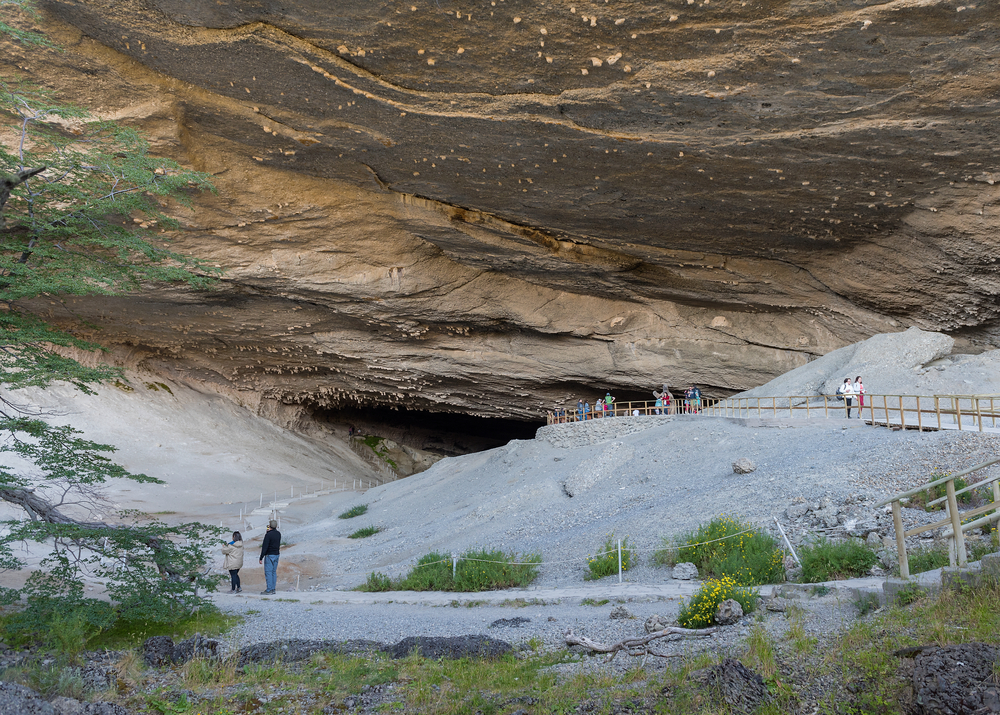
Mylodon Cave Natural Monument is a lovely place for nature lovers; it is located in the middle of the Patagonia area near Puerto Natales and features several caves you would love to see. The star of the show is a famous cave called Cueva del Milodón, which was discovered in 1851. Besides that, the place has human bones and ancient animals.
The cave is about 200 metres deep with trails that show you the way to the top of the cave and see a wonderful view from there.
Scotland in May: Sunshine, Mild Temps, and Outdoor Adventures
Scotland
25/04/2024
Discover the Top 15 Best Places to Visit in Northern Ireland
Travel Guides
24/04/2024
How to Find the Best Scotland Travel Guide: An Ultimate Guide
Scotland
24/04/2024

The Ultimate Guide to the Best Shopping Areas in London
England
24/04/2024

The Absolute Guide to the Best Restaurants in Bath, England: Unveiling the Culinary Gems of Bath!
Food and Cuisine
24/04/2024