


Kenya’s Breathtaking Wonders: Things to Do in Kenya for Every Adventurer
Updated On: February 03, 2024 by  Maha Yassin
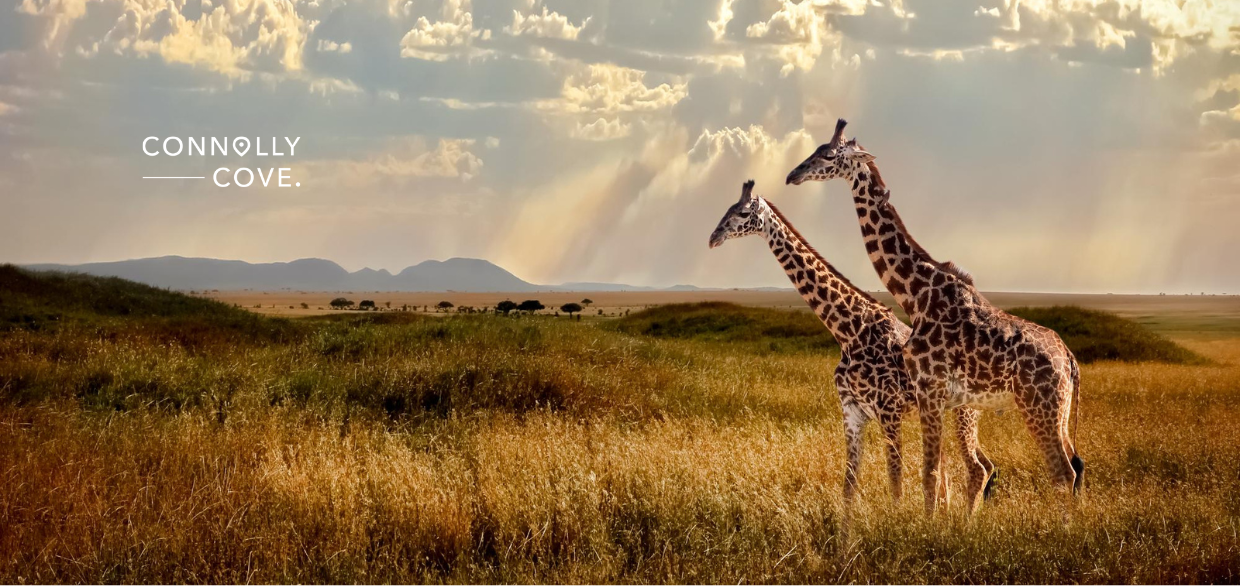
Kenya, the jewel of East Africa, is a captivating destination that unveils a vibrant tapestry of experiences and numerous exciting things to do. Picture witnessing the thundering hooves of the Great Migration, their dust swirling against the iconic red backdrop of the Maasai Mara. Imagine gazing into the wise eyes of an elephant rescued as a calf or feeling the spray of the Athi River as you raft through its gorges. Beyond its unparalleled wildlife spectacles, Kenya offers a kaleidoscope of landscapes, from snow-capped mountains and shimmering lakes to pristine beaches lapped by the Indian Ocean. You’ll never run out of things to do in Kenya!
Whether you’re an intrepid adventurer seeking adrenaline-pumping thrills or a culture connoisseur drawn to vibrant traditions, Kenya promises an unforgettable journey with many things to do. This guide invites you to explore what this extraordinary country offers, catering to every type of traveller – from families seeking unique bonding experiences to solo adventurers yearning for off-the-beaten-path discoveries. So, pack your sense of wonder, lace up your walking boots, and prepare to be captivated by the magic of Kenya.
Unleash Your Inner Explorer: Wildlife and Safaris in Kenya
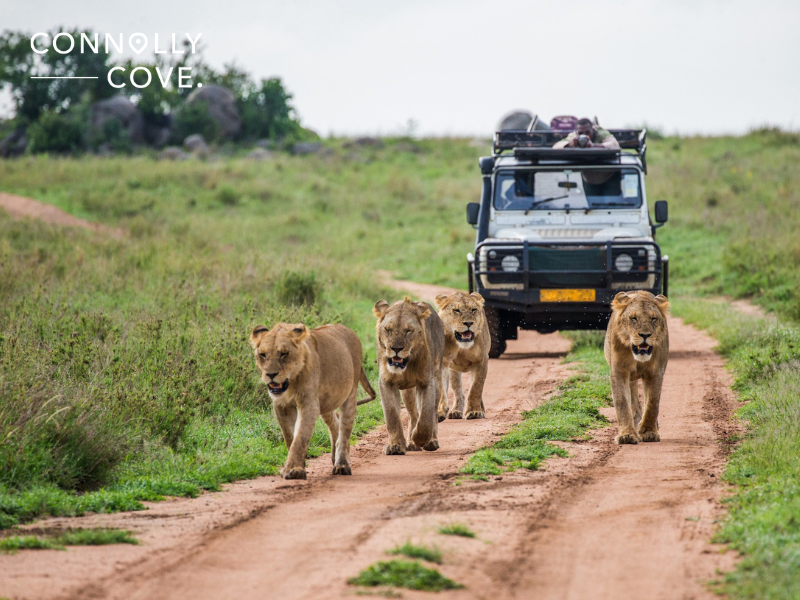
Kenya and safari are synonymous for many and with good reason! Kenya’s vast savannas, dense forests, and shimmering lakes harbour breathtaking animals, providing visitors with unforgettable experiences that showcase raw beauty and untamed spirit. If you’re seeking things to do in Kenya, exploring its diverse landscapes for a unique safari adventure is a must.
Maasai Mara
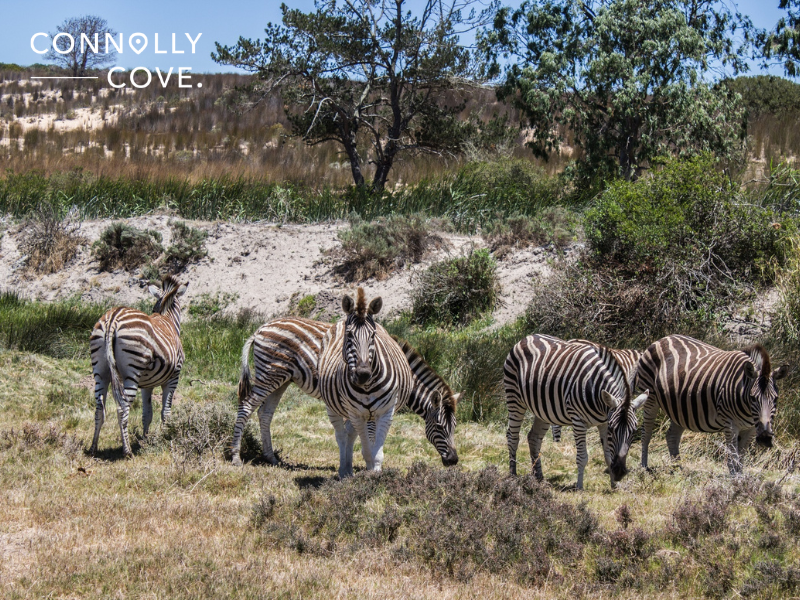
The Maasai Mara is renowned for hosting the Great Migration, a breathtaking natural phenomenon that occurs between July and October. Witness millions of wildebeests and zebras crossing the Mara River in a difficult journey, showcasing the circle of life in the animal kingdom.
Beyond the migration period, the Maasai Mara teems are full of diverse wildlife. Lions, leopards, cheetahs, and hyenas roam the plains, providing thrilling opportunities for safari enthusiasts. The park is also home to elephants, giraffes, and zebras, ensuring a year-round vibrant safari experience.
Amboseli National Park
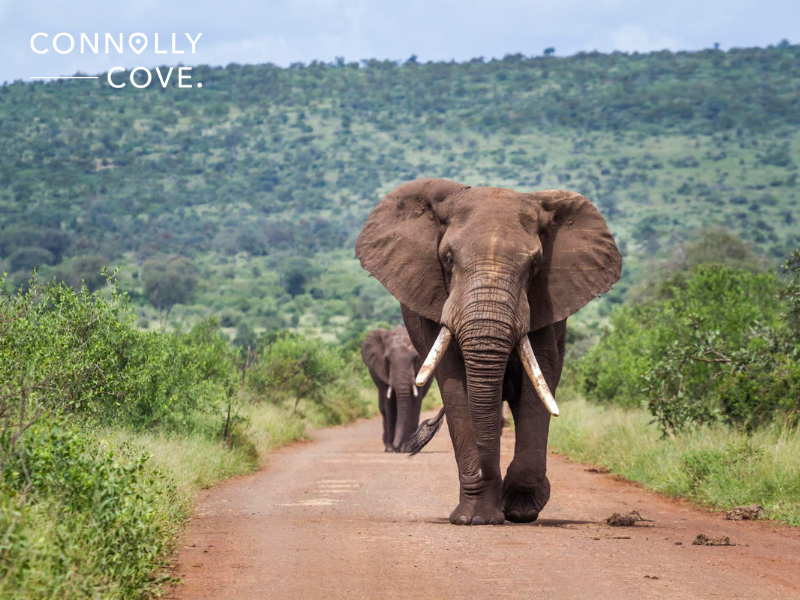
Amboseli National Park is famous for its breathtaking views of elephants against the backdrop of Mount Kilimanjaro. Seeing these majestic creatures against the highest free-standing mountain in the world is an iconic image, offering photographers and wildlife enthusiasts a unique and awe-inspiring experience.
With the highest concentration of elephants in Africa, Amboseli provides a chance to witness these gentle giants in their natural habitat. The park’s conservation efforts have contributed to the well-being of the elephant population, making it a success story in wildlife preservation.
Tsavo East and West National Parks
Tsavo East boasts red-earthed savannas and Tsavo West features volcanic craters and diverse ecosystems. Explore the dramatic variation in landscapes, offering a dynamic safari experience. Tsavo West’s Mzima Springs adds a refreshing touch to the safari adventure with its crystal-clear waters.
Lions, cheetahs, giraffes, and the endangered black rhino are among the many species that call Tsavo home. The parks’ size allows for expansive exploration, allowing visitors to encounter a wide array of wildlife in their natural habitats.
Lake Nakuru National Park
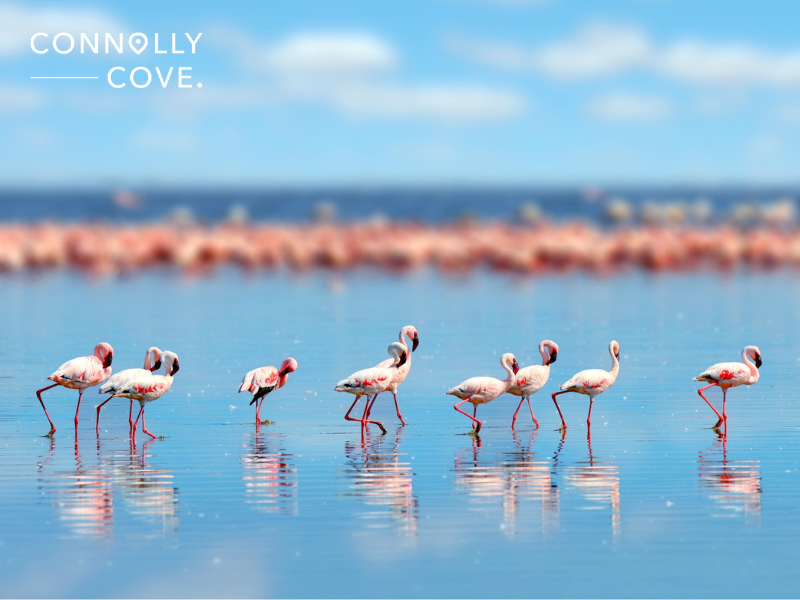
Lake Nakuru transforms into a mesmerising scene with a pink carpet of flamingos along its shores. The visual spectacle is a photographer’s dream and a unique wildlife encounter that showcases the incredible biodiversity of Kenya’s national parks.
Apart from flamingos, the park offers opportunities to spot black and white rhinos, contributing to the conservation efforts to protect these endangered species. Rothschild’s giraffes and diverse birdlife add to the park’s appeal.
Beyond the parks, there are many interactive experiences that you can have with wild animals in Kenya! Here are some of the best ones:
Elephant Orphanage Visit
The Sheldrick Wildlife Trust provides a heartwarming experience as visitors witness the care and rehabilitation of orphaned baby elephants. Learn about the rescue efforts and the trust’s commitment to protecting these gentle giants, fostering a deeper understanding of elephant conservation.
Giraffe Feeding at the Giraffe Centre
Hand-feeding giraffes at the Giraffe Centre is a unique and interactive experience contributing to giraffe conservation efforts. Gain insights into the challenges facing giraffes and the centre’s initiatives aimed at their preservation.
Chimpanzee Tracking in Sweetwaters Game Reserve
Embark on a thrilling adventure in Sweetwaters Game Reserve, tracking chimpanzees through lush forests. Observe their complex social interactions and witness their intelligence and playful nature, providing a rare glimpse into the lives of these endangered primates.
Birdwatching at Lake Baringo
Lake Baringo’s diverse ecosystem hosts over 450 bird species, making it a paradise for birdwatchers. Spotting the elusive African skimmer, marvelling at the vibrant colours of the lilac-breasted roller, and observing the comical antics of the hammerkop offer a rich and immersive birdwatching experience.
10 Things to Do in Kenya Beyond the Safari
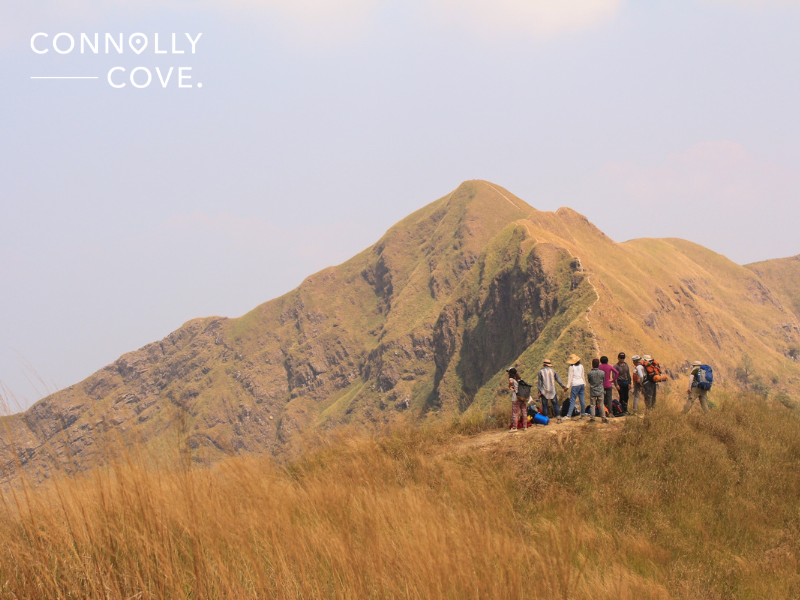
While safaris undoubtedly reign supreme in Kenya, the country’s diverse tapestry offers many experiences far beyond the thrill of spotting wildlife. If you’re seeking things to do in Kenya, lace up your hiking boots, embrace the vibrant culture, and delve into Kenya’s hidden gems for an unforgettable adventure.
Unleash Your Inner Thrill-Seeker
Embark on a journey that caters to the adrenaline enthusiast in you. From conquering Africa’s second-highest peak to navigating thrilling rapids, this section presents exciting activities for those seeking exhilarating things to do in Kenya.
- Scale the Heights: Hike Mount Kenya, Africa’s second-highest peak, and witness breathtaking panoramas from its snow-capped summit. This challenging yet rewarding trek offers diverse terrains and unique ecosystems, making it a must for outdoor enthusiasts looking for exciting things to do in Kenya.
- Ride the Rapids: Embark on an exhilarating whitewater rafting adventure on the Athi River. Navigate through thrilling rapids, paddle through scenic gorges, and immerse yourself in the untamed beauty of the Kenyan wilderness – an adrenaline-pumping option for those seeking adventurous things to do in Kenya.
- Dive into the Deep: Explore the vibrant coral reefs teeming with marine life in Malindi and Watamu Marine National Parks. Scuba dive amidst colourful fish, majestic manta rays, and playful dolphins, or snorkel in shallower waters for an unforgettable underwater experience – a perfect choice for those seeking marine adventures in Kenya.
- Paddle Your Way Through Tranquility: Kayak or take a boat ride on Lake Naivasha, spotting hippos basking in the sun, diverse birdlife soaring overhead, and even the occasional colobus monkey swinging through the trees. This serene escape offers a unique perspective on the lake’s rich ecosystem, providing a tranquil experience for those seeking peaceful things to do in Kenya.
Immerse Yourself in Culture

Delve into the heart of Kenya’s cultural richness. Connect with the Maasai people, explore the vibrant pulse of Nairobi, and savour the bean-to-cup journey on a coffee farm tour. This section unfolds cultural immersion experiences, providing a deeper understanding of Kenya’s diverse heritage.
- Connect with the Maasai: Visit a traditional Maasai village and learn about their fascinating culture, rich traditions, and deep connection to the land. Witness their vibrant dances, participate in beadwork demonstrations, and gain a deeper understanding of their unique way of life – a cultural immersion experience for those seeking authentic things to do in Kenya.
- Explore Nairobi’s Pulse: Immerse yourself in the bustling capital city, Nairobi. Discover vibrant markets like the Maasai Market for handcrafted souvenirs, visit the Karen Blixen Museum for a glimpse into colonial history, and delve into the National Museum to learn about Kenya’s rich cultural heritage – an urban exploration for those seeking city-centric things to do in Kenya.
- Savour the Bean-to-Cup Journey: Embark on a coffee farm tour in the Kenyan highlands, learning about the meticulous process of growing, harvesting, and roasting coffee beans. Savour a cup of freshly brewed Kenyan coffee, renowned for its distinctive aroma and rich flavour – a delightful culinary experience for those seeking flavorful things to do in Kenya.
- Relax on Pristine Shores: Bask on the sun-kissed beaches of Diani and Malindi, offering the perfect blend of relaxation and adventure. Indulge in water sports like windsurfing and kiteboarding, explore nearby marine parks, or simply unwind with a cocktail in hand, soaking in the stunning Indian Ocean views – a coastal retreat for those seeking beach-centric things to do in Kenya.
Kenya’s Off the Beaten Path: Hidden Gems Not to Miss!
While Kenya’s iconic safaris and majestic wildlife are the main draws, the true magic lies in its secret corners, whispering tales of forgotten ruins, untouched wilderness, and unique cultural experiences. If you’re looking for things to do in Kenya beyond the ordinary, join us as we venture beyond the well-trodden path to unveil the country’s hidden gems:
Saiwa Swamp National Park
Step into a primordial world at Saiwa Swamp, one of the unique things to do in Kenya. Home to the elusive and critically endangered Colobus monkeys, the park’s vibrant tapestry of ferns, orchids, and ancient trees will transport you into a scene from Jurassic Park.
Samatian Island
Embark on a boat safari on Lake Baringo to reach Samatian Island, another unique thing to do in Kenya. This haven for endemic bird species offers a chance to spot the comical Shoebill stork and the vibrant Ross’s turaco while exploring a unique island ecosystem.
Takawiri Island
Kayak your way to Takawiri Island on Lake Victoria, a secluded paradise and one of the hidden gems in Kenya. Teeming with birdlife and offering breathtaking sunsets, this island is a unique experience, with opportunities to spot the endangered Sitatunga antelope.
Kitengela Glass Art
Immerse yourself in the vibrant world of contemporary glass art at Kitengela Glass Art, a unique cultural experience in Kenya. Skilled artisans transform molten glass into breathtaking sculptures, jewellery, and homeware, blending traditional techniques with modern innovation.
Arabuko-Sokoke National Park
Discover a hidden rainforest treasure trove in Arabuko-Sokoke National Park, one of the cultural gems in Kenya. Home to the elusive Sokoke Scops Owl and the critically endangered Ader’s Duiker, trek through the dense canopy for a mystical escape into nature’s embrace.
Gede Ruins
Delve into the mysteries of the ancient Swahili civilisation at Gede Ruins, a historical site near Malindi. Explore the remains of mosques, houses, and tombs, providing a unique historical perspective and another cultural gem to explore in Kenya.
Mzima Springs
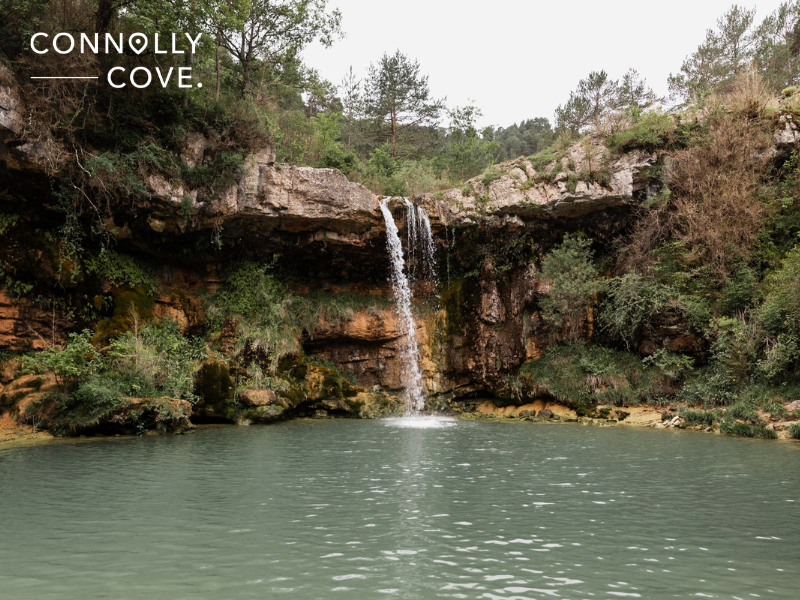
Dive into the crystal-clear waters of Mzima Springs, a natural wonder hidden within Tsavo West National Park and a unique thing to do in Kenya. Witness schools of colourful fish, submerged hippos, and basking crocodiles, creating an unforgettable underwater spectacle.
Mara Naboisho Conservancy
Experience a more intimate and exclusive safari at Mara Naboisho Conservancy, a conservation-focused experience in Kenya. Bordering the Maasai Mara offers a chance to witness incredible wildlife without the crowds while directly contributing to conservation efforts and supporting the local Maasai community.
These are merely a few hidden gems waiting to be discovered in Kenya. The possibilities are endless, from unique wildlife encounters to forgotten historical sites and vibrant cultural experiences. So, if you’re seeking things to do in Kenya that go beyond the familiar, venture beyond the ordinary, embrace the spirit of adventure, and allow Kenya’s hidden gems to weave their magic on your unforgettable journey.
Planning Your Unforgettable Kenyan Adventure: Tips and Essentials
Kenya beckons with its diverse landscapes, captivating wildlife, and vibrant culture. But before embarking on your unforgettable adventure, here’s your guide to planning a smooth and enriching trip:
Finding the Perfect Timing
- Wildlife: Peak season for safaris falls between June and October, coinciding with drier weather and the Great Migration in the Maasai Mara. However, consider shoulder seasons (March-May, November-December) for lower prices and fewer crowds.
- Activities: Hiking Mount Kenya is best attempted during the dry season (December-March). Choose the calm seas between December and April for water activities like diving and snorkelling.
- Festivals: Immerse yourself in Kenya’s vibrant culture by attending festivals like the Mombasa Carnival (November) or the Lamu Cultural Festival (November).
Visas and Travel
- Visa requirements: Most nationalities require a tourist visa, obtainable online or upon arrival. Check for specific requirements based on your passport.
- Flights: Numerous international airlines connect to Nairobi’s Jomo Kenyatta International Airport. Consider domestic flights for further destinations.
- Getting around: Explore Kenya by bus, train, or domestic flights. Taxis and matatus (minibuses) offer local transportation options.
Choosing Your Safari Adventure
- Research safari operators: Select a reputable and responsible operator committed to sustainable practices and animal welfare.
- Tailor your experience: Choose safaris based on your budget, interests (wildlife, photography, etc.), and desired level of luxury.
- Consider private vs. group safaris: Private safaris offer flexibility and personalisation, while group tours are cost-effective and social.
Responsible Tourism Practices
- Respect wildlife: Maintain a safe distance, avoid disrupting animal behaviour, and follow guide instructions.
- Support local communities: Choose locally owned accommodations and shops, contributing directly to the economy. Some of the best tea you’ll ever drink can be found in small hole-in-the-wall spots!
- Minimise environmental impact: Opt for eco-friendly lodges, minimise waste, and respect Kenya’s natural beauty.
Additional Tips
- Pack essentials: Comfortable clothing, sturdy shoes, sunscreen, insect repellent, and a hat are crucial.
- Learn basic Swahili phrases: Enhance your cultural experience and connect with locals.
- Currency exchange: Kenyan Shilling (KES) is the local currency. Consider using ATMs or exchanging currency before arrival.
- Tipping: While not mandatory, tipping guides and service staff are customary.
Remember, the magic of Kenya lies not just in the iconic experiences but also in the hidden gems awaiting discovery. Be a responsible traveller, leaving only footprints and taking only memories. Immerse yourself in the warmth of the Kenyan spirit, connect with the land and its people, and allow yourself to be transformed by the soul of this extraordinary country. Kenya awaits, ready to write a unique chapter in your travelogue. Start planning your unforgettable journey today!
FAQs
Are there cultural experiences to explore in Kenya?
Absolutely! Visit a traditional Maasai village, explore Nairobi’s markets, and indulge in contemporary glass art at Kitengela for unique cultural encounters.
Any recommendations for relaxation on the coast?
Diani and Malindi offer pristine beaches. Indulge in water sports, explore marine parks, or simply unwind with a cocktail for a relaxing coastal experience.
How can I contribute to conservation efforts in Kenya?
Opt for responsible tourism, choose eco-friendly safari operators, and consider visiting Mara Naboisho Conservancy, where your visit directly supports conservation and local communities.
Are there unique culinary experiences in Kenya?
Embark on a coffee farm tour in the Kenyan highlands to savour the bean-to-cup journey, offering a unique and flavorful culinary experience.
What are some off-the-beaten-path discoveries in Kenya?
Venture into Saiwa Swamp National Park, explore the vibrant scenes at Kitengela Glass Art, and visit the lesser-known Mzima Springs in Tsavo West National Park for off-the-beaten-path discoveries.

Discover the Best Scottish Golf Courses for an Unforgettable Golf Break
Scotland
28/04/2024

Irish Folklore: Mythical Monsters and Terrifying Creatures
Ireland
28/04/2024
Discover the Best Scenic Drives in Northern Ireland
Northern Ireland
28/04/2024
Exploring Ireland’s Ancient East
Ireland
28/04/2024
Viking History: Insight into the Age of Phantom Travellers
History and Heritage
28/04/2024