



Updated On: February 03, 2024 by  Maha Yassin
Imagine a place where million-dollar yachts bob along the turquoise Mediterranean, where sleek Formula One cars scream past historic fortresses, and where Michelin-starred meals are served with breathtaking sea views. This is not a fantasy but the captivating reality of visiting Monaco, a tiny principality where luxury and adventure collide in a whirlwind of glamour.
Whether you’re a jet-setter yearning for the glitz of Monte Carlo casinos or a curious explorer seeking hidden gems in the medieval alleys of Monaco-Ville, this vibrant, pocket-sized nation promises an unforgettable experience. But don’t let the image of exclusivity intimidate you! This guide, tailored for luxury travellers and budget-conscious adventurers, will unveil the secrets of navigating Monaco’s diverse offerings. So, buckle up, dear traveller, and prepare to embark on a captivating journey through the playground of the rich and famous, where every corner unveils a unique story waiting to be discovered.
Charting Your Course: Planning Your Visit to Monaco
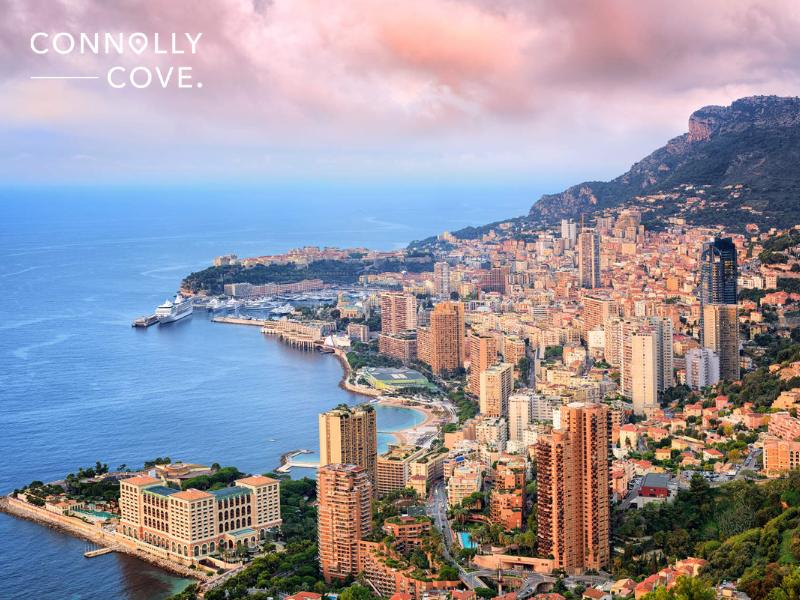
Embarking on your journey to Monaco demands meticulous planning and a dash of flair, much like manoeuvring through the twists of a Formula One Grand Prix. Fear not; this comprehensive guide is your devoted pit crew, committed to ensuring a seamless and thrilling experience while visiting Monaco.
Deciding When to Go
The charm of visiting Monaco gracefully unfurls year-round, resembling the precision of a flawlessly executed Grand Prix. In spring (April-May), the scenery bursts with vibrant hues, providing optimal temperatures for relaxed sightseeing. Summer (June-August) pulsates with energy, showcasing beach days, lively festivals, and the iconic Grand Prix, making it an ideal time for those visiting Monaco.
Autumn (September-October) brings tranquillity with mild weather and reduced crowds, offering a serene experience to those exploring the principality. Meanwhile, winter (November-March) metamorphoses the cityscape into a festive wonderland, creating a perfect backdrop for cosy evenings and cultural events for those enjoying their time visiting Monaco.
Reaching Your Destination
When visiting Monaco, you’ll appreciate its superb connectivity. Opting for a convenient arrival, consider flying into Nice Côte d’Azur Airport (NCE) and enjoying a swift 30-minute train ride. For a picturesque entrance, indulge in a helicopter ride (be ready for a splurge!) or embark on a luxurious yacht journey. If you’re driving from Europe, the scenic coastal roads will treat you to breathtaking panoramas, adding extra glamour to your trip to Monaco.
Navigating the Streets
When visiting Monaco, you’ll find that its compact size makes navigating the area effortless. The well-organised bus network seamlessly links all critical points of interest, and strolling on foot is a delightful way to immerse yourself in the charming atmosphere. Taxis present a convenient option, although they are ready for premium fares. For the eco-conscious traveller, consider renting an electric bike to explore at your own pace while contributing to the principality’s green initiatives.
Finding Your Home Away from Home
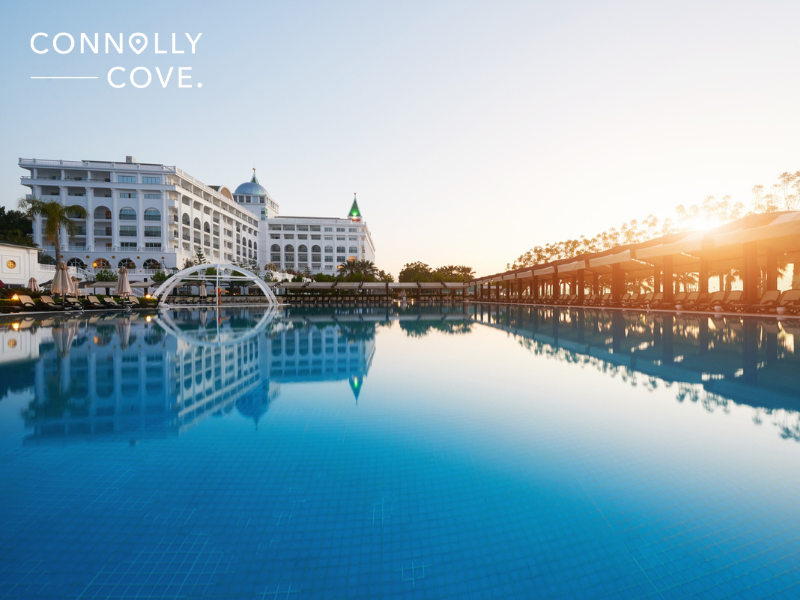
Accommodation in Monaco caters to every taste and budget. Luxury travellers can indulge in palatial hotels with Michelin-starred restaurants and private pools. Budget-conscious explorers can find charming boutique hotels or rent apartments outside the principality. Remember, Monaco is compact, so strategic placement allows easy exploration despite your choice. Here are some recommendations for our favourite stays:
- Hotel de Paris Monte-Carlo (Splurge): Immerse yourself in timeless elegance at this iconic landmark, boasting Michelin-starred dining, a private beach, and breathtaking sea views. Prepare to be dazzled (and pay the price tag to match).
- Hermitage Hotel Monte-Carlo (Luxury): This Belle Époque masterpiece offers palatial rooms, a stunning spa, and panoramic views of the Casino and harbour. Elegance and indulgence await.
- Novotel Monte-Carlo (Mid-Range): Offering modern rooms, a rooftop pool with city views, and a convenient location near the Casino, this hotel balances comfort and value.
- Columbus Monte-Carlo (Mid-Range): This charming boutique hotel boasts a rooftop terrace, an onsite restaurant, and proximity to the beach. Enjoy the personalised touch without breaking the bank.
- Hotel Ambassador Monaco (Budget): Don’t let the name fool you – this simple yet comfortable hotel offers clean rooms, a friendly atmosphere, and a central location. It is ideal for budget-minded travellers who prioritise exploring over extravagant stays.
- Aparthotel Adagio Monaco Monte Cristo (Budget): Located in neighbouring Beausoleil, France, this aparthotel provides budget-friendly studios and apartments with kitchens, perfect for self-catering and longer stays.
Bonus Tip: Consider staying outside Monaco in nearby towns like Beausoleil or Cap d’Ail for significantly lower accommodation costs while enjoying easy access to the principality.
Must-See Gems When Visiting Monaco
Now that you’ve settled into your Monegasque abode get ready to immerse yourself in the heart of the principality’s magic while visiting Monaco! Let’s uncover some must-see attractions catering to diverse interests and budgets, with a deeper dive into each destination:
Monte Carlo Casino
Step into the opulent Belle Époque world of roulette, blackjack, and high-stakes glamour. Even if you’re not a gambler, marvel at the gilded interiors, exquisite frescoes, and abundant gardens adorned with sculptures and fountains. Remember, a dress code applies, so channel your inner James Bond or glamorous socialite.
Casino Square
People-watch in paradise! This iconic square buzzes with luxury cars, designer boutiques like Dior and Chanel, and elegant cafes like Café de Paris, where you can sip on a signature “Princesse Grace” cocktail while watching the world go by.
Formula One Circuit
Unleash your inner speed demon! Take a thrilling tour of the legendary circuit, imagining the roar of engines and the adrenaline rush as you walk along the iconic hairpin turns and the tunnel section. For the ultimate experience, witness motorsport history in the making by attending the Grand Prix, a spectacle that needs no introduction when visiting Monaco.
Monaco-Ville
Wander through the charming cobbled streets of this medieval town perched atop a cliff. Explore the fortified Prince’s Palace, with its opulent State Apartments and changing of the guard ceremony. Climb the dramatic Fort Antoine for panoramic views and delve into the principality’s rich history at the Oceanographic Museum.
Oceanographic Museum
Embark on a journey through the world’s oceans in this iconic museum founded by Prince Albert I. Marvel at diverse marine life, from sharks and jellyfish in the aquarium to the awe-inspiring whale skeleton hanging from the ceiling. Learn about ocean conservation efforts and be inspired by the breathtaking exhibits while visiting Monaco.
Cathedral of Monaco
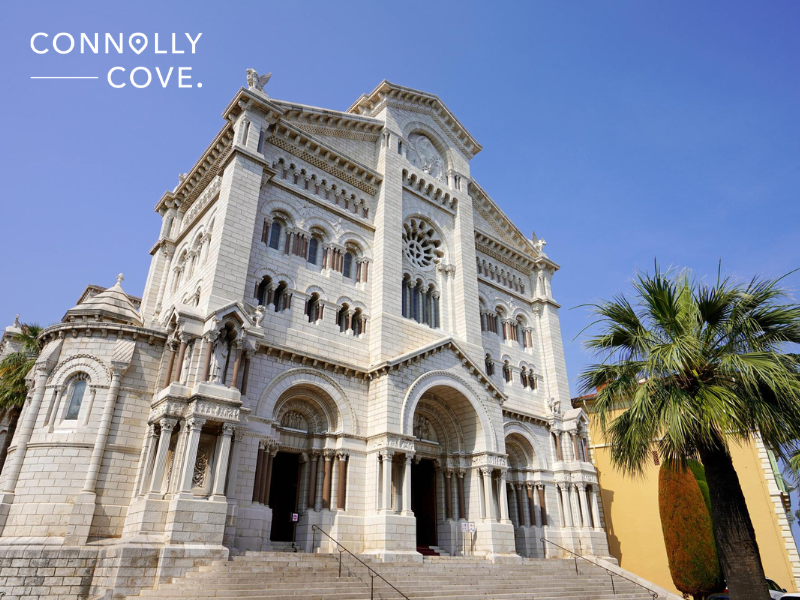
Seek solace and reflection in this Romanesque-Byzantine cathedral, a spiritual haven in the heart of Monaco-Ville. Admire the intricate stained-glass windows, gilded decorations, and the serene atmosphere. Witness the changing of the guard ceremony or simply sit in quiet contemplation.
Japanese Gardens
Immerse yourself in tranquillity amidst meticulously landscaped gardens designed in the Japanese Zen style. Stroll along winding paths, cross over koi ponds, and admire the diverse plant life, including bonsai trees and cherry blossoms. Find a quiet corner for meditation and appreciate the harmonious blend of nature and Japanese design while visiting Monaco.
Jardin Exotique de Monaco
Explore the world’s most extensive collection of succulents and cacti in a dramatic cliffside setting overlooking the Mediterranean Sea. Discover over 6,000 species of cacti, succulents, and other arid plants, from towering agaves to miniature aloes. Enjoy breathtaking panoramic views and marvel at Monaco’s unique plant life.
Larvotto Beach
Escape to this man-made sandy beach, a vibrant oasis in the heart of Monaco. Relax on sun loungers, take a refreshing dip in the turquoise waters, or try water sports like jet skiing or paddleboarding. Soak up the sun, enjoy the vibrant atmosphere, and create lasting memories by the sea while visiting Monaco.
Beyond the Tourist Trail: Monaco’s Hidden Charms
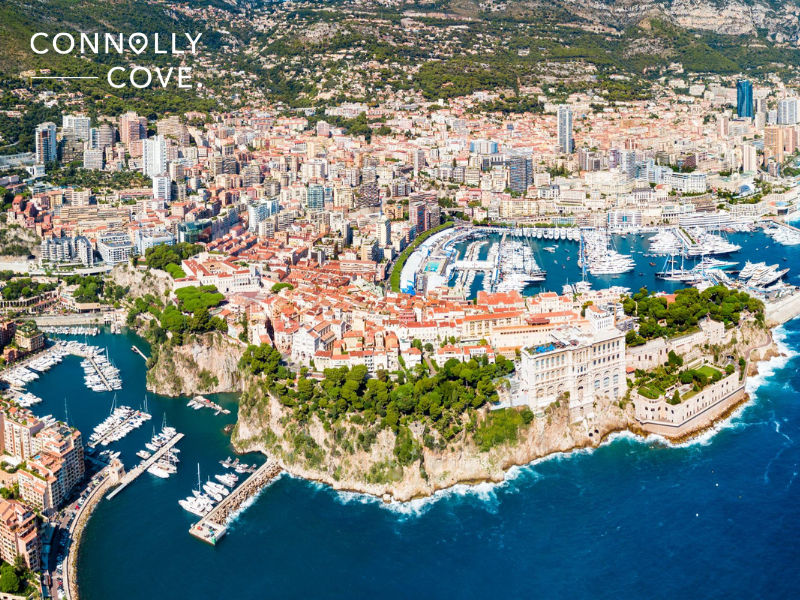
Don’t forget that the true enchantment of visiting Monaco extends beyond the well-trodden paths. Discover hidden gems such as:
Moneghetti District
Escape the hustle and bustle and wander through this charming residential area, where beautiful villas grace the hillsides and manicured gardens bursting with colourful flowers. Experience the serene side of Monaco, away from the crowds.
Thermes Marins Monte-Carlo
Immerse yourself in the ultimate pampering experience at this iconic spa complex, offering luxurious treatments, breathtaking sea views, and a rooftop infinity pool. Rejuvenate your mind and body in a haven of tranquillity and luxury when visiting Monaco.
Day Trip to Nice or Eze
Broaden your horizons with a day trip to explore the vibrant city of Nice, with its charming Promenade des Anglais and bustling Cours Saleya flower market. Alternatively, venture to the medieval hilltop village of Eze, renowned for its traditional handicrafts, breathtaking panoramic views, and the Fragonard perfume factory while visiting Monaco.
Larvotto Beach
Larvotto Beach beckons with its turquoise waters and soft sand. Build sandcastles, lounge under the sun, or try thrilling water sports – this Monegasque gem offers something for everyone. As the sun dips low, savour fresh seafood, witness fiery sunsets, and create lasting memories while visiting Monaco in this vibrant slice of paradise.
Casino Café de Paris
At Café de Paris, time seems to melt away amid marble tables, crystal chandeliers, and the hum of chic conversation. Indulge in a pastry, sip champagne, and people-watch the glamorous set in this iconic slice of Monte Carlo’s golden age. Luxury whispers from every corner, making every visit unforgettable when visiting Monaco.
A Culinary Adventure in Monaco
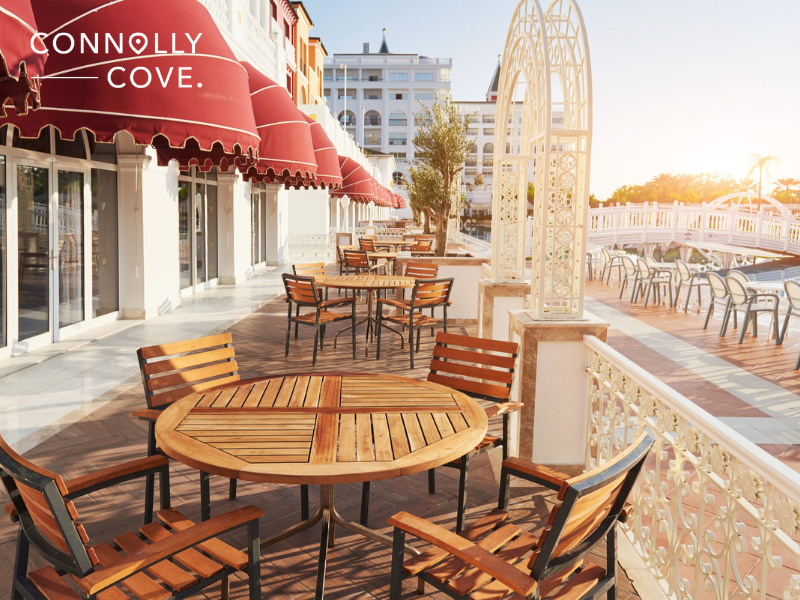
Monaco’s diverse dining scene caters to every palate and budget, just like its attractions. Buckle up, foodies, as we embark on a gastronomic journey through the principality:
For the Michelin Star Chaser
- Le Louis XV – Alain Ducasse: Indulge in this three-Michelin-starred haven’s pinnacle of fine dining. Relish exquisite French cuisine crafted by legendary chef Alain Ducasse amidst breathtaking sea views and impeccable service. Prepare for an unforgettable (and expensive) culinary experience.
- Le Grill: Savor Mediterranean delicacies with a twist at this one-Michelin-starred gem. Enjoy an elegant ambience, attentive service, and stunning rooftop views while indulging in fresh seafood, succulent meats, and delectable desserts.
- Yoshi: Embark on a journey to Japan without leaving Monaco. This acclaimed restaurant combines traditional Japanese culinary techniques with local ingredients, offering a unique and refined dining experience.
For the Casual Gourmet
- La Maison de Paris: Experience authentic Monegasque cuisine in a charming setting. Savour local specialities like a barbarian (fried ravioli) and pissaladière (onion tart) with local wines at friendly prices.
- Stars’n’Bars: Soak up panoramic views from the rooftop terrace of this vibrant restaurant. Enjoy American-inspired dishes like gourmet burgers and pizzas alongside refreshing cocktails in a lively atmosphere.
- Marché de la Condamine: Dive into the local culture at this bustling market. Sample fresh produce, indulge in street food like Socca (chickpea flour pancakes), and grab a picnic by the harbour.
For the Budget-Conscious Foodie
- Pizzeria du Port: Savor delicious wood-fired pizzas at this casual, family-friendly restaurant without breaking the bank. Enjoy authentic Italian flavours in a relaxed setting, perfect for a quick and satisfying meal.
- Crêperies: Find numerous crêperies scattered throughout Monaco, offering both sweet and savoury crepes at affordable prices. Sample traditional fillings like ham and cheese or decadent options like Nutella and bananas.
- Picnics: Embrace the Mediterranean lifestyle and pack a picnic in the scenic Jardins Exotique or Larvotto Beach. Stock up on fresh bread, cheese, charcuterie, and local wines from the market for a delightful and budget-friendly experience.
Remember
- Reservations are recommended for Michelin-starred restaurants, especially during peak season.
- The dress code varies depending on the restaurant, so check beforehand.
- Embrace the “slow food” philosophy and savour every bite of your Monegasque dining experience.
This is just a starting point – Monaco’s culinary scene is as diverse as its landscape. So, explore, experiment, and discover your hidden gems. Bon appétit!
Tips to Budget Your Trip When Visiting Monaco
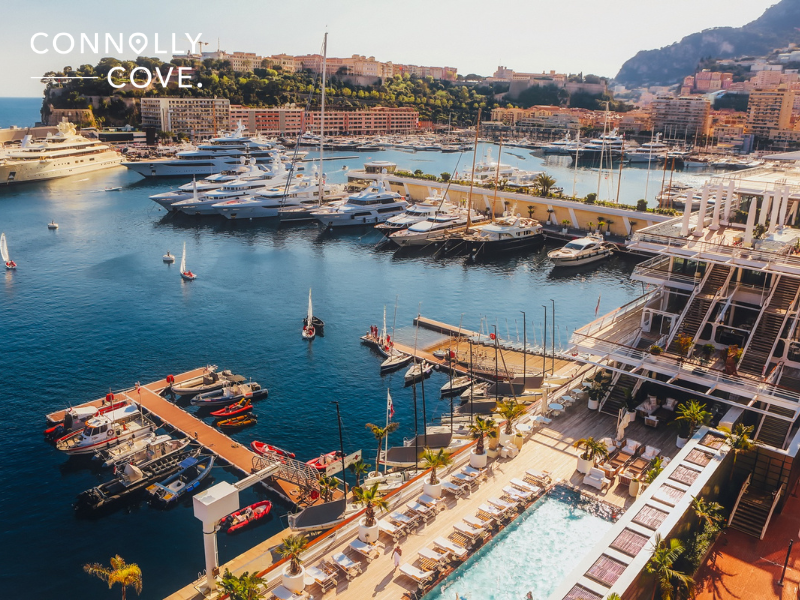
Monaco’s reputation for luxury might send shivers down your budget-conscious spine, but fear not! With a bit of savvy planning, you can experience the magic of this principality without breaking the bank. Here’s your guide to navigating Monaco like a pro, maximising your experience while minimising the impact on your wallet:
Travel Smart
- Consider the shoulder season: Avoid peak tourist months like July and August when prices skyrocket. Aim for April-May or September-October to enjoy pleasant weather and lower costs.
- Explore alternative accommodation: Look beyond Monaco’s luxurious hotels. Consider charming guesthouses, apartments in neighbouring towns like Beausoleil or Cap d’Ail, or hostels for a genuinely budget-friendly option.
- Utilise public transportation: Ditch the taxis and embrace the efficient bus network. It’s an affordable and scenic way to explore the principality. Walking is even better, allowing you to soak up the atmosphere and hidden gems.
Eat like a Local
- Self-catering: Many apartments and studios have kitchenettes, so stock up on groceries from the Marche de la Condamine and enjoy picnics in parks or on your balcony.
- Embrace street food: Samples of delicious and affordable local fare like Socca pancakes, pan bagnat sandwiches, or pissaladière onion tarts from street vendors or small cafes.
- Happy hours: Several restaurants offer discounted drinks and appetisers during happy hour, perfect for enjoying local libations without breaking the bank.
Free & Fun Activities
- Wander the streets: Explore charming Monaco-Ville, soak up the vibrant atmosphere of Casino Square, and marvel at the Prince’s Palace (changing of the guard ceremony is free!).
- Enjoy the beaches: Relax on Larvotto Beach, soak up the sun, and swim in the turquoise waters. Pack your snacks and drinks for a budget-friendly beach day.
- Embrace the outdoors: Hike in the picturesque Jardin Exotique, stroll through the Japanese Gardens or explore the scenic Fontvieille harbour, all for free.
- Free museums: Take advantage of free entry days at museums like the Oceanographic Museum or the National Museum of Monaco.
Extra Money-Saving Tips
- Monaco City Pass: If you visit several museums and attractions, invest in a City Pass. It offers discounted entry and unlimited public transportation, making it cost-effective for busy sightseers.
- Free walking tours: Join a free walking tour to learn about Monaco’s history and culture while getting valuable insider tips from local guides.
- Pack smart: Come prepared with essentials like sunscreen, a water bottle, and comfortable walking shoes to avoid unnecessary purchases while you’re out and about.
Remember, experiencing Monaco isn’t about splurging on every luxury – it’s about immersing yourself in the unique atmosphere, soaking up the culture, and creating lasting memories. With these budget tips and creative planning, you can conquer Monaco like a savvy traveller and discover its magic without compromising your financial peace of mind. Now go forth, explore, and have a blast!
FAQs
Can I explore Monaco on foot, or are there other transportation options?
Monaco’s compact size makes walking enjoyable. Efficient bus networks and eco-friendly electric bike rentals offer convenient alternatives for exploring.
Are there day trip options from Monaco?
Yes, embark on a day trip to Nice for its vibrant city life or visit the medieval village of Eze, known for traditional crafts and panoramic views.
What’s the dress code at the Monte Carlo Casino?
The casino has a formal dress code. Channel your inner James Bond for an evening of glamour and high-stakes excitement when visiting Monaco.
How can I enjoy Larvotto Beach to the fullest?
Relax on its sandy shores, engage in water sports, and savour fresh seafood at beachside restaurants while witnessing spectacular sunsets when visiting Monaco.

The Life and Legacy of Robert the Bruce: Scotland’s Heroic King
Scotland
02/05/2024

Unveiling the Meaning of the Celtic Motherhood Knot
Culture Exploration
02/05/2024
The Town of Killybegs: The Amazing Gem of Donegal
County Donegal
02/05/2024
Belfast Giants: An Irish Sport Success Story
Ireland
02/05/2024
The Meaning and Power of the Irish Blessing Prayer
Culture Exploration
02/05/2024