


Leprechauns: the Famous Tiny-Bodied Fairies of Ireland
Updated On: April 22, 2024 by  Ciaran Connolly
Throughout the years, cultures develop their own beliefs and mythological tales. Some of these tales continue to descend to the younger generations for many years.
These years’ length can result in losing the sources behind the myths and legends.
Above and beyond, there are times when the thin line between the truth and mythology becomes blurry. That’s when people tend to forget what wasn’t real and start having the impulse to believe unreal stories, including the leprechauns.
Ireland is a country that has been popular for its extraordinarily imaginative tales. Some are only popular in Ireland, while others the world is quite familiar with.
One of these Irish tales is The Leprechauns. Many people know what the Leprechauns are, but very few know the origin and sources of those creatures. They stood in the hall of fame by appearing in Hollywood movies and stories of other cultures.
The Irish Mythology
Mythology is a part of every culture. It makes up a lot of its traditions and beliefs. Even if lots of traditions and customs may change over time, the old ones keep coming back. They come as an unbreakable habit or laughter that people share.
The ancient history of Ireland involves a wide array of legends and myths. Some of them were pretty tragic, while others were interestingly exciting. The legend of leprechauns seems to be more interesting than tragic. Many cultures have come to terms with the existence of these creatures and included them in some of their movies and stories.
Returning to Ireland’s history and its popularity of fantastic legends, some stories have taken their toll on the country. For example, one of Ireland’s famous legends was the Children of Lir. It’s a tragic story of young kids who were transformed into swans by their evil stepmother. People who know this story would understand swans’ special treatment in Ireland. Besides the legends, Ireland possesses many pretty, mesmerizing castles.
No matter how famous a legend is, it can undergo several changes. The origin of the story will not be that different. However, the plot may include slight changes and the endings as well. The same goes for the legend of the Leprechauns. Shortly, you’ll realize that you may have seen a leprechaun at least once.
What Is The Leprechaun?
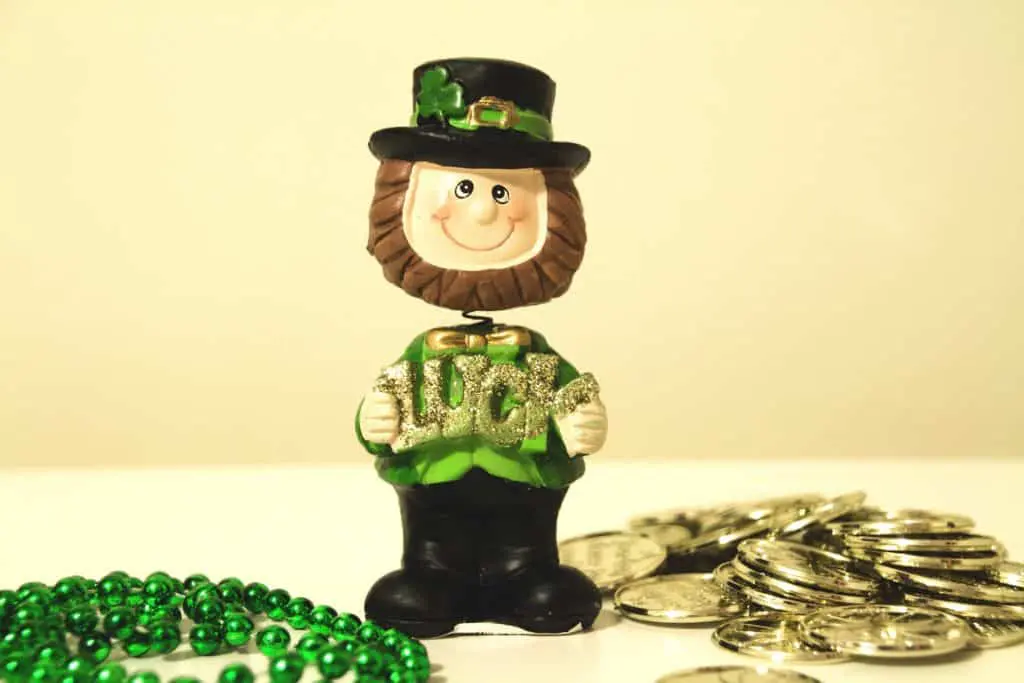
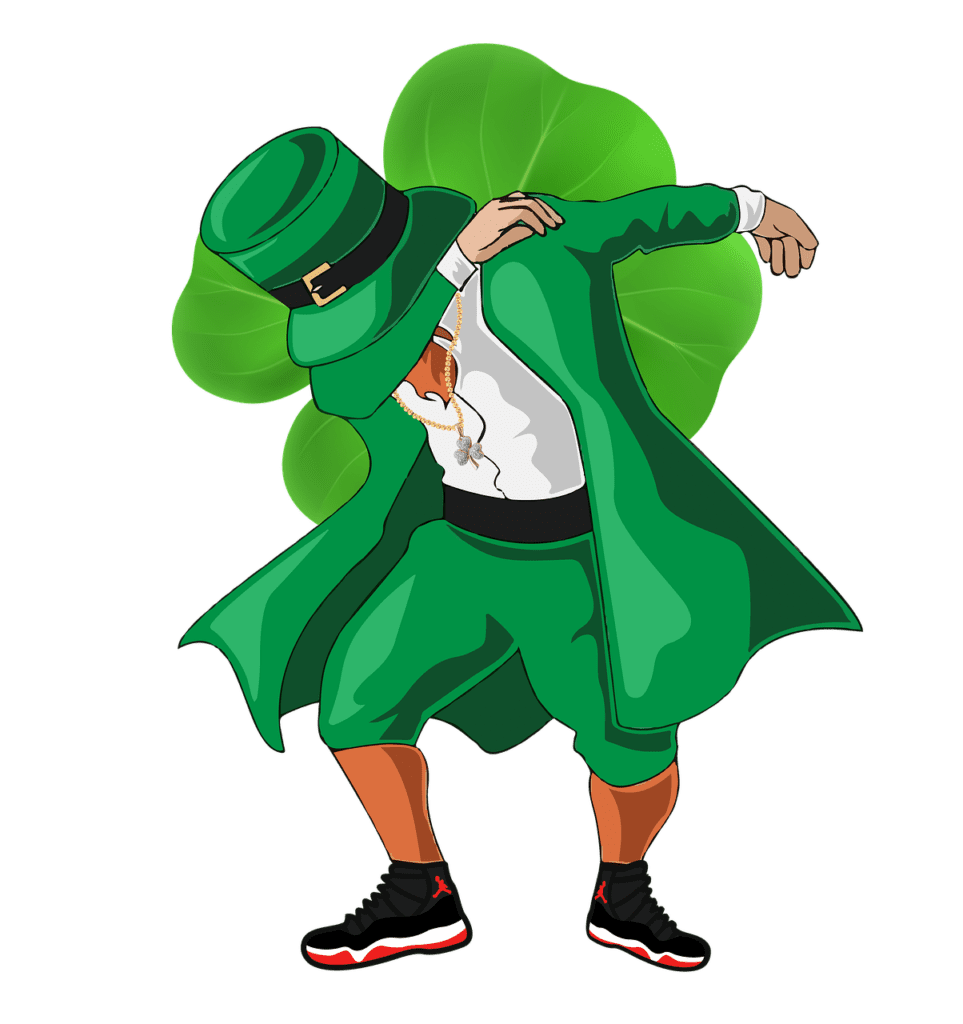
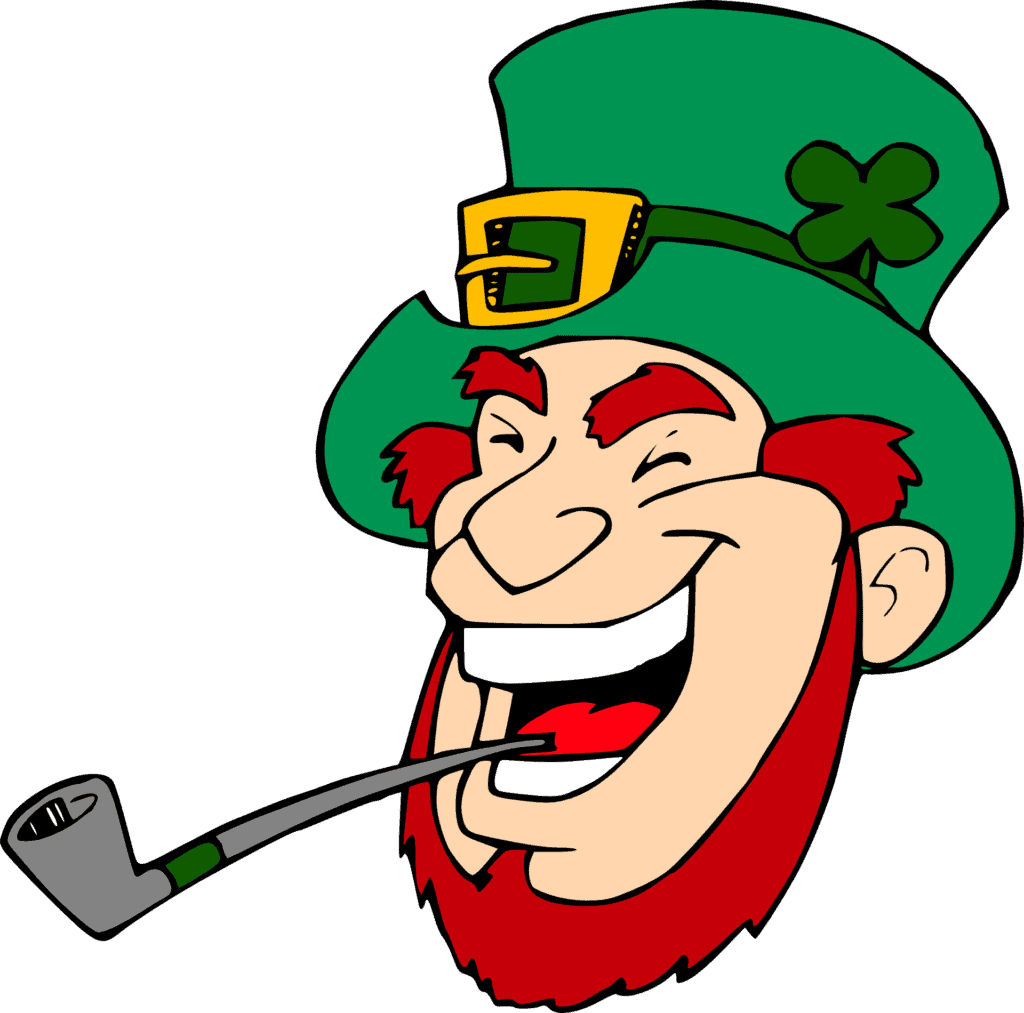
A Leprechaun is a specific kind of fairy that has always existed in the folklore of Ireland. The portrayal of these fairies usually involves men with heavy beards and tiny bodies. Also, they generally wear a mostly green-coloured coat and a hat.
Unfortunately, those tiny creatures aren’t the type of fairies that have pixie dust and good hearts. Conversely, they are the ones who get pleasure from engaging in damaging behaviours and harm.
According to the Irish folklore, Leprechauns are not friendly creatures. They prefer spending time alone to mend and make shoes; the latter seems to be their greatest passion. One more thing that has evolved within the belief of those tiny-bodied creatures is that they hide a pot of gold at the end of the rainbow.
Since they are fairies, they are capable of granting wishes. The folklore says that if a human happens to capture one of them, the leprechaun will have to grant him three wishes. Once these wishes come to reality, the leprechaun is free to go.
Although Irish history sometimes gets confusing, most tales belong to the mythological cycle. This cycle is the one from which the Tuatha Dé Danann belonged. It is said that the leprechauns derive from the Tuatha De Danann, just like most of the other Irish fairies.
The Tuatha De Danann
The Tuatha De Danann appears in so many legends in Irish mythology. You may as well feel like they appear in all of them, so who exactly are they?
Well, the Tuatha De Danann is a tribe according to Irish mythology. They were an Irish race that existed during the ancient times of Ireland. They were supernatural people who lived in Ireland long before Christianity came to being. Many of the most prominent characters in Irish mythology belong to this race. That includes the little fairy creature, the leprechaun.
The name “Tuatha De Danann” means the tribe of god. Those people used to believe in god firmly. Danann wasn’t the Irish equivalent of the general word “God”. It refers to the name of the Goddess that those people used to believe in.
Her name was either said as Dana or Danu. The legends and stories behind Dana were not that clear; she had not appeared in my ancient myths and legends. Conversely, that does not change the fact that she was the Goddess of Tuatha De Danann.
The Origin of the Tuatha De Danann
The Tuatha De Danann was one of the leading races in the Irish folklore. It embraced many, if not all, of the well-known Irish characters. That includes the Leprechaun creature. Despite being one of the most dominant races in ancient Ireland, the Tuatha De Danann descended from other prominent races.
Long before they existed, the Nemeds happened to take over. The Nemeds were the ancestors of the Tuatha De Danann. This analysis showed that they both seem to come from the same cities. Every race in the Irish folklore has an origin and a hometown.
For the Tuatha De Danann, they were four different cities. Those cities were home to the two races. They all lay in the northern part of Ireland. These cities included Falias, Gorias, Murias, and Finias.
Etymology Of The Word Leprechaun
Understandably, legends and myths always include unrealistic creatures, whether fairies, monsters, or other inhumane creatures. Well, when the little fairies came into being.
They were imagined in a particular form, but what escorted whoever came up with the idea of them to name them as leprechauns? It doesn’t necessarily mean the person who invented them was the same one giving them that term. The point is that this word has an etymology, and it explains why they were named so.
The word leprechauns is derived from an Irish word, leipreachán. According to Patrick Dinneen, this word means an elf or a fairy. The original derivation of this word seems to be missing.
However, many sources anticipated that this word may be highly derived from the Middle Irish word, luchrupán. The word is a compound of two words: lu, which means small, and corp, meaning body.
Creatures Related To The Leprechaun
While some sources state that they belong to the Tuatha De Danann, others seem to have different opinions. They were not human beings, but they had the appearance of them.
Sources say that these fairies have something to do with two other creatures: the clurichauns and the far darrig. The two mentioned creatures are sometimes confused with leprechauns.
In some cases, the word leprechaun is more commonly used even when referring to other related creatures, just because the word sounds more familiar to people. Moreover, the confusion of the appearance of the little fairies may be highly attributed to the mistakes of the other creatures.
Clurichauns
The clurichaun is another fairy creature from Ireland. It resembles the leprechaun; even in some folklore tales, the clurichaun is described as a nocturnal leprechaun.
The tales narrate the clurichaun is the creature that the leprechaun becomes at night after he drinks to call it a day. The confusion is mainly because almost all tales depict the clurichauns as drunken creatures. On the other hand, some fables describe the clurichauns as skilful dogs and sheep riders; they enjoy riding these animals at night.
Tales say how the clurichauns treat your wine says much about their relationship with you. In other words, clurichauns are friendly whenever you treat them well; they will protect your wine cellar. Conversely, mistreating them will cause chaos in your wine stock.
Earliest Appearance of the Clurichauns in the Irish Folklore
The first appearance of the clurichaun was in the book Four Different Faces by C.J. Cala. The creature appeared in the book’s first story as a prominent character named Kweequel.
Other references to the clurichaun creatures include being a regular character, under the name Cluracan, in the comic series Neil Gaiman. The appearances also include The Sandman and its derivative series, The Dreaming.
Their Outer Appearance
Despite their remarkable resemblance to the leprechauns, the clurichauns are usually depicted as tall rather than short fairies. Tales say they are blond and elegant, although they are always drunk.
In 1855, Nicholas O’Kearney described the fairies as follows: “The Clobhair-ceann was another being of the same class: he was a jolly, red-faced, drunken little fellow, and was ever found in the cellars of the debauchee, Bacchus-like, astride of the wine butt with a brimful tankard in hand, drinking and singing away merrily. Any wine cellar known to be haunted by this sprite was doomed to bring its owner to speedy ruin.”
Far Darrig
A far darrig is another famous fairy in Irish mythology. In Old Irish, fear dearg is the common name of this creature. It means the Red Man. The name is because folklorists always portray the far darrig, or the fear dearg, as wearing a red coat and a cap.
They are linked to the leprechauns; however, those fairy creatures aren’t human beings. But, the leprechauns look more humane than the far darrig.
Besides being red men, they were also, in some cases, called the Rat Boys. These creatures had tails and were rather fat, with hairy skin and a dark complexion. Just like their fellow creatures, they enjoy performing mischievous behaviour.
Where the Creature First Appeared
The rat-like creature made an appearance in more than a few books. These books include the Merry Gentry series by Laurell K. Hamilton, where the far darrig appeared in the Divine Misdemeanors.
In this plot, he asks Merry to give him a suitable name. The red fairy also appeared in the book series Callahan’s Crosstime Saloon and Shattered, which is part of The Iron of Druid Chronicles.
In the latter tale, the far darrig attacks the main character, and the plot involves describing it as a creature with the face of a rat wearing a red coat. Aside from the books, this creature also appeared in a video game, folklore.
It was a trending game for the PlayStation 3 game console. The creature appears with the name Fir Darrig, and its role in the game is to give out missions.
The Depiction Of The Leprechauns
Well, there have been multiple descriptions of a leprechaun. It has always differed according to each person; they get to decide how to portray them, but, in the end, there were a trait or two, or even more, that most of the portrayers shared in common.
On the other hand, the depiction here is not in appearance but in how they act, what they love, and what they were around for.
The typical portrayal of leprechauns included them being solitary creatures who enjoy making and mending shoes throughout their lives. They also love practical jokes, and according to several tales, they were wealthy and hid a treasure box at the end of the rainbow.
Conversely, some poets and authors have other perspectives regarding those tiny creatures. William Butler Yeats- an Irish poet- believed that those fairies were extremely wealthy for a reason. He thought the reason lay in the “treasure-crocks, buried of old in war-time.”
When it comes to David Russell McAnally, the author of Irish Wonders, he tended to believe that those leprechauns were sons of an evil spirit and a wicked fairy, making them neither wholly suitable nor the other way around.
Their Appearance in the Irish Folklore
Despite their fame in most cultures, leprechauns seem to appear in Irish mythology the least frequently. They have been popular in folklore since ancient times.
However, their existence was not of any significance. It was only later that these creatures became prominent. Despite being popular or not, they had a different appearance depending on the Irish city they came from.
Above and beyond, authors and poets seemed to have different opinions regarding the attires of the leprechauns. Still, they shared the similarity of the dominant colours of clothes that those creatures wore. These colours were mainly either green or red. During ancient times, red was a more common colour when it came to the attires of the leprechauns. Later, green became more famous for some reason.
Samuel Lover
According to the Irish author Samuel Lover, he included in one of his writings in 1831 that the leprechauns wore red. The following quote is an excerpt from his writings describing the appearance of the leprechauns.
“… quite a beau in his dress, notwithstanding, for he wears a red square-cut coat, richly laced with gold, and inexpressible of the same, cocked hat, shoes and buckles.”
William Butler Yeats
Yeats had a different opinion regarding the outfits of the little creatures. He believed that those solitary creatures, the leprechauns, wore red jackets while the Trooping Fairies- supposedly creatures that resembled them a bit- wore green, and that was where the confusion came from. Yeats described their jackets as attires that had seven rows of buttons. Besides, he stated in one of his writings that, in Ulster, these creatures wear an elevated hat on which they jump to a wall and swirl. They do so and balance themselves on the point of the hat while letting their heels in the air; those gestures mean they are up to something wicked.
David Russell McAnally
McAnally’s opinion seemed to resemble that of Yeats pretty much. He said they wore little red jackets with grey or black stockings and a hat. Again, despite the tiny size of those creatures, their faces had wrinkles and looked old and waned.
Since the leprechauns’ appearance differs according to their region, McAnally depicted how each leprechaun from each region nearly looked. The depictions included all of the following:
- Leprechauns from Northern Ireland wore a military red coat with white breeches. They also wore pointed hats on which they stood with their heels in the air.
- A Tipperary leprechaun wore “an antique slashed red jacket, with peaks all round and a jockey cap, also sporting a sword, which he uses as a magic wand”.
- Monaghan’s leprechauns wore red coats, a green vest, white breeches, and black stockings. They also had shiny shoes and long hats that they used as weapons.
William Allingham
William Allingham was an Irish poet who wrote multiple poems during the 18th century. He had a poem called The Leprechaun, which meant the fairy shoemaker. The latter sometimes referred to the poem as well. In this poem, he described the little fairies as follows:
“A wrinkled, wizened, and bearded Elf,
Spectacles stuck on his pointed nose; Silver buckles to his hose,
Leather apron — shoe in his lap.”
The Modern Portrayal
Red was the standard attire for the little fairies in the ancient tales. However, the modern image had changed a bit, portraying them as creatures with red beards and wearing green hats. We can say that the contemporary version is a mixture of the beliefs of different regions.
The Earliest Reference To The Leprechauns In The Irish Legend
The tiny fairy creatures appeared for the first time in a medieval tale quite popular in Ireland.
This tale was the Echtra Fergus Mac Leti; it means the Adventure of Fergus, Son of Leti. We’ll get into more details later regarding the meaning of this word in Irish mythology and the story.
Briefly, the leprechauns came to life after this particular tale; it was a story about the King of Ulster, Fergus, who fell asleep while he was on the beach. Upon waking up, he realized three creatures were dragging his body into the sea.
Abruptly breaking free, he captured the three of them, and they had to offer him to grant three of his wishes so he could let them go.
Meaning of the Word, Echtra
In Old Irish literature, the word Echtra was a category. This category was about a hero’s adventures in the otherworld. Echtra was one of the genres quite popular in old Ireland’s literature.
The plot of the Echtra always involves a hero that a beautiful maiden invites to the otherworld. In some cases, a great warrior is the one who gets to invite the hero. Once the invitation gets to the hero, he must cross the western ocean or a mystically fogged plain.
The end of the Echtra story and the hero’s fate depend on the tale; it differs from one to another.
The hero’s fate in every version is different. Some versions have the hero stay among the sidhe and Tuatha De Dannan; others have him return to his hometown with gifts and the new knowledge he acquired.
Moreover, there were times when the hero thought the time had stopped when centuries had passed. In the tale Voyage of Bran, the hero tells his stories to folks on a shore before he sails off, while in another famous tale, the hero touches the ground and ages rapidly. He tells Saint Patrick his story and converts to Christianity before his death.
Fergus Mac Leti
After learning about the meaning of the word Echtra, it is about time to go back to the source that led to mentioning all of those talks, the leprechauns. The little fairies first appeared in the eEhtra Fergus Mac Leti.
The latter was the king of Ulster, according to the Irish legend. He ruled only the southern part of the city, Ulster. Throughout the plot, Fergus mac Leti meets one of the little-bodied creatures. They tried to drag him to the sea while he fell asleep on the shore, but they failed.
Fergus would not let the three little creatures go unless they granted him his wishes. His first wish was to be capable of breathing underwater. He had what he asked for. On one fine day, he encountered a sea monster that he couldn’t get away from. Fergus didn’t die, but his face was deformed, which would take away the kingship from him.
However, the Ulsterman did not want Fergus overthrown, so they removed all the mirrors to prevent him from learning about his deformity. Eventually, he knew the truth from a serving girl whom he whipped, and she had to burst out the truth out of anger.
The Original Story Of The Fairy Creatures
It may be confusing; the leprechauns have appeared in more than a few tales yet don’t have their own. Whether they have their own story or not, they possess unique traits that no one else possesses.
Besides, they were not very popular until modern times. You may find yourself hearing a lot about them in the middle of March. Why? Because it is the month on which Saint Patrick Day falls, when everyone seems Irish.
What is Saint Patrick Day?
It is an Irish public and national holiday held on 17 March. It is also the day on which St. Patrick died, so the day must be memorable, for Saint Patrick was the prime patron saint of Ireland. Some people also refer to that day as the Feast of Saint Patrick. They celebrate the cultural and religious norms of the country on that day.
Saint Patrick was the one who allowed Christianity to arrive in Ireland. However, the celebration is not limited to religious purposes. It also includes celebrating the heritage and culture of Ireland in general.
Consequently, you hear about the leprechauns that day, for they are part of the heritage and legends. The celebration of that day also includes appreciating the shamrock leaves.
Saint Patrick used the latter as a three-leave plant to explain the trinity to the Irish pagans during ancient times. Besides, wearing green on that day is a traditional norm, too. Leprechauns were believed to have worn green attires and a green pointed hat.
The Leprechauns’ Story
More than a few sources have linked the leprechauns to the Tuatha De Danann, but looking back at the very beginning of their existence, you’ll find different tales.
There were lands on which the dwarfs, hobbits, and elves peacefully resided together. They intermarried, and, as a result, a new race came into being. This race is what we now call the leprechauns.
Again, they were solitary creatures, but despite all the tales about them, their message was to help the poor. Their kindness does not change that they were highly skilled at betrayal and deception.
Collaborating with Santa Claus
Santa Claus learnt about the little creatures’ friendliness and exceptional crafts work skills. He invited them to work at his massive workshop.
As a result, many of the leprechauns and elves left for the North Pole and remained Santa’s working crew for years and years.
Alas, the leprechauns’ troublemaking nature took over on one of the Christmas seasons. A few days before it was the high time of Christmas Eve, while their elves fellows fell asleep, they stole the toys that Santa stored away for Christmas and hid them.
The next day, while loudly laughing, they confessed to Bon-Tilith, the Chief, what they had done. The place where they hid the toys turned into ashes due to a terrible storm that hit the spot, and none remained.
There was not enough time to get more toys and deliver them on time. Christmas was destroyed, and that was an unfortunate and rare incident. Santa was upset and overwhelmed. He had to banish the leprechauns from the North Pole for good.
Leprechauns’ Lives after the Banishment
They left the North Pole to Greenland and then to Iceland. Word had rapidly travelled; it was, in fact, faster than they thought, so no one wanted to have them work or stay around.
Above and beyond, leprechauns were not abundant, so they looked very strange to other folks worldwide. Eventually, they resided in the Northern parts and mourned their lousy luck.
After a while, they decided to cooperate and dedicate their lives to doing good deeds and helping others. That way, they thought they would make up for their horrible mistake.
They decided to steal only to help the poor, so they came up with a ridiculous story about the existence of a gold pot at the end of the rainbow.
To do that, they told this story to the wealthy and affluent people willing to listen. However, they always promised to guide these rich people to the place of the pot of gold, convincing them that they could have it, but they asked for payment for their services.
The payment was usually gold, expensive materials, or toys. However, it was one of their scams and silly tricks. In no time, they became the most prosperous and wealthy creatures all around the globe.
Leprechaunism Disease
Interestingly, a disease has been linked to the traits of the leprechauns. It is rare, but it exists. Afar, from its scientific name, some people refer to it as leprechaunism.
The scientific term for this disease is Donohue syndrome. It is a sporadic disorder in which the body starts resisting insulin insanely. This resistance may result in peculiar features, including delays in the body’s growth and dysfunction of the endocrine system. Babies who get this disorder may experience meagre weight, a relatively larger head or face in comparison to the body, and enlargement of the genital organs.
Other Fun And Interesting Facts
The whole thing about leprechauns is quite interesting. They are thought-provoking creatures. Learning about them is fun, and knowing that a disease is linked to them in the real world is even more fun. If you are still looking to learn more and more fun facts about them, check the following list.
- THEY ARE ONLY ONE-GENDERED
- Leprechauns have always been males. There is no tale of a leprechaun being a female. The reason behind this fact is unknown; however, some sources state that leprechauns are unwanted fairies. Their community tossed them away and only kept the other regular fairies.
- THEY ARE ACTUALLY FAIRIES
- We have already mentioned this fact before. They are fairy creatures, except that they do not match the standard descriptions of fairies. Their difference won’t change because they descend from the fairy family.
- Maybe that is why some sources claim their community is tossed away for being different fairies. Other legends state that these mythical fairies descend from the Tuatha De Danann race and used to inhabit Ireland long before the humans did.
- THE EUROPEAN LAW PROTECTS THEM
- In the Caverns of Carlington Mountain, around 236 leprechauns reside there. There is a law that states that they are protected and kept in a sanctuary that exists in the mountains. They exist along with other biodiverse nature, including several types of animals and flora.
- LEPRECHAUNS ARE ORIGINALLY GODS
- Again, the origin of the leprechauns keeps getting complicated. Some sources claim that these fairy creatures derive from an Irish deity, Lugh, who was the god of the Sun, Arts, and Crafts. Lugh kept on being a divine figure until Christianity rose in Ireland. That was when his importance started to fade away and be downgraded to a less-end status by becoming a shoe-maker.
- THEY AREN’T ALWAYS THE BAD GUYS
- Leprechauns are famous for being sneaky and tricky. In every tale you read about them, you’ll find the characters whining about those little scammers. However, they can be kind at other times, too. This takes place in sporadic incidents, but it still happens. When a person is some sort to them, they spontaneously reveal their generous side. There was a tale where a nobleman offered a leprechaun a ride. In return, the leprechaun painted the man’s place’s ceiling with gold.
- PORTLAND, OREGAN HAS A LEPRECHAUN COLONY
- A journalist once noticed a small hole in which he made use. He added flowers and miniature signs that state that the little place is the smallest park in the world. He started writing stories in a newspaper about this little spot. All of his stories were a collection of a leprechaun’s adventure. One day, the natural place became a public city park where people celebrate St. Patrick’s Day.
- ENCOURAGEMENT OF THE LEPRECHAUN COSTUMES
- On Saint Patrick’s Day, you wear green attires and recall the Irish heritage and legends. Since the modern portrayal of leprechauns involves green attires, marathons on 17 March encourage people to dress like a leprechaun. They do it for a good cause; they help raise money for charity while celebrating the festive day and keeping the Irish legends live. After all, being a leprechaun is not always about tricks and scams; it could be all for good deeds.
- THE BEST IN THE COBBLING BUSINESS
- A leprechaun loves spending most of the time on his own. Besides, those little creatures are famous for their insane wealth. Some sources claim that their wealth goes back to their exceptional skills in crafting shoes or their brilliance in performing tricks and scams. However, other sources claim that the reason behind every leprechaun’s wealth is that they are the creatures that protect the treasures of the fairy world.
- MAKING A LEPRECHAUN TRAP IS AN ACTIVITY
- On Saint Patrick’s Day, there are a lot of activities to participate in and enjoy your time. However, remember that you are trying to set a trap for a leprechaun this March and do it with your little kids for extra fun. Well, after all you have learnt about a leprechaun, it must be pretty guessable how to lure them. A shoebox or something shiny that looks like real gold will do the trick. You will find a bunch of little men gathering around your genius trap. But, just for your information, they are sneaky creatures and capturing them is not as easy as it sounds. In all tales, no one has ever captured a leprechaun easily. Anyway, it does not hurt to try your luck and use different methods.
- THE ANNUAL LEPRECHAUN HUNT
- As previously stated, the Carlingford Mountain in Ireland embraces a reasonable number of real leprechauns, as people claim. One day, a businessman found traces of a real leprechaun; they included bones, a little suit, and gold coins. The mountain authorities kept the evidence behind a glass for visitors to behold. This has led to a new tradition where 100 ceramic leprechauns get hidden in the mountain as a ritual of an annual hunt. Tourists come and pay every year, trying to hunt down those little creatures for fun.
There seems to be a pool of tales about those fun little creatures. There are also a bunch of movies that feature leprechauns, so indulge in watching some, or even all, of them to have a fun time. On a final note – we have seen the spellings of these creatures change depending on region or country; some call them leperchauns, some leprachauns, others leprechsuns, leperchans or even lepercons 🙂 No matter what they are called – they are all the same.
Check out some of our other blog posts that you might find interesting: Toasts of Ireland | Children of Lir | Fairy Glen | The Banshee | Irish Legends and Tales | Legendary Irish Castles | Gaelic Ireland.

Top Things To Do in Hamburg: A Hamburger’s Guide!
Germany
27/04/2024

Take a Look at the Astounding Scenery of County Kerry
County Kerry
27/04/2024
Famous Haunted Houses in Egypt: Spooky Stories for Halloween
Destinations
27/04/2024

St. Paul’s Cathedral – London Attractions
England
27/04/2024

Great Scotland Yard – London Attractions
England
27/04/2024