

Northern Ireland’s Hidden Gems: Explore the Best Castle Hotels
Updated On: April 16, 2024 by  Fatma Mohamed
Have you ever dreamt of being lord (or lady) of your own castle? In Northern Ireland, the dreams come true. Castle Hotels in Northern Ireland provides you with a magical trip mixed with royalty, luxury, rich history, and stunning landscape.
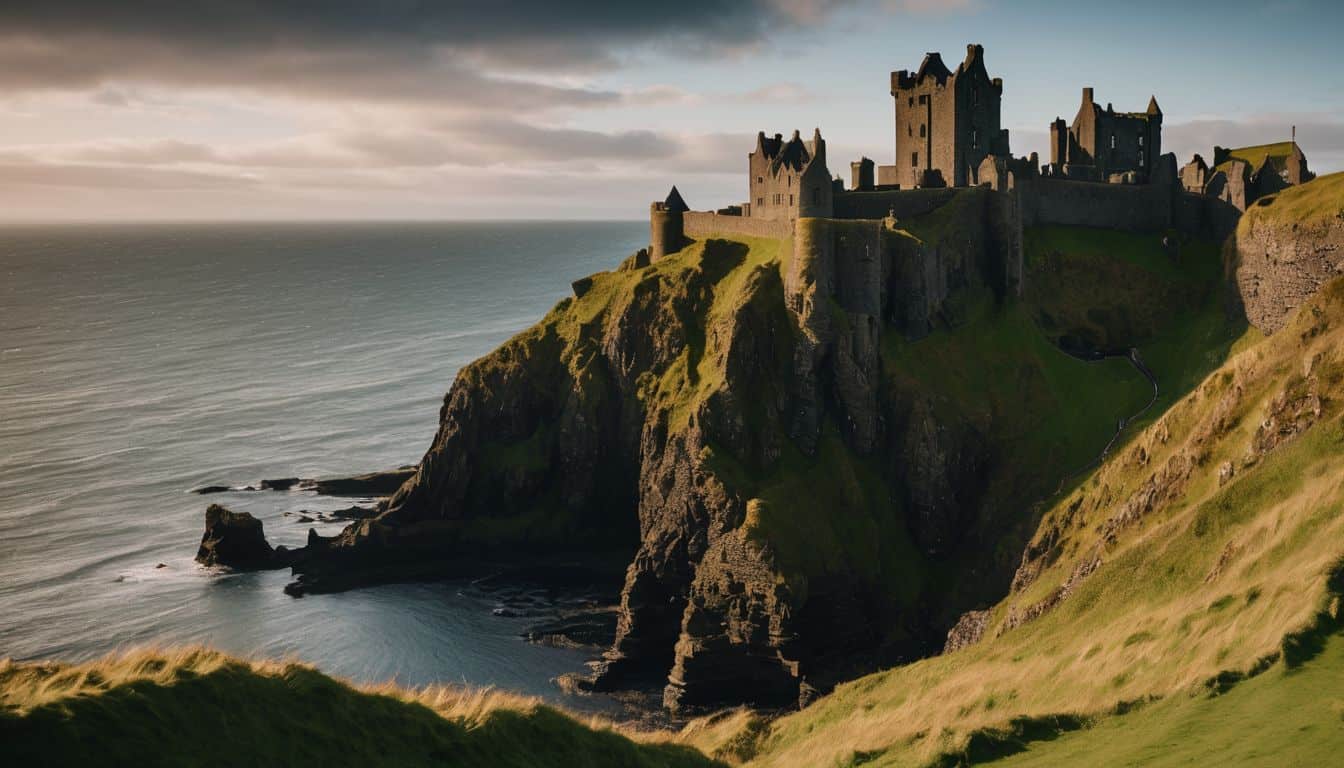
Choose from majestic fortresses perched on rugged coastlines like Ballygally Castle Hotel, fairytale towers hidden in lush forests like Crom Castle, and elegant manor houses steeped in Victorian charm like Slieve Donard. Each castle hotel promises a unique experience, a chance to step back in time and create your own royal story.
From indulging in Michelin-starred dining at Culloden Estate and Spa to exploring ancient battlements at Killeavy Castle, your reign awaits. Let history whisper its secrets as you wander secret gardens or pamper yourself in luxurious spas.
So pack your crown (or tiara!), ditch the guidebooks, and trade your sightseeing shoes for slippers – it’s time to become royalty for a night (or maybe even a week) in the magical land of Northern Ireland’s castle hotels.
Top Castles Hotels in Northern Ireland
When it comes to choosing the best castles to stay in Northern Ireland, there are several options to choose from, but these are our top recommendations: Killeavy Castle Estate, Belle Isle Castle and Cottages, Crom Castle, and Gosford Castle Self Catering Accommodation.
Unveil Your Inner Knight at Killeavy Castle Estate
Immerse yourself in history and luxury at Killeavy Castle Estate, a majestic 4-star retreat nestled amidst over 350 emerald acres in County Armagh, Northern Ireland, one hour from both Belfast and Dublin Airports. Step beyond the grand oak-lined driveway and through the imposing 19th-century gatehouse, and prepare to be transported to a bygone era of chivalry and grandeur.
Discover intricate design and opulent decor within the castle walls, from grand hallways adorned with tapestries to wood-panelled libraries and plush drawing rooms. Each of its luxurious bedrooms boasts a unique character, inviting you to unwind in regal comfort.
The castle hotel provides visitors with various activities and enjoyment. Wander through the meticulously restored gardens whispering tales of courtly love, or explore the iconic tower house, a silent sentinel of ancient skirmishes. Indulge in modern luxuries like the elegant restaurant’s award-winning spa and gourmet dining.
The outdoor enjoyment awaits you; step outside and breathe in the fresh air as you hike through ancient woodlands, challenge yourself on the championship golf course, or explore the countryside on horseback. As the moon paints the night sky silver, gather around a crackling bonfire under the stars, creating memories that will echo through the halls of Killeavy Castle Estate for generations to come.
Reign Supreme at Belle Isle Castle and Cottages
Situated on the shores of Lough Erne, Belle Isle Castle and Cottages in Northern Ireland promise you a truly memorable experience. Nestled on a private island in County Fermanagh, this castle offers a unique getaway for all travellers.
The castle was built in the 17th century and beautifully restored to provide luxurious and comfortable accommodation. With various elegant rooms and cottages, the fabulous castle is perfect for romantic getaways, family vacations, or even special events such as weddings or corporate retreats.
Guests can be pleased with several other outside activities, including enjoying the stunning surroundings of the estate, with its fantastic gardens and woodland walks, as well as the opportunity to explore the tranquil Lough Erne by boat or kayak. For those interested in history, the castle also provides guided tours and a glimpse into the area’s rich heritage.
On the other hand, the on-site restaurant serves delicious, locally sourced cuisine, and plenty of activities keep guests entertained, including fishing, golf, and clay pigeon shooting. And for those looking to relax and unwind, the castle’s spa and wellness facilities provide the perfect opportunity to rejuvenate and de-stress.
Whether you’re seeking adventure or relaxation, Belle Isle Castle and Cottages provides a truly unforgettable experience in the heart of Northern Ireland’s stunning countryside.
Unfurl Your Banner at Ballygally Castle Hotel
Located on the scenic Antrim coast, 26 miles from Belfast, and close to Larne, the Ballygally Castle Hotel faces the sandy beaches of Ballygally Bay. Imagine waking to the rhythmic symphony across the Irish Sea, crashing waves against rugged cliffs, sunlight glinting off ancient towers, and the salty breath of history whispering tales of knights and battles.
The enchanting Ballygally Castle dates back to 1625. Amazingly, the castle is a 17th-century building still used, but it has been lovingly restored and transformed into a luxurious hotel with all the modern amenities you could desire. Whether you’re looking for a special event, luxury accommodation or a treatment place, the unique castle has everything you need.
The 4-star castle hotel offers a variety of accommodations, from elegant rooms to luxurious suites, each with its own unique charm and character. Guests can devour the scenic views of Ballygally Bay, enjoy stunning views of the sea or the castle grounds, and relax in elegant surroundings that blend modern comfort with historic charm.
Dine in style at the hotel’s Garden Restaurant, where you can savour delicious local cuisine made from the freshest ingredients. Afternoon tea is also a must-try, with an array of delectable treats to enjoy.
From exploring the nearby attractions, such as the famous Giant’s Causeway and the Carrick-a-Rede Rope Bridge, Ballygally Beach, to simply relaxing by the fire in the hotel’s cosy lounge, there’s something for everyone to enjoy.
Unveil the Hidden Gem: Crom Castle
Unfurl history’s tapestry at Crom Castle, a majestic sentinel nestled amidst 1,900 emerald acres in County Fermanagh. Breathe in the refreshing scent of ancient pines as you explore secret passages within the historical castle, where sunlight dances on weathered stone and whispers of knights echo in grand halls.
The castle has a rich history, as it was built in the early 17th century. This castle gives visitors a rare glimpse into the history and traditions of the area. Within the castle walls, history whispers its secrets through secret passages and grand halls adorned with tapestries. The castle also provides guests with guided tours with full, informative, and passionate tour guides.
Surrounded by stunning natural wonders, Crom Castle is situated on the shores of Lough Erne, making it an ideal destination for those who enjoy outdoor activities such as boating and hiking. The estate also features beautiful gardens and woodlands, perfect for leisurely strolls and picnics.
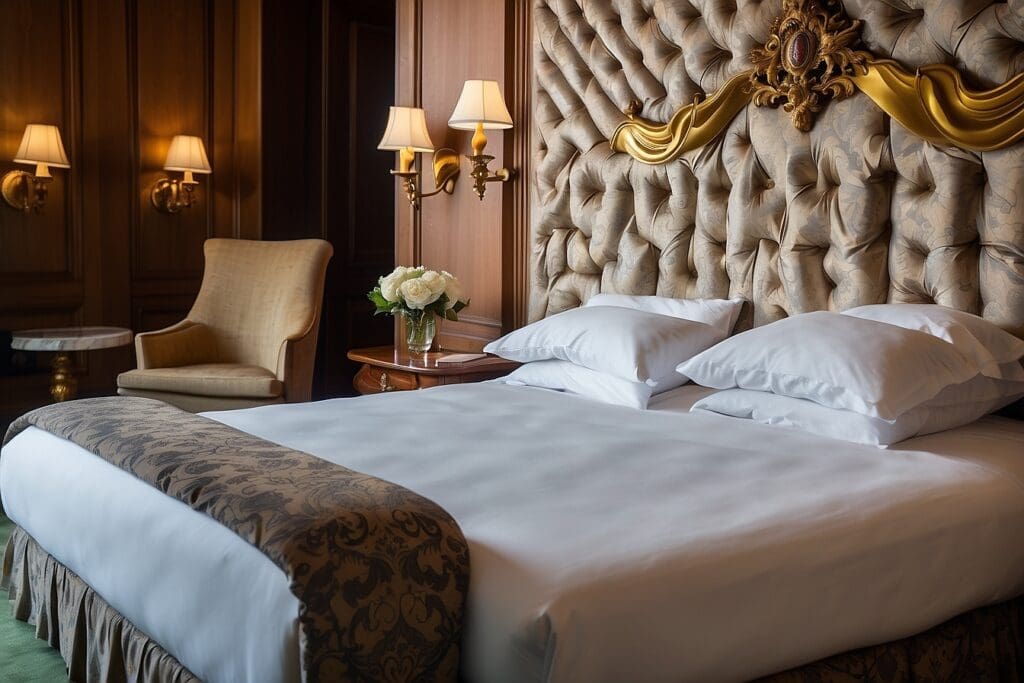
Unwind in opulent bedrooms fit for a lord or lady, where crackling fireplaces cast warm shadows and antique furnishings invite cosy evenings with a good book. But Crom Castle is not merely a relic of the past. Luxurious spa treatments await, ready to pamper you with modern-day indulgences.
The enjoyment won’t be complete without food! Savour gourmet delights crafted with local produce in the intimate castle dining room, each bite a symphony of flavour fit for a royal feast.
Gosford Castle Self-Catering Accommodation
Gosford Castle Self-Catering Accommodation is the perfect option for those looking to immerse themselves in the grandeur of a castle. It is located in County Armagh and offers a unique and unforgettable stay in a historic and well-preserved castle.
The self-catering accommodation allows guests to explore the castle at their leisure and enjoy the serene surrounding grounds. The self-catering option allows guests to prepare their meals in the castle’s well-equipped kitchen or venture out to explore the local restaurants and pubs.
The castle features a range of beautifully restored rooms and suites, each offering a glimpse into the past while providing modern comforts. Guests can enjoy the grandeur of the castle’s architecture, as well as the picturesque views of the surrounding countryside.
The iconic castle provides something for everyone with various activities and attractions nearby, whether you are looking for a romantic getaway, a family adventure, or a unique experience with friends.
Recommendations for Various Budgets Castle Hotels in Northern Ireland
We will suggest some great castle options for different budgets and locations in Northern Ireland.
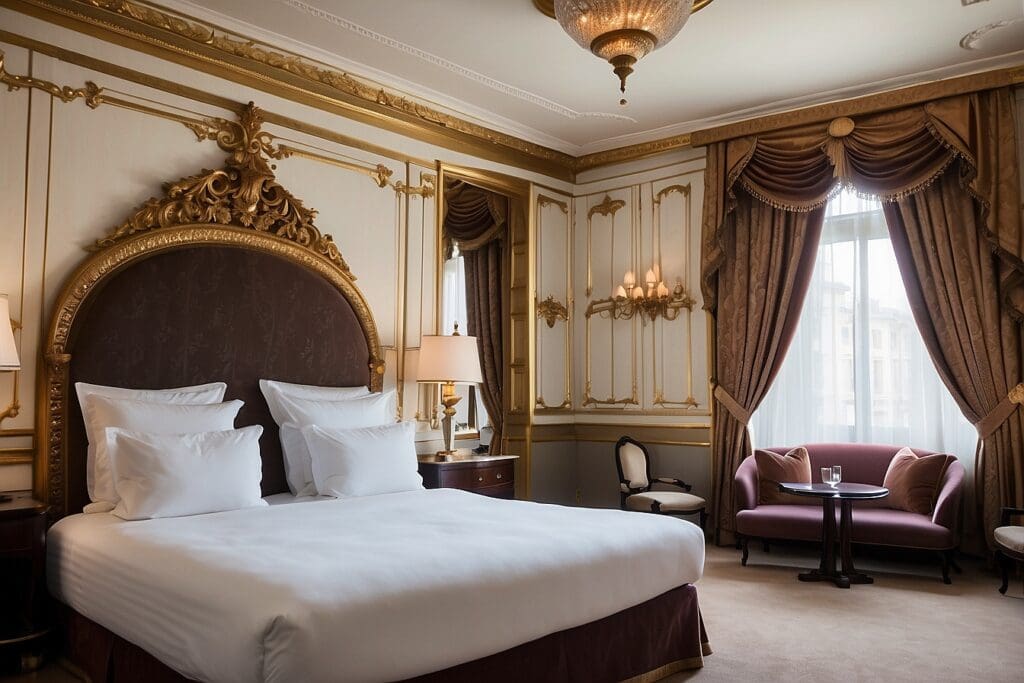
If you’re looking for a luxury experience, Killeavy Castle Estate in County Armagh is highly recommended. The luxury castle offers elegant accommodations and stunning views of the countryside.
For backpackers or those on a budget, Belle Isle Castle and Cottages in County Fermanagh is a fantastic choice. It has affordable options without compromising on charm. Another option is Crom Castle in County Fermanagh — it provides a unique and tranquil setting surrounded by beautiful landscapes.
What More!
Northern Ireland offers a range of enchanting castles where travellers can have a wonderful experience. There is something for everyone, from the historic and romantic gateway Dunluce Castle in County Antrim to the luxurious Clontarf Castle in Dublin.
Northern Ireland’s castle hotels stand as timeless testaments to a bygone era, yet within their walls lie modern marvels and memories waiting to be made. So pack your adventurous spirit, ditch the guidebooks, and reign supreme over your own escape. Your royal throne awaits in one of these majestic fortresses – which will you choose?
FAQs
What is the most romantic castle in Northern Ireland?
Dunluce Castle is one of the most romantic Irish Castles.
Can I find historic hotels near Belfast?
Belfast is close to many elegant castles that serve as historic hotels, like the famous Ballygally Castle.
How do I discover the best castles to stay in Northern Ireland?
The recommended way is by looking up top recommendations online or asking people who have stayed in these amazing places.
The Impact of Scottish Warriors on History: Exploring Scotland’s Heroes and Villains
Culture Exploration
28/04/2024
Exploring the Myth of the Celtic Symbol for New Beginnings
Culture Exploration
28/04/2024

Kenya Tourism Statistics: An Increase in International Tourist Arrivals
Travel Statistics
28/04/2024

Albert Memorial – London Attractions
England
28/04/2024
Cuffs Bar and Grill: The Jewel of Crumlin Gaol
Food and Cuisine
28/04/2024