


The Best Beaches in Northern Ireland: A Hidden Gem of Natural Beauty
Updated On: April 14, 2024 by  Maha Yassin
Taking a gander at Northern Ireland’s coastline is quite the task, to say the least. With numerous postcard-worthy beaches scattered about, it can leave one feeling a touch overwhelmed.
We’ve found ourselves absolutely captivated by these tucked-away treasures and felt compelled to delve a bit deeper into their undeniably scenic charm. After much dedicated research, this article gives you an all-encompassing guide to the top ten beaches in Northern Ireland, peppered with insider tips for when you choose to visit them. So buckle up; we’re about to embark on an exciting journey unveiling these coastal marvels together!
Ranking the Top 10 Best Beaches in Northern Ireland
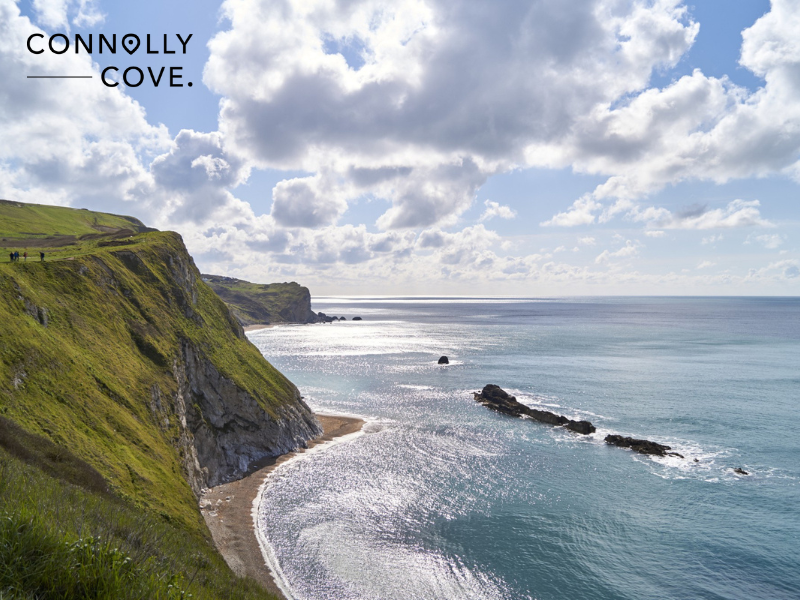
Northern Ireland’s coastline stretches for over 500km, weaving a tapestry of golden sands, rugged cliffs, and charming fishing villages. From the dramatic panoramas of the Causeway Coast to the serene beauty of County Down’s coves, the beaches here offer something for everyone.
Benone Beach, County Derry
Unfurl like a golden ribbon for seven miles along County Derry’s coast, Benone Beach is a haven for sun-seekers, surfers, and families alike. Imagine sinking your toes into the soft, fine sand, feeling the gentle caress of the Atlantic breeze, and gazing across the endless horizon where the sky meets the sea. This Blue Flag beach boasts some of the cleanest and safest waters in Northern Ireland, perfect for a refreshing dip on a warm summer day.
For families, Benone is one of the most fun beaches in Northern Ireland. Build sandcastle empires, chase retreating waves, or explore the fascinating world of rock pools at low tide. Lifeguards patrol the beach during peak season, ensuring everyone’s safety and peace of mind. The Benone Leisure Complex adds another layer of excitement with its playground, paddling pool, and even a 9-hole golf course.
West Strand, Portrush, County Antrim
In the heart of Portrush, County Antrim, nestled between bustling harbours and a charming promenade, lies West Strand, one of the best beaches in Northern Ireland. Imagine sinking your toes into the soft, golden sand, feeling the gentle tickle of the Irish Sea against your ankles, and hearing the laughter of families building sandcastle empires nearby.
West Strand’s magic lies in its versatility. Surfers catch rolling waves while sunbathers bask on the Blue Flag-awarded sands. Beyond the beach, a vibrant promenade beckons with cafes serving creamy ice cream, souvenir shops bursting with Irish trinkets, and amusement arcades promising playful adventures. As the sun dips towards the horizon, painting the sky in vibrant shades of orange and pink, West Strand transforms into a haven for leisurely strolls. West Strand is more than just a beach; it’s a vibrant hub of memories in the making.
Ballintoy Harbour Beach, County Antrim
Ballintoy Harbour Beach, nestled along the rugged coastline of County Antrim, is a picturesque gem that captivates visitors with its breathtaking beauty and tranquil atmosphere. This idyllic beach is integral to the charming Ballintoy Harbour, a filming location for the popular television series Game of Thrones. The beach is characterised by its unique rocky outcrops, golden sands, and crystal-clear waters, creating a stunning backdrop against the dramatic cliffs and rolling hills surrounding it.
It is one of the photographers’ favourite beaches in Northern Ireland, offering stunning views of the North Atlantic Ocean. Visitors can explore the quaint harbour, with its traditional Irish cottages, and experience the raw, unspoiled beauty of the Northern Irish coastline. Ballintoy Harbour Beach is a visual delight and a place of serenity, inviting visitors to unwind and soak in the natural splendour of this hidden gem along the Causeway Coast.
Castlerock Beach, County Derry-Londonderry
Nestled on the captivating North Coast of Northern Ireland, Castlerock Beach in County Derry stands as one of the most enchanting and pristine beaches in Northern Ireland. With its expansive stretch of golden sands, framed by undulating dunes and commanding views of the Atlantic Ocean, Castlerock Beach is a true coastal haven. The beach is renowned for its natural beauty and historical significance, as the Victorian-era Castlerock Sea Wall adds a touch of old-world charm to the landscape.
Offering a perfect blend of tranquillity and recreational opportunities, this beach is a favourite among locals and tourists alike. Whether strolling along the shoreline, enjoying water activities, or simply basking in the sun against the backdrop of the Mussenden Temple on the cliff, Castlerock Beach offers a captivating experience that solidifies its status among the most captivating beaches in Northern Ireland.
Downhill Beach, County Derry-Londonderry
Downhill Beach, located in County Derry along the stunning North Coast, is a jewel among the remarkable beaches in Northern Ireland. This expansive stretch of golden sands, backed by the iconic Mussenden Temple and the ruins of Downhill Castle, creates a breathtaking and distinctive coastal landscape.
The beach is renowned for its wide-open spaces, making it a perfect destination for both leisurely strolls and exhilarating outdoor activities. Surfers and kite-flyers are drawn to the crashing waves and brisk winds, adding an adventurous element to the beach experience. With its unique blend of natural beauty, historical landmarks, and recreational opportunities, Downhill Beach stands as a must-visit destination, exemplifying the diverse and captivating coastal offerings found among the extraordinary beaches in Northern Ireland.
Rathlin Island, County Antrim
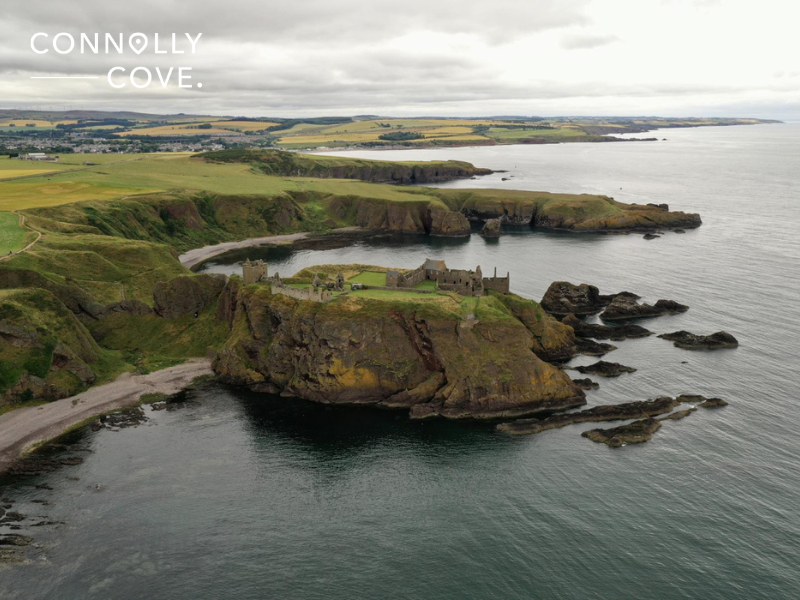
he tapestry of captivating beaches in Northern Ireland. Renowned for its rugged landscapes and dramatic cliffs, Rathlin also boasts charming and secluded beaches that provide a serene escape. The island’s coastline is dotted with hidden coves and sandy shores, inviting visitors to explore the pristine beauty of the North Atlantic.
With its rich wildlife, including puffins and seals, Rathlin Island offers a unique blend of natural wonders against the backdrop of the Irish Sea. The beaches on Rathlin Island provide a tranquil retreat, allowing visitors to connect with nature and revel in the peaceful ambience that defines this remote and enchanting destination among the diverse array of beaches in Northern Ireland.
Ballycastle Beach, County Antrim
Ballycastle Beach, gracing the shores of County Antrim, stands as a delightful jewel among the many beautiful beaches in Northern Ireland. Nestled in the heart of the charming coastal town of Ballycastle, this sandy stretch offers a picturesque retreat with views of Rathlin Island and Scotland in the distance.
The beach is renowned for its pristine sands and the vibrant atmosphere that permeates the surrounding area, featuring quaint shops, cafes, and the iconic Ballycastle Marina. Popular among locals and visitors alike, Ballycastle Beach provides an ideal setting for family outings, leisurely strolls, or even a refreshing dip in the Irish Sea. The spectacular backdrop of Fair Head and its accessible location on the Causeway Coast make Ballycastle Beach a must-visit destination, contributing to the rich diversity of enchanting beaches in Northern Ireland.
Portrush Whiterocks, County Antrim
Portrush Whiterocks, situated on the vibrant Causeway Coast of County Antrim, is a captivating gem among the stunning beaches in Northern Ireland. Renowned for its striking white limestone cliffs, golden sands, and crystal-clear waters, Whiterocks offers a visually spectacular coastal experience. The beach is a haven for surfers, nature enthusiasts, and families alike, with its expansive shoreline providing ample space for leisurely walks and seaside picnics. Backed by grassy dunes and surrounded by dramatic cliffs,
Whiterocks is a scenic paradise and a haven for various seabirds, adding to its ecological charm. Whether basking in the sun, exploring the unique rock formations, or catching a wave, Portrush Whiterocks stands as an emblem of the diverse and awe-inspiring beaches that contribute to the allure of Northern Ireland’s coastal landscape.
Portstewart Strand, County Antrim
Portstewart Strand, nestled along the stunning North Coast of County Antrim, emerges as a crown jewel among the pristine beaches in Northern Ireland. This two-mile stretch of golden sands, bordered by rolling dunes and embraced by the Atlantic Ocean, offers a captivating blend of natural beauty and recreational opportunities. The beach provides a perfect setting for sun-seekers, families, and water sports enthusiasts, with its expansive shoreline and scenic surroundings.
The prominent Mussenden Temple on the cliff adds a touch of historical grandeur to the landscape. Portstewart Strand is not merely a sun-soaked haven; it is a coastal haven where visitors can relish the soothing sound of the waves, explore the dune ecosystem, and take in the panoramic views of the North Atlantic. With its captivating charm and diverse offerings, Portstewart Strand is an iconic destination within the array of breathtaking beaches in Northern Ireland.
Tyrella Beach, County Down
Tyrella Beach, nestled along the County Down coastline, is a hidden gem contributing to the rich tapestry of captivating beaches in Northern Ireland. Known for its expansive sandy shores and pristine dunes, Tyrella offers a tranquil escape for those seeking a serene coastal retreat. Undulating hills frame the beach and offer unspoiled views of the Irish Sea, creating a picturesque backdrop for leisurely walks and moments of quiet reflection.
Tyrella is also a favourite spot for water sports enthusiasts, attracting surfers and kite flyers with its brisk winds and favourable conditions. The beach’s untouched natural beauty and the sense of seclusion it provides make Tyrella a unique and cherished destination among the diverse and enchanting beaches that grace the Northern Irish coastline.
Insider Tips and Fun Facts About Beaches in Northern Ireland
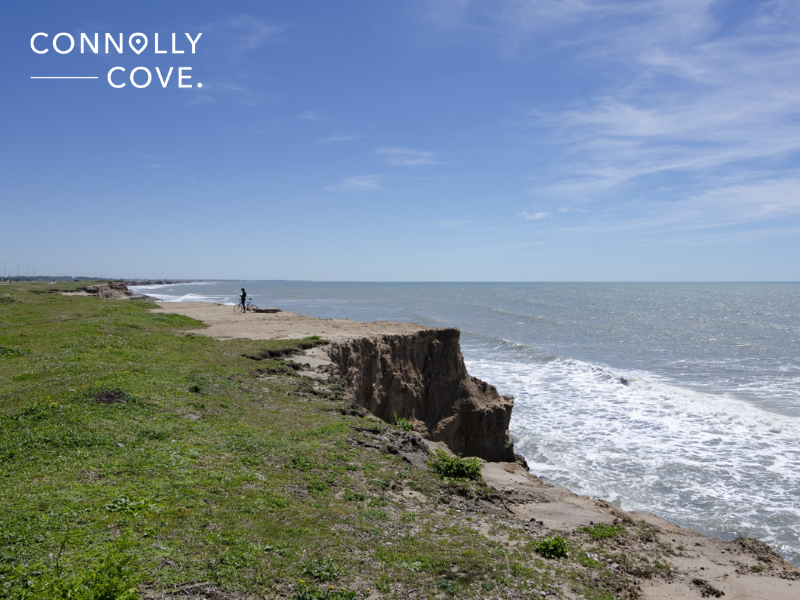
Northern Ireland offers diverse coastal treasures, from hidden gems worth discovering to beaches with fascinating historical significance. Here are some insider tips and fun facts that will make your beach experience truly memorable.
Game of Thrones Filming Locations
Several beaches in Northern Ireland, such as Ballintoy Harbour Beach and Downhill Beach, were filming locations for the iconic television series Game of Thrones. Fans can explore the real-life settings of Westeros while enjoying the stunning coastal landscapes.
Unique Rock Formations
Many beaches in Northern Ireland boast fascinating rock formations. Portrush Whiterocks, for example, features striking white limestone cliffs, creating a visually spectacular backdrop for beachgoers.
Seabird Sanctuaries
The coastal areas, including Rathlin Island and Portstewart Strand, serve as important sanctuaries for seabirds. Birdwatchers can spot various species, including puffins and other seabirds, nesting along the cliffs and dunes.
Water Sports Haven
With brisk winds and favourable conditions, several beaches in Northern Ireland, like Tyrella Beach, attract water sports enthusiasts. Surfing, kite flying, and paddleboarding are popular activities against the backdrop of the North Atlantic waves.
Historical Landmarks
Many beaches, such as Ballycastle Beach and Portstewart Strand, are surrounded by historical landmarks. Whether it’s the iconic Mussenden Temple or the ruins of Downhill Castle, visitors can enjoy a unique blend of history and natural beauty.
Scenic Coastal Walks
Beaches in Northern Ireland offer stunning coastal walks from the Causeway Coast to County Down. The walks provide breathtaking views of the Irish Sea, cliffs, and rolling hills, making them ideal for those who enjoy exploring on foot.
Rich Biodiversity
The dunes and ecosystems surrounding beaches like Portrush Whiterocks and Tyrella Beach are home to diverse plant and animal life. Nature enthusiasts can discover a rich biodiversity, including rare flora and fauna unique to these coastal environments.
Accessible Adventure
Many of the beaches in Northern Ireland are easily accessible, making them family-friendly destinations. Whether it’s building sandcastles, exploring rock pools, or enjoying a beachside picnic, these shores offer accessible adventures for all ages.
Seasonal Events
Some beaches in Northern Ireland host seasonal events and festivals, providing additional reasons to visit. These events showcase the vibrant and diverse culture on the Northern Irish coastline, from summer beach parties to wildlife festivals.
Panoramic Views
Whether it’s the cliffs of Portstewart Strand or the expansive sands of Tyrella Beach, beaches in Northern Ireland offer panoramic views of the North Atlantic. Sunset or sunrise visits provide breathtaking scenes that linger in the memory of those who experience them.
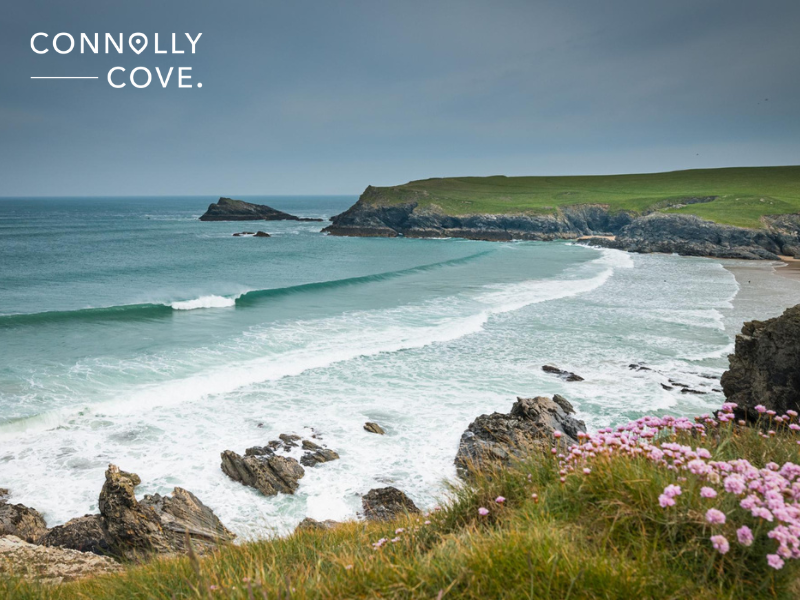
Northern Ireland’s beaches are a hidden gem of natural beauty, with stunning coastlines and vibrant views. From the secluded spots along the Causeway Coast to the sandy shores of Portstewart Strand, there is something for everyone to enjoy. With approximately 70% of the coastline designated as an Area of Outstanding Natural Beauty, exploring these beaches is a must for nature lovers. Uncover the untouched splendour and appreciate the tranquil atmosphere Northern Ireland’s beaches offer. So pack your bags and get ready to discover these picturesque seaside destinations!
FAQs
Are Northern Ireland beaches suitable for swimming?
Yes, many Northern Ireland beaches offer safe and monitored swimming areas. However, checking local guidelines and weather conditions before dipping is advisable.
Are there water sports activities available at these beaches?
Absolutely! Many beaches, such as Portrush Whiterocks and Tyrella Beach, are popular for water sports like surfing, kite flying, and paddleboarding, attracting enthusiasts of all skill levels.
Can I explore Game of Thrones filming locations on these beaches?
Yes, several Northern Ireland beaches, including Ballintoy Harbour Beach and Downhill Beach, served as iconic filming locations for Game of Thrones. Fans can relive the series’ magic while enjoying the picturesque landscapes.
Are the beaches family-friendly?
Yes, many of Northern Ireland’s beaches are family-friendly, offering amenities like picnic areas, playgrounds, and easy access. Ballycastle Beach and Portrush Strand are particularly welcoming for families.
What wildlife can I expect to see at Northern Ireland beaches?
Northern Ireland’s coastal areas, such as Rathlin Island and Portstewart Strand, serve as important seabird sanctuaries. Puffins, seals, and various seabird species can be spotted during the appropriate seasons.
Discover the Best Scenic Drives in Northern Ireland
Northern Ireland
28/04/2024
Exploring Ireland’s Ancient East
Ireland
28/04/2024

Viking History: Insight into the Age of Phantom Travellers
History and Heritage
28/04/2024
The Symbolism and Meaning of the Dara Knot
Culture Exploration
28/04/2024
An Overview of Michigan Tourism Statistics: Visitor Spending, Growth, and Industry Impact
United States
28/04/2024