


Downhill Beach – Mussenden Temple – Castle Rock-Game of Thrones
Updated On: March 04, 2024 by  Ciaran Connolly
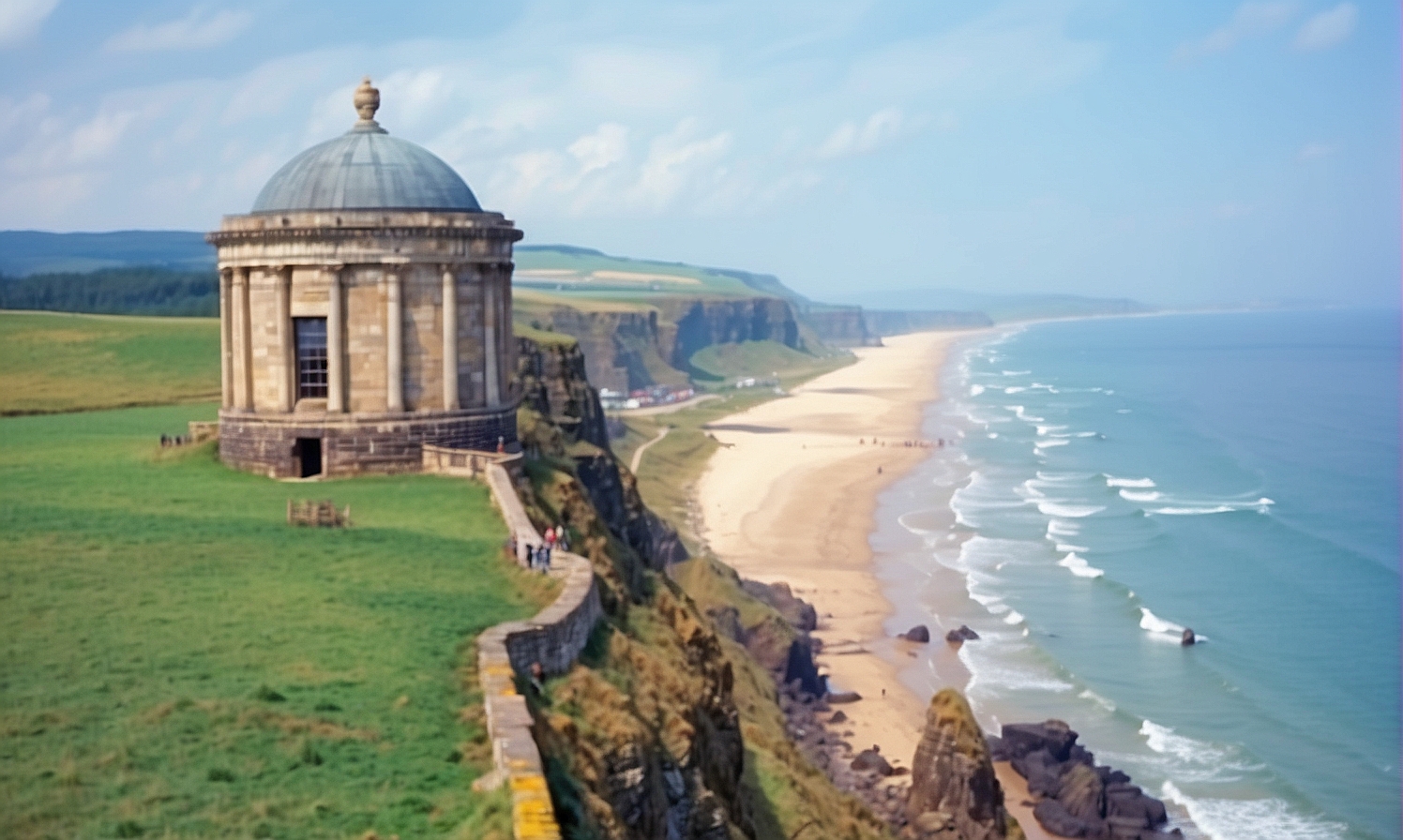
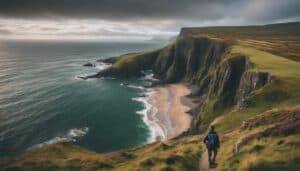
Downhill Beach is near Coleraine and Portrush along the North Coast of Ireland and has the impressive Mussenden Temple.
The beach itself is part of an 11km/7 mile stretch of sand and a perfect spot for surfing. Downhill Beach offers a variety of activities for both young and old alike, such as fun water sports and scenic walks that offer breathtaking views along the strand. A great view of Mussenden Temple, a popular tourist attraction, can be seen.
Mussenden Temple is used in filming the highly acclaimed Television show Games Of Thrones, so it’s definitely worth seeing up close and personal. You can also enjoy views of counties Donegal, Antrim and Derry/Londonderry from the beach.
The Beach has been frequently awarded the ‘Blue Flag Award’, which recognizes its well-facilitated and looked-after beach. The award also recognizes its environmental education and information, water quality, safety, and service.
Cars are allowed on the Beach all year long, so whatever the weather, you can take in those beautiful scenic views in or out of the car.
Table of Contents
Where Fantasy Meets Reality
Downhill Beach is a stunning expanse of golden sand dunes and crashing waves stretching for miles along the Atlantic Ocean. Its dramatic backdrop of towering cliffs and sweeping vistas has made it a favourite destination for locals and tourists alike. But for fans of “Game of Thrones,” Downhill Beach holds a special significance as the filming location for several iconic scenes from the series.
One of the most memorable moments filmed on Downhill Beach is the burning of the Seven Idols of Westeros, a pivotal scene in Season 2. Here, the imposing figure of Stannis Baratheon, played by actor Stephen Dillane, commands his followers to burn the effigies of the Seven Gods as part of his quest for power. The sight of the towering flames against the backdrop of the beach’s natural beauty creates a striking juxtaposition of fantasy and reality.
Beyond its role in “Game of Thrones,” Downhill Beach offers visitors many activities. From strolls along the shore to adrenaline-pumping water sports such as surfing and kiteboarding, there’s something for everyone to enjoy amidst this coastal paradise. And for those seeking to immerse themselves in the area’s rich history, the nearby ruins of Downhill Demesne and Mussenden Temple offer a glimpse into the region’s storied past.
Mussenden Temple: A Monument to Grandeur
Perched dramatically on the edge of a cliff overlooking the Atlantic Ocean, Mussenden Temple is a neoclassical folly testament to architectural brilliance and natural beauty. Built in the 18th century by Frederick Augustus Hervey, the 4th Earl of Bristol, as a library and summer house, the temple is now one of Northern Ireland’s most iconic landmarks.
In “Game of Thrones,” Mussenden Temple is transformed into the haunting setting of Dragonstone, the ancestral seat of House Targaryen. Melisandre, portrayed by actress Carice van Houten, performs mysterious rituals to pursue power and prophecy. The temple’s imposing silhouette against the backdrop of the sea lends an air of mystique to these scenes, further enhancing the show’s otherworldly atmosphere.
Visitors to Mussenden Temple can marvel at its elegant architecture and stunning views, which stretch across the Causeway Coast and beyond. The surrounding Downhill Demesne, with its lush gardens and scenic walking trails, provides the perfect backdrop for a leisurely day out. Whether exploring the temple’s historic interiors or simply soaking in the panoramic vistas, visiting Mussenden Temple will surely leave a lasting impression.
Castlerock: A Charming Coastal Haven
Nestled between Downhill Beach and Mussenden Temple lies the charming village of Castlerock, a hidden gem waiting to be discovered. With its quaint streets, sandy beaches, and welcoming atmosphere, Castlerock offers visitors a tranquil retreat from the hustle and bustle of modern life. But it’s not just the village’s natural beauty that makes it a must-visit destination – Castlerock also boasts its connection to the world of “Game of Thrones.”
While Castlerock itself may not have been featured prominently in the series, its proximity to other filming locations makes it an ideal base for exploring the world of Westeros. Visitors can stroll along the beach where characters such as Davos Seaworth and Melisandre made their fateful journeys or venture inland to discover the hidden gems of the Causeway Coast.
In addition to its “Game of Thrones” connections, Castlerock offers a range of activities for visitors to enjoy. From golfing on championship courses to hiking along scenic coastal trails, there’s no shortage of ways to experience the beauty of this seaside haven. With its charming pubs and restaurants serving delicious local fare, Castlerock provides the perfect setting for relaxation and indulgence.
Downhill Beach Facilities Include:
- Seasonal Beach Lifeguards Service (July & 11 August am – 7 pm daily)
- Dogs Allowed (Restrictions apply)
- Horse Riding (Restrictions apply 1st May- 30th September) Permitted before 11 am & after 7 pm
- Parking Facilities
- Toilets
- WiFi
Downhill Beach is worth visiting- especially in the sunshine, but still great all seasons.
Downhill Beach Location
Downhill Becah is located near Coleraine. It is part of Coleraine Borough Council.
66 Portstewart Road, Coleraine
County Londonderry, BT52 1EY
Have you ever been to Downhill Beach and Mussenden Temple in County Londonderry? Let us know in the comments below.
Conclusion
As you explore the windswept shores of Downhill Beach, gaze upon the majestic beauty of Mussenden Temple, and wander the quaint streets of Castlerock, it’s easy to see why this corner of Northern Ireland has captured the imagination of so many. Whether you’re a fan of “Game of Thrones” or simply seeking to immerse yourself in the natural beauty of the Causeway Coast, a journey through Downhill Beach, Mussenden Temple, and Castlerock is sure to be an unforgettable experience. So pack your bags, embark on an adventure, and discover the magic of this enchanting landscape for yourself.
Other blogs you may like include Best Beached in Ireland | Helen’s Bay Beach | Alexandria Beach – Egypt | Crawfordsburn Beach.
Mastering the Art of Creating Circular Knots: A Comprehensive Guide to Celtic Knot Designs!
History and Heritage
19/04/2024
The Ultimate 5-Day Scotland Itinerary: Exploring the Highlights of the Highlands!
Travel Tips
19/04/2024
The Ultimate Guide for a Memorable Trip to Scotland from London!
Travel Tips
19/04/2024
Discovering the Breathtaking Beauty of the North Coast of Northern Ireland!
Northern Ireland
19/04/2024

Unveiling the Reign of the Kings of Ulster: Thrones of Power
Mythology and Folklore
19/04/2024