


The Gobbins: Europe’s Most Dramatic Cliff Path
Updated On: April 13, 2024 by  Ciaran Connolly
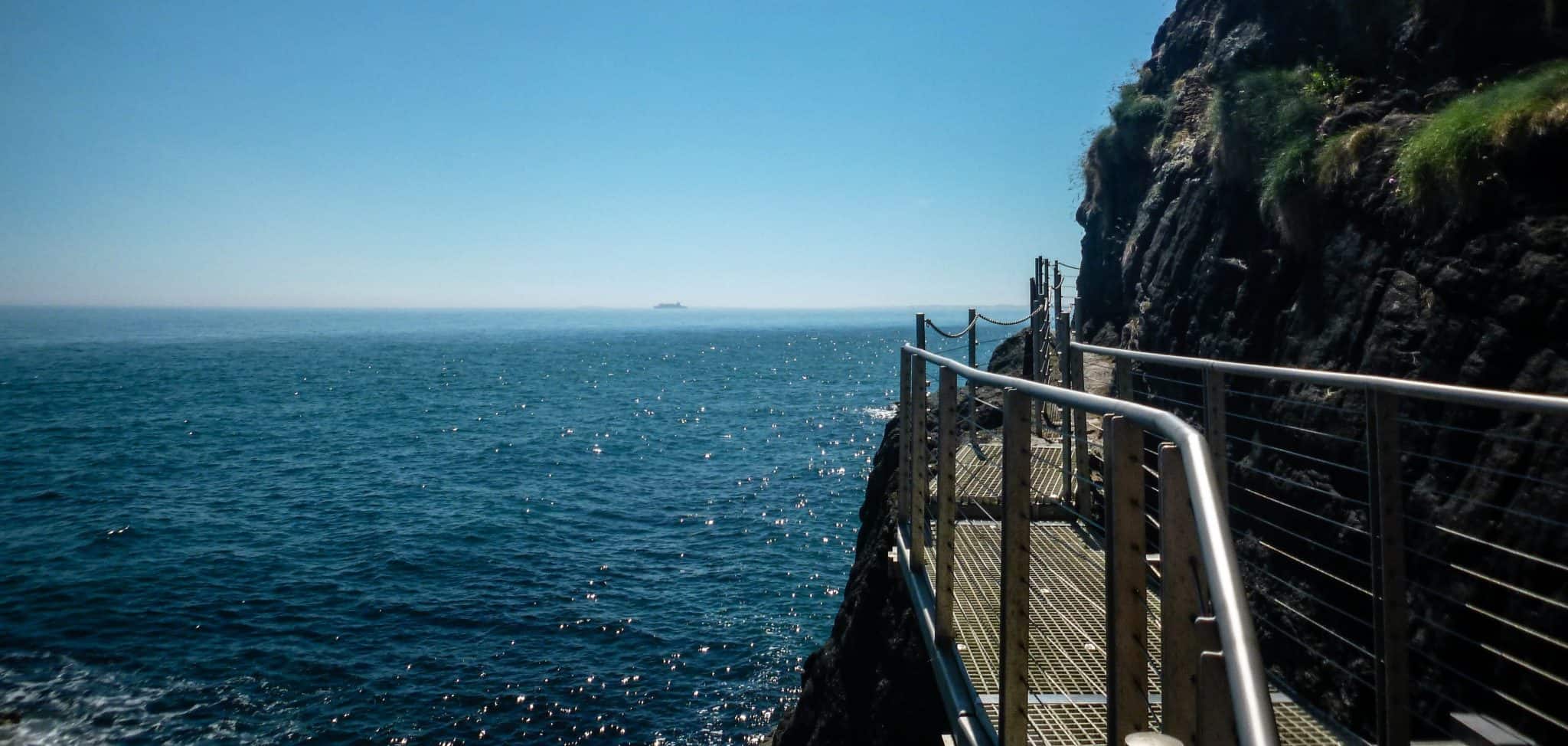
Northern Ireland is filled with amazing attractions, but one unique and considered one of the most dramatic cliff walks in Europe is ‘The Gobbins’. It is a spectacular cliff path located in Islandmagee, County Antrim, along the Causeway Coastal Route.
The Gobbins has just recently been reopened to visitors, seeing it stay open until 3 November 2019. The popular attraction is one that will leave you awe-inspired. During a two-hour guided tour, you’ll be treated to nature at its finest.
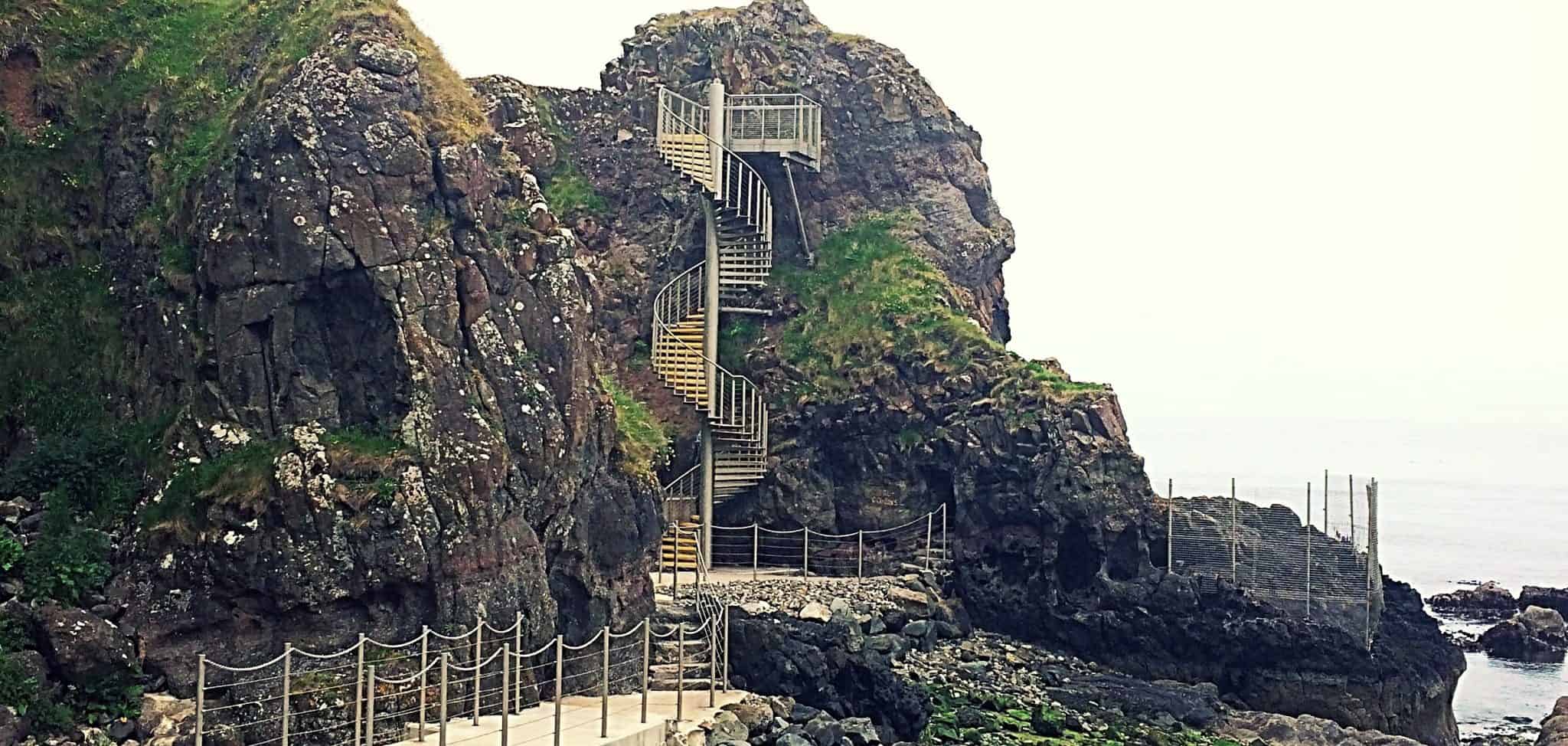
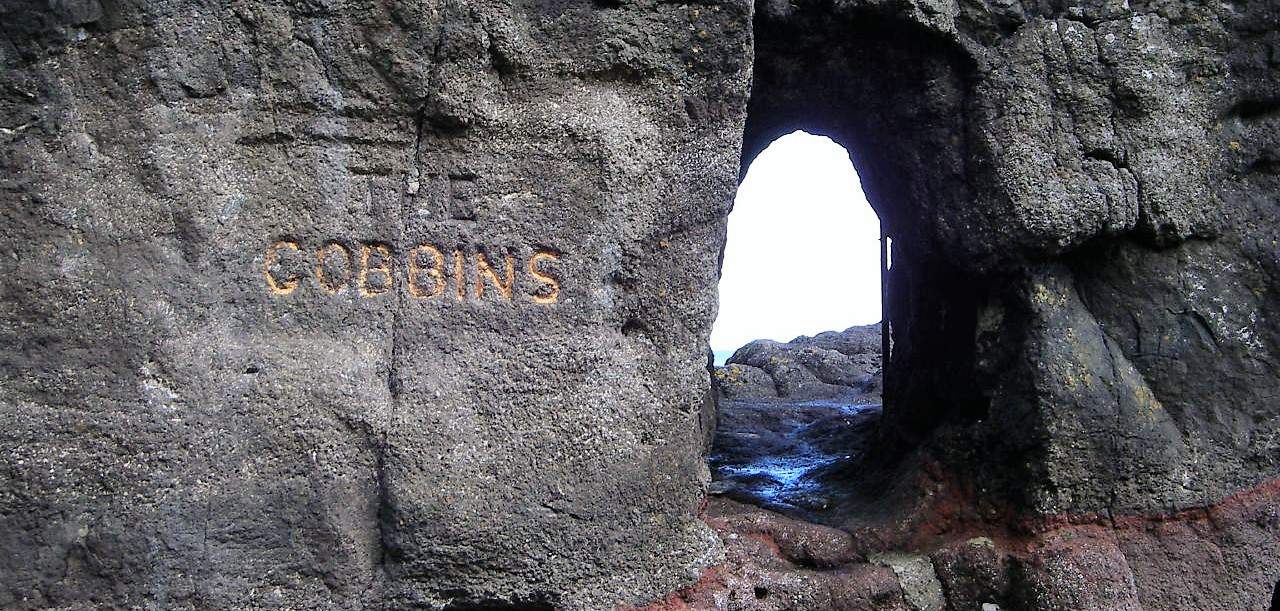
The Gobbins experience takes you along a striking cliff face, across breathtaking bridges and into hidden caves along the North Channel.
Besides the incredible views you’ll encounter at The Gobbins, the attraction also has a fascinating story worth diving deeper into. So let’s get started!
History of the Gobbins
The mastermind behind the creation of The Gobbins comes from visionary Irish railway engineer ‘Berkeley Dean Wise’. Berkeley was born in New Ross, Wexford, and went on to study Civil Engineering at Trinity College in Dublin. He studied under James Price, Chief Engineer at the Midland Great Western Railway of Ireland.
At the young age of 22, the talented engineer was already developing tunnels and bridges along the coast at Bray Head. This was considered one of the most challenging sections in all of Ireland. Berkeley Dean Wise then became the Chief Engineer of the Belfast and County Down Railway.
Not only was he designing railway lines, but Wise designed numerous other projects from stations, promenades, and hotels.
During this time and many experiences in his career, Wise developed the skills needed to create one of his biggest achievements ever. This was, of course, the Gobbins cliff path, 25 years later.
Creation of a Masterpiece
The Gobbins Path was considered one of his engineering masterpieces due to its unique and challenging aspects, which made him known throughout Europe. At the time, he was still working with the Belfast and Northern Counties Railway Company.
The company had a high interest in Northern Irish tourism. This was thanks to the work of Edward John Cotton. He was one of the youngest railway managers in Ireland and Britain.
Cotton helped to create train excursions for every occasion and made 3rd class tickets available from all stations. With this came the possibility of travel and day trips for thousands of people in Northern Ireland.
Wise developed the tourism endeavours started by Cotton, by looking into creating exciting and innovative paid attractions. The purpose of this was to encourage people to use the railway company’s services.
Berkeley Dean Wise Innovation
Just one year later, he designed and opened a variety of paths and bridges at the captivating Glenaiff Glen. Shortly after, he added more attractions at the site, with a tearoom and shelter to view the impressive waterfall found there.
His next project involved transforming the small town of Whitehead into a lovely holiday resort. Wise was also the person behind the coastal path from Whitehead to the Blackhead Lighthouse. He created a variety of bridges and tunnels to reach the lighthouse in 1892.
He, of course, had ideas to create a more innovative path, and this was when The Gobbins was born.
In 1902, Wise created a map that would follow the cliffs for two miles long. Offering views of the coast before reaching the cliff section where people could enjoy a variety of unique, tunnels, bridges and caves.
It’s the cliff aspect that became very famous and accessible today via guided tours. Even to this day, it is thought of as one of the most extraordinary engineering achievements of its kind.
Construction
The first part of the Gobbins officially opened to the public in August in 1902. The first visitors to experience the cliff path was the British Association for the Advancement of Science.
Its initial opening stopped at the Seven Sisters Caves but Wise’s map of the project showed he had plans to further extend the cliff path. Then in 1905, he was given the funding to extend The Gobbins as he had originally envisioned.
The Gobbins became a bigger tourist attraction than the Giants Causeway. Attracting visitors from all around the Country. Although, sadly in 1954, the Cliff Path had to close due to the depression of the 1930s. For over 100 years, no new bridges were built at The Gobbins.
There were many attempts made by the government and individuals to restore the path to its original glory, but nothing succeeded. Filmmaker John H Lennon came pretty close but the lack of funds and the decline in tourism numbers in Northern Ireland during the Troubles stopped this from moving forward.
Although the remains of the path were still explored by many walkers and climbers even though they were considered dangerous. Many people had to be rescued throughout the ’80s, ’90s and early 2000s.
The Gobbins Today
After years of work, in 2011, it was announced that the Larne Borough Council would reopen The Gobbins. They added a series of 15 new bridges and six gallery structures to the renovation.
Part of the new design included the famous Tubular Bridge that weighed over 5.4 tonnes. Along with this, visitors are able to enjoy a two-mile-long tunnel that runs below sea level.
There were also improvements made to Wise’s original clifftop path that enabled visitors to experience amazing views extending out as far as Scotland. The Gobbins renovation project cost around 7.5 million pounds and was reborn in 2015.
The Gobbins Visitor Centre
Your unforgettable experience at the Gobbins begins at its visitor centre, where you’ll meet your tour guide. At the centre itself, it hosts a brilliant interactive exhibition that explores the interesting history of the Gobbins cliff path. While also giving you an insight into its flora and fauna and how the new and improved path was brought to life.
The Gobbins has become one of Northern Ireland’s best-kept hidden gems, and you can now truly experience its authenticity for yourself.
Gobbins Biodiversity
Along with its high cliffs and hidden ledges, The Gobbins has become a magnet for many beautiful species of birds. This is one reason why it’s considered an Area of Special Scientific Interest.
It’s home to Northern Ireland’s only colony of Puffins, where they come to lay their eggs. During the rebirth of the cliff path, careful consideration was taken in mind so that it wouldn’t impact on the local birdlife there.
Also, among the caves, rocks and ledges, visitors can experience a variety of plants, ferns and grasses.
The Gobbins is also a landscape of outstanding historical, aesthetic and cultural value. It’s one of the most breathtakingly beautiful experiences you’ll find in Northern Ireland.
It’s one of those rare gems that allows you to escape from everyday life and fully immerse yourself in nature at its best. You might even catch some beautiful dolphins swimming near its coastline. So always keep an eye out.
Things to Know Before Visiting The Gobbins:
- The Gobbins is a very popular attraction; to avoid being disappointed, make sure you book online in advance. This is one experience you don’t want to miss! Tours will run from Monday 4 March, seven days a week until Sunday 3 November. Guided tours of the Gobbins run every 30 minutes.
- You could be refused entry to the attraction if you don’t have appropriate footwear with you, such as walking or hiking boots, so come prepared. You can’t wear trainers during the guided tour.
- Although the path isn’t too difficult, you are required to have a moderate level of fitness to walk the Gobbins. The Gobbins experience is also not suitable for anyone under four feet tall.
- The guided tour will include a short bus ride followed by a steep descent with over 100 steps before you reach the path entrance. The tour and experience will last around 2.5 to 3 hours long.
Have you ever visited the Gobbins in Northern Ireland? What did you think of the attraction, let us know below.
Other blogs that might interest you:
Castle Ward: A Place with a Remarkable History| Springhill House: A Pretty 17th Century Plantation House| Incredible Natural Wonders in Europe| The Cliffs of Moher

The Kingdom of Ireland: King Henry VIII’s Declaration as the King of Ireland
Ireland
19/04/2024

The Truth about the Claddagh Ring Curse: Debunking Myths and Exploring the Symbolism
Mythology and Folklore
19/04/2024

Top 10 Irish Public Holidays and Traditions to Experience on Your Ireland Holidays
Festivals and Events
18/04/2024

6 Top Mourne Camping Sites for an Unforgettable Experience Under the Stars
Northern Ireland
18/04/2024

Eostre: The Germanic Goddess of Dawn and Spring Equinox Celebrations
Mythology and Folklore
17/04/2024