


Your Guide to the Best Retreats in Ireland
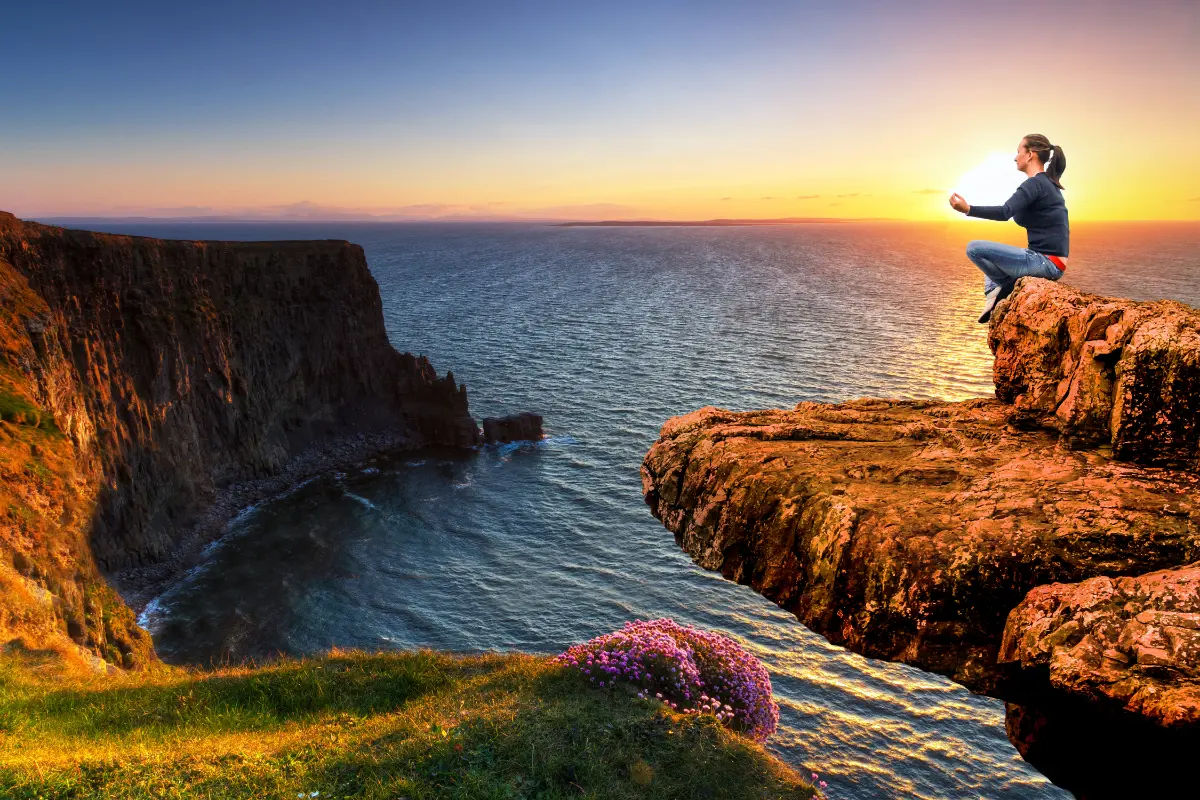
Updated On: January 24, 2024 by  Panseih Gharib
Are you feeling burnt out, stressed, or disconnected from your inner peace? Retreats in Ireland might be just what you need. Immerse yourself in the breathtaking beauty of this ancient land, where rolling hills, rugged coastlines, and charming villages create a magical backdrop for your transformation.
Whether you yearn for a rejuvenating yoga session on a secluded beach, a detoxifying cleanse amidst rolling green hills, or a spiritual awakening in a historic monastery, Ireland has the perfect retreat.
In this guide, we’ll embark on a journey through the diverse landscape of retreats in Ireland. From luxury havens to budget-friendly options, we’ll help you find the perfect sanctuary to reconnect with nature, yourself, and perhaps even a touch of Irish magic. So, take a deep breath, let go of your worries, and prepare to be swept away by the enchanting power of a retreat in Ireland.
Table of Contents
Exploring the Diverse World of Retreats in Ireland
Ireland’s retreat scene offers a treasure trove of experiences for those seeking a holistic approach to well-being. From the tranquillity of yoga classes overlooking the rolling hills to the stimulating power of coastal walks, each retreat caters to specific needs and desires. Let’s delve into the diverse landscape of wellness retreats in Ireland, unpacking each type’s unique benefits.
1. Reconnect with Your Body and Mind through Yoga Retreats
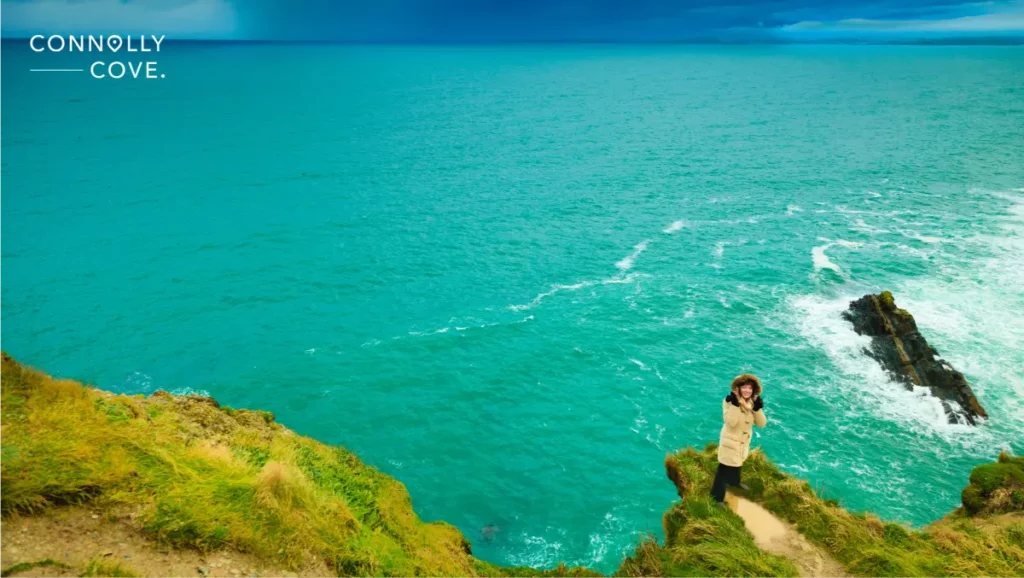
Imagine yourself flowing through a Vinyasa sequence on a sun-drenched clifftop, the rhythmic sound of the ocean accompanying your every breath. This is the essence of a yoga retreat in Ireland, where ancient practices blend seamlessly with breathtaking scenery. Whether you’re an expert or a curious beginner, these retreats offer a sanctuary to deepen your practice, explore new styles, and connect to your inner peace.
Beyond the physical postures, yoga retreats in Ireland weave in mindfulness sessions, guided meditations, and workshops on topics like yogic philosophy and stress management. This holistic approach allows you to cultivate a sense of inner harmony, feeling refreshed and rejuvenated physically and mentally.
2. Embark on a Spiritual Journey through Ireland’s Retreats
For centuries, Ireland has been a haven for spiritual seekers, drawn to its ancient monasteries, sacred sites, and the mystical energy that permeates the land. Spiritual retreats in Ireland offer a unique opportunity to explore your inner world, connect with a higher power, and find solace in the presence of nature.
Many retreats incorporate elements of Celtic spirituality, offering workshops on meditation, prayer practices, and Celtic rituals. Others may focus on specific spiritual traditions, such as Buddhist mindfulness or Christian contemplative practice. Regardless of your beliefs, the serene atmosphere and experienced guides create a safe space for reflection, personal growth, and a deeper understanding of your spirituality.
3. Detoxify and Renew with a Cleansing Retreat
Feeling sluggish and weighed down by the toxins of modern life? A detox retreat in Ireland can be the perfect antidote. These retreats combine cleansing treatments, such as colon hydrotherapy and massages, with a strict diet of organic, locally sourced foods. This holistic approach helps to eliminate toxins, cleanse the digestive system, and boost your overall energy levels.
Beyond the physical benefits, detox retreats often include yoga and meditation sessions, allowing you to reconnect with yourself and better understand your body’s needs. The tranquil environment and focus on healthy habits create the perfect setting for complete physical and mental rejuvenation.
4. Unleash Your Inner Athlete on a Fitness Retreat
For those who crave an active escape, fitness retreats in Ireland offer a challenging and stimulating experience. Imagine hiking along rugged coastal trails, pushing your limits with high-intensity interval training on the beach, or practising yoga overlooking the rolling hills – the endless possibilities.
These retreats are designed by experienced professionals and cater to all fitness levels. Personalised training plans, group fitness classes, and access to top-notch facilities ensure a well-rounded workout regimen. Whether you aim to achieve a specific fitness goal or want to reconnect with your body through movement, a fitness retreat in Ireland will leave you feeling energised and empowered.
5. Indulge in Luxury and Rejuvenation at a High-End Retreat
Ireland boasts a selection of high-end retreats for those seeking an unforgettable experience of pampering and luxury. Imagine luxuriating in a spa treatment overlooking the ocean, savouring gourmet meals prepared by renowned chefs, and enjoying personalised services designed to cater to your every whim.
These retreats offer the ultimate in relaxation and rejuvenation. From luxurious accommodations and state-of-the-art amenities to access to top-notch therapists and wellness experts, every detail is meticulously designed to ensure your complete comfort and satisfaction.
6. Experience the Magic of a Budget-Friendly Retreat in Ireland
While some retreats may seem out of reach, Ireland offers a wide range of budget-friendly options that cater to those seeking a transformative experience without the hefty price tag. These retreats often focus on simpler accommodations and communal living, allowing you to connect with fellow travellers and experience the true essence of Irish hospitality.
Despite their affordability, budget-friendly retreats maintain quality. Experienced guides, engaging workshops, and access to stunning natural landscapes ensure a meaningful and enriching experience. You’ll discover that true rejuvenation doesn’t require extravagance but a genuine connection with yourself and the beautiful world.
Choosing the Perfect Retreats in Ireland
Ireland’s retreats have diverse landscapes that offer a sanctuary for every soul seeking rejuvenation. From the tranquillity of yoga classes overlooking emerald hills to the stimulating power of coastal hikes, each retreat caters to specific goals and desires. Let’s delve into some of the most renowned retreats, allowing you to envision your transformative journey.
1. Retreats in Ireland to Reconnect with Your Inner Self
- Creacon Lodge Wellness Retreat: Located in the picturesque Wexford countryside, Creacon Lodge offers a holistic approach to wellness, combining yoga, meditation, spa treatments, and healthy meals. Immerse yourself in daily yoga classes, personalised consultations with nutritionists and natural therapists, and guided walks through the stunning Irish countryside.
- Burren Yoga Retreat: Located in County Clare. It is a haven for nature lovers and those seeking relaxation. Surrounded by the stunning landscapes of the Burren, this retreat offers an escape from the routine of everyday life. With daily yoga classes, guided meditations, and workshops on mindfulness and self-enquiry, you’ll find the space to reconnect with your inner peace and discover a more profound sense of self-awareness. In addition to yoga, it offers guided hikes through the unique limestone terrain of the Burren. You’ll be able to explore ancient archaeological sites and marvel at breathtaking views.
2. Retreats in Ireland to Embark on a Spiritual Quest
- Glendalough Hermitage: Nestled in the heart of the Wicklow Mountains, Glendalough Hermitage offers a unique opportunity to experience the ancient monastic traditions of Ireland. This retreat provides a tranquil environment for prayer, reflection, and spiritual contemplation. Participate in daily prayer services, guided walks through the monastic ruins, and workshops on Celtic spirituality.
- Loughcrew Megalithic Tombs: Immerse yourself in the mystical energy of the prehistoric Loughcrew Megalithic Tombs. This retreat combines guided tours of the ancient tombs with workshops on Celtic mythology and rituals. Connect with the spiritual legacy of Ireland and uncover the secrets of the ancient Gaelic people.
- Cyclical Leadership Women’s Retreat: Located in the serene countryside of Ireland, this retreat offers a peaceful environment where women can connect with nature and find inner peace. Through workshops, coaching sessions, and group discussions, participants will learn leadership skills, self-care practices, and strategies for achieving balance in all aspects of life.
3. Retreats in Ireland to Detoxify and Renew
- The Sanctuary Ireland: Set on the shores of Lough Erne, The Sanctuary Ireland offers a luxurious detox experience. This retreat combines cleansing treatments, such as colon hydrotherapy and massages, with a plant-based diet and personalised wellness consultations. Relax in the state-of-the-art spa facilities, participate in yoga classes, and embark on invigorating walks through the countryside.
- The Well at Feohanagh: Nestled in the heart of the Tipperary countryside, The Well at Feohanagh offers a unique blend of traditional Irish healing practices and modern wellness techniques. This retreat features a variety of detoxifying treatments, including herbal remedies, hydrotherapy, and Ayurvedic consultations. Enjoy daily yoga classes, guided meditation sessions, and delicious organic meals prepared with locally sourced products.
4. Retreats in Ireland to Unleash Your Inner Athlete
- Blackwater Eco Adventures: Embark on an active adventure along the scenic Blackwater River. This retreat combines kayaking, hiking, and cycling through the stunning Irish countryside with fitness classes and workshops on nutrition and healthy living. Challenge yourself with outdoor activities, enjoy invigorating yoga sessions, and savour delicious meals prepared with locally sourced ingredients.
- Surfscape Retreats: Located on the rugged coast of County Clare, Surfscape Retreats offers the ultimate surf and yoga experience. This retreat combines daily surf lessons with yoga classes, fitness sessions, and workshops on mindfulness and breathwork. Learn to ride the waves, explore the breathtaking coastline, and cultivate inner peace through yoga and meditation.
5. Retreats in Ireland to Experience Luxury Rejuvenation
- Ballyfin Demesne: Immerse yourself in the opulent grandeur of Ballyfin Demesne, a 17th-century country estate offering the ultimate luxury retreat experience. This retreat combines bespoke spa treatments, personalised fitness sessions, and gourmet meals prepared by renowned chefs. Enjoy leisurely walks through the estate’s manicured gardens, explore the historic mansion, and indulge in all the luxuries this world-class retreat offers.
- Cashel House: Nestled in the heart of Connemara, Cashel House offers a luxurious escape focusing on relaxation and rejuvenation. This retreat combines indulgent spa treatments, personalised wellness consultations, and access to state-of-the-art fitness facilities. Enjoy yoga and meditation classes, explore the breathtaking Connemara landscape, and savour exquisite meals prepared with locally sourced ingredients.
6. Retreats in Ireland on a Budget
- Achill Island Eco Retreat: Nestled on the shores of Achill Island, this budget-friendly retreat offers a simple yet transformative experience. This retreat combines yoga and meditation classes with guided hikes through the island’s stunning landscapes and workshops on sustainable living. Connect with nature, experience Irish hospitality, and discover the beauty of simplicity on this affordable retreat.
- The Quiet Moment Retreat Centre: Located in the peaceful village of Kilmacthomas, The Quiet Moment Retreat Centre offers a tranquil haven for those seeking a simple and affordable retreat experience. This retreat features daily yoga and meditation classes, guided walks through the countryside, and opportunities for self-reflection and personal growth. Embrace the minimalist lifestyle.
Planning Your Journey to Ireland’s Tranquil Havens
Finding the perfect retreats in Ireland can feel overwhelming, especially with such a diverse landscape of options. But fear not! This guide will provide the knowledge needed to navigate the retreat scene and plan your transformative journey.
1. Aligning Your Goals with the Right Retreat
- The first step in planning your retreat is clearly defining your goals and desires. Are you seeking deep relaxation and stress relief? Do you crave physical activity and adventure? Or are you searching for a spiritual awakening or a deeper connection with nature? Identifying your goals will help you search for the retreat that perfectly aligns with your needs.
- Once you have a clear understanding of your goals, consider your level of experience and personal preferences. Are you a seasoned practitioner of yoga or meditation? Do you prefer luxurious accommodations or a more rustic setting? Do you have any restrictions regarding your dietary or accessibility? Considering these factors ensures that your chosen retreat provides the optimal environment for your personal growth and transformation.
2. Booking Your Retreat and Making the Most of It
- Once you’ve found your perfect retreat, the next step is to book your spot. Early booking is highly recommended, especially for popular retreats or those with limited availability. Research the retreat’s cancellation policy and payment options to ensure a smooth booking process.
- To maximise your retreat experience, arriving with an open mind and a willingness to participate is essential. Actively engage in the activities and workshops, connect with fellow retreat participants, and embrace the opportunity to step outside your comfort zone. Remember, the most transformative journeys often involve venturing into the unknown and embracing the unexpected.
3. Before You Go: Important Considerations
To ensure a smooth and enjoyable experience in Ireland’s retreats, there are a few key things to consider before you embark on your journey.
- Transportation: Research the best way to get to your chosen retreat location. Many retreats are in remote areas, requiring additional travel arrangements beyond airfare. Consider public transportation options; shuttle services the retreat offers, or car rentals if necessary.
- Packing: Pack light and practical clothing suitable for the activities offered at the retreat. Remember essentials like comfortable shoes, yoga wear, and weather-appropriate clothing. Pack any medications you require and any personal items that will enhance your experience, such as books, journals, or meditation accessories.
- Preparation: Depending on the retreat type, specific physical or mental preparations may be recommended by the organisers. For example, a detox retreat may advise avoiding certain foods or beverages before your arrival. Follow these guidelines to ensure you arrive at the retreat ready to immerse yourself in the experience fully.
4. Beyond the Retreat
While the retreat will undoubtedly provide a transformative experience, the journey of rejuvenation doesn’t end once you leave. Carry the lessons learnt and the positive energy cultivated into your daily life. Integrate healthy practices you discovered, maintain connections with fellow participants, and continue to nurture the sense of calmness and well-being you found on your retreat.
As we conclude our exploration of retreats in Ireland, we leave you with a profound understanding of the transformative potential that awaits you on this Emerald Isle. Whether you seek to reconnect with yourself through yoga and meditation, embark on a spiritual quest through ancient landscapes, detoxify and renew your body and mind, unleash your inner athlete, or indulge in luxurious pampering, Ireland’s retreats cater to every desire.
FAQs
What is the average cost of retreats in Ireland?
The cost of a retreat in Ireland varies greatly depending on the duration, type, location, and level of luxury. Budget-friendly options can be found for around €200 per person, while luxury retreats can cost upwards of €1,000 per person.
What kind of food is served at retreats in Ireland?
Most retreats in Ireland offer healthy and nutritious meals. Many focus on locally sourced, organic ingredients and cater to various dietary restrictions. If you have any specific dietary needs, be sure to enquire with the retreat organiser in advance.
Do I need to be in good physical shape to attend retreats in Ireland?
Many retreats cater to different fitness levels, so you don’t need to be an athlete to participate. Some retreats offer specialised programs for beginners, while others focus on gentle movement and relaxation. Be sure to check the specific retreat details before booking.
What is the most important thing to remember when booking retreats in Ireland?
Choose a retreat that aligns with your personal goals and interests. The most important thing is to find a retreat that feels right for you and where you can truly unwind and rejuvenate.
An Overview of Michigan Tourism Statistics: Visitor Spending, Growth, and Industry Impact
United States
28/04/2024
Top Things To Do in Hamburg: A Hamburger’s Guide!
Germany
27/04/2024
Take a Look at the Astounding Scenery of County Kerry
County Kerry
27/04/2024
Famous Haunted Houses in Egypt: Spooky Stories for Halloween
Destinations
27/04/2024
St. Paul’s Cathedral – London Attractions
England
27/04/2024