


Discover the Best Retreats in Scotland for Wellness and Relaxation!

Updated On: January 08, 2024 by  Esraa Mahmoud
Why are retreats in Scotland are that famous? Scotland is a breathtaking and serene country that offers a wide range of retreats for those seeking to escape the hustle and bustle of daily life. From yoga and meditation retreats to wellness and spiritual retreats, Scotland has something to offer for everyone.
Scotland offers a wide range of wellness retreats that provide relaxation and rejuvenation. With serene walks, spa retreats, yoga escapes, and outdoor adventures, there is something for everyone seeking tranquillity and peace.
Whether you prefer exploring the beautiful countryside or indulging in luxurious treatments, the retreats in Scotland are the perfect getaway for wellness and relaxation.
What Are the Types of Retreats in Scotland?
Scotland offers a wide variety of wellness retreats catering to different preferences and needs, such as nature and outdoor activities, yoga and meditation, relaxation and spa treatments. These retreats provide opportunities to connect with nature and find inner peace through yoga and meditation practices while enjoying breathtaking natural surroundings. Coming up next, we take a closer look at some of the best retreats in Scotland.
Nature and Outdoor Activities
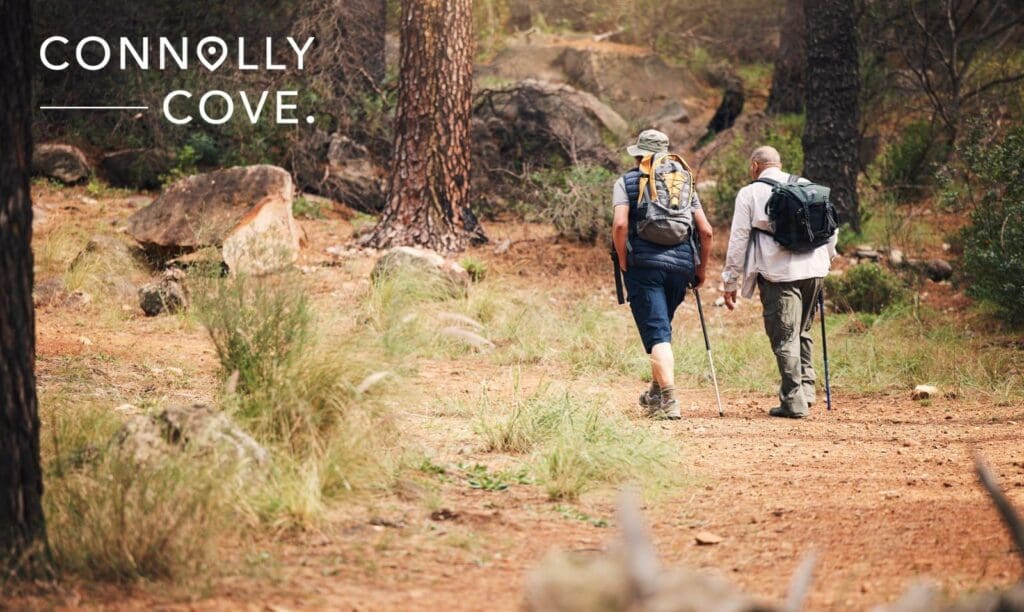
Scotland’s stunning landscapes provide a backdrop for retreats that integrate outdoor activities with wellness practices. These retreats may involve hiking, forest bathing, wild swimming, nature walks, and ecotherapy sessions, allowing participants to connect with nature while enhancing their mental and physical well-being.
Scotland is a paradise for nature lovers and outdoor enthusiasts. With its breathtaking landscapes and vast open spaces, it offers endless opportunities for wellness and relaxation in the great outdoors.
Whether you’re a solo traveller, backpacker, luxury traveller, foodie, history buff, or nature lover, Scotland has something for everyone. You can embark on serene walks amidst lush greenery or explore the rugged mountains and hills that offer stunning views at every turn.
Take part in activities like hiking, cycling, kayaking, or wildlife spotting to connect with nature and rejuvenate your mind and body. From the tranquil beauty of the Scottish Highlands to the peacefulness of Cairngorm National Park, Scotland’s natural wonders provide the perfect backdrop for a truly revitalizing experience.
Yoga Retreats

Yoga retreats in Scotland offer a serene escape into the country’s picturesque landscapes, providing a harmonious blend of yoga practices, mindfulness, and immersion in nature. These retreats cater to yoga practitioners of all levels, offering a rejuvenating and transformative experience amidst Scotland’s serene countryside.
Nestled amidst the rolling hills of the Highlands, along the tranquil shores of lochs, or within secluded retreat centres, yoga retreats in Scotland create an ideal environment for participants to unwind, reconnect with themselves, and deepen their yoga practice.
Yoga retreats in Scotland typically offer a variety of yoga classes and workshops led by experienced instructors. These sessions encompass different yoga styles, such as Hatha, Vinyasa, Yin, Ashtanga, or Kundalini, allowing participants to explore and practice diverse yoga techniques suited to their preferences and skill levels.
The serene natural surroundings play a crucial role in enhancing the yoga retreat experience in Scotland. Participants often have the opportunity to practice yoga outdoors, surrounded by breathtaking landscapes, whether it’s sunrise yoga sessions overlooking the Highlands or sunset practices by a tranquil loch. The connection with nature adds a profound dimension to the yoga practice, fostering a deeper sense of mindfulness.
In addition to yoga classes, these retreats commonly incorporate mindfulness practices, meditation sessions, and breathing exercises. Participants are guided through mindfulness-based practices aimed at enhancing relaxation, reducing stress, and promoting mental clarity. The retreats offer a space for individuals to cultivate present-moment awareness and develop mindfulness techniques that can be integrated into their daily lives.
Beyond the physical and mindfulness practices, yoga retreats in Scotland often focus on holistic wellness, offering workshops on healthy living, nutrition, and holistic healing modalities. Participants may have the opportunity to engage in discussions about Ayurveda, natural remedies, or holistic therapies, gaining insights into holistic approaches to well-being.
Accommodations at yoga retreats in Scotland vary, offering a range of options from cosy cottages and eco-friendly lodges to purpose-built retreat centres. These accommodations are designed to provide comfort, allowing participants to relax and unwind after their yoga sessions.
Moreover, the culinary offerings at these retreats often emphasize nourishing and wholesome meals made from locally sourced ingredients. Guests can indulge in healthy and delicious vegetarian or vegan fare, supporting their overall wellness journey during the retreat.
Yoga retreats in Scotland not only offer a space for physical practice but also serve as an opportunity for personal growth, self-reflection, and community bonding. Participants often find a sense of camaraderie and connection with like-minded individuals sharing the transformative journey of yoga and mindfulness.
Relaxation and Spa
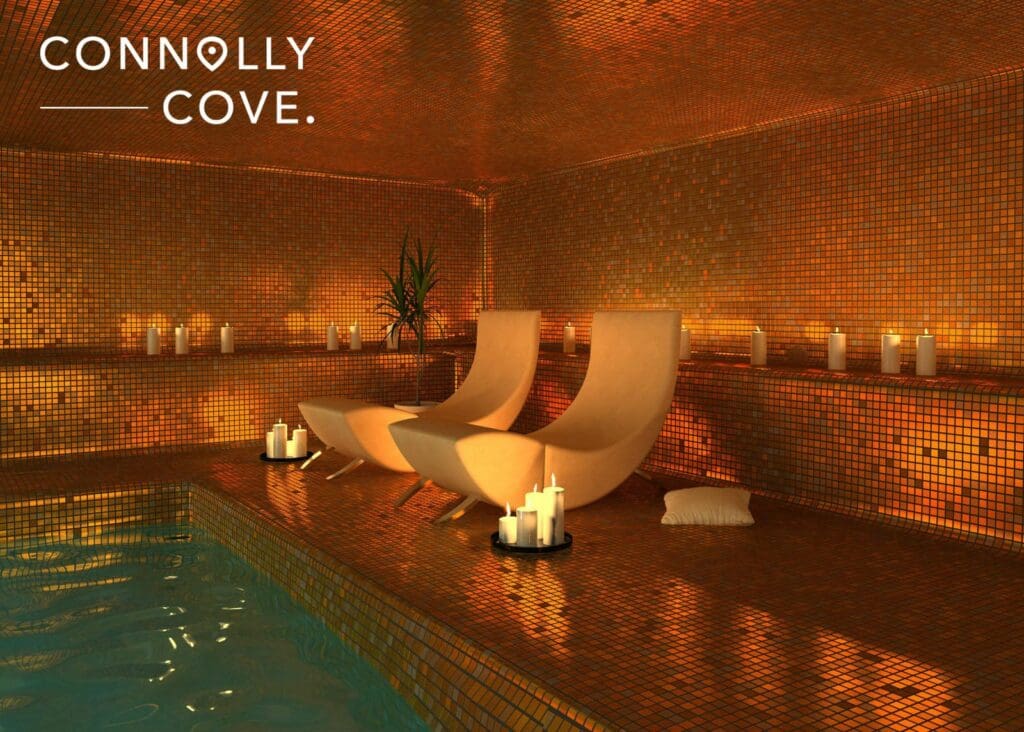
Scotland’s diverse landscapes, rich cultural heritage, and serene countryside provide an ideal backdrop for relaxation and spa retreats, inviting visitors to immerse themselves in a world of tranquillity, rejuvenation, and holistic wellness. From luxury spa resorts to remote retreats, Scotland offers an array of options for those seeking to unwind, recharge, and indulge in self-care amidst the country’s natural beauty.
Luxury spa resorts scattered across Scotland provide a haven for relaxation enthusiasts. These resorts often boast state-of-the-art spa facilities, offering a wide range of treatments, therapies, and amenities designed to pamper the body and soothe the soul. From soothing massages and invigorating body scrubs to rejuvenating facials and hydrotherapy, guests can indulge in a plethora of spa experiences tailored to their preferences.
The tranquil settings of Scotland’s spas add to the overall experience, with many located in scenic locales such as the Scottish Highlands, by picturesque lochs, or within historic estates. The serene ambience allows guests to unwind amidst breathtaking landscapes, immersing themselves in a sense of calm and serenity that is quintessentially Scottish.
Many spa retreats in Scotland embrace the country’s natural bounty by incorporating locally sourced ingredients into their treatments. Guests can enjoy organic skincare products, aromatherapy blends made from native botanicals, and therapies inspired by traditional Scottish remedies, providing a unique and immersive spa experience.
In addition to traditional spa treatments, relaxation and wellness retreats in Scotland often offer yoga and meditation sessions to complement the spa experience. These practices aim to enhance relaxation, reduce stress, and promote holistic well-being, allowing guests to connect with their inner selves while surrounded by Scotland’s tranquil landscapes.
Scotland’s spa culture extends beyond luxurious resorts, with secluded retreats offering a more holistic approach to relaxation. These retreats often focus on wellness therapies, mindfulness practices, and immersive experiences that encourage guests to unplug, rejuvenate, and reconnect with nature.
Mindfulness and Stress Reduction Retreats
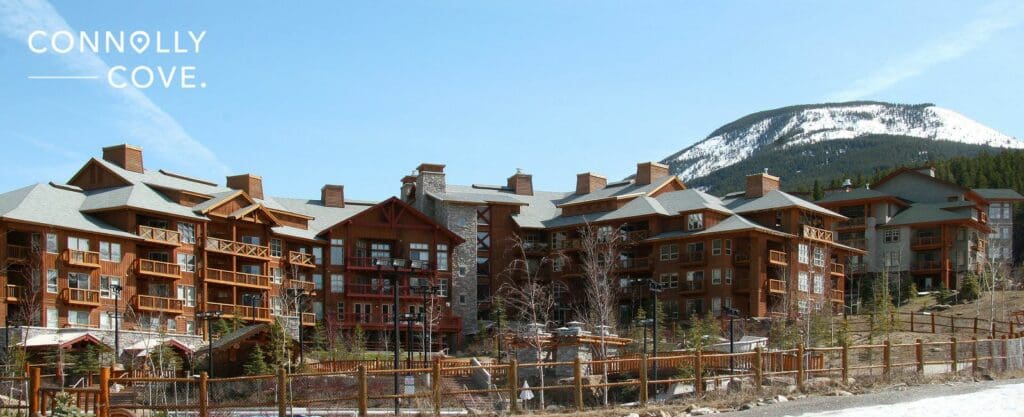
Mindfulness and stress reduction retreats in Scotland offer sanctuaries of tranquillity amidst the country’s stunning natural landscapes, providing participants with a holistic approach to mental well-being. These retreats are designed to help individuals cultivate mindfulness, alleviate stress, and enhance overall mental clarity through guided practices, immersive experiences, and serene environments.
Nestled within Scotland’s picturesque settings, these retreats provide an escape from the hustle and bustle of daily life, allowing participants to immerse themselves in mindfulness techniques while surrounded by the calming beauty of the Scottish countryside. Whether set amidst the rolling hills of the Highlands, by tranquil lochs, or within secluded retreat centres, these locations offer an ideal backdrop for self-reflection and relaxation.
Mindfulness retreats in Scotland often incorporate various meditation practices, guided mindfulness sessions, and workshops led by experienced teachers or practitioners. Participants are introduced to mindfulness-based stress reduction (MBSR) techniques, which focus on cultivating present-moment awareness, non-judgmental observation, and the development of inner resilience.
During these retreats, individuals engage in mindfulness meditation sessions, which may include focused breathing exercises (such as mindful breathing or body scans), walking meditation amidst nature, and mindfulness-based activities tailored to enhance awareness in daily life. These practices aim to help attendees reduce stress, manage anxiety, and foster a deeper connection with themselves and their surroundings.
The serene and natural surroundings of Scotland’s mindfulness retreats play a pivotal role in fostering a sense of peace and serenity. Participants often have the opportunity to engage in mindful nature walks, where they can appreciate the beauty of the landscape, observe wildlife, and connect with the present moment in a tranquil outdoor setting. Forest bathing experiences, where individuals immerse themselves in the therapeutic benefits of nature, are also common, allowing for a deeper sense of relaxation and connection with the environment.
Holistic Healing and Alternative Therapy Retreats
Some retreats in Scotland focus on holistic healing and alternative therapies. These may include acupuncture, aromatherapy, sound healing, Reiki, Ayurveda, and other complementary healing practices. Participants can immerse themselves in these therapies to promote physical, emotional, and spiritual well-being.
Holistic healing and alternative therapy retreats in Scotland offer a harmonious fusion of ancient healing practices, natural remedies, and serene surroundings, providing individuals with transformative experiences for physical, emotional, and spiritual well-being. Nestled amidst Scotland’s breathtaking landscapes, these retreats serve as sanctuaries where participants can explore diverse holistic modalities and embrace alternative therapies to promote healing and restoration.
Set against the backdrop of Scotland’s picturesque countryside, these retreats often take place in tranquil settings such as serene forests, remote retreat centres, or historic buildings, fostering an environment conducive to introspection, relaxation, and rejuvenation.
These retreats emphasize a holistic approach to health, focusing on the interconnectedness of mind, body, and spirit.
Accommodations at these retreats often prioritize a nurturing and serene environment, providing participants with comfortable lodging in tranquil settings. Many retreats also emphasize wholesome and nourishing cuisine, offering meals made from locally sourced, organic ingredients to support holistic wellness.
These retreats in Scotland create a space for individuals seeking a holistic approach to health and healing. By embracing alternative therapies and ancient healing practices in conjunction with the natural splendour of Scotland’s landscapes, these retreats foster a journey toward holistic well-being, empowering individuals to connect with themselves and embark on a path of self-discovery and healing.
Scotland is a perfect destination for those seeking a retreat. With its stunning natural landscapes, peaceful retreat centres, luxurious hotels, and wide range of activities, Scotland has something to offer for everyone. Whether you want to relax and rejuvenate at a wellness retreat, connect with your spirituality at a spiritual retreat, or immerse yourself in nature at a nature retreat, Scotland is sure to provide you with an unforgettable experience.
Top Places to Visit on a Day Trip to Alexandria
Egypt
09/05/2024
Kilmainham Gaol; Former Prison Turned Tourist Attraction
County Dublin- Dublin
09/05/2024

25 of the Best Irish Comedians: The Irish Humour
Ireland
09/05/2024
Royal County Down Golf Club: One of the Oldest Irish Courses
Northern Ireland
09/05/2024
The Dingle Peninsula: A Beautiful Part of Ireland
Ireland
08/05/2024