


The Best Bed and Breakfast in England for Cosy Retreats
Updated On: January 11, 2024 by  Miranne Khaled
Forget the sterile walls and faceless crowds of chain hotels. A different kind of haven awaits in England, welcoming travellers who seek warmth, history, and a touch of home. Welcome to the fascinating world of bed and breakfast in England, known by the friendly acronym “B&B.” These intimate sanctuaries offer a cosy refuge from the every day, steeped in charm and brimming with the genuine hospitality England is famous for.
Nothing beats the cosiness of waking up to the scent of freshly baked bakery wafting from downstairs, sunlight streaming through charming windowpanes, and the promise of a hearty breakfast just for you. In any bed and breakfast in England, you’re not just a guest but part of the story. These havens often reside in picturesque villages, historic towns, or amidst rolling countryside, inviting you to soak in the unique rhythms of English life.
But the B&B story stretches far beyond a comfortable bed and a delicious meal. Its roots trace back to ancient times, to weary travellers seeking solace on their journeys. Then, in the 18th and 19th centuries, a new need arose as travel exploded during the Industrial Revolution: homes that welcomed wanderers with open arms and a home-cooked breakfast.
Thus, the concept of the bed and breakfast was born, initially blossoming in rural England. These havens catered to physical needs and a yearning for connection and cultural immersion. Today, this tradition thrives, fuelled by a rise in domestic tourism and the desire for authentic experiences.
Gone are the days of basic rooms and simple breakfasts. Modern B&Bs have evolved, offering private bathrooms, Wi-Fi, and personalised touches that add a layer of indulgence. Some even cater to specific themes, from eco-friendly escapes to historic retreats, ensuring there’s a perfect B&B waiting for every kind of traveller.
So, are you ready to ditch the ordinary and embrace the charm? Step into the world of cosy bed and breakfast in England, where stories whisper from the walls, comfort awaits around every corner, and breakfast isn’t just a meal; it’s an invitation to connect genuinely.
Key Features of Bed and Breakfast Havens
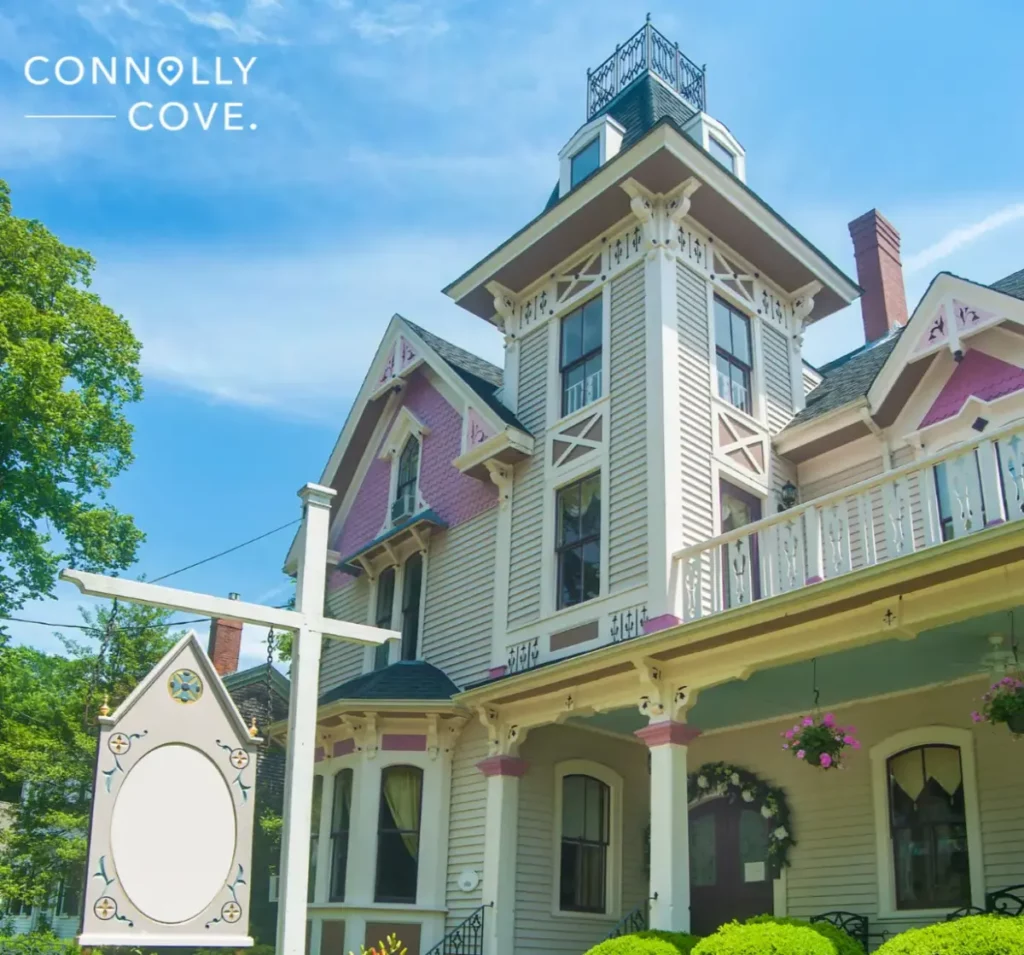
Several key features distinguish a bed and breakfast from a traditional hotel. These distinguishing features of bed and breakfast establishments contribute to their appeal as a more personal and intimate alternative to conventional hotels.
They offer a unique and often more authentic experience, where visitors connect with the local culture, enjoy personalised service, and feel at home while exploring a new destination. These features contribute to the unique experience and charm that B&Bs offer.
Smaller in Size Than Hotels
B&Bs are typically smaller in scale compared to hotels. They often have limited guest rooms, allowing for a more intimate and personalised experience. This smaller size fosters a cosy and welcoming atmosphere, where hosts can provide individual attention to each guest.
Home-like Atmosphere
Among the defining features of a B&B is its homely ambience. Unlike hotels, B&Bs are often housed in residential properties, such as converted houses, cottages, or historic buildings. This creates a more relaxed and comfortable setting that feels like a home away from home.
Personalised Service
B&B hosts are known for their warm hospitality and personalised service. They often have a genuine passion for hosting and pridefully make their visitors feel comfortable. Hosts are typically available to provide recommendations, share local knowledge, and cater to individual guest needs.
Homemade Breakfast
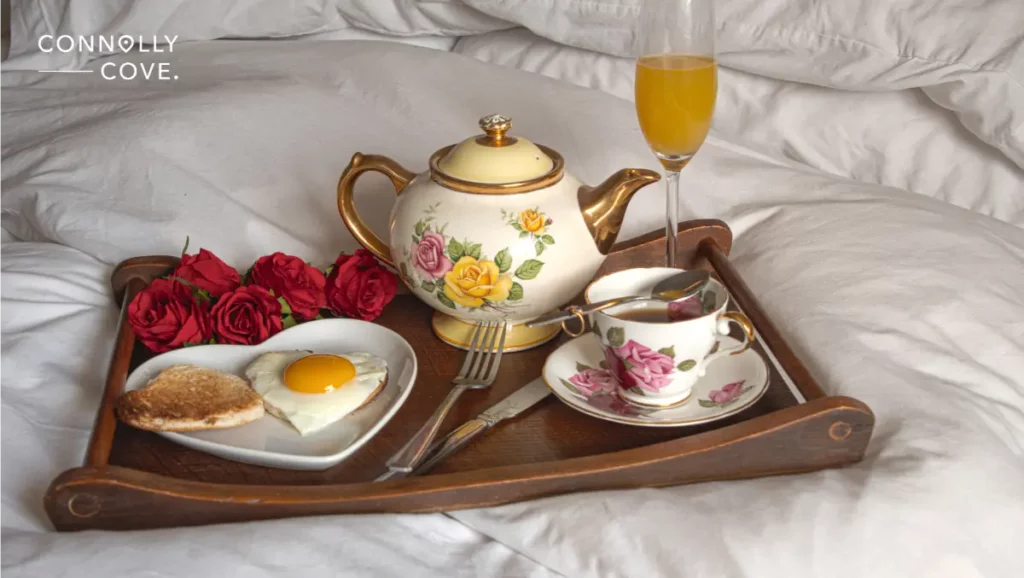
As the name suggests, breakfast is a central component of the B&B experience. Unlike hotels where breakfast is often a standardised buffet, B&Bs typically offer a homemade, freshly prepared breakfast included in the room rate. This breakfast is usually made with local and seasonal ingredients, showcasing regional specialities and adding to the overall charm of the stay.
Local Character and Authenticity
B&Bs often reflect the local character and culture of their surroundings. They are frequently in scenic locations, such as charming villages, historic towns, or countryside settings. B&B hosts are often well-versed in the local area and can provide insights into nearby attractions, hidden gems, and local events.
Unique Décor and Style
B&Bs often showcase unique décor and styles that reflect the individual tastes and personalities of the hosts. Each room may have its distinct character, with personalised furnishings, artwork, and attention to detail. This adds to the charm and creates a more intimate and memorable experience for guests.
Community and Interaction
B&Bs foster a sense of community and interaction among guests and hosts. Common areas, such as lounges, gardens, or dining rooms, allow guests to socialise, share experiences, and connect with fellow travellers or hosts. This communal aspect can enhance the overall experience and create lasting memories.
The Best Bed and Breakfast in England to Visit
These are just a few examples of England’s best bed and breakfasts. Each establishment offers a distinct experience, combining comfortable accommodation, warm hospitality, and delicious breakfasts. Whether you’re seeking a countryside retreat, a coastal escape, or a historical setting, England’s bed and breakfasts will surely provide a memorable and enchanting stay.
These bed and breakfasts provide distinctive features and amenities that make them stand out among the many beautiful options in England. Whether you’re seeking luxurious decor, eco-friendly practices, historic charm, or farm-to-table experiences, these B&Bs offer unique and memorable stays for travellers.
The Crazy Bear, Oxfordshire
Step into a whirlwind of audacious style and indulgent comfort at The Crazy Bear, a flamboyant bed and breakfast in England where every room is a bespoke masterpiece. Prepare to be dazzled by bold colours, unexpected furnishings, and lavish touches that redefine luxury.
Beyond your haven, a vibrant Thai restaurant and a cocktail bar boasting an adventurous menu tempt with equally unforgettable experiences. Let The Crazy Bear whisk you away on a sensory adventure – it’s not just a stay; it’s an escape into a world of unapologetic luxury under one eccentric B&B roof.
The Green House, Bournemouth
Nestled in the heart of eco-conscious Dorset, The Green House isn’t just a dazzling bed and breakfast in England; it’s a sanctuary for the soul and the planet. This carbon-neutral haven marries stylish design with a deep commitment to sustainability.
Wake up to the smell of organic, locally sourced breakfast, breathe easy in the tranquil garden, and recharge using energy-saving amenities. Whether you’re a passionate environmentalist or simply seeking a mindful escape, The Green House welcomes you to experience a luxurious stay that leaves a gentle footprint on the earth.
The Grange Hotel, York
Step back in time to the grandeur of Regency England at The Grange Hotel, a charming bed and breakfast in York housed within a magnificent Grade II listed townhouse. Each room is a unique haven, individually designed with period furnishings, some boasting the romantic allure of four-poster beds.
Indulge in award-winning cuisine at the hotel’s renowned restaurant, and let the convenient location whisk you away to explore York’s historic streets and captivating attractions. The Grange Hotel is not just a stay; it’s a journey into a bygone era, where elegance and history dance together perfectly.
The Pig, Hampshire
Escape to a haven where earth-to-table dining takes centre stage at The Pig in Brockenhurst, a charming bed and breakfast in England reborn within a characterful country house. Lush kitchen gardens circle the property, offering the freshest bounty that fuels the soul of this unique B&B.
Forget generic menus – the seasons dictate the dishes here, showcasing local ingredients sourced from the gardens and trusted nearby suppliers. Unwind in cosy rooms, indulge in the rustic-chic ambience, and savour delectable meals woven from the land. The Pig in Brockenhurst isn’t just a stay; it’s a taste of rural England’s bounty, served with a generous helping of charm.
The Old Bank Hotel, Oxford
In the heart of Oxford, where scholarly pursuits meet contemporary flair, lies The Old Bank Hotel – a unique bed and breakfast in England where history whispers from the walls and modern design takes centre stage. Step into a former bank transformed into a boutique haven, where stylishly decorated rooms, some boasting breathtaking cityscapes, await.
Immerse yourself in the building’s heritage, still subtly woven into the fabric of the hotel, before indulging in the acclaimed restaurant’s culinary delights or soaking up the vibrant scene from the rooftop terrace. The Old Bank Hotel offers more than just a restful stay; it’s an invitation to experience Oxford through a fresh lens, where the past and present gracefully intertwine.
Hazlitt’s, London
Hazlitt’s bed and breakfast exudes a captivating allure from its meticulously restored Georgian townhouse, a testament to its remarkable history of 1718. It’s nestled within the refined Soho neighbourhood of bustling London.
Paying homage to the building’s prestigious past, Hazlitt derives its name from the esteemed essayist William Hazlitt, who once called this very residence home during the early 19th century. The meticulously designed rooms effortlessly capture the essence of the Georgian era, boasting antique furnishings, delicate period features, and an air of elegance that invites a glimpse into the ancient days of grandeur.
The Castle Hotel, Windsor
The Castle Hotel stands proudly as a bed and breakfast of unparalleled historical significance, conveniently located only a stone’s throw away from the majestic Windsor Castle. With its origins tracing back to the 16th century, this remarkable establishment embodies a tapestry of stories, having graciously hosted a procession of illustrious guests, including monarchs who have left their indelible mark upon its walls.
As guests enter this time-honoured abode, they are greeted with comfortable rooms and the warm embrace of traditional English hospitality. They are bestowed with the privilege of breathtaking views that unveil the glorious grandeur of Windsor Castle. This enchanting sight stands as a testament to its enduring legacy.
The Old Rectory, Devon
One of England’s best bed and breakfasts is The Old Rectory in Devon. This beautiful B&B is housed in a restored 19th-century rectory and exudes elegance and sophistication. The rooms are tastefully decorated, combining traditional features with modern amenities for comfort.
The Old Rectory boasts stunning gardens, allowing guests to chill and unwind in a serene environment. The hosts provide friendly and attentive service, ensuring a memorable stay. Moreover, the breakfasts are a highlight, featuring locally sourced ingredients and a delightful array of homemade treats.
The Salutation, Kent
Another remarkable B&B worth visiting is The Salutation in Kent. This luxurious establishment is set in a grand Edwardian mansion, offering a unique blend of luxury and tranquillity. The Salutation features exquisitely designed rooms with distinct character and style.
The beautiful gardens, designed by the renowned landscaper Sir Edwin Lutyens, provide a serene oasis for guests to explore. The B&B’s restaurant serves delectable meals prepared with fresh, seasonal ingredients, further enhancing the overall experience.
The Scarlet, Cornwall
If you’re looking for a coastal retreat, The Scarlet in Cornwall is an exceptional choice. This eco-friendly B&B overlooks the stunning Mawgan Porth beach and boasts breathtaking views of the Atlantic Ocean. The Scarlet strongly emphasises sustainability, incorporating eco-friendly practices throughout the establishment.
The rooms are stylishly decorated, featuring floor-to-ceiling windows that maximise the panoramic vistas. Guests can treat themselves to the spa facilities, which include a natural outdoor pool and a range of rejuvenating treatments. The Scarlet’s restaurant offers a fine dining experience, focusing on locally sourced and organic ingredients.
In the realm of a cosy bed and breakfast nestled in the English countryside, the experience transcends that of a mere guest; it immerses you in a captivating narrative. These havens invite you to embrace the idyllic cadence of England, allowing you to become an integral part of the vibrant tapestry that weaves its way through time.

Dylan Thomas: Exploring The Life of Wales’ Creative Wordsmith!
Language and Literature
03/05/2024

The Mythical Power of Viking Ravens: Huginn and Muninn!
Mythology and Folklore
03/05/2024

Exploring the Remote Beauty of the magnificent Shetland Island!
Scotland
03/05/2024

Understanding the Meaning and Symbolism of Heraldry Symbols!
History and Heritage
03/05/2024

The Name Éire: Understanding the Meaning Behind Ireland’s Name
Ireland
03/05/2024