

How to Enjoy the 6 Incredible Oases in Egypt
Updated On: April 18, 2024 by  Dina Essawy
The oases in Egypt are still among the most heavenly places in the world, each with a special feature of its own. Wherever you stay, you can enjoy the peacefulness of the Bedouin lifestyle, date woods, pigeon towers, and blue-washed mud houses. For the best Egypt safari adventure, you can explore the majesty of the desert by camel or jeep, spend a night under the stars, and have the pleasure of a morning dip in the hot springs. The Oases of Egypt offer a chance to see a unique sort of raw art and enjoy the adventure of your life.
Egypt Oases are a natural gift in the Egyptian desert filled with magnificence and charm. They are like a myth. This place was a part of a sea in ancient Egypt. The history, the people and the geography are a treasure. The White Desert, Siwa, Bahariya, Fayoum, Farafra, Dakhla, and Kharga Oases are hidden treasures.
Bahariya Oasis
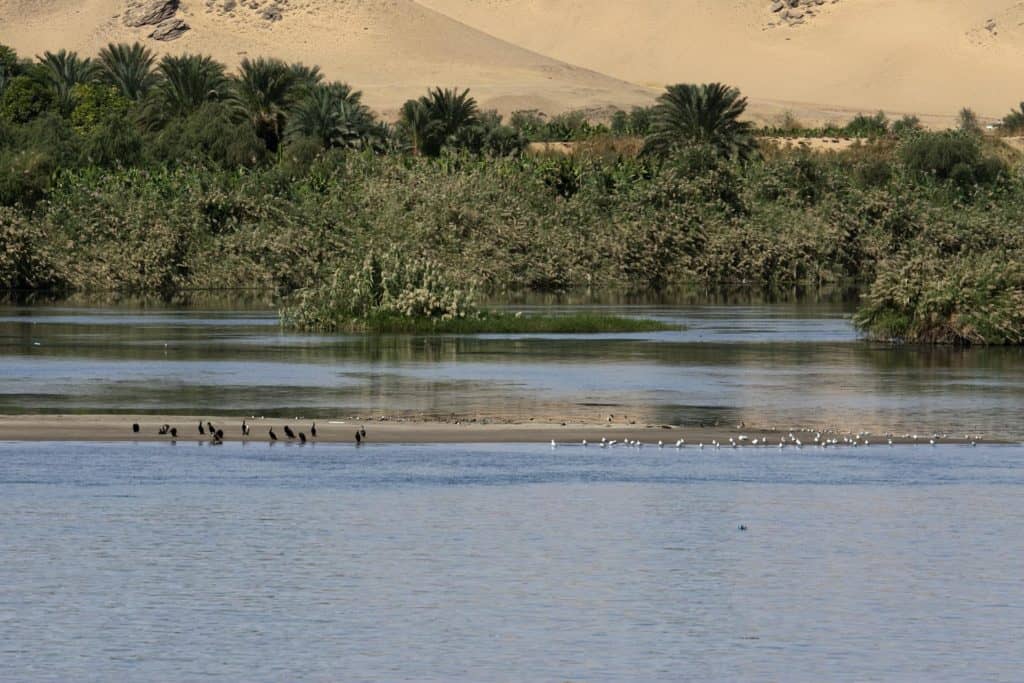
Bahariya is one of the most stunning of the desert circuit oases. It is located just 365km from Cairo. it’s the easiest oasis to access. Much of the oasis floor here is covered by a spread of shaded date palms. It also features dozens of natural springs which are charming to dive into. The surrounding terrain of rocky, sandy mesas is a great introduction to the Western Desert’s unfertile beauty.
In ancient Egypt, the oasis was the bottom of an enormous ocean. Although Bahariya has been populated for at least 10,000 years, strangely enough, no human traces have been found going back to the Middle Kingdom of Ancient Egypt (2055-1770 BC). The oldest tomb found dates from the 18th Dynasty (1550-1292 BC) until the Roman time.
Bahariya advanced culturally and economically which is easily proven by the chapels in Ain el-Muftilla, including the tombs in Qãrat Qasr Selim and Qãrat al-Subi. Today, 36,000 people inhabit the oasis. It consists of several small villages such as Manisha, Managim, Agouz, el-Hara, Zabw, Bawiti, and al-Haiz. Each village is surrounded by fruit trees and palms.
Bawiti is the central village of the oasis. Few tourists visited the oasis before paving the road in 1978. Still, though the closest to Cairo in kilometres, the oasis remains the most distant from time. Bahariya offers visitors a step back in time. It has multiple ancient spots to reflect its significance in ancient times. It is also the entrance to the various deserts like Aqabat, the Black Desert, Western Desert, Crystal Mountains, the white chalk rock sculptures of the White Desert and the Djara stalactite cave.
How to Get to Bahariya Oasis?
There are various options to go to Bahariya Oasis. You can go by bus which takes 5 hours from Turgoman Square in Cairo. There is also the microbus which is available at El Muneeb Bus Station. It is a round 4 hours trip. You can also arrange with the hotel so they can pick you up from Cairo International Airport to Bahariya by car. You can also book a tour and explore the place in a four-wheel-drive vehicle.
What is the Best Time of the Year to visit Bahariya Oasis?
January and February are considered the best months to visit Bahariya Oasis. The temperatures range from 0 C to 28.3 C. It is an ideal time to explore the oasis and enjoy its touristic attractions. While in March and April, the average temperature is 20 C. The highest temperature can reach 32 C and the lowest can get down to 6 C.
May is also a good time to visit Bahariya Oasis. The temperature ranges from 14 C and 45 C with an average of 28 C but you need to keep yourself hydrated all the time. In August, the average temperature is 30.6 C with the highest being almost 44 C and the lowest being around 18C. From September to November, the temperature ranges from 7 C to 42 C, averaging 24C. In December, the lowest temperature is 1C while the highest is 24C.
Top Attractions in Bahriya
The White Desert: the White Desert, el-Sahara el-Beida is one of the most-visited spots in Bahariya Oasis. It is famous for its dazzling scenery. The chalk-white landscape is spread with exotic shapes, stones of brilliant white which arise up from the surface of the desert, heightened by the clear light of noon, glimmering gold at sunset or darkened in a cloud-filled sky.
A lot of the shapes are given descriptive names – carved by the rough desert winds into bizarre shapes which regularly change over time. There are ‘ice cream cones’, ‘monoliths’ and ‘mushrooms’, ‘crickets and ‘tents’ as well as the exquisite conical flat-topped ‘inselbergs’, to name but a few of the shapes.
In ancient times, the White Desert was a seafloor. The sedimentary layers of rock were created by marine creatures when the ocean dried up. Later a home for many roaming herds of gazelle, elephants, giraffes, and other animals, the desert would have been a savannah with dense green areas and lakes filled with fish. It was a perfect hunting ground for pre-historic people. The landscape we see today was created by the plateau falling apart, leaving harder rock shapes uprising while the weaker parts are faded away by sand and wind. In some parts, the chalk surface still looks like soft wind-ruffled waves on water.
The White Desert is now a protected area called the White Desert Park, where specified paths must be followed when driving in 4WD vehicles. The external parts nearest the road are called the Old Desert and you can get to it in a normal vehicle. Many visitors prefer an overnight camping safari to catch the drama of both sunset and dawn. The new routes are laid out to guide vehicles through the most well-known desert landmarks, first a field of huge ‘mushrooms’, followed by an ancient single Acacia tree.
A night under the stars in the White Desert is an adventure you can never forget. As the sky turns pink and then a vibrant orange, the rock-shapes fade. Then, silence is everywhere. You can enjoy the simplest meal of chicken, rice, and vegetables while sitting around a small fire. It is an amazing feeling.
Sahara Suda, Black Desert: Sahara Suda, the Black Desert is a famous safari destination for regional tour groups. The land to the right and left of the road is surrounded by black stones. Winding in and out of these mountains is exciting. You can book a tour to better explore the place.
The Crystal Mountian: The Crystal Mountain is located between the oasis Bahariya and Farafra. The Crystals are probably Barite and/or Calcite crystals. The geologists call it an exhumed cave that has been pushed upwards by earth movement. It lost its roof with time due to erosion and has almost eroded.
The Museum of the Golden Mummies: Many years ago, A donkey dropped into a hole and uncovered a stunning Mummy with a gilded Coffin, kept under wraps as long as excavation continued. The discovery was declared to the world with the name the Valley of Golden Mummies. It is thought that this site may contain around 10,000 intact dated back to the Roman Period.
Gebel Maghrafa: Gebel Maghrafa, Mountain of the Ladle, and Dist are 50 meters apart. They overlook the plain around Bir Ghaba. Maghrafa is the less of the two mountains. It is an Oligocene ferruginous butte which is 600 metres round at the base and 15 meters at the top. Paralititan Stromeri is the name of the dinosaur that was discovered lately by a Penn/Egyptian Geological Museum team. It is named because of its location along the shores of an ancient sea and its size as well. It is the biggest and heaviest dinosaur known. The German scientist Stromer found the massive creature in 1914 at the base of Gebel Dist.
His samples and research were lost during World War II when his Munich museum was ruined by the Allied bombing. Modern scientists discovered five tons of material such as 16 bones of the dinosaur and some in pieces. The giant is estimated to be about 25 metres high and 50 to 80 tons. It fed on plants and lived along coastal lowlands among mangrove trees about 93-99 million years ago in the Late Cretaceous period. It is the only dinosaur found enjoying mangroves. There are other animals found in the area including fish, turtles, and a crocodile.
Bannentiu and Djed-Ankh-Amun (Zed Amun):) The Egyptian archaeologist Ahmed Fakhry discovered four tombs at the hill of Qarat Qasr Selim In 1938. Two of the tombs are richly ornate and open to the public. The two tombs are related to Zed-Amun-ef-ankh and his son Bannentiu. They are members of a wealthy family of merchants during Ahmose II’s rule. The opening of the hypostyle burial chamber of Zed-Amun-ef-ankh is located at the bottom of a hole five metres deep. It includes scenes of the funeral procession and the Four Sons of Horus.
According to the ancient inscriptions Bannentiu was both a priest and prophet. You can get to this burial chamber through a passage about 6 metres deep. The settings in the internal burial chamber contain a well-preserved illustration of the Judgement Hall of Osiris and the weighing of the heart of the dead. The Romans used both tombs as burial places. They are stolen in recent times when some mummies, jewellery and pearls were taken. Fortunately, both tombs still represent some great decorations and are helpful to our understanding of early life in this Oasis.
Gabel El Ingleez: It is called Black or English Mountain This mountain is characterised by a ruin at its top. It is easy to climb the mountain and the view from the top offers scenery of the northern part of the oasis. At one corner of the top are the remains of World War I. Williams was assigned to Bahariya to monitor troop movements by the Sanusi. The house which is made up of three rooms and a bath is now in ruins.
Valley of Agabat: Valley of Agabat is in-depth within the white desert. You can enjoy the stunning beauty of the place. Millions of years ago, this spot was under the sea. Over the years, distinctive rock formations of limestone, and chalk formed. You can enjoy a moment of peace and happiness when you stand above the small rock cliff in one of the valleys where you can see no single trace of living beings in the whole area.
Top-Rated Hotels in Bahariya Oasis
Western Desert Hotel & Safari: It is a four-star hotel located in Bawati Centre. It is only 75 metres away from the bus station in Bawati. The hotel offers free wifi, free parking, a spacious terrace, a fitness centre and a garden. The hotels also feature airport pick-up and drop-off with an additional charge. Sauna, hot tub and massage are also available for an additional charge. There are two restaurants on-site which serve middle east cuisine.
The hotel features 3 room types. Double or twin rooms offer 2 single beds or one double bed. The room is 30 square metres. The room offers AC, balcony, city view, ensuite bathroom, flat-screen tv, and free wifi. The triple room is 35 square metres. It features 3 single beds, a balcony, and a city view. The room also offers AC, free wifi, flat-screen tv, wardrobe or closet, bath or shower, toilet paper and more. The suite is the last room type. It is 50 square metres. You can choose from 2 single beds or 1 large double bed. The room features. The room features a private pool, balcony, city view, AC and ensuite bathroom. The room also offers free wifi, flatscreen tv, an additional bathroom, sofa, seating area, refrigerator, toilet paper and more. Prices can vary depending on the room type and facilities.
Ahmed Safari Camp: It is a two-star hotel located in Bawati. It features a restaurant and Bedouin tents with folklore music and a campfire. The hotel offers free wifi, free private parking, a 24-hour front desk, luggage storage, a kids’ club, 24-hour security, indoor swimming pools and many more. The hotel also features airport drop-off and pick-up with an additional charge. Life music, evening entertainment, bike tours, themed dinner nights, and hiking is available for an additional charge. There is one restaurant on site which serves breakfast, brunch, dinner, high tea and an A la carte menu.
There are four-room types ranging. Basic Double or Twin room features one double bed or two single beds. The room features a private kitchen, private bathroom, balcony, bathroom, garden view, mountain view, BBQ and terrace. The room offers free toiletries, an additional toilet, a seating area, a fan, and many more. Towels/sheets are available with extra fees.
A double or Twin Room is another room type. It is 15 square metres. There are 1 double bed or 2 single beds. The room features AC, a private kitchen, a private bathroom, balcony, bathroom, garden view, mountain view, BBQ and terrace. The room offers a TV, refrigerator, mosquito net, outdoor dining area, wardrobe or coset, free toiletries, additional toilet, seating area, fan, and many more. Towels/sheets are available with extra fees.
A basic Triple Room is another type of room. It is 15 square metres. It features 3 single beds. The room also features a private kitchen, private bathroom, balcony, bathroom, garden view, mountain view, BBQ and terrace. The room offers a private entrance, outdoor furniture, an outdoor dining area, a wardrobe or coset, free toiletries, an additional toilet, toilet paper, a seating area, a fan, and many more. Towels/sheets are available with extra fees.
Triple Room is another room type. It is 15 square metres. It features 3 single beds. The room also features AC, a private kitchen, private bathroom, balcony, bathroom, garden view, mountain view, BBQ and terrace. The room offers a TV, refrigerator, private entrance, mosquito net, outdoor furniture, outdoor dining area, wardrobe or coset, free toiletries, additional toilet, toilet paper, seating area, fan, and many more. Towels/sheets are available with extra fees.
There are a restaurant and a cafe nearby, Twist Restaurant and cafeteria Bakar. Nearby attractions are the English House Mountain which is 7 kilometres away, Salt Lake which is 9 kilometres away, and Black Desert which is 20 kilometres away. Prices may vary according to the room type and facilities.
Badry Sahara Camp: It is a campsite located in Bawati. It features a restaurant and Bedouin tents and a free hot spring bath. The hotel offers free wifi, free private parking, 24-hour front desk, luggage storage, room service, AC, Concierge service, indoor swimming pools and many more. The hotel also features laundry service, bicycle rental, and airport shuttles with additional charges. There is a shared kitchen on the campsite.
There are three room types available. A Twin Room with a shared bathroom is one of the room types. It features one double bed and two single beds. The room offers free wifi. It features a shower, toilet, towels, linen, desk, slippers, shared bathroom, wake-up service, floor, toilet paper and more. The entire unit is located on the ground floor.
Standard Triple Room is another room type. It is 20 square metres with a mountain view. The room features 3 single beds. The room offers free wifi. It features a shower, toilet, shared bathroom and more. The entire unit is located on the ground floor.
Family Room with shared bathroom is another room type. The room features 2 single beds and one double bed. is one of the room types. It features one double bed and two single beds. The room offers free wifi. It features a shower, toilet, towels, linen, desk, slippers, shared bathroom, wake-up service, floor, toilet paper and more. The entire unit is located on the ground floor.
The nearby attraction is the English Mountain which is 0.9 kilometres away. Prices and cancellation policy can vary depending on the room type and facilities. You can only pay cash. Children of any age are allowed on the campsite. Pets are also allowed with no extra charge.
Elysium resort in Bawiti: It is a farm stay located in Bawati. The farm stay offers free parking. It features a garden and terrace. There is no internet access available on the farm. Pets are allowed with no extra fees. Children of any age are allowed on the farm stay. There are two room types available.
Family Room is one of the room types available on the farm. It is 25 square metres with a garden view. It features 3 single beds with a private bathroom and balcony. The room also features a shower, bidet, toilet, towels, slippers, interconnected room(s) available, kitchenware, wardrobe or closet, dining area, dining table, toilet paper and more. The entire unit is located on the ground floor.
Triple Room is the other room type available on the farm. It is 24 square metres with a garden view. The room features 3 single beds with a private bathroom and terrace. The room also features a shower, bidet, toilet, towels, slippers, interconnected room(s) available, kitchenware, wardrobe or closet, dining area, dining table, toilet paper and more. The entire unit is located on the ground floor.
Desert Safari Home: It is one of the top-rated hotels located in Bawati. The hotel features free private parking, a 24-hour front desk, airport transfers, room service and a garden. It offers free internet access. It also features a la carte breakfast. Airport shuttle service is available with extra charge. Air conditioning and Jacuzzi are also available with extra cost. There are two room types.
Deluxe double or twin room is one of the room types. It features 2 double beds. It features a terrace and AC. It offers free wifi. The room also features free toiletries, bidet, bath or shower, TV, refrigerator, satellite channels carpeted, dining area, dining table, drying rack for clothing, toilet paper and more. The other room type is a single room with a private bathroom. It features 1 single bed. It offers free wifi. It also features Ac with extra cost.
Siwa Oasis
Siwa Oasis is a hidden beauty of Egypt. It’s the ideal place to relax in a breezy atmosphere and explore various touristic spots in this wonderful destination. Siwa doesn’t have the big attractions of the pharaonic civilization as there are few hieroglyphics, no mummies, and no giant temple complexes. It is a charming oasis of lakes and palm trees in the middle of the desert. It is located 50km from the Libyan border.
How to get to Siwa Oasis?
You can take the bus from Cairo departing from the West and Middle Delta Bus Company. It is a 9-hour trip. The bus stops at a couple of checkpoints along the way. The buses most probably depart in the evening. You can also drive to Siwa if you have your car, or you can rent one. There is an option as well to rent a car with a driver.
What is the Best Time in the Year to Visit Siwa?
September and December are the ideal months to visit Siwa. The daytime weather is warm and pleasant. They feature sunny days. The average temperature is 20 C which is just great to explore the oasis. From January to March, the temperature ranges between 1 C and 32 C with an average of 15 C.
From April to June, the average temperature is around 26 C with the highest temperature of 42 C and the lowest of 10 C. While in July, the average temperature is around 32 C with the highest temperature of 42 C and the lowest of 22 C. In August, the highest temperature is 42 C while the lowest temperature is 22 C with an average of 30 C. It is recommended to keep yourself hydrated.
Top attractions in Siwa:
Shali Fortress: It is one of the stunning organic shapes of the remains of the 13th-century mud-brick fortress in Central Siwa. It is formed by chunks of salt from the lake just outside town, combined with rock and covered in local clay. The maze of group buildings was originally four or five storeys high and sheltered hundreds of people. A pathway heads over the slumping remains, past the Old Mosque with its chimney-shaped minaret, to the top for panoramic sceneries.
Three days of rain in 1926 resulted in more damage than any invader had caused. Throughout the last decades, residents moved to newer and more suitable houses with electricity and running water. Nowadays, only a small number of buildings around the edges are used as warehouses. Many outsiders and Egyptians are decorating houses in the old town; some are open for overnight stays.
Mountain of the Dead: It has several tombs. The tombs cover every the whole of its base. The tombs are located on the mountain’s terraces and on every side of the conical part. They date back to the 26th dynasty during the Greek and Roman times. However, they do not seem like Christian burials. The tomb of Si-Amun is one of the most popular and stunning tombs in the oasis of the Western desert. The tomb dates back to the 3rd century BC. It was found out in October 1940. Some of its ornaments were severely damaged by soldiers in Siwa at that time. They destroyed parts of the painted plaster. The tomb was also stolen during Roman times.
It is also said that the locals inhabited some of the tombs. The tomb of the Crocodile is another tomb in the mountain. It was found out in October 1940. The name of the owner is not conserved so the locals gave it the name “Tomb of the Crocodile”, after clearing the remains and they view the paintings.
Temple of the Oracle of Amun / Aghurmi: It is located in the northwest corner of the ruins of Aghurmi village. It goes back to the 26th dynasty It was constructed in the 6th century BC. It was devoted to Amun and was a powerful sign of the town’s wealth. It is thought that Alexander the Great was announced son of Amun in this temple.
There are numerous stories about the formation of the temple. One of these stories is that a priestess was expelled from Thebes to the desert. And founded the Temple of the Oracle. One of the most revered oracles in the ancient Mediterranean, its power was such that some rulers sought its advice while others sent armies to destroy it. Although it has been stolen and badly restored in the 1970s, it is an expressive sight. It enjoys fantastic views over the Siwan oasis palm-tops due to the ruins of Aghurmi.
Cleopatra’s Pool – Spring of Juba: You can chill and swim at Cleopatra’s Pool – Spring of Juba. Many locals and tourists visit the stone pool. It is recommended not to wear revealing clothes as it is a conservative place.
Great Sand Sea: It is an unbroken mass of sand ridge which smothers the barren borders of Libya and Egypt. There are not any inhabitants there. Parallel dune ridges stretch north-south for hundreds of miles. If you are planning to visit this spot, it is recommended to be well prepared since there is no water source available in 150,000 square miles.
This area started to be explored in World War II. Today, the region remains largely unexplored and is rarely visited. It is about 250 kilometres wide.
Museum of Siwan Traditions: It depicts a traditional Siwan house, including special brides’ gowns, traditional costumes, work-related items and household and instruments used for palm trees, and standard women’s silver accessories. It opens at 9:30 am. You can request a guided tour from the clerk. You can enjoy the exciting story about wedding traditions. It takes about an hour to explore the place. It is only 100 metres away from the city centre where you can find the shops.
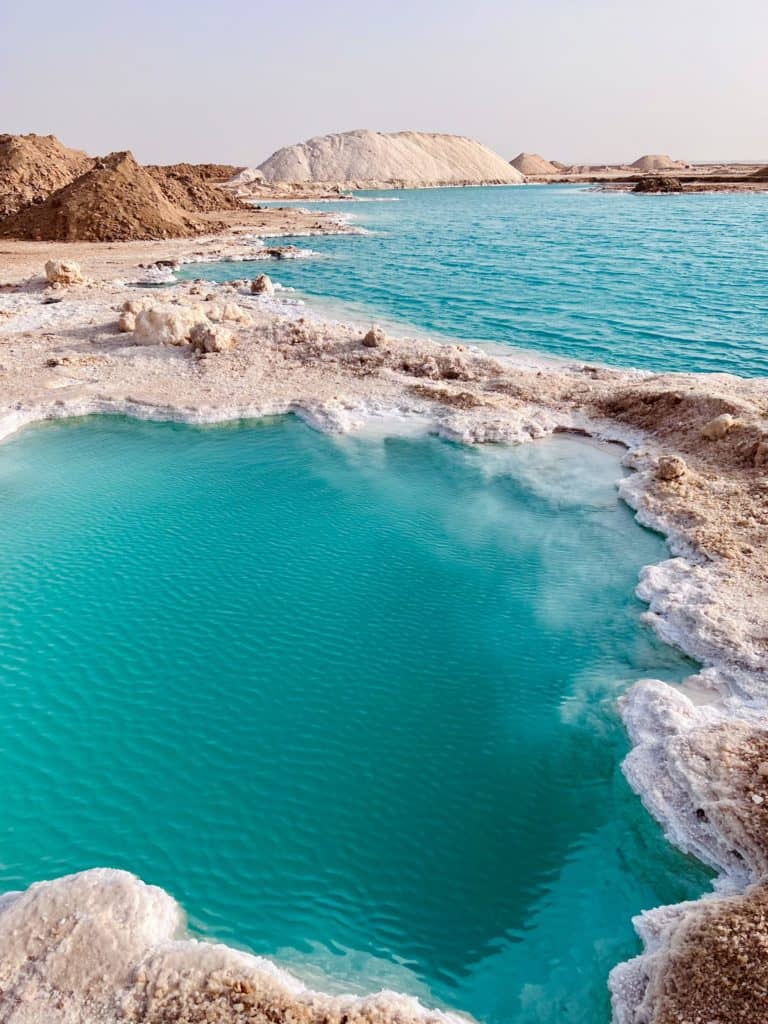
Lake Siwa: You can explore and enjoy the salt plains and lakes of Siwa. They are small pools of extremely saline water so that you can float. You can also explore the mountains of salt where the industrial salt production operation takes place. You can also enjoy the area from the town along a straight man-made road through the middle of a stunning lake. You can also find a little cafe in the middle of the road to stop for a break, perched on a little island just off the road. While cycling back at the sunset you can enjoy the scene of the whole lake turning into a soft pink colour.
Top-Rated Hotels in Siwa
Qasr El-salam: It is one of the top-rated hotels in Siwa. It is located 400 metres away from the Old Fortress of Shali. Qasr El-salam features a garden, an outdoor swimming pool, and a 24-hour front desk. It offers free parking but no internet available. Pets are allowed with no extra charge. There are two room types available.
A Deluxe double room with a bath is one of the room types. It is 16 square metres. It features 2 single beds. It offers free AC, a private bathroom, a mountain view, an electric kettle, toilet paper, towels and a bath. The Triple Room with bathroom is another room type. It is 16 square metres. It features a mountain view and 3 single beds. It offers free AC, a private bathroom, an electric kettle, toilet paper, towels and a bath. Prices vary according to the room type and facilities.
Albabenshal Lodge Siwa: It is one of the top-rated hotels. It is situated outside the ruins of Old Shali. It offers free wifi and free parking. It features a coffee house on-site, a snack bar, kids’ meal, outdoor furniture, an outdoor dining area, and non-smoking rooms. Pets are allowed without extra charge. There is one room type available.
A triple room with a private bathroom is the only room type available. It features 3 large double beds. It is 60 square metres. It features a balcony, city view, inner courtyard view, private bathroom, patio, private entrance, outdoor dining g area and many more. It offers free toiletries, free wifi, bath or shower, toilet paper and towels. Prices can vary depending g on the season and the facilities.
Dream Lodge Hotel Siwa: It is one of the top-rated hotels located next to the Mountain of the Dead. The hotel offers free parking, free breakfast and free wifi. The hotel features a fitness/spa, a pool, a sauna, fitness classes, a parking garage, bicycle rental, 24-hour front desk, 24- hour check-in, 24- hour security, laundry service, dry cleaning and BBQ facilities.
There are six room types available, pool view, non-smoking rooms, family rooms, bridal suites, suites and smoking rooms. Most rooms offer AC, satellite TV, sofa, refrigerator, flat-screen TV, and blackout curtains. The rooms also feature extra-long beds, private bathrooms, an electric kettle, a seating area and a fireplace.
Siwa Shali Resort: It is a 3- star resort located in Gabal El Dakror Oasis. It offers free private parking and a free pool as well. The resort features AC, a 24-hour front desk, luggage storage, laundry service, packed lunches and a spa and wellness centre. There is no internet access in the resort. BBQ facilities and shuttle services are available at an additional charge. There are 3 room types available.
The standard twin room is one of the room types which features 2 single beds. It is 33 square metres. It offers AC, a minibar, satellite TV, and a ceiling fan. It features a garden view, pool view, private bathroom, shower, toilet, and towels. It also features a wardrobe or closet, fan, TV, satellite channels, wake-up service and many more.
Dakhla Oasis
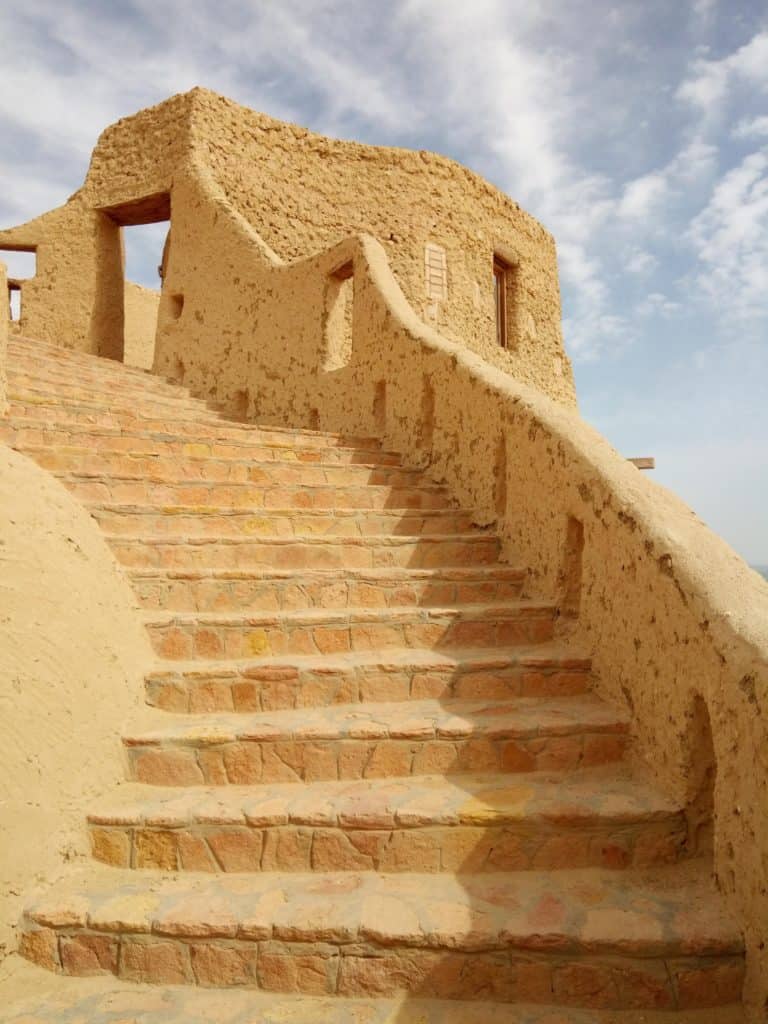
Dakhla was the capital of the oasis area during the Pharaonic period due to its significant amounts of underground water. Today, El Dakhla is one of the most outstanding oases in Egypt with wonderful natural scenery, many distinctive monuments, and a large collection of Bedouin handmade souvenirs to buy around the towns of Dakhla Oasis. Dakhla Oasis is located inside a depression the same as the rest of the Egyptian oases situated in the Western Desert.
Dakhla Oasis is the southernmost Oasis of Egypt and it was historically situated in the centre of a significant caravans trading road. This road connected the Dakhla to the Kharga Oasis, Farafra Oases and the Nile Valley in the West as well. It also extended as far to the east as Libya.
Over half of the lands of Dakhla Oasis are agriculturally cultivated due to a large number of water springs compared to the other oases in Egypt. These water springs include “Bir El Gabal” and “Bir Talata”. These freshwater springs are the most famous tourist attractions in Dakhla Oasis due to their great warm water and comfortable atmosphere.
How to get to Dakhla Oasis?
There is more than one way to get to Dakhla from Cairo. You can go by taxi through one of the operators. It is around 10 hours trip. You can also rent a car and drive to the oasis. It is 777.3 kilometres which are almost 10 hours trip. You can also fly from Cairo to Asyut which takes around an hour. Then, you can take a taxi to Dakhla oasis which is around 5 hours and 30 minutes trip. There is also another option which is to fly to Sohag and then take a taxi to the oasis. The flight to Sohage takes around 1 hour and around 7 hours 10 minutes taxi trip. You can also fly to Luxor which takes 1 hour roughly. Then you can take a taxi to the oasis. The taxi trip is around 7 hours and 15 minutes. The last option is to fly to Aswan. The flight takes 1 hour and 20 minutes. Then, you can take a taxi which takes around 9 hours and 15 minutes. Prices and rates vary according to the time of the year and the way of transportation.
What is the Best Time in the Year to Visit Dakhla?
December is the best month to visit Dakhla. In December the weather is pleasant and warm during the daytime. The average temperature is 20C which is ideal to explore Dakhla. In October and November, the average temperature is 22C. The weather is warm, so it is a good time to visit Dakhla. The highest temperature was 37.7C. From May to September is an ideal season to visit Dakhla. the average temperature is around 21.6C. It is great weather outdoors. It is a tourist high season as well.
From February to April, the temperature ranges between 12.2C to 37C. The weather is not that pleasant however, it is a good time for excursions around the city of Dakhla. In January, the weather is cold still you can enjoy the stunning touristic spots of Dakhla. The temperature ranges between 11C and 27C with an average temperature of 17.7C.
Top attractions in Dakhla:
The Village of Mut: It is the largest and most significant oasis among the 16 other oases in Egypt. There are more than 100,000 inhabitants, so it is more of a city than a village. The name Mut came from the ancient Egyptian goddess, Mut, wife of the well-known god Amun and the most significant deity among the gods of Thebes. Mut has an old city which is located on the most elevated hill of the town, the same as many oases of Egypt. It features narrow lanes and mud-brick walls.
Southeast of Mut is the ruined section of Mut which is called “Mut El Kharab”. It is a poorly-preserved Roman settlement that was populated until the beginning of the 20th century. The spa of the Bir Talata is the most significant touristic attraction in the city of Mut which is situated about two kilometres far from the centre of the town. The water of Bir Talata is full of sulfur and iron which help in curing many diseases. The water springs from 1,000 metres underground.
An artificial lake is also situated three kilometres north of Bir Talata. It is the largest artificial lake in the area as It was made with the drainage of irrigation water. This lake served as a fish farm but the materials like fertilizers and pesticides that derived from the cultivated land caused the Egyptian authorities to leave the whole project.
The Village of Al Qasr: It is located 20 kilometres north of Mut. It is one of the most interesting villages in Dakhla Oasis as there are several outstanding ancient monuments. You can explore some very ancient Islamic houses with doors ornated with acacia wood which hold the name of the owner of the house inscribed. These houses can be found on the narrow roads of Al Qasr. the minaret of Sheikh Nasr El-Din Mosque is found in the centre of the Village of Al Qasr. It dated back to the Ayyubid period, during the 11th and the 12th centuries. the 21-metre high minaret is the only remnant of this valuable monument.
Deir El Hagar: It is located north of Mut close to the historical necropolis of Al Muzwaqa. It is one of the most significant historical sites of Dakhla Oasis. The Temple was built during the reign of Nero in the middle of the 1st century AD. It was devoted to the Holy Theban Triad, Amun Re, and the gods Mut and Khonsu. Later on, Deir El Hagar was renovated during the rule time of the Roman Emperors; Titus, Vespasian, and Domitian. They widened the complex and attached many great carved bas reliefs.
Several travellers of the 19th century visited the temple. Some of these visitors inscribed their names on its walls to document they have been here. large mud-brick walls surrounded Deir El Hagar. These mud bricks were 7 metres wide and 16 metres long. It also features a small hypostyle hall with four pillars, a two columns gate, and a sanctuary at the end of the complex.
The Village of Mut: It is the largest and most significant oasis among the 16 other oases in Egypt. There are more than 100,000 inhabitants, so it is more of a city than a village. The name Mut came from the ancient Egyptian goddess, Mut, wife of the well-known god Amun and the most significant deity among the gods of Thebes. Mut has an old city which is located on the most elevated hill of the town, the same as many oases of Egypt. It features narrow lanes and mud-brick walls.
Southeast of Mut is the ruined section of Mut which is called “Mut El Kharab”. It is a poorly-preserved Roman settlement that was populated until the beginning of the 20th century. The spa of the Bir Talata is the most significant touristic attraction in the city of Mut which is situated about two kilometres far from the centre of the town. The water of Bir Talata is full of sulfur and iron which help in curing many diseases. The water springs from 1,000 metres underground.
An artificial lake is also situated three kilometres north of Bir Talata. It is the largest artificial lake in the area as It was made with the drainage of irrigation water. This lake served as a fish farm but the materials like fertilizers and pesticides that derived from the cultivated land caused the Egyptian authorities to leave the whole project.
The Village of Al Qasr: It is located 20 kilometres north of Mut. It is one of the most attractive villages in Dakhla Oasis as there are several outstanding ancient monuments. You can explore some very ancient Islamic houses with doors ornated with acacia wood which hold the name of the owner of the house inscribed. These houses can be found on the narrow roads of Al Qasr. the minaret of Sheikh Nasr El-Din Mosque is located in the centre of the Village of Al Qasr. It dated back to the Ayyubid period, during the 11th and the 12th centuries. the 21-metre high minaret is the only remnant of this valuable monument.
Deir El Hagar: It is located north of Mut close to the historical necropolis of Al Muzwaqa. It is one of the most significant historical sites of Dakhla Oasis. The Temple was built during the reign of Nero in the middle of the 1st century AD. It was devoted to the Holy Theban Triad, Amun Re, and the gods Mut and Khonsu. Later on, Deir El Hagar wa renovated during the rule time of the Roman Emperors; Titus, Vespasian, and Domitian. They widened the complex and attached many great carved bas reliefs.
Several travellers of the 19th century visited the temple. Some of these visitors inscribed their names on its walls to document they have been here. large mud-brick walls surrounded Deir El Hagar. These mud bricks were 7 metres wide and 16 metres long. It also features a small hypostyle hall with four pillars, a two columns gate, and a sanctuary at the end of the complex.
The Village of Bashindi: It is an old-fashioned and well-preserved historical village. It is located 40 kilometres east of Mut. people inhabit the village during the 11th and the 12th centuries. The Village of Bashindi features a lot of mud-brick houses that are well-ornate and colourfully decorated, making it a famous spot for tourists to visit.
There is an Islamic necropolis inside the Village of Bashindi that is dominated by the remarkable mausoleum of Sheikh Bashindi. He is the founder of the village. There is also a necropolis that goes back to the Roman reign. The Mausoleum of Bashindi was built by placing a large mud-brick structure with a dome over the Roman necropolis. The Roman necropolis features some ornate tombs including, Kitines, painted in the Pharaonic style.
The Village of Balat: The Village of Balat is situated northeast of Bashindi. Its medieval district has a remarkable significance from a historical and architectural perspective. The village is popular as it features the most two well-known archaeological sites in Egypt’s Western Desert; Ain Asil and the Qila El Dabba Necropolis. Ain Asil was the capital of the Oases in the Old Kingdom of ancient Egypt. These significant historical sites were excavated by the French Institute of Oriental Archeology with the cooperation of the Egyptian Supreme Council of Antiquities.
In the Qila El Dabba Necropolis, archaeologists manage to excavate some Mastaba-style tombs built with mud bricks which were owned by the rulers of the Oases and their families back in the 6th dynasty. One of the most unique tombs is the Chapel of Khentikau which belonged to Pepi, the ruler of the oasis during the rule of King Pepi II, in the time from 2246 until 2152 BC.
There is also the Mastaba tomb of Khentika who was the ruler of the oases during the reign of King Pepi I, in the time from 2289 to 2255 B.C. The mortuary chamber is ornate with awesome bright colours. The excavation that took place in 1986 showed that the mortuary chambers consisted of four tombs; one of them was dedicated to the deceased, while the other three were reserved for the members of his family. Archaeologists succeeded in finding wonderful treasures inside these tombs including terracotta pottery, copper items and copper jewellery. These unique items are exhibited in the Kharga Archeological Museum.
Top-Rated Hotels in Dakhla
PK25 Dakhla: It is one of the top-rated hotels in Dakhla which is located at 11, Avenue Al Moukawama. It is famous for its excellent location. The hotel offers free wifi, free airport shuttle and free parking. It features a beachfront, spa and wellness centre, daily housekeeping and a 24-hour front desk. Water sports facilities and windsurfing are available with extra charge. The hotel features a restaurant which serves African cuisine. It offers breakfast, snacks and dinner.
The hotel features one room type which is Bungalow VIP Lagoon View. The room is 42 square metres. The room offers free parking, free wifi and a flat-screen tv. It features an ensuite bathroom, terrace, coffee machine, toilet, bath or shower and wardrobe or closet. It also features free toiletries, toilet paper, a safety deposit box, a private entrance, telephone, sofa, wake-up service, mosquito net and terrace.
Children are allowed at any age. Pets are not allowed in the hotel. Mastercards and Visa cards are accepted for payment. There is also a restaurant nearby, El Pecador Westpoint, which is 35 Kilometres away. Dakhla Airport is 25.5 kilometres away from the hotel. Plage Trouke 25 beach is 1.8 kilometres away.
Dakhla Attitude: It is one of the top-rated hotels in Dakhla which is located in Oued Eddahab. It is famous for its excellent location. The hotel offers free wifi in public areas, a free airport shuttle and free parking. It features a beachfront, spa and wellness centre, daily housekeeping and a 24-hour front desk. It also features outdoor furniture, a private beach area, BBQ facilities, a kids’ club, karaoke, table tennis, billiards, games room, family rooms and non-smoking rooms.
Water sports facilities, water park, horse riding, canoeing, fishing, gulf course, and windsurfing are available with extra charge. Ironing service, laundry, massage, spa and wellness centre are also available with additional charge. The hotel features a restaurant which serves African cuisine. It offers breakfast, snacks, lunch, dinner, high tea, and cocktail hour. Fruits and Wine or champagne are available for an additional charge.
There are 9 room types available ranging from 18 square metres to 45 square metres. Bungalow Dragon Camp is an entire bungalow which is 18 square metres. It offers a sea view, free parking, a private bathroom and a terrace. The room features free toiletries, a bath or shower, toilet paper and a toilet. It also features a wardrobe or coset, private entrance, mosquito net, terrace and wake-up service. It is a non-smoking room.
Bungalow Wind Hunter is another room type. It is an entire bungalow which is 30 square metres. It features 4 single beds. It offers a sea view, free parking, and a private bathroom. It features 2 single beds. The room features free toiletries, a bath or shower, toilet paper and a toilet. It also features a wardrobe or coset, private entrance, mosquito net, and wake-up service. It is a non-smoking room.
Bungalow VIP B is another room type. It is an entire bungalow which is 30 square metres. It features 1 extra-large double bed. It offers a sea view, free parking, and a private bathroom. It features 2 single beds. The room features towels or sheets, free toiletries, a bath or shower, toilet paper and a toilet. It also features a flat-screen tv, a sofa, a wardrobe or closet, a private entrance, a mosquito net, a safety deposit box, a terrace, satellite channels, a wake-up service, and a tea or coffee maker. It is a non-smoking room.
Bungalow VIP A is one of the available room types. It is an entire bungalow which is 40 square metres. It features 1 double bed, 1 sofa bed and 1 sofa bed in the living. It offers free parking and a private bathroom. The room features towels or sheets, free toiletries, a bath or shower, toilet paper and a toilet. It also features a flat-screen tv, a sofa, a wardrobe or closet, a private entrance, a mosquito net, a safety deposit box, a terrace, dining area, dining table, satellite channels, a wake-up service, and a tea or coffee maker. It is a non-smoking room.
Bungalow VIP C is one of the available room types. It is an entire bungalow which is 45 square metres. It features 1 double bed, 2 sofa beds and 2 sofa beds in the living. It offers free parking and a private bathroom. The room features towels or sheets, free toiletries, a bath or shower, toilet paper and a toilet. It also features interconnected rooms, a flat-screen tv, a sofa, a wardrobe or closet, a private entrance, a mosquito net, a safety deposit box, a terrace, dining area, dining table, satellite channels, wake-up service, and a tea or coffee maker. It is a non-smoking room.
Deluxe Bungalow is another room type. It is an entire bungalow. It offers 2 single beds, 1 large double bed and 2 sofa beds in the living. It features a private bathroom and free parking. It is a non-smoking room. While the Bungalow room features 4 single beds. It is an entire bungalow. It features a private bathroom and free parking. It is a non-smoking room
A bungalow room for 3 people is an entire bungalow. It features 3 single beds. It features a private bathroom and free parking. It is a non-smoking room. A bungalow room for 2 people is an entire bungalow. It features 2 double beds. It also features a private bathroom and free parking. It is a non-smoking room.
Children of any age are permitted in the hotel. Mastercards and Visa cards are accepted for payment. Pets are not allowed in the hotels. Prices vary depending on the room type and the facilities you choose. Prepayment and cancellation also depend on the room type and facilities.
Dakhla Camp: It is a 4-star hotel which is located in Dakhla Oasis. The hotel offers free wifi in public areas, a free airport shuttle and free parking. It features a beachfront, daily housekeeping, private check-in and check-out, a shared lounge or tv area, a tour desk, and a 24-hour front desk. It also features outdoor furniture, an outdoor fireplace, a private beach area, BBQ facilities, walking tours, themed dinner nights, karaoke, board games or puzzles, family rooms and non-smoking rooms.
A tour or class about local culture, Water sports facilities on-site, fishing, and gulf course are available with extra charge. Ironing service, laundry, massage, spa and wellness centre are also available with additional charge. The hotel features a restaurant which serves Mediterranean, Middle Eastern, Moroccan, Pizza, Seafood, Local, International, and Grill/BBQ cuisines. It features a coffee house on site, fruits and a snack bar.
There are 4 room types ranging from 20 square metres to 40 square metres. The first room type is Bungalow with a sea view. It is an entire bungalow which is 20 square metres. It features 1 double bed. It offers free parking, a patio, an ensuite bathroom, a terrace, a landmark view, a sea view and a garden view. The room features towels or sheets, free toiletries, a bath or shower, toilet paper and a toilet. It also features linen, outdoor furniture, a sofa, a wardrobe or closet, a private entrance, a wardrobe or closet, a socket near the bed, a wake-up service, and clothes rack. It is a non-smoking room.
Deluxe Bungalow is another room type. It is Bungalow with a garden view. It is an entire bungalow which is 40 square metres. It features 3 single beds. It offers free parking, a patio, an ensuite bathroom, and a terrace. The room features towels or sheets, free toiletries, a bath or shower, toilet paper and a toilet. It also features linen, outdoor furniture, a sofa, a wardrobe or closet, a private entrance, a wardrobe or closet, a socket near the bed, a wake-up service, and clothes rack. It is a non-smoking room.
Standard Bungalow is one of the room types. It is Bungalow with a garden view. It is an entire bungalow which is 20 square metres. It features 1 double bed. It offers free parking, a patio, an ensuite bathroom, and a terrace. The room features towels or sheets, free toiletries, a bath or shower, toilet paper and a toilet. It also features linen, outdoor furniture, a sofa, a wardrobe or closet, a private entrance, a wardrobe or closet, a socket near the bed, a wake-up service, and clothes rack. It is a non-smoking room.
Deluxe Suite is another room type. It is Bungalow with a garden view. It is an entire bungalow which is 40 square metres. It features 1 extra-large double bed and 1 sofa bed in the living. It offers free parking, a patio, an ensuite bathroom, and a terrace. The room features towels or sheets, free toiletries, a bath or shower, toilet paper and a toilet. It also features linen, outdoor furniture, a sofa, a wardrobe or closet, a private entrance, a wardrobe or closet, a socket near the bed, a wake-up service, and clothes rack. It is a non-smoking room.
Children of any age are permitted in the hotel. Pets are allowed but an additional charge may be added. 18 is the minimum age for check-in. Visa cards, Mastercards and American Express are all accepted for payment. Prices vary depending on the room type and facilities. Cancellation and prepayment also depend on the room type and facilities.
Faiyum Oasis
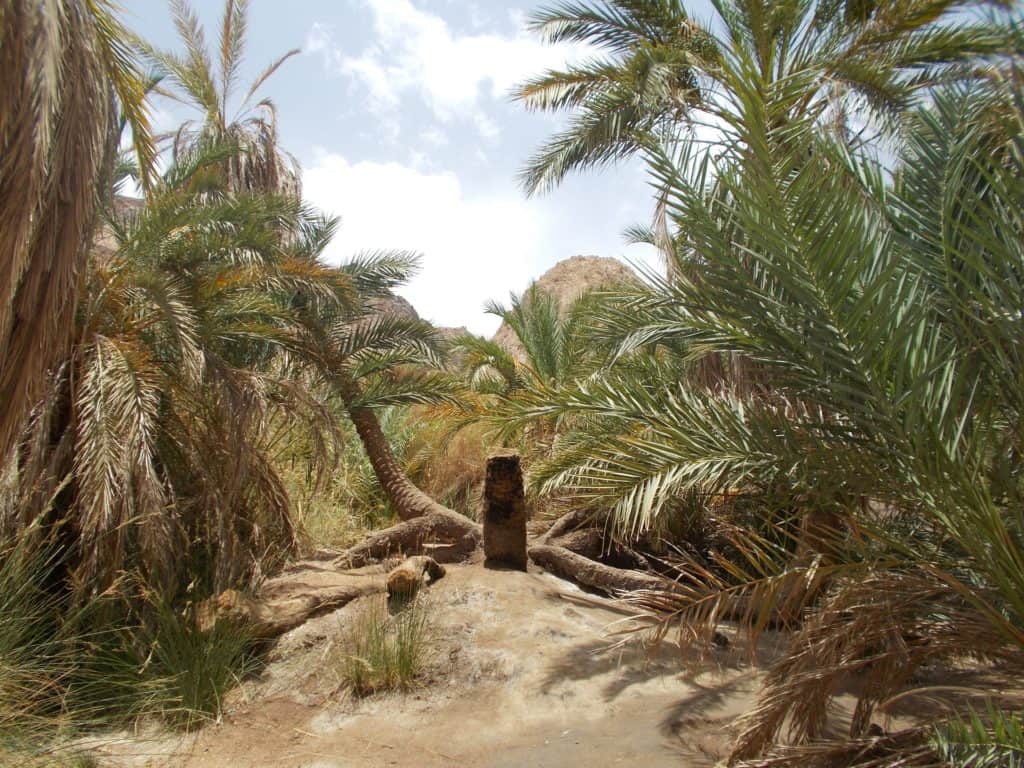
The Faiyum Oasis is the only artificial oasis among the other oases as it is formed by water coming from a long canal, not by water springing forth from the ground. It is naturally created by the flooding Nile, which goes back to the Biblical period, called Joseph’s canal.
The lake extends from the Nile to the great lake of Birket Qarun. This lake gives Faiyum Oasis its special character. It used to be the main spot for duck hunting. The hotels on its southern shore welcomed notable characters including Winston Churchill and King Farouk. They used to take pot shots at flying birds. Bird watching becomes more familiar than duck shooting both on this lake and the nearby Wadi Rayyan.
Lake Qarun was a freshwater lake right up to recent times according to freshwater plankton remnants and the fish skeletons found in mud deposits. In ancient times the flood of the Nile was powerful enough to provide the lake with fresh water. Due to the dam at Aswan and the system of irrigation that was introduced back in the 1900s, the amount of water charging the lake got affected.
Fayoum has the preserved area of Wadi Rayyan. Wadi Rayyan is a desert area that borders two lakes linked by a small waterfall. You can also explore the sanctuary of Wadi Rayyan where modern-day monks keep on the traditions of their ancestors who initially dug rock caves here at the beginning of Christianity. The Whale Valley is away to the west of the Faiyum. Whale Valley, or Wadi Hitan, has some of the best-preserved fossil skeletons of extinct whales.
How to Get to Faiyum Oasis?
You can get to Faiyum by train or by bus. The recommended way is the train. It is a 3-hour 12 minutes trip. You can take the train to Beni Suef, then to Faiyum Oasis. The bus is another way to get to Faiyum Oasis. It is a 5-hour 12 minutes trip. You can take the bus from Tahrir to Marina 5, then, from Marina 5 to Faiyum Oasis.
What is the Best Time to Visit Faiyum Oasis?
in January-February the weather is warm which is a perfect time to visit Faiyum Oasis. The average temperature is 13C with the highest temperature at 27C. While from March to July the weather is sunny but not too cold. The weather is good enough to explore the oasis. The temperature ranged between 10C and 40C with an average of 24C. This time of the year is also a perfect time to visit Faiyum.
In August and September, the temperature ranges between 22C to 37.7C. This weather is good to go sightseeing around the city of Faiyum Oasis. While October is the ideal time to visit Faiyum Oasis as the temperature swayed from 16C to 37C. It is the perfect time to explore all the exciting spots in the oasis.
November is also an ideal time to visit Faiyum. The weather is cool and warm with the minimum temperature being around 11C. The highest temperature is around 27C. However, in December the weather is pleasant and warm during the day with an average temperature of around 14C.
Top Attraction in Faiyum Oasis
Whale Valley: This desert valley having skeletons and fossils of extinct whales and rock formations was one day a huge sea full of marine life. You can get to this rough road and enjoy it in a 4×4 vehicle. You can reserve such vehicles before your journey. This UNESCO World Heritage site depicts the development of an ocean mammal and their transition. If you feel the Whale Valley is exciting, then you can enjoy exploring the Wadi El-7itan Museum which also contains a lot of extinct whale skeletons.
Tunis Village: There is the small village of Tunis located on the way to Wadi Rayan. This bright and lovely village is well-known for its pottery. This type of art goes back to Evelyne Porret. She is a Swiss woman who opened a pottery studio to teach natives and visitors as well the way to make pottery. Tunis village mounts over the edge of the desert as it lies on a hill facing a saltwater lake. There are various activities to do besides pottery including bird-watching, horse-riding, and Safaris. This village is also a perfect place for a getaway.
Wadi Rayan: It is one of the most well-known protected areas in Fayium. It’s famous for its springs and man-made lakes. Wadi Rayan includes two separate lakes, the upper lake and the lower lake. Both lakes are connected with spectacular waterfalls which are the largest in Egypt. You can also explore many archaeological remains and fossils near the area. This magnificent spot is now a nesting ground for birds and also a natural preserve for horned gazelles, which do not live elsewhere.
Jabal El Medawara: It is an incredible rock formation that contains three different summits, with other lower points to the west. The name means “Round Mountain”, despite being more of a hill than a mountain. Jabal El Medawara is best famous for sand activities including sandboarding and hiking. It is an ideal place for adventure as well as peace. You can enjoy the view of the sky filled with twinkling stars at night while having a B.B.Q. lunch.
Lake Qarun: Fayium contains many spots with amazing wildlife and nature reserves. Lake Qarun is one of these spots. This famous site is well-known for holding many species of bird life which rest there through their winter migration. The water is not a big swimming area and it is also affected by increasing salinity as it lies 45 metres below sea level. However, it’s a refreshing and splendid view. There are a few cafes on the edge of the lake to take a break and enjoy the beauty of the lake and all species of birds it holds.
Qasr Qarun: It is a well-preserved Ptolemaic temple. It lies close to the edge of Lake Qarun. It is the initial location of the ancient town of Dionysias. The temple is considered the most exciting structure still standing amidst ruins and it is sometimes denoted as the ‘Temple of Stone’. The temple is made up of yellow limestone blocks. The Egyptian Antiquities Service partially restored it. You can explore the interior site gallery with stairways, a complex structure of rooms, corridors, tunnels and rooms in various sizes and at different levels.
Top-Rated Hotels in Faiyum
Lazib Inn Resort & Spa: It is one of the top-rated hotels in Faiyum which is located in Tunis Village. The hotel offers free parking and free high-speed internet and free breakfast. It features a pool, sauna, horseback riding, hot tub, breakfast in the room, and walking tours. It also features a concierge, 24-hour front desk, 24-hour check-in, 24-hour security, dry cleaning, laundry service, spa, wine or champagne and many more.
There are five room types available to choose from. Most of the rooms feature Ac, blackout curtains, a flat-screen tv, private bathrooms, bottled water, a mini bar, coffee or tea maker, a bathrobe, room service, a seating area, wardrobe or closet, wake-up service, complimentary toiletries and many more. Prices vary depending on the room type and the facilities.
Nearby restaurants include Ibis Restaurant & Cooking School, and Set El-Beet. There are some attractions nearby as well such as Hawara Pyramid. The hotel features a great view as well.
Helnan Auberge Hotel: It is a 5-star hotel. It is one of the best hotels in Faiyum Oasis which is located in Karoun Lake. The hotel offers free high-speed internet and free breakfast. It features a pool, sauna, shuttle bus service, horseback riding, steam rooms, hot tub, breakfast in the room, and baggage storage. It also features a concierge, outdoor furniture, sun terrace, 24-hour front desk, Express check-in and check-out, billiards, ironing service, laundry service, spa, wine or champagne and many more.
There are four room types to choose from. Most of the rooms feature AC, housekeeping, room service, VIP room facilities, a refrigerator, sofa and bottled water. Shahrazad Restaurant is one of the nearby restaurants. Hawara Pyramid is one of the nearby tourist destinations.
Kom El Dikka Agri Lodge: It is one of the best hotels in Faiyum Oasis which is located in Tunis Village. The hotel offers free parking, free high-speed internet and free breakfast. It features a pool with a view, sauna, children’s activities, canoeing, fishing, hot tub, banquet room, and 24-hour check-in. It also features a concierge, outdoor dining area, outdoor fireplace, 24-hour front desk, Express check-in and check-out, gift shop, laundry service, bicycle rental, boar games or puzzles and many more.
There are six room types to choose from. Most of the rooms feature AC, housekeeping, room service, satellite tv, a flat-screen tv, a refrigerator, a sofa bed, a microwave, a separate living room, a kitchenette, a private balcony, private bathrooms, bath or shower and hairdryer. Prices vary according to room type and facilities. Nearby restaurants include Ibis Restaurant & Cooking School, and Set El-Beet. There are some attractions nearby as well such as Hawara Pyramid. The hotel features a great view as well.
Farafra Oasis
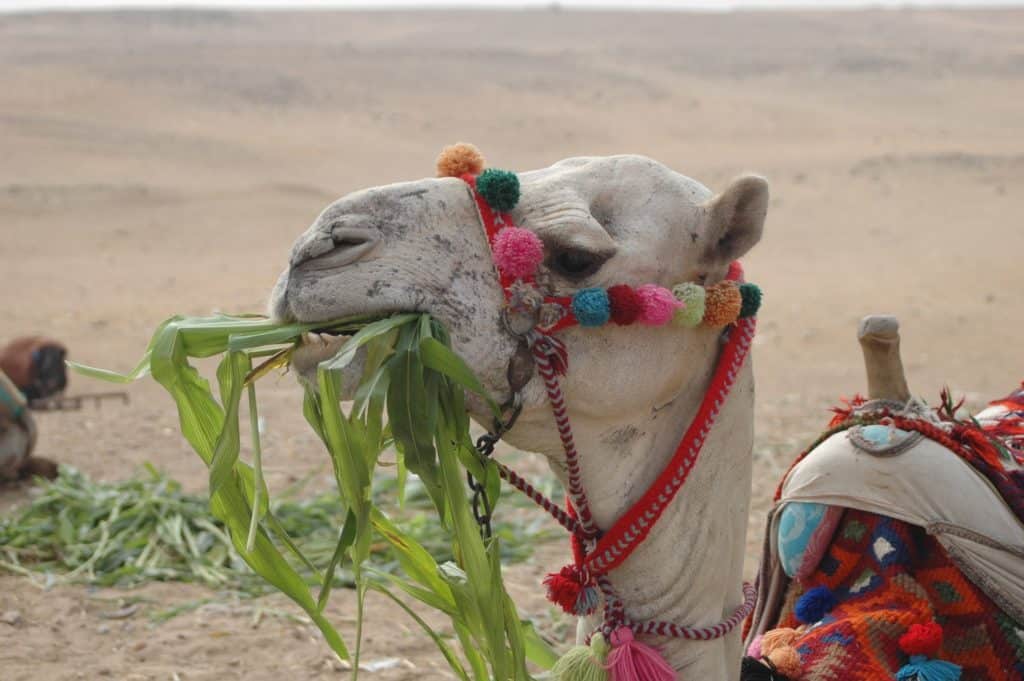
The Farafra Oasis is one of the seven oases in Egypt. It is unique with its natural beauty. It is located in the west of Egypt between the oases of Dakhla and Bahariya. It is 180 kilometres from the Black Desert, and 170 kilometres from the Bahariya Oasis. The distance between Cairo and Farafra is 627 kilometres. There are over 5000 inhabitants of Bedouins. Their houses were constructed in the traditional way of adobe. Farafra Egypt has over 100 wells of hot water. Most of these wells are dedicated to irrigation.
The ancient Egyptians called it “Ta-Iht” which means the land of the cow. The goddess Hathor gave it the name. The pharaohs knew Farafra Oasis. It was mentioned in their inscriptions of the temples, the same as in “the Temple of Karnak” and in the Temple of Edfu. There are some remnants of the Roman Empire on the site including, tombs, temples, and palaces. The Copts also used it as a refuge from Roman persecution. In the Islamic period, the oasis grew due to the trade-in of tea, dates, and olives between the oasis and the Nile.
How to Get to Farafra Oasis?
You can get to Farafra Oasis by bus. It is 627 kilometres from Cairo. There are buses from Fifth Settlement related to Delta Transportation Company. Bused depart from the bus station in Cairo to Farafra Oasis. It is recommended to book your ticket.
What is the Best time to Visit Farafra Oasis?
The temperature in Farafra Oasis between October and March is good to go sightseeing. The average temperature is around 30C with a maximum temperature of 32C. September is the wettest month with an average rainfall of 1mm.
The Top Attractions in Farafra Oasis
White Desert: As the name reveals, it is a desert in Egypt which has masses of rock formations that goes up to the skies from the white surface of the desert base. You can enjoy the unique shapes of the rock formations. The sunlight also alters the colour of the dunes and deceives the untrained eyes. There are two ideal ways to best enjoy the desert. First, you can explore it during the daytime and explore all the rock formations. Second, you can camp under the Egyptian sky while enjoying the Bedouin food and music.
It is recommended to keep yourself hydrated all the time and to put on sunscreen to avoid sunburn. You can also get your hat to protect yourself from the heat of the sun. You can get to the White Desert by taxi. There is another option as well is to rent a car to get there. It takes around 5 hours to explore the place.
Valley of Agabat: It lies in the Western Desert region of Egypt. It is also the stop-off point for visitors on the way to Bahariya Oasis and the White Black Deserts. It takes around 4 hours and 40 minutes from Cairo. There are no accommodations at all in Agabat as it is a barren land besides, the temperature is extremely hot, especially in summer. It features various white cliff faces and beautiful mountain formations. You can enjoy the extended panorama of dunes at the floor of formations, crunchy saline and golden sand on the desert floor. Desert winds eroded yellow limestone rocks and softly rounded white cliffs.
Water Wells in Farafra: Farafra Oasis features significant geological formations and geographical locations as well. This spot features several natural water wells. There are over 100 wells which are used in agriculture. Bir Sitta which refers to well number 7 and Bir Sab’a which refers to well number 7 are the favourite wells in Farafra for tourists to visit. Bir Athnain w Ishrin which refers to well number 22 is the most significant well in the oasis. The warm temperature and the small percentage of sulfurous in the water make it ideal for swimming.
Djara Cave: It lies next to the Darb Asyut. The German adventurer Carlo Bergmann rediscovered the cave in 1989. The cave is easy to access because it contains a level floor-entry, coated with the sand of the desert. It measures around 30 metres in diameter and 8 metres in height. The cave is well-known for its neolithic paintings and its rooms full of stunning stalagmites and stalactites.
Top-Rated Hotels in Farafra Oasis
Rahala Safari Hotel: It is one of the top-rated hotels in Farafra Oasis. It is located at 17440 Qasr Al Farafra. The hotel offers free private parking and free wifi. It features outdoor furniture, an outdoor fireplace, a picnic area, a sun terrace, live sports events, walking tours, and more. It also features a mini market, shared lounge or tv area, a designated smoking area, room service, 24-hour front desk, 24-hour security, luggage storage and more.
The hotel also features airport drop-off and airport pick-up with an additional charge. Public transport tickets are also available for an additional charge. The hotel features live music or performance for an additional cost as well. There is a restaurant on site that serves African cuisine. It opens for breakfast, snacks, lunch, dinner and high tea. It features special diet menus upon request. It also serves fruits for an additional charge.
The hotel features one room type. The standard twin room includes 2 single beds. It is 25 soiree metres with a private kitchen and ensuite bathroom. The room features AC, a flat-screen tv, free wifi, a shower, toilet, towels, and toilet paper. It also features a seating area, clothes rack, wake-up service, electric kettle and more. Prices vary according to the season and the facilities.
Badawiya Farafra Hotel: It is one of the top-rated hotels. It is a 3-star hotel. It is located in El Wadi El Gadid. It offers free high-speed internet. It features a pool, a restaurant, a 24-hour front desk, baggage storage, shops and more. It also features family rooms.
Kharga Oasis
Kharga is the largest oasis among all the other Egyptian oases. It serves as the administrative centre of the New Valley Governorate. The distance between Kharga and Luxor is two hours. It has over 70,000 inhabitants and many new buildings in the centre. Once you arrive the flavour of dates assaults your nose and you view the sight of rows of date palms. It still keeps the romance of the desert.
Pottery is one of the crafts known in Kharga. In Qasr, there are many shops selling ceramic items. The oasis also features a pottery factory where you can wander. You can also get some good deals at Kharga’s lively bazaar which is found in the southern part of Qasr town. In the Roman period, Kharga was an effective centre of activity. Kharga is declared Egypt’s first environment-friendly city as they depend on natural gas and solar power for energy besides, there are no factories.
How to Get to Kharga Oasis?
There are different ways to get to Kharga Oasis from Cairo, Egypt. You can fly to Sohag from Cairo Airport, then you can take a taxi to Kharga. It is 5 hour, 51 minutes trip. This is the most recommended way to get to Kharga. You can also go by taxi from the CIA which takes around 7 hours and 51 minutes. There is another way as well which is to fly to Luxor and then take a taxi to Kharga. You can also fly to Asyut and then take a taxi to Kharga. It is a 4-hour and 8 minutes trip. The last way is to drive directly from Cairo to Kharga. It takes 7 hours and 57 minutes.
What is the Best Time to Visit Kharga?
The best months to visit Kharga Oasis are all the months except August. The warmest months are from May to September. The chilly month of the year is January. The weather in January is favourable with an average temperature of 21 C. From February to April, the weather is perfect with an average temperature of 33C. Between May and July, the weather is good with an average temperature of 33C. August is very hot as the temperature can go up to 40C. While in September, the average temperature is 38C. October and November have perfect weather with an average temperature of 28C. The weather is cool in December with an average temperature of 23C.
Top Attractions in Kharga Oasis
The Temple of Hibis: It is one of the most significant ancient sites in Kharga. Its importance comes from featuring Persian, Pharaonic, Roman, and Ptolemic eras attractions. It was built in the 26th dynasty. It served as a place of worship for the triad Amun, Mut, and Khonsu. The temple contains a holy lake and ports. There is a glorious sanctum inside the temple with remarkable inscriptions.
The Cemetry of Gagawat: It is one of the most ancient Christian cemeteries. The 263 popular burials range from simple one-chamber structures to elaborate family tombs. Constructed over an ancient Egyptian cemetery, the style of the sanctuary combines both Pharaonic and Christian elements. The cemetery started during the 4th century AD and was kept in use to the 11th century.
Early Christian burials kept the now-iconic ancient Egyptian practice of using coffins and burying the dead with burial interests. These were put on shelves in holes dug under the chapels. Mummification was done in this cemetery long after it died in the Nile valley. The Chapel of the Exodus is one of the initials in the cemetery. The interior of its dome is adorned with two bands depicting scenes from the Old Testament. These scenes include depicting Noah’s Ark, Adam and Eve, Jonah and the whale, Daniel in the lion’s den, and many other episodes from the Old Testament.
Much Arabic graffiti, which goes back from the 9th century to the present time can be noticed in some of the chapels, including some by Turkish warriors who are thought to have been garrisoned at Bagawat by the end of the 18th century.
The Temple of Ghweita: It is situated 25 kilometres south of Kharga. The Temple of Ghweita and the Temple of Hibis are the only temples constructed in Egypt during the Persian or Hyksos occupation. The construction work of this temple began under the rule of Darius I on the top of a hill that was initially the remains of a Pharaonic settlement. The temple was devoted to the worship of the holy triad (Amun- Mut- Khonsu), just like the temple of Hibis. It was also broadened during the Ptolemaic period between the 3rd and 1st century BC. The Temple now contains a hall with 8 giant columns, a sanctuary and a hypostyle hall.
The Temple of Qaser Al Zayyan: The Temple Of Qaser Al Zayyan is found 5 kilometres south of the Temple of Ghweita. There is a paved road that connects the two temples now. This temple was built during the Ptolemaic rule and widened during the rule of the Roman emperor Pius in the 2nd century A.D. The temple of Qaser Al Zayyan was devoted to the followers of Amun Ra of Hibis. It holds a sanctuary formed from white limestone blocks and numerous mud-brick side rooms all around it.
The Temple of Dush in the Oasis of Paris: It is found near the oasis of Paris. It lies 120 kilometres south of Al Kharga. It holds two Roman fortresses and two temples. This site had important significance in the ancient world as it had control of many caravan roads in the Roman and Ptolemaic periods.
The main monument on this site is a temple that was formed of limestone blocks during the reign of Domitian and enlarged by many of his followers and it was devoted to the worship of Isis. Excavation on the Dush site has been taking place since 1976 by a French institution of Oriental archaeology. They have excavated a lot of interesting findings that contain many golden items. There are also a lot of many fascinating monuments on this ancient site.
Top-Rated Hotels in Kharga Oasis
House of Hathor: It is one of the top-rated hotels. It is located in Naga’a Al Dschusur. It is 300 square metres. The hotel offers free wifi and free parking. It features 1 swimming pool, airport shuttle, river view, a garden, and BBQ facilities as well. It also features outdoor furniture, an outdoor dining area, a sun terrace, a balcony, a shared lounge or tv area, a 24-hour front desk, and many more. Hiking and fishing are available off-site. Airport drop-off and airport pick-up are also available for an additional charge. Ironing services and laundry are for an extra charge as well.
There is only one room type available. Four bedroom house can have up to 12 adults and 4 children. It features AC, a flat-screen tv, a drying rack for clothes, a private kitchen, an ensuite bathroom, a dishwasher, a coffee machine, free wifi, a balcony, and more. The kitchen features a refrigerator, a toaster, a dining table, a washing machine, a dishwasher and many more.
The nearby attractions include Medinet Habu Temple, Valley of the Queens and Colossi of Memnon. You can only pay cash. It is a non-smoking hotel. Pets are allowed at no extra cost. Prices vary according to the time of the year.
Nile Carnival Cruise – Every Monday from Aswan – Every Thursday from Luxor: It is a 5- star hotel which is located in Kornish Al Nile, Luxor. It offers free wifi and family rooms. It features one swimming pool, a restaurant, a spa and wellness centre, an indoor play area, puzzles or board games, a 24-hour front desk, Express check-in and check-out, luggage storage, currency exchange and many more. It also features outdoor furniture, a sun terrace, an art gallery, daily housekeeping and more.
There are 2 room types available to choose from. A double room without sightseeing is one of the room types. It features 3 single beds. It is 25 square metres with a rooftop pool. The room also features AC, a flat-screen tv, a bath, a private bathroom, free toiletries, toilet paper, s shower, a hairdryer, a wardrobe or closet and more.
A suite without sightseeing is the other room type. It features one extra-large double bed and one sofa bed. It is 30 square metres with a rooftop pool. The room also features AC, a flat-screen tv, a bath, a private bathroom, free toiletries, toilet paper, s shower, a hairdryer, a wardrobe or closet, an electric kettle, a seating area and more.
London in June: An Ultimate Guide to 13 Unmissable Events and Festivals
United Kingdom
25/04/2024
The Perfect Day Trip from London: Where Will Your Adventure Take You?
United Kingdom
25/04/2024
Scotland in May: Sunshine, Mild Temps, and Outdoor Adventures
Scotland
25/04/2024
Discover the Top 15 Best Places to Visit in Northern Ireland
Travel Guides
24/04/2024
How to Find the Best Scotland Travel Guide: An Ultimate Guide
Scotland
24/04/2024