

Skip to content
Updated on: by Avatar image of authorCove Team Review By: Nouran Ashraf

While modern Halloween often conjures images of commercial decorations and sweet treats, Europe offers something far more meaningful: authentic connections to the festival’s ancient roots and unique cultural expressions that have evolved over centuries. The continent that gave birth to Halloween through Celtic traditions now presents a tapestry of atmospheric celebrations that blend history, folklore, and cultural reverence.

For the culturally curious traveller, Halloween in Europe transcends plastic pumpkins and shop-bought costumes. Instead, it offers immersion in time-honoured traditions, atmospheric historical settings, and genuine cultural practices that vary fascinatingly from region to region. Join us as we uncover the authentic spirit of European Halloween through five cities where history, mythology, and autumn ambience create truly memorable experiences.

Ancient Origins: The Soul of European Halloween

Celtic Samhain bonfire scene with cloaked figures, carved turnip lantern, autumn harvest offerings, and misty rural European landscape – illustrating the ancient origins of Halloween traditions in Ireland and Europe

Before exploring specific destinations, understanding Halloween’s European genesis adds profound depth to any seasonal journey. The festival originated in Ireland as Samhain (pronounced ‘sow-in’), a Celtic celebration marking the year’s final harvest and the beginning of winter’s darkness.

During Samhain, the ancient Celts believed the boundary between this world and the Otherworld dissolved, allowing spirits to cross into our realm. Communities lit sacred bonfires on hilltops, shared harvest feasts, and engaged in divination rituals to glimpse the coming year. Homes were illuminated with hollowed-out turnips (the original jack-o’-lanterns) to guide friendly spirits and ward off malevolent ones. People wore disguises to confuse wandering souls and left offerings to honour ancestors.

When Christianity spread across Europe, many of these practices were incorporated into All Saints’ Day (1 November) and All Souls’ Day (2 November), creating a three-day observance that various European cultures adapted to their own traditions and beliefs. These regional adaptations now offer travellers a fascinating window into how different European communities honour their dead, celebrate the harvest, and acknowledge the seasonal transition to winter.

“What makes European Halloween truly special is that each region maintains its distinctive customs while sharing common threads with ancient Samhain. These authentic traditions offer travellers a much richer experience than commercial celebrations – they connect us with centuries of human history and our shared ways of finding meaning in seasonal transitions.” – Ciaran Connolly, Founder of ConnollyCove

Dublin, Ireland: Where Halloween’s Ancient Heart Still Beats

There’s no more fitting place to begin a European Halloween exploration than in Dublin, capital of the country where it all began. Here, Halloween isn’t just a modern celebration but a continuation of ancient practices dating back millennia, making it the most culturally authentic Halloween destination in Europe.

Echoes of Samhain: Understanding Ireland’s Halloween Genesis

Samhain was one of the four major Gaelic seasonal festivals and arguably the most significant. Archaeological evidence from sites like the Hill of Tara and Tlachtga (Hill of Ward) in County Meath – easily accessible from Dublin – shows that ceremonial gatherings occurred at these locations for thousands of years.

The festival marked not just the harvest’s end but a liminal period when the veil between worlds thinned. Communities gathered around massive bonfires that served both practical and spiritual purposes – ritually cleansing the community and providing light against winter’s encroaching darkness. Cattle were brought down from summer pastures, and food was prepared for winter storage.

Many customs familiar to modern Halloween originated here: carving turnips (later pumpkins) into lanterns, wearing disguises to confuse spirits, playing divination games (like apple bobbing), and the concept of “souling” (going door-to-door performing for food offerings) that evolved into trick-or-treating.

Dublin’s National Museum of Ireland – Archaeology houses artefacts that illuminate these ancient practices, offering visitors tangible connections to Samhain’s historical significance.

Authentic Dublin Halloween Experiences

While commercial aspects of Halloween exist in Dublin, the city offers numerous ways to connect with its authentic heritage:

  • Bram Stoker Festival (Late October): This city-wide celebration honours Dublin-born Dracula author Bram Stoker with literary events, atmospheric performances, and walks exploring Dublin’s Gothic history. Rather than simple scares, the festival intelligently explores themes of folklore, mortality, and literary heritage.
  • Púca Festival (accessible from Dublin): This relatively new but culturally authentic festival reclaims Ireland’s position as Halloween’s birthplace. Centred in historically significant locations in County Meath, it features traditional music, storytelling, folklore, harvest foods, and fire ceremonies at ancient sites like the Hill of Ward, where Samhain celebrations once occurred.
  • Samhain at the National Leprechaun Museum: Despite its playful name, this museum offers substantial cultural insights through special Samhain storytelling sessions featuring authentic Irish myths and legends in an atmospheric setting.
  • Historical Ghost Walks: Several companies offer walks focused on Dublin’s folkloric traditions rather than simple ghost stories, explaining the cultural context of Samhain beliefs about the thinning of worlds.

ConnollyCove Recommends: Authentic Samhain Experience

For a truly meaningful experience, combine city and countryside: Begin with a morning visit to the National Museum to understand Samhain’s archaeological evidence, then take an afternoon excursion to the Hill of Ward (Tlachtga) in County Meath, where ancient Samhain fire ceremonies occurred. Return to Dublin for an evening Samhain storytelling session or Bram Stoker Festival event, followed by a nightcap at a historic pub like The Brazen Head, where traditional musicians often play in late October.

Dublin for the UK/Irish Traveller: Logistics & Tips

  • Getting There: Dublin is exceptionally accessible with multiple daily flights from all major UK cities (flight time: 1-1.5 hours). Irish Ferries and Stena Line operate routes from Holyhead (Wales) to Dublin Port (journey time: approximately 3.15 hours). The Belfast-Dublin corridor is serviced by regular trains and buses (approximately 2 hours).
  • Accommodation: City centre locations near Temple Bar or St. Stephen’s Green provide convenient access to Halloween events but command premium rates in late October (€150-€250 per night). More affordable options in neighbourhoods like Rathmines or Drumcondra (€100-€150) offer good transport links via Dublin Bus or Luas tram. Book 3-4 months ahead for Halloween weekend.
  • Budgeting: Expect to pay €6-€8 for a pint, €15-€25 for main courses in mid-range restaurants. Many museums offer free entry, while special Halloween events typically range from €15 to €30. A weekend in Dublin during Halloween might cost approximately £400-£600 per person from the UK, including accommodation, meals, transport, and activities (excluding flights).
  • Seasonal Note: Late October in Dublin tends to be cool (8-12°C) and potentially rainy; bring waterproof layers and comfortable walking shoes for exploring.

Edinburgh, Scotland: Fiery Festivities and Gothic Grandeur

Scotland’s capital offers perhaps the most atmospheric setting for Halloween in Britain, combining stunning Gothic architecture, a bloody history, and the direct influence of Celtic Samhain traditions that survived in Scottish culture as “Samhuinn.” Edinburgh’s unique topography of narrow wynds (alleys), underground vaults, and imposing stone buildings creates an unmatched backdrop for autumn celebrations.

Edinburgh’s Celtic-Gothic Halloween Heritage

Scotland’s Halloween traditions, locally called “Samhuinn” or “Hallowmass,” share roots with Irish Samhain but developed distinctive Scottish expressions. Historical traditions included carving “neep lanterns” from turnips, divination games like “pulling kale” (where unmarried people pulled kale stalks from gardens to divine their future spouse’s appearance), and “guising” (children performing for treats, a precursor to trick-or-treating).

Edinburgh’s dramatic history of plague, witch trials, grave-robbing, and legendary figures like Burke and Hare (infamous bodysnatchers) adds another layer to its Halloween atmosphere. The city embraces this dark heritage while honouring ancient Celtic celebrations of seasonal transition.

Authentic Edinburgh Halloween Experiences

  • Samhuinn Fire Festival (31st October): Organised by the Beltane Fire Society, this spectacular Celtic celebration features hundreds of costumed performers, fire dancers, acrobats, and musicians processing down the Royal Mile. Unlike commercial Halloween parades, this event authentically recreates ancient Celtic traditions, depicting the symbolic battle between the Summer and Winter Kings as winter triumphs.
  • The Real Mary King’s Close: This perfectly preserved 17th-century street buried beneath the Royal Mile offers special Halloween tours exploring historical plague outbreaks, reported hauntings, and period practices around death and spirituality.
  • Greyfriars Kirkyard: This ancient cemetery, dating to the 16th century, gained notoriety through the loyal dog Greyfriars Bobby and is rumoured to be one of Britain’s most haunted locations. It holds historical significance beyond ghost stories, with impressive funerary monuments and connections to figures who inspired characters in Harry Potter.
  • Scottish Storytelling Festival: Coinciding with Halloween, this festival features traditional Scottish tales, myths, and legends, often incorporating Samhuinn themes of seasonal transition and the supernatural world.

ConnollyCove Recommends: Edinburgh’s Atmospheric Itinerary

Begin your evening at the atmospheric Witchery by the Castle for an early dinner surrounded by Gothic décor, then join the crowds gathering for the Samhuinn Fire Festival. After witnessing this spectacular procession, explore the Royal Mile’s atmospheric closes (alleys) and wynds, perhaps ending at the Banshee Labyrinth, Scotland’s most haunted pub, housed in underground vaults dating to the 1700s.

For a daytime exploration, combine Greyfriars Kirkyard with a visit to the Museum of Edinburgh to understand the historical context of Scottish Halloween traditions. The National Museum of Scotland also houses artefacts relating to ancient Celtic festivals and Scottish folk customs.

Edinburgh for the UK/Irish Traveller: Logistics & Tips

  • Getting There: Edinburgh is well-connected to UK cities via train (4.5 hours from London) and frequent flights (1.5 hours from London, 1 hour from Dublin, 3.5 hours from Belfast via Glasgow). Consider flying to avoid potentially expensive train fares in late October.
  • Accommodation: The atmospheric Old Town commands premium prices during Halloween (£150-£250 per night), while the New Town and areas like Stockbridge offer more reasonable rates (£100-£150) within walking distance of the main festivities. Budget-conscious travellers might consider Leith (£80-£120), connected to the centre via frequent buses.
  • Budgeting: Edinburgh is relatively expensive during festival periods. Budget £5-£6 for a pint, £15-£25 for main courses. The Samhuinn Fire Festival is free, but donations are encouraged; special Halloween tours range from £15 to £30. A weekend in Edinburgh during Halloween might cost approximately £400-£500 per person, including accommodation, meals, transport, and activities (excluding travel to Edinburgh).
  • Seasonal Note: Late October in Edinburgh can be quite cold (5-10°C), often windy, and frequently rainy. Bring warm, waterproof layers and sturdy footwear, especially for the outdoor Fire Festival.

Transylvania, Romania: Where Folklore Meets Gothic Imagination

Transylvania offers a fascinating blend of authentic Romanian folk traditions and the literary Gothic heritage inspired by Bram Stoker’s Dracula. While commercial “vampire tourism” exists, the region’s true appeal lies in its stunning medieval architecture, mountaintop castles, and rich folklore surrounding Strigoi (Romanian undead beings) that long predate Stoker’s novel.

Transylvanian Traditions: Beyond the Dracula Myth

Romania’s autumn festivals blend pre-Christian traditions with Orthodox Christian observances. While Romania doesn’t traditionally celebrate Halloween, the period around All Souls’ Day (2 November) features Luminaţie, when families visit cemeteries to light candles for deceased relatives, creating beautiful illuminated graveyards.

Romanian folklore contains rich traditions involving protection against spirits. The myth of strigoi (troubled souls that rise from the grave) existed centuries before Bram Stoker appropriated elements for his fictional Count Dracula. Traditional beliefs included placing thorns on windowsills, hanging garlic, and ensuring the proper burial of deceased family members to prevent their return as strigoi.

The historical Vlad Tepes (the Impaler), who partially inspired Dracula, was a complex historical figure – a national hero to many Romanians for defending against Ottoman invasion, rather than the one-dimensional villain often portrayed to tourists.

Authentic Transylvanian Halloween-Season Experiences

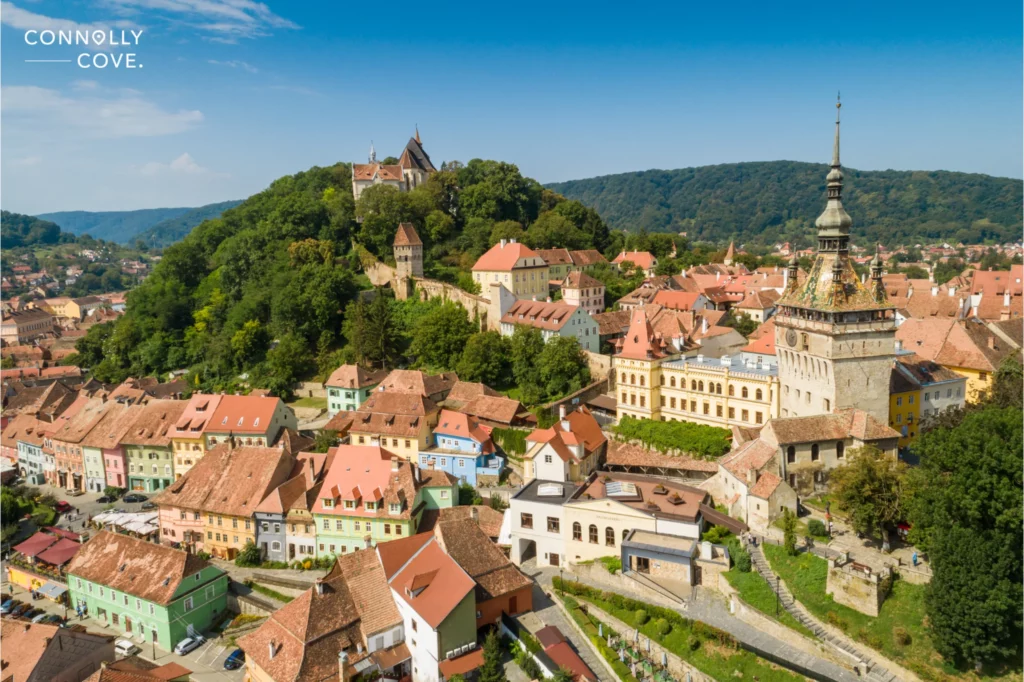
  • Sighișoara’s Medieval Citadel: This UNESCO World Heritage site is the birthplace of Vlad Tepes and one of Europe’s best-preserved medieval towns. Its clock tower, guild towers, and cobbled streets provide an atmospheric backdrop for autumn exploration, with special historical walks offered around Halloween.
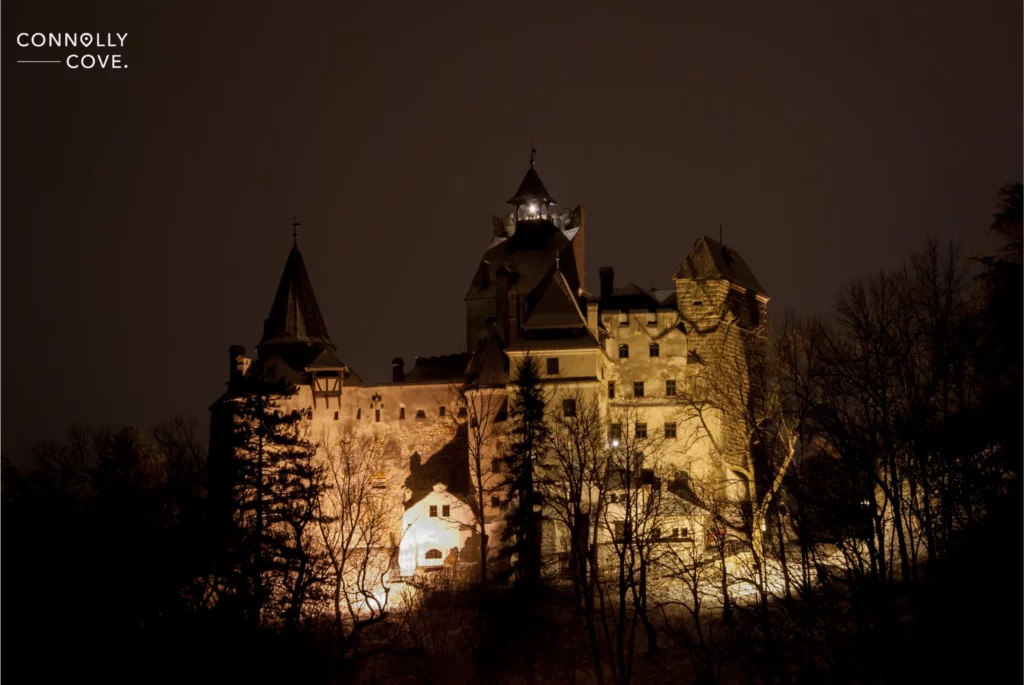
  • Bran Castle: While misleadingly marketed as “Dracula’s Castle” (Vlad Tepes had minimal connection to it), this dramatic fortress perched on a rocky outcrop hosts cultural events around Halloween that balance entertainment with educational elements about Romanian history and folklore.
  • Luminaţie Cemetery Visits: For a culturally authentic experience, visit local Orthodox cemeteries around 2nd November, when they’re illuminated with thousands of candles in a moving tribute to the deceased. Unlike commercial Halloween, this is a genuine cultural tradition of remembrance.
  • Rural Village Experiences: Several villages in the Transylvanian countryside maintain traditional autumn harvest festivals featuring folk music, dancing, and ancestral customs. These authentic celebrations offer deeper insights than tourist-oriented “Dracula” events.

ConnollyCove Recommends: Cultural Immersion Itinerary

Begin in Sighișoara, exploring the remarkably preserved medieval citadel and visiting Vlad Tepes’ birthplace to understand the historical figure behind the Dracula legend. Continue to Bran for its spectacular castle, but balance this with a visit to nearby Râșnov Fortress for a less touristic experience. If travelling around 2 November, respectfully observe Luminaţie cemetery traditions in a smaller town like Brașov. Complete your journey in Cluj-Napoca, where university professors offer insightful lectures on Romanian folklore during the Halloween season.

Transylvania for the UK/Irish Traveller: Logistics & Tips

  • Getting There: Direct flights operate from London to Cluj-Napoca, Sibiu, and Bucharest (3-3.5 hours). From Ireland, flights typically connect through London or other European hubs. Once in Romania, renting a car offers the most flexibility for exploring the region, though trains and buses connect major cities.
  • Accommodation: Transylvania offers excellent value compared to Western Europe. Atmospheric guesthouses in medieval buildings typically range from £40-£80 per night, while international hotels in cities like Brașov or Cluj-Napoca cost £60-£100. For an authentic experience, consider rural guesthouses (£30-£50) that often include home-cooked Romanian meals.
  • Budgeting: Romania is relatively inexpensive for UK and Irish travellers. Main courses cost £5-£10, local beer £1-£2. Castle and museum entries typically range from £3 to £8. A 5-day Transylvanian experience might cost £500-£700 per person, including accommodation, food, car hire, and activities (excluding flights).
  • Cultural Note: Romanians are generally welcoming but may be sensitive about “Dracula tourism” that misrepresents their culture and history. Approach the topic with respect for the region’s authentic traditions and historical nuances.

Prague, Czech Republic: Gothic Spires and Dušičky Traditions

Prague’s breathtaking Gothic architecture, medieval astronomical clock, ancient stone bridges, and winding cobbled streets create perhaps the most cinematic Halloween setting in Central Europe. Beyond its atmospheric aesthetics, the Czech capital offers a fascinating blend of Slavic folklore and the authentic commemoration of Dušičky (All Souls’ Day).

Prague’s Autumn Soul: Dušičky and Ancient Myths

While commercial Halloween has made inroads in Prague recently, the traditional Czech autumn observance is Dušičky (All Souls’ Day, 2 November). This solemn yet beautiful occasion sees families visiting cemeteries to place flowers and light candles on graves, creating a sea of flickering lights across the city’s historic burial grounds.

Czech folklore contains rich supernatural traditions, including vodník (water spirits), hejkal (forest demons), and the famous Golem of Prague – a clay figure reportedly animated by a 16th-century rabbi to protect the Jewish ghetto. These authentic legends offer far more cultural depth than imported Halloween tropes.

The city’s dark history – including defenestrations (throwing people from windows), alchemical experiments under Rudolf II, and the astronomical clock reportedly cursed by its creator – adds layers of authentic atmosphere to autumn visits.

Authentic Prague Halloween-Season Experiences

  • Dušičky at Vyšehrad Cemetery: Witnessing the thousands of candles illuminating this historic cemetery during Dušičky offers a moving, authentic cultural experience far removed from commercial Halloween. The adjacent Vyšehrad fortress provides panoramic city views and connections to ancient Czech myths.
  • Prague Castle After Dark: Evening tours of Prague Castle and St. Vitus Cathedral gain particular atmosphere in late October, when early sunset bathes the Gothic architecture in golden light before darkness envelops the city’s spires.
  • Jewish Quarter and Golem Legends: The historic Jewish Quarter (Josefov) contains Europe’s oldest active synagogue and a cemetery where graves are stacked 12 layers deep due to space constraints. Tours explore the famous Golem legend and Jewish folklore.
  • Alchemists’ Prague: The Golden Lane inside Prague Castle contains tiny historic houses where alchemists once worked under Rudolf II’s patronage. Nearby, the Museum of Alchemists and Magicians explores Prague’s occult history through exhibitions on historical figures who sought to transmute metals and create elixirs of life.

ConnollyCove Recommends: Prague’s Mystical Itinerary

Begin your evening with a sunset climb up Old Town Bridge Tower for spectacular views across Charles Bridge as dusk transforms the city. Dine at a historic restaurant like U Fleků (operating since 1499) before joining a knowledgeable guide for an evening walking tour of Old Town and the Jewish Quarter, learning about local legends and historical mysteries. If visiting during Dušičky, respectfully observe the candle-lighting at Vyšehrad Cemetery – a profoundly moving experience that reveals Czech attitudes toward remembrance and mortality.

Prague for the UK/Irish Traveller: Logistics & Tips

  • Getting There: Direct flights operate from London (2 hours), Manchester, Edinburgh, Dublin, and Belfast to Prague. Budget airlines frequently offer competitive fares if booked several months in advance.
  • Accommodation: Prague’s atmospheric Old Town and Lesser Town offer beautiful historic hotels (£100-£180 per night), while equally convenient Vinohrady and Karlín neighbourhoods provide better value (£60-£100). The pleasant Anděl district across the river offers good options for budget-conscious travellers (£40-£80).
  • Budgeting: Prague remains relatively affordable compared to Western European capitals. Expect to pay £2-£3 for local beer, £10-£15 for main courses in mid-range restaurants. Castle and museum entries typically cost £8-£15. A weekend in Prague during Halloween season might cost approximately £350-£450 per person, including accommodation, meals, transport, and activities (excluding flights).
  • Currency & Language: The Czech Republic uses the Czech Koruna (CZK), not the Euro. While tourist areas have good English coverage, learning a few basic Czech phrases will be appreciated by locals.

Venice, Italy: Masked Mysteries and All Souls’ Reflections

Venice’s atmospheric blend of Gothic palaces, fog-shrouded canals, and centuries of maritime history creates an unparalleled setting for autumn exploration. While the city is famous for its pre-Lenten Carnival masquerades, late October and early November offer a more authentic, less crowded experience, coinciding with Italian All Souls’ traditions.

Venetian Autumn: Ognissanti and Seasonal Mysteries

Italy observes All Saints’ Day (Ognissanti, 1 November) and All Souls’ Day (Il Giorno dei Morti, 2 November) with traditional visits to cemeteries, special pastries, and family gatherings. In Venice, these Catholic observances meld with the city’s unique history of masked balls, plague doctor costumes, and island cemeteries to create a distinctly Venetian autumn atmosphere.

Venice’s historic connection to death is palpable. The city suffered devastating plague outbreaks, commemorated in the design of the famous plague doctor mask with its distinctive beak. The standalone cemetery island of San Michele, where deceased Venetians are interred, becomes a place of pilgrimage during early November as families arrive by special Vaporetto (water bus) services to lay flowers.

Venice’s tradition of mask-wearing – initially allowing nobility to move anonymously through the city – adds another layer of seasonal significance that predates modern Halloween costumes by centuries.

Authentic Venetian Halloween-Season Experiences

  • San Michele Cemetery Island: This peaceful island cemetery, in use since Napoleon ordered the city’s dead to be buried away from the main islands, receives many visitors around All Souls’ Day. A respectful visit offers cultural insights into Venetian attitudes toward remembrance.
  • Ghost Walks of Hidden Venice: Several companies offer evening walks exploring Venice’s lesser-known canals and alleyways, recounting historical tales of doomed lovers, mysterious disappearances, and noble families’ dark secrets – based on documented Venetian history rather than invented ghost stories.
  • Ca’ Rezzonico: Decadence and Decline: This museum of 18th-century Venice perfectly captures the atmospheric decay of Venetian noble families, with grand ballrooms and faded frescoes evoking the city’s masked revels and eventual decline.
  • Traditional Masks and Their Meanings: Visit authentic mask-making workshops to understand the cultural significance behind different Venetian mask designs, from the plague doctor to the blank-faced bauta that allowed complete anonymity.

ConnollyCove Recommends: Venice’s Atmospheric Itinerary

Begin your exploration with a morning visit to San Michele Cemetery Island (particularly meaningful if visiting around All Souls’ Day). Return to the main islands for lunch, followed by a visit to one of Venice’s historic mask ateliers to learn traditional crafting techniques. As evening approaches, join a knowledgeable local guide for a walking tour of hidden Venice, exploring atmospheric campi (squares) and narrow calli (alleyways) rarely visited by tourists. Conclude with dinner at an authentic bacaro (Venetian tavern), where locals share plates of cicchetti (Venetian tapas).

Venice for the UK/Irish Traveller: Logistics & Tips

  • Getting There: Direct flights operate from London (2 hours), Manchester, Edinburgh, and Dublin to Venice Marco Polo Airport. From the airport, water taxis or the Alilaguna water bus service provide atmospheric arrivals directly into the city.
  • Accommodation: Venice accommodation ranges from expensive Grand Canal palazzos (£200-£350+ per night) to more reasonable options in quieter districts like Cannaregio or Dorsoduro (£100-£180). For better value, consider staying in Mestre on the mainland (£60-£100) with frequent train connections to Venice Santa Lucia station.
  • Budgeting: Venice is expensive by Italian standards. Expect to pay £3-£5 for coffee at touristy cafés (much less at local spots), £15-£25 for main courses. Museum entries cost £8-£20. Water bus (vaporetto) transport adds up quickly – consider a multi-day pass (£20-£50 depending on duration). A weekend in Venice might cost approximately £450-£650 per person, including accommodation, meals, transport, and activities (excluding flights).
  • Seasonal Consideration: Late autumn brings the acqua alta (high water) season, when parts of Venice may temporarily flood. This adds to the atmospheric experience but requires water-resistant footwear. The city is also frequently shrouded in mist during this season, creating hauntingly beautiful scenes.

Planning Your European Halloween Adventure

Twilight Halloween street scene in Edinburgh with Gothic architecture, glowing jack-o’-lantern, misty atmosphere, and tourists walking along cobblestone roads – ideal for planning an authentic Halloween trip in Europe

Halloween’s popularity as a travel period has grown substantially, with many European cities now hosting festivals and events that attract domestic and international visitors.

When to Book: Securing Your Spellbinding Trip

For the best experience:

  • Flights: Book 4-6 months ahead for the best fares to popular destinations like Dublin and Edinburgh, which see significant Halloween tourism.
  • Accommodation: Secure rooms 3-4 months in advance, particularly in smaller destinations like Sighișoara, where options are limited.
  • Special Events: Purchase tickets for popular Halloween festivals, castle events, and guided tours as soon as they become available, typically 2-3 months before the date.

UK travellers should note that Halloween often coincides with autumn half-term school holidays, making family-friendly destinations busier and potentially more expensive.

Crafting Your Cultural Halloween Experience

For the most rewarding European Halloween journey:

  • Combine Commercial and Cultural: Balance popular Halloween attractions with authentic cultural experiences like Dušičky cemetery visits or Samhuinn fire festivals.
  • Research Regional Traditions: Each country has unique autumn customs – understanding these enriches your experience beyond generic Halloween tropes.
  • Respect Religious Observances: In many European countries, All Saints’ and All Souls’ Days remain solemn religious occasions – observe appropriate decorum, particularly in cemeteries and churches.
  • Look Beyond the Obvious: Major cities offer well-known Halloween events, but smaller towns often maintain more authentic traditions with fewer tourists.

Practical Considerations for UK and Irish Travellers

  • Weather Preparation: Late October in Europe typically means temperatures of 5-15°C, with considerable regional variation. Pack layers and waterproof outerwear, especially for outdoor events in northern destinations.
  • Currency Planning: While Dublin and Edinburgh use the Euro and the Pound, respectively, prepare for local currencies in Prague (the Koruna), Romania (the Lei), and Venice (the Euro but with higher ATM fees).
  • Transport Connections: Research evening public transport options in advance – Halloween events often run late, and services may be limited or crowded after major festivities.
  • Photographic Equipment: Autumnal Europe offers spectacular photography opportunities, but challenges with low light and fog. Consider a camera with good low-light performance and a portable tripod for evening shots.

Embrace Authentic European Halloween

Europe’s Halloween offers something uniquely valuable – a connection to authentic traditions that have evolved over centuries rather than commercial imitations. From the Samhain bonfires of Dublin to the candle-lit cemeteries of Prague during Dušičky, these experiences connect travellers to genuine cultural practices that reveal how different communities approach the threshold between seasons, between years, and between worlds.

The atmospheric cities we’ve explored – Dublin, Edinburgh, Transylvania, Prague, and Venice – each offer distinctive interpretations of this season of transition. Their ancient streets, misty landscapes, and cultural traditions create the perfect backdrop for meaningful autumn travel that goes beyond superficial scares.

As you plan your European Halloween adventure, remember that the most memorable experiences often come from genuine cultural immersion rather than commercial attractions. By respecting and engaging with local traditions, you’ll discover that Europe’s authentic Halloween celebrations offer not just atmospheric beauty but deeper insights into how communities across the continent commemorate their history, honour their dead, and find meaning in seasonal transitions.

Frequently Asked Questions

What are the best cities to visit for Halloween in Europe?

The most culturally authentic Halloween experiences can be found in Dublin (Ireland) and Edinburgh (Scotland) due to their direct connections to Celtic Samhain traditions. For atmospheric Gothic settings with unique local customs, Prague (Czech Republic), Transylvania (Romania), and Venice (Italy) offer distinctive experiences combining architecture, folklore, and autumn traditions.

When should I book my Halloween trip to Europe?

We recommend booking at least 4-5 months in advance as Halloween tourism has grown substantially. Accommodations in popular destinations like Edinburgh and Dublin often fill quickly for the Halloween weekend. Flights booked 5-6 months ahead typically offer the best value.

Is Halloween widely celebrated across all of Europe?

Halloween celebrations vary significantly across Europe. Ireland and Scotland maintain the strongest connections to the original Celtic traditions. Southern and Eastern European countries typically place more emphasis on All Saints’ and All Souls’ Days (1st-2nd November) with cemetery visits and family observances. Commercial Halloween celebrations have increased throughout Europe but coexist with older regional traditions.

What are the historical origins of Halloween in Europe?

Halloween originated from the ancient Celtic festival of Samhain in Ireland and parts of Britain, marking the end of harvest season and the beginning of winter. This 2,000+ year-old festival involved bonfires, feasting, and the belief that the boundary between the living and the dead temporarily dissolved. As Christianity spread, these traditions merged with All Saints’ and All Souls’ Days, creating the Halloween season as we know it.

Which European city is best for a family-friendly Halloween?

Edinburgh offers the best balance of family-friendly activities with cultural authenticity. The Samhuinn Fire Festival can be enjoyed by all ages, and the city offers numerous historical tours and museums that present spooky themes appropriately for children. Dublin also offers excellent family activities through the Bram Stoker Festival’s daytime programs and historic sites relevant to Halloween’s origins.

Leave a comment

Your email address will not be published. Required fields are marked *