


Marvel At These 10 Surprising Ancient Egyptian Inventions That Will Pique Your Interest
Updated On: April 20, 2024 by  Miranne Khaled
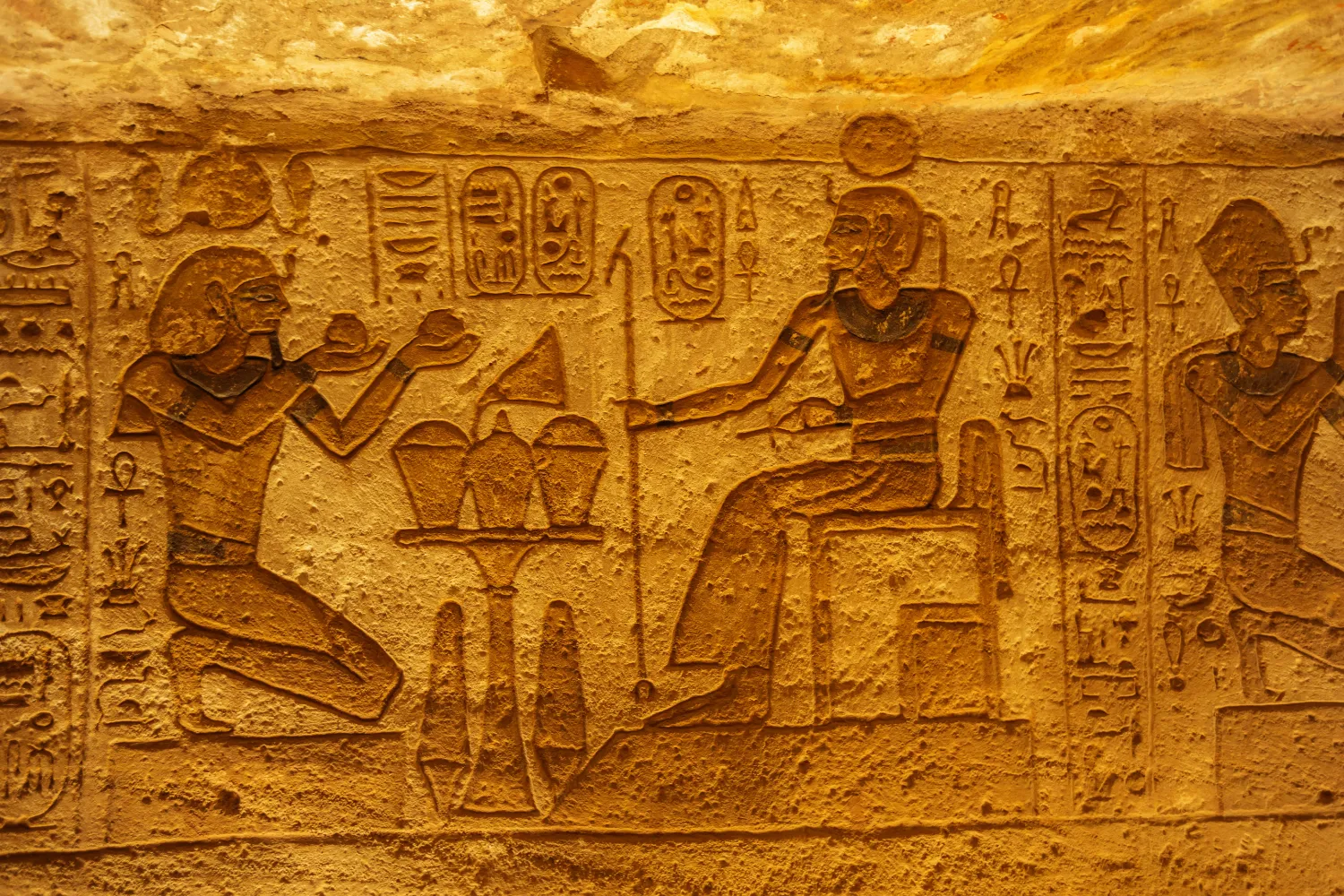
Egypt has always been more than just a prevalent country in Africa and the Mediterranean region; it’s also a treasure trove of ancient history and culture. It’s always been known far and wide for its notable past and admired civilisation. Among all the African countries and Mediterranean gems, Egypt is home to the Pharaonic civilisation, the oldest and most respected civilisations known to humanity.
Delving deep into the history of ancient Egypt will surely leave you spellbound, unable to believe that civilisation as ancient could be that advanced. It also predated the Chinese and even the Greeks, known for their incredible ancient history. You may not realise, but many of the things we know today are actually ancient Egyptian inventions. They taught themselves a lot of things when no one had the slightest clue of how things worked.
Among the most prominent ancient Egyptian inventions are papers, writing, geometry, accounting and discovering astronomy and medicine. The ancient Egyptians were known to be way ahead of their time, so it’s easier to list the things they didn’t invent than to mention their achievements.
Nonetheless, we’ll take you on an exciting ride through the most prominent ancient Egyptian inventions.
1. Written Language
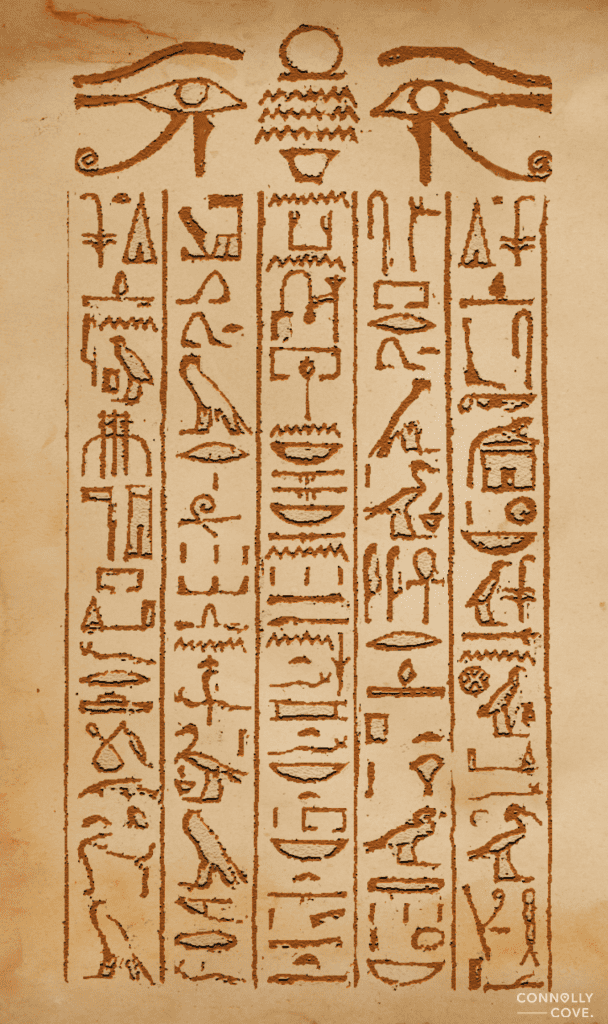
Well, it’s far and wide known that cave paintings were the ancient method of telling stories and passing history to the next generations. That method was used in all corners of the world, so it’s old news to everyone. While ancient Egyptians weren’t an exception, and they used their hieroglyphic symbols, they were lingering for an evolution that went beyond walls and the insides of caves, creating the ancient Egyptian language.
Thus, they invented a more developed writing system that started with pictograms, where simple images depicted words. However, that pictogram was somehow limiting, which compelled the ancient Egyptians to go even further and add more characters that represented different sounds. That was when the very notion of written language came into being.
While written language is still necessary in our modern world, little do people know that it was an ancient Egyptian invention. Technology may have contributed to reducing the use of writing on paper, but we still use written language for texting and online content. So, if it weren’t for that particular ancient Egyptian invention, our modern world wouldn’t be as we know it.
2. Papyrus Paper
The invention of paper was a real changer that the world owes to the Chinese. While they highly contributed to introducing our world to paper as we know it today, ancient Egyptians seem to have had an earlier version that’s no longer in use today. It’s the papyrus sheet. Bringing the best of all the ancient Egyptian inventions to life, the writing system; they needed to go beyond walls.
That’s when the papyrus sheets came in handy; a stiff sheet made of a reedlike plant known as papyrus grows on the Nile River’s banks to this very day. The plant was known for crafting many other objects and necessities that existed in Egypt at that time, including sandals and mats too.
Interestingly, no other civilisation had ever come to unravel the secret of making papyrus sheets, and the ancient Egyptians made sure they took the process to the grave with them. Only in 1965, an Egyptian doctor found his way to creating papyrus sheets. Yet, it was already unnecessary since the newer Chinese version of the paper was already circulating around the world.
3. The Calendar
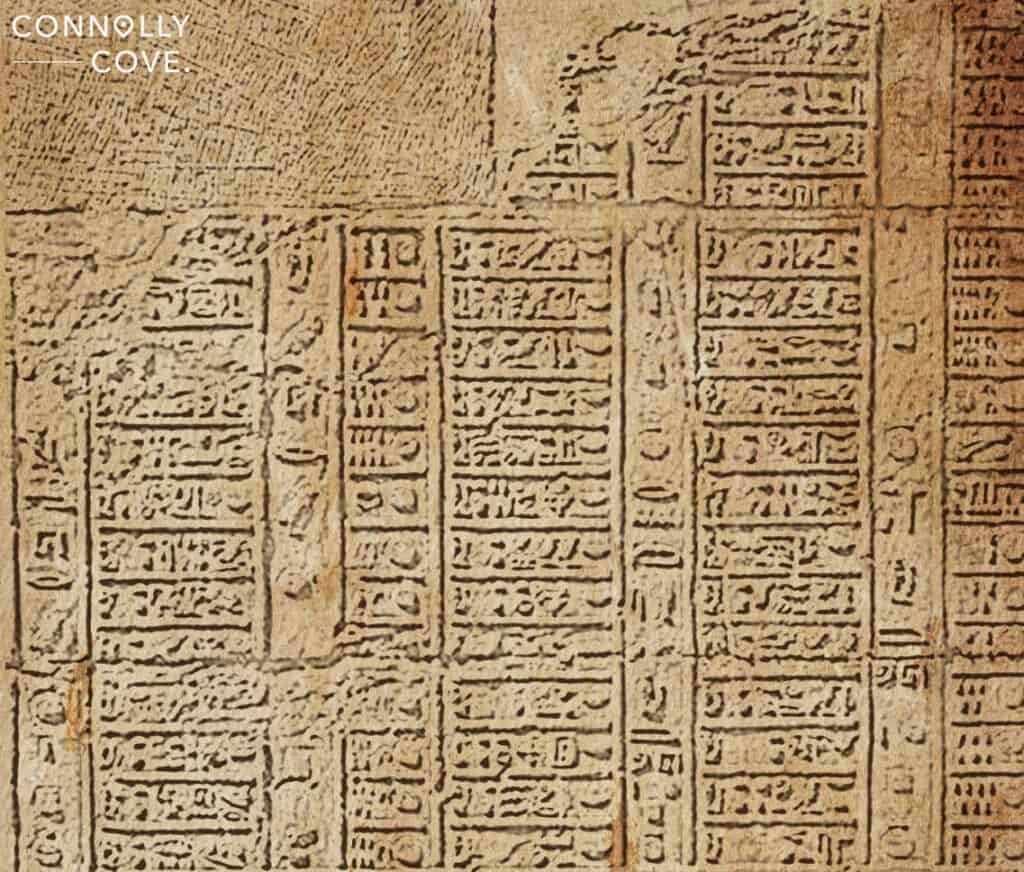
Imagine a life without knowing what day or year it is; how terrifying does it sound? Well, extremely frightening, so we should be grateful for being born in the modern world we’re witnessing today. Because guess what? There was a time when calendars were nonexistent, and people had to wake up in the morning and sleep at night without knowing dates or times.
For once more, the ancient Egyptians saved humanity from what could have induced great confusion by introducing the concept of calendars. It’s one of the greatest ancient Egyptian inventions that has become a staple in today’s world. While you use the calendar to mark important Zoom meetings and doctor appointments, the ancient Egyptians had a different usage.
Before ancient Egyptians were able to know dates, they couldn’t time their important holidays and farming seasons. The calendar was their one and only saviour, helping them to time the annual flooding of the Nile, which was quite crucial for their entire agricultural system.
4. The Barbering Profession
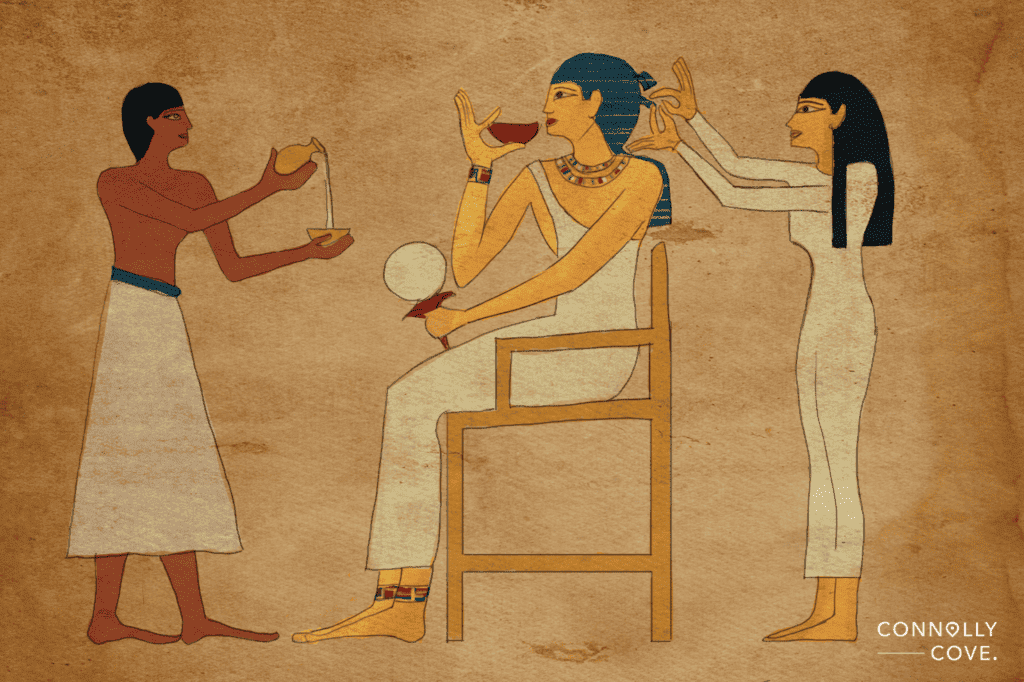
Looking back at pictures of people in ancient times, we often see long hair and bushy beards. Yet, that wasn’t the case with the ancient Egyptians; they perceived long hair as unsanitary. So, they were almost always clean-shaven most of the time and kept their hair short. We believe the country’s scorching heat contributed to that grooming preference.
The ancient Egyptians were the first to invent the sharp stone blades as the world’s first shaving tool. It helped them stay presentable and introduced the world to a different grooming style. Later, they replaced the sharp stone blades with copper-bladed razors, paving the way for a new profession: the barbers.
The ancient Egyptians were the first barbers in the world. It’s still a significant profession in today’s world, but little do people know that it’s one of the ancient Egyptian inventions. What’s even more fascinating is that this profession was given a rise because the Egyptians fussed over hair, making it a mark of social status. So, those with stubble beards and excess hair were deemed among the commoners, yet noblemen were always the ones clean-shaven.
5. Toothpaste And Mouth Fresheners
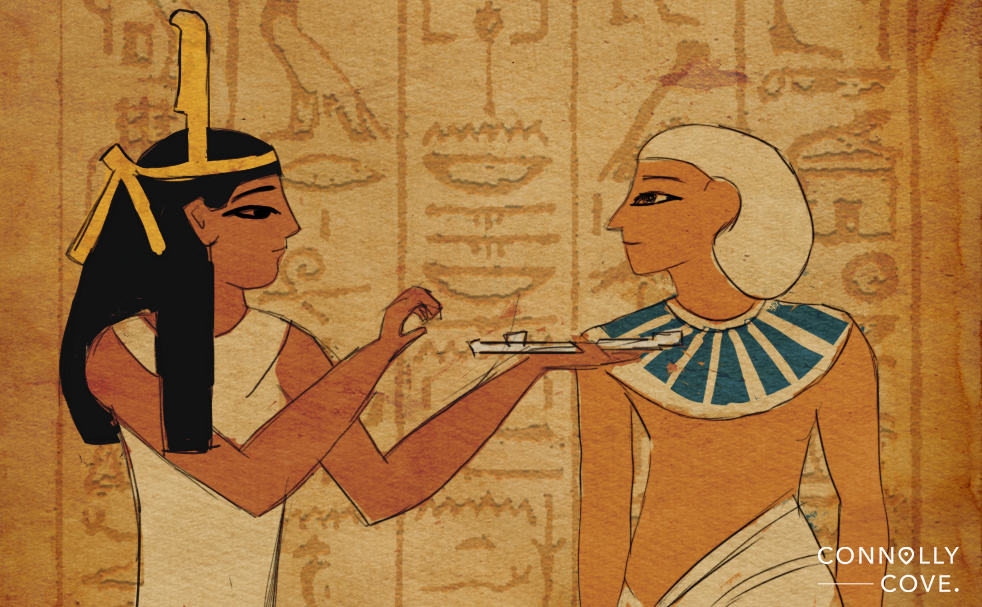
There may have been amazing ancient Egyptian inventions that kept the lives of ancient people easier and simpler. Yet, one real struggle that constantly plagued the ancient Egyptians was dental issues. It’s said that most ancient Egyptians suffered from tooth decay and bleeding gums, so they had to devise a solution, inventing toothpaste.
Toothpaste is one of the ancient Egyptian inventions used for grinding and mixing several ingredients. They usually included dried flowers, pepper, salt, and ashes, creating a paste. It was perfect for keeping teeth clean, yet it wasn’t affordable for all social classes. Ergo, a different solution, was introduced to those who couldn’t afford toothpaste, mint mouth fresheners.
Yes, mouth fresheners sound like a modern innovation, but surprisingly, it’s an ancient Egyptian invention. Mint is known to be so refreshing to use for your breath to conceal foul smells, and that’s why it’s used in many kinds of toothpaste. The ancient Egyptians figured that out centuries ago and used min with other flavoured herbs and spices to treat the foul smell of rotting teeth.
6. Door Locks
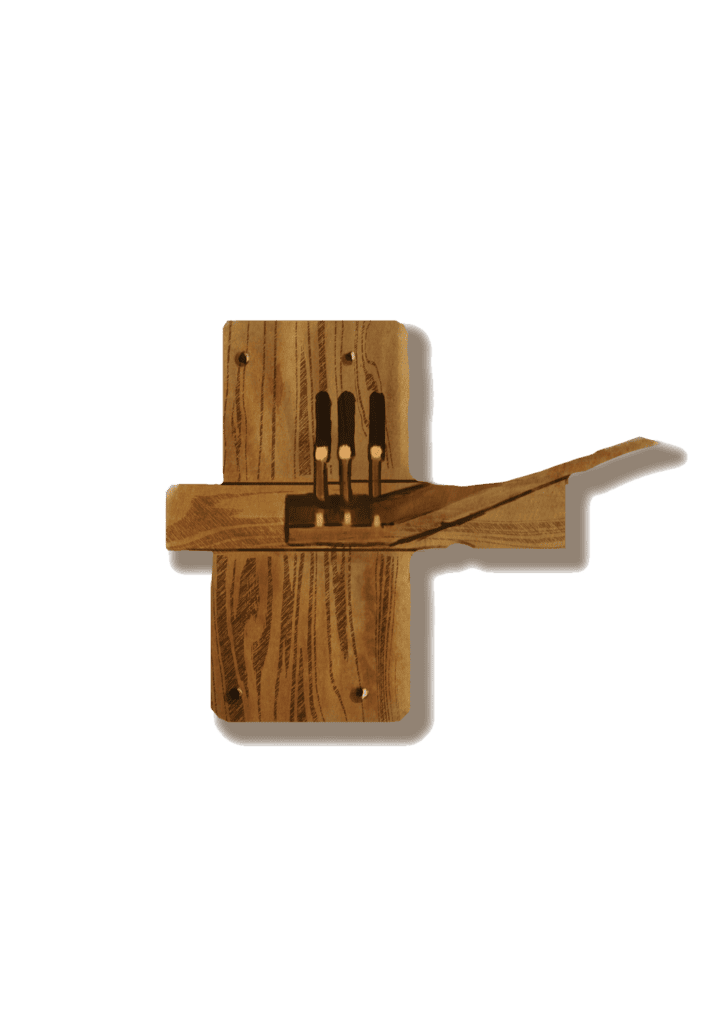
In our technology-based world, the security system has definitely gone beyond door locks. Yet, we can’t deny the fascination of this invention that kept people safe for centuries before cameras and alarms came into being. Interestingly, door locks are among the most incredible ancient Egyptian inventions.
They were undoubtedly less complex than today’s locks, yet they paved the way for stronger security systems. Even more, the ancient Egyptians contributed to changing the history of engineering by introducing the Egyptian tumbler lock. It was an unusually big lock with plenty of pins forming mini bolts. The matching key would lift the internal prongs, allowing the bolts to pull back, so the door opened.
The ancient Egyptians undoubtedly had sharp minds and knew for sure how to protect their treasure. There were definitely guards to protect the kings and queens, but the door locks came in handy for the valuable possessions. There were usually used lock rooms where wealth and gold were kept. These locks are still found today inside the Great Pyramids of Giza.
7. Bowling
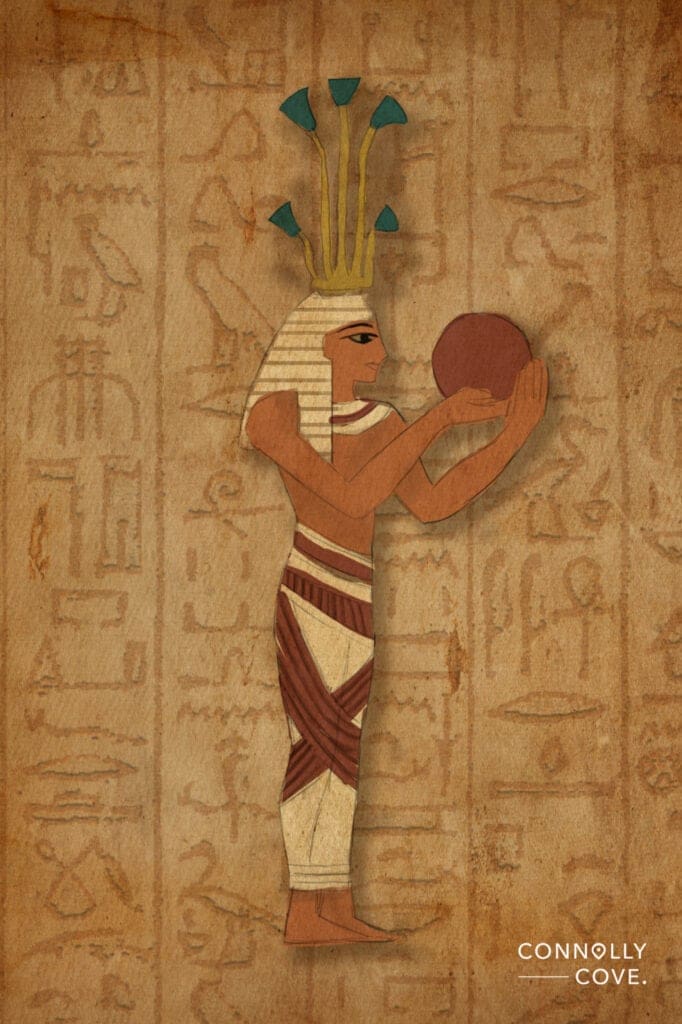
Bowling is one of the most competitive games of today’s world that is enjoyed worldwide. It’s also one of the most unexpected ancient Egyptian inventions enjoyed by other ancient civilisations like the Romans and the Greeks. We’ve learned about bowling being an ancient Egyptian invention during the 19th-century excavations in Egypt carried out by William Matthew Flinders Petrie.
The British archaeologist claimed to have surprisingly found balls made of corn husks and leather with string binding them together. There were also nine stones shaped like vases, resembling the pins of today’s version of bowling. Before getting to that conclusion, Petrie thought that they were ornaments and decorating objects that the ancient Egyptians used.
The discovery also involved balls of different sizes along with a set of lanes tucked away in a room, resembling the bowling alleys we know today. However, the archaeologists believe that the rules of the game were much different back then. They believe the competitors didn’t take turns rolling the ball like the modern bowling game, but they stood on opposite ends of the lane.
8. Police Force
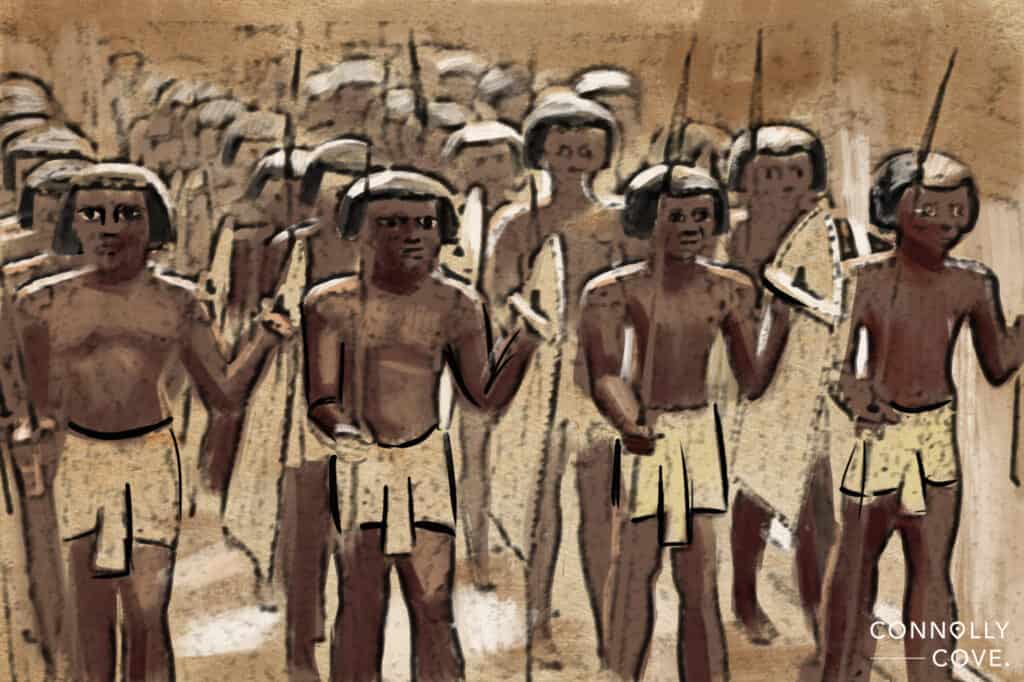
The Pharaonic civilisation offered a lot of great concepts and innovations to our world that is still going quite strong today. When the ancient Egyptian civilisation expanded, they needed organised law enforcement to ensure stability and keep the criminals at bay. Thus, the police force came into being.
Today, the police force is essential in every part of the world; it has become normalised that we would barely think it was among ancient Egyptian inventions. At first, the Medjay, people from Nubia, were the first to be hired as policemen. Later on, Medjay became the term used to refer to police officers in general, and the profession was no longer limited to the Nubians.
The policemen of ancient Egypt had specific roles and weren’t concerned with every arising trouble taking place in the country if there was any. Their main objectives were to protect the Pharaoh, his palace, and borderlines. They were also tasked to guard the trading ships travelling on the Nile to keep the economy in prosperous state.
9. Sickness Cure
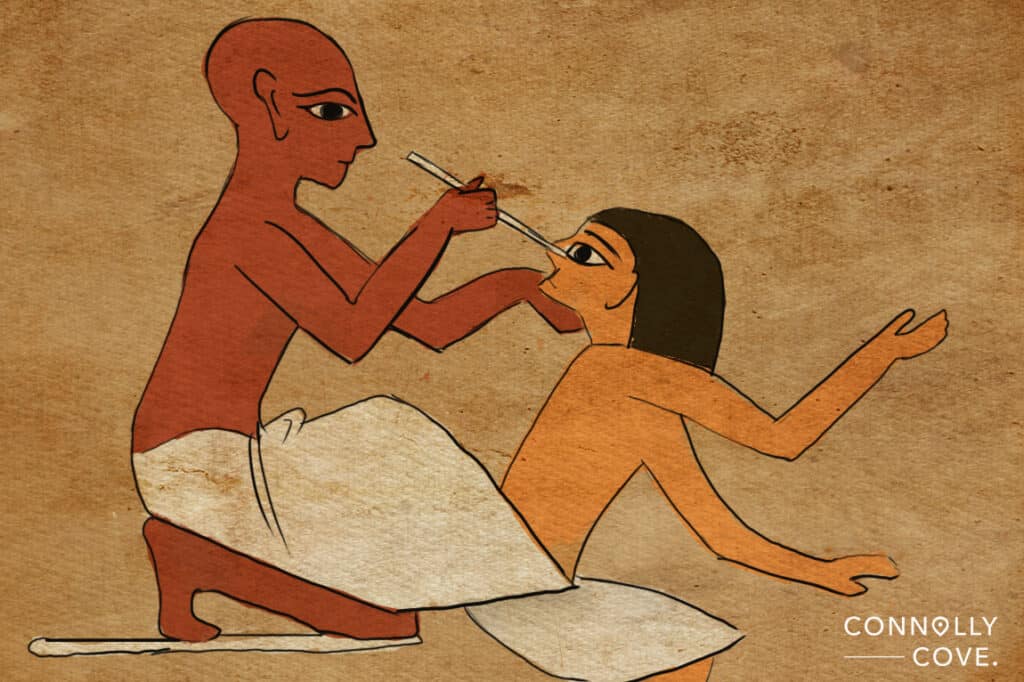
Medicine is one of the world’s most outstanding fields of science. The medical profession is highly regarded for its invaluable service to society. It’s worth noting that long before medical treatments were introduced, people depended on curing their ailments through magical and spiritual remedies.
While things changed dramatically, the ancient Egyptians themselves were firm believers of superstitions. However, they tackled more scientific approaches in parallel with their superstitious notions, introducing the world to actual cures and remedies for illnesses. The whole field of medicine has always been regarded to be one of the ancient Egyptian inventions, thanks to their remarkable efforts and contributions.
The ancient Egyptians were also the first to establish a public health system and their exceptional medical concepts. One of the main reasons that compelled the ancient Egyptians to treat their ill was to make sure they had enough healthy workers to complete their precious tombs. The safety measures they followed to ensure sanitary healthcare were pretty much similar to what we have today. This means we have all the more reasons to thank the ancient Egyptians.
10. Furniture Pieces
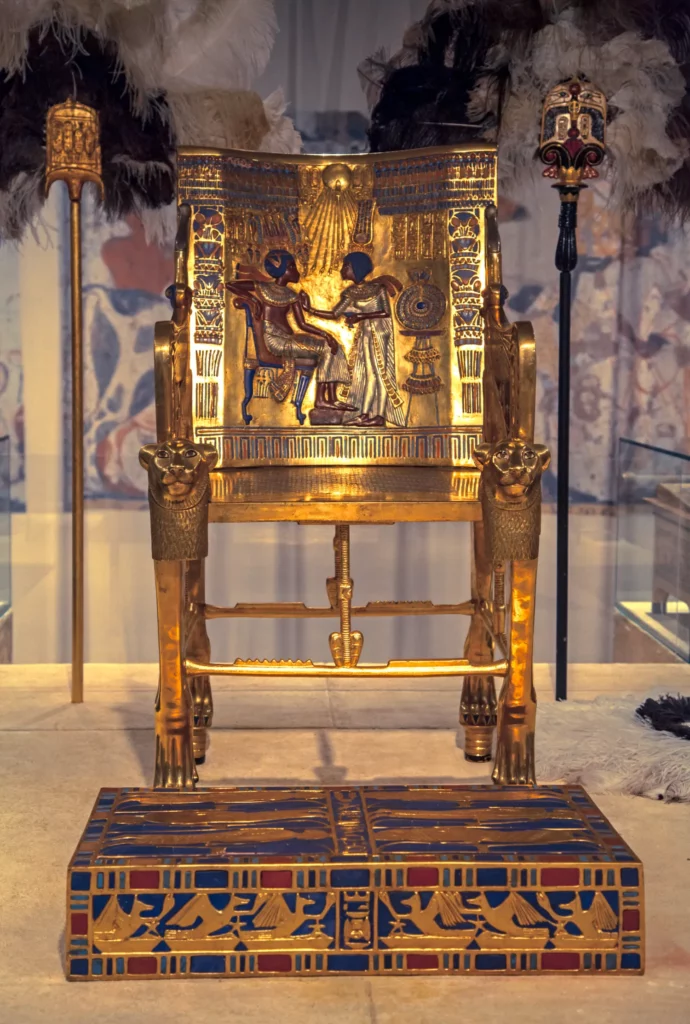
We’re grateful that furniture pieces go way back to ancient Egypt. Otherwise, we would have to sit on the ground or floors like people used to do before those magnificently brilliant ancient Egyptian inventions happened. We took the furniture pieces in our houses for granted, believing them to be a trivial part of our daily lives. But that wasn’t how many people lived in the past.
Before the ancient Egyptians invented the furniture pieces that we know today, primitive benches and large blocks were there. Then one day in ancient Egypt, some genius decided to carve items out of wood and alabaster, introducing the art of furniture. Tables and chairs played a vast role in ancient times, with lots of evidence of tables being used for dining and even playing board games.
Chairs, however, were items restricted to the nobility and the affluent. They were symbols of wealth and high social status. Commoners and farmers used to sit on stools or even on the ground. However, the royalty didn’t only have chairs to sit on; they had them made of gold and ivory with comfortable backs for them to rest. Many may have known that chairs and tables were ancient Egyptian inventions, but a few would know they were luxuries that not anyone could afford.
As we delve into the depths of human history, one can’t help but be fascinated by the great civilisation of Egypt. Besides the rich history and unique culture, the ancient Egyptian inventions only add to the allure of this delightful ancient civilisation. If you’re an avid history buff with a penchant for unravelling stories in human history, then Egypt is the best place to start your adventure.
For more ancient Egyptian history check out the Tomb of Queen Nefertari.

Great Scotland Yard – London Attractions
England
27/04/2024

Bangor Town: The Colorful Open House Festival
Northern Ireland
27/04/2024

Must-See Casablanca
Africa
27/04/2024

The Ultimate Guide for London One Day Tours!
England
27/04/2024

Key Insights: Global Medical Tourism Statistics and Market Growth Analysis
Travel Statistics
26/04/2024