


13 Top Things To Do In Magnificent South Korea
Updated On: April 15, 2024 by  Esraa Mahmoud
In recent years, South Korea has become a synonym for great entertainment. However, the country has so much more to offer, wonderful activities to do, and amazing places to visit. South Korea brings a mixture of beautiful architecture, pop culture, new technologies, great food, friendly people, fashion, brilliant natural landscapes, and much more.
South Korea is one of those countries with an impressive history that leaves you in awe. Only half a century ago, Korea was an impoverished country, and now it has one of the strongest economies in the world! From magnificent cities brimming with old-world charm to some eye-catching modern options, South Korea is a country that caters to every taste.
While most people immediately think of Seoul, when someone mentions South Korea, there are many other places that deserve the visit as well. We may not be able to list all the fun things and places to visit this time, but we will do our best, so here are our picks of the top things to do while in South Korea.
Seoraksan National Park
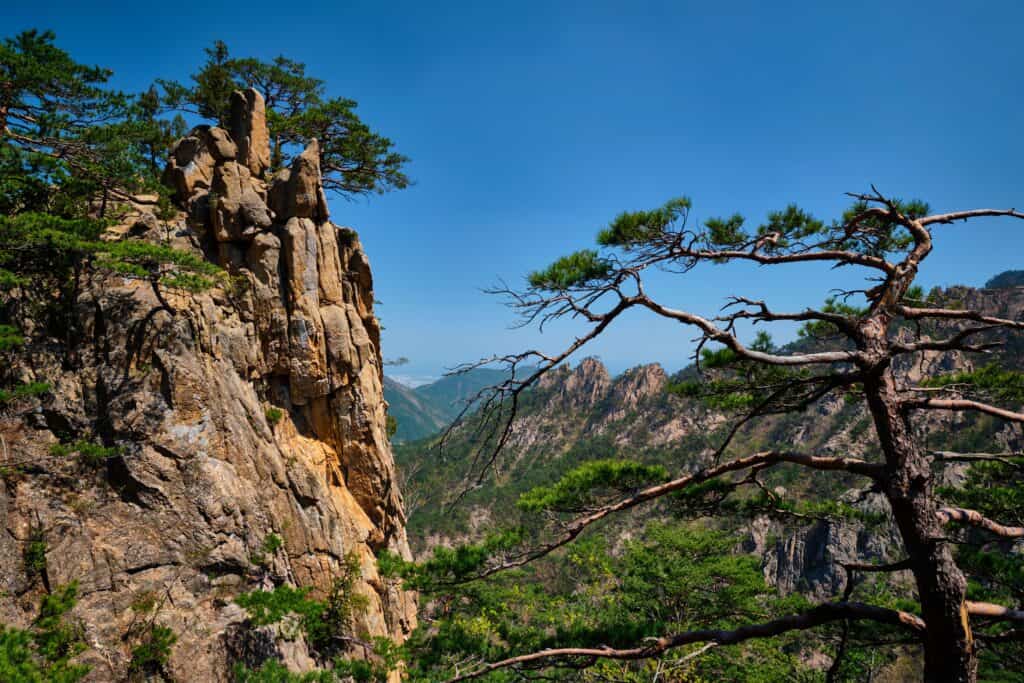
The beautiful Seoraksan National Park in the surrounding area of the mountain Seoraksan, which is one of Korea’s most beautiful mountains. The Seoraksan National Park is a vast park that stretches over four cities and counties with many mesmerizing mountain peaks. The 163.6-kilometres park is listed by UNESCO as a tentative World Heritage site. The National Park is easy to reach, and there are many hiking spots inside.
The park is located in the Gangwon Province in eastern South Korea, and among its many touristic attractions is the Ulsanbawi Rock. Ulsanbawi Rock is a rock formation spanning from the mountain’s foot to its top at 900 M above sea level. The six-rock peak offers a great view from the top, and it has been the favorite place of several well-known poets and calligraphers like Heo Jeok and Choe Yeon during the Joseon era.
Ulsanbawi Rock is the perfect destination for hike lovers, offering them a unique hiking experience while they make their way to the top. It takes four hours of hiking to reach the top, and it is definitely worth the trouble. Take some good photos while you are on your way to the top, with that remarkable scenery in the background.
Another major attraction within the park’s ground is the two Buddhist temples, Baekdamsa and Sinheungsa. The templates’ soothing traditional facade is a pleasure to behold, and they are the perfect setting for some memorable photos. It is worth mentioning that the Sinheungsa temple is rumored to be the oldest Seon temple in the world.
Besides the mountain and the template, Seoraksan National Park still has much more to offer, like its exquisite flora and fauna. The park is the home of more than one thousand species of plants and 1,562 animal species, some of which are classified as rare ones.
While in the park, you can see many charming animals such as the rare Korean musk deer and the Korean goral her, along with other animals like Siberian flying squirrels, otters, and maybe even an Asian black bear. Keep your camera rolling to snap a good pic of them!
Next on the list of fun things to do while in the park is riding the Seoraksan Cable Car. The Seoraksan cable car is an excellent opportunity to view Seoraksan Mountain and the surrounding area, both during the ride and after arriving at the top. The cable car ride is available all year long, and it is pretty popular on weekends, holidays, and during the autumn foliage season. We highly recommend taking a car cable ride; you will love it for sure!
Gyeonju National Park
Gyeonju National Park is the only national park in South Korea that is known, not only for its nature, but also for its cultural attractions. The park is the only national historic Park in Korea, and it is located in the province of Gyeongsangbuk-do, eastern South Korea.
It is composed of eight separate areas located around the city of Gyeongju. At the southern city limits of Gyeonju is the Namsan hill range. This part of the national park contains a dense network of hiking trails leading to many historical sites. Spend a day at the Gyeonju National Park and explore its many attractions….you will have so much fun and so many good photos!
The park also includes the Bulguksa Temple, which, like many other sites in this region, is a UNESCO World Heritage Site. The temple complex dates back to the Silla Dynasty, and it is one of the most beautiful complexes from this period. The temple halls were built on various terraces on a hill and nestled perfectly into the landscape.
Suwon’s City Wall
Only 35 km south of Seoul lies the relatively small city of Suwon with its one million inhabitants. Unlike the city wall in Seoul, Suwon’s city wall is still almost entirely intact and encloses the historic core of the city with its 5.7 km. The wall is interrupted by a few watchtowers, large gates (through which road traffic now passes), and the Hwaseong Fortress. An extensive tour of the wall is worthwhile, where you will have the best view of the bustling city and the beautiful surrounding countryside
Buckle Up; We’re Approaching the Border with North Korea
Just 40 km north of the cheerful hustle and bustle of Seoul, a very different, icy daily routine prevails…It is the DMZ (Demilitarized Zone). This is where South Korean and North Korean soldiers stand silently opposite each other at the checkpoints, scowling at each other. And they have been doing so for decades now!
The atmosphere at the site is unique and surreal, and it somehow made its way into the list of many visitors, becoming a well-marketed destination for day-trippers from Seoul.
We recommend going to one of the guided tours offered in the area there; you will learn all sorts of interesting facts about the complicated past and present of the two countries, and afterward, you can go to the edge so you can LITERALLY set foot on North Korean soil…. How awesome! A trip to the DMZ border is one of the top things to do while in South Korea.
Breathe-in the Pure Air of Gwangju
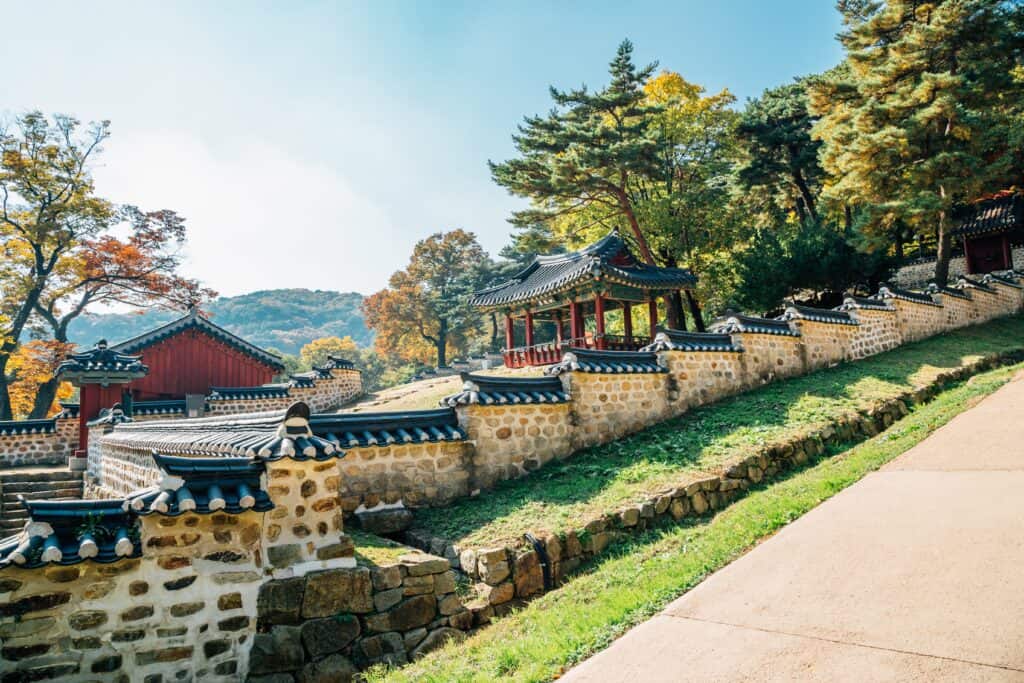
Gwangju is the largest city in the southwest of South Korea. Thanks to the sheer expanse of the city’s landscape and the nicely arranged streets, Gwangju is a nice and cozy place that would absolutely amuse you. The city is a nice stop to make on your trip to South Korea. To make it even nicer, we recommend visiting any local restaurant to enjoy the tasty cuisine of the region and visit the richly decorated Jeungsim Temple.
A Train to Busan, Please!

It is most probably the 2016’s movie “Train to Busan” that put this city under the radar, but we are so glad that this happened! Busan is the second-largest city in South Korea, with 3.5 million inhabitants. It is located on the coast in the southeast of the Korean peninsula.
Like Seoul, Busan is built between hills and is divided by them into different areas. Busan has some incredible vistas and exciting places to offer. We highly recommend going for a coastal hike to the Oryukdo Skywalk or simply stroll inside the city to enjoy its unique mix of urban port city flair and rocky, coastal areas.
A must-visit while in Busan is the Jagalchi fish market! This is one of the largest and most diverse markets in South Korea. Even those who don’t like to eat fish will find all kinds of beautiful, exciting, and strange things to see here.
There is also Haeundae Beach that offers relaxation and sunbathing in the middle of the city. At the same time, the picturesque Haedong Yonggungsa Temple on the east coast will give you all the tranquility you need.
Another major attraction of the city is the Gamcheon Cultural Village. This village is on the side of a hill, with colorful houses built in a stair-stepped fashion. Gamcheon Cultural Village is considered the “Santorini of Korea” and offers all sorts of great photo spots due to the colorful houses and murals.
We suggest making it to the statue of the Little Prince that looks down on the village; you will take some good photos in there. Also, every year in April, there is a street festival that gets held in the city where you can participate in various cultural and art programs.
Jinju: Lantern Festival
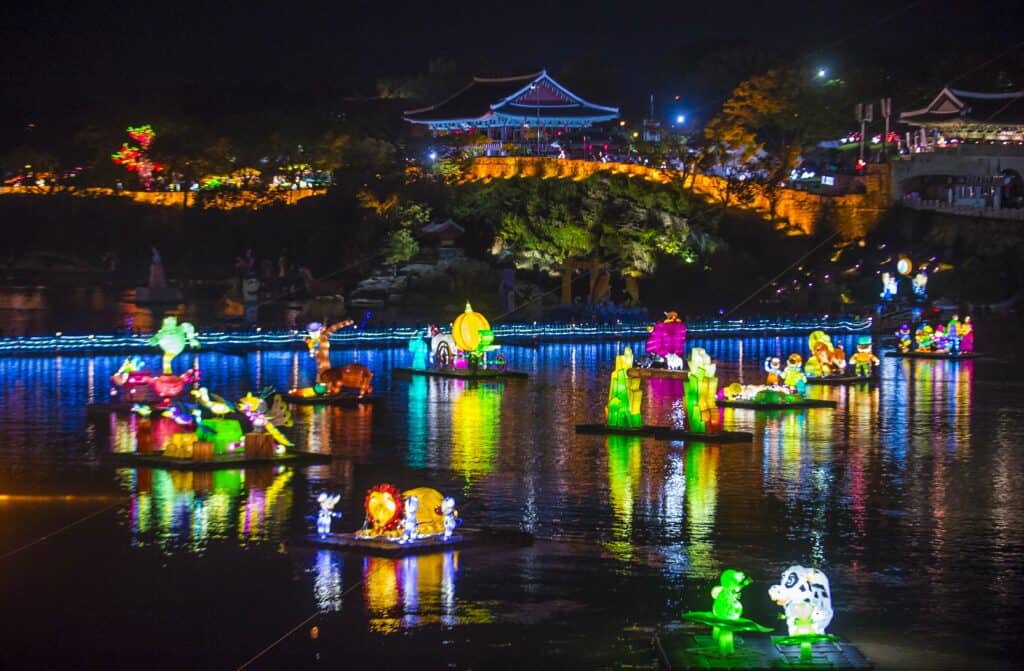
The quite tranquil Jinju is located in the green south of the country, only about 60 km west of Busan. The city is particularly famous for its annual lantern festival, which takes place in October. During this time, thousands of lanterns are shaped into sculptures, and they get set up throughout the city, and the Namgang River flowing through Jinju.
Try to make it to Jinju around the fascinating festival’s time and join the thousands of Koreans walking along the river, through the city and Jinju Fortress, taking souvenir photos with the lantern sculptures.
For the Love of Fortresses!
Dangling a rich history, South Korea has plenty of magnificent fortresses that will put you under a spell. The first of which is the Busosanseong Fortress in Buyeo county. The fortress is beautifully situated on a hill, and it is bordered on one side by the Baengmagang River and a steep rock face.
The fortress was built in the Baekje period to protect the seat of government at that time. Along the fortress wall runs a great hiking trail that leads to the sights of the fortress. Plan a day trip to the fortress and enjoy one of the most excellent hikes you will ever have.
There is also the Naganeupsong village fortress with its well-built walls that dates back to the Joseon Dynasty and is almost 1.5 km long. The traditional village is considered to be the best-preserved fortified village in Korea.
Most of the houses in the village are thatched, and there are beautiful vegetable gardens in between. In the village, there are restaurants, cafes and souvenir stores but also traditional crafts and there are music performances that you can enjoy. At the village’s many stalls, there are traditional Korean snacks, and they are so worth the try!
Last but not least is the Gongsangseong fortress. This is a spectacular fortress with some great spots along and inside the fortress’ walls. The fort dates back to the Baekje period, and it was the king’s residence between 475 and 538. The fortress wall is 2,660 meters long and has four gates. Take a walk along the fort wall, where you will have beautiful views over the city of Gongju and the Geumgang River.
A Cup ff Tea, Anyone?
We all know how tea is a big part of the British culture, but as it turns out, it has a special place in the South Korean culture as well! The tea is so special to South Korean that they made a museum for it…… A VERY interesting museum, to be exact.
The Tea Museum of Korea in Boseong is all about tea…. What kinds of tea are there? Where is tea planted? What is the production process of tea? These kinds of questions and many more are answered in this enticing museum.
The Tea Museum of Korea was created to preserve Korea’s tea culture and honor the history of Boseong tea, which dates back as far as the Baekje Era. The museum consists of three floors, with each of them highlighting an aspect of tea.
On the first floor, there is the Tea Culture Hall where you will learn more about the process of tea production through graphic panels, dioramas, and videos. On the second floor, The Tea History Hall showcases tea wares and tools from various periods in history, displaying the evolution of tea culture through the years.
As for the third floor, this is where you will find the Tea Life Hall, which is devoted to education and hands-on experiences and offers the visitors the chance to explore the tea cultures of Korea, China, Japan, and Europe in addition to showing tea tools from other countries.
Let’s Go to the Beach!
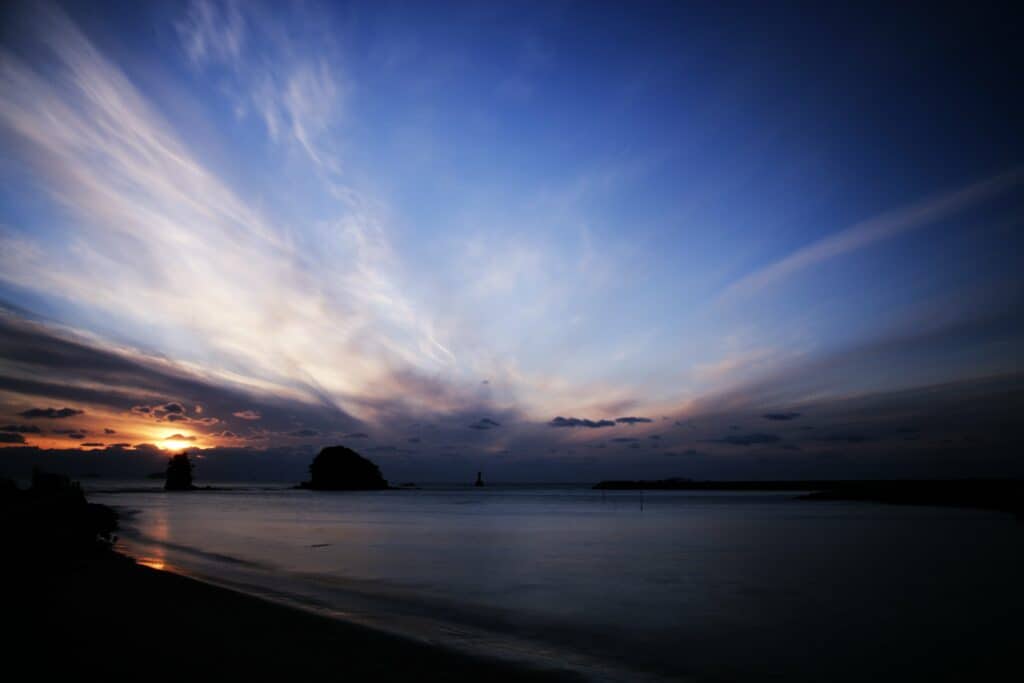
South Korea has some out-of-this-world beaches that you just must visit. On the top of the list is Seorak Beach in the northeast of South Korea. Seorak Beach is a small beach north of Sokcho, and it is well-known among the locals for surfing and camping. On weekends the small beach gets very crowded, and many Koreans camp on the beach and in the parking lot. There are some guesthouses, a store, restaurants, and cafes to make your visit to the beach more convenient.
On the Taean Peninsula, there are cozy coastal resorts with restaurants and quite incredible beaches, one of which is the Kkotjie Beach. The Kkotji Beach is a 5 kilometer stretch of white sand, and it includes the famous Halbaebawi and Halmaebawi Rocks. Try to make it around the sunset to the Kkotji beach; the scenery from there is staggering.
Geojedo is the second-largest island in South Korea, and on the list of its touristic attraction is Wahyeon Beach. The beach is simply marvelous, and it is one of the best beaches to visit in South Korea.
Get Your Surfing Mode On!
South Korea’s surfing scene is homed in the Yangyang area. The most famous beaches there are Ingu and Jukdo beaches, they both are great surfing beaches. Sure, the waves are not comparable to those of Australia. But if you are there in the right season, you will be amazed! The waves can reach 1.5 to 2 meters…. Not bad, huh!
At Ingu Beach, there are many surf stores, trendy cafes, restaurants, and cool bars. The two beaches are especially popular with young Koreans. During the week, the beaches are practically empty, but on weekends all hell breaks loose. There is surfing, partying, camping, and everywhere it smells of grilled meat.
It takes about 4 hours to reach Ingu or Jukdo Beach from Seoul. If you feel like it, you can rent a board in one of the surf stores or even take a beginner’s course. The daily rent for a surfboard is about 50’000 won. A tip: Even if there are no waves, it is a great experience, and you should really go for it.
Winter Sonata’s Nami Island
Setting 60 km from northeast Seoul, Nami Island is located on the northern bank of the Han River and is known for its long and narrow horizontal current. The scenery of the island varies from season to season, and they are all beautiful!
There are also ostriches, deer herds, and various waterfowl on the island, as well as a variety of art and photography tours. However, the Metasequoia forest remains the most popular attraction on the island thanks to the famous 2002’s romantic drama series Winter Sonata.
The drama was shot on the island, and when it aired, it was one of the earlier works that grabbed the world’s attention to South Korea. You can explore the island on foot, or you can also rent a bike to explore the island with your friends or loved ones.
Jeju-Do: The Self-Governing Province
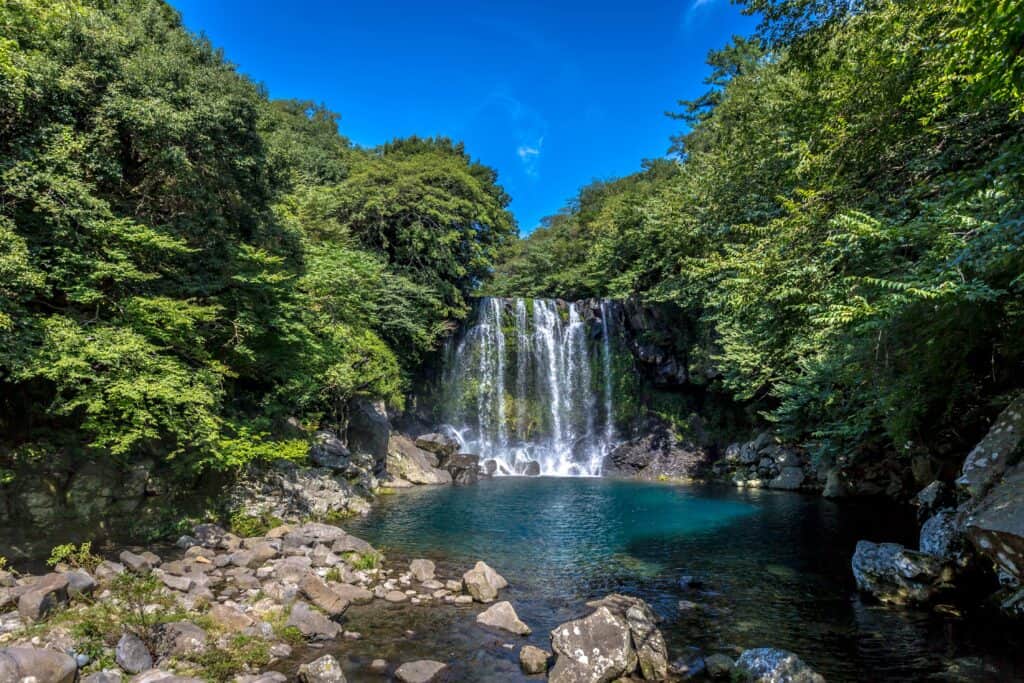
The Korean island of Jeju is the largest island in Korea, and it is also the southernmost point of the country. The island owes its origin to the extinct volcano Hallasan, which is the center of the island and the highest mountain in Korea.
Jeju is a must-visit place for anyone going to South Korea; in every direction of the island hides great natural wonders to marvel at. In the south, you have the only waterfall in Asia that falls directly into the sea (Jeongbang) and the striking Oedolgae rock that rises out of the water.
In the north, you can feast your eyes on the world’s highest lava column in the 5.3 km long lava cave Manjanggul. Whereas in the west of the island, you can swim in the shallow water between black lava rocks at the paradisiacal white Hyeopae beach, as for the east, this is where you find the magnificent Seongsan Ilchulbong. And then there is the ubiquitous Hallasan that we highly recommend climbing…. need more reasons to consider Jeju?
From its east to its west, South Korea is full of fun and amazing things to do and places to visit…. and food to eat. It is about time this country takes its rightful place among the top Asian countries to visit for a vacation.

Top 10 Irish Public Holidays and Traditions to Experience on Your Ireland Holidays
Festivals and Events
18/04/2024
6 Top Mourne Camping Sites for an Unforgettable Experience Under the Stars
Northern Ireland
18/04/2024
Eostre: The Germanic Goddess of Dawn and Spring Equinox Celebrations
Mythology and Folklore
17/04/2024
Explore the Top Hotels in County Cavan for Your Ultimate Getaway
County Cavan
17/04/2024

Irish Golf: Exploring the Top Golf Courses in Ireland
Culture Exploration
17/04/2024