Skip to content
Updated on: by Avatar image of authorFatma Mohamed Review By: Maha Yassin

When you’re searching for things to do in Scotland, you’ll find countless generic lists promoting the same overcrowded attractions. At Connolly Cove, we take a different approach—drawing from our extensive travel documentation and cultural storytelling to reveal the Scotland that transforms casual visitors into passionate advocates. Whether you’re planning your first Highland adventure or returning to explore deeper, this comprehensive guide to things to do in Scotland combines practical logistics with cultural context that typical travel sites overlook.

Scotland offers a rare combination of raw wilderness, complex history, and warm hospitality that resonates particularly with Irish and UK travellers who appreciate the Celtic connections. From the volcanic drama of Edinburgh’s Old Town to the mist-shrouded peaks of the Cairngorms, things to do in Scotland span every interest—history, nature, food, and adventure. This guide moves beyond surface recommendations to help you experience Scotland authentically, connecting you with the landscapes, stories, and traditions that make this nation unforgettable.

Planning Your Scottish Journey: Essential Logistics

Planning things to do in Scotland requires balancing ambitions with realistic travel times, weather unpredictability, and seasonal variations that dramatically affect both experience and logistics. Scotland’s compact size deceives many visitors—single-track Highland roads, ferry schedules, and dramatic weather shifts mean distances take longer than maps suggest.

Best Times to Visit Scotland

Four seasons in Scotland showing best times to visit for different weather conditions and landscapes

Scotland’s weather proves unpredictable across all seasons, but each period offers distinct advantages:

  • Spring (April-May): Lengthening days, fewer tourists, reasonable weather. Midges haven’t emerged yet. Ideal for photography with fresh green landscapes and fewer crowds at major attractions.
  • Summer (June-August): Longest days (sunset after 10pm in northern Scotland), warmest temperatures, but peak crowds and midge season. Book accommodation far ahead. Festival Edinburgh runs throughout August.
  • Autumn (September-October): Stunning autumn colours, stable weather often better than summer, fewer visitors. Excellent period for photography and hiking without crowds.
  • Winter (November-March): Short daylight hours (sunset by 4pm), cold and wet, but empty landscapes and potential snow create dramatic conditions. Winter sports season operates in Cairngorms.

The Midge Factor: Scotland’s infamous tiny biting insects plague western coastal areas and Highlands during summer months, particularly at dawn and dusk in still, damp conditions. Midge repellent and head nets become essential gear June-September.

Getting to Scotland from Ireland and the UK

  • Ferry Routes: Stena Line and P&O operate ferries between Northern Ireland (Belfast/Larne) and Scotland (Cairnryan). Journey time approximately 2-2.5 hours. Bringing your own car provides flexibility for exploring rural areas and saves on Scottish car hire costs.
  • Air Travel: Direct flights connect Dublin, Cork, and Belfast with Edinburgh, Glasgow, and Aberdeen. Budget airlines offer competitive pricing, though hiring cars in Scotland adds expense. Compare total costs (flight + car hire vs. ferry with own vehicle).
  • Driving Considerations: Scotland’s single-track roads demand different skills than motorway driving—passing places, sheep on roads, and courteous yielding to other vehicles. The North Coast 500 route showcases Highland scenery but requires confident driving and realistic time allocation (minimum 5 days recommended).

Accommodation and Budgeting

Daily Budget Estimates (per person, mid-range):

  • Accommodation: £60-100
  • Meals: £30-50
  • Transportation: £20-40 (car hire/fuel or public transport)
  • Attractions: £15-30
  • Total: £125-220 per day

Many museums and galleries offer free entry. Book Edinburgh and Glasgow accommodation months ahead for August (Festival) and December/January (Hogmanay). Highland and Island options reduce dramatically outside major centres—advance booking essential for summer travel.

Edinburgh & The Lothians: Layers of History Worth Documenting

Edinburgh Old Town and New Town architecture contrast showing historical layers of Scotland's capital city

Edinburgh isn’t simply Scotland’s capital—it’s a living archive of Scottish identity, stacked vertically across centuries. The Old Town’s medieval chaos rises in stark contrast to the Georgian elegance of the New Town, creating a cityscape that tells multiple stories simultaneously. Among things to do in Scotland, Edinburgh offers the densest concentration of historical attractions, from volcanic peaks to underground streets, all within a walkable city centre.

Edinburgh Castle and the Royal Mile

Edinburgh Castle dominates the skyline from its volcanic perch on Castle Rock. Beyond the typical visitor experience, pay attention to the Stone of Destiny (Stone of Scone)—this ancient sandstone block has served as the coronation seat for Scottish monarchs since the 9th century. Its contested history and eventual return to Scotland in 1996 represents a pivotal cultural moment.

The Royal Mile connecting the castle to Holyrood Palace serves as the Old Town’s spine. While the main street bustles with tourists, the real character lives in the closes—narrow alleyways branching perpendicular to the Mile. Mary King’s Close offers tours through the plague-stricken underground city, sealed and buried in the 17th century.

Cultural Tip: The One O’Clock Gun fires daily (except Sundays) from the castle—a tradition dating to 1861 for maritime timekeeping. Don’t panic at the thunderous boom if you’re on Princes Street around 1pm!

Arthur’s Seat: Edinburgh’s Accessible Peak

This 251-metre extinct volcano provides panoramic city views that rival any drone footage. The moderate hike takes 45-60 minutes, with sunrise and sunset offering optimal lighting conditions. Sturdy footwear is essential—paths become slippery in rain. Multiple ascent routes accommodate different fitness levels.

Festival City: Timing Your Visit

August transforms Edinburgh completely during the Festival Fringe—the world’s largest arts festival. The city’s population doubles, with every venue from churches to pub basements hosting performances. Book accommodation six months ahead. Hogmanay (Scottish New Year) presents another distinct experience with torchlight processions, street parties, and citywide singing of Auld Lang Syne in Robert Burns’ hometown.

The Highlands: Scotland’s Rugged Heart

Glencoe Highland valley Scotland with dramatic mountains and moody atmosphere, iconic Scottish landscape

The Scottish Highlands deliver the dramatic landscapes Scotland is famous for—mountain ranges carved by glaciers, deep lochs reflecting ancient geology, and glens echoing with clan histories. This region among things to do in Scotland appeals particularly to nature lovers and history enthusiasts seeking authentic wilderness experiences.

Glencoe: Beauty Marked by Tragedy

Glencoe ranks among Scotland’s most photographed locations, but understanding its history adds emotional depth. In 1692, the Massacre of Glencoe saw government troops betray Highland hospitality, slaughtering members of the MacDonald clan. This betrayal remains embedded in Scottish collective memory, explaining why the glen’s atmosphere feels haunting despite stunning beauty.

Loch Ness and the Great Glen

Urquhart Castle on Loch Ness shore, historic Scottish Highland castle and popular tourist destination

Loch Ness contains more water than all the lakes in England and Wales combined. Its extreme depth (230 metres) and peat-stained water create optical illusions that likely sparked the Nessie legend. Urquhart Castle ruins on the loch’s shore provide historical context dating to the 13th century, offering excellent photographic compositions.

The Jacobite Steam Train

The West Highland Railway line from Fort William to Mallaig crosses the Glenfinnan Viaduct—made famous by Harry Potter films but historically significant long before. This journey showcases Highland engineering alongside dramatic scenery. Book early during summer months for window seats.

Cairngorms National Park

Britain’s largest national park offers year-round outdoor activities. The Cairngorms host Britain’s only free-ranging reindeer herd—a unique experience allowing close encounters with these Arctic animals. Winter brings skiing at Cairngorm Mountain, while summer offers Munro bagging, mountain biking, and golden eagle watching.

The Islands: Skye, Harris, Lewis, and Beyond

Old Man of Storr rock formation Isle of Skye Scotland, iconic Highland island landscape

Scotland’s islands represent things to do in Scotland that require more travel time but reward visitors with distinct landscapes and cultural traditions. Each island group maintains unique characteristics shaped by geography, history, and continuing Gaelic heritage.

The Isle of Skye: Dramatic Geology

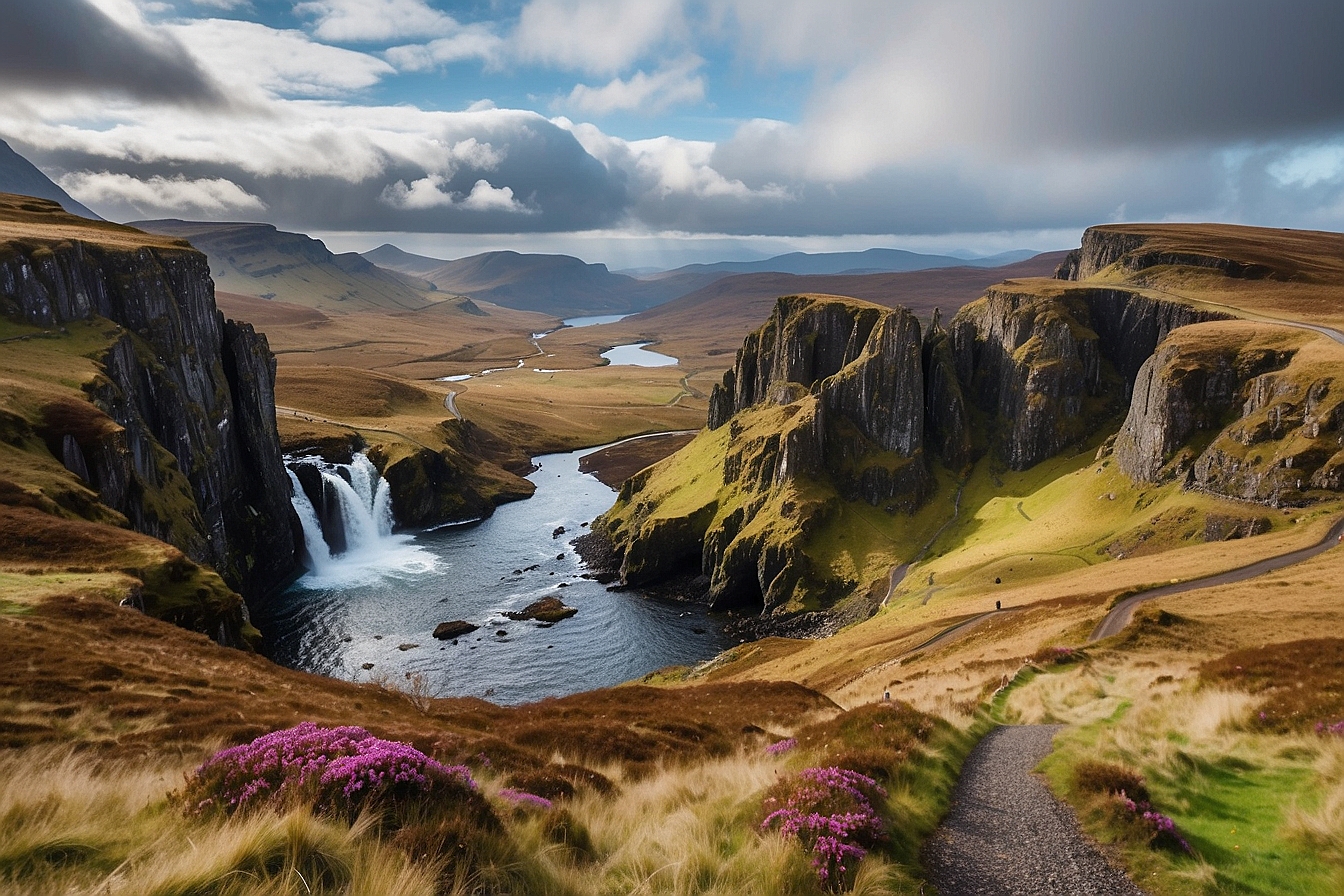
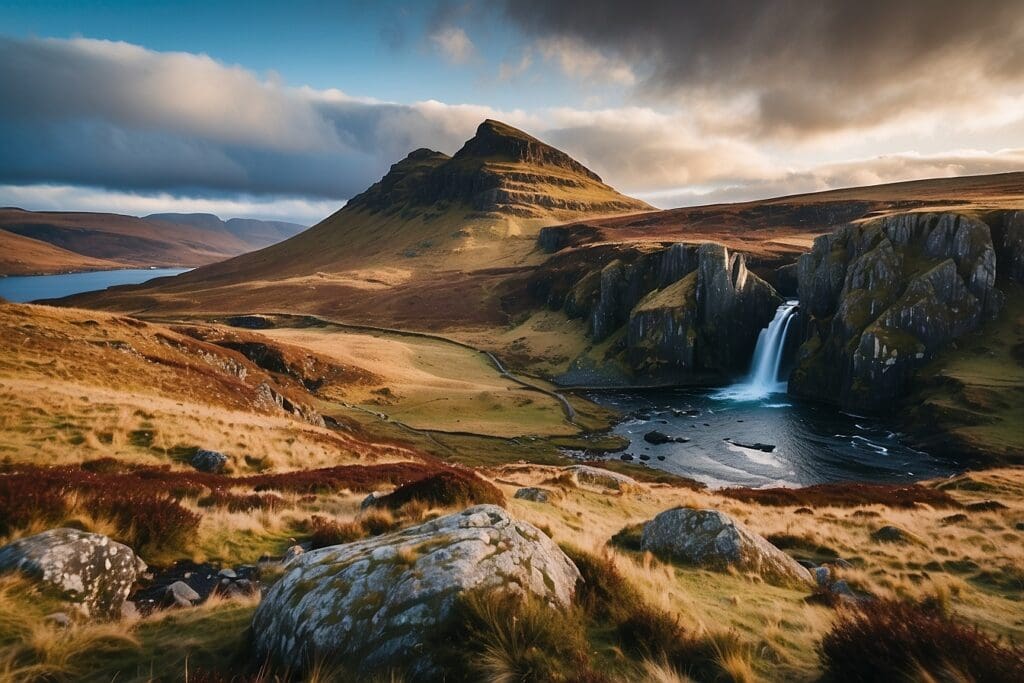
Skye delivers Scotland’s most dramatic coastal scenery—the Old Man of Storr rock formation, the Quiraing landslip, and the Fairy Pools waterfall series draw photographers worldwide. Visit during shoulder seasons (April-May, September-October) to avoid summer overcrowding. Start popular walks before 8am. The Trotternish Ridge walk offers experienced hikers spectacular coastal views without the Quiraing crowds.

Outer Hebrides: White Sands and Gaelic Culture

Luskentyre Beach Isle of Harris Scotland with white sand and turquoise water, pristine Outer Hebrides coastline

The islands of Lewis and Harris showcase Scotland’s Celtic heritage most authentically. Gaelic remains the primary language in many communities, and Sunday observance continues in some areas—shops and restaurants close. Luskentyre Beach on Harris rivals any tropical destination for pristine white sand and turquoise water, backed by Highland mountains rather than palms.

Isle of Staffa: Volcanic Architecture

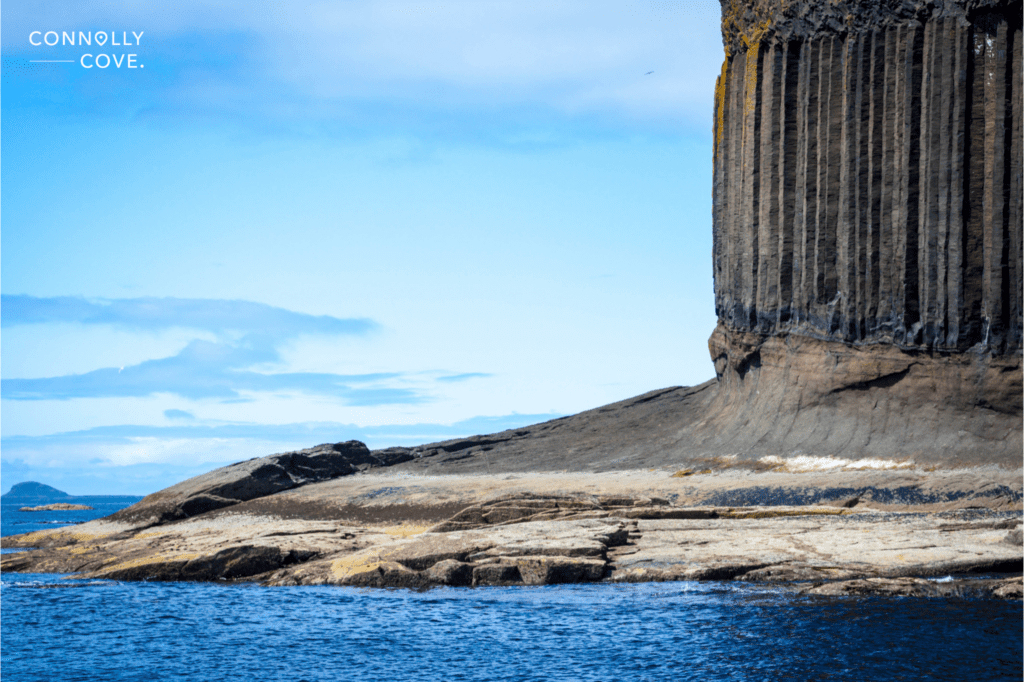
Staffa remains one of Scotland’s most striking natural wonders—an uninhabited island formed from hexagonal basalt columns rising from the sea. Fingal’s Cave inspired Mendelssohn’s Hebrides Overture after his 1829 visit. Boat tours from Mull operate seasonally, weather-dependent. Puffins nest on Staffa during spring and early summer.

Unique Scottish Experiences: Beyond Standard Tourism

Traditional Scottish mountain bothy shelter in remote Highlands, authentic wilderness accommodation

These distinctive activities among things to do in Scotland offer authentic engagement with Scottish culture and landscapes, moving beyond passive sightseeing toward active participation.

Bothy Culture: Off-Grid Mountain Shelters

Scotland’s Mountain Bothies provide free, basic shelter in remote locations—simple stone buildings maintained by volunteers. No electricity, no running water, no mobile signal. Just wilderness, weather, and whatever company arrives. Carry out all rubbish, bring your own fuel, and leave bothies cleaner than you found them.

Munro Bagging: Scotland’s Mountain Challenge

“Munros” designate Scottish mountains exceeding 3,000 feet (914.4 metres). Climbing all 282 Munros represents a lifetime challenge, but beginners can start with accessible peaks like Ben Lomond near Glasgow. Munro bagging combines physical challenge with Scotland’s “Right to Roam” access laws—permitting wild camping and freedom of movement across most land.

Beginner-friendly Munros: Ben Lomond (974m), Schiehallion (1,083m), Ben Chonzie (931m).

The Whisky Trail: Understanding Scotland’s National Spirit

Summit of Ben Lomond Scotland showing Loch Lomond views, popular Munro for beginner hillwalkers

Scottish whisky divides into distinct regional styles, transforming whisky from tourist activity into cultural education.

RegionFlavour ProfileFamous DistilleriesBest For
SpeysideSweet, fruity, elegantGlenfiddich, MacallanBeginners
IslayPeaty, smoky, maritimeLaphroaig, ArdbegAdventurous palates
HighlandVaried, complexGlenmorangie, DalmoreExploring diversity
LowlandLight, grassy, gentleAuchentoshanAperitif style

Outlander Location Touring

The Outlander television series filmed extensively across Scotland at genuine historical sites. Key filming locations include Doune Castle (Outlander’s “Castle Leoch”), Blackness Castle, and various Highland glens. These sites existed centuries before television discovered them, offering layered historical narratives beyond their screen appearances.

Glasgow & The West: Culture and Creativity

Kelvingrove Art Gallery Glasgow Scotland, Victorian museum building and cultural attraction

Glasgow contrasts sharply with Edinburgh—where Edinburgh presents historic grandeur, Glasgow offers industrial heritage transformed into creative energy. The West Coast’s proximity combines urban exploration with easy access to Loch Lomond and coastal landscapes.

Kelvingrove and Mackintosh Legacy

Kelvingrove Art Gallery houses Scotland’s most visited museum—free entry to world-class collections spanning art, natural history, and Scottish heritage. Charles Rennie Mackintosh’s Art Nouveau architecture defines Glasgow’s aesthetic identity through sites including Glasgow School of Art, Willow Tea Rooms, and House for an Art Lover.

Loch Lomond and The Trossachs

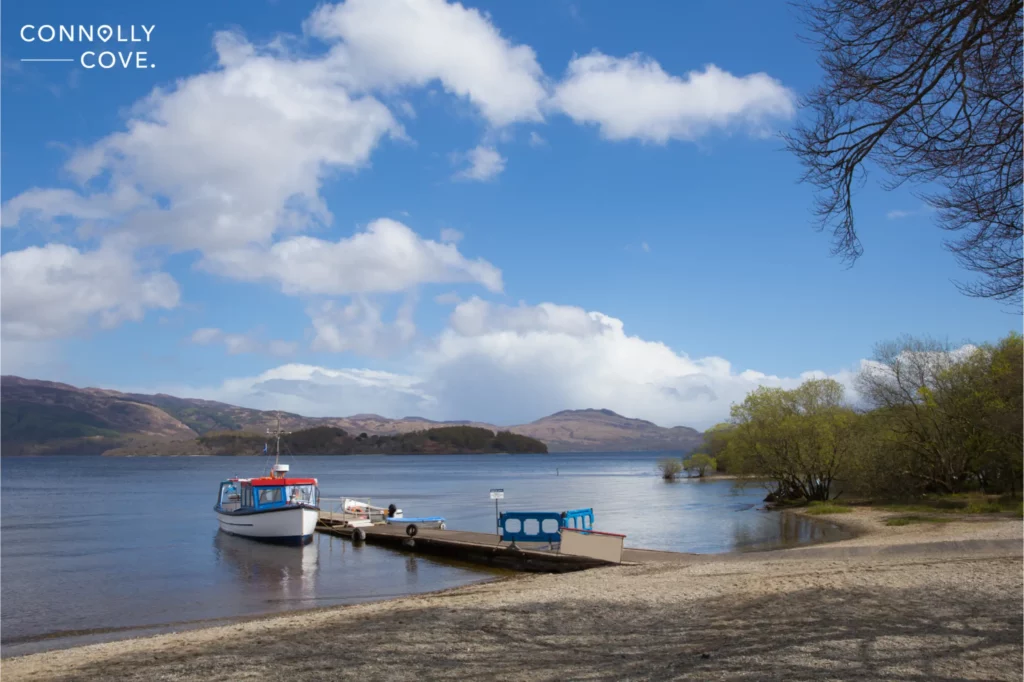
Scotland’s first national park sits on Glasgow’s doorstep. Loch Lomond’s southern shores can become crowded, but the park’s northern reaches maintain wilderness character. Ben Lomond provides accessible Munro-bagging close to major population centres.

Distinctive Dining Experiences

Traditional Scottish pub interior with whisky collection, authentic dining experience in Scotland

Scotland’s food culture extends beyond stereotypical haggis. Contemporary Scottish cuisine emphasises local ingredients—seafood from clean waters, game from Highland estates, and produce from fertile lowland farms. The dining scene ranges from interactive chocolate workshops to atmospheric medieval restaurants, with traditional pubs and afternoon tea experiences offering insights into Scottish hospitality and culinary heritage.

The Chocolatarium (Edinburgh)

This interactive chocolate experience allows visitors to create personalised chocolate bars while learning about cocoa origins and chocolate-making processes. Workshops suit families and provide unique souvenirs.

The Witchery by the Castle (Edinburgh)

This atmospheric restaurant near Edinburgh Castle occupies a 16th-century building where accused witches were burned. Flickering candlelight, oak panelling, and stone arches create medieval ambiance while serving refined Scottish cuisine using locally-sourced ingredients.

Traditional Pubs and Afternoon Tea

Scottish pubs maintain distinct character—less emphasis on beer gardens, more focus on whisky selections and community atmosphere. Afternoon tea remains popular across Scotland, from Edinburgh’s elegant hotel tea rooms to contemporary cafés offering creative variations incorporating Scottish ingredients like tablet (Scottish fudge).

Suggested Scottish Itineraries

Planning a Scottish itinerary requires balancing geographical reality with travel ambitions—Scotland’s dramatic landscapes demand time to experience properly rather than rushing between destinations. These suggested itineraries provide frameworks adaptable to different interests, budgets, and travel styles.

3 Days: Edinburgh and East Coast

Dedicate two days to Edinburgh—exploring the castle, Royal Mile, and Arthur’s Seat on day one, then the New Town galleries and Holyrood Palace on day two. Your third day ventures to either Stirling Castle and the Kelpies sculptures, or east to St Andrews for golf history and dramatic coastal scenery. This compact itinerary maximises Edinburgh’s walkable centre while sampling Scotland’s broader historical narrative.

7 Days: The Classic Highland Loop

Spend two days in Edinburgh establishing historical context, then drive north through Stirling to Glencoe on day three. Day four takes the Jacobite Steam Train from Fort William to Mallaig. Travel to Skye via Eilean Donan Castle on day five, dedicating day six entirely to Skye’s dramatic landscapes—the Old Man of Storr, Quiraing, or Fairy Pools. Return via Loch Ness and Urquhart Castle on day seven. This 500+ mile loop captures Scotland’s essential character—history, wilderness, and Highland drama.

14 Days: The Comprehensive Scottish Experience

Extend the seven-day Highland Loop with Glasgow and the West Coast (two days), plus three to four days exploring either the Outer Hebrides’ pristine beaches and Gaelic culture or Orkney’s ancient Neolithic sites. Add two days in Cairngorms National Park for reindeer encounters, Munro bagging, or bothy experiences. Conclude with East Coast fishing villages, balancing famous attractions with lesser-known regions for genuine understanding of Scotland’s geographical and cultural diversity.

Understanding Scottish Culture: The Right to Roam

A scenic Scotland landscape with a winding river, lush green fields, and mountains under a partly cloudy sky. Wildflowers dot the grassy foreground, while a lake and trees are visible in the background. Connolly Cove logo is in the corner.

Appreciating Scotland fully requires understanding cultural elements that distinguish it from the rest of Britain. Scotland’s outdoor access laws, linguistic heritage surviving through place names and living Gaelic communities, and social structures that shaped Highland society for centuries all add depth to physical experiences. These cultural dimensions transform castle visits from photo opportunities into historical connections and landscape appreciation from scenic views into cultural understanding.

The Right to Roam

Scotland’s outdoor access laws differ significantly from England and Wales. The Land Reform (Scotland) Act 2003 establishes “responsible access rights” allowing wild camping in most areas, walking across most land, and access to inland water. This legal framework enables authentic wilderness experiences impossible in more restrictive jurisdictions. However, “responsible access” requires following the Scottish Outdoor Access Code—respecting privacy, protecting environment, and considering land management needs.

Your Scottish Adventure Awaits

“Scotland taught us that authentic storytelling beats generic content every time. When we document places with genuine cultural context and practical insights rather than superficial promotion, audiences respond with deeper engagement and appreciation.” – Ciaran Connolly, Director, Connolly Cove

Things to do in Scotland extend far beyond ticking attractions off lists. This nation offers immersive experiences spanning wilderness adventures, cultural discoveries, historical explorations, and contemporary creativity. Whether you’re documenting your journey through photography and video, seeking Celtic connections from Ireland, or simply exploring your neighbouring nation, Scotland rewards curious travellers with layered experiences that resonate long after returning home.

Start planning your Scottish adventure by identifying which aspects resonate most strongly. History enthusiasts might centre itineraries around castles and battlefields. Nature lovers could focus on national parks and island exploration. Food and drink aficionados might build journeys around whisky trails and seafood restaurants. Whatever your interests, Scotland accommodates them within surprisingly accessible geography.

For more destination guides and travel planning resources, explore Connolly Cove’s extensive content library covering destinations and cultural insights worldwide.

FAQs

What is the best month to visit Scotland?

May and September offer the best balance—reasonable weather, fewer crowds than summer, and no midges. May brings longer days and spring colours, while September delivers autumn landscapes and stable conditions. Both months avoid August’s festival crowds and summer’s peak pricing.

How many days do you need in Scotland?

Minimum three days for Edinburgh alone, seven days for the classic Highland loop including Skye, and 10-14 days for comprehensive exploration including islands. Scotland’s single-track roads and ferry schedules mean distances take longer than maps suggest—allocate more time than you think necessary.

Is it worth hiring a car in Scotland?

Absolutely essential for exploring Highlands and islands where public transport is limited. However, Edinburgh and Glasgow are walkable with excellent public transport. Consider flying into Edinburgh, exploring the city car-free, then hiring for Highland exploration to avoid urban driving challenges.

What should I pack for Scotland?

Waterproof jacket and layers regardless of season—Scottish weather changes hourly. Sturdy walking shoes or boots for hiking, midge repellent for summer visits (June-September), and adaptors for UK plugs. Pack for all seasons even in summer, as temperatures vary dramatically between coast and mountains.

Can you wild camp in Scotland?

Yes, Scotland’s “Right to Roam” legislation permits wild camping on most unenclosed land. Camp away from buildings, roads, and gardens. Follow Leave No Trace principles—carry out all rubbish, use existing pitches where possible, and respect landowners. Avoid camping during lambing season (April-May) in farming areas.

Leave a comment

Your email address will not be published. Required fields are marked *