


The Ultimate Guide to Events and Hospitality Job Roles
Updated On: April 15, 2024 by  Ciaran Connolly
In the global tourism sector, Events and Hospitality professionals play a vital role in creating experiences that are enjoyable, memorable and recommendable to prospective tourists. Working in this role requires a driven and energetic candidate with excellent interpersonal skills, with experience in liaising with organisers and attendees to ensure each event runs according to the guests’ requirements and satisfaction.
Whilst strong customer service skills are desirable, organisation skills are essential. Experienced Events and Hospitality professionals can enjoy lucrative careers, with management and senior level staff earning up to €30-45k per annum.
Skills and Experience
- Excellent administration skills
- Strong attention to detail
- The ability to work on own initiative and as part of a team
- Skills in building rapport with visitors and business partners
- Previous experience working in an Events and Hospitality role
- Positive attitude and welcoming telephone manner
- Previous hosting experience is desirable
- Good communication and literacy skills
- A structured and organised attitude to event planning
- Experience in task prioritisation and customer service
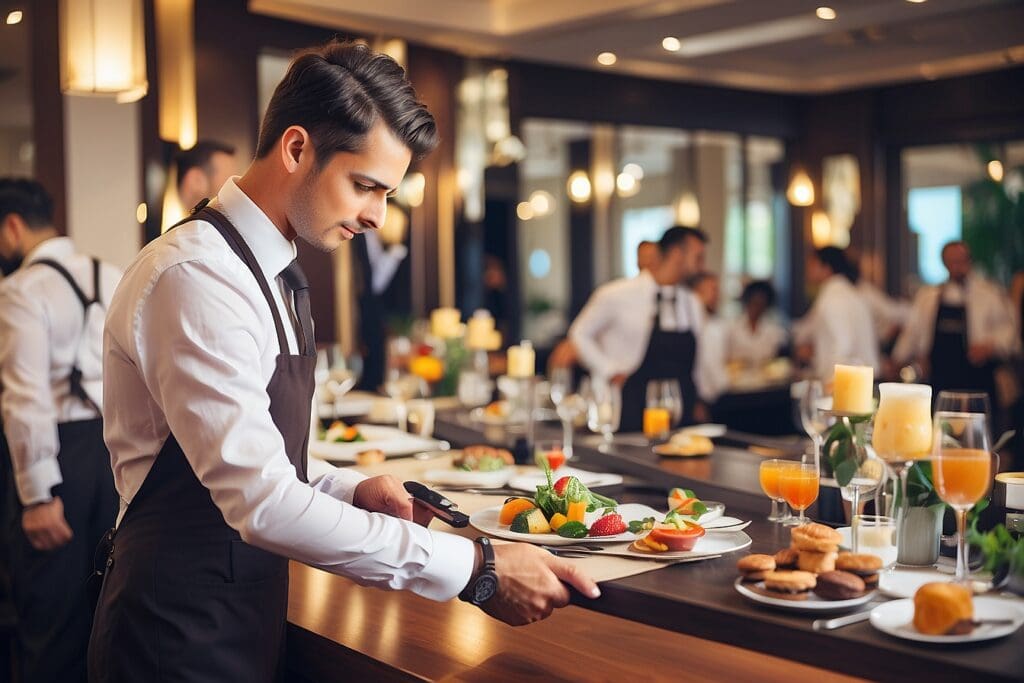
Roles in Events and Hospitality can be demanding, yet often rewarding career paths for tourism industry professionals. Whilst hours can occasionally be unsociable, workers within this sector often enjoy the broad nature of the role. Many Events and Hospitality professionals will have considerable experience in customer service positions prior to taking the position. In essence, your role will ensure that the experiences of each and every guest is safe, enjoyable and memorable.
Entering an Events and Hospitality role for the first time can be a daunting, yet rewarding experience. Understanding the variety of roles offered by this sector can help you to understand the many career options available.
Events and Hospitality Roles Overview
Events and hospitality staff are employed across the entire sector, meaning that you could work in a visitor centre as part of a large team, or a gift shop as the single member of customer service staff. See below for an overview of the sector’s most prominent roles.
Event Coordinator
As an Event Coordinator, you will bring considerable and demonstrable experience working in previous hosting and events management positions to your role. You will have oversight over entire events, coordinating staff, guests and others to ensure that an event runs smoothly and according to the demands of a client. Strong organisation skills are essential, as well as experience in running large, busy teams in highly pressured situations.
Meeting,Sales and Events Coordinator
Great National South Court Hotel
Golf Sales Event Coordinator
Carton House Hotel & Golf Resort
Events Host
As a Host, you will bring charisma, charm and a positive attitude to each and every thing you do. Particularly relevant to large events, Hosts will ensure that guests, visitors and customers are looked after throughout each stage of their visit; meeting, greeting and providing light entertainment as required. Previous hosting experience is desirable, whilst customer service experience is often an essential.
Part time Party & Camp Host
LeisureWorld
Meeting & Events Host
Dalata Hotel Group
Event Project Manager
As an Event Project Manager, you will work in a hands-on role as part of a wider Operations Team. A successful candidate must be able to complete a wide range of duties requiring strong communication, great organisational skills and a keen eye for detail. You will work well under pressure and have considerable experience in managing events budgets, as well as in managing large and busy teams. In most cases, an Event Project Manager will hold considerable experience in a previous events management roles.
Sales Event Manager
Castlemartyr Resort
Event Project Manager (Meetings, Incentives, Conferences Events)
Event Partners Ireland
Events Assistant
As an Events Assistant, you will play a key role in the management of conferences, corporate and dining events from the enquiry stage right through to the big day. You will be heavily involved in client liaison, striving to achieve maximum potential revenue for all events. You will ensure a consistent flow of information between your department and others, frequently working as part of a wider Operations Team. Previous events or customer service experience is essential.
Conference & Events Assistant
Campus Life Services University of Limerick
Meeting & Events Executive
The Montenotte Hotel
Operations Manager
As an Operations Manager, you will take ultimate responsibility for the smooth running of all operations within your hotel, resort or visitor attraction. You will maintain and develop all existing departments, demonstrating a track record of success in customer satisfaction, commercial results and people management. In this role you will have excellent leadership skills, as well as a commitment to continually improving standards and health & safety expectations.
Hotel Operations Manager
Treacys Hotel Waterford
Operations Manager
The Charleville Park Hotel
Receptionist
As a receptionist in the Events and Hospitality team, you will often be the first port-of-call and first line of contact for both new and existing customers. You will work in a customer-facing role, taking care of bookings, ticketing and other administrative duties, delivering the highest levels of customer service at all times. Word processing experience is often desirable, as well as a positive and welcoming telephone manner.
Senior Receptionist
Glasson Country House Hotel
Hotel Receptionist
Hodson Bay Hotel
Now that you have a full oversight of the roles available within an Events and Hospitality environment, you are ready to find the perfect role to start your career in the sector. To discover more vacancies in Irish tourism and hospitality, visit our jobs board.

6 Top Mourne Camping Sites for an Unforgettable Experience Under the Stars
Northern Ireland
18/04/2024

Eostre: The Germanic Goddess of Dawn and Spring Equinox Celebrations
Mythology and Folklore
17/04/2024

Explore the Top Hotels in County Cavan for Your Ultimate Getaway
County Cavan
17/04/2024

Irish Golf: Exploring the Top Golf Courses in Ireland
Culture Exploration
17/04/2024

Exploring the Rich Tradition of Gaelic Festivals: Samhain, Imbolc, Bealtaine, and Lughnasadh
Festivals and Events
16/04/2024